Home Blog Page 56

5 Key Reasons Drivers Choose Previously Owned Cars

Photo by depositphotos at https://depositphotos.com/

When it comes to purchasing a vehicle, many buyers are drawn to new models for their latest technology, fresh appearance, and full warranties. However, a growing number of drivers are discovering the value and benefits of previously owned cars. With advancements in vehicle reliability and maintenance standards, pre-owned cars now offer drivers the ability to get quality, dependable transportation at a fraction of the price of new models.

For those exploring options, Used cars for sale provide a wide variety of choices, from well-maintained sedans and SUVs to trucks and luxury models. Understanding why drivers increasingly choose pre-owned vehicles can help buyers make informed decisions and maximize both value and satisfaction.

Cost Savings and Financial Advantages

One of the most significant reasons drivers opt for previously owned cars is the substantial cost savings. New vehicles experience rapid depreciation as soon as they leave the dealership, often losing 20% to 30% of their value in the first year alone. Pre-owned cars allow buyers to avoid this immediate drop in value.

This financial advantage means that drivers can often afford higher trim levels, better features, or larger vehicles than they would be able to purchase new. For example, a lightly used SUV may include premium technology, leather seating, and advanced safety features for much less than a brand-new equivalent.

In addition to lower purchase prices, previously owned vehicles often cost less in insurance premiums. Insurance rates are generally based on a car’s value, so a used vehicle can result in significant annual savings. These financial benefits make pre-owned cars an attractive option for budget-conscious buyers seeking quality without overspending.

Slower Depreciation Over Time

Pre-owned cars also stand out because they experience slower depreciation compared to new vehicles. Since much of the initial depreciation occurs in the first few years, a car that has already been driven tends to retain its value more steadily over time.

This slower depreciation can be especially advantageous for drivers who plan to sell or trade in their vehicle in a few years. By purchasing a used car, owners are less likely to face significant financial losses when it comes time to upgrade or sell.

Slower depreciation also allows drivers to get more car for their money, often enabling them to access models or trims that might have been out of budget if purchased new. This combination of value and long-term stability is a major reason many choose previously owned vehicles.

Access to Certified Pre-Owned Programs

Many drivers are drawn to previously owned vehicles because of certified pre-owned (CPO) programs offered by manufacturers and dealerships. These programs provide an extra layer of reassurance by ensuring the vehicle meets high-quality standards.

CPO vehicles undergo rigorous inspections, covering mechanical systems, safety features, and cosmetic condition. Any necessary repairs are completed before the car is sold, giving buyers confidence that they are purchasing a reliable vehicle.

In addition to thorough inspections, CPO programs often include extended warranties and roadside assistance, providing coverage similar to that of a new car. These features reduce the perceived risk of buying used while still offering the financial benefits associated with pre-owned vehicles.

For many drivers, the availability of CPO programs makes previously owned cars nearly as attractive as new models without the higher price tag.

Wider Variety and Flexibility

Another key reason drivers choose pre-owned cars is the wider variety of options available. New car inventories are limited to the current model year, which can restrict buyers in terms of color, trim, features, and available configurations. Previously owned vehicles provide access to multiple model years, unique trims, and discontinued features that may not be available on new cars.

For example, a driver seeking a specific package, technology feature, or performance trim may find that previously owned options meet their requirements better than current-year models. This flexibility allows buyers to select a vehicle that perfectly matches their preferences and lifestyle.

Additionally, pre-owned vehicles are often more accessible in higher trim levels. Buyers can purchase vehicles that include premium amenities, safety features, and advanced technology for a fraction of the cost of a brand-new, fully equipped model.

Proven Reliability and Longevity

A common misconception about pre-owned cars is that they are less reliable than new models. In reality, modern vehicles are built to last well beyond 100,000 miles, and many previously owned cars remain dependable when properly maintained.

Drivers often choose used cars from brands and models known for longevity and low maintenance costs. Vehicles with strong reliability reputations provide peace of mind while still offering significant financial advantages.

Additionally, maintenance records for previously owned cars can give buyers insight into the vehicle’s history. Cars that have been regularly serviced, well-maintained, and cared for by previous owners are often as dependable as new cars.

By purchasing a vehicle with a proven track record of performance and durability, drivers can enjoy years of reliable transportation without paying the premium price of a new car.

Additional Benefits: Lower Insurance and Registration Costs

Beyond purchase price and depreciation, pre-owned cars also offer savings in insurance and registration fees. Insurance premiums are generally based on a vehicle’s value, so lower-priced pre-owned vehicles often cost less to insure.

Registration fees and state taxes are also typically lower for used vehicles, particularly if the car is several years old. These ongoing cost savings contribute to the overall affordability and practicality of previously owned cars.

For drivers looking to minimize the total cost of ownership, these benefits make pre-owned vehicles a smart financial choice.

Environmental and Practical Advantages

Choosing a previously owned car can also have environmental benefits. Purchasing used reduces demand for new vehicle production, which requires significant energy and resources. By extending the life of existing vehicles, buyers contribute to sustainability efforts while still acquiring a reliable car.

From a practical standpoint, pre-owned vehicles often allow buyers to afford larger or more feature-rich models than they could if purchasing new. This means drivers can enjoy the space, comfort, and amenities they need without exceeding their budget.

Conclusion

There are multiple compelling reasons why drivers choose previously owned cars. Significant cost savings, slower depreciation, access to certified pre-owned programs, and a wider variety of models make pre-owned vehicles an appealing option. Proven reliability, ongoing maintenance records, and lower insurance and registration costs further enhance their value.

Additionally, previously owned vehicles can provide environmental benefits and practical advantages by enabling buyers to access larger or more equipped models within their budget. For many drivers, these combined benefits make pre-owned cars not just a budget-friendly choice, but a smart investment in long-term value and satisfaction.

How to Budget and Finance Your First High-Performance Street Car

Photo by depositphotos at https://depositphotos.com/

For dedicated motorsports fans, the dream of owning a high-performance street car is often the ultimate goal. Watching track-ready machines roar around the circuit on a weekend inspires many enthusiasts to seek that same thrill for their daily commute or Sunday drive. However, making the leap from an everyday passenger vehicle to a sports car requires more than just passion. It demands careful financial planning. Without a solid strategy, the excitement of purchasing a dream vehicle can quickly turn into a financial burden. By mapping out your expenses and understanding your funding choices, you can safely park that performance car in your garage.

Understanding the True Costs of Performance

Before you start browsing dealership inventories, you must look beyond the sticker price. Performance vehicles come with a unique set of financial demands that standard commuters simply do not experience. High-performance engines require premium fuel, specialised synthetic oils, and frequent servicing by certified technicians. Furthermore, you will be replacing performance tyres and brake pads much more often than you would on a standard hatchback.

As outlined in our beginner’s guide on buying your first race car, the upfront expenses and ongoing maintenance costs of any track-focused vehicle require serious preparation. Even if your chosen street car is fully road legal, the financial realities remain quite similar. You must account for higher insurance premiums, rapid depreciation on certain models, and the inevitable cost of specialist parts. When you factor in these recurring expenses, the total cost of ownership becomes much clearer, allowing you to build a comprehensive budget that covers both the vehicle and its upkeep.

Exploring Your Funding Options

Once you have a realistic view of the maintenance and running costs, the next step is securing the capital for the purchase. While paying in cash is an excellent way to avoid interest charges, it is not always feasible for premium sports cars. Most buyers will need to explore vehicle financing to make their purchase a reality. Securing pre-approval before you start shopping gives you the confidence of a cash buyer and prevents you from overextending your budget at the dealership.

It is crucial to compare different lenders to secure a competitive interest rate. Depending on your location and financial background, you might look at local credit unions, specialist automotive lenders, or major international banks. For instance, reviewing options such as car loans from ING Australia can give you a solid benchmark for competitive rates and flexible repayment terms. Knowing exactly what funding is available allows you to negotiate from a position of strength and ensures you are not caught out by hidden fees or inflexible terms. This step is essential in ensuring your dream car does not compromise your overall financial stability.

Evaluating Your Financial Health and Borrowing Power

Before applying for any finance product, you should assess your personal financial health exactly as a lender would. Credit scores play a major role, but they are not the only factor financial institutions consider. Lenders also measure your capacity to repay a loan by evaluating your debt-to-income ratio, which the Consumer Financial Protection Bureau defines as your total monthly debt payments divided by your gross monthly income. This metric is a universal standard used globally to determine a borrower’s financial risk.

Keeping this ratio low proves to lenders that you have enough surplus income to manage new car payments comfortably. If your monthly financial obligations are already taking up a significant portion of your income, it might be wise to pay down existing debts before acquiring a high-performance vehicle. This proactive approach not only improves your chances of loan approval but also helps secure a lower interest rate over the life of the loan. In addition, having a strong financial profile can provide you with better leverage when negotiating the purchase price of the vehicle itself.

Top Budgeting Tips for Enthusiasts

To ensure your performance car remains a source of joy rather than stress, consider adopting a few practical budgeting habits. Building a specific financial plan around your vehicle will protect your wider lifestyle and keep your car running smoothly. Implementing these strategies will help you avoid the common pitfalls that many first-time sports car buyers face.

  • Create a maintenance fund: Set aside a fixed amount each month specifically for unexpected repairs and routine servicing. This prevents large repair bills from derailing your monthly budget.
  • Shop around for insurance: High-performance street cars attract higher premiums. Compare quotes from multiple insurers and look for enthusiast-specific policies that might offer better coverage for a tailored price.
  • Factor in fuel consumption: Performance engines are rarely economical. Calculate your expected weekly kilometres to estimate your increased fuel expenditure accurately.
  • Avoid stretching loan terms: While a seven-year loan might offer lower monthly payments, you will pay significantly more in interest over the life of the loan. Aim for the shortest term you can comfortably afford to minimise your overall costs.

Conclusion

Purchasing your first high-performance street car is a thrilling milestone that connects your passion for motorsports with your everyday life. By treating the buying process with the same precision and focus as a professional racing team treats a pit stop, you can enjoy the roar of the engine with complete peace of mind. Prepare your finances thoroughly, secure the right loan structure, and get ready to hit the road in the car of your dreams.

Top AI Software Development Firms for Business Automation

Photo by depositphotos at https://depositphotos.com/

Business automation has become one of the most impactful applications of artificial intelligence. Companies are increasingly using AI to streamline operations, reduce manual work, and improve decision-making across departments. From automating customer interactions to optimizing internal workflows, AI-powered systems are helping organizations scale efficiently.

However, building automation solutions that actually work in real-world environments requires more than basic implementation. Businesses need partners who can design, deploy, and maintain AI systems that integrate seamlessly into existing processes. Below is a list of AI software development firms that help organizations implement scalable automation solutions.

1. Tensorway

Tensorway develops AI solutions designed to automate business processes while ensuring stability and scalability in real-world environments. Their work includes building systems that handle data processing, decision-making, and workflow optimization across different industries.

Companies often consider Tensorway when they need AI-driven automation that can integrate with existing tools and support long-term operational goals. Their solutions focus on improving efficiency, reducing manual effort, and enabling more consistent execution of business processes.

Tensorway emphasizes practical implementation, delivering systems that are not only functional but also adaptable. Their approach allows organizations to scale automation initiatives without adding unnecessary complexity to existing workflows.

2. Cognigy

Cognigy specializes in AI-powered automation for customer service and communication. Their platform enables businesses to create intelligent virtual agents that handle customer interactions across multiple channels.

They focus on improving customer experience while reducing operational costs. Their solutions are designed to integrate with existing systems, allowing organizations to automate processes without disrupting current workflows.

Cognigy is particularly effective for companies looking to automate large volumes of customer interactions while maintaining a high level of service quality.

3. Hypotenuse AI

Hypotenuse AI provides automation solutions focused on content generation and data-driven workflows. Their tools help businesses automate content creation, product descriptions, and marketing materials.

The company emphasizes speed and efficiency, enabling organizations to scale content production without increasing manual effort. Their solutions are particularly useful for eCommerce and digital marketing teams.

Hypotenuse AI allows businesses to streamline repetitive tasks while maintaining consistency and quality in their outputs.

4. Aisera

Aisera develops AI solutions that automate IT operations, customer support, and enterprise workflows. Their systems use machine learning and natural language processing to handle requests, resolve issues, and optimize processes.

They focus on delivering automation that improves efficiency across departments. Their solutions are designed to reduce response times and enhance user experiences.

Aisera is well-suited for enterprises seeking to automate internal operations and improve service delivery at scale.

5. WorkFusion

WorkFusion specializes in intelligent automation for industries such as finance and healthcare. Their solutions combine machine learning with robotic process automation to handle repetitive and data-intensive tasks.

They focus on improving operational efficiency while reducing errors. Their systems are designed to handle complex workflows that require both automation and decision-making capabilities.

WorkFusion is a strong choice for organizations looking to automate processes that involve large volumes of structured and unstructured data.

6. Rossum

Rossum provides AI solutions for document processing and workflow automation. Their platform uses machine learning to extract and process data from documents such as invoices and forms.

They focus on reducing manual data entry and improving accuracy. Their solutions integrate with existing systems, allowing businesses to automate document-heavy processes.

Rossum is particularly valuable for organizations that deal with large volumes of documents and need efficient data processing solutions.

7. Moveworks

Moveworks develops AI solutions that automate internal business operations, particularly in IT and employee support. Their platform enables organizations to resolve issues automatically and streamline workflows.

They focus on improving efficiency by reducing the need for manual intervention. Their solutions are designed to integrate with enterprise systems and provide seamless automation.

Moveworks is well-suited for companies looking to enhance internal productivity and automate support processes.

8. UiPath AI Center

UiPath AI Center combines AI with robotic process automation to deliver scalable business automation solutions. Their platform enables organizations to build, deploy, and manage AI-powered workflows.

They focus on enabling businesses to automate repetitive tasks while maintaining control over processes. Their solutions support integration with a wide range of enterprise systems.

UiPath AI Center is a strong option for companies looking to combine AI and automation technologies effectively.

9. Dataiku DSS

Dataiku DSS provides tools for building and deploying machine learning models that support business automation. Their platform enables collaboration between data scientists and business teams.

They focus on making AI accessible and scalable across organizations. Their solutions help businesses automate decision-making processes and improve operational efficiency.

Dataiku DSS is particularly useful for enterprises that want to integrate AI into multiple business functions.

10. Peltarion

Peltarion offers AI software development solutions that help businesses automate complex processes and build intelligent applications. Their platform supports deep learning and machine learning workflows.

They focus on enabling organizations to develop and deploy AI solutions without extensive infrastructure complexity. Their tools support scalability and flexibility.

Peltarion is a good choice for companies looking to build advanced AI systems that support automation and innovation.

Final Thoughts

AI-powered automation is becoming a critical component of modern business strategy. Companies that successfully implement automation can reduce costs, improve efficiency, and scale operations more effectively.

The firms listed above provide a range of solutions that help organizations build and deploy AI systems tailored to their specific needs. From customer support automation to internal workflow optimization, these providers offer the expertise required to implement scalable solutions.

As businesses continue to adopt AI in 2026, working with experienced development partners will be essential for building automation systems that deliver long-term value and competitive advantage.

Mobile Dent Repair Idaho: The Smart Way To Fix Dents Anywhere

Idaho drivers increasingly choose mobile dent repair to handle door dings, creases, and small dents without disrupting their day. Instead of leaving your vehicle at a body shop for days, a PDR expert arrives with a mobile service and performs precision dent removal on-site. In Boise and across the Treasure Valley, paintless dent repair (PDR) preserves your factory finish, avoids repainting, and helps maintain vehicle value—making it a trusted alternative to traditional auto body repair.

Whether you searched for “dent repair near me,” “dent repair Boise,” or “dent repair Idaho,” the best mobile repairs start with a free estimate and transparent pricing. Reputable providers like Prestige Dent Removal and Gem State PDR offer professional service, certified experts, and customer reviews you can verify on Google, Yelp, YouTube, and Trustindex. Many teams even highlight a satisfaction guarantee and provide estimates by text or online to accelerate the repair process.

With on-site repair geared for convenience, you can book repair at your home or repair at your office anywhere in Boise, Meridian, Nampa, Eagle, Caldwell, Garden City, Kuna, Star, or Middleton. In short, mobile dent repair brings high-quality dent removal and expert dent repair to you—fast, cost-effective, and designed to restore factory finish without the downtime of a body shop.

Why Mobile Dent Repair Is Ideal for Idaho Drivers

From gravel backroads to crowded parking lots, Idaho life is tough on panels. PDR-based dent repair services solve common damage repair scenarios—door impacts, hail damage, body line damage, and minor collision repair—without paint, sanding, or filler. By retaining the original factory finish, mobile dent repair avoids color-matching issues and the depreciation that can follow traditional auto repairs.

Mobile service also means fewer logistics. There’s no need to arrange rides or rentals; simply schedule a visit, get a free estimate, and let certified experts perform auto dent repair while you handle work or family. For many dents and door dings, mobile repairs deliver a fast turnaround and affordable dent repair compared with full collision repair at a shop. If an insurance claim is involved, experienced PDR experts can coordinate with auto insurance providers to simplify approvals. GemstatePDR provides expert paintless dent repair services that restore vehicles quickly and efficiently.

Convenience Without Compromise

On-site repairs at home or office

On-site repair minimizes downtime, whether you need repair at your home in Ada County or repair at your office in Canyon County. Many Idaho technicians—like David at Gem State PDR—arrive fully equipped for precision repairs, including complex crease dent removal.

Fast turnaround and affordability

For typical door dings and small creases, paintless dent repair often takes hours, not days. That speed translates into cost-effective results, with dent repair pricing that undercuts many body shop quotes, especially when there’s no paint needed.

Insurance-friendly guidance

If you’re filing an insurance claim for hail damage or minor collision repair, reputable teams provide detailed estimates, photos, and videos (often via YouTube links) to streamline approvals.

What Is Paintless Dent Repair (PDR) and When It Works

Paintless dent repair is a specialized dent removal method that massages metal from behind the panel to restore shape without disturbing the paint. It’s ideal for door dings, hail damage, and many dings or creases where the paint is intact. Because there’s no paint needed, no sanding, and no fillers, PDR maintains the original factory finish and helps restore factory finish appearance with minimal intrusion.

How PDR Works

Technicians gain access behind the panel—through factory openings or by carefully removing trim—and use purpose-built rods, levers, and lights to execute precision repairs. This meticulous repair process re-forms stretched metal, often along body lines, delivering high-quality dent removal that looks like it never happened.

Tools and technique for body line damage

Advanced PDR can handle body line damage and complex crease dent removal with tools that provide micro-control. When executed by certified experts, results rival auto body repair while protecting the factory finish and keeping more panels original.

When PDR Excels and Where It Doesn’t

PDR excels on panels with intact paint: door dings, hail damage clusters, and many parking-lot dings. It can also address select motorcycle dent repair (such as fuel tanks) and limited paintless collision removal after minor impacts. PDR may not suit sharp dents with cracked paint, torn metal, or extensive collision repair needs—those may require a body shop. In such cases, PDR can still reduce damage before refinishing, preserving more of the original factory finish.

Note on motorcycle tanks and aluminum panels

Some aluminum or motorcycle panels demand extra time and specialized tools; experienced providers will clarify feasibility and offer transparent pricing after an in-person free estimate.

Common Idaho Dent Scenarios: Hail, Parking Lots, Gravel Roads, and Wildlife Encounters

Idaho’s terrain and seasons create predictable dent patterns. In the Treasure Valley, spring hail damage can pepper hoods and roofs with dozens of small dents. Parking lot door dings are frequent around Boise Town Square and busy groceries in Meridian and Eagle. Rural routes around Kuna, Star, Middleton, and Caldwell expose vehicles to rock chips and dings from gravel roads. Near Garden City and river corridors, wildlife encounters can cause panel creases or bumper impressions.

Idaho snapshots worth PDR consideration

  • Hail storms in Canyon County: Dense clusters are prime candidates for PDR and paintless collision removal, often approved via insurance claim.
  • Parking-lot door impacts in Meridian/Eagle: Quick door ding repair restores panels the same day via mobile service.
  • Gravel-road dings near Kuna/Star/Middleton: Small dings and shallow creases are common mobile dent repair wins.
  • Wildlife nicks around Garden City/Boise: Light panel creases may be corrected through expert dent repair to preserve factory finish.

Across these scenarios, many drivers start by searching “dent repair near me” and discover that mobile dent repair and PDR deliver a faster, more cost-effective path than dropping off at a traditional body shop.

Mobile vs. Body Shop: Cost, Time, and Quality Comparison

Traditional auto body repair is indispensable after major accidents, repainting, or structural collision repair. Yet for cosmetic dents and door dings, mobile dent repair often wins on speed, cost, and preservation of the factory finish.

Cost, Time, and Quality at a Glance

  • Cost: PDR typically offers affordable dent repair because there’s no sanding or fillers, and labor time is reduced. Many Idaho providers publish transparent pricing and give a free estimate with photos. You’ll also find detailed estimates and dent repair pricing breakdowns when panel access is complex.
  • Time: Mobile service offers fast turnaround—often same day—versus multi-day body shop queues and paint curing.
  • Quality: By avoiding repaint, PDR protects your original factory finish. That’s a key driver of vehicle value and a reason customers consider mobile repairs a trusted alternative for small damage repair.

Service Areas Across Idaho: From Boise to Coeur d’Alene and Beyond

Idaho’s leading mobile dent repair teams cover the Treasure Valley extensively—Boise, Meridian, Nampa, Eagle, Caldwell, Garden City, Kuna, Star, and Middleton—across Ada County and Canyon County. Providers like Prestige Dent Removal and Gem State PDR (ask for David) dispatch mobile service units for on-site repair, bringing PDR to driveways and office lots alike. Many also travel statewide for large hail damage events, coordinating with auto insurance providers for efficient claim handling.

North and East Idaho communities—including Coeur d’Alene, Twin Falls, Idaho Falls, and Pocatello—see seasonal demand spikes for hail and parking-lot dents. Wherever you are, start with a free estimate: most teams offer quick estimates via Google forms, Yelp messages, or texted photos, and reinforce trust with customer reviews on Trustindex and YouTube demos of the repair process. If you’re comparing options after searching “dent repair near me,” ask about:

  • Scope: door ding repair, crease dent removal, motorcycle dent repair, and minor collision repair assessments
  • Credentials: certified experts in PDR and paintless collision removal
  • Policies: satisfaction guarantee, transparent pricing, and whether mobile repairs can restore the factory finish for your specific damage

The Mobile Repair Process: From Photo Estimate to On‑Site Fix

Photo triage and a free estimate you can trust

Most mobile dent repair appointments in Boise and across the Treasure Valley start with a quick photo triage. You send clear images of the damage, and a certified PDR specialist returns a free estimate with transparent pricing and a proposed time slot for mobile service. This remote step lets you compare dent repair services without driving to a body shop and is ideal if you’re searching for dent repair near me and want convenience plus fast turnaround. It also helps set expectations about repair process options—whether paintless dent repair will preserve the factory finish or whether conventional auto body repair may be required.

What to include in your photos

  • Wide angle of the panel and close‑ups at 45° to show depth, dings, and creases
  • A ruler or tape for scale on door dings, hail damage, and body line damage
  • Angled shots that reveal reflections; these help assess the feasibility of crease dent removal
  • VIN, year/make/model, aluminum vs. steel panel, and whether prior auto repairs exist

Note if an insurance claim is open and the adjuster’s hail estimate (if applicable).

Intuition or Calculation – How Drivers Make Split-Second Decisions

Photo by depositphotos at https://depositphotos.com/

For racing fans, one of the most fascinating aspects of motorsport is not just speed. It is decision-making under pressure. A driver enters a corner, notices a gap that may disappear in half a second, feels the car shift underneath them, and still has to decide — attack, defend, or wait. From the outside, it may look like pure instinct. In reality, it is a combination of trained awareness and rapid analysis.

This same tension between instinct and logic appears in many situations shaped by uncertainty. Whether in competition or high-stakes environments, people often face the same question: when should you trust your instincts, and when should you rely on structured thinking?

Why split-second decisions matter

A race is built on constant evaluation. Drivers process tire wear, fuel strategy, track position, and the behavior of competitors — all in real time. Even with data coming through the radio, there is no room for hesitation. The response has to be immediate.

What separates elite drivers from the rest is not luck. Their instincts are shaped by repetition. Every lap adds to a mental database. Over time, decisions that seem spontaneous are actually based on fast recognition of familiar patterns.

This is what makes motorsport so compelling. It is not just about speed — it is about managing uncertainty with precision.

Intuition works best when it has structure

Intuition is often misunderstood as guessing. In high-performance settings, that is rarely the case. Effective intuition is built on experience and discipline.

A driver may not consciously calculate every move before making an aggressive pass, but the decision is still informed by rhythm, awareness, and prior outcomes. The same principle applies in environments where timing and control matter.

There is a noticeable parallel in how people behave when real stakes are involved. On platforms like Sushi Casino, where outcomes are tied to probability and bonus conditions, experienced users rarely act on impulse alone. They read the flow, adjust their pace, and recognize when to stay in and when to step back. The difference between a rushed decision and a controlled one often comes down to the same factor seen in racing — the ability to slow the moment down mentally, even when everything is moving fast.

When intuition is supported by structure, it becomes a reliable tool instead of a risk.

The role of calculation under pressure

Before a race even begins, teams simulate multiple scenarios. They analyze tire degradation, calculate pit strategies, and model race pace. This preparation creates a framework that helps reduce uncertainty.

In similar systems, structured thinking plays a key role. Calculation helps define boundaries — how long to stay engaged, how to manage resources, and when to step back. Without that framework, decisions can quickly become inconsistent.

However, calculation alone is not enough. There are always variables that cannot be predicted.

Where instinct takes over

There comes a moment when data reaches its limit. A driver feels the grip, senses an opening, and commits. That decision cannot be fully calculated — it has to be trusted.

The same turning point exists in any system built around chance and timing. People can study patterns, understand mechanics, and still face a moment where hesitation costs more than action. In those situations, confidence becomes part of the decision itself.

This is why discussions around Sushi Casino often go beyond surface-level features. It is not just about formats or offers — it is about how individuals handle pressure, manage streaks, and stay composed when outcomes shift quickly. The mental side of decision-making becomes more important than any single move.

What racing reveals about risk

Motorsport provides a clear view of how risk works. Every move carries consequences. Act too early, and the opportunity collapses. Wait too long, and it disappears.

Successful drivers do not chase risk blindly. They evaluate it, manage it, and use it strategically.

That same mindset becomes visible in environments where decisions affect outcomes in real time. Sushi Casino is often mentioned in conversations around live sessions and reward structures, but what stands out is not the format itself — it is how different people approach the same situation. Some push too hard and lose control of the moment. Others stay measured, adjust their tempo, and extend their play with far more consistency.

Risk is not the problem. Misreading it is.

Why these decisions feel so relatable

One reason motorsport resonates with such a wide audience is that it makes internal decision-making visible. Everyone has experienced moments where a quick choice had to be made without complete certainty.

Racing simply amplifies that experience. The stakes are higher, the speed is greater, but the mental process is the same.

Finding the balance

The most effective decisions are rarely based entirely on instinct or entirely on calculation. They come from the interaction between the two.

Drivers succeed because they prepare carefully and then trust what that preparation has built. The same principle applies anywhere uncertainty exists.

Good judgment is not about reacting randomly or relying solely on logic. It is about staying composed, understanding the situation, and making a decision that fits the moment.

That is what defines strong decision-making — on the track and beyond.

Why Signage Solutions Matter for Motorsport Venues

A motorsport venue is a high-energy environment. It’s a setting where drivers, teams, officials, and spectators are all moving in different directions at the same time. That makes clear communication a necessity.

One of the most practical ways to guide people and support smooth operations is through well-planned signage solutions. These signs help people stay safe, informed, and oriented while upholding the high standards sponsors and fans expect.

Let’s look at why signage solutions are a critical infrastructure investment for motorsport venues:

Guides People With Clear Direction

Large venues can feel overwhelming, especially for first-time visitors. There are parking areas, grandstands, hospitality suites, and restricted zones, all spread across wide spaces. That’s where clear direction becomes essential.

Directional custom signage helps guide people step by step. It points out entrances, exits, seating areas, and key services in a way that’s easy to follow. When visitors don’t have to guess where to go, they move through the venue with more confidence.

Some venues rely on physical signage placed at key points, while others add digital signage to share updates and directions in real time. Both options can work together as part of a larger signage package. The goal is simple. Help people get where they need to go without stress or confusion.

To get the best results, look for quality signage supplies from reliable manufacturers. You want displays that can withstand constant handling, weather changes, and high traffic while still staying clear and easy to read.

Supports Safety on and off the Track

Safety sits at the center of every motorsport event. With high speeds, heavy equipment, and large crowds, clear instructions matter. Signage plays a direct role in guiding safe behavior across the venue.

Warning signs can mark restricted areas, highlight hazards, or alert people to moving vehicles. These signs don’t need complex wording. They just need to be clear and visible. That clarity helps reduce mistakes and keeps people aware of their surroundings.

Emergency signage is just as important. Exit routes, evacuation points, and safety instructions should be visible and easy to follow. Interior signs inside buildings and structures help guide people quickly during unexpected situations.

Sign companies that specialize in custom signage solutions often design these systems to meet strict safety standards. That attention to detail supports both visitors and staff, creating a safer environment across the venue.

Improves the Visitor Experience

A great motorsport event is about more than the race itself. The experience around it matters just as much. Visitors want to move around easily, find what they need, and enjoy their time without frustration.

Clear business signage helps people locate food stalls, restrooms, merchandise stands, and ticket areas. When everything is easy to find, the entire visit feels smoother and more enjoyable.

Print solutions also play a role here. Printed maps, schedules, and yard signs placed around the venue can help visitors stay informed. These tools provide quick and easy access to essential details without the need for screens or devices.

Digital signage adds another layer by showing live updates, race times, and announcements. This keeps everyone informed and reduces the need for repeated audio updates.

Enhances Branding and Atmosphere

Motorsport venues have strong identities. That usually comes from the teams, the sponsors, and the event itself. Signage helps shape and reinforce that identity.

Custom signs allow venues to reflect their brand identity consistently. Colors, fonts, and materials can all match the overall look and feel of the event. This consistency helps create a strong visual impression that visitors notice right away.

Custom signage also creates space for sponsors. Trackside banners, branded displays, and digital signage can highlight partner brands in a way that feels natural within the environment.

Additionally, signage solutions contribute to the overall atmosphere. Well-designed interior signs and large outdoor displays can add energy and structure to the space. This helps turn the venue into more than just a location. It becomes part of the experience itself.

Manages Large and Diverse Crowds

Motorsport events attract people from different backgrounds and languages. That’s why clear communication matters even more in these settings. Signage helps bridge those differences.

Using symbols, icons, and color coding makes signs easier to understand without relying heavily on text. This approach works well for international audiences and large crowds. It reduces confusion and keeps people moving in the right direction.

Custom signage solutions can also support crowd control. Signage can guide people to entrances or away from busy areas. This helps avoid bottlenecks and keeps movement steady throughout the event.

You can add temporary yard signs and portable displays during peak times or special events. These flexible options ensure venues can adjust their setup based on crowd size and layout changes. That adaptability helps maintain order even when conditions shift.

Sustains Operations and Staff Efficiency

Signage also helps staff members work more efficiently. Clear directions behind the scenes can make a big difference in how smoothly a venue operates.

Business signage inside staff areas can mark service routes, storage zones, and restricted spaces. This helps teams move quickly and avoid unnecessary delays. It also reduces the chances of people entering areas where they shouldn’t be.

Signage packages that include interior signs and outdoor markers ensure the motorsport event stays organized. When everyone knows where to go and what to do, coordination improves across the board.

Sign companies often design these systems to match the specific layout of a venue. That level of detail helps staff find their way faster, respond to issues quickly, and keep operations running without interruption.

Conclusion

Effective signage is a critical part of the infrastructure that keeps a motorsport venue running smoothly. It ensures fans find their way, safety protocols remain clear, and sponsors receive the visibility they expect. When a venue invests in a professional signage package, it creates a more organized and safer experience for everyone on site.

What Makes Some Used Vehicles Stand Out From Others

Photo by Scharfsinn at https://depositphotos.com/

The used car market offers a vast array of vehicles, but not all pre-owned cars are created equal. Some stand out due to their reliability, features, and overall value, while others may come with hidden drawbacks that reduce their appeal. Understanding what differentiates exceptional used vehicles from average options can help buyers make smarter decisions and find cars that deliver long-term satisfaction and performance.

Drivers exploring options through a used cars dealership in Missouri will notice that certain vehicles consistently attract attention for their quality, dependability, and features. These standout vehicles combine smart engineering, thoughtful maintenance, and practical functionality, offering buyers excellent value and peace of mind.

Reputation for Reliability

One of the most important factors that makes a used vehicle stand out is its reputation for reliability. Cars with a history of dependable performance tend to maintain their value and attract buyers seeking a worry-free ownership experience.

Models from manufacturers known for long-lasting engineering, such as Toyota, Honda, and Chevrolet, are often top choices in the used market. These vehicles have proven track records of durability, low maintenance costs, and fewer unexpected repairs.

A used car with a strong reliability reputation gives buyers confidence that it will continue to perform well for years to come. Reliable vehicles also tend to have better resale value, making them a practical financial choice in addition to being dependable.

Complete Maintenance and Service Records

Another factor that distinguishes standout used vehicles is comprehensive maintenance and service records. Vehicles that have been well-maintained throughout their life are more likely to perform efficiently and remain trouble-free.

Service records that show regular oil changes, tire rotations, brake inspections, and scheduled maintenance indicate that the previous owner took good care of the car. This history can reassure buyers that the vehicle has been properly cared for and reduce concerns about hidden mechanical issues.

Well-documented maintenance is especially important for higher-mileage vehicles. Even if a car has several years of use, consistent upkeep can make it just as reliable as a newer model with fewer miles.

Low Mileage and Preserved Condition

While mileage is not the only indicator of a vehicle’s value, low-mileage cars often stand out in the used market. A vehicle with fewer miles has typically experienced less wear and tear on major components like the engine, transmission, and suspension.

In addition to mileage, the overall condition of the vehicle plays a major role. Cars with clean exteriors, well-maintained interiors, and minimal cosmetic damage are more appealing and suggest careful ownership.

Preserved condition also extends to mechanical and electrical components. Vehicles that have been stored properly, regularly serviced, and shielded from extreme weather conditions tend to perform better and remain more reliable over time.

Desirable Features and Technology

Used vehicles that offer desirable features and modern technology often stand out from the rest. Buyers are increasingly seeking cars that include amenities such as advanced infotainment systems, navigation, driver-assistance technologies, and connectivity features.

Models with optional packages, leather seats, sunroofs, premium audio systems, or advanced safety features often attract more attention in the used market. These features not only improve comfort and convenience but also increase the vehicle’s overall value.

Vehicles that include up-to-date technology can provide an experience similar to that of a new car, making them an attractive choice for drivers who want modern functionality without paying full new-car prices.

Fuel Efficiency and Practicality

In today’s automotive landscape, fuel efficiency is a key factor for many buyers. Standout used vehicles often combine reasonable fuel economy with practical performance. Cars that deliver good miles per gallon (MPG) are ideal for both commuting and long-distance travel.

Practicality also includes factors like interior space, cargo capacity, and seating configurations. Vehicles that can accommodate families, carry gear, or adapt to daily driving needs tend to be more attractive in the used market.

For example, midsize SUVs and crossovers that provide ample cargo space while maintaining efficient fuel usage are often highly sought after. Buyers are looking for vehicles that meet both performance and lifestyle needs.

Strong Safety Ratings

Safety is another attribute that makes certain used vehicles stand out. Cars with high crash-test ratings, advanced safety features, and a history of reliable performance are particularly appealing to buyers.

Modern safety technology, including lane-departure warnings, blind-spot monitoring, adaptive cruise control, and automatic emergency braking, can enhance a used vehicle’s appeal. Vehicles with these features not only protect occupants but also help drivers feel confident on the road.

Safety-conscious buyers often prioritize vehicles with a combination of structural integrity, well-maintained systems, and added driver-assistance technologies, which sets these cars apart in the market.

Some used vehicles stand out simply because they are in limited supply or are highly desirable in their class. Cars with strong brand recognition, iconic designs, or particular performance characteristics often attract buyers quickly.

For example, certain sporty models, hybrid vehicles, or luxury trims may have been produced in smaller numbers, making them more appealing to enthusiasts or buyers looking for unique options.

Limited supply can also drive resale value higher, making these vehicles attractive from both a practical and investment perspective. Buyers seeking something special or high in demand are often willing to invest a little more for these standout models.

Proven Longevity and Durability

The construction quality and longevity of a vehicle also determine its standout status. Cars built with durable materials, reliable engines, and robust mechanical systems tend to outperform less well-built alternatives over time.

Vehicles that demonstrate consistent performance over years of use stand out in the pre-owned market because they offer long-term value. Buyers recognize the advantages of choosing vehicles with a proven track record of durability, as these cars often require fewer repairs and lower maintenance costs.

Positive Owner Reviews and Reputation

Word-of-mouth and online reviews also contribute to a vehicle’s standout appeal. Cars that consistently receive positive feedback from previous owners are seen as dependable, well-performing options in the used market.

Reviews highlighting reliability, comfort, fuel efficiency, and low maintenance costs can increase a vehicle’s attractiveness. Buyers often use this information to make informed decisions and avoid vehicles with recurring issues or poor ownership experiences.

A strong reputation among owners signals that a vehicle is not only mechanically sound but also enjoyable to drive and practical for everyday use.

Conclusion

Some used vehicles stand out from others due to a combination of factors, including reliability, maintenance history, low mileage, desirable features, fuel efficiency, and strong safety ratings. Vehicles with limited supply, positive reputation, and proven durability further distinguish themselves in the pre-owned market.

For buyers looking to make a smart investment, understanding these factors can simplify the car-buying process and ensure a satisfying purchase. Well-maintained, feature-rich, and reliable used cars often provide excellent value, practical performance, and long-term peace of mind.

NHRA NATIONAL HOT ROD REUNION NAME TO RETURN TO ANNUAL HOT ROD HERITAGE SERIES EVENT AT BEECH BEND RACEWAY

INDIANAPOLIS (March 26, 2026) – NHRA officials announced today that its historic event at Beech Bend Raceway will head back to its roots, returning to the National Hot Rod Reunion name for its race on June 18-20 and further celebrating the rich history and heritage of the event during NHRA’s 75th anniversary season.

Along with the name change, NHRA also announced that Broc Porter will spearhead running the event for the first time, expanding the relationship between the NHRA Motorsports Museum and Porter’s Beech Bend Raceway. Porter and his wife, Rebecca, operate the track that has been in the family since 1984.

“This is an opportunity to build this race back to what it was when it first arrived in the early 2000s,” Porter said. “This race helped put Beech Bend on the national map and has been a great event for us for many years. We want to see it continue and grow back into a prominent event that honors the legacy of both Beech Bend and NHRA drag racing.”

The National Hot Rod Reunion marks the sixth event of the season in the NHRA Hot Rod Heritage Series, which celebrates the thrilling action of nostalgia drag racing in a variety of classes. Proceeds from the event will benefit the NHRA Motorsports Museum in Pomona.

Porter is receiving guidance from Blake Bowser, who has spearheaded a resurgence at the NHRA’s California Hot Rod Reunion featuring Nitro Revival while continuing to grow the legendary Good Vibrations March Meet.

The annual trip to Beech Bend Raceway has long been a popular stop for fans and race teams, and this year will be especially memorable, returning to the National Hot Rod Reunion name during NHRA’s milestone year.

The National Hot Rod Reunion features three spectacular days of nostalgia racing, hot rods, show cars and a swap meet at a historic facility steeped in drag racing history.

The event also includes a show and shine car show and popular cacklefests throughout the weekend, plus much more. On the track, fans will be thrilled by some of the best nostalgia racing in the country, with nostalgia Top Fuel dragsters offering a memorable dose of nitro-burning action at more than 240 mph.

Drivers will be competing for event wins, with eliminations on Sunday culminating a weekend that will feature a full lineup of nostalgia competitions, exhibitions, fan experiences, tributes and a festival-like atmosphere that pays tribute to the legends and pioneers of NHRA drag racing.

“This is great for the long-term outlook of this event,” said Jason Galvin, NHRA Sportsman Manager. “Broc and Rebecca operate a world-class facility. It’s located in the hot-rodding hotbed of America and, obviously, the 75th anniversary tie-in sets this up to be a booming resurgence for the Hot Rod Reunion brand and a great weekend for the NHRA Museum as well.”

For more information on NHRA, including the full 2026 schedule, visit www.NHRA.com.


About NHRA

NHRA is the primary sanctioning body for the sport of drag racing in the United States. NHRA presents 20 national events featuring the NHRA Mission Foods Drag Racing Series and NHRA Lucas Oil Drag Racing Series, as well as the JBS Equipment NHRA Pro Mod Drag Racing Series presented by Elite Motorsports and NHRA Flexjet Factory Stock Showdown™ at select national events. NHRA provides competition opportunities for drivers of all levels in the NHRA Summit Racing Series and NHRA Street Legal™. NHRA also offers the NHRA Jr. Street® program for teens and the Summit Racing Jr. Drag Racing League® for youth ages 5 to 17. With more than 100 Member Tracks, NHRA allows racers to compete at a variety of locations nationally and internationally. NHRA’s Youth and Education Services® (YES) Program reaches over 30,000 students annually to ignite their interest in automotive and racing related careers. NHRA’s streaming service, NHRA.tv®, allows fans to view all NHRA national events as well as exclusive features of the sport. In addition, NHRA owns and operates three racing facilities: Gainesville Raceway in Florida; Lucas Oil Indianapolis Raceway Park; and In-N-Out Burger Pomona Dragstrip in Southern California. For more information, log on to www.NHRA.com, or visit the official NHRA pages on Facebook, Instagram, Twitter, and YouTube.

NASCAR Hall of Famer Bill Elliott Joins Star-Studded IROC Lineup at the Heritage Invitational

CONCORD, N.C. (March 26, 2026) – The A-list International Race of Champions (IROC) lineup just got even more electrifying with the announcement that NASCAR Hall of Famer Bill Elliott will join a star-studded lineup of motorsports legends as part of the Heritage Invitational on Friday, April 10.

Dating back to the early 1970s, IROC has long showcased the best drivers across many racing disciplines to compete in equally prepared cars at some of the world’s most renowned race tracks. The series will make its East Coast debut next month at the newly opened Ten Tenths Motor Club with a renowned assemblage of icons behind the wheel.

Elliott, who was previously named celebrant for the Heritage Invitational weekend, joins an expansive field that includes four-time NASCAR Cup Series Champion Jeff Gordon; Kurt Busch, the 2004 NASCAR Cup Series champion, Scott Pruett, a five-time IMSA champion and more motorsport legends will compete alongside an esteemed group of amateur vintage racers in authentic IROC race cars used in series competition between 1974 and 2006.

Also known as “Awesome Bill from Dawsonville,” Elliott became an icon of NASCAR’s golden era – joining authentic performance with humility, professionalism and an undying connection to fans. With 44 career Cup Series wins across four decades, the 1988 NASCAR Cup Series champion was named NASCAR”s Most Popular Driver a record 16 times, cementing his career as one of the most influential in American motorsports.

“Bill may have stepped away from full-time NASCAR racing in 2003, but he has remained a constant figure in motorsports and his competitive drive hasn’t wavered,” said Ray Evernham, who serves as both the executive director of the Heritage Invitational and co-owns the IROC series. “What a treat that fans will once again have the chance to see Awesome Bill strap in and put on a helmet alongside an absolutely incredible list of competitors as part of next month’s event.”

Elliott scored a remarkable 11 wins in the 1985 season, including the Daytona 500, Southern 500 and Winston 500, which earned him the moniker “Million Dollar Bill” for acquiring three of the sport’s four crown jewel events in the same season and winning a $1 million Winston Million bonus.

IROC has long-served as a gateway for racing disciplines, placing NASCAR, IndyCar, Formula 1 and sports car stars on the same level. That legacy carries on at The Heritage Invitational at the Ten Tenths Motor Club.

Following Friday’s on-track thrills – which will also include a Vintage Indy exhibition and a celebrity Pro-Am showdown to support Speedway Children’s Charities – on Saturday, April 11 car enthusiasts and collectors alike will marvel at a world-class concours featuring more than 115 rare and exclusive collector cars.

HOW TO BUY TICKETS

Ticket information, schedules and the latest event news are available at www.HeritageInvitational.com

RFK Racing – Martinsville Advance

Martinsville Event Info:
Date: Sunday, March 29
Time: 3:30 p.m. ET
Series: NASCAR Cup Series (NCS)
Location: Ridgeway, VA

Format: 400 Laps, 210.4 miles, Stages: 80-180-400
TV: FS1
Radio: PRN, SiriusXM NASCAR Radio (Channel 90)

Weekend Schedule:
Saturday: 12:30 p.m. ET, Cup Practice (Prime, PRN, SiriusXM NASCAR Radio)
Saturday: 1:40 p.m. ET, Cup Qualifying (Prime, PRN, SiriusXM NASCAR Radio)
Sunday: 3:30 p.m. ET, Cup Race (FS1, PRN, SiriusXM NASCAR Radio)

Pace Laps:

  • This race marks a significant milestone for Roush Fenway Keselowski (RFK) Racing as Co-Owner and driver Brad Keselowski makes his 600th Career Start after leading 142 laps in Darlington last weekend and finishing 2nd.
  • Martinsville Speedway hosts its annual spring race this weekend as the NASCAR Cup Series embarks on the seventh points race of the 2026 campaign.

6 Team Info:
Driver: Brad Keselowski
Crew Chief: Jeremy Bullins
Partner: BuildSubmarines.com

17 Team Info:
Driver: Chris Buescher
Crew Chief: Scott Graves
Partner: Kroger / Thomas’ High Protein Bagels

60 Team Info:
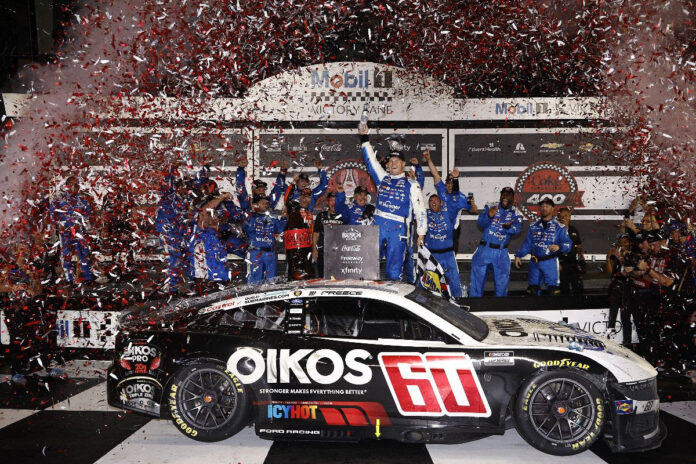
Driver: Ryan Preece
Crew Chief: Derrick Finley
Partner: Body Guard

Keselowski at Martinsville Speedway

  • Career Starts: 600

Wins: 2 (2017, 2019)
Top-10s: 18
Poles: 1 (2020)

Keselowski enters the weekend on the edge of a major milestone and will make his 600th career NASCAR Cup Series start on Sunday.
Momentum is in Keselowski’s favor, finishing 2nd last weekend at Darlington Raceway after leading 142 laps of the race.
The 2012 NASCAR Cup Series Champion owns a pair of Martinsville clocks (2017, 2019), showcasing consistent strength on the paperclip shaped half mile.
With 18 top 10 finishes at Martinsville, Keselowski has been one of the most consistent performers at the historic short track.
The Michigan native has also shown strong single lap speed at Martinsville, scoring one pole (2020) and regularly qualifying near the front.

Starts: 21
Wins: —
Top-10s: 2
Poles: —

  • Chris Buescher heads to Martinsville looking to carry momentum from his recent strong performances, with a season best 6th place finish at Las Vegas Motor Speedway and leading 41 laps at Darlington Raceway.
  • Buescher makes his 22nd Martinsville start this weekend, entering with a pair of top‑10 finishes and continued progress on the half‑mile.
  • His best qualifying effort (4th) at Martinsville came in recent seasons as he’s shown increased single‑lap speed, contributing to his overall trend of stronger starting positions.

Preece at Martinsville Speedway
Starts: 13
Wins: —
Top-10s: 3
Poles: 1 (2023)

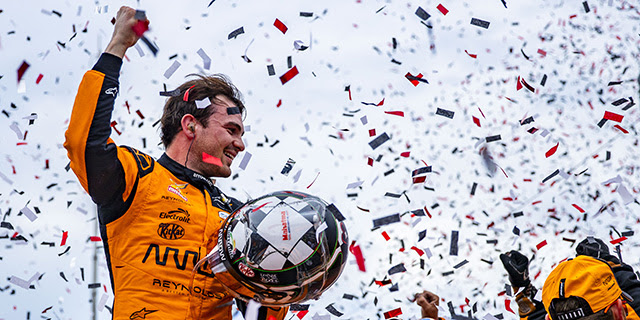
  • As a short track ace, Ryan Preece is one to watch this weekend. Last time out on a short track, he went to victory lane, winning the Clash at Bowman Gray Stadium to open 2026.
  • Preece has earned 3 top‑10 finishes at Martinsville, showcasing his comfort on flat, abrasive short tracks where precision and patience pay off.
  • Qualifying has been a bright spot for the Connecticut native at Martinsville, where he scored a pole in 2023 and has routinely shown single‑lap speed on similar layouts.
  • Overall, Preece continues to trend upward on short tracks, carrying both confidence and momentum into this weekend’s return to one of NASCAR’s most historic venues.

RFK Paperclip Preview
Cup Wins: 4 (Martin, 1992; Burton, 1997; Martin, 2000; Busch, 2003)

  • Masters of the Paperclip: RFK Racing has a long and respected history at Martinsville Speedway, earning four Cup Series victories at the iconic half‑mile. From Mark Martin’s 1992 win to Jeff Burton’s 1997 triumph, and Martin’s return to Victory Lane in 2000, RFK established itself early as a short‑track force. Kurt Busch added to the legacy in 2003, cementing RFK as a perennial contender on the tight bullring.
  • Short‑Track Strength: Over the decades, RFK has built a reputation for excelling on demanding short tracks, and Martinsville has been one of the team’s most consistent showcases of that identity.
  • A Multi‑Series Footprint: Beyond the Cup Series, RFK’s impact at Martinsville stretches into the Truck Series as well. Jon Wood (2003) and Ricky Craven (2005) delivered memorable NCTS victories, showcasing RFK’s strength across multiple divisions at the paperclip‑shaped half‑mile.

RFK Martinsville Speedway Wins

1992 Martin Cup

1997 Burton Cup

2000 Martin Cup

2003 Busch Cup

2003 Wood NCTS

2005 Craven NCTS

Last Time Out & Where They Stand
Darlington: RFK Racing lit up Darlington with one of its strongest collective performances of the season, honoring Greg Biffle in style with all three tribute schemes running up front. Brad Keselowski dominated the day by leading 142 laps, sweeping the opening two stages, and surging back through the field to claim a strong runner‑up finish. Chris Buescher was right in the mix as well, leading 41 laps and battling for the win before late contact dropped him to a resilient ninth. Ryan Preece joined the charge by driving into the top five during Stage Two and fighting tight conditions late to bring home a solid 13th. RFK left the Lady in Black looking fast, aggressive, and very much in contention to bring home the victory.

Points Standings: Buescher: 7th, Keselowski: 9th, Preece: 12th