Home Blog Page 57

ARCA Menards Series Announces 2027 Schedule Featuring 20 Races at 19 Tracks

TEMPERANCE, Mich. – (October 13, 2026) – The ARCA Menards Series has released the schedule for its historic 75th season in 2027, opening at Daytona International Speedway in February and closing at Kansas Speedway for the second consecutive year in October.

The 20-race slate will kick off, as it has every season since 1987, with the 63rd annual Daytona ARCA 200 at The World Center of Racing. The series will traverse the country, from the start of the season in the southeast to a visit to the southwest at Phoenix Raceway, the traditional short track stops in the Midwest, and a return to the northeast with visits to Watkins Glen International and Lime Rock Park. The 20 races will be contested at 19 different tracks in 11 states.

The highlights:

  • The series will race at Daytona International Speedway for the 63rd consecutive year dating to 1964; as it has for the last seven years the race will be the opener of a same-day doubleheader with the NASCAR O’Reilly Auto Parts Series the day before the DAYTONA 500.
  • The traditional visits to the Midwestern short tracks populate the late spring and summer slate, with stops at Ohio’s Toledo Speedway in May, Michigan’s Berlin Raceway and Minnesota’s Elko Speedway in June, Lucas Oil Indianapolis Raceway Park in July for a doubleheader with the NASCAR FedEx Freight Truck Series, a trip to cheese country just outside the capital of Wisconsin at Madison International Speedway in August, and the second Indiana stop at Salem Speedway in September.
  • Kansas Speedway continues to be the only track on the schedule twice, with races scheduled in conjunction with the NASCAR national series in May and September.
  • Additional conjunction races with the NASCAR Cup Series will also take place at Phoenix Raceway in March, Talladega Superspeedway in April, Michigan International Speedway and Chicagoland Speedway in June, Iowa Speedway over the Fourth of July weekend, Bristol Motor Speedway in August, and Watkins Glen International in September.
  • The state of Illinois will host four races, including the return to the 1.25-mile World Wide Technology Raceway in Madison, just across the Mississippi River from St. Louis, which will host the series on August 20. The two dirt miles at the Illinois State Fair and DuQuoin State Fair both return, with a new Aug. 8 date for Springfield to go along with the traditional Labor Day Sunday night race at DuQuoin.

The race at Phoenix Raceway in March will be a combination race with the ARCA Menards West Series; the full slate of combination races with the ARCA Menards Series East will be announced when the East and West schedules are released in the coming weeks.

The complete 20-race 2027 ARCA Menards Series schedule:

DateTrack, Location
Sat., Feb. 20Daytona International Speedway, Daytona Beach, Fla.
Fri., March 12Phoenix Raceway, Avondale, Ariz.
Sat., April 24Talladega Superspeedway, Talladega, Ala.
Sat., May 8Kansas Speedway, Kansas City, Kan.
Sat., May 15Toledo Speedway, Toledo, Oh.
Sat., June 5Berlin Raceway, Marne, Mich.
Sat., June 12Elko Raceway, Elko, Minn.
Fri., June 18Michigan International Speedway, Brooklyn, Mich.
Fri., June 25Chicagoland Speedway, Joliet, Ill.
Fri., July 2Iowa Speedway, Newton, Ia.
Sat., July 10Lime Rock Park, Lakeville, Conn.
Fri., July 23Lucas Oil Indianapolis Raceway Park, Brownsburg, Ind.
Sun., Aug. 8Illinois State Fairgrounds, Springfield, Ill.
Thur., Aug. 12Bristol Motor Speedway, Bristol, Tenn.
Fri., Aug. 20Worldwide Technology Raceway, Madison, Ill.
Fri., Aug. 27Madison International Speedway, Oregon, Wis.
Sun., Sept. 5DuQuoin State Fairgrounds, DuQuoin, Ill.
Fri., Sept. 17Watkins Glen International, Watkins Glen, NY
Sat., Sept. 25Salem Speedway, Salem, Ind.
Fri., Oct. 1Kansas Speedway, Kansas City, Kan.

All dates are tentative and subject to change.

“Just as we have since John and Mildred Marcum founded ARCA in 1953, the ARCA Menards Series will compete at a widely diverse group of the country’s best racetracks for our 75th season,” said ARCA president Ron Drager. “Our series has established itself as a valuable bridge from grassroots weekly, regional and international racing to the NASCAR National Series over decades, while also serving as a destination for career professional racers. The 2027 schedule lines up well to continue in that capacity.”

The complete broadcast schedule, including television networks and race start times, will be released soon.

For further information please visit ARCARacing.com; for up-to-the-minute updates follow @ARCA_Racing on Twitter.

About ARCA

The Automobile Racing Club of America (ARCA), founded in 1953 by John and Mildred Marcum in Toledo, Ohio, and acquired by NASCAR in April 2018, is the leading grassroots stock car sanctioning body in the United States. Bridging the gap between NASCAR’s top three national touring series and weekly and regional tour racing all across the country, the organization sanctions over 100 races per year in the ARCA Menards Series, ARCA Menards Series East, ARCA Menards Series West, ASA STARS National Tour, ASA CRA Super Series, ASA Midwest Tour, ASA Southern Super Series plus weekly racing at Toledo and Flat Rock Speedways. For more information about ARCA visit www.arcaracing.com, or follow ARCA on Facebook (@ARCARacing) and Twitter (@ARCA_Racing). 

About Menards

A family-owned and run company started in 1958, Menards is recognized as the retail home center leader of the Midwest with 341 stores in 15 states.  Menards is truly a one-stop shop for all of your home improvement needs featuring a full-service lumberyard and everything you need to plan a renovation or build a home, garage, cabin, shed, deck, fence or post frame building.  You’ll find a large selection of lumber, roofing, siding, construction blocks, trusses, doors and windows, plus cabinets, appliances, countertops, flooring, lighting, paint, plumbing supplies and more.  To complete the job, Menards has quality hand tools, power tools, fasteners, electrical tools plus storage options and supplies for everyone from the weekend warrior to the pro!

Menards has what you need to complete your outdoor projects and keep your yard in tip-top shape including mowers, trimmers, blowers, pressure washers and more, plus a beautiful garden center stocked with plants, shrubs, trees, landscaping tools, grass seed, fertilizer options, outdoor décor and patio furniture.  Menards also has everyday essentials like health & beauty products, housewares, pet and wildlife supplies, automotive items and even groceries.  And at Christmas, an Enchanted Forest display area with impressive trees, lighting, decorations, ornaments, inflatables and more. 

Menards is known for friendly Customer Service and as the place to “Save Big Money” with low prices every day, and sales too!  For more information, please visit Menards.com to learn about our store locations, offerings and services.

Ford Racing NASCAR – 2026 Phoenix 2 Advance

PHOENIX 2

Friday, October 16 — NASCAR Craftsman Truck Series, 7:30 p.m. ET (FS1)

Sunday, October 18 — NASCAR Cup Series, 3 p.m. ET (USA)

There are only four races remaining in the season as Phoenix Raceway plays host to NASCAR for the second time in 2026. Ford driver Ryan Blaney is going for the season sweep after he won the fourth race of the season in March and his third in a row at the one-mile track as he captured the season finale race in 2025.

TICKETS ON SALE FOR INAUGURAL VETERANS DAY CLASSIC

Ford, in collaboration with NASCAR, Blue Star Families, IMSA and HSR, is bringing together motorsports, music and a shared mission of military support all in honor of service members, veterans and their families. It’s a first-of-its kind military tribute race with all six branches of the armed forces being represented. The inaugural Ford Proud To Honor Veterans Day Classic is scheduled to take place on Wednesday, Nov. 11 at Daytona International Speedway. The event will feature 12 Ford Racing drivers representing a variety of disciplines competing in a race on the road course with the Ford Mustang Dark Horse R that is used to compete in the IMSA-sanctioned Mustang Challenge and Mustang Cup series. Another highlight will be a musical performance by Zac Brown Band. Donations and proceeds from ticket sales will go to benefit military families through a variety of non-profit organizations. Tickets can be purchased through the official website at fordveteransdayclassic.com.

FORD DRIVERS IN THE CHASE

5th – Ryan Blaney (-85 behind leader Kyle Larson)

6th – Joey Logano (-92)

8th – Austin Cindric (-145)

15th – Chris Buescher (-216)

16th – Ryan Preece (-227)

BLANEY GOING FOR PHOENIX SWEEP

Ryan Blaney passed Ty Gibbs for the lead with 10 laps to go and went on to win the first NASCAR Cup Series race at Phoenix Raceway earlier this year. The win was Ford Racing’s first triumph of the season and the second straight for Blaney at the track where he won the 2025 season finale. Blaney was the only Ford in the top 10 when the final restart took place with 12 laps to go, starting on the outside of the second row behind Gibbs. He moved into second when Kyle Larson drifted up the track going into turn one and then stalked Gibbs for a lap before finally making the decisive pass. The last driver to sweep both races in the same season at Phoenix was Kevin Harvick in 2014.

LOGANO AND PHOENIX

Joey Logano has made 35 starts in his NASCAR Cup Series career at Phoenix Raceway and more than half of them have ended with the Team Penske driver in the top 10. Logano has four victories (2016-2, 2020-1, 2022-2, 2024-2), 10 top-five and 18 top-10 finishes. Those four wins are tied with Las Vegas Motor Speedway for most victories at one track and, coincidentally, have all come in even years, just like his three championships. Logano sat on the pole, but finished 31st in the race at Phoenix earlier this year after getting involved in an accident.

FORD DRIVERS IN THE CHASE

2nd – Layne Riggs (-17 behind leader Kaden Honeycutt)

3rd – Chandler Smith (-77)

7th – Ty Majeski (-116)

8th – Ben Rhodes (-136)

DOUBLE DIGIT NCTS WINS

For the first time since 2000, Ford has won at least 10 races in the NASCAR Craftsman Truck Series after Layne Riggs captured last week’s event at Charlotte Motor Speedway. Riggs has been the main reason for the manufacturer’s success this year with seven wins while Front Row Motorsports teammate Chandler Smith has two. Jake Garcia owns the other after capturing his first career win last month at Bristol Motor Speedway. The record for wins by Ford in one NCTS season is 12 (2000).

RIGGS CLIMBING THE CHARTS

Layne Riggs has 12 career NASCAR Craftsman Truck Series victories, which ranks second on Ford’s all-time list. The leader is Greg Biffle, who won 16 times between 1998-2000 and won the series championship in 2000. In addition, the seven wins by Riggs marks the second-most in a single season by a Ford driver and is only bettered by the nine Biffle won in 1999.

FORD’S PHOENIX NASCAR CUP

SERIES WINNERS

1988 – Alan Kulwicki

1989 – Bill Elliott

1991 – Davey Allison

1992 – Davey Allison

1993 – Mark Martin

1995 – Ricky Rudd

1997 – Dale Jarrett

1998 – Rusty Wallace

2000 – Jeff Burton

2001 – Jeff Burton

2002 – Matt Kenseth

2005 – Kurt Busch (1)

2010 – Carl Edwards (2)

2013 – Carl Edwards (1)

2016 – Joey Logano (2)

2018 – Kevin Harvick (1)

2020 – Joey Logano (1)

2022 – Chase Briscoe (1) and Joey Logano (2)

2024 – Joey Logano (2)

2025 – Ryan Blaney (2)

2026 – Ryan Blaney (1)

FORD’S PHOENIX NASCAR CRAFTSMAN TRUCK SERIES WINNERS

1997 – Joe Ruttman

1998 – Mike Bliss

2001 – Greg Biffle

2022 – Zane Smith

2024 – Ty Majeski

The Ford Mustang® coupe is America’s best-selling sports car and has a global racing presence. With Mustang-based race cars competing in international sports car competition (GT3 and GT4), NASCAR, NHRA, Formula Drift, in Supercars, at the Pikes Peak International Hill Climb and in its own bespoke regional one-make series – Mustang Cup and Mustang Challenge – the platform has an unprecedented global reach. This weekend, 18 Mustang race cars are scheduled to compete across all active disciplines. Learn more about Mustang at www.FordRacing.com.

Ben Maier Takes Next Career Step in Freedom Racing Enterprises’ No. 76 at Phoenix

Top Liner Spray-On Bedliners Backs Rising Talent as He Prepares for First NASCAR Truck Series Oval Start

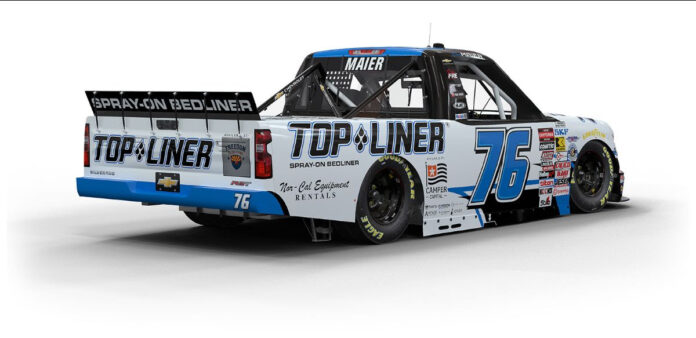
Mooresville, NC (October 13, 2026) – Spencer Boyd, driver and owner of Freedom Racing Enterprises, will field Ben Maier in the No. 76 Chevrolet Silverado at the NASCAR Craftsman Truck Series race at Phoenix Raceway on Friday, October 16, 2026. Maier will be backed by Top Liner Spray-On Bedliners for his third Truck Series start of the season and his first with Freedom Racing Enterprises.

“Ben has a great deal of promise in our sport,” said Spencer Boyd. “He has been working with our OEM partner, Chevrolet, to prepare him for a successful launch to his career and we are happy to play a part in his development. As this will be his first oval race in a truck, he has spent a good deal of time in the simulator getting ready for this next step. Our whole team has confidence in his abilities, and he has fit in great with the guys at the shop. We are excited for this weekend!”

Ben Maier finished 11th at the inaugural NASCAR Craftsman Truck Series race in St. Petersburg earlier this year after posting 2nd best in practice. Phoenix will be his 5th career start in the NASCAR Craftsman Truck Series. He is also the 2025 CARS Tour Pro Late Model Tour Champion and Trans Am TA2 Winner.

“I have a burning desire to race every weekend so I’m quite thankful for this opportunity,” mentioned Maier. “While I’m no stranger to ovals, Phoenix in a truck will be a bit different from my days in the CARS Tour. I’m really looking forward to that dogleg! Every race is a chance for me to gain knowledge and make progress towards my goals. I have no doubt we’ll have a bunch of fun out West!”

Top Liner Spray-On Bedliners will serve as the primary sponsor of Maier’s No. 76 Chevrolet Silverado at Phoenix. Its spray-on bedliner products are designed to protect vehicle beds and other surfaces against dents, scratches, rust, and harsh weather, with applications available for truck beds, ATVs, trailers, boats, and other surfaces.

Through its motorsports marketing program with Maier and Boyd, Top Liner is working to expand its dealer network and introduce its products to new markets. Phoenix-area businesses Freedom Outfitting and Camper Capital are among the newest locations offering Top Liner applications, and both will have their logos featured on the No. 76 Chevrolet Silverado.

With Maier making another important step and Freedom Racing Enterprises providing the platform for driver and sponsor development, Friday’s race could very well give NASCAR fans a glimpse of the future of the sport.

TEXAS NHRA FALLNATIONALS: ELITE MOTORSPORTS EVENT PREVIEW

ENNIS, Texas (Oct. 13, 2026) — Elite Motorsports is riding high into the Texas NHRA FallNationals at Texas Motorplex, bringing a surge of momentum, recent victories, and a deep-rooted history to the team’s defining hometown race.

Coming off a strong stretch in the Countdown to the Championship, the team arrives in Ennis having swept the opening three-race. Troy Coughlin Jr. kicked the Countdown off with a victory at Martin, Michigan where he broke a 41-race winless streak for the midnight JEGS team. Greg Stanfield and then Janac Brothers Racing team got the job done in Rockingham, N.C. while taking the points lead for Elite Motorsports, the first time the powerhouse team has led the Pro Stock field since 2024 at Las Vegas. Greg’s son, Aaron and his Johnson’s Horsepowered Garage / Melling Performance / Janac Brothers team, finished off the swing with a statement victory at the most recent event in St. Louis.

Just under three hours from both the Elite headquarters in Wynnewood, Oklahoma and Stanfield’s hometown of Bossier City, Louisiana, the Texas Motorplex holds special significance.

“Dallas is our home turf. That’s where I test, and it’s probably where I’ve made the most runs ever,” Aaron said. “Dallas is where I got my very first NHRA win in Super Stock, in the same car my wife is driving. I’m super, super pumped.”

Aaron’s victory was his third of the season, he first broke out for victory at the Route 66 Nationals just outside of Chicago before following it up with a win in Norwalk, Ohio. The JHG/Melling team hit a rough patch through the mid-season, but now sit seventh in points, a jump from 10th, with three races left in the Countdown.

“Drag racing is all about highs and lows,” Aaron shared. “We’ve had a few high moments this year, and we went through a long period of losing first round. But we haven’t been afraid to change things. It’s taken some adjustment on my end and some adjustment on the crew chiefs’ end. We haven’t been afraid to change things, and it worked out this weekend.

“You keep your head down, you keep working, you keep trying to get better, and you don’t lose faith,” Aaron continued. “As a whole, the entire Elite team has been running really well. We just need to keep that trajectory.”

Six-time NHRA Pro Stock World Champion Erica Enders returns home to Texas aiming to add another chapter to her storied history at Texas Motorplex. The Houston native has claimed victory three times at the facility and considers the Stampede of Speed one of the most vital stops on the tour.

“Coming home is always a highlight of my season,” Enders said. “We’ve had a ton of core memories here from racing Jr. Dragsters and Sportsman to clinching Championships and collecting cowboy hats. Regardless of where we stand for the season, it’s always something I look forward to. The Meyer family puts on a second-to-none show for 10 days and I’m proud to be one of their hometown racers. A win would surely turn things around for us and coming off of a three-in-a-row for Elite, it’s right there for the taking.”

Competition at the Texas NHRA FallNationals at Texas Motorplex begins with four rounds of qualifying Friday at 4:15 and 7:00 p.m. and Saturday at noon and 2:30 p.m. Eliminations are slated for Sunday at noon. Television coverage of the event will be on FOX Sports 1 (FS1) with a qualifying show Sunday at 2:00 p.m. ET followed by an elimination show at 4:00 p.m. ET.

What Documents Are Needed To Sell Your Car In Sydney

Photo by depositphotos at https://depositphotos.com/

Selling a pre-owned vehicle in New South Wales requires handling specific legal documentation to complete a compliant sale. Navigating transport paperwork can feel confusing, but having your exact documents organised upfront prevents unnecessary transaction delays. Failing to complete official state paperwork correctly can leave you exposed to future traffic fines or legal disputes.

Knowing exactly which mandatory forms to prepare ensures a smooth, legal handover when dealing with eager buyers. This blog will explore the crucial paperwork you must gather to finalise your transaction today.

The Registration Transfer Form and Proof of Identity

Listing your car online through sell my car Sydney websites and apps requires the Vehicle Registration Transfer Application form. Both you and the buyer must fill out your respective sections clearly and sign the legal document together. This vital form officially initiates the required transfer of legal ownership directly into the new buyer’s name.

You must also verify the buyer’s identity by checking their current NSW driver’s licence details before finalising everything. This simple verification step protects you by confirming the buyer’s official identity on state government records accurately. It prevents messy, costly future legal complications from arising after the keys change hands.

Essential Papers to Hand Over to the Buyer

Providing a comprehensive documentation package builds immense buyer trust and ensures a transparent, professional selling experience. Having all crucial paperwork neatly arranged in a folder makes your car look far more attractive than competing listings.

Be sure to hand over these key documents when closing your final deal:

  • Original Logbook: Provide the complete factory service booklet containing all properly stamped routine maintenance records
  • Past Repair Invoices: Include physical paper receipts for major mechanical work like brake replacements, tyres, or timing belts
  • Owner’s Manual: Pass along the original vehicle owner’s handbook, spare tyre instructions, and audio system manuals
  • Written Proof of Sale: Issue a signed written receipt detailing the exact sale date, final price, VIN, and both signatures

Obtaining a Pink Slip Roadworthy Inspection

If your vehicle’s current registration is close to expiring or has lapsed, you will need an official eSafety inspection. Commonly known as a pink slip, this safety check must be performed by an authorised NSW inspection station. It confirms roadworthiness by checking crucial elements like tyre tread depth, structural integrity, and fully functional brakes.

Having a fresh, valid pink slip ready reassures buyers that the car meets all mandatory state requirements. It simplifies the online registration renewal process for the new owner and removes major buying hesitation instantly. 

After the sale is finished, you must keep personal copies of all signed documents for your protection. Digital photo copies stored on your smartphone or computer provide instant proof of the ownership change. 

Retain these crucial legal records in your personal files following the transaction:

  • Copy of Notice of Disposal: Keep a clear photo or printed copy of your submitted Notice of Disposal confirmation page
  • Signed Transfer Form Copy: Retain a clear digital copy of the completed registration transfer document signed by the buyer
  • Payment Receipt Copy: Keep a precise record of cleared bank transfers or written receipts showing the final payment amount
  • PPSR Clearance Certificate: Store a copy of the PPSR check proving the vehicle was sold free of financial debts

Submitting the Notice of Disposal Online

The most urgent step directly after handing over the car keys is lodging your official Notice of Disposal. This can be completed online within a few minutes using your MyServiceNSW account and the buyer’s details. Lodging this legal notice immediately releases you from legal responsibility for the vehicle from that exact moment.

It ensures any expensive speed camera fines, parking tickets, or toll charges incurred are legally sent to the new owner. The official state system will direct all future driving penalties straight to the buyer’s home address. This final step completes the selling process and lets you enjoy your hard-earned cash stress-free.

Finalise Your Sydney Sale with Ultimate Peace of Mind

Organising your required legal documentation properly is the key to a stress-free, legally secure vehicle sale today. To ensure your complete protection, it is important to prepare transfer forms, gather verified service records, and submit your disposal notice promptly.

You can confidently turn over the keys because you have met all the necessary legal requirements. Gather your essential paperwork today and complete your car sale with complete confidence.

Planning an Active European Vacation Around Sports Coaching

Photo by Nenyasha Manzvera on Pexels

A European trip does not have to pause your tennis. American club and league players increasingly build short training blocks into their vacations, treating a few focused court days as the athletic anchor of the itinerary. Prague works well as a base for that approach, offering private coaching aimed squarely at adults who already rally.

This is not a generic group resort holiday built around scheduled drill rotation. It is a private, assessment-led camp shaped by your game, your goals, and the dates you already plan to travel. Work begins with a diagnosis of what you actually do on court, then moves into focused repetition and live point play.

The result is a vacation that produces something concrete to carry home: a written set of priorities for your own practice. Sightseeing still fills the rest of your days. The court time simply gives the trip an athletic spine.

Rethinking European Travel: Private Coaching vs. Standard Resorts

Standard tennis holidays sell atmosphere, company, and a packed social calendar. Those formats serve many travelers well, especially players who want companionship more than correction. Anyone with a specific technical question often finds group rotation slow and diffuse.

Private coaching reverses the equation. One coach watches your footwork, your contact point, and your decision-making across every minute on court. Feedback lands immediately, and the next drill answers the exact problem identified moments earlier.

That concentration matters when vacation days are limited. A few focused sessions can move a stalled stroke further than a week of casual hitting, because every minute addresses a named priority.

Why a Tailored Training Visit to Prague Fits International Travelers

International visitors need three things from a training block: clear communication, flexible scheduling, and no dependence on a playing partner. Coaching and consultation run in English, Czech, and Ukrainian, so instruction and discussion need no translation layer.

Planning stays simple as well. Sessions are organized around the days you are in the city and the goals you submit beforehand. Solo travelers book confidently, since the format is one-to-one and never requires pairing with another player.

Short visits fit this model neatly. Camps start from three days, which slots easily between flights and city sightseeing. A longer stay simply gives you more time to test changes in competitive points.

Comparing Generic Resort Camps to Private Assessment-Led Coaching

When planning an active vacation abroad, booking a structured tennis camp for adults europe focused on direct technical assessment offers a far more personalized experience than standard resort group drills. The difference shows up most clearly in who coaches you and how progress gets tracked.

FactorTypical adult group campPrivate assessment-led coaching
FormatRotating group sessionsOne-to-one with a single coach
Starting pointGeneral drill program90-minute technical assessment
SchedulingFixed camp calendarBuilt around your travel dates
FeedbackGroup-wide correctionsDirect, continuous correction
Match applicationOptional or socialPoint play used to test changes
TakeawayMemories and notesWritten plan of priorities for home
PricingFixed package totalWritten quote after goals and dates

Neither column is universally better. Group camps suit players seeking company and a fixed calendar. Assessment-led private work suits players who arrive with a technical question and a limited number of days.

Who the Experience Is Designed For: Player Profiles and Disclaimers

The format fits USTA league players in the NTRP 3.5-4.5 range, club competitors, and returning players rebuilding a game after time away. Solo travelers fit comfortably, because the coaching is individual by design.

Honesty matters more than enthusiasm here. The camp suits players who can already rally and sustain a point. It is not a program for complete beginners, and it is not a packaged resort vacation with meals, transfers, and entertainment bundled together.

If you want court time tied to named goals, with free evenings left for a European city, this format delivers that balance.

The Core Training Format: Assessment, On-Court Work, and Application

Every new court client begins with a 90-minute Performance Assessment. The coach observes strokes, movement, and patterns of play, then names the priorities that will shape the rest of the visit.

Subsequent sessions concentrate on those priorities through focused technical repetition. The changes are then tested in live points, where timing, pressure, and shot selection expose what holds up under match conditions.

Before you leave, you receive a written plan of priorities to continue practicing at home. That document is the practical souvenir of the trip, and it keeps the work useful long after the flight home.

Areas of Technical and Tactical Focus

Court work can target stroke mechanics, footwork patterns, serve and return routines, and transition play. Players often ask for help with contact points, spacing, or the timing of an aggressive first ball.

Tactical sessions cover patterns of play, point construction, and decision-making under pressure. Club players with doubles commitments can work on positioning and communication as well.

These are opportunities to address, not promises of a rating increase. Progress depends on your starting level, the effort you bring, and the practice you continue afterward.

Sample Three-Day Camp Itinerary

DayFocusWhat happens
1Assessment and priorities90-minute diagnosis, goal review, priority list agreed
2Technical change and repetitionFocused drilling on named priorities with immediate feedback
3Match application and take-home planPoint play testing changes, written plan delivered

The schedule above is a sample rather than a fixed arrangement. Exact sessions and hours are agreed before booking, based on your goals and travel dates. A week or longer gives more time to test changes in points.

Professional Coaching Background

Leonard Stakhovsky heads the practice and conducts all sessions directly. He is a former ATP player and an NCAA Division I athlete.

Players work with him throughout the camp, without rotation between group coaches. That continuity keeps the diagnosis, the drills, and the feedback aligned from the assessment to the final session.

Prague Venues and Court Facilities

Training takes place on courts in Prague at TK Spoje, Hodkovicky, and CLTK, across Prague 3, 4, and 7. Court access and surfaces are confirmed for your specific dates before the plan is finalized.

Confirming venues early helps travelers plan the rest of the trip. It lets you arrange accommodation near the courts and schedule city days around the training block.

Logistics: Flights, Venues, and Independent Arrangements

Most American visitors fly into Prague Vaclav Havel Airport and continue into the city from there. Agree dates, hours, and venue before booking flights, since court access is confirmed against specific dates.

Flights, accommodation, and meals are not included. Court hire is extra unless confirmed separately, so budget it alongside coaching when you compare options.

Booking lodging independently keeps you in control. Choose a neighborhood near your assigned courts, or stay central and commute to the training block.

Investment Overview and Rates

ItemDetail
Performance Assessment (90 minutes)3,800 CZK (approx. EUR 155), plus court hire
Assessment creditIf you continue, the full assessment fee is credited to the first program period
Private coachingFrom 1,600 CZK (approx. EUR 65) per hour, plus court hire
Court hireBilled separately unless confirmed otherwise
Full camp totalProvided as a written quote after goals, dates, and hours are agreed

There is no fixed total camp price, because visits differ in length and emphasis. You receive a written quote once your goals, dates, and hours are settled.

Step-by-Step Booking Process

  1. Send an enquiry through the Stakhovsky Tennis website, outlining your level, goals, and travel dates.
  2. Discuss your priorities and confirm the days and hours that suit your visit.
  3. Agree the venue, with court access and surfaces confirmed for those dates.
  4. Receive a written quote for coaching, with court hire noted separately where relevant.
  5. Confirm the schedule, then arrange flights and accommodation independently.

An enquiry requires no payment and does not automatically reserve a place. Confirmation follows once the schedule and quote are agreed in writing.

Frequently Asked Questions

Is this suitable for complete beginners? The camp is designed for players who can already rally and sustain points. Complete beginners generally progress faster in a different setting, where fundamentals are introduced gradually without match application. If you can keep a rally going and want structured technical work, the format fits your level well.

Do I need a playing partner to attend? No partner is required. Coaching is private and one-to-one, and match application happens inside your own sessions. Solo travelers book exactly like anyone else, and the coach provides the opposition and structure needed for meaningful point play.

How long should my camp last? Camps start from three days, which suits a short city visit with a training focus. A week or longer gives more time to test technical changes in competitive points. The right length depends on your goals, and the schedule is agreed before booking.

What will the trip cost? The 90-minute Performance Assessment costs 3,800 CZK, approximately 155 EUR, plus court hire. Private coaching starts from 1,600 CZK, approximately 65 EUR per hour, also plus court hire. The full camp price comes as a written quote after goals, dates, and hours are agreed.

Are flights and hotels included? Flights, accommodation, and meals are separate and arranged independently. Court hire is billed in addition to coaching unless confirmed otherwise. Keeping travel arrangements independent lets you choose flights and lodging that match your budget and your preferred part of Prague.

Can I train in English? Yes. Coaching and consultation are available in English, Czech, and Ukrainian. American visitors can discuss technique, tactics, and their written plan without translation, which keeps sessions efficient and lets questions surface naturally during drills and point play.

Is this a group camp or private coaching? It is private, one-to-one coaching with Leonard Stakhovsky, and players work with him directly throughout. There is no rotation between group coaches, so the assessment, the drills, and the feedback stay consistent across every session of your visit.

When should I book relative to my travel dates? Contact the practice before you book flights, since court access and surfaces are confirmed for specific dates. Once hours, venue, and goals are agreed, you receive a written quote and can finalize travel knowing the court schedule is settled.

Taking the Next Step for Your Game

Start with your calendar and your goals. Decide which days you can dedicate to court work, then outline the technical questions you want answered during the visit.

Send an enquiry through the Stakhovsky Tennis website and talk through those goals directly. A considered plan turns a European vacation into training time you keep using at home.

Who Can Be Held Responsible for a Truck Accident?

Photo by depositphotos at https://depositphotos.com/

A truck crash can turn an ordinary trip into a problem that reaches far beyond damaged vehicles. In 2025, at least 163 people died in vehicle crashes across Long Island, based on a preliminary local tally. Nassau County recorded at least 78 traffic deaths, up from 67 in 2024. A 2025 crash map counted at least 18,121 crash-related injuries, including more than 1,000 classified as serious. These figures put the scale of roadway harm into perspective without reducing each case to a number.

After a truck accident in Long Island, New York, responsibility may extend beyond the person behind the wheel. A driver’s actions, a trucking company’s practices, maintenance, cargo loading, or a defective part can become relevant. A Long Island truck accident lawyer can review records, identify parties linked to the crash, and determine which legal claims may apply. The sections ahead explore who may be held responsible and why collision details matter.

The Truck Driver

Anyone injured should preserve medical records, photographs, witness details, police reports, and damage estimates before evidence disappears. A truck accident lawyer can assess the driver’s conduct, identify additional defendants, and determine which insurance policies apply. That review matters because truck accident cases often involve federal safety rules, company records, and multiple claims that require prompt investigation instead of relying on a single account.

A driver can face liability for speeding, distracted driving, following too closely, unsafe lane changes, impaired driving, or fatigue. Commercial drivers must also follow rules covering service hours, inspections, cargo security, and required qualifications.

An electronic logging device, dispatch messages, drug and alcohol testing records, and cell phone records can show what happened before the crash. Investigators also examine whether the driver had enough time to react and whether the truck’s condition affected the collision.

The Trucking Company

An employer often shares responsibility for an employee’s negligence during work duties. This generally applies when a driver causes a crash while making deliveries, traveling between assignments, or performing another job-related task.

A trucking company can also face direct liability for hiring an unqualified driver, failing to provide proper training, ignoring safety violations, or imposing unrealistic delivery demands. Dispatch records, personnel files, inspection reports, and internal safety policies can show whether management contributed to the crash.

The company remains responsible for maintaining its trucks, even when it hires an outside contractor for repairs. Faulty brakes, worn tires, broken lights, steering problems, or unsecured components can create a separate basis for liability.

Other Parties That May Share Responsibility

A maintenance contractor can face liability when poor repairs or missed inspections leave a truck unsafe. The vehicle owner also carries responsibility when it leases the truck but handles maintenance duties or controls operations.

Shippers and cargo loaders can face claims when improperly balanced, overloaded, or unsecured freight shifts during travel. A shifting load can affect steering, braking, and vehicle stability, particularly during turns or sudden stops.

A parts manufacturer can face a product liability claim when a defective tire, brake component, coupling device, or another part causes the crash. Road contractors or public entities can also face claims when a dangerous road condition contributed to the collision, although special notice and filing requirements often apply.

Evidence That Connects Fault to the Crash

Responsibility depends on evidence linking a party’s conduct to the injuries. Photographs can show vehicle positions, skid marks, road conditions, cargo movement, and visible equipment failures. Medical records connect the collision to the claimed injuries and document treatment costs.

Attorneys and investigators often seek event data from the truck, inspection histories, maintenance files, driver qualification records, dispatch communications, and delivery documents. Surveillance video from nearby businesses or traffic systems can provide an independent view of the crash.

Witness statements also matter when the driver’s account conflicts with physical evidence. Accident reconstruction specialists can analyze speed, braking, visibility, impact angles, and the time available to avoid the collision.

New York Rules Affecting a Claim

New York uses comparative negligence. An injured person can recover damages even if they share some fault in the accident, but the award decreases according to that person’s assigned percentage of responsibility.

The statute of limitations controls how long a claimant has to file a lawsuit. Personal injury claims, wrongful death claims, and cases involving public entities follow different deadlines and procedures. Claims against a municipality may require an earlier notice (of claim) than those against a private trucking company.

Insurance coverage creates another issue. A truck may have coverage through its owner, motor carrier, employer, or separate contractors. Reviewing every applicable policy helps identify compensation for medical bills, lost income, property damage, and other documented losses.

Conclusion

Responsibility for a truck accident can often lie not only with the driver but also with other relevant entities. The driver, carrier, owner, maintenance provider, cargo handler, manufacturer, or public entity could each have contributed to the crash. 

An injured person should seek medical care, preserve records, avoid deleting messages or photographs, and report the collision promptly. A timely case review can identify responsible parties before records disappear and before New York filing deadlines restrict available legal options.

Why Learning Proper Tennis Technique Early Makes a Difference

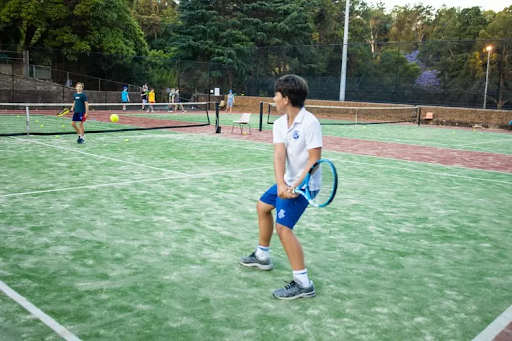
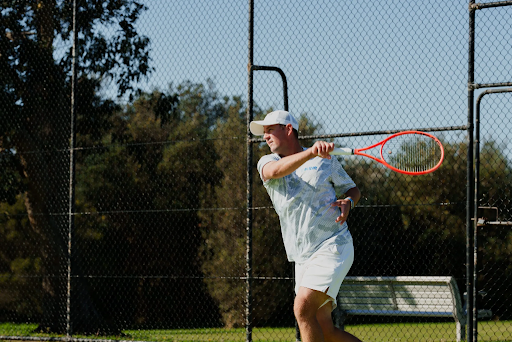
Learning tennis is an exciting experience that offers opportunities to develop physical coordination, concentration and confidence. However, beginners often focus on hitting the ball over the net without paying much attention to how they move, hold the racquet or position their bodies. While this approach can make the game enjoyable initially, developing inefficient techniques may make it more difficult to improve as players progress. Establishing good fundamentals from the beginning can help create a stronger foundation for long-term skill development.

Proper tennis technique involves more than learning how to hit forehands and backhands. It includes footwork, balance, grip control, body positioning and understanding how different movements work together. Children and beginners participating in tennis coaching in Mosman can benefit from structured instruction that introduces these essential skills progressively. By learning appropriate techniques early, players can develop more consistent movements, build confidence and establish habits that support their continued improvement.

Developing the Correct Racquet Grip From the Beginning

The way a player holds a tennis racquet influences their ability to control the ball, generate spin and perform different strokes. Beginners sometimes develop grips based on what feels comfortable rather than what suits the intended shot. Although there are several recognised tennis grips, each has specific applications depending on the stroke being played. Learning suitable grips early can help players understand how racquet positioning affects the direction and quality of their shots.

Coaches can introduce basic grip techniques through demonstrations and practical exercises that match the player’s age and experience. For example, beginners may learn a continental grip for serving and certain volleys while exploring appropriate grips for forehand and backhand strokes. Developing familiarity with these positions can make it easier to transition between different shots as skills improve. Rather than expecting immediate perfection, consistent practice allows players to become more comfortable adjusting their grip during play.

Building Better Footwork and Court Movement

Good footwork is an essential part of effective tennis technique because players must move into suitable positions before striking the ball. Beginners often concentrate entirely on their racquet movements and overlook the importance of positioning their feet. This can lead to rushed shots, poor balance and difficulty reaching balls that are not directed towards them. Learning how to move efficiently around the court helps players prepare for each stroke and maintain greater control.

Basic footwork exercises can introduce skills such as side steps, recovery movements and the split step, which helps players prepare to react to an opponent’s shot. Young players can develop these abilities through age-appropriate drills that combine movement with simple ball activities. As coordination improves, they can begin linking their footwork with stroke preparation and recovery. Developing these movement patterns early can support more consistent shot execution and make it easier to respond to different playing situations.

Understanding Body Positioning and Balance

Body positioning plays an important role in how effectively a player strikes the tennis ball. A stable stance allows the player to coordinate movements between the legs, torso, shoulders and arms. Beginners who rely mainly on arm movements may find it difficult to control their shots or produce consistent results. Learning to use the body as a coordinated system can help players develop smoother and more controlled strokes.

Coaching sessions often include exercises that encourage players to maintain balance while preparing for and completing shots. These activities may involve practising different stances, transferring body weight and following through after contact with the ball. The appropriate positioning can vary depending on the stroke, court location and playing situation. By understanding these principles early, players can develop greater awareness of their movements and gradually improve their ability to strike the ball from different positions.

Learning Consistent Forehand and Backhand Techniques

Forehand and backhand strokes are fundamental skills used throughout a tennis match. Although beginners may initially be able to return the ball using almost any swinging motion, inconsistent technique can make it harder to control shot direction, height and depth. Developing a repeatable swing pattern helps players understand how preparation, contact point and follow-through influence the ball’s movement. These elements provide a foundation for more advanced skills as players gain experience.

Structured coaching can break each stroke into manageable components rather than introducing too many technical details at once. Beginners may start with shorter swings and slower feeds before progressing to longer rallies and more challenging situations. Coaches can also provide feedback on timing, racquet preparation and body movement. Repeating these skills under different conditions helps players develop greater consistency while gradually learning to adapt their technique to changing ball speeds and positions.

Establishing Good Serving Habits Early

The serve is one of the most technically demanding shots in tennis because it requires several movements to work together. Players must coordinate their stance, ball toss, racquet preparation, upward movement and follow-through. Beginners sometimes focus primarily on hitting the ball hard, which can make the serve difficult to control. Introducing proper serving fundamentals early can help players understand the importance of rhythm, timing and accuracy before attempting to generate greater speed.

Coaches may begin with simple throwing activities and controlled serving exercises to develop coordination. Players can practise a consistent ball toss, appropriate grip and balanced body position before combining these elements into a complete serving motion. Younger children may also benefit from modified equipment and shorter distances that make the skill more manageable. A gradual approach allows players to develop confidence and control while reducing the need to correct deeply established habits later.

Preventing Poor Habits Through Structured Practice

When beginners practise without guidance, they may repeat movements that produce occasional successful shots but are difficult to perform consistently. Over time, these habits can become familiar and require additional effort to change. Common examples include gripping the racquet too tightly, standing too close to the ball, failing to prepare early or using excessive arm movement. Although no two players have identical techniques, recognising inefficient patterns early can make skill development more straightforward.

Structured coaching provides opportunities for regular feedback and progressive correction. Rather than overwhelming players with several instructions at once, effective coaching focuses on specific improvements that match their current ability. Practice activities can then reinforce those changes through repetition and practical application. This approach also helps players understand why certain techniques are useful instead of simply copying movements. Developing awareness of good technique can encourage more purposeful practice both during lessons and outside organised coaching sessions.

Conclusion

Learning proper tennis technique early can make a meaningful difference to a player’s development. Fundamental skills such as racquet grip, footwork, body positioning, stroke mechanics and serving technique provide the foundation for more consistent performance. When these elements are introduced progressively, beginners can develop better movement habits and a clearer understanding of how different tennis skills work together.

Strong fundamentals do not mean that every player must follow exactly the same technique or progress at the same pace. Age, coordination, experience and individual learning preferences all influence how skills develop. With suitable instruction, regular practice and opportunities to enjoy the game, beginners can build a solid technical foundation that supports their confidence, improvement and long-term participation in tennis.

Minibus Hire vs Multiple Taxis: Which Is Better for Group Travel?

Organising transport for a group can be more complicated than arranging a journey for one or two people. Whether you are planning a corporate event, airport transfer, family gathering or group outing, getting everyone to the same destination comfortably and on time requires careful coordination. One of the most common decisions is whether to book a single minibus or arrange several taxis to accommodate everyone.

Both options have advantages depending on the number of passengers, travel distance, luggage requirements and overall schedule. For larger groups, chauffeured minibus hire in Sydney can provide a convenient way to travel together without coordinating multiple vehicles. However, taxis may be more practical for smaller groups or passengers travelling from different locations. Understanding the differences can help you choose a transport arrangement that suits your needs and budget.

Passenger Capacity and Group Size Matter

The number of people travelling is one of the most important factors when choosing between a minibus and multiple taxis. Standard taxis generally accommodate up to four passengers, although larger taxi vehicles may be available. When travelling with a bigger group, several vehicles may be required, which means passengers will need to be divided into smaller groups and assigned to different drivers.

A minibus can accommodate more passengers in one vehicle, depending on its seating configuration and approved capacity. This can be particularly useful for corporate teams, extended families and groups attending the same event. Before booking, confirm the exact number of passengers and ensure the selected vehicle provides enough seats for everyone. It is also worth considering whether any passengers have specific accessibility or mobility requirements that could influence the type of transport needed.

Compare the Total Cost Rather Than Individual Fares

Cost is often a deciding factor when organising group transport, but comparing a single taxi fare with a minibus quote does not provide a complete picture. If a group requires three or four taxis, the combined cost of those journeys may be considerably different from the price of one vehicle. Taxi fares can also vary depending on traffic conditions, travel distance, booking arrangements and applicable charges.

Minibus hire is commonly quoted according to factors such as vehicle size, travel distance, hire duration and the services required. While a minibus is not automatically the cheaper option, the cost per passenger may be competitive when enough people are travelling together. Requesting a detailed quote and comparing it with the estimated combined taxi fares can help you make a more informed decision. Be sure to account for waiting time, additional stops and any other relevant charges.

Travelling Together Makes Coordination Easier

One of the main challenges of using multiple taxis is ensuring that everyone arrives at approximately the same time. Different drivers may take different routes, encounter varying traffic conditions or experience delays during pickup. This can become inconvenient when the group needs to arrive together for a scheduled activity, such as a conference, wedding reception, sporting event or organised tour.

Travelling in one minibus can simplify these arrangements because passengers share the same departure time, route and destination. The organiser can communicate directly with one transport provider rather than coordinating several drivers. This arrangement may also make it easier to manage group schedules, particularly when the itinerary includes multiple destinations. However, passengers still need to arrive at the agreed collection point on time to avoid delaying the entire group.

Luggage Space Can Influence Your Decision

Luggage requirements are particularly important when arranging airport transfers, cruise terminal transport or extended group trips. A standard taxi may have enough storage for a small number of passengers, but several large suitcases can quickly limit the available space. Groups carrying additional items such as sports equipment, presentation materials or other bulky belongings may need to arrange larger vehicles or additional transport.

Minibuses can offer practical luggage arrangements, but storage capacity varies significantly between models and seating configurations. A vehicle that comfortably seats a particular number of passengers may not have enough space for everyone’s luggage when fully occupied. Before confirming a booking, provide the transport company with details about the number and approximate size of bags. This helps determine whether the selected minibus is suitable or whether another vehicle arrangement would be more appropriate.

Pickup Locations and Travel Routes Affect Convenience

The location of passengers can influence which transport option works best. If everyone is departing from the same hotel, office or event venue, a minibus can provide a straightforward solution. A single pickup location reduces the need for multiple stops and allows the group to begin the journey together. This can be especially convenient for airport transfers, corporate functions and organised group activities.

However, if passengers are spread across different suburbs, separate taxis may sometimes be more practical. Collecting everyone individually in one minibus could add considerable travel time, particularly during busy periods. When comparing options, consider whether the group can meet at a central collection point or whether multiple pickups are essential. The most convenient arrangement will depend on the route, passenger locations and how much flexibility is needed.

Comfort and Travel Experience Should Be Considered

Passenger comfort can become increasingly important on longer journeys. Travelling together in a minibus allows group members to share the experience, communicate easily and avoid being separated into different vehicles. This can be particularly appealing for sightseeing trips, family celebrations and corporate outings where spending time together is part of the occasion. A professionally chauffeured service also removes the need for someone in the group to drive.

Taxis can still offer a comfortable and convenient option, especially for shorter journeys or smaller groups. They may provide greater flexibility when passengers want to leave at different times or travel to separate destinations. The best choice depends on the nature of the trip rather than assuming one vehicle type is always superior. Consider journey duration, passenger preferences, vehicle amenities and the level of coordination required before deciding.

Conclusion

Choosing between minibus hire and multiple taxis depends on several practical factors, including group size, total transport costs, luggage requirements and the planned itinerary. A chauffeured minibus can simplify coordination when passengers are travelling together, particularly for airport transfers, corporate events and organised outings. Multiple taxis may be more suitable when the group is smaller, passengers are departing from different locations or individual travel flexibility is important.

The most effective approach is to assess the complete journey before making a booking. Confirm passenger numbers, consider luggage space, review pickup arrangements and compare the total costs of each option. By choosing transport that matches the group’s actual requirements, you can reduce unnecessary complications and help ensure everyone reaches their destination comfortably and on schedule.

Why Pickleball Is Becoming a Popular Social Sport in Australia

Pickleball is attracting increasing attention across Australia as more people discover its combination of accessible gameplay, physical activity and social interaction. Played with paddles and a lightweight perforated ball on a smaller court than tennis, pickleball brings together elements of several racquet sports. Its straightforward rules and relatively gentle learning curve make it appealing to beginners, while its strategic gameplay provides ongoing challenges for experienced players. From casual weekend matches to organised social sessions, pickleball offers an enjoyable way for people to stay active and connect with others.

One of the main reasons behind pickleball’s appeal is its welcoming nature. Players do not necessarily need extensive sporting experience to participate, and games can be adapted to different abilities and fitness levels. This accessibility has encouraged interest among individuals, families and community groups looking for recreational activities that combine exercise with social enjoyment. Those interested in learning more about the sport can explore Evolve Tennis Academy Pickleball Sydney to understand what makes pickleball enjoyable and why it continues to attract new participants.

Pickleball Is Easy for Beginners to Learn

One of pickleball’s greatest attractions is that beginners can often understand the basic rules and start participating relatively quickly. The game involves serving diagonally, returning the ball across a net and attempting to win points through controlled placement and positioning. Although players need to learn specific rules, including the two-bounce rule and restrictions within the non-volley zone, the fundamentals are generally approachable. This makes pickleball suitable for people who may feel intimidated by more technically demanding sports.

The smaller court also makes it easier for beginners to become involved in rallies without needing to cover the same distances typically required in tennis. Players can gradually develop their paddle control, timing and movement as their confidence improves. While mastering advanced pickleball techniques takes practice, newcomers can still enjoy meaningful gameplay during their early sessions. This sense of progress can encourage people to continue participating and develop a lasting interest in the sport.

The Social Nature of Pickleball Encourages Connection

Pickleball is frequently played in doubles, where two players work together against another pair. This format naturally encourages communication, cooperation and shared decision-making throughout each match. Partners need to coordinate their positioning, discuss tactics and support each other during rallies. Because the court is relatively compact, players can also communicate easily with their opponents, creating opportunities for friendly conversation and interaction.

Social pickleball sessions often bring together people with different backgrounds, ages and playing abilities. Participants may rotate partners between games, allowing them to meet new people and develop connections within their local community. Unlike activities that involve exercising independently, pickleball creates regular opportunities for teamwork and conversation. For people looking to expand their social circles while staying active, these interactions can be just as valuable as the physical benefits of playing.

Pickleball Appeals to Different Age Groups

Another reason pickleball is gaining attention is its appeal across a broad range of age groups. Children, working adults and older participants can all enjoy the sport when activities are organised appropriately for their abilities. The basic equipment is relatively simple to use, and the court dimensions can make recreational gameplay more manageable for some players. This flexibility allows pickleball to be introduced in schools, community facilities and recreational sporting environments.

Families may also find pickleball appealing because members with different levels of sporting experience can participate together. A parent who has played tennis for years might enjoy a casual game with a teenager who is trying racquet sports for the first time. Although differences in skill and mobility still influence how evenly matched players are, recreational sessions can be adjusted to encourage participation. This ability to bring different generations together helps make pickleball an attractive option for family activities and community events.

Playing Pickleball Provides Enjoyable Physical Activity

Pickleball offers opportunities for movement, coordination and moderate physical activity while maintaining an enjoyable recreational atmosphere. During a match, players move around the court, adjust their body position, react to incoming shots and use controlled paddle movements. These actions engage different muscle groups and require balance, timing and concentration. The intensity of exercise varies depending on the pace of play, individual fitness and whether participants are playing singles or doubles.

For people who struggle to maintain a regular exercise routine, the social and competitive elements of pickleball may provide additional motivation. Rather than focusing solely on completing a workout, participants can concentrate on rallies, improving their skills and enjoying time with others. However, pickleball still involves quick changes of direction and repetitive movements, so suitable footwear, warm-ups and gradual progression remain important. Players should choose an intensity appropriate for their fitness level and physical capabilities.

The Smaller Court Creates Engaging Gameplay

A pickleball court is considerably smaller than a standard tennis court, which influences the pace and style of play. Players often have less distance to travel between shots, particularly during doubles matches. However, the compact playing area also creates situations where quick reactions, accurate placement and thoughtful positioning become important. Successful rallies depend on more than hitting the ball with power, making strategy an essential part of the game.

The non-volley zone, commonly called the kitchen, adds another tactical element. Players cannot volley the ball while standing in this area, which encourages careful shot selection and controlled exchanges near the net. Techniques such as dinking, where players use soft shots that land in the opponent’s non-volley zone, can become important as skills develop. These tactical features help keep matches interesting for experienced players while giving beginners new techniques to practise as they improve.

Pickleball Offers a Different Experience From Tennis

Although pickleball and tennis share certain characteristics, they provide different playing experiences. Tennis generally involves larger courts, stringed racquets and a ball that behaves differently from a pickleball. Pickleball uses solid paddles and a lightweight plastic ball with holes, resulting in different shot techniques, ball movement and tactical decisions. Players familiar with tennis may recognise some similarities in positioning and coordination, but they still need to adjust their approach when learning pickleball.

For existing tennis players, pickleball can provide an enjoyable alternative that introduces new challenges without requiring them to abandon their original sport. Some participants enjoy the shorter court dimensions and emphasis on controlled exchanges, while others appreciate the opportunity to play with friends who have less tennis experience. Both sports offer opportunities for skill development, physical activity and social interaction. Rather than competing directly with tennis, pickleball can complement other racquet sports by giving people another way to participate.

Community Participation Helps Sustain Interest

The long-term appeal of a recreational sport often depends on whether people can access regular opportunities to play. Community sessions, social competitions and beginner-friendly activities can help participants develop confidence and establish consistent playing habits. When newcomers feel welcome and can find others with similar abilities, they may be more likely to return. A supportive playing environment also encourages participants to learn the rules, practise new techniques and enjoy the sport without excessive pressure.

As interest in pickleball develops across Australia, access to suitable courts, equipment and organised activities will remain important. Local sporting facilities and community groups can support participation by offering opportunities for different experience levels. Clear introductions to the rules and appropriate supervision can also help new players become comfortable with the game. By combining accessible activities with a friendly social environment, pickleball communities can encourage ongoing participation and help more people experience the benefits of recreational sport.

Conclusion

Pickleball’s growing appeal in Australia can be linked to several characteristics that make it an enjoyable recreational activity. Its approachable rules, compact court, strategic gameplay and social doubles format provide opportunities for people with different sporting backgrounds to participate. The sport also encourages physical activity, communication and community connection, making it attractive to those who want more than a traditional exercise routine.

Whether someone is discovering racquet sports for the first time or looking for a different way to stay active, pickleball offers an engaging experience that can develop with their skills and confidence. Its combination of friendly competition and social interaction helps explain why more Australians are becoming interested in the game. As participation opportunities continue to develop, pickleball has the potential to remain a popular choice for individuals, families and communities seeking an active and enjoyable pastime.