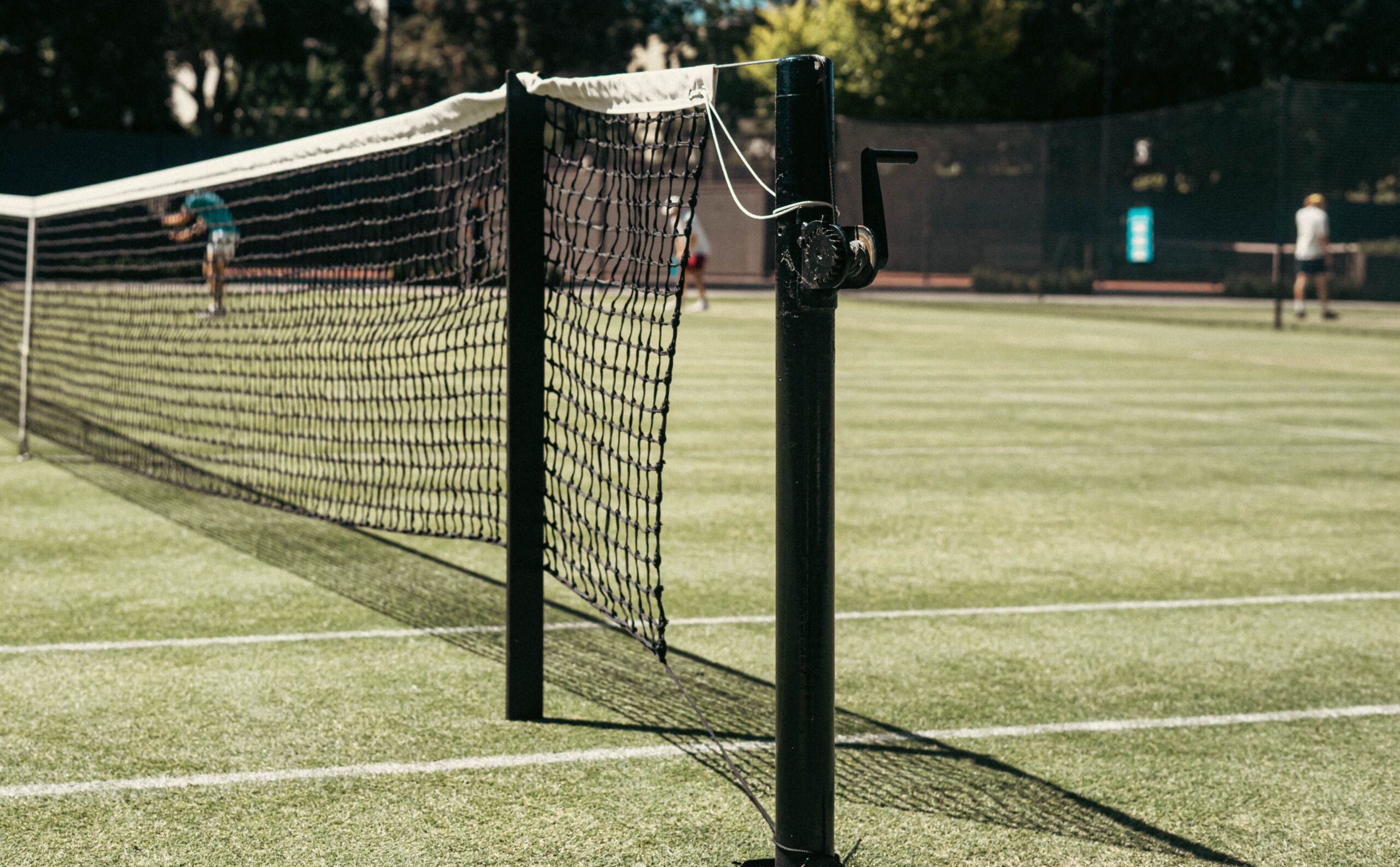
Learning tennis is an exciting experience that offers opportunities to develop physical coordination, concentration and confidence. However, beginners often focus on hitting the ball over the net without paying much attention to how they move, hold the racquet or position their bodies. While this approach can make the game enjoyable initially, developing inefficient techniques may make it more difficult to improve as players progress. Establishing good fundamentals from the beginning can help create a stronger foundation for long-term skill development.
Proper tennis technique involves more than learning how to hit forehands and backhands. It includes footwork, balance, grip control, body positioning and understanding how different movements work together. Children and beginners participating in tennis coaching in Mosman can benefit from structured instruction that introduces these essential skills progressively. By learning appropriate techniques early, players can develop more consistent movements, build confidence and establish habits that support their continued improvement.
Developing the Correct Racquet Grip From the Beginning
The way a player holds a tennis racquet influences their ability to control the ball, generate spin and perform different strokes. Beginners sometimes develop grips based on what feels comfortable rather than what suits the intended shot. Although there are several recognised tennis grips, each has specific applications depending on the stroke being played. Learning suitable grips early can help players understand how racquet positioning affects the direction and quality of their shots.
Coaches can introduce basic grip techniques through demonstrations and practical exercises that match the player’s age and experience. For example, beginners may learn a continental grip for serving and certain volleys while exploring appropriate grips for forehand and backhand strokes. Developing familiarity with these positions can make it easier to transition between different shots as skills improve. Rather than expecting immediate perfection, consistent practice allows players to become more comfortable adjusting their grip during play.
Building Better Footwork and Court Movement
Good footwork is an essential part of effective tennis technique because players must move into suitable positions before striking the ball. Beginners often concentrate entirely on their racquet movements and overlook the importance of positioning their feet. This can lead to rushed shots, poor balance and difficulty reaching balls that are not directed towards them. Learning how to move efficiently around the court helps players prepare for each stroke and maintain greater control.
Basic footwork exercises can introduce skills such as side steps, recovery movements and the split step, which helps players prepare to react to an opponent’s shot. Young players can develop these abilities through age-appropriate drills that combine movement with simple ball activities. As coordination improves, they can begin linking their footwork with stroke preparation and recovery. Developing these movement patterns early can support more consistent shot execution and make it easier to respond to different playing situations.
Understanding Body Positioning and Balance
Body positioning plays an important role in how effectively a player strikes the tennis ball. A stable stance allows the player to coordinate movements between the legs, torso, shoulders and arms. Beginners who rely mainly on arm movements may find it difficult to control their shots or produce consistent results. Learning to use the body as a coordinated system can help players develop smoother and more controlled strokes.
Coaching sessions often include exercises that encourage players to maintain balance while preparing for and completing shots. These activities may involve practising different stances, transferring body weight and following through after contact with the ball. The appropriate positioning can vary depending on the stroke, court location and playing situation. By understanding these principles early, players can develop greater awareness of their movements and gradually improve their ability to strike the ball from different positions.
Learning Consistent Forehand and Backhand Techniques
Forehand and backhand strokes are fundamental skills used throughout a tennis match. Although beginners may initially be able to return the ball using almost any swinging motion, inconsistent technique can make it harder to control shot direction, height and depth. Developing a repeatable swing pattern helps players understand how preparation, contact point and follow-through influence the ball’s movement. These elements provide a foundation for more advanced skills as players gain experience.
Structured coaching can break each stroke into manageable components rather than introducing too many technical details at once. Beginners may start with shorter swings and slower feeds before progressing to longer rallies and more challenging situations. Coaches can also provide feedback on timing, racquet preparation and body movement. Repeating these skills under different conditions helps players develop greater consistency while gradually learning to adapt their technique to changing ball speeds and positions.
Establishing Good Serving Habits Early
The serve is one of the most technically demanding shots in tennis because it requires several movements to work together. Players must coordinate their stance, ball toss, racquet preparation, upward movement and follow-through. Beginners sometimes focus primarily on hitting the ball hard, which can make the serve difficult to control. Introducing proper serving fundamentals early can help players understand the importance of rhythm, timing and accuracy before attempting to generate greater speed.
Coaches may begin with simple throwing activities and controlled serving exercises to develop coordination. Players can practise a consistent ball toss, appropriate grip and balanced body position before combining these elements into a complete serving motion. Younger children may also benefit from modified equipment and shorter distances that make the skill more manageable. A gradual approach allows players to develop confidence and control while reducing the need to correct deeply established habits later.
Preventing Poor Habits Through Structured Practice
When beginners practise without guidance, they may repeat movements that produce occasional successful shots but are difficult to perform consistently. Over time, these habits can become familiar and require additional effort to change. Common examples include gripping the racquet too tightly, standing too close to the ball, failing to prepare early or using excessive arm movement. Although no two players have identical techniques, recognising inefficient patterns early can make skill development more straightforward.
Structured coaching provides opportunities for regular feedback and progressive correction. Rather than overwhelming players with several instructions at once, effective coaching focuses on specific improvements that match their current ability. Practice activities can then reinforce those changes through repetition and practical application. This approach also helps players understand why certain techniques are useful instead of simply copying movements. Developing awareness of good technique can encourage more purposeful practice both during lessons and outside organised coaching sessions.
Conclusion
Learning proper tennis technique early can make a meaningful difference to a player’s development. Fundamental skills such as racquet grip, footwork, body positioning, stroke mechanics and serving technique provide the foundation for more consistent performance. When these elements are introduced progressively, beginners can develop better movement habits and a clearer understanding of how different tennis skills work together.
Strong fundamentals do not mean that every player must follow exactly the same technique or progress at the same pace. Age, coordination, experience and individual learning preferences all influence how skills develop. With suitable instruction, regular practice and opportunities to enjoy the game, beginners can build a solid technical foundation that supports their confidence, improvement and long-term participation in tennis.