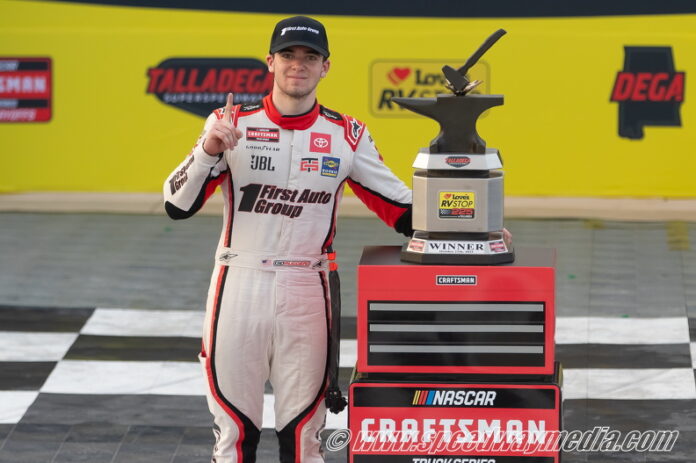
Front Row Motorsports Layne Riggs | Chandler Smith Talladega Superspeedway NASCAR CRAFTSMAN Truck Series Race Advance
Event Details:
Series: NASCAR CRAFTSMAN Truck Series (NCTS) Track: Talladega Superspeedway Track Size / Surface: 2.66-miles / Asphalt Track Location: Talladega, Alabama Race Date: October 23, 2026 Race Start Time: 4:00 p.m. ET Race Information: 85 Laps (Stages – 20 / 40 / 85) – 226.1 Miles Television: FS1 Radio: SiriusXM
Event Notes:
23rd event of the 2026 NASCAR CRAFTSMAN Truck Series season.
First and only NASCAR CRAFTSMAN Truck Series race at Talladega Superspeedway this season.
Fifth of seven races in The Chase, the NASCAR CRAFTSMAN Truck Series postseason that features the top ten drivers in the regular season standings competing for the 2026 championship.
No. 34 Team Details
Driver: Layne Riggs
Crew Chief: Dylan Cappello
Primary Sponsor: Love’s Travel Stops / Peak
Standings: 2nd
Recent Season Results:
Phoenix Raceway (October 16) – 3rd Charlotte Motor Speedway (October 9) – 1st Kansas Speedway (September 26) – 19th
Driver and Team Event Notes
Following a third-place finish at Phoenix Raceway last Friday, Layne Riggs is 39 points behind Kaden Honeycutt in the standings.
In two NASCAR CRAFTSMAN Truck Series starts at Talladega, Riggs has one top-five finish, finishing fifth in the October 2025 event.
Love’s Travel Stops / Peak Event Notes
This will be Love’s Travel Stops 10th primary sponsorship race of the 2026 season with Riggs and the No. 34 team.
Love’s Travel Stops rolls out a major update to the Love’s App, introducing a unified Love’s Rewards program that now benefits every customer who stops at Love’s. Whether fueling up, grabbing a snack, or stocking up on Love’s-branded products, customers can now save and earn points at every turn simply by scanning the Love’s App in-store or at the pump.
The new Love’s Rewards program focuses on delivering meaningful value at every stop and aims to make Love’s the first stop drivers think of on the road. Love’s Rewards App users can also save 10¢ per gallon on gas and up to 25¢ per gallon on auto diesel. Fans can download the app from Google Play and the Apple App Store. To explore all the new benefits of the Love’s Rewards program, visit www.loves.com/loves-rewards.
Riggs and the No. 34 team will also have PEAK Performance on their Ford F-150 to promote PEAK’s exclusive line of PEAK products available at over 600 Love’s Travel Stops across the country. PEAK is a leader in automotive and heavy-duty products ranging from PEAK Global Antifreeze, Final Charge, PEAK Windshield Wash, and BlueDEF Diesel Exhaust Fluid. All products can be found at Love’s Travel Stops.
No. 38 Team Details
Driver: Chandler Smith
Crew Chief: Jon Leonard
Primary Sponsor: Cole Swindell / QuickTie
Standings: 4th
Recent Season Results:
Phoenix Raceway (October 16) – 15th Charlotte Motor Speedway (October 9) – 5th Kansas Speedway (September 26) – 6th
Driver and Team Event Notes
Chandler Smith heads to Talladega Superspeedway looking to continue his superspeedway dominance. Smith captured the checkered flag in this year’s season opener at Daytona International Speedway in a photo finish. The following week, at Atlanta Motor Speedway, Smith finished in sixth.
In the NASCAR CRAFTSMAN Truck Series, Smith has five starts at Talladega, scoring a third-place finish in the October 2020 event and a fourth-place finish in the September 2023 event.
In the NASCAR O’Reilly Auto Parts Series, Smith has four starts at Talladega, with his best result of fifth taking place in the Fall 2024 event.
QuickTie / Cole Swindell Event Notes
This will be QuickTie’s 10th primary sponsorship race of the 2026 season.
Award winning country music singer, Cole Swindell, joins Smith for the first of two races on the No. 38 Ford F-150. Fans of Swindell can sign up to join his “Down Home Crew” at his website to receive insider updates for future shows and more.
ABOUT FRONT ROW MOTORSPORTS
Front Row Motorsports (FRM) is a winning organization competing in the NASCAR Cup Series and the NASCAR CRAFTSMAN Truck Series. Founded in 2004 by entrepreneur Bob Jenkins, FRM has earned top honors including a 2021 Daytona 500 victory and the 2022 CRAFTSMAN Truck Series championship. Based in Mooresville, N.C., FRM fields the No. 4, No. 34, and No. 38 entries in the NASCAR Cup Series, along with the No. 34 and No. 38 teams in the CRAFTSMAN Truck Series. For more information, visit FrontRowMotorsports.com and follow Front Row Motorsports on social media — X: @Team_FRM, Instagram: @teamfrm, Tik Tok: @Team_FRM, YouTube: @FrontRowNASCAR, and Facebook: facebook.com/FrontRowMotorsports.
MOORESVILLE, N.C.: Further strengthening an impressive season highlighted by an expanding lineup of new brands and relationships, Ryan Ellis and Young’s Motorsports will unveil another exciting NASCAR O’Reilly Auto Parts Series partnership when the series returns to Martinsville (Va.) Speedway for the National Debt Relief* 250 on Saturday, October 31, 2026.
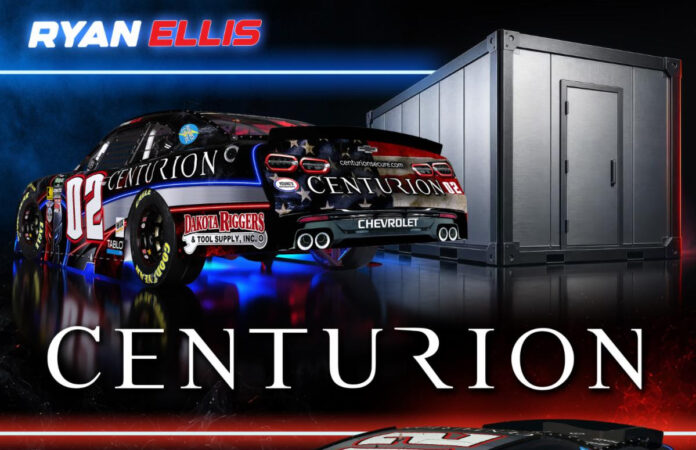
Centurion, a leader in secure construction and infrastructure solutions for government, defense and commercial organizations nationwide, will make its NASCAR partnership debut by supporting Ellis and the No. 02 Young’s Motorsports Chevrolet during the season’s final short-track race under the lights on Halloween night.
Trusted to construct the spaces where some of the nation’s most important work takes place, Centurion specializes in state-of-the-art Sensitive Compartmented Information Facilities (SCIFs), secure facilities and other mission-critical environments supporting National Security.
The company combines innovation, craftsmanship and uncompromising attention to every aspect of security to complete projects on time and with one goal in mind: Accredited Day One. Built to Pass. First Time!
The partnership carries added significance because of NASCAR’s longstanding appreciation for military members, veterans and others who serve the nation. Centurion’s role in creating secure environments for organizations responsible for protecting the country provides a natural connection between the company, the sport and its devoted fan base.
Centurion branding will be featured aboard Ellis’ No. 02 Chevrolet throughout the race weekend, providing the company with a national platform to build brand awareness and share its mission with NASCAR’s passionate audience.
“It is always exciting to introduce a new partner to NASCAR, and I am proud Centurion has chosen Young’s Motorsports and our No. 02 team to help make that introduction,” said Ellis.
“Centurion plays an important role behind the scenes by building secure environments where work that is vital to our country can be carried out. That is something I have tremendous respect for, and I believe NASCAR fans will feel the same way.
“Our sport has always shared a special connection with military members, veterans and those who serve our nation, which makes this partnership a natural fit. We look forward to representing everyone at Centurion and giving them a memorable first experience in NASCAR on Halloween night.”
For Centurion, the partnership offers an opportunity to strengthen relationships with employees, customers and industry partners through the excitement and unique experiences surrounding NASCAR competition.
The collaboration also introduces the company to an audience that values performance, precision and teamwork — principles that closely reflect Centurion’s approach to every project it undertakes.
“At Centurion, we’re thrilled to partner with Ryan Ellis and Young’s Motorsports for one of NASCAR’s most iconic weekends at Martinsville,” offered Nicholas Bruno, President, Centurion.
“We’re excited to support a team that embodies the same grit, discipline, and commitment to excellence that drives everything we do at Centurion. We look forward to cheering on the team and showcasing the strength of this partnership both on and off the track.”
The penultimate race of the 2026 season will mark Ellis’ ninth career start at Martinsville Speedway, the famed 0.526-mile paperclip located in south-central Virginia.
In eight previous appearances at the historic short track, the Ashburn, Va., native has earned a track-best 18th-place finish twice, most recently in the 2025 spring event — the US Marine Corps 250.
Martinsville brings just two races remaining on the 2026 schedule; Ellis and Young’s Motorsports have devoted considerable time and resources to preparing for the final stretch.
The team has worked through every detail of the No. 02 Chevrolet program to maximize its performance and close the season on a high note.
That concentrated effort reflects the organization’s determination to make the most of its final opportunities this year. Team principal Tyler Young believes the team’s preparation and collective focus have positioned the No. 02 group to finish the season at its best.
“Our team has invested a tremendous amount of time and effort into these final two races because it is important to everyone at Young’s Motorsports that we end the season on a strong note,” said Young.
“The team has been extremely thorough with the No. 02 Chevrolet, going over it from top to bottom and making certain we arrive at Martinsville as prepared as possible. Ryan and this group have continued to make progress together throughout the year, and we want that improvement to show in our final results.
“Martinsville is a demanding track where preparation and execution are equally important. If we remain focused and do our jobs throughout the race, I believe we can put the No. 02 Centurion Chevrolet in position for a strong night.”
To learn more about Centurion, please visit centurionsecure.com and follow them on Instagram (@centurionsecure).
For more on Ryan Ellis, please visit ryanellisracing.com, like him on Facebook (Ryan Ellis), and follow him on Instagram (@ryanellisracing), TikTok (@ryanellisracing), and X | Twitter (@ryanellisracing).
For more on Young’s Motorsports, please visit YoungsMotorsports.com, like them on Facebook (Young’s Motorsports), and follow them on Instagram (@youngsmotorsports) and X |Twitter (@youngsmtrsports).
The National Debt Relief* 250 (250 laps | 131.5 miles) is the 32nd of thirty-three (33) NASCAR O’Reilly Auto Parts Series races on the 2026 schedule. Practice will occur on Fri., Oct. 30, 2026, from 3:00 p.m. to 3:50 a.m. Qualifying will begin immediately after, at 4:05 p.m. The field will take the green flag on Halloween afternoon, shortly after 4:00 p.m., with live coverage on The CW Network, the Motor Racing Network (Radio), and SiriusXM NASCAR Channel 90. All times are local (ET).
About Centurion:
Centurion is the leading provider of secure construction and infrastructure solutions for Government, Defense, and commercial organizations across the nation.
From state-of-the-art SCIFs and secure facilities to mission-critical environments that support our National Security, Centurion is trusted to build the spaces where important work for our nation happens.
Our team combines Innovation, Craftsmanship, and uncompromising attention to all aspects of security to deliver projects on time and built to be Accredited Day One. Built to Pass. First Time!
Learn more at centurionsecure.com and follow us on LinkedIn for the latest company news and project updates.
One moment you are merging onto Interstate 581 with groceries in the trunk and dinner on your mind, and the next you are sitting in a daze, hazard lights blinking, staring at a stranger’s bumper folded into your rear door. Roanoke’s roads carry a heavy mix of commuters, college students, and tractor-trailers moving between Interstate 81 and the city, and serious crashes are part of that picture. In a single recent year, Virginia DMV figures recorded more than 1,800 crashes inside the Roanoke city limits alone, and behind every one of those numbers is a person whose normal week suddenly stopped being normal.
The wreck itself, it turns out, is only the beginning. In the days that follow come the emergency room bills, the missed shifts, the rental car the insurer will only cover for a week, and a phone that will not stop ringing. It is usually somewhere in that fog, sore, stressed, and running on very little sleep, that people start looking for a car accident lawyer in Roanoke, because the insurance company on the other end of the line started building its case against them while they were still sitting in the wreckage.
Virginia’s One Percent Rule Can Take Everything Away
Virginia follows one of the harshest fault rules in the entire country, called pure contributory negligence. In plain English, it works like this: if the insurance company can prove you were even one percent responsible for the crash, you can be barred from recovering anything at all. Maybe you glanced down at your phone for a second. Maybe you were running five miles an hour over the limit, or you braked a moment too late. That is all it takes. Not a reduced amount, but nothing. It is an old rule, it shocks almost everyone who hears it for the first time, and adjusters know exactly how to use it.
That is why the first recorded statement you give matters far more than most people realize. Adjusters ask warm, casual questions designed to get you speculating about your speed, your distance, and what you might have done differently, and every small admission becomes another brick in their one percent wall. This is exactly where a car accident lawyer in Roanoke earns their keep early on: protecting the record, gathering the proof while it still exists, and making sure your own honest words are never twisted into a reason to pay you nothing.
The Two-Year Clock Nobody Warns You About
Virginia law gives you two years from the date of the crash to file a personal injury lawsuit, and two years sounds generous until you actually live through it. Treatment drags on, specialists take months to book, surgeries get scheduled and rescheduled, and the full picture of a serious injury rarely shows itself quickly. Meanwhile, families who wait patiently, hoping the insurer will eventually do the right thing, often discover the deadline only when it is close enough to seriously limit what their lawyer can still do.
The real damage of waiting starts long before that deadline arrives. Skid marks wash off the asphalt, surveillance footage gets recorded over, witnesses move away or simply forget, and the other driver’s version of events quietly hardens into accepted fact. The strongest claims are usually the ones where a car accident lawyer in Roanoke got involved within the first few weeks, while the evidence was still fresh and the paper trail was still being written.
Do This After a Crash
Avoid This
Get medical care right away and keep every bill and record
Waiting days to see a doctor, or throwing paperwork away
Take photos of the scene, the vehicles, and your injuries
Letting the cars get repaired before anything is documented
Write down what you remember while it is still fresh
Trying to rely on your memory months later
Get a copy of the police report for your own file
Settling things privately with the other driver at the scene
Talk to a lawyer before you sign anything
Giving the insurance company a recorded statement on the spot
What Real Preparation Looks Like Behind the Scenes
At Lichtenstein Law Group, PLC, cases are not built around one quick phone negotiation with an adjuster. They are built for trial from the very first day. That means investigators collecting and preserving evidence before it disappears, medical professionals who can explain your injuries in language a jury actually understands, and accident and vehicle experts reconstructing how the crash really happened. The firm’s attorneys bring nearly a century of combined courtroom experience to that work, and it shows in the level of detail in every file.
It also means thinking about the courtroom long before anyone files a lawsuit. The team studies how local juries tend to think, organizes a pile of raw evidence into a story that makes sense to ordinary people, and prepares every witness properly for hard questions. None of this work is visible from the outside, and that is honestly the point: by the time the insurance company opens the file, it is no longer looking at a stack of medical bills. It is looking at a case that is ready to be tried.
Why Insurers Settle Differently When Trial Lawyers Are Involved
Insurance companies keep score, even if they never admit it. They know which firms accept the first low offer that lands on the desk and which ones will pick a jury and try the case when the number is wrong. That reputation changes the math on their side of the table, because defending a trial against a prepared opponent costs them far more than settling fairly. When people ask what difference a car accident lawyer in Roanoke really makes, this is the honest answer: preparation like that is how this firm has won multiple results over one million dollars for injured clients.
None of that guarantees any particular outcome in your case, and it is worth saying plainly: every crash, every injury, and every insurance policy limit is different, and any lawyer who promises you a specific number on day one is guessing. What serious trial preparation does guarantee is leverage. Your claim gets valued on what a jury might do with it, not on how tired, sore, or financially squeezed the insurer hopes you have become by the time they call.
You Do Not Have to Carry This Alone
Right now, your own job is smaller than you probably think. Get proper medical care and keep every bill, letter, and discharge paper that comes home with you. Write down what you remember about the crash while it is still fresh, take photos of your injuries as they heal, and save your pay stubs if you are missing work. Above all, do not sign anything and do not give a recorded statement before you have had real advice. Those small, unglamorous steps protect a claim more than most people ever realize.
And if you are lying awake at night wondering how the bills are going to get paid, or whether you even have a case worth pursuing, that is exactly the moment to sit down with a lawyer and find out where you stand. A consultation costs you nothing but a little time, and it replaces weeks of anxious guessing with a clear, honest plan. You focus on getting better, and let your legal team focus on making the other side pay attention.
JR Motorsports O’Reilly Auto Parts Team Preview TRACK – Talladega Superspeedway (2.66-mile-superspeedway) NOAPS RACE – The Progress Group 250 (94 laps / 250.04 miles) TUNE IN – CW, MRN, SiriusXM Channel 90, ESPN Mobile App at 3:30 p.m. (ET)
Carson Kvapil
No. 1 – Bass Pro Shops Chevrolet
Kvapil 2026 NOAPS Stats
Starts: 30
Wins: 2
Top 5s: 11
Top 10s: 18
Laps Led: 468
Avg. Finish: 11.5
Points: 5th
Carson Kvapil will make his fifth career start at Talladega Superspeedway this weekend in the NASCAR O’Reilly Auto Parts Series.
Kvapil’s career best finish at Talladega came in this race last season, where he finished in the runner-up position.
On tracks greater than 2 miles, the JR Motorsports driver has 14 starts, recording one win, four top-fives and nine top-10’s.
With three races remaining in The Chase, Kvapil sits fifth in points.
Carson Kvapil
“Talladega is always an unpredictable race, but I am confident we are going to unload a really strong Bass Pro Shops Chevrolet. JR Motorsports always builds fast superspeedway cars, and I know that will be the case again on Saturday. We just need to stay up front and keep the car clean to collect as many stage points as we can and stay in contention for the win at the end of the race.”
Justin Allgaier
No. 7 Roto-Rooter Chevrolet
Allgaier 2026 NOAPS Stats
Starts: 30
Wins: 6
Top 5s: 17
Top 10s: 21
Laps Led: 740
Avg. Finish: 10.0
Points: 2nd
Justin Allgaier heads into the seventh race of The Chase second in points, just 36 markers out of the top spot.
In 21 NOAPS starts at Talladega, Allgaier has earned a combined six top-fives and nine top-10s, with a best finish of second coming in the spring of 2016.
Allgaier is a two-time NOAPS winner on drafting tracks, having gone to Victory Lane at Daytona International Speedway in the summer of 2023, and at the reconfigured Atlanta Motor Speedway this past July.
Earlier this season, Allgaier erased a 39-point deficit from the conclusion of the NOAPS race at Circuit of the Americas to claim the points lead the following week after his win at Phoenix Raceway in March.
Justin Allgaier
“Anything can happen at Talladega, but I know that we are going to have five extremely strong JR Motorsports Chevrolets. JRM has always had an incredible superspeedway program and I know we’ll be just as good this weekend. We just need to keep our fenders clean on our Roto-Rooter Chevrolet and make the right moves in the pack. If we can do that and work well with our teammates, I see no reason why we can’t come away with a great day on Saturday.”
Sammy Smith
No. 8 Pilot Chevrolet
Smith 2026 NOAPS Stats
Starts: 30
Wins: 0
Top 5s: 8
Top 10s: 14
Laps Led: 51
Avg. Finish: 12.0
Points: 7th
Sammy Smith returns to Talladega this Saturday, where he captured his first NOAPS victory with JRM, in the fall of 2024.
Smith has six starts on the 2.66-mile superspeedway. In those, he has captured one win, two top-five and three top-10 finishes.
After a top-five finish in Phoenix last weekend, Smith jumped up to seventh in The Chase standings.
Little River Transportation, a logistics company based out of Fort Payne, AL will be on the TV panel of the No. 8 Pilot Chevrolet this Saturday.
Sammy Smith
“This No. 8 team had a good, solid run at Phoenix last week and we’re carrying the momentum with us into Talladega. We finished fourth there in the spring and got a win back in 2024 so I know we have what it takes to get this Pilot Chevrolet in Victory Lane. We just need to be smart, stay aware of our surroundings on the track and keep the car clean to be there at the end.”
Jake Finch
No. 9 KOA Chevrolet
Finch 2026 NOAPS Stats
Starts: 5
Wins: 0
Top 5s: 0
Top 10s: 0
Laps Led: 0
Avg. Finish: 25.6
Points: N/A
Jake Finch will make his sixth and final NOAPS start of the 2026 season with JRM this weekend at Talladega.
This will be the young drivers first start on the Alabama superspeedway in the NOAPS.
Finch has made three previous starts at Talladega in the ARCA Menards Series earning one win, one top-five and two top-10 finishes.
For his final start, Finch will be sporting the iconic KOA yellow on his Chevrolet. With over 500 locations, KOA continues on with their mission of connecting people to the outdoors.
Jake Finch
“These last few races haven’t gone our way, but I am hoping we can turn things around this weekend at Talladega. This is a track I have more experience on and I am confident this No. 9 team will unload a fast car on Saturday. As long as we can keep the nose clean and avoid the big one, I believe we can end this season on a high note and get a strong finish for KOA.”
Rajah Caruth
No. 88 HendrickCars.com Chevrolet
Caruth 2026 NOAPS Stats
Starts: 30
Wins: 0
Top 5s: 2
Top 10s: 9
Laps Led: 89
Avg. Finish: 17.7
Points: 12th
Rajah Caruth and the No. 88 HendrickCars.com team head to Talladega this weekend for the seventh race of the 2026 NASCAR O’Reilly Series Chase.
Caruth has shown speed on drafting tracks this season, earning three top-10 finishes in five starts between Daytona, Atlanta and Talladega. He finished 10th at Daytona in February and finishes of eighth and ninth at Atlanta, leading a combined 52 laps across those three races.
In his first O’Reilly Series start at Talladega earlier this season, Caruth qualified seventh, finished fourth in Stage One and led five laps. After racing his way to the lead in the final stage, a speeding penalty during a green-flag pit stop ended his chances of contending for the victory, resulting in a 30th-place finish.
Most recently at Daytona in August, Caruth started from the pole, finished third in Stage One and captured the Stage Two victory. He was in contention for the win before a late-race incident relegated him to a 32nd-place finish.
Rajah Caruth
“Talladega is definitely a place where I feel like we have some unfinished business after the spring race. We had a really fast HendrickCars.com Chevrolet and put ourselves in position to contend for the win, but the mistake on pit road took us out of it. Our superspeedway program has been strong all year, and I feel like we’ve learned a lot from those races. Hopefully we can put together a complete race this weekend, stay out of trouble and give ourselves a shot at the end. Really appreciate everyone at HendrickCars.com, Mr. H, Ms. Linda, Kelley, Dale and everyone at JR Motorsports for their continued support.”
JRM Team Updates
JR Motorsports at Talladega Superspeedway: JR Motorsports has competed at Talladega Superspeedway a combined 86 times in the NOAPS since 2006. In those starts at the 2.66-mile superspeedway, the organization has recorded four wins, 23 top-fives, and 38 top-10s. The average finish is 16.4.
Souvenir Rig: JRM drivers Carson Kvapil, Justin Allgaier, Sammy Smith, Jake Finch and Rajah Caruth will be signing autographs at the JR Motorsports / HMS WB + AB souvenir rig on Saturday, October 24th, from 12:00 p.m. to 12:30 p.m. CT.
Giovanni Ruggiero will remain as the driver of the No. 17 TRICON Garage Toyota Tundra TRD Pro entry for the 2027 NASCAR FedEx Freight Truck Series season.
The news, which was made by TRICON Garage on Wednesday, October 21, comes as the 20-year-old Ruggiero from Seekonk, Massachusetts, is currently campaigning in his second consecutive full-time Truck Series season with TRICON. Ruggiero, who is one of 10 Chase contenders this season, is currently ranked in seventh place in the standings and he trails the points lead by 151 points with three-scheduled events remaining in 2026.
Ruggiero, a former Southern Super Series and CRA Super Series champion, made his debut in the Truck division as a full-time competitor in 2025. Driving his current ride, the No. 17 Toyota for TRICON Garage, the Massachusetts native achieved his first career victory at Talladega Superspeedway in October 2025. To go along with his first two career poles, seven top-five results, 11 top-10 results, 104 laps led and an average-finishing result of 12.4, Ruggiero finished in 11th place in the final standings and claimed the 2025 Truck Series’ Rookie-of-the-Year title.
This season, Ruggiero has notched four top-five results, 11 top-10 results, 59 laps led and an average-finishing result of 12.3 through 22-scheduled events. His highest-finishing result is a runner-up finish during the season-opening event at Daytona International Speedway in February as he remains in pursuit of his first victory in 2026. After missing the Playoffs in 2025, Ruggiero made his first-career Chase this season.
This upcoming weekend marks the site of Ruggiero’s lone Truck victory to date as the series returns to Talladega Superspeedway for the closing stages of the 2026 Chase. Should Ruggiero achieve his first victory of this season, he will become the sixth competitor to achieve multiple Truck victories at Talladega and the fourth to do so in back-to-back seasons.
Through 47 current starts in the Truck Series division, Ruggiero has achieved a single victory, a pair of poles, 11 top-five results, 22 top-10 results, 163 laps led and an average-finishing result of 12.3 as he continues his pursuit of his first series’ championship.
With his plans for next season set, Giovanni Ruggiero’s 2026 Truck Series season resumes this Friday, October 23, at Talladega for the Love’s RV Stop 225. The event’s broadcast time is scheduled to commenced at 4 p.m. ET on FS1, NASCAR Racing Network and SiriusXM.
For most bettors, the sportsbook is a phone. They check odds on the move, place a bet from the stands, and follow in-play action on the same screen they use for everything else. Any operator still treating mobile as a smaller version of the desktop sportsbook is designing for where bettors used to be, not where they actually are.
Getting this right shapes what an operator should expect from a sports betting software provider, whose platform has to treat the phone as the primary screen rather than an afterthought. Soft2Bet, a leading iGaming turnkey solutions provider delivering high-quality products and services for online gambling operators, builds its sportsbook so the mobile experience is a first-class one, not a scaled-down copy.
The Phone Is Where Betting Happens
Betting behaviour has moved decisively to mobile. Much of it happens in the moment, at the event, in front of the television, in the spare minutes around a match. That context shapes what a mobile sportsbook needs to be: fast to open, easy to navigate with a thumb, and responsive enough that placing a bet in a live moment never feels like a struggle.
Designing for that reality is different from shrinking a desktop layout onto a smaller screen. A mobile-first sportsbook is built around the constraints and rhythms of phone use from the start, so it feels native to the device rather than adapted to it. The operators who accept that the phone is where betting happens design accordingly, and bettors feel the difference. There is a visible gap between a sportsbook built for the phone and one merely made to fit on it. Bettors may not name which they are using, but they feel the one designed for a thumb in a live moment rather than reluctantly shrunk from a desktop layout.
What Mobile Betting Demands
The phone imposes its own requirements, and meeting them is what separates a sportsbook made for mobile from one that merely runs on it.
A strong mobile betting experience calls for:
fast loading on everyday connections
navigation that works with one thumb
in-play betting that responds instantly
odds and markets that display cleanly on a small screen
the same reliability bettors get on any device
In-Play Makes Speed Non-Negotiable
Mobile betting and in-play betting have grown up together, and in-play is where mobile speed becomes non-negotiable. When a bettor wants to back something as the action unfolds, a screen that hesitates or a bet that is slow to accept can mean missing the moment entirely. On mobile, in the middle of a live match, speed is the whole experience.
That makes performance a central design concern rather than a technical footnote. A mobile sportsbook that responds instantly keeps the bettor in the moment, one that lags hands them a reason to give up on the bet. Getting the phone experience to feel immediate, on ordinary connections and everyday devices, is among the highest-value things an operator can get right.
One Sportsbook Across Every Screen
Mobile-first does not mean mobile-only. Bettors move between phone and larger screens and expect the sportsbook to feel the same on each. The goal is one coherent experience that adapts to the device rather than separate versions that feel like different sportsbooks sharing a name.
Delivering that takes a platform built to serve every screen from one foundation. When the same core drives phone and desktop alike, consistency is automatic, and a bettor enjoys a sportsbook that feels whole however they reach it, with the phone treated as the primary way in rather than the exception to it.
Conclusion
If an operator holds on to one fact about where betting happens, it should be that the phone is not a secondary screen but the main one. Designing mobile-first, and demanding that the phone experience be fast, native, and consistent with everything else, is simply designing for reality. The sportsbooks that treat mobile as the main event are the ones meeting bettors exactly where they already are.
Skins in Counter Strike have long been more than colorful decorative pixels. A huge ecosystem has grown around them, with its own set of rules, both written and unwritten, that can have a major impact on how much a particular skin is worth.
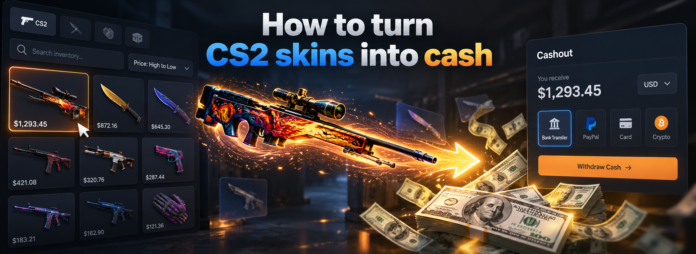
It is only natural that skins have also become digital assets that can be sold for real money. So today, let us look at how to turn CS2 skins into cash.
Steam does not let you withdraw your money
There is one important thing to know right away: you can put money into Steam, but you cannot take it back out.
If you sell a skin on the Steam Community Market, the money goes straight to your Steam Wallet. That balance can only be spent on other games, skins, or items available through Steam.
That does not mean cashing out your skins is impossible, though. Quite the opposite. Steam limitations helped create an entire ecosystem around CS2 skins, with individual traders and large third party marketplaces offering ways to turn skins into real money. That is what we will look at next.
Third party marketplaces let you cash out
Since Steam does not allow withdrawals and charges a fairly hefty 15% fee on Community Market transactions, individual traders started appearing in the CS2 community. Eventually, entire marketplaces followed. These platforms let you withdraw your money to a bank card or PayPal, while generally charging lower fees than Steam.
Many of the biggest platforms let you sell a skin either directly to the marketplace or to another user. Let us take CS.MONEY, one of the largest platforms in the space, as an example. It has been operating in the skin market for more than 10 years.
You can list your skin for other users to buy at a price you set yourself. This can be especially profitable for skins that carry a premium because of a rare pattern, valuable stickers, or extremely low wear. Collectors are often willing to pay significantly more for a great looking skin, especially when its float value comes with a few impressive zeros.
Once a buyer is found, the platform facilitates the trade and acts as the middleman. This also helps protect both sides from common payment tricks, such as chargebacks or cancelled transfers.
Selling a skin directly to the marketplace is even simpler. The platform shows the price it is willing to pay, and if the offer works for you, the trade can happen immediately.
Keep the seven day Trade Protection period in mind
Valve introduced Trade Protection, which allows certain recent trades to be reversed during a seven day period. Because of this, marketplaces hold the money from completed sales until the protection period ends. Once Trade Protection expires, the money becomes available in your account.
Waiting seven days is not always convenient, which is why some platforms offer instant cashout. Depending on the marketplace and your account status, loyal customers may be able to withdraw part of the funds from their sales without waiting for the full protection period to end.
Available withdrawal methods depend on the marketplace, but the biggest platforms generally support popular payment options.
How not to lose money when selling a skin
Figuring out the exact value of a skin is not always easy. As mentioned above, patterns, wear, and stickers can all have a significant impact on the final price. Before selling a skin, it is worth learning as much about it as possible.
This is where dedicated skin websites and resources can come in handy. They provide reliable information that can help you understand what you have in your inventory and what it might actually be worth.
One such resource is the CS.MONEY Blog. It offers a huge collection of guides and articles covering everything from skin valuation and scam prevention to lists of the best skins based on different criteria, including weapon, color, price, and rarity.
A little research can go a long way, especially when it directly affects how much money you get for your skin.
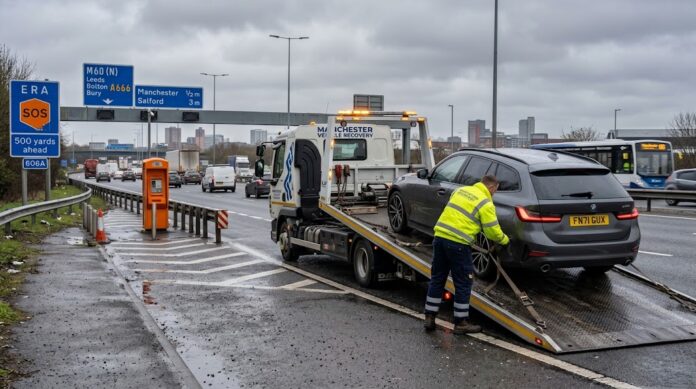
If your car breaks down, get to a safer stopping place if the vehicle can still move safely. Warn other drivers with hazard lights when appropriate, protect your passengers, and contact the right help. Roadside assistance procedures differ between a motorway, a fast A-road and a quiet street. If you are trapped in a live motorway lane, call 999.
Here is how to report your location and choose between a roadside repair and recovery.
Immediate Car Breakdown Safety Checklist
Start with safety, not the mechanical fault. Adapt these steps to the road and the position of your vehicle; do not try to get out into moving motorway traffic.
Stop somewhere safer. If the car is controllable, reach an exit or parking area without driving it dangerously.
Warn traffic. Use hazards if obstructing the road and sidelights in poor visibility.
Check before exiting. Assess traffic speed, barriers, verges and door clearance.
Protect occupants. Exit away from traffic when safe. If unable to leave a live motorway lane safely, remain belted in and call 999.
Locate yourself. Record road number, direction, junction and any marker signs.
Get help. Call 999 for immediate danger or injury; otherwise arrange assistance once safe.
Prepare booking details. Give registration, symptoms and destination.
Choose your response by road type:
Road type
Immediate priority
Key risk
Motorway
Reach an exit, service area or designated stopping place if possible
Live high-speed traffic
Fast A-road or dual carriageway
Avoid exposed lanes; seek a safer stopping position
Traffic speed and limited visibility
Residential street
Stop clear of moving traffic and junctions where possible
Obstructing other road users
Country lane
Avoid blind bends and unstable verges
Poor sightlines and limited access
What to Do If Your Car Breaks Down on a Motorway
Get left, get safe and get help. In Great Britain, this is the core sequence in the Highway Code and motorway safety advice.
If the car remains safe to drive, reach an exit or service area. Otherwise, move left into an emergency area or hard shoulder where available; not every stretch has one.
Stop far left, turn wheels left, switch on hazards and use sidelights in poor visibility. A hard shoulder is not safe for repairs.
If safe, exit away from traffic and move well clear, preferably behind a barrier after checking for hidden hazards. Wear accessible high-vis clothing. Do not return for belongings.
Use an emergency telephone where provided. In England, National Highways also advises on 0300 123 5000. In a motorway emergency area, use its telephone and follow instructions before rejoining.
Never place a warning triangle on a motorway or attempt roadside repairs beside fast-moving traffic.
What If You Break Down in a Live Motorway Lane?
If the car cannot reach a place of relative safety and you cannot exit safely away from traffic, stay inside with seatbelts fastened, switch on hazard warning lights and call 999 immediately, asking for the police. A vehicle’s emergency SOS system is another option where available. Tell the call handler which lane you are in and whether anyone needs additional support.
Do not push the car or cross lanes. Police and road authorities may need to protect the lane before recovery; private operators cannot independently close it.
England’s National Highways does not manage roads throughout the UK. Scotland, Wales and Northern Ireland have separate road-management arrangements. Northern Ireland also prohibits motorway warning triangles.
What to Do After a Breakdown on an A-Road or Dual Carriageway
Treat a high-speed A-road or dual carriageway as potentially hazardous even if it is not a motorway. A narrow verge, central reservation or blind approach can leave very little protection from passing traffic.
Aim for a lay-by or safe exit rather than a running lane. Use hazards when obstructing traffic; exit only when safe and avoid walking on exposed verges.
A warning triangle is permitted off motorways only when safe to place at least 45 metres behind the car on the same side. Avoid it if fast traffic makes placement dangerous.
If anyone faces immediate danger, call 999. Give recovery dispatch the road number, direction and access point.
What to Do If Your Car Breaks Down on a Residential Road
On a quieter street, make the stopped vehicle visible without creating a second hazard. Where possible, pull towards the kerb and avoid blocking a junction, pedestrian crossing or driveway. Use hazard lights if the car obstructs other traffic.
Wait on a safe pavement, checking cycle lanes before opening doors. A warning triangle may be placed at least 45 metres back on the same side only when safe.
Give dispatch the address, postcode and access restrictions. If the vehicle is a dangerous obstruction, seek police assistance.
What If Your Car Breaks Down on a Country Lane or Remote Road?
The priority on a remote road is to avoid a hidden or unstable stopping point. Blind bends, narrow passing places, loose verges and weak phone reception can make even a quiet lane difficult for recovery vehicles.
Stop where drivers can see the car, without driving onto soft ground. Use hazards where appropriate and reflective clothing if safe to exit.
Give the road, nearby village, landmark and map coordinates. Report locked gates or unmade tracks. Never risk walking into traffic for reception; call emergency services if in danger.
How to Share Your Exact Breakdown Location
A location pin alone does not always tell a recovery driver how to reach you. On divided roads, it can point to the correct spot but the wrong carriageway. Give both the map location and the practical access route.
From safety, share your map pin and check that it marks the car rather than somewhere you walked to get signal.
Add the following details verbally:
Road and direction: for example, an A-road heading northbound or a motorway travelling clockwise.
Nearest junction or exit: the number you last passed, or the next one shown on a sign.
Roadside identifier: letters and numbers on a driver location sign or marker post, if visible without leaving safety.
Postcode, landmark or GPS coordinates: useful for urban streets and remote lanes.
Pickup position: hard shoulder, emergency area, lay-by, retail car park or kerbside.
Access limits: closed gates, restricted vehicle height, steep ground or traffic officers managing the scene.
For example: “Northbound A-road, just past the signed junction, in a lay-by. Rear wheel damaged; I can send a pin.”
Roadside Assistance or Car Recovery — Which Do You Need?
Roadside assistance aims to resolve a problem at or near the stopped vehicle; car recovery moves it somewhere suitable when it cannot continue safely. Which one is appropriate depends on the fault, the location and what a provider actually offers.
A patrol might diagnose a fault. Serious mechanical failure, crash damage, locked wheels or unsafe tyres may instead require transport.
Recovery On Call describes its vehicle recovery services as transport for cars and other vehicles to a garage, home or another agreed destination. Its service descriptions should not be taken as a promise of mobile tyre fitting, jump-starting or mechanical repairs at every roadside location.
If a warning suggests serious damage, do not keep driving simply to avoid recovery.
How to Arrange Emergency Car Recovery in the UK
After securing everyone’s safety, book recovery with enough detail for the operator to assess the vehicle and access. The process should establish where the car is, what equipment may be needed and where it will go.
Contact a provider. Explain whether you are in a safe car park, on a street or in a motorway-managed incident. You can enquire about vehicle recovery with Recovery On Call using the contact details on its website.
Give exact pickup information. Include direction, junction, safe access point and any instructions already issued by road authorities.
Identify the vehicle. Supply registration, make, model, fuel type and any relevant modifications or unusually low clearance.
Describe its condition. Say whether it starts, rolls, steers or can be placed in neutral. Mention accident damage, locked wheels or problems with an electric parking brake.
Choose the destination. Confirm the garage, home or other suitable address and postcode. Check whether the destination can accept delivery at that time.
Ask about loading and passengers. Check whether specialist equipment is needed and how people will travel; a recovery truck does not necessarily have seats for every passenger.
Confirm the quote and arrival window. Ask what is included, whether there are additional access or waiting charges, and how you will be updated if plans change.
Availability and road-authority access affect collection; 24-hour service does not guarantee an arrival time.
Can You Get Roadside Assistance Without Breakdown Cover?
Yes, although your options and prices depend on the provider. Membership-based breakdown cover is usually purchased before a breakdown. Some organisations offer help to new customers after a fault, sometimes on different terms from an existing policy.
A separate option is pay-as-you-go car recovery: paying for a specific vehicle move without buying an annual membership. Recovery On Call advertises one-off recovery without a membership requirement, with the quotation agreed before work begins. Confirm that the operator can collect from your exact location and that your vehicle type is accepted.
Newly purchased cover may have different costs or restrictions. Check whether your bank, insurer or warranty already provides assistance.
How Much Does Emergency Car Recovery Cost in the UK?
A reliable quote requires the vehicle, pickup point and destination; a single UK-wide recovery price would be misleading. Charges can change with distance, vehicle size, time of day, access restrictions and equipment required.
Locked wheels, winching, motorway access, night-time attendance and long-distance transport can increase complexity.
Check whether VAT, loading, mileage and waiting charges are included, and what happens if extra equipment is needed.
What Should You Do While Waiting for Breakdown Assistance?
Wait in the safest practical position for the road, not automatically inside or beside the vehicle. On an exposed motorway stopping area, remain well clear of the vehicle and traffic when you have safely exited. If you are trapped in a live motorway lane, stay belted in and follow the police’s instructions.
On quieter roads, wait away from traffic and remain available for updates. If immediate danger develops, call 999.
Frequently Asked Questions About Roadside Assistance in the UK
Who should I call first if my car breaks down?
Call 999 if there is immediate danger, a serious injury or an unsafe live-lane motorway breakdown. Otherwise, move to a place of relative safety and contact your breakdown provider or a vehicle recovery service. In England, National Highways can advise about motorway incidents on 0300 123 5000 once you are safely stopped.
Can I get roadside assistance at night?
Some providers operate overnight, but availability varies by area and service. Make the vehicle visible with hazard lights where appropriate and sidelights in poor visibility. Keep away from moving traffic and share your exact location. Ask about late-night pricing and whether a truck can reach the pickup point safely.
Is roadside assistance the same as breakdown recovery?
Not exactly. Roadside assistance may involve assessing or resolving a vehicle fault where the car stopped. Breakdown recovery means moving the vehicle to another place when it cannot safely continue. Some companies offer both; others mainly provide transport. Confirm what is included before booking.
Can I leave my broken-down car at the roadside?
Do not assume it can remain there indefinitely. A dangerously positioned or obstructing vehicle may need urgent removal, and police or road authorities may intervene. Tell the relevant authority and recovery provider where it is, follow their instructions and check any parking or removal restrictions that apply.
What if my car breaks down on a dual carriageway?
Move into a safer stopping place if possible and use hazards if obstructing traffic. Do not walk along exposed lanes or attempt repairs beside fast-moving vehicles. If you cannot get clear of an active lane or face immediate danger, call 999. Provide the carriageway direction when arranging help.
What if my car cannot be repaired at the roadside?
Arrange vehicle recovery to a garage, home or another suitable destination. Tell the operator whether the car rolls, steers and selects neutral, as this can affect loading. Agree the drop-off postcode, quotation and passenger arrangements before authorising transport. Do not try to drive an unsafe vehicle to the garage.
How long does vehicle recovery usually take?
There is no universal arrival time. It depends on the provider, your precise location, traffic, equipment availability and whether road authorities must first protect the scene. Ask for a current estimated arrival window and a way to receive updates. Never treat a quoted estimate as permission to wait somewhere unsafe.
What if my phone has no signal after a breakdown?
If you are on a motorway and can safely access a designated emergency telephone, use it. On other roads, remain in a safe place and consider an emergency call if there is immediate danger; emergency calls may connect through another available network, but cannot be guaranteed. Do not put yourself at risk searching for reception.
Need Car Recovery After a Breakdown?
If your car cannot safely continue, contact Recovery On Call on 07441 954587 to discuss collection, an agreed destination and the quotation. The business advertises round-the-clock, no-membership recovery; confirm availability for your road and vehicle. Request car recovery from Recovery On Call after dealing with any urgent safety or emergency-service requirements.
Conclusion
A breakdown needs different decisions depending on the road. On motorways and high-speed routes, getting away from live traffic matters more than inspecting the fault; a dangerous live-lane stop calls for 999. On streets and rural roads, look for a visible, accessible stopping point without creating a further hazard. Give any roadside assistance or recovery provider your exact location, vehicle condition and destination, not just a nearby town. If the vehicle cannot safely continue or be repaired where it stands, confirm the loading arrangements, passenger plan and quote before booking transport.
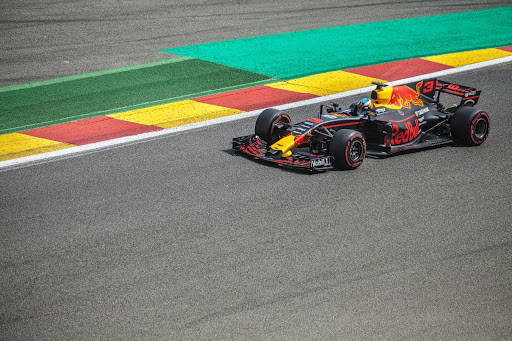
High speeds are something NASCAR and Formula 1, both have in common, but the similarities between these racing series largely end there. Their cars follow different technical principles, and drivers face different challenges. Changes to the regulations in 2026 have made these differences even more noticeable. Here is why Formula 1 cars are faster on traditional circuits and what makes NASCAR just as demanding in terms of driving skill.
Top Speed Does Not Always Determine the Result
The main advantage of Formula 1 cars is their ability to handle challenging sections of a circuit at high speeds. Their low weight, efficient aerodynamics, and hybrid power units help them maintain strong performance even on tracks with many corners. On straights, these cars can exceed 330 km/h.
NASCAR Cup Series vehicles are heavier and use simpler aerodynamic components. They can reach speeds above 300 km/h on fast oval tracks, but they cannot match Formula 1 performance on traditional road circuits.
In 2026, NASCAR increased engine power to 750 horsepower for short ovals and road courses. This improved the cars’ acceleration and overall performance, although it did not significantly change the speed difference between the championships.
Ultimately, racing is about more than raw speed, as strategy and timing often determine the winner. The same principle applies to other competitive activities: someone learning how to play poker online, for example, quickly discovers that making smart decisions matters more than acting fast.
Why Do the Racing Series Use Different Technologies?
The 2026 Formula 1 season introduced a new approach to power unit design. The electric component became more powerful, while active aerodynamic elements allow cars to change their characteristics across different sections of a circuit.
NASCAR follows a different approach to vehicle construction. Next Gen cars run on naturally aspirated V8 engines, and many components are identical across teams. This limits opportunities to develop completely different technical solutions.
These regulations reflect each series’ goals. In Formula 1, teams compete both on the track and through technological development. NASCAR aims to keep car performance more closely matched so results depend more on driver competition.
Different Tracks Create Different Challenges
In Formula 1, much of the physical strain comes from fast corners and heavy braking. Drivers must handle high G-forces, steer with precision, and manage tire wear and electric energy consumption at the same time.
For NASCAR competitors, one of the biggest challenges is racing in tight packs. When cars run close together, changes in airflow affect handling. Tire wear and the possibility of collisions add further difficulties.
Race duration also varies. NASCAR events generally last longer, requiring drivers to maintain concentration and handle physical demands for extended periods.
What Matters More for Winning: Precision or Endurance?
It is impossible to call one championship more difficult than the other because they test different skills. Formula 1 demands precise car control and an understanding of advanced systems. In NASCAR, endurance, quick judgment, and the ability to fight for position are especially important.
Formula 1 usually delivers faster lap times than NASCAR on road circuits. However, closer contact between competitors in NASCAR often creates unpredictable situations that can change a race’s course.
Much like understanding the rules of poker helps players make informed decisions at the table, knowing racing regulations and choosing the right strategy can make a significant difference on the track.
In 2026, both series continue to represent different approaches to motorsport. Formula 1 demonstrates what advanced technology can achieve, while NASCAR shows that exciting racing depends on more than a car’s technical capabilities.
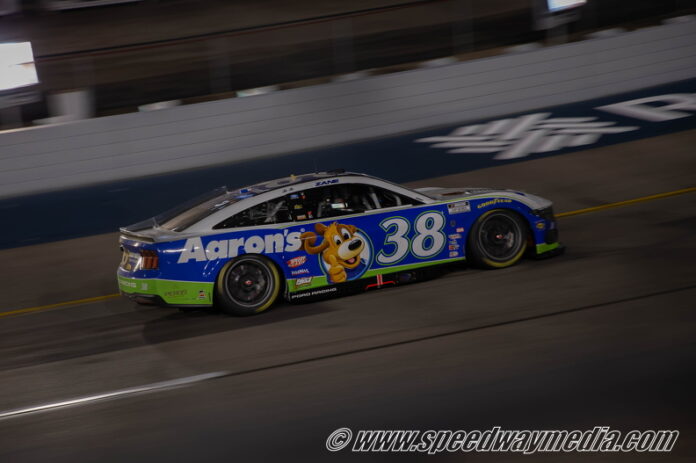
Zane Smith was levied a hefty fine by NASCAR following his on-track actions from this past weekend’s Cup Series’ Freeway Insurance 500 event at Phoenix Raceway.
During the cooldown lap at the conclusion of Sunday’s event at Phoenix, Smith accelerated his No. 38 Front Row Motorsports Ford entry into the rear of Carson Hocevar’s No. 77 Spire Motorsports Chevrolet entry prior to both reaching pit road. The Huntington Beach, Californian’s action towards Hocevar was a retaliatory act after the latter made contact with the former and Josh Berry through Turns 3 and 4 while both were battling for positions amid a 19-lap dash to the finish. Ultimately, Hocevar’s actions was caused by Ross Chastain bumping and sending Hocevar into both Smith and Berry. Hocevar proceeded to finish in 12h place behind Berry while Smith ended up in 15th place.
The post-race run-in at Phoenix between Smith and Hocevar marks an additional chapter amid a feud between both competitors who have had previous run-ins. Notable incidents between both competitors include Iowa Speedway in August 2025 and Chicagoland Speedway this past July. Following the latest run-in, both competitors were warned by NASCAR during the next-scheduled event at EchoPark Speedway.
As a result of Smith’s post-race actions at Phoenix, NASCAR found Smith to have violated Sections 4.4a & 10.5.2.5a of the NASCAR Rule Book that highlights behavioral actions and safety violations. While Smith was not issued any points penalty, he was levied a $50,000 fine. Smith is currently ranked in 26th place in the 2026 Cup Series standings while Hocevar, who is a Chase contender, is ranked in 11th place and trailing the points lead by 158 points with three-scheduled events remaining.
No additional penalties were levied towards any teams and competitors between NASCAR’s top-three national touring series divisions during this past weekend’s triple-header events at Phoenix.
The NASCAR Craftsman Truck, O’Reilly Auto Parts and Cup Series divisions return for a triple-header weekend of racing at Talladega Superspeedway in Lincoln, Alabama, between October 23-25.
The Truck Series competes at Talladega for the Love’s RV Stop 225 this upcoming Friday, October 23, at 4 p.m. ET on FS1, NASCAR Racing Network and SiriusXM while the O’Reilly Auto Parts Series competes the following date, October 24, for The Progress Group 250 at 3:30 p.m. ET on the CW Network, MRN Radio and SiriusXM. The Cup Series caps off the weekend with the YellaWood 500 on Sunday, October 25, at 2 p.m. ET on NBC, MRN Radio, SiriusXM and HBO MAX.