Home Blog

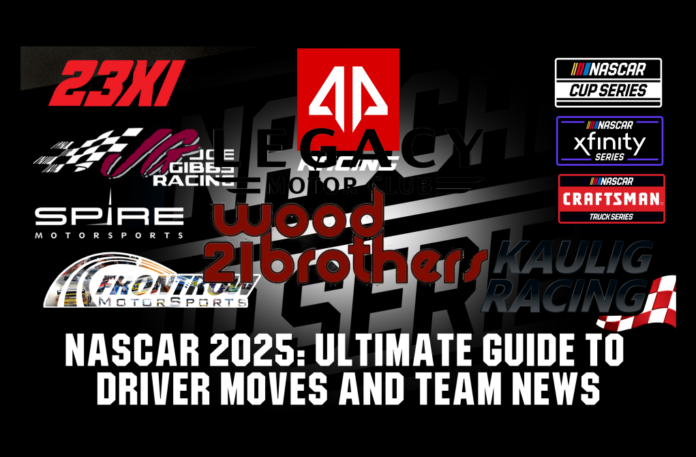
NASCAR 2025: Ultimate Guide to Driver Moves and Team News

NASCAR will return to competition on Sunday, February 2nd, 2025, at 8 pm ET with the NASCAR Clash at Bowman Gray Stadium. It marks NASCAR’s return to the quarter-mile track for the first time since 1971.

Saturday will feature four 25-lap heats to help determine the starting lineup. To finalize the lineup, there will also be a 75-lap last-chance qualifying race on Sunday at 6 p.m. ET before the main event.

In anticipation of the 2025 season, we’ve got the scoop on the latest driver moves and team news.

*Please check back regularly for updates.
NASCAR Cup Series

Anthony Alfredo, Beard Motorsports

On Jan. 9, Beard Motorsports announced that Anthony Alfredo will attempt to qualify for the Daytona 500 in the No. 62 Chevrolet with Fortify Building Solutions as a sponsor.

Front Row Motorsports will expand to a three-car team in 2025

Front Row Motorsports confirmed on May 29 that they will expand to a three-car team in 2025.

“We have a very positive outlook on the future of NASCAR, and as the sport plans for success, so do we,” commented Bob Jenkins, Owner of Front Row Motorsports. “Today that means having a plan for expanding back to three cars in the NASCAR Cup Series. I always have the vision to continue to grow and improve our team, and that commitment and desire never changes. I am committed to the sport and its passionate fans and partners.”

Todd Gilliland, Front Row Motorsports Ford

The team announced on June 5 that Todd Gilliland will return to the NASCAR Cup Series with Front Row Motorsports in 2025 after signing a multiyear deal and will move from the No. 38 Ford to the No. 34 Ford. On December 12th, it was announced that Chris Lawson would return to Front Row Motorsports as crew chief for Gilliland.

Noah Gragson, Front Row Motorsports Ford

In July, it was announced that Gragson has signed a multi-year deal with Front Row Motorsports as they expand to three charter teams in 2025. On Jan. 3 it was revealed that Gragson will drive the No. 4 Ford Mustang with Drew Blickensderfer as his crew chief.

“It’s definitely exciting times,” Gragson said during a press conference. “When we started out this year, I didn’t know how I was going to run. I didn’t know if I had the potential to run in the Cup Series just based off how the 2023 season went, and to be able to get my feet underneath me with the opportunity at Stewart-Haas, it definitely opened people’s eyes. And with the challenges that have come about with Stewart-Haas, we were looking for a home for a long time, and that’s when I got introduced to Bob and Jerry [co-owners].”

Zane Smith, Front Row Motorsports Ford

On January 2 the team announced that Zane Smith will return to Front Row Motorsports in 2025 to drive the Cup Series No. 38 Ford. Ryan Bergenty will be his crew chief.

“I’ve always felt at home with Front Row Motorsports,” Smith said “They believed in me when I signed with them to race in the Truck Series initially in 2022 and we shared so much success together, winning six races and a championship in two seasons. Unfortunately, everyone had to make tough decisions because there were only two Cup cars available at Front Row Motorsports going into last season when I was ready to move up full-time. Now, going into next year, Front Row has really taken their Cup program to another level and I cannot think of a better lineup of teammates.”

Garrett Smithley, Garage 66 (Formerly MBM Motorsports)

MBM Motorsports has rebranded their Cup Series team to Garage 66 as of Jan. 16.

Garrett Smithley will drive the No. 66 Ford in the  Cook Out Clash at Bowman Gray Stadium on Feb. 2  No announcements have been made as to whether the team will attempt to qualify for the Daytona 500, or who the driver will be.

Chandler Smith, Garage 66 (Formerly MBM Motorsports)

It was announced on Jan. 23 that Smith would drive the No. 66 Ford and attempt to qualify for the Daytona 500.

Haas Factory Team (NCS/NXS)

After the news that Stewart-Haas Racing would cease operations at the end of 2024, Gene Haas announced on June 20 that he would field one Cup charter and two Xfinity Series teams under the name Haas Factory Team in 2025.

“My commitment to motorsports hasn’t changed, just the scope of my involvement,” Haas said. “Operating a four-car Cup Series team has become too arduous, but, at the same time, I still need a platform to promote Haas Automation and grow HaasTooling.com.”

On Jan. 7, the team announced Nick Sandler as the competition director for the Cup Series program and Adam Gravitt as the competition director for the Xfinity Series program.

Cole Custer, Haas Factory Team

After two seasons in the Xfinity Series, Cole Custer will return to the Cup Series in 2025 to drive the No. 41 Haas Factory Team Ford. 

“I’ve grown up with Haas Automation, and having their name on my firesuit is something I take a tremendous amount of pride in. I’m driven to win for Gene and everyone at Haas Automation because they’ve been such a big part of my career,” Custer said.

Ricky Stenhouse Jr., Hyak Motorsports (formerly JTG Daugherty)

JTG Daugherty Racing announced in November that they would rebrand with a new name (Hyak Motorsports) under new ownership, effective immediately. Ricky Stenhouse Jr. will continue to drive the No. 47 Chevrolet with crew chief, Mike Kelley. 

Chris Gabehart, Denny Hamlin, Joe Gibbs Racing

On November 22nd, Joe Gibbs Racing announced a couple of major changes for next season regarding the No. 11 team. Chris Gabehart, Hamlin’s crew chief for the previous six years, will advance to the role of competition director in 2025. Chris Gayle, Ty Gibbs’s crew chief for the past two seasons, will be Hamlin’s crew chief in 2025.

“Denny is obviously a first-ballot Hall of Famer,” said Gayle. “I’m looking forward to working with him and the guys on the No. 11 team. He and Gabehart have established an incredible culture that is a very good barometer for our other drivers and teams to strive to match. I have all the confidence in the world we can hit the ground running and continue the success that this group is accustomed to in 2025.”

Martin Truex Jr., No. 19 Joe Gibbs Racing Toyota

On June 14, Truex announced his decision to retire from full-time competition at the end of the 2024 season. He will compete in a few select races in 2025, beginning with the Daytona 500.

“It’s been incredible. It’s been a hell of a ride. I’m excited about the future, and I’m not really sure what that looks like yet,” Truex said.

Chase Briscoe, No. 19 Joe Gibbs Racing Toyota

On June 25, ChaseBriscoewas named as Truex’s successor in the NASCAR Cup Series after signing a multiyear contract to drive the No. 19 Toyota beginning in 2025. 

“I have to win. Like there’s no excuse not to win,” Briscoe said. “You have to make the playoffs. If you don’t make the playoffs, then there’s no reason I should be driving this race car. So yeah, I definitely think that you have to win races. You have to be running up front consistently, and I think they feel like I’m capable of doing that. But I have to show that, so hopefully, that’s what I can do.”

Tyler Allen, Joe Gibbs Racing

On December 2nd, Joe Gibbs Racing announced that Tyler Allen will move from crew chief of the No. 20 Toyota in the Xfinity Series to crew chief for Ty Gibbs and the No. 54 team in the Cup Series in 2025. 

“It’s an honor to be named crew chief for Ty Gibbs and the 54 Team as we head into the 2025 season,” said Allen. “This opportunity has been a dream of mine since starting here at JGR 10 years ago, and I’m thankful for the support and guidance I’ve received from my mentors, teammates, and everyone along the way. Ty has shown a lot of speed and potential the last two years, and I look forward to building on that experience to get the 54 car in victory lane.”

Justin Allgaier, JR Motorsports

JR Motorsports announced on Jan. 15 that they will attempt to qualify for the Daytona 500 in the No. 40 Chevrolet with driver Justin Allgaier and make their Cup Series debut. Greg Ives will be Allgaier’s crew chief and they will have sponsorship from Chris Stapleton’s Traveller Whiskey.

AJ Allmendinger, Kaulig Racing Chevrolet

Allmendinger will return to the Cup Series in 2025 to drive full-time for Kaulig Racing and will drive the No. 16 Chevrolet. 

Ty Dillon, Kaulig Racing

It was announced on September 28th that Ty Dillon will drive the No. 10 Chevrolet full-time for Kaulig Racing in 2025. 

“I am incredibly grateful for another opportunity to run full-time in the Cup Series, and to be able to do it with the men and women at Kaulig Racing means a lot to me personally,” said Dillon. “They gave me a chance this year to go out and prove myself in a handful of starts. The team and I were able to connect early on, and we put together a few strong runs in the No. 16. I’m really looking forward to what 2025 brings with this team. We have a bright future ahead of us and we’re going to give it our all each and every race next season.”

Erik Jones, LEGACY Motor Club Toyota

The team confirmed that Jones will return to drive the No. 43 LEGACY Motor Club Toyota entry after signing a multiyear deal with the team. Jones will continue to pilot the coveted 43 Toyota Camry XSE for the 2025 NASCAR season and beyond.

“I’m looking forward to what we can build at LEGACY MOTOR CLUB. I’ve been with the No. 43 car for a handful of years and feel like I’m coming into some of the best years of my career. I am hoping to grow alongside LEGACY M.C. in the seasons to come,” said Jones.

Jimmie Johnson, LEGACY Motor Club

On Jan. 16, Jimmie Johnson confirmed that he will attempt to qualify for the 2025 Daytona 500 in the No. 84 Legacy Motor Club Toyota. He has also signed up for the Memorial Day Weekend Coca-Cola 600 on May 25, his second of two planned appearances. If he qualifies for both events, it will give him 700 career starts.

Austin Dillon, Richard Childress Racing

On Nov. 20, Richard Childress Racing announced that Austin Dillon will be paired with a new crew chief in 2025 as Richard Boswell takes over on the pit box for the No. 3 Cup Series Chevy. Bass Pro Shops and Winchester confirmed on Jan. 17 that they will sponsor Dillon for 17 races this season.

Jesse Love, Richard Childress Racing

Richard Childress Racing confirmed on October 31st that Love will be back to drive the No. 2 Xfinity Series Chevrolet in 2025. 

“I’ll always be grateful that we were able to give Whelen their first NASCAR win earlier this season (2024) and I know we have more victories in our future together,” said Jesse Love.

Tim Brown, Rick Ware Racing

Rick Ware Racing announced on November 17th that Bowman Gray Stadium star Tim Brown, the track’s all-time wins leader (101 Modified Division victories), will drive the Rick Ware Racing No. 15 Ford and attempt to qualify for the Clash exhibition race on February 2nd at the quarter-mile oval.

Corey LaJoie, Rick Ware Racing

On Jan. 27, the team announced that LaJoie will run a limited schedule during the 2025 Cup Series season in the No. 01 Ford Mustang, beginning with the Daytona 500. He will also join the Prime Video 5-race Cup Series broadcast team as an analyst.

Matt McCall, RFK Racing

On November 7th, RFK Racing announced that Matt McCall would not return as crew chief for the No. 6 Ford driven by Brad Keselowski in 2025. 

Jeremy Bullins, RFK Racing

Brad Keselowski will have a new crew chief next year. On Nov. 21, RFK Racing announced that Jeremy Bullins will be Keselowski’s crew chief in 2025. Bullins and Keselowski worked together for two seasons (2020 and 2021) at Team Penske and captured five wins.

“I’m excited and grateful for the opportunity to work with BK again, this time in the iconic No. 6 car with RFK,” said Bullins. “We were able to accomplish a lot as a team previously, but we had a couple of unfinished goals like a Daytona 500 win and a championship together and I’m ecstatic we get the opportunity to compete together again. From the outside looking in it’s been obvious the trajectory RFK is on, and I look forward to being part of the growth and future success of the team.”

Ryan Preece, RFK Racing

On November 19th, RFK Racing announced that Ryan Preece will drive the No. 60 Ford full-time in 2025. Kroger will also move its sponsorship from JTG Daugherty Racing to sponsor all of the RFK Racing teams (Preece, Keselowski, and Buescher). 

“I’m a racer. I’m somebody that wants to win races. I want to compete for championships. My entire career has certainly been unorthodox, but I have unfinished business, and I want to win really bad,” said Preece. “I’m eager and ready to get to the Clash and get to Daytona and finish out that goal.”

Veteran Derrick Finley was announced as Preece’s crew chief on Jan. 14. Finley has over 20 years of experience in NASCAR on the pit box and in various roles throughout the NASCAR organization.

Brad Keselowski, co-owner and driver for RFK Racing said, “His experience and technical knowledge of the sport will play a crucial role in the initial development and growth of the No. 60 team.”

Michael McDowell, Spire Motorsports Chevrolet

On May 8, Spire Motorsports announced they had signed a multiyear contract with Michael McDowell to drive the No. 71 full-time.

“This is a new chapter for my family and me, and we’re incredibly thankful for the opportunity that’s in front of us,” said McDowell. “It’s going to take some hard work, but I feel like everything is in place for us to be successful as a race team, to win races and contend for championships. People are the greatest asset to any organization, and with Spire’s vision, ambition, knowledge, and dedication, we will achieve great things. Failure is not an option, and that’s the mindset that it will take to achieve our goals.”

Rodney Childers, Spire Motorsports

After the announcement that Stewart-Haas Racing would cease operations at the end of the 2024 season, Spire Motorsports hired Rodney Childers as the crew chief for the No. 7 team (Justin Haley) beginning in 2025. The current crew chief, Ryan Sparks, will move to the role of competition director.

“I think the biggest thing is seeing how Spire Motorsports has grown over the last couple of years,” said Childers. “They are investing in people, and that’s what makes a difference these days. We all buy the same chassis, bodies, and parts. What makes a difference is the people. Spire continues to invest in the people within the team, and they seek out good people to add depth to an already strong group.”

Justin Haley, Spire Motorsports  

Spire Motorsports announced on September 20th that Haley had signed a multi-year contract to drive the No. 7 Chevrolet. 

“Spire Motorsports gave me my first few starts in the Cup Series,” said Haley. “My first was in the No. 77 at Talladega on my 20th birthday. We had a lot of great runs in our first year together in 2019, and there’s still a lot of familiar faces around there who were on the team back then. I’m excited to come home. This is where I got my start in the Cup Series, and I’m excited to go out there and compete with (crew chief) Ryan Sparks and the No. 7 team. The next seven races will give us a nice head start and a baseline for next season.”

Haley began driving the No. 7 Chevy Camaro at the Hollywood Casino 400 at Kansas Speedway while Corey LaJoie finished the 2024 season in Rick Ware Racing’s No. 51 entry.

Matt McCall and Dax Gerringer, Spire Motorsports

On November 25th, Spire Motorsports announced that veteran crew chief Matt McCall will join the team as Director of Vehicle Performance. Dax Gerringer, the former lead engineer at Stewart-Haas Racing, will join the organization as Technical Director. 

“This is a great addition for our team and one that means a lot to me, personally,” said Spire Motorsports co-owner Jeff Dickerson. “Matt is a longtime friend, one of my first handful of NASCAR clients I had when I was a young agent, and we’ve always shared the same view of how race cars work and race teams operate. I’m happy the stars finally aligned for us to work together, and I look forward to adding him to an already impressive group for 2025.”

Stewart-Haas Racing will close at the end of the 2024 season (NCS/NXS)

Stewart-Haas Racing announced on May 28 that the team would cease operations at the end of the 2024 season and sell its four charters. In 2008, NASCAR Hall of Famer Stewart joined forces with Haas to form SHR for its inaugural season in 2009, starting with a two-car team with drivers Stewart and Ryan Newman with a technical alliance with Hendrick Motorsports.

“We have made the difficult decision to close Stewart-Haas Racing at the conclusion of the 2024 season. It is a decision that did not come easily, nor was it made quickly. Racing is a labor-intensive, humbling sport. It requires unwavering commitment and vast resources, with a 365-day mindset to be better than everyone else. It’s part of what makes success so rewarding. But the commitment needed to extract maximum performance while providing sustainability is incredibly demanding, and we’ve reached a point in our respective personal and business lives where it’s time to pass the torch.”

Daniel Suárez, Trackhouse Racing Chevrolet

Trackhouse Racing announced on Friday, August 9th, that Daniel Suárez will return as the No. 99 Chevrolet driver in 2025, marking their fifth season together.

“Trackhouse is home to me, and I have enjoyed every minute I have been here,” said Suárez. “We plan to keep working, growing, and winning more races. We can only do that with the support of my Amigos and Amigas at Freeway Insurance. They have backed me for the last several years and we have grown close with their customers and employees.”

Shane van Gisbergen, Trackhouse Racing

Shane van Gisbergen will transition from the Xfinity Series to drive the No. 88 Chevrolet full-time in the Cup Series for Trackhouse Racing in 2025. 

“This is what I have planned for, and I am ready,” van Gisbergen said. “I know there is a tough learning curve ahead, but the best way to learn is to go out and do it.” He added, “I feel I have made progress running the Xfinity Series this year with Kaulig Racing, and I can’t thank everyone there enough. I look forward to the Cup Series. Those drivers and teams are the best in the world, and it will be an honor to be part of their races.”

On Jan. 23 it was announced that Red Bull would serve as the official energy drink of Trackhouse Racing and the primary partner on Shane van Gisbergen’s No. 88 Chevrolet in five NASCAR Cup Series races.

Connor Zilisch, Trackhouse Racing

Trackhouse Racing also announced on Jan. 23 that Zilisch will make his Cup Series debut at Circuit of the Americas on March 2 in the No. 87 Chevrolet with Red Bull as his primary sponsor. As noted below, Zilisch is racing full-time in the Xfinity Series for JR Motorsports.

Martin Truex Jr., TRICON Garage

On Jan. 16, TRICON Garage announced that Martin Truex Jr. will attempt the Daytona 500 in the No. 56 Cup Series car with technical support from Joe Gibbs Racing. Cole Pearn will serve as the crew chief for the entry.

Bubba Wallace, 23XI Racing

23XI Racing confirmed on September 26th that Wallace has signed a multiyear renewal to drive No. 23 Chevrolet in 2025 “and beyond.”  

“From day one Bubba has been an integral part of 23XI,” said a statement on social media. “We’re excited to announce that he has signed a multi-year renewal and will continue to play a key role in helping 23XI grow and succeed. #ForwardTogether”

Riley Herbst, 23XI Racing

On November 21st, 23XI Racing announced that Herbst will join the team in the No. 35 Toyota as their third full-time driver in 2025.

“It’s an honor to join 23XI and Toyota for the opportunity to race in the Cup Series each week,” Herbst said. “Racing full-time in the Cup Series has been my goal since I started in NASCAR, and I’m excited to start my Cup career with such an accomplished and driven team. What 23XI has accomplished in a short time is impressive,e and I look forward to building on their success as the organization grows. It’s also great to continue representing Monster and I’m excited about adding to their legacy in NASCAR.”

Josh Berry, Wood Brothers Racing Ford

Josh Berry will drive for Wood Brothers Racing in 2025. He replaces Harrison Burton in the No. 21 Ford, who will move to the Xfinity Series with AM Racing next season.

“First and foremost just the history, the heritage, the family atmosphere that the Wood Brothers provide. It just really feels like a great fit for me. I feel like I fit their brand, and who they are and how I’ve gotten here, and how they’ve gotten here. I feel like this is a great fit. I’ve really enjoyed my relationship with Ford, and to continue that on was something that’s important to me, and I appreciate, and I’m thankful to have that opportunity. It just really means a lot to drive an iconic car like the 21. I feel like it’s a great opportunity for me. I feel ready to provide results, and I think that all in all, it’s gonna be a great relationship.” Berry said.

A longtime employee of Team Penske and seasoned race engineer in the NASCAR Cup Series, Miles Stanley will transition to Wood Brothers Racing in 2025 to serve as crew chief of the famed No. 21 Ford Mustang with driver Berry.
Parker Retzlaff, Alpha Prime Racing

On December 18th Alpha Prime Racing confirmed that Retzlaff will pilot the No. 4 Chevrolet full-time in 2025. Joe Williams was announced as his crew chief on Dec. 20. Sponsorship details have not been released. Rettzlaff joins Brennan Poole who returns for a second season in the No. 44 Chevrolet.

“We all want to win races, be consistent, and prove we’re here to compete,” Retzlaff said in a press release. “Everyone here has told me how much they believe in me and what I can do.”

Hailie Deegan and AM Racing Ford “Part Ways”

After competing in the first 17 Xfinity races of 2024 in the No. 15 Ford, it was announced on July 8th that Deegan and AM Racing had decided to “part ways effective immediately.” On October 14th, she issued a statement sharing her decision to move to open-wheel cars and compete in a full season next year in Indy NXT, an IndyCar development program, with HMD Motorsports.

“This year, I took the opportunity to hop into the F3 car. And it was one of the coolest experiences I honestly had. I just fell in love with it. One thing went to the next literally, and I went to a few Indycar races I think. Being in the pit sparked so much conversation so I flew up to Indie, checked out a few shops, met with a few of the teams, met with HMD, and I am so excited to be a part of HMD Motorsports.”

Harrison Burton, AM Racing

On September 20th, AM Racing announced that Harrison Burton would join the team to compete full-time in the Xfinity Series in 2025 after three seasons in the Cup Series with Wood Brothers Racing.

Nick Sanchez, Big Machine Racing

Sanchez will move from the Truck Series to drive full-time in the Xfinity Series in 2025 for Big Machine Racing. 

“This is a huge opportunity for me,” Sanchez said Wednesday in a virtual conference. “When I look at the [Xfinity] schedule and when I look at the places I need to improve as a driver, I think it just offers more for me. I’m excited to get to the race track next year and try to collect trophies for Scott and the whole team. This team has everything to be successful. I look forward to plugging into the team and chasing trophies.”

 “I’m excited to join AM Racing and help build it into the race-winning race team I believe it can and will be,” said Burton. “I think this will be a great opportunity for me to take the things I’ve learned in the Cup Series, bring those to the Xfinity Series, and be the best driver I can be. It’s a blessing to continue my NASCAR journey, and I intend to make the most of this opportunity.”

Cope Family Racing

On Jan. 2, it was announced that Cope Family Racing (CFR)  will debut in 2025 in the NASCAR Xfinity Series at Daytona International Speedway in the No. 70 Chevrolet. The team is a family-owned organization with Derrike Cope as the team’s General Manager. Driving duties will be split between Leland Honeyman Jr. (17 races) and Thomas Annunziata. Honeyman will begin the season in the driver’s seat for the season-opener at Daytona.

“I’m excited to join Cope Family Racing as they launch their NASCAR Xfinity Series program,” said Honeyman. “It’s an honor to be part of a team with such a racing legacy, and I can’t wait to contribute to this new chapter in their history book. I’m ready to take on 2025 and continue chasing success on the track.”

“I’m super excited to be racing part-time with CFR in 2025,” Annunziata responded. “Derrike Cope and the Cope Family are rich in NASCAR experience from his driving days and running the team for StarCom Racing in the Cup Series. Although it’s a new team, CFR has assembled an experienced group to compete in the NASCAR Xfinity Series. I’m ready and more motivated than ever to be a part of this exciting project. Time to go to work.”

Ryan Ellis, DGM Racing

DGM Racing announced on October 18th that Ellis will drive full-time next season in the Xfinity Series. 

“Chatting with Mario (Mario Gosselin, team owner) about his plans for the program in 2025 convinced me that joining DGM was something I couldn’t pass up. He’s a racer, and his enthusiasm was immediately contagious,” Ellis states. “I have so much respect for what the Gosselin family has built, and I hope that we can turn some heads together next year. I’ve seen just how high the potential is at DGM, and I can’t wait to be a part of it.”

Sam Mayer, Sheldon Creed, Haas Factory Team

Haas Factory Team announced on August 17th that Mayer (No. 41 Ford) and Sheldon Creed (No. 00 Ford) will complete their Xfinity Series driver lineup for 2025. Crew chief Jonathan Toney will be paired with Creed, and Jason Trinchere will be on the pit box for Sam Mayer. On Jan. 7, the team announced Adam Gravitt as the competition director for the Xfinity Series program.

“I’ve won in every division I’ve raced in, and I feel like I’ve earned my place in the Xfinity Series, but that’s not enough. I want to win in the Xfinity Series,” said Creed, who currently drives for Joe Gibbs Racing. He continued, “I watched what Cole Custer did last year on his way to the Xfinity Series championship and when I talked with him about the set-up of the organization, everything he said resonated with me. I feel like Haas Factory Team is a place where I can succeed and where Sam and I can work together to win races and be championship contenders.”

“The Xfinity Series is a really great place to learn and grow and get yourself ready for the NASCAR Cup Series,” Mayer said. “Cup is my ultimate goal, and to really push myself to become the kind of driver who can succeed in Cup, I needed to get out of my comfort zone, challenge myself, and hone my race skills so that when that Cup moment comes, I’m ready. The Haas team got Cole Custer ready for his moment and it’s a place that will help get me and Sheldon ready for our moments.”

Corey Day, Hendrick Motorsports

Hendrick Motorsports announced on Jan. 9 that they have signed a multiyear agreement with Corey Day. He will compete in approximately 30 pavement races across the Xfinity Series, CRAFTSMAN Truck Series, ARCA Series and the Trans-Am Series with sponsorship from HendrickCars.com.

Mark Setzer, Jeremy Clements Racing

On December 12th, the team announced that Mark Setzer would not return as crew chief in 2025. Kase Kallenbach will replace Setzer as the crew chief for the No. 51 team.

“Mark [Setzer] has done a lot to help grow our program here at JCR. We have had some memorable moments with him on the pit box for sure, and I am grateful for all his hard work over the last four seasons. We wish him nothing but the best in whatever comes next.” said Jeremy Clements.

Brandon Jones, Joe Gibbs Racing

Jones will return to Joe Gibbs Racing after signing a multiyear contract on September 3rd to drive full-time in the Xfinity Series in 2025. He drove for JGR from 2018 to 2022 and, most recently, for JR Motorsports (2023, 2024).

“I’m beyond excited to be returning to Joe Gibbs Racing and rejoining the Toyota Racing family,” said Jones. “My time with JGR was some of the most rewarding of my career, and I’m eager to build on that success as we chase more wins and a championship together. I’m ready to hit the ground running and make the most of this incredible opportunity.”

Taylor Gray, Joe Gibbs Racing

Taylor Gray will race full-time in 2025, driving the No. 54 Toyota in the Xfinity Series. 

“I am very thankful for this opportunity,” Gray said. “I feel like I have learned a lot in the races I have run this year, and we can build on that next season. Being able to work with Tyler (Allen, crew chief) and these guys for a few races has been a great head start on next season and getting that chemistry going, so I’m really excited about what we can do running together full-time.”

William Sawalich, Joe Gibbs Racing

On October 21st, Joe Gibbs Racing confirmed that William Sawalich will compete full-time in the No. 18 Toyota in the Xfinity Series next season. 

“I am honored to be driving the No. 18 full-time in the Xfinity Series next year,” Sawalich said. “It has been really cool to drive for Joe Gibbs Racing (ARCA Series), and I feel like I have developed so much as a driver over the past two years. I still have a lot to learn, especially with moving to a new series, so I am looking forward to taking this next step in racing.”

Justin Bonsignore, Joe Gibbs Racing

Justin Bonsignore will return to Joe Gibbs Racing to pilot the  No. 19 Toyota for five NASCAR Xfinity Series races in 2025. He made his  Xfinity Series debut with the team in 2024 at New Hampshire Motor Speedway.

Greg Van Alst, Joey Gase Motorsports with Scott Osteen

Joey Gase Motorsports confirmed on December 16th that the team has signed ARCA Menards Series veteran, Greg Van Alst, to compete in most of the 2025 Xfinity Series races in the No. 35 Chevrolet. His first race will be the United Rentals 300 at Daytona International Speedway on Saturday, February 14, 2025.

“I am thrilled about this opportunity to compete in most of the NASCAR Xfinity Series season with Joey Gase Motorsports with Scott Osteen,” said Van Alst. “This is an essential step in my racing career, and with a tunneled vision focused on the Xfinity Series, I believe I can step up to the plate and not only be competitive but also produce some strong finishes that can propel our team into the spotlight. I’m ready to get to work and make the most out of the opportunity to make my NASCAR Xfinity Series debut at Daytona in about two months.”

Austin Green, Jordan Anderson Racing

Green will return to Jordan Anderson Racing to run a partial Xfinity Series schedule in the No. 32 Chevrolet focusing on road courses and short tracks.

Connor Zilisch, JR Motorsports

On August 7th, JR Motorsports announced thatZilisch will join the team in 2025 to drive the No. 88 Chevrolet full-time in the NASCAR Xfinity Series with veteran crew chief Mardy Lindley.  

“There’s a lot of good Chevrolet-affiliated teams with Kaulig and RCR (Richard Childress Racing), but at the end of the day, when you look at the Cup Series and the guys who have come through JR Motorsports and gone to the Cup Series, I feel like they’ve had the most success. And I do think there’s a lot of really good resources at JR Motorsports that I’ll be able to go and learn from as we look on to the years to come. I feel like I’m in a really good spot with a lot of great people around me that’ll help guide me in the right direction as I get into the Xfinity Series next year.”

JR Motorsports Drivers/Crew Chiefs

Jim Pohlman will return to the No. 7 team with Justin Allgaier.
Phillip Bell will move to the No. 8 team with Sammy Smith.
Andrew Overstreet will be on the No. 1 pit box with rookie driver Carson Kvapil.
Mardy Lindley will join the No. 88 team as crew chief for Connor Zilisch.
Corey Shea joins the No. 9 part-time All-Star entry team as crew chief for nine races with Trackhouse Racing’s Chastain and van Gisbergen.

Daniel Dye, Kaulig Racing

On August 23rd, Kaulig Racing announced that Dye will drive the team’s No. 10 Xfinity Series Chevrolet full-time in 2025.

“I’ve really enjoyed driving the Xfinity car this year, and I’m excited for the opportunity to continue working with Kaulig Racing in 2025,” said Daniel Dye. “It’s been a fun experience learning the car and trying to navigate the different feeling compared to the truck. I’m looking forward to finishing out the season, running for the Truck Championship and making the most of my remaining races in the No. 10.”

Christian Eckes, Kaulig Racing

On August 31st Kaulig Racing announced that Eckes will move from the Craftsman Truck Series to drive the team’s No. 16 Chevrolet full-time in the Xfinity Series in 2025.

“Just super excited for this opportunity,” Eckes said. “This is something I feel like it’s been a long time coming, and to do it with Kaulig Racing, Chris (Rice, team president), Matt (Kaulig, team owner) and so many great teammates as well is something that I’m really looking forward to. Obviously, have a lot to achieve this year still, but very excited for the future. Just ready to get to work.”

Kaulig Racing, Crew Chief Lineup

Kaulig Racing revealed their Xfinity Series crew chief lineup on December 19th. Kevin Walter will be paired with Daniel Dye (No. 10 Chevrolet), Eddie Pardue with Josh Williams (No. 11 Chevrolet), and Alex Yontz with Christian Eckes (No. 16 Chevrolet).

Tyler Tomassi, No. 66, MBM Motorsports

MBM Motorsports announced today (Jan 15) that Tyler Tomassi will drive the No. 66 Ford Mustang in two NASCAR Xfinity Series events in 2025 – Martinsville Speedway in March and Bristol Motor Speedway in April.

Kris Wright, Our Motorsports

On November 20th, Wright announced he would drive the No. 5 Chevrolet full-time in 2025. He will replace Anthony Alfredo.  

“I am thrilled to join Our Motorsports for the 2025 season,” said Kris Wright. “I’m equally excited to make my return to the NASCAR Xfinity Series and look forward to hitting the road for 33 weeks to take on the challenges of a full season together.”

Dean Thompson, Sam Hunt Racing

On Jan. &, Sam Hunt Racing announced that Dean Thompson will pilot the No. 26 Toyota full-time NASCAR Xfinity Series in 2025.

“I’m very excited to join the Sam Hunt Racing group and continue to pursue my dreams in NASCAR,” Thompson said. “The team made me feel at home after the two races we shared last year. Everything clicked with us, and we are both in a spot where we could fulfill each other’s needs to help our growth as a race team and driver. I’m lucky to have this opportunity to take the next step, which most can only dream of reaching, and I’m grateful to share it with such an awesome group of people.”

Garrett Smithley, SS-Greenlight Racing

SS-Greenlight Racing announced on Mon., November 19th, that Garrett Smithley will return to the team in 2025 and compete full-time in the No. 14 Chevrolet with crew chief, Jason Mille and will be sponsored by Trophy Tractor.

“I’m incredibly excited and grateful to be a full-time driver at SS-Greenlight Racing,” Smithley said in a team release. “I haven’t been full-time since 2019, so beyond excited to get to work with Bobby (Dotter, owner) and Jason Miller (crew chief). Daytona can’t come soon enough!”

SS-Greenlight Racing, No. 07

On Jan. 16 the team announced that Patrick Emerling, Alex Labbe and Nick Leitz will split SS-Greenlight Racing’s No. 07 entry for the 2025 Xfinity Series season. Emerling will compete in the season opener at Daytona.

Matt DiBenedetto, Viking Motorsports

On Jan. 16 Viking Motorsports announced that DiBenedetto will drive the No. 99 (new car number) for Viking Motorsports again in 2025 for a full Xfinity Series season with Pat Tryson as crew chief.

Anthony Alfredo, Young’s Motorsports

On Jan. 12 Young’s Motorsports announced that Anthony Alfredo will drive the No. 42 Chevrolet full-time in the 2025 Xfinity Series with sponsors Dude Wipes and RANDCO.
Chandler Smith, Front Row Motorsports

On December 12th, Front Row Motorsports announced that Chandler Smith had signed with them for the 2025 season as they expanded to add a second entry to their Truck Series lineup. He joins returning Rookie of the Year, Layne Riggs. The Truck number and sponsors for Smith will be announced later.

“I’m excited to join Front Row Motorsports truck program,” said Smith. “They are a top contender in the Truck Series and have proven so with championships and wins. I like what they are building here and am honored to have the opportunity to add to it. We are getting a bit of a late start, but I am excited about the caliber of talent we are talking to in being a part of this program for 2025.”

Daniel Hemric, McAnally-Hilgemann Racing

McAnally-Hilgemann Racing announced on November 20th that Hemric will drive the No. 19 Chevrolet full-time in the Craftsman Truck Series in 2025, replacing Christian Eckes.

“This is a great opportunity for me to compete for wins and chase another championship,” Hemric said. “Thanks to Bill McAnally, Bill Hilgemann, NAPA, Chevrolet and everyone involved for the opportunity. It’s a big milestone season to be a part of with NAPA’s 100th anniversary and the 35th year of Bill’s partnership with them. We’re going to do everything we can to get the NAPA Auto Care Chevrolet in victory lane and be in contention for a championship.”

Tyler Ankrum, McAnally-Hilgemann

On November 25th, the team confirmed that Ankrum will return to drive the No. 18 Chevrolet with crew chief Mark Hillman. It will be his seventh season in the Truck Series. 

“I’m really glad to be staying at MHR with Mark and the entire LIUNA team,” Ankrum said in a released statement. “This last year was probably the best of my career with the consistency we showed throughout the season. Making the playoffs was a huge goal for us and we were in the mix all the way to Martinsville, so we want to take another step and make it to Phoenix in 2025. We all want to get back to victory lane, and I think keeping this group together and continuing to develop as a team will help us get there.”

Connor Mosack, McAnally-Hilgemann Racing

On December 3rd, McAnally-Hilgemann Racing announced that Mosack had been signed to drive the No. 81 Chevrolet in the Craftsman Truck Series in 2025. Mosack’s resume includes 11 starts in the Truck Series and 28 in the Xfinity Series throughout his career. 

“I’m ecstatic to start 2025 with everybody at MHR and want to continue this team’s success in the playoffs,” Mosack said. “All four MHR teams had great performances this past year, so this is a big opportunity to race with a winning organization. It’s great to continue being part of Team Chevy and appreciate NAPA Nightvison and everyone at MHR for making this a reality. I’m looking forward to working with Blake and we want to become one of the weekly contenders, compete for wins, and lock ourselves in the playoffs.”

Jack Wood, McAnally-Hilgemann Racing

McAnally-Hilgemann Racing (MHR) announced on December 3rd that Jack Wood will return to the team in 2025 to compete in the Truck Series full-time in the No. 91 Chevrolet Silverado with crew chief Kevin Bellicourt.

“I’m definitely thankful and excited to be back at MHR next season,” Wood said in a released statement. “We had a lot of bright spots this past season and have a great foundation to build on. I have a lot of trust in Kevin [Bellicourt], [team owner] Bill [McAnally], and everyone at MHR, so that makes me excited for what’s ahead of us next year. It’s great to have Adaptive One Calipers board with us and looking forward to activating with their customers throughout the season.”

Kaden Honeycutt, Niece Motorsports

On Oct. 1, Kaden Honeycutt was announced as the full-time driver of the No. 45 Chevrolet for Niece Motorsports in the Craftsman Truck Series in 2025. It will be his first full-time ride in a national series.

“I can’t even begin to tell you how much this opportunity means to me,” Honeycutt said. “Before I got connected with Al (Niece) and Cody (Efaw), last year, I thought my career was over. Both of them took a big chance on me leading into this year and it’s kept me hungry to make them proud. My group of guys on the No. 45 team have become brothers to me, and we’ve been able to share such a good relationship.”

Christian Rose, Niece Motorsports

On December 16th, Niece Motorsports announced that Christian Rose would move up from the ARCA Menards Series to drive the team’s No. 44 Chevrolet Silverado full-time in the Craftsman Truck Series in 2025.

“For me, it’s a huge opportunity to make the jump from the ARCA Series,” said Rose. “I got my feet wet a little bit in the Truck Series a few years ago, but I believe in everything that we have going on in this building and am very excited to get to Daytona. The speed that we’ve seen from this team is a big reason why we signed our deal, and I’m just excited to make that transition. I think if we do the right things and show up and put the work in, we can have a lot of great things to look forward to next year.”

Dawson Sutton, Rackley W.A.R.

On October 17th, Rackley W.A.R. announced that Sutton would compete full-time in the Craftsman Truck Series next year in the No. 25.

“This is really a phenomenal opportunity,” he said. “I’ve dreamed for this day to come, and my goal is to make it to NASCAR’s Cup Series that represents the best of the best. It’s all a little hard to believe right now, but I know I have a big job to do, and that’s exactly how I look at it.”

Frankie Muniz, Reaume Brothers Racing

Reaume Brothers confirmed on October 22nd that Muniz will race the No. 33 Ford full-time in 2025. 

Cody Dennison, Reaume Brothers Racing 

On Jan. 21, Reaume Brothers Racing announced that Dennison will drive the No. 2 Ford in the Craftsman Truck Series part-time in 2025. He will make his debut at Martinsville Speedway on March 28th.

Tyler Tomassi, Reaume Brothers Racing

Reaume Brothers Racing announced on Jan. 14 that Tomassi would return and run two Craftsman Truck Series races in the No. 2 Ford. He will compete at Nashville Superspeedway on May 30 and Bristol Motor Speedway on Sept. 11.

Rajah Caruth, Spire Motorsports

On December 13th, Spire Motorsports confirmed that Caruth will return to Spire Motorsports in 2025 to drive the No. 71 Chevrolet for a second season in the Craftsman Truck Series with sponsorship from HendrickCars.com.

“It is great to have a home and stability heading into next year,” Caruth said in a released statement. “I believe this is the first time in my career I won’t be with a new team or competing in a different series at the start of the season. I really appreciate the opportunity [owners] Jeff [Dickerson] and T.J. [Puchyr] have given me, and I’m excited to continue preparations for 2025. Our organization has really grown over the past year, and we have shown what we are capable of. We have set the bar high for the season, and the expectation is to win more races and compete for a championship.”

Corey Heim, Tricon Garage

On November 7th, it was announced that Heim will return in 2025 to drive the No. 11 Toyota for the team along with crew chief, Scott Zipadelli.

“I am excited to be back with TRICON for my third full-time year,” said Heim. He continued, saying, “I have developed so much alongside this organization in the last two years, and we have made some incredible memories along the way. I can’t wait to continue this journey in 2025 with my No. 11 crew.”

Tanner Gray, Tricon Garage

Tricon Garage confirmed on November 18 that Gray will return to drive the Craftsman Truck Series No. 15 Toyota full-time in 2025.

“TRICON has become a second home to me, and I am looking forward to another year as the driver of the 15,” said Gray. “I feel like we have some unfinished business after this past season, and I am as motivated as ever to compete in the postseason in 2025.”

Toni Breidinger, Tricon Garage

Tricon Garage announced on November 26th that Toni Breidinger will advance from the ARCA Menards Series to drive the team’s No. 5 Toyota full-time next year in the Craftsman Truck Series. 

“Racing full-time with TRICON is a dream for me. It’s been a 15-year process to get here but I’m so excited for this moment and ready to capitalize on it,” Breidinger said. “I wouldn’t have this opportunity if it wasn’t for Toyota, Raising Cane’s, CELSIUS, and Sunoco. I’m beyond grateful to have these partners and team in my corner to take this next step in my career.”

Gio Ruggiero, Tricon Garage

On December 2nd, Tricon Garage announced that Gio Ruggiero, who claimed nine top 10s in the ARCA Menards Series in 2024, will drive the team’s No. 17 Toyota in 2025. Ruggiero earned nine top 10s in the ARCA Menards Series in 2024.  

“I am super thankful to have the opportunity to run full-time with TRICON in 2025,” said Ruggiero. “I look forward to getting to work with all of the guys on the 17 team and contending for wins this season.”

Tricon Garage, No. 1 “All-Star” Entry

William Sawalich will begin the season as the driver of the No. 1 at Daytona International Speedway. He will also race at Atlanta Motor Speedway (Feb. 22), Las Vegas Motor Speedway (March 14), Nashville Superspeedway (May 30) and Watkins Glen International (Aug. 8).

Brandon Jones will drive the No. 1 for seven races, beginning at Homestead-Miami Speedway on March 21. His schedule also includes the Bristol Motor Speedway spring race on April 11, Rockingham Speedway (April 18), Texas Motor Speedway (May 2), Kansas Speedway (May 10), Charlotte Motor Speedway (May 23) and Pocono Raceway (June 20).

Brent Crews will make nine starts beginning at North Wilkesboro Speedway on May 17 and followed by Lime Rock Park (June 28), Lucas Oil Indianapolis Raceway Park (July 25), Richmond Raceway (Aug. 15), Bristol (fall, Sept. 11), New Hampshire Motor Speedway (Sept. 20), Charlotte Motor Speedway Roval (Oct. 3), Martinsville (fall, Oct. 24), and the season finale at Phoenix Raceway (Oct. 31).

Lawless Alan will compete in four races in 2025 – Martinsville (spring, March 28), Michigan International Speedway (June 7), Darlington Raceway (Aug. 30) and Talladega Superspeedway (Oct. 17). Jake Hampton will lead the No. 1 team on the pit box.

TRICON Garage, Crew Chief Lineup

On December 16th, TRICON Garage announced its crew chief lineup for the 2025 NASCAR Craftsman Truck Series. Scott Zipadelli will return to lead the No. 11 team with rookie driver, Gio Ruggiero. Jeff Hensley will return and transition to the No. 15 team with driver, Tanner Gray. Jerame Donley will lead the No. 17 team with rookie Gio Ruggiero, and Derek Smith will serve as crew chief for Toni Breidinger in her first full-time season in the No. 5. Matt Puccia will be back as the team’s competition director.

Young’s Motorsports, Nathan Byrd

Young’s Motorsports announced on Jan. 27 that Byrd will drive the team’s No. 02 Chevrolet in a minimum of 15 during the 2025 season beginning with the season-opener at Daytona.

Young’s Motorsports, Stefan Parsons

On Jan. 27, Young’s Motorsports also revealed that Stefan Parsons will join the organization in 2025. His schedule will be announced at a later date.
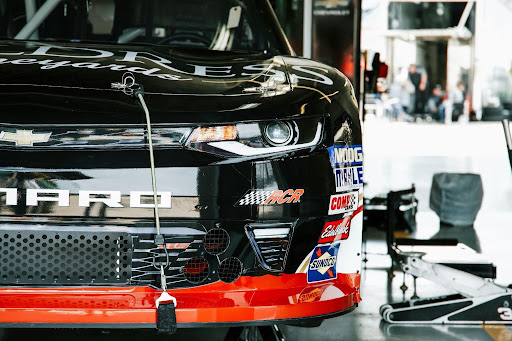
Race Weekend Ready Starts Long Before the Engines Fire Up

Photo by Chase McBride on Unsplash

The excitement of a major racing weekend begins well before the first engine roars to life. From packing for unpredictable weather to choosing the best grandstand seats, experienced motorsport fans know that thoughtful preparation can make the difference between a good outing and an unforgettable one.

Whether you’re attending a NASCAR event, a Formula 1 Grand Prix, or a local motorsport festival, race weekends bring together long days, enthusiastic crowds, outdoor activities, and plenty of memorable experiences. They’re also occasions when personal comfort matters just as much as the action on the circuit.

Planning ahead means thinking beyond tickets and travel arrangements. Clothing, skincare, grooming, food, and daily routines all contribute to how enjoyable the experience becomes.

These practical tips will help you arrive at the circuit feeling confident, comfortable, and ready to enjoy every moment.

Prepare Your Skin for a Weekend in the Spotlight

Race weekends are often social occasions, particularly when fans travel with friends, attend hospitality events, or spend time photographing their experiences around the circuit.

Choosing comfortable clothing and maintaining familiar personal-care routines can help you feel confident throughout the weekend. Warm-weather races may inspire shorts, sleeveless tops, and lighter outfits that make spending time outdoors more enjoyable.

For those interested in caring for the appearance of their skin, researching white stretch mark removal can provide useful information about mature stretch marks and the cosmetic approaches available. The guide from 8 Sheep Organics explores this skincare subject, making it relevant to readers developing thoughtful body-care routines before holidays, sporting events, and other memorable occasions.

Regular moisturising can help skin feel soft and comfortable, while broad-spectrum sunscreen provides essential protection during outdoor activities.

Choose products you already enjoy using rather than introducing an elaborate routine immediately before travelling. The goal is to feel at ease in your clothing while concentrating on the excitement of the event.

Make Your Morning Grooming Routine Race-Day Friendly

A typical race day might begin early and involve several hours away from your hotel or accommodation. Establishing a convenient grooming routine helps you get ready efficiently without overlooking everyday essentials.

Prepare your toiletries the previous evening, including your toothbrush, toothpaste, deodorant, and preferred skincare products.

Oral care is particularly easy to incorporate into a consistent morning schedule. LivFresh offers dental-care products designed for everyday brushing routines, providing an option for people who appreciate dedicated oral-hygiene formulations as part of their personal-care essentials.

Pack a compact dental kit if you’re staying away from home for several days. Travel-sized toiletries, a hairbrush, and a small mirror can also make getting ready more convenient.

Keep your morning routine straightforward so you have enough time for breakfast, travel, and exploring the circuit before the main events begin.

Choose Clothing That Suits the Circuit and the Weather

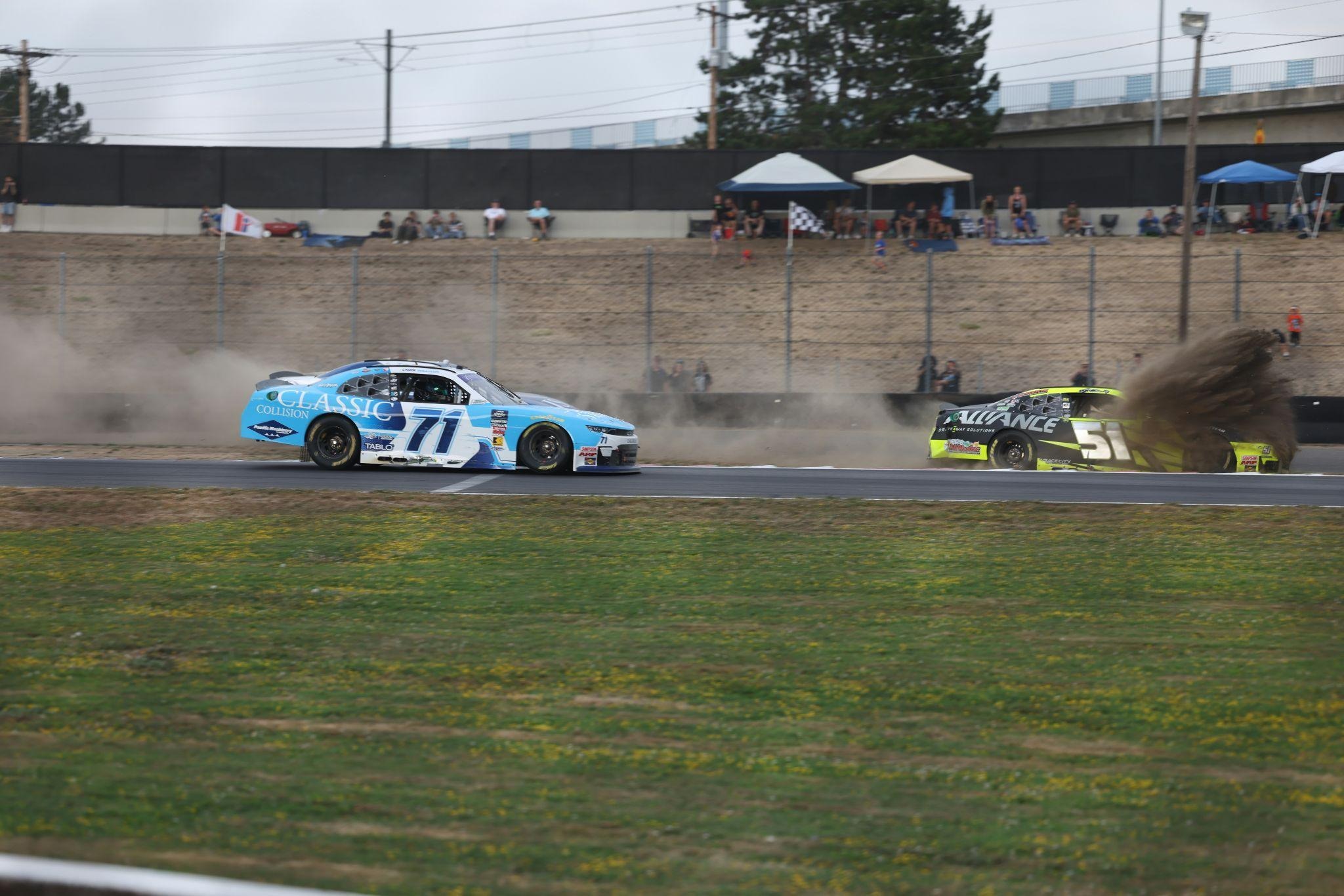
no 71
Photo by Darren Spencer on Unsplash

Motorsport venues can involve extensive walking, exposed grandstands, and considerable changes in temperature throughout the day.

Check the forecast before travelling and choose clothing that can adapt to different conditions.

Breathable shirts, lightweight trousers, and comfortable trainers provide a practical foundation for warm-weather events. A light jacket or waterproof layer is useful when showers are possible.

Footwear deserves particular attention. Even spectators with assigned seats often walk significant distances between car parks, entrances, food areas, and viewing locations.

A hat and sunglasses can add comfort during sunny afternoons, while a small backpack provides convenient storage for personal essentials.

If you’re attending a multi-day event, plan complete outfits in advance to make getting ready easier.

Organise Tickets, Transport, and Arrival Times

Major racing events attract large crowds, making travel planning an important part of the experience.

Before departure, confirm your tickets, parking arrangements, circuit entrance, and any restrictions on items you can bring inside.

Download tickets and venue maps where possible, and keep essential information accessible without relying entirely on mobile reception.

Traffic can become particularly busy around popular circuits. Review recommended arrival times and consider public transport or official shuttle services when available.

Allow extra time for security checks, walking between entrances and grandstands, and finding your seats.

Arriving early can also provide opportunities to explore merchandise areas, support events, and fan activities before the headline race begins.

Pack Food, Water, and Everyday Essentials

Long race days are more enjoyable when you’ve planned for basic comfort.

Check the venue’s rules on bringing food and drinks, as permitted items vary between circuits and events.

If allowed, carry a refillable water bottle and convenient snacks that travel well. Otherwise, identify refreshment locations on the venue map before the busiest periods.

A portable phone charger is another useful addition, especially when you’re taking photographs, checking schedules, and communicating with friends.

Consider including ear protection suited to motorsport noise, particularly for children. Racing engines can produce very high sound levels, even from spectator areas.

Keep important belongings organised in a small bag that meets the circuit’s entry requirements.

Leave Time to Enjoy Everything Beyond the Race

The main competition might be the highlight, but motorsport weekends often offer considerably more entertainment.

Depending on the event, visitors may enjoy support races, driver appearances, interactive exhibitions, merchandise stalls, and opportunities to explore racing history.

Review the schedule beforehand and identify a few experiences you’d particularly like to enjoy.

For families, choosing activities together can make the weekend more memorable. Younger fans might enjoy seeing different racing cars up close, while experienced enthusiasts may appreciate technical displays and historic vehicles.

Take photographs, enjoy the atmosphere, and leave some flexibility for unexpected discoveries.

Above all, remember that an excellent race weekend isn’t measured solely by what happens on the track.

When tickets, travel, clothing, grooming, and everyday essentials are organised in advance, you can concentrate on the shared excitement of motorsport. The best preparation gives you more freedom to enjoy the moments that make attending a race in person so special.

Moped-Style vs. Traditional E-Bikes for Short Trips

With the rise of electric motors, the reliance on gas-powered cars for shorter journeys is slowly diminishing. As a result, electric bikes have quickly become one of the most popular ways to handle everyday journeys and tasks. Whether you’re visiting a store, commuting to work, running errands, or meeting friends across town, e-bikes offer an excellent alternative for shorter trips. Much like cars, however, not all e-bikes are designed for the same riding experience. Moped-style e-bikes and traditional e-bikes each have their own advantages and disadvantages, depending on your intended use cases.

Understanding the core differences in style, accessories, and strengths across electric bikes can help you pick a model that meets your needs. From grocery runs to work commutes, the correct design can make a huge difference.

What’s Different Between the Two Designs?

Traditional e-bikes generally match what a conventional bicycle looks like, a similar frame, handlebars, and an individual saddle. A conventional bike favors maneuverability, pedal efficiency, and a lightweight design. Many bikes also include practical additions such as a front basket, adjustable pedal assistance, and rear racks for storage.

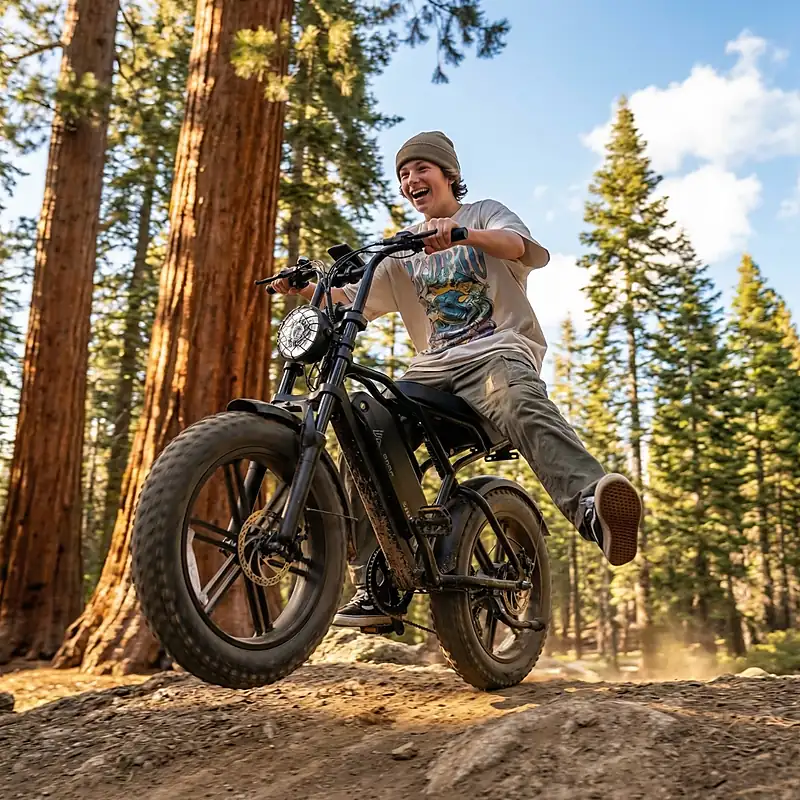
TST moped-style e-bikes take a different approach and prioritize comfort. Inspired by the appearance of motorcycles and mopeds, they sport wider tires, upright seating, and storage. While their larger frames and wider tires can make them less maneuverable than traditional e-bikes, they’re ideal for riders who want a more relaxed experience.

Neither design is inherently better than the other. The biggest differences between the two become much more obvious when considering everyday use cases.

Everyday Shopping and Storage

An everyday grocery run is a fantastic example of where the two designs offer different advantages. A traditional e-bike with a rear rack or basket is good for a few items. At the same time, its lighter frame makes it easier to handle at entrances and in parking areas. However, if you need to carry more than a small amount of items, you may run into balance issues.

A moped-style e-bike will offer additional comfort and a riding position better suited for cargo. Depending on the model, you can add saddlebags and other storage accessories, making them extremely useful for everyday essentials.

Irrespective of design, consider the following before shopping with an e-bike:

  • Storage Capacity – Check whether the bike supports storage accessories such as a rear rack, baskets, or saddlebags.
  • Weight Capacity – Check whether the e-bike’s specifications can support both your weight and the weight of the items and equipment you plan to attach.
  • Stability – Consider how the bike performs when carrying a heavy load, specifically when turning, stopping, or starting.
  • Parking – Think about where you intend to park the bike and whether it will be convenient and secure while you are shopping.

Comfort and Convenience

Comfort is another huge factor to consider, especially if you’ll be riding multiple times a day or several times throughout the week. A traditional e-bike offers a normal cycling experience. A narrow frame makes it easy to maneuver through streets and tight spaces, but comes at the cost of riding position and comfort.

Moped-style e-bikes often offer a more relaxed riding posture, a less narrow frame, and wider seating. This is often complemented by a suspension and wider tires to make travel feel much smoother. For example, if someone commuting to work primarily uses excellent paved roads, they might prefer a traditional e-bike. Conversely, if their route runs through uneven suburban streets, they might appreciate the added comfort the moped-style e-bike provides.

Battery Range, Speed, and Maintenance

Even if a trip is short, battery performance will matter, especially depending on factors such as weight or traveling uphill. Compare the battery’s actual range with the manufacturer’s estimate; remember, the manufacturer’s estimated range is based on ideal conditions and is not representative of real-world performance.

Max speed can also vary greatly depending on several circumstances. Consistently traveling uphill, weather, terrain, and rider weight can drastically affect top speed. Having a bigger buffer for what you deem an acceptable speed is integral to your e-bike selection.

Lastly, maintenance is another consideration. Traditional e-bikes often use familiar bicycle components that are easy to service, while moped-style e-bikes may use different frames, tires, and components. Research replacement part availability before making a purchase.

The TST R002 provides an excellent example of what a modern moped-style e-bike can do. Its design combines a motorcycle-inspired appearance with features intended for everyday riding, sport, and recreational use.

This model includes a 1,500W peak rear hub motor, 20 x 4-inch fat tires, and suspension. There are two battery options: 15Ah and 25Ah, each providing an estimated range of 65 and 100 miles, respectively.

If your use case is making frequent short trips, these features provide advantages such as absorbing bumps on uneven streets and gravel. Additionally, the removable battery makes charging easy, and the seven-speed drivetrain adds assistance and flexibility while pedaling.

If you want the comfort and style of a moped e-bike without giving up the pedals, the R002 is an excellent choice. You can explore the entire TST moped-style e-bike collection to compare and contrast all available models.

Which E-Bike Is Best for Short Trips?

The choice between a moped-style and traditional e-bike comes down to your preferences and requirements. While traditional models are excellent for maneuverability and conventional cycling, they lack the comfort and benefits of a moped-style bike.

If you’re interested in the TST R002, check out the TST R002 promotional event page for all current offers and product information. The best choice is ultimately the one that makes your everyday journeys more comfortable, easier, and convenient enough to replace car usage.

The Influence of Data and Technology in Modern Formula 1 Racing

Photo by Philip Myrtorp on Unsplash

Formula 1 is a sport defined by precision, speed, and split-second decisions. If any one of those aspects is lacking, even by a small amount, it could make the difference between winning and losing the race. Modern motor sport has evolved alongside new technology, data analysis, and telemetry, providing valuable insight into how to manage race decisions and predictions.

From robust racing simulations to advanced telemetry systems, Formula 1 teams have more information than ever before. Even for fans, the growing interest in areas such as F1 betting with BTC mirrors how digital technology creates new ways for fans to engage and enjoy the sport.

The Importance of Data and Information in Formula 1

Data and real-time information have quickly become an invaluable resource in modern F1. During any given race, teams will collect huge amounts of information on their cars, drivers, weather conditions, tire status, and track conditions. Engineers then use this information to understand how it affects vehicle and race performance and to gain an advantage.

Even the smallest adjustments can have a massive impact on the outcome of a race. With a clear understanding of the car’s current behavior, a team can quickly make adjustments to improve performance mid-race.

Race Strategies’ Influence on Race Outcome

While speed and skill remain essential for racing in Formula 1, races are rarely won through performance alone. Much like any sport, strategy plays an equally important role to skill, particularly when managing pit stops, tire selection, and changing track conditions.

A good team will constantly evaluate potential scenarios they may encounter during a race and try to make the best decisions possible given the circumstances. Some of the most important considerations in race strategy include:

  • Tire Management – Tires degrade throughout the race, and different tread types can change how the car performs in varying track conditions. A team must balance tire conservation carefully.
  • Pit Stop Timing – Choosing the right time to pit can drastically affect the race outcome. A poorly timed pit stop or tire change can cost valuable time and positions.
  • Weather Conditions – Rain and temperature can drastically change track conditions and car performance.
  • Competitor Behavior – Monitoring other drivers and how they behave compared to historical data can help anticipate potential strategies to counter.

Technology Behind Modern Racecars

Formula 1 cars are incredibly technologically advanced. Developing a modern F1 car can take years of research, simulation testing, computer assistance, and extensive testing. Aerodynamics are particularly important because understanding how air friction and downforce affect a vehicle can help reduce drag and increase performance. Wind tunnels and fluid dynamics will be used to simulate different configurations before implementing them on the real thing.

Hybrid power solutions have also transformed the sport. Modern F1 engines combine combustion and battery-electric systems to distribute energy efficiently. Managing both energy and aerodynamics is a great example of how F1 is both an engineering competition and a driving competition.

Audience Engagement through Technology

Technology and data have also drastically improved how fans enjoy the sport. Onboard cameras, live timing, team radio broadcasts, and robust live performance statistics give fans an extremely close look at what happens during a race.

Fans no longer need to rely exclusively on televised commentary to understand how the race is going. With an advanced set of tools, a fan can glance at a live data stream to see exactly how a race is going.

Digital applications and platforms have also created ways for fans to interact with the sport. Whether through online discussion boards and forums, fantasy games, or live bets, the enjoyment of motor sport extends far beyond the race itself.

The Future of Formula 1 and Technology

Technology will never replace the human aspect of the sport. A driver will still need incredible skill and judgment, combined with an excellent team. The best race teams will need to interpret live data and make the right decisions under pressure.

Ultimately, the combination of modern technology and human skills is exactly what makes Formula 1 so great. While the cars and telemetry continue to advance, the fundamentals of motorsport remain the same: getting to the finish line first with exceptional driving and strategy.

Behind the Pit Wall: Why the Service Manual Is the Most Underrated Tool in Motorsports

Photo by Mathias Reding on Pexels

When fans watch a race, they see the car, the driver and the pit stop. What they rarely see is the fleet of machines that makes race day possible: the transporters that haul the cars across the country, the generators that power the garage, the forklifts and loaders that move tires, fuel and equipment around the paddock. Every one of those machines has to work on schedule, every weekend, often far from the shop where it is normally maintained.

That is why experienced crew chiefs and team mechanics share a habit that has nothing to do with horsepower: they keep the correct service manual for every machine the team depends on.

Racing runs on procedures, not guesswork

Motorsports is built on repeatable procedures. Torque values, fluid capacities, clearances and inspection intervals are written down and followed, because a small mistake can end a race or cause a failure at speed. The same discipline applies to the support equipment.

A hauler with a diesel engine problem on the way to the track cannot wait for a dealer appointment. A generator that fails on Saturday morning shuts down the garage. When something breaks, the mechanic needs the factory specifications right away, not a forum thread or a best guess. A service manual gives the exact procedure, the correct part numbers and the wiring diagrams needed to diagnose the fault quickly.

What a good service manual actually contains

People who have never worked from one often think a service manual is just a parts list. A complete factory manual usually includes:

  • Specifications – torque values, pressures, clearances and fluid capacities for each system.
  • Troubleshooting guides – symptom-based flowcharts that narrow down a problem step by step.
  • Disassembly and assembly procedures – the correct order of work, special tools required and safety notes.
  • Electrical schematics – wiring diagrams that make it possible to trace sensors, harnesses and control modules.
  • Maintenance schedules – what to check and replace, and when, to prevent failures before they happen.

For a race team, the maintenance schedule may be the most valuable section. Preventive work done between events is what keeps support equipment from failing during one.

Diesel engines: the common thread

Much of the equipment behind a race weekend is diesel powered. Transporter trucks, generators, telehandlers and compact loaders often share engine families from the same manufacturers. A mechanic who knows how to read a diesel engine service manual can move from one machine to another with confidence, because the logic of the documentation is the same: specifications, diagnostics, procedures.

This is also why teams increasingly keep their manuals in digital form. A PDF on a laptop or tablet goes wherever the equipment goes, can be searched in seconds and does not get lost or soaked in oil the way a paper binder does.

Building a manual library for your own fleet

You do not need to run a race team to benefit from the same approach. Anyone who depends on trucks, generators or heavy equipment – a small contractor, a farm, a towing business or a track-day enthusiast with a trailer and a tow vehicle – can follow a few simple steps:

  1. Make a list of every machine you rely on, including the model and serial number. Manuals are often specific to a serial number range.
  2. Get the right manual type. A parts catalog helps you order the correct components; a service or workshop manual explains how to repair; an operator manual covers daily checks and safe use.
  3. Keep digital copies on a device that travels with the equipment, and a backup in cloud storage.
  4. Follow the maintenance intervals in the manual instead of waiting for something to break.

Online libraries such as ManualYard offer factory service manuals and parts catalogs for heavy equipment, engines and industrial machines in PDF, which makes it easier to build this kind of library without hunting through dealer counters.

The lesson from the paddock

Races are won by drivers, but they are made possible by preparation. The teams that perform consistently are the ones whose equipment shows up ready, weekend after weekend. Behind that reliability is a simple, unglamorous tool: the right service manual, open on the bench, with the correct procedure in front of the mechanic.

Whether you are maintaining a race transporter or a work truck, the principle is the same. Know your machine, follow the factory procedure, and fix problems with information instead of guesswork.

Car Maintenance Checklist: Weekly, Monthly & Seasonal Maintenance Tips

Anyone who has watched a pit crew at work knows that races are won and lost long before the green flag. Every detail, from tyre pressures and fluid levels to brake temperatures, is checked, logged and checked again. Your daily driver will never see 200 mph, but the same principle applies: small, regular checks prevent big, expensive failures.

The problem is that most drivers only think about maintenance when a warning light comes on. By then, the cheap fix has often turned into a costly repair. A simple car maintenance checklist changes that. It turns “I should probably look at that” into a routine that takes minutes, not hours.

Below is a practical, season-by-season guide that any driver can follow, whether you commute in a compact hatchback or spend your weekends at the track.

Why a Car Maintenance Checklist Matters

Modern cars are more reliable than ever, but they are also more complex. Sensors, driver-assistance cameras and turbocharged engines all depend on basic things being in good shape: clean fluids, correct tyre pressures, clear glass and a healthy battery.

A routine checklist helps you:

  • Stay safe: Worn tyres, weak brakes and dirty headlights are among the most common factors in avoidable accidents.
  • Save money: Catching a slow coolant leak or a worn belt early costs a fraction of an engine repair.
  • Protect resale value: A documented maintenance history and well-kept paint and interior can add real money when it is time to sell or trade in.
  • Avoid breakdowns: Most roadside callouts are caused by flat batteries, tyre problems and running out of fluids, and almost all of them can be prevented.

How Often Should You Check Your Car?

Most of these checks fall into two simple routines: a quick walk-around once a week and a closer look under the bonnet once a month. Neither needs more than a tyre gauge, a torch and a few minutes.

Weekly Car Checks (5 Minutes)

These quick visual checks fit easily into a fuel stop or the start of a longer drive:

  • Tyre condition and pressure: Look at all four tyres for cuts, bulges or nails. Check pressures with a gauge while the tyres are cold, using the figures in the owner’s manual or on the sticker inside the driver’s door, not the maximum printed on the sidewall.
  • Lights and indicators: Walk around the car with the lights on and check dipped and main beam, brake lights, indicators and reversing lights. A friend or a reflective garage door makes this easier.
  • Windscreen and wipers: Look for chips, which can spread into cracks quickly when temperatures swing. Replace the blades if they smear or chatter, and keep the washer reservoir topped up.

Tyre pressure is the check most worth keeping up. Under-inflated tyres wear faster, use more fuel and make the car feel vague in corners. Wiper blades should be replaced at the first sign of streaking, too, since they are one of the cheapest safety upgrades you can make.

Monthly Car Checks (15 to 20 Minutes)

Once a month, park on level ground, let the engine cool and open the bonnet for a closer look:

  • Engine oil: Pull the dipstick, wipe it, reinsert it and check that the level sits between the minimum and maximum marks. Oil that looks very dark, gritty or milky should be checked by a mechanic.
  • Coolant, brake fluid and power steering fluid: Most reservoirs are translucent with clear min/max marks, and power steering fluid only applies if your car has hydraulic steering. Never open the coolant cap while the engine is hot.
  • Tyre tread depth: Use a tread depth gauge or the 20p test. The UK legal minimum is 1.6 mm across the central three-quarters of the tread, but many experts recommend replacing tyres at around 3 mm for better grip in the wet.
  • Battery: Look for corrosion on the terminals and make sure the battery is clamped down firmly.

Some readings are worth acting on rather than just noting. A brake fluid level that keeps dropping can mean worn pads or a leak, and uneven tread wear often points to alignment or suspension problems. Most batteries last three to five years, so if yours is older and the engine is slow to crank, have it tested before winter.

Paint and Bodywork Maintenance

Most checklists stop at the mechanical items, but your car’s paint and bodywork are part of maintenance too. Paint is the car’s first line of defence against rust, and once the clear coat fails, the damage is expensive to fix.

Protect the Paint

A coat of wax or paint sealant every few months adds a sacrificial layer that takes the hit from UV rays and contaminants. Ceramic coatings last much longer, but they need careful prep to work properly.

If you don’t have the time, space or equipment to do it properly at home, professional car detailing is worth budgeting for once or twice a year. A good detailer will decontaminate the paint, clean areas most owners miss, such as door shuts, wheel barrels and the engine bay, and apply protection that lasts far longer than a quick spray wax. Many now come to your home or workplace, which removes the hassle of booking around your schedule.

Deal With Swirls and Scratches Early

Hold a torch close to the paint at night and you will probably see fine, circular scratches called swirl marks. They are caused by poor washing and drying. Light scratches sit in the clear coat and can be removed; deeper ones that reach the base coat cannot.

This is where machine polishing comes in. A professional auto paint correction uses compounds and polishes in stages to level the clear coat, removing swirls, haze and light scratches and bringing back depth and gloss. It is best done before applying a ceramic coating or sealant, so you lock in a flawless finish rather than sealing the defects underneath.

Prevent Headlight and Trim Clouding

Cloudy, yellowed headlight lenses can cut light output dramatically. Restoration kits work for mild haze, while badly oxidised lenses may need professional restoration or replacement. Treat plastic trim with a UV protectant to stop it fading to grey.

Seasonal Car Maintenance Checklist

British weather is hard on cars in different ways through the year: salt and potholes in winter and spring, heat and long journeys in summer, and wet, dark roads in autumn. A short check at the start of each season catches the problems the weather tends to cause before they turn into repairs.

Spring Car Maintenance

Spring is the time to undo the damage of winter. Road salt keeps working on bare metal long after the gritters stop, and the potholes that frost leaves behind are hard on wheels, tyres and suspension.

  • Underbody wash: Rinse the underside, wheel arches and sills to clear salt before it starts to cause corrosion.
  • Pothole damage: Check wheel rims and tyre sidewalls for dents or bulges, and book an alignment check if the steering pulls or the wheel sits off-centre.
  • Wiper blades: Replace any that have hardened or split over the cold months.
  • Air conditioning: Run it for a few minutes and have it cleaned or re-gassed if it smells musty or blows warm, before the hot weather arrives.

Summer Car Maintenance

Summer brings hotter roads, longer journeys and often a fully loaded car. Heat and extra weight put more strain on the cooling system and the tyres, so these checks are best done before a holiday drive.

  • Coolant and hoses: Check the coolant level and condition, and look for cracked or leaking hoses around the engine.
  • Tyre pressures: Use the higher figures in the handbook for a fully loaded car. Heat raises tyre pressure, but under-inflation is still the bigger risk on long trips.
  • UV protection: Wax or seal the paint, and use a sunshade to stop the dashboard and interior fading.

Autumn Car Maintenance

Autumn is the time to get the car ready for winter. Shorter days, wet leaves and the clocks going back mean more driving in the dark and on slippery roads, and a weak battery is most likely to fail on the first cold morning.

  • Battery: Have it tested before the cold weather arrives, especially if it is more than three years old.
  • Heater and demister: Make sure the blower, heated rear screen and air conditioning clear the glass quickly.
  • Brakes and lights: Check every bulb as the evenings draw in, and have the brakes inspected if they feel soft or sound noisy.
  • Paint protection: Apply a fresh coat of wax or sealant to give the paint a barrier against road salt.

Winter Car Maintenance

Winter is the hardest season on any car. Cold weakens batteries, ice and low sun make it harder to see, and gritted roads spray salt across the bodywork every time you drive.

  • Tyres: Consider winter or all-season tyres if you regularly drive in snow, ice or rural areas.
  • Screenwash: Use a winter-grade screenwash that will not freeze in the reservoir or on the glass.
  • Emergency kit: Keep a blanket, torch, jump leads, ice scraper and phone charger in the boot.
  • Regular washing: Wash the car more often to remove road salt, paying attention to wheel arches and sills.

On frosty mornings, clear every window fully rather than peering through a small gap. The Highway Code requires drivers to clear ice and snow from all windows before setting off, and a clean windscreen also cuts the glare from a low winter sun.

Car Maintenance Schedule by Mileage

Your owner’s manual is the final word, but most cars need the following on a regular schedule:

  • Oil and oil filter: every 5,000 to 10,000 miles for most modern synthetic oils, or once a year.
  • Tyre rotation: every 5,000 to 7,500 miles (a good habit is to do it with every oil change) so all four tyres wear evenly.
  • Air filter: every 15,000 to 30,000 miles.
  • Brake pads and discs: inspected at every service; replaced as needed.
  • Spark plugs: every 30,000 to 100,000 miles, depending on type.
  • Transmission fluid: check the manual; some are “lifetime,” but many specialists recommend changes for longer life.
  • Timing belt (if fitted): usually 60,000 to 100,000 miles. A failed belt can destroy the engine, so never skip this one.
  • Wheel alignment: check yearly, or after hitting a big pothole or kerb.

Keep receipts and a simple log. A notebook in the glovebox or a note on your phone is enough. A full service history is one of the easiest ways to increase what a buyer will pay.

Final Thoughts on Your Car Maintenance Checklist

A good car maintenance checklist is less about mechanical skill and more about routine. Five minutes a week, twenty minutes a month and a little seasonal planning will keep your car safer, more reliable and better looking for years. Treat your daily driver the way a race team treats its car. Check everything, fix small things early, and don’t wait for a warning light to tell you something is wrong.

Car Maintenance FAQs

What should be on a basic car maintenance checklist?

A basic car maintenance checklist covers tyre pressure and tread, engine oil, coolant, brake fluid, lights, wipers and the battery. Add regular washing and interior cleaning, and follow your owner’s manual for oil changes, filters and other service items.

How often should I check my car?

Do a quick walk-around every week and a closer check under the bonnet once a month. Plan bigger jobs like oil changes and tyre rotation by mileage, and do a seasonal check before summer and winter.

Is car washing really part of maintenance?

Yes. Salt, bird droppings and brake dust damage the clear coat over time, and damaged paint leads to rust. Washing every two weeks and adding wax or sealant a few times a year protects the bodywork and the car’s resale value.

Can I do car maintenance myself?

Most checks on this list need only a tyre gauge, a torch and a few minutes. Leave brakes, timing belts, electrical faults and paint correction to trained professionals.

What the Hospitality Industry Can Teach Businesses About Customer Loyalty

Photo by depositphotos at https://depositphotos.com/

Customer loyalty is rarely built through a single transaction or an attractive offer. In hospitality, people often return to a hotel, restaurant, resort, or entertainment venue because of the overall experience they associate with it. The quality of service, the atmosphere, the convenience, the way staff responds to problems, and the feeling of being recognized can all influence whether a customer chooses the same business again. These principles are relevant far beyond hospitality, including digital entertainment, online casinos, and other businesses that depend on repeat customer relationships.

The casino industry offers an interesting example of how loyalty is shaped by a combination of experience, trust, convenience, emotional connection, and incentives. Businesses operating in competitive entertainment markets, including platforms such as Winshark, face a similar challenge: understanding what makes customers return without assuming that rewards or promotional offers alone are enough to establish a meaningful relationship. Hospitality provides several useful lessons about the psychology behind customer retention.

Customer Loyalty Begins With the Experience, Not the Reward

Businesses often approach loyalty through discounts, points, bonuses, and exclusive offers. These incentives can be useful, but they are only one part of the relationship. Customers also evaluate how a business makes them feel, whether their expectations are met, and how easy it is to interact with the service.

Hospitality research supports this broader view. A meta-analysis of 102 studies examining customer loyalty found strong relationships between loyalty and factors such as satisfaction, emotional commitment, service quality, and trust. It also found that the relationship becomes less pronounced when moving from attitudes and intentions to actual behaviour, suggesting that saying a customer intends to return does not necessarily mean they will.

For businesses, this distinction matters. A customer may appreciate a promotional offer but still choose a competitor because of inconvenient service, poor communication, or an unsatisfactory previous experience. A loyalty strategy should therefore focus on improving the complete customer journey rather than treating rewards as a substitute for quality.

Personalization Makes Customers Feel Recognized

One of hospitality’s most familiar strengths is personalization. A hotel may remember a guest’s preferred room type, dietary requirements, or preferred check-in arrangements. A restaurant might recognize a returning visitor or accommodate a familiar request without making the customer repeat it.

These small interactions can create a sense of recognition. From a psychological perspective, people generally appreciate experiences that feel relevant to their preferences and reduce unnecessary effort. Personalization can make an interaction feel less transactional and more attentive.

Digital businesses can apply the same principle through relevant recommendations, accessible account settings, clear navigation, tailored communication, and remembering preferences when appropriate. However, personalization is most effective when it feels useful rather than intrusive. Excessive notifications, overly aggressive targeting, or recommendations based on sensitive behaviour can undermine trust.

The objective is not to demonstrate how much information a business has collected. It is to use information responsibly to make the customer experience more convenient and relevant.

Consistency Builds Trust Over Time

Hospitality businesses depend heavily on consistency. Guests expect reservations to be handled correctly, rooms to meet reasonable standards, staff to communicate clearly, and problems to be addressed when they arise. A single positive experience can attract a customer, but repeated dependable experiences are more likely to support long-term loyalty.

The same principle applies to online services. Customers expect websites to function properly, payments and account information to be handled accurately, rules to remain understandable, and customer support to provide reliable answers.

In online casino environments, trust is particularly connected to transparency. Players should be able to understand game rules, relevant terms, transaction information, and how the platform handles technical interruptions. A well-designed interface and clear communication are not merely cosmetic details; they contribute to the customer’s perception of whether a service is dependable.

When expectations are consistently met, customers have fewer reasons to reconsider their choice. When reliability becomes uncertain, even a generous loyalty programme may struggle to compensate.

Service Recovery Can Define the Relationship

Mistakes are unavoidable in businesses that involve people, technology, and complex operations. A reservation may be incorrect, a delivery may be delayed, a payment may require investigation, or a customer may encounter a technical problem.

Hospitality teaches an important lesson: the response to a failure can be just as influential as the original service. Customers generally want acknowledgment, clear explanations, reasonable solutions, and a sense that their concern has been taken seriously.

Effective service recovery usually involves several practical steps:

  • Acknowledge the problem without unnecessary defensiveness.
  • Explain what happened in understandable language.
  • Provide a realistic solution or next step.
  • Avoid making promises that cannot be fulfilled.
  • Follow up when the issue requires additional time.

In online gaming and casino services, this may involve clarifying a disputed transaction, investigating a technical issue, explaining the status of a game round, or helping a customer navigate account-related questions. Fast and transparent support can reduce frustration, although it cannot guarantee that every dissatisfied customer will remain loyal.

The wider business lesson is that customer support should not be treated only as a cost centre. It is an important part of the experience through which trust can be strengthened or weakened.

Loyalty Programmes Encourage Behaviour, but They Do Not Guarantee Emotional Loyalty

Reward programmes are common in hotels, airlines, restaurants, retail, and casinos. They provide customers with tangible benefits for repeat activity, such as points, discounts, complimentary services, upgrades, or access to special features.

Research into casino loyalty has identified an important distinction between transactional and emotional loyalty. Loyalty programme benefits may be more closely associated with behavioural outcomes such as repeat visits, while trust and emotional commitment are more closely connected with relational outcomes, including positive word of mouth and voluntary engagement.

This distinction helps explain why a customer can repeatedly use a business without feeling particularly attached to it. They may return because the rewards are convenient, because switching would require effort, or because the offer is financially attractive. That behaviour is not necessarily evidence of a strong emotional relationship.

For businesses, loyalty programmes work best when they complement a positive experience rather than replace it. Rewards can recognize customer activity, but they cannot independently create genuine satisfaction, trust, or a sense of connection.

In gambling environments, this distinction is especially important. Incentives should be transparent, responsibly designed, and should not encourage customers to spend beyond their limits or treat gambling as a way to recover losses.

Atmosphere and Emotional Experience Matter

Hospitality is not simply about delivering a functional service. Hotels, resorts, restaurants, and entertainment venues create environments in which people spend time, relax, socialize, or seek memorable experiences.

Atmosphere can influence how customers evaluate a business. Lighting, sound, design, cleanliness, comfort, staff interactions, and the overall environment can contribute to emotional responses that shape their perception of the visit.

Casino research has also examined the relationship between service attributes, emotions, and loyalty. A study involving more than 4,500 gamblers found that emotional responses and intention to return played important roles in the relationship between casino service attributes and return patronage. Its findings highlight the importance of experience and emotional evaluation rather than treating loyalty as a purely financial calculation.

This lesson applies across industries. A business may provide an excellent functional product, but customers can still prefer a competitor that offers a more pleasant, comfortable, or memorable experience. The emotional dimension of customer experience can be a meaningful differentiator, particularly when competing products are otherwise similar.

Convenience Is an Often-Overlooked Loyalty Driver

Customers may enjoy a business but stop using it if the process becomes inconvenient. Long queues, complicated booking systems, confusing websites, repetitive forms, unclear policies, and difficult cancellation procedures can weaken the relationship.

Hospitality businesses frequently compete through convenience: straightforward reservations, efficient check-in, accessible services, clear communication, and a smooth transition between different parts of the customer journey.

Digital businesses should apply the same thinking. An intuitive interface, fast navigation, mobile compatibility, simple account management, and transparent information reduce friction. Customers do not always consciously notice these improvements, but they often notice when convenience disappears.

Convenience also needs to be balanced with responsible design. In gambling-related services, reducing unnecessary technical friction should not mean removing safeguards, making spending harder to monitor, or encouraging impulsive activity. A good customer experience includes both usability and the ability to make informed decisions.

Understand the Difference Between Repeat Activity and Genuine Loyalty

One of the most important lessons from hospitality research is that loyalty is not a single behaviour. A customer may return frequently while having little emotional attachment to a business. Another customer may feel strongly positive about a brand but visit only occasionally because of distance, price, or practical limitations.

Researchers have described loyalty through combinations of behavioural and attitudinal factors, distinguishing customers who demonstrate both strong repeat behaviour and favourable attitudes from those whose repeat activity is driven by other circumstances.

For businesses, this means retention metrics should be interpreted carefully. Repeat purchases, visit frequency, time spent, and reward redemption provide useful information, but they do not fully explain why customers behave that way.

A more complete understanding combines behavioural data with customer feedback, satisfaction measures, service evaluations, and indicators of trust. This approach helps businesses identify whether they are building meaningful relationships or simply encouraging transactions.

Conclusion

The hospitality industry demonstrates that customer loyalty is built through a combination of service quality, consistency, trust, personalization, convenience, emotional experience, and thoughtful rewards. No single element is sufficient in every situation, and incentives alone rarely replace the value of a dependable and satisfying customer experience.

For casino businesses and other entertainment services, the same principles apply. Loyalty programmes may encourage repeat activity, but trust, transparency, responsible practices, and the quality of interactions remain essential to how customers evaluate a brand.

Ultimately, the most useful lesson from hospitality is that loyalty should be earned through the entire experience. Businesses that understand what customers value, respond effectively when problems arise, and deliver consistently are better positioned to develop lasting relationships—not simply repeated transactions.

Managing Legacy Architecture Upgrades for High Load Enterprise Platforms

Only 9% of the 2,000 executives Kyndryl surveyed for its first global Modernization Report, released on October 1, 2026, said they fully understand how their applications depend on one another, and close to half admitted that their modernization programs had fallen behind schedule. On platforms that handle millions of requests per second, that blind spot affects how teams sequence core and middleware upgrades.

The Market in 2026: Staged Programs and Parallel Cores

Banks feel the pressure first, since a payments core cannot be switched off for a weekend without customers noticing. DXC Technology, which develops the Hogan core banking platform and says it has worked on banking software for four decades, estimates in an analysis at https://dxc.com/insights/knowledge-base/blogs/core-banking-integration-challenges-and-strategies that the typical core banking system is about 20 years old and that replacing one outright can cost hundreds of millions of dollars over roughly three years. The same piece cites a 2025 Cornerstone Advisors study in which banks ranked lack of integration as their biggest technology problem, eight points above legacy systems. As alternatives to a full swap, DXC outlines coexistence (old and new components sharing traffic while modernization proceeds) and a parallel core installed next to the legacy one, an arrangement its CoreIgnite platform is built to orchestrate.

Analysts tracking the wider mainframe market report a similar preference for staged work. ISG, the Stamford, Connecticut, research firm, found in its 2026 Provider Lens study of global mainframe solutions that enterprises are replacing one-time transformations with multi-year programs built around continuity and controlled change. The U.S. edition of the study assessed 56 providers and placed DXC, Kyndryl, TCS and Wipro among the Leaders in three quadrants each.

Part of the reason legacy platforms persist is that their vendors keep adding capacity. IBM introduced the z17 on April 8, 2025, at One Madison, its new office building in Manhattan, after five years of development, and rates the machine at up to 35 billion transactions a day against 25 billion for the z16 (spread evenly, that is about four transactions for every person on the planet). During testing, engineers took the Telum II processor to Massachusetts General Hospital, where the hospital’s equipment was used to bombard the chip with alpha particles and cosmic rays. Tina Tarquinio, who heads product management for IBM Z and LinuxONE, told the launch audience that clients wanted to “execute more transactions” without trading away security or scale. In BMC’s 2026 survey of more than 1,300 mainframe practitioners and decision makers, 94% expressed long-term confidence in the platform.

What the TSB Migration Showed Regulators

When TSB moved its customer and corporate services to a new platform called Proteo4UK between April 20 and April 22, 2018, the system had been designed, built and tested by SABIS Spain, an IT subsidiary of the bank’s Spanish parent, Banco Sabadell. SABIS in turn depended on 85 third parties to deliver and run the platform. Some services stayed badly disrupted through the first week after go-live, problems reached every branch and a large share of TSB’s 5.2 million customers, and the bank did not return to business as usual until December 10, 2018.

Penalties followed four years later. Mark Steward, then the FCA’s executive director of enforcement and market oversight, described the failings as “widespread and serious” when the regulators announced on December 20, 2022, that the FCA had fined TSB £29.75 million and the PRA £18.9 million, the largest penalty the PRA had issued for operational failures. The combined £48.65 million already reflected a 30% discount for settling, without which it would have reached £69.5 million, and TSB had separately paid £32.7 million in redress to customers. The final notices, as summarized by law firms Geldards and Morgan Lewis, identified problems that migration planners still cite:

  • Although the programme had slipped and was being re-planned, TSB publicly committed to a new go-live date.
  • Testing missed risks that later surfaced in production, and the risk assessments carried out were narrow in scope.
  • Business continuity planning had not been designed for an incident of the size that occurred.
  • Both regulators found that TSB failed to manage the operational risks arising from its outsourcing arrangement with SABIS, its critical third-party supplier.

The incremental method most often contrasted with TSB has a botanical origin. Martin Fowler, who is chief scientist at Thoughtworks, borrowed it from the strangler figs he and his wife, Cindy, saw in the rainforests on the Queensland coast, vines that seed in the upper branches of a host tree and take years to root their way down to the soil around it. His post on the idea went up on June 29, 2004, as “Strangler Application,” and in 2019 he retitled it “Strangler Fig Application” to steer readers away from the violent sense of the word and back toward the tree. In practice the pattern places a routing facade in front of the legacy system, which then loses one business capability at a time to new services. Devsu, a software company, says that each service moved off the mainframe lowers MIPS consumption (the measure that largely sets mainframe licensing fees), so that in its account a bank can pay for the next stage with savings from the previous one.

In a write-up on the developer site BestHub, an engineer who led the 14-month migration of a 12-year-old Java monolith for a retail business also lists projects where the pattern went wrong, among them a SaaS vendor whose migration stalled in the parallel phase because gateway routing had been hardcoded into business code.

Middleware Upgrades at Millions of Requests per Second

Amazon’s own retail events give a sense of the load these layers carry. According to figures AWS published on October 6, 2026, Amazon DynamoDB handled more than 59 trillion requests between June 23 and June 26, the four days of Prime Day 2026, with a peak of 192 million requests per second, while Amazon SQS peaked at 213 million messages per second. If the z17’s 35 billion daily transactions are spread evenly over 24 hours, they come to roughly 405,000 per second, which puts the DynamoDB peak at about 475 times that rate.

For Apache Kafka users, the largest change in years arrived on March 18, 2025, with version 4.0, which completed a plan the community had proposed in 2020 as KIP-500 and removed ZooKeeper, the coordination service that had stored Kafka’s cluster metadata for about 14 years, in favor of KRaft, a Raft-based quorum that runs inside Kafka itself. Because 4.0 brokers ship without ZooKeeper client libraries, a ZooKeeper-based cluster first has to be migrated to KRaft on a 3.x release and only then upgraded. Version 4.0 also removed the v0 and v1 message formats along with MirrorMaker 1, and Amazon MSK, for its part, added in-place ZooKeeper-to-KRaft upgrades.

In the caching tier the disruption came from licensing. Redis Inc. announced on March 20, 2024, that the Redis core, distributed under the BSD license since 2009, would move to RSALv2 and SSPLv1 starting with version 7.4, and on March 28 the Linux Foundation announced Valkey, a fork of Redis 7.2.4 that AWS, Google, Oracle and Ericsson later backed. Redis 8, available from May 1, 2025, added AGPLv3 as a third license option, and Rowan Trollope, the company’s CEO, told The New Stack that the original license change had been only “medium successful.” Arch Linux had by then replaced Redis with Valkey in its official repositories, and Fedora maintainers had discussed removing it too, so a Redis Enterprise or self-managed Redis upgrade now came with a licensing review. At mainframe-centered banks, new Kafka-based services usually reach IBM MQ, which still carries messaging on many z/OS systems, through IBM’s open-source MQ source and sink connectors for Kafka Connect.

Apache’s upgrade notes for Kafka 4.0, AWS documentation for MSK and practitioner write-ups describe broadly similar precautions:

  • According to Apache, clients, including Kafka Streams and Connect, must run version 2.1 or later before the brokers move to 4.0.
  • Mirroring production traffic to the new cluster before any write path moves gives engineers a record-by-record comparison of outputs.
  • Cutovers are usually scheduled away from month-end batch runs and from retail peaks like Prime Day.

AI Moves Into the Migration Toolchain

AWS Transform, the agentic AI service that AWS made generally available on May 15, 2025, reads COBOL, JCL, CICS and DB2 code, writes documentation where none exists and proposes how a monolith can be split into components that run in the cloud. Asa Kalavade of AWS said in a re:Invent 2025 session that customers had pushed more than one billion lines of COBOL through the service, which AWS estimates saved over 800,000 hours of manual work, and in June 2026 the company added a traceable “reimagine” workflow that takes COBOL and PL/I applications from portfolio assessment to generated code. DXC Technology, a launch partner alongside Kyndryl, Infosys and HCLTech, has used AWS Transform to move mainframe COBOL applications onto DXC Assure Cloud, its insurance platform, and separately sells a Modernization-as-a-Service offering in which engineers check what the AI produces.

Kyndryl’s survey puts production use at 10% of organizations, which apply agentic AI mainly to dependency mapping, code conversion and documentation, while ISG’s U.S. report notes governance frameworks with human-in-the-loop checkpoints. In financial services, according to Kyndryl’s data, 21% of firms struggle to get value from modernization and 36% report a major improvement in customer experience. Martin Schroeter, Kyndryl’s chairman and CEO, said AI is “raising expectations for the business outcomes technology should deliver,” although few companies have so far published how AI-converted code performs at peak load.

Outlook

Kyndryl, ISG and DXC all describe modernization in 2026 as a multi-year process in which mainframes and cloud databases run side by side. Still unclear is how AI-converted COBOL performs under peak traffic, since little production data has been published, and how Valkey and Redis 8 will divide the caching market. Kyndryl’s next Modernization Report should show whether the share of programs behind schedule has changed.

How Social Media Is Reshaping NASCAR Fan Communities

Photo by depositphotos at https://depositphotos.com/

The digital transformation of motorsports fandom has rewritten how you connect with the NASCAR world, with real-time reactions, rapid storylines, and new avenues for engaging with both the sport and other fans.

NASCAR fandom once centered around local watch parties and traditional online forums, but social media platforms have since redefined how you can experience motorsports culture. As a NASCAR fan, you are now part of a global network that interacts beyond race weekends, sharing opinions and highlights the moment they happen. This constant connectivity also brings new ways to share information, join live discussions, and interact with drivers. These shifts mirror broader trends in entertainment and online communities and influence where fans go for not only news or analysis, but also advice and conversation about topics such as offshore online casinos for US players. The evolution raises fresh questions about the future of fan loyalty, the way rivalries play out online, and what it means to be part of the NASCAR community.

The changing face of NASCAR fandom

Throughout the early 2010s, much of NASCAR’s online presence revolved around traditional message boards and long-form blogs. Fans would gather at live events or tune in to TV broadcasts, with discussion often limited to in-person meetups or scheduled phone-ins during radio shows. As major social platforms grew in reach and sophistication, the pace of conversation quickened and moved into your pocket, available every hour of every day.

Today, you are just as likely to find in-depth technical debate on TikTok or Instagram Reels as on longstanding forums. Live streams, instant polls, and reaction memes have created new touchpoints for both casual and devoted fans. The shift has erased some boundaries between weekends at the track and the rest of the week, making the season feel continuous rather than segmented by scheduled races.

Where NASCAR communities thrive online

The modern NASCAR conversation is highly fragmented by platform. Twitter (now X) is a hub for live commentary and quick updates, especially during races and breaking news. Instagram focuses on highlight clips, behind-the-scenes content, and driver interactions. Facebook groups remain popular for in-depth discussion and long-form posts, while TikTok caters increasingly to highlight moments, trivia, and creator-driven storylines that attract younger fans.

Each platform prioritizes different types of content and interaction. Short video clips amplify dramatic moments, while creator feeds shape which news breaks first and what gets attention. As you navigate these networks, you become part of several overlapping communities, each with its own tone, pace, and unwritten rules for how to engage.

How stories and rumors travel

Instant shareability means that rumors and breaking stories spread rapidly, often reaching thousands of fans in minutes. Algorithmic feeds can amplify controversial takes or snippets stripped of context, fueling online debates, speculation, and occasional misinformation. Short, viral videos can focus the sport’s attention on a single incident, sometimes shaping driver and team reputations beyond what happens on the track.

Clip culture, while ideal for replays and analysis, can easily distort the full context of a race. Whether it is a tight pit-lane call or mid-race controversy, these fragments can lead to heated online exchanges that linger long after the checkered flag. The way a story unfolds can be just as influenced by social media momentum as by what is broadcast on television or reported in official press releases.

The rise of tribalism and “stan” behavior

Social media accelerates how fans cluster around favorite drivers, teams, or sponsors. Tribalism and “stan” culture, extremely devoted, sometimes aggressive fandom, have become more visible, especially when viral posts or comments inflame rivalries. “Pile-ons,” or coordinated backlash against a driver or commentator, can trend quickly, sometimes shaping the broader narrative of a season.

Rapid-fire exchanges make it more difficult to parse genuine analysis from raw emotion, and nuanced opinions can be overwhelmed by group sentiment. As a fan, you may find yourself drawn into these group dynamics, whether seeking solidarity or responding to criticism from rival camps.

Watching races in the second-screen era

Race day is no longer confined to the TV room. Many fans keep at least one social media feed open for real-time chat, meme sharing, and live polling while watching the race broadcast. You might join a group chat for instant reactions or scan Twitter threads for trending strategy debates. Real-time feedback from fans can influence on-air commentary, as broadcasters may reference online polls and leading hashtags during race coverage.

Second-screen engagement adds a communal layer to racing that extends well beyond those at the track. Companion apps, race timing dashboards, and live audio streams feed into the same social ecosystem, creating a multilayered viewing experience that broadens your connection to the action.

Drivers, teams, and media in the spotlight

For those behind the scenes, social media creates new expectations. Drivers and teams offer direct-to-fan communication, shaping their own storylines independently of traditional media outlets. There is increasing pressure to respond rapidly to both support and criticism, as well as to create content that will cut through the noise.

Coverage decisions by media outlets can be influenced by engagement metrics, with some stories getting greater prominence if they generate strong online traction. At the same time, outside topics related to digital leisure activities, including discussions of betting odds or online gaming websites, may enter the conversation among fans even if they are not directly tied to motorsports, which demonstrates the broad reach of online communities in racing culture.

Challenges: trust, moderation, and digital overlap

Rapid, open conversation attracts challenges, including harassment, misinformation, and bot-driven activity. It takes vigilant moderation and constructive community leadership to foster spaces where debate is respectful and fans feel comfortable. Official team and league channels, as well as select fan moderators, play a significant role in setting standards for accuracy, tone, and acceptable behavior.

NASCAR fans also frequently move between racing groups and other forms of digital entertainment, such as streaming series, gaming, or online gaming communities, often during the week. This overlap shapes not just which topics trend, but how often you revisit NASCAR content between race weekends.

The future of fan engagement

The next generation of fans is joining the sport via digital channels first, sometimes long before ever attending a race in person. Onboarding new fans through visually engaging, social-first content continues to shape the audience’s expectations. Younger fans may have less long-term team loyalty than those who grew up in the grandstands, preferring to follow personalities or trending topics.

The result is a NASCAR community that is both richer and more volatile, where tradition and digital innovation frequently intersect, and where your experience as a fan is as likely to be shaped by social media reactions as by what happens on the track itself.

From Paint Scheme to Showroom: What Race Teams Can Teach Car Owners About Planning and Selling a Build

Every race weekend, fans see a new paint scheme on social media days before the car ever rolls off the hauler. That reveal is the last step of a process most people never think about. A sponsor signs, a designer mocks up the livery on a digital model of the car, the team and sponsor go back and forth on logos and colors, and only then does anyone print vinyl. In top-level stock car racing, most cars carry wraps rather than paint, which is exactly why the design work happens on screen first: it is far cheaper to change a file than to peel a car.

Street car owners rarely work this way. They buy wheels one weekend, order a wrap the next, and discover months later that the combination never quite came together. The habits that keep a race shop on budget translate surprisingly well to a driveway build, and to the moment that build eventually gets sold.

Design the whole car, not one part at a time

A livery is judged as a single image: number, sponsor logos, contingency decals, and base color all have to read clearly at 180 mph and on a TV broadcast. Builders can borrow that mindset. Before ordering anything, decide what the finished car should look like as a whole, then work backward to the parts. A satin black wrap changes how bronze wheels look; a front splitter changes how much drop the car needs to look right.

The practical problem has always been visualizing it. Race teams have designers and 3D templates. Most owners have a phone and a parts catalog. That gap is closing. With a photo-based car customizer, you can upload a picture of your own car and try paint colors, wraps, wheels, body kits, and spoilers on it before spending money. It will not tell you whether a wheel clears your brake calipers. Fitment is still a job for spec sheets and a good shop. But it answers the question that causes most regret: do these pieces actually look good together on this car?

Iterate cheaply, commit once

Teams often run several schemes for the same sponsor across a season, and each one is approved in render form first. The same discipline helps on the street. Make three or four versions of your build, live with them for a few days, and show them to people whose taste you trust. The version you still like after a week is usually the one worth buying. Changing your mind costs nothing at this stage and a lot after the wrap is installed.

Respect the rules of your series

Race teams build to a rulebook. Street cars have one too: tint limits, lighting colors, exhaust noise, and ride height vary by state. Check local regulations before committing to a look, and tell your insurer about significant modifications.

Presentation sells the car

Eventually every race car is sold, retired to a show circuit or turned into a display piece, and teams know the photos matter. Street builds and dealer inventory are no different. A clean, well-lit image does more for a listing than a paragraph of specs, yet most cars are photographed in a cluttered garage, a parking lot, or a dealer back row.

Professional photo booths solve this for large dealerships, but they are expensive and fixed in one place. For everyone else, software now does much of the job. AI car background replacement swaps a messy backdrop for a studio, showroom, or outdoor scene in seconds. The better tools rebuild only the background and leave the car itself untouched, which matters: older cut-out methods tend to fail around reflective paint, glass, wheel arches, and the shadow under the car, and buyers notice when a car looks pasted onto its surroundings. Whatever tool you use, keep the car honest. Changing the scenery is presentation; editing out scratches or curb rash is misrepresentation.

The race shop mindset

Plan the whole car, preview it before you buy, build to the rules, and present it properly when it is done. None of that requires a team budget anymore. It just requires doing the visual work first, the way the pros have done it for years.

Pharmaceutical Contract Manufacturing: How to Choose a Partner for Sensitive Formulations

Photo by depositphotos at https://depositphotos.com/

Ten years ago, outsourcing production was something a drug company did when it ran out of capacity. Today it is often the starting assumption. Small biotechs rarely build their own plants, mid-sized firms outsource the steps they do infrequently, and even large manufacturers hand off specialized processes rather than tie up capital in equipment they use a few weeks a year.

The result is a contract manufacturing sector worth well over a hundred billion dollars a year, and a crowded field of partners all claiming the same things: GMP compliance, flexible capacity, and a track record. For a sponsor with a sensitive or unusual formulation, the real question is not who can make the product. It is who can make it consistently, at the right scale, without the product degrading along the way.

CMO or CDMO: know which one you need

The first decision is how much of the work you are handing over. A contract manufacturing organization produces a product that is already developed: you bring a locked formulation and a validated process, and they run it. A contract development and manufacturing organization also helps build the formulation and process from the start.

The distinction matters because sponsors often hire a CMO for a product that is not really finished. If your stability data is thin, or your process has only ever run at bench scale, you need development support, and paying for it later in failed batches is far more expensive.

Most providers offer some mix of the following:

  • API manufacturing
  • Formulation and process development
  • Finished dosage forms: solid oral, liquid, topical and sterile injectable
  • Fill-finish into vials, syringes or cartridges
  • Specialized processes such as lyophilization (freeze-drying)
  • Packaging, labeling and regulatory documentation

Why lyophilization keeps showing up in outsourcing decisions

Water is the enemy of many active ingredients. Proteins unfold, enzymes lose activity, and reagents drift out of specification while they sit in solution. Freeze-drying removes that water under vacuum at low temperature, so the product can be stored and shipped dry, then reconstituted when it is needed.

The catch is that lyophilization is hard to do well and expensive to set up. A drying cycle has to be designed around the formulation’s thermal behavior, and a poorly tuned cycle can cause collapse, uneven moisture, or lost potency. That is why it is one of the steps sponsors most often outsource, even when they make everything else themselves.

A newer refinement is drying the formulation into individual beads instead of a cake in a vial or a tray of powder. Each bead carries a measured amount of material, making dosing more precise and simplifying assembly into kits, cartridges, or diagnostic tests. When comparing pharmaceutical contract manufacturing providers, it is worth asking whether bead formats are an option for your product, because the format affects stability, handling, and downstream packaging.

The same technology is crossing into cosmetic actives

Pharmaceutical know-how rarely stays in pharma. Skincare formulators face a familiar problem: peptides, enzymes, vitamin C, and botanical extracts lose strength in water-based products, and preservatives added to protect them are increasingly unpopular with consumers.

Freeze-dried formats answer both concerns. A dry, single-dose bead that the user activates with water or serum keeps the active stable until the moment of use, and because the product contains little water, it can often skip preservatives altogether. For brands and ingredient suppliers without their own drying equipment, freeze-dry bead contract manufacturing services offer a route to test the format at pilot scale before committing to a full launch.

The due diligence is the same as in pharma. Ask how the drying cycle will be developed and characterized, what batch sizes are realistic for early runs, and whether the records will support a transfer to a larger manufacturer later.

Seven questions to ask before you sign

Certificates on a website tell you a partner meets a minimum standard. These questions tell you whether they suit your product.

  1. Which quality systems do you run, and which audits have you passed recently? GMP and ISO certifications should match your product category and target markets.
  2. Have you handled a formulation like mine? Ask for comparable projects, not just a list of capabilities.
  3. How is process development staged? Good partners agree acceptance criteria up front and sign off each stage before moving on.
  4. What are your minimum batch sizes? A large minimum can make early clinical or pilot runs uneconomic.
  5. Can the process be transferred? If you outgrow the partner, the documentation should let another site pick it up.
  6. Who will I actually talk to? A named project lead is worth more than a large sales team.
  7. How are deviations reported? You want to hear about a problem the day it happens, not in the batch record.

The other side of this market is how contract manufacturers get found. Procurement teams and founders increasingly shortlist partners from search results and technical content well before they send an RFQ. A provider with strong capabilities but a thin website is often invisible at the stage when shortlists are made.

What works in this niche is unglamorous: clear pages for each process and dosage form, honest explanations of capabilities and limits, and technical articles that answer the questions buyers actually type. Because B2B buying cycles in pharma run for months, search visibility builds slowly too, which is why many specialist manufacturers treat it as a standing budget line and use ongoing monthly SEO services rather than a one-off website project.

The bottom line

Choosing a contract manufacturer is less about finding the biggest name and more about finding the right fit for your formulation’s weak points. If your product is sensitive to moisture or needs precise single-dose units, lyophilization and bead formats deserve a place on your shortlist, whether you work in drugs, diagnostics, or premium skincare. Ask hard questions early, insist on staged development, and pick a partner whose process you could hand over to someone else if you had to. That last test says a lot about how well they have documented the work.