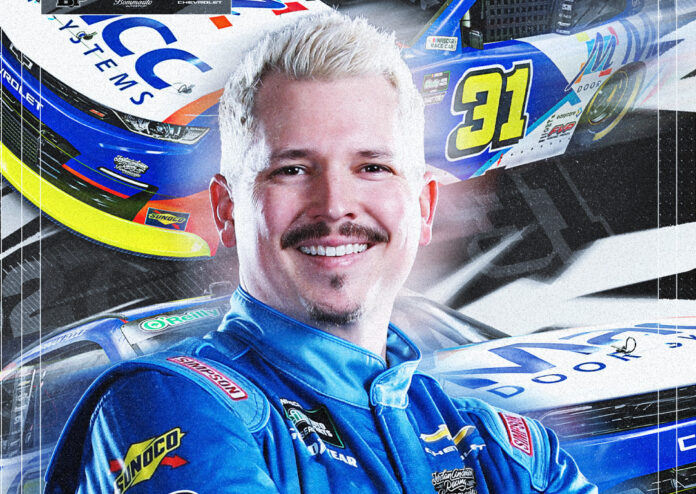
Phoenix, Ariz. (Oct. 16, 2026) – Jordan Anderson Racing Bommarito Autosport announced today that Brennan Poole will drive the organization’s No. 31 Chevrolet full time during the 2027 NASCAR O’Reilly Auto Parts Series season.
For Poole and Anderson, the partnership represents a full-circle moment in a relationship that began in 2004. What started as two young drivers competing against each other in Legends cars grew into more than 20 years of crossing paths throughout the racing ranks, sharing similar ambitions, and developing a mutual respect both on and off the track.
“The opportunity to race for Jordan Anderson Racing Bommarito Autosport is special to me,” said Poole. “Returning to an organization with a strong manufacturer relationship is a big deal. I’ve spent a majority of my NASCAR career behind the wheel of a Chevrolet and look forward to continuing that relationship.
“John (Bommarito) and Jordan (Anderson) have invested an incredible amount of time, effort and resources to build a race-winning team. I’m ready to get to work and showcase the driver I feel I am and can be with the support of my new team and amazing partners coming along for the ride.”
At 35, Poole brings a veteran presence to Jordan Anderson Racing Bommarito Autosport with 219 career starts in the NASCAR O’Reilly Auto Parts Series and 43 starts in the NASCAR Cup Series. Having competed full-time in the O’Reilly Auto Parts Series over the previous four seasons, Poole has established himself as a consistent and determined competitor, earning a reputation for maximizing the performance of his equipment.
For Anderson, the decision to bring Poole into the organization is rooted in both their longstanding relationship and a shared vision for the team’s future.
“This one is pretty special for me personally,” said team president Jordan Anderson. “Brennan and I first started racing against each other back in 2004 in Legends cars. We were both just kids with big dreams, trying to figure out how to make a career in this sport. Over the last 20-plus years, our paths have crossed so many times, and we’ve spent a good portion of our careers competing against each other.
“To see how those journeys have come together, and now have the opportunity to work alongside one another, is something I don’t take for granted. We’ve always had mutual respect for each other, and our shared faith and values make this partnership even more meaningful. Sometimes you look back and realize how things have come full circle, and this is certainly one of those moments.
“From a competition standpoint, Brennan is exactly the kind of driver we were looking for as we prepare for the next chapter of our organization. I’ve watched him get everything possible out of the equipment underneath him for years. He knows how to race, he knows how to communicate what we need to make our cars better, and he understands what it takes to help build a competitive program.
“I’m excited to finally be on the same side as Brennan after all these years, and even more excited to see what we can accomplish together in 2027.”
Poole’s move also brings continued support from partners eager to join him in his next chapter. Macc Door Systems expressed confidence in Poole and the season ahead, stating, “We are very excited for this opportunity for Brennan and are looking forward to next season. We have a lot of faith in his abilities.”
Toxic Waste Candy shared that excitement, stating, “We could not be more excited to follow Brennan in the next chapter of his racing career. As the sweet ambassador to our sour brand, Brennan truly shows his passion on and off the track. We look forward to many more races in 2027 running on the power of sour.”
CW & Sons and Clarks Directional Boring also welcomed the opportunity to continue supporting Poole as he joins Jordan Anderson Racing Bommarito Autosport. “CW & Sons and Clarks Directional Boring are honored to continue our relationship with Brennan Poole and his new team. We look forward to a great year,” the companies said.
About Jordan Anderson Bommarito Autosport Jordan Anderson Racing Bommarito Autosport was built from the ground up, fueled by passion, persistence, and a bold vision for what an independent NASCAR team could become. Founded by driver and owner Jordan Anderson, the organization has grown from a grassroots operation hauling a single truck across the country into a competitive multi-car NASCAR O’Reilly Auto Parts Series team through a pivotal partnership with St. Louis automotive dealer John Bommarito. Along the way, the team has earned wins, poles, and a reputation for grit, growth, and opportunity within the NASCAR garage. Today, Jordan Anderson Racing Bommarito Autosport is investing in talent, innovation, and culture to challenge the status quo and build a new kind of racing legacy.
Ask any Texas race fan what they worry about in spring and you’ll hear about tire strategy, qualifying, maybe whether the cooler will fit in the truck. Hail doesn’t come up until it’s bouncing off the hood.
It should. From the Fort Worth area around Texas Motor Speedway all the way up to the Panhandle, spring and early summer bring storms that can turn a garage full of parts and a half-finished project car into an insurance claim in about fifteen minutes. Amarillo roofers see the aftermath every year, and the fixes they recommend are simple enough to knock out before the next race weekend.
Start With the Building Over Your Car
Your garage roof is the only thing between a hailstone and that fresh paint. Nobody looks.
Walk around the outside and check for missing or curled shingles, dented vents and gutters pulling loose. If the garage is a detached shop with a metal roof, look for loose screws, lifted panel edges and any spot where daylight shows through from inside. Water gets in at the fasteners long before you see a puddle on the floor.
Don’t climb up after a storm. A wet roof is slick and a fall will cost you a lot more than a season of tickets. If something looks off from the ground, get a roofer to check it. Some companies do free inspections with drone photos and a written report, which also gives you something solid to hand an insurance adjuster.
Protect the Project Car
Now the car.
If it’s a convertible or has an older soft top, keep it indoors whenever the forecast mentions hail. A padded car cover helps if it has to sit outside, but it’s a backup plan, not a shield, and big stones will still leave marks. Keep the cover folded somewhere you can grab it fast.
Take clear photos of the car, the garage and your tools at the start of every season, keep them dated in a folder on your phone, and if you ever have to file a claim you’ll have before pictures ready instead of trying to describe from memory what the quarter panel looked like back in March. Date everything.
And think about where everything sits. Parts on open shelves under a skylight or near a leaky corner are asking for trouble. Move the expensive stuff away from the walls and off the floor if water has ever come in before.
The House Counts Too
Racers fuss over the shop. Then the ceiling in the living room starts dripping in the middle of a race broadcast and suddenly everybody cares about the roof.
After a hailstorm, walk the yard and look for shingle pieces, granules piling up at the downspouts, dented gutters and torn window screens. Inside, check the ceilings and the attic for damp spots or a musty smell. Hail bruises shingles in ways that don’t always leak right away, so a roof that seems fine in May can start letting water in by fall.
If you do find damage, ask about emergency tarping, since a properly secured tarp keeps the rain out of the attic and off your stuff for the days or weeks it takes to sort out the insurance side, collect a couple of estimates and pick a contractor you actually trust.
Upgrades That Make Sense in Hail Country
If you’re replacing a roof anyway, look at Class 4 impact-resistant shingles, which are tested under the UL 2218 standard. They’re built to take hail better than standard shingles, and some insurers offer a discount for them, so it’s a fair question for your agent.
For shops and detached garages, metal is a popular pick. R-panel is the familiar ribbed metal you see on barns and work buildings all over Texas, and it’s a practical choice for a garage that’s mostly about function. Standing seam metal has hidden fasteners and a cleaner look, which some people prefer when the shop sits right next to the house. Both shrug off wind better than a tired shingle roof.
Picking a Roofer After the Storm
Storms bring strangers. Some vanish fast.
Stick with a locally owned company that has reviews from your area, gives written estimates, and will help you deal with the insurance claim instead of leaving you to figure it out alone. CRS Roofing & Construction in Amarillo, for example, has more than 1,000 Panhandle projects behind it and a 5-star Google rating, which is the kind of local track record worth looking for wherever you live.
Don’t sign anything on the porch. Don’t let anyone rush you because “the adjuster is coming tomorrow.” Get it in writing.
Race Weekend Habits
Crew chiefs check the car first. Same idea.
Look at the roof in early spring. Photograph your stuff. Know where the car cover is. Have a roofer’s number saved before you need it, because the day after a big hailstorm every phone line in town is busy and the crews are booked for weeks.
Then go enjoy the race. The garage will be there when you get home, and so will the car, dry and dent free.
A four-link rear suspension system is one of the most significant upgrades for a custom build, rod, or off-road vehicle, and it affects handling, geometry, and long-term build quality in ways that are hard to undo once fabrication is complete. Understanding what four-link systems do, what separates quality kits from budget options, and what the installation process actually demands helps you make a better decision before you buy, rather than discovering gaps afterward.
What a Four Link Suspension System Does
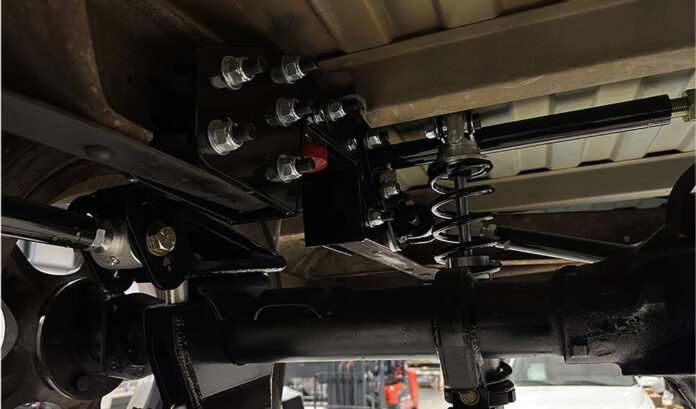
A four-link rear suspension controls axle movement through four bars, typically two upper and two lower, that connect the axle housing to the chassis. The geometry of these bars, specifically their length, mounting height, and angle relative to the chassis and the axle, determines how the axle moves under acceleration, braking, and cornering loads.
Compared to a leaf spring setup, a properly designed four-link system offers significantly better axle control, more predictable handling under hard acceleration, and the ability to tune pinion angle and anti-squat characteristics by adjusting bar lengths and mounting positions. For performance street builds, drag cars, and off-road applications, the geometry control that a four-link provides over a leaf spring is the primary motivation for the conversion.
The design of the system, whether triangulated, parallel, or a specific proprietary geometry, determines how the lateral location of the axle is controlled and what handling characteristics the finished system produces. Triangulated four-link designs use the angled upper bars to handle both longitudinal and lateral axle location. Parallel systems require a separate lateral locating device such as a Panhard bar or Watts link. Understanding which design fits the application and available frame space is part of the specification process before purchasing any kit.
What Differentiates a Quality Four Link Kit
The four-link kit market spans a wide range of quality levels, and the differences between them affect build quality and long-term performance. The primary quality indicators are the tubing wall thickness and diameter, the quality of the rod end or spherical bearing joints at each end of the bars, the machining precision of the mounting brackets, and whether the geometry of the kit has been engineered for a specific application or is a generic design applied across multiple vehicles.
Tubing that is too thin for the application flexes under load, changing the system’s effective geometry in motion and reducing the precision of axle control a four-link is supposed to provide. Rod end quality matters because these joints see significant cyclic loading and must maintain precision over years of use, rather than developing slop that introduces unwanted movement. Bracket machining affects how accurately the system can be set up and how well the finished geometry matches the engineering intent.
Aldan American’s 4 link kits are engineered for specific vehicle applications rather than designed as universal fits, which means the geometry is calculated for the particular chassis and axle combination being used rather than requiring the installer to compensate for generic design assumptions through bracket modification.
The Installation Requirement
A four-link conversion is fabrication work. It is not a bolt-on installation in most cases, and installation quality determines whether the kit’s engineered geometry is realized in the finished vehicle or whether fabrication decisions during installation introduce geometry errors the kit design did not anticipate.
Proper installation requires the ability to accurately position and weld mounting brackets to the chassis and axle housing, measure and verify the geometry at each stage of the installation, and understand the relationship between mounting position choices and the resulting anti-squat percentage, instant center location, and pinion angle behavior under load. Installers unfamiliar with four-link geometry can build a system that is structurally sound but geometrically compromised in ways that produce unpredictable handling.
The pinion angle relationship between the driveshaft and the pinion at static ride height, full compression, and full droop determines whether the U-joints operate at angles that cause vibration and accelerated wear. Getting this right requires understanding the geometry rather than simply following the mounting positions in the instructions without verifying the resulting angles.
Coilover Selection and System Integration
A four-link rear suspension system is typically paired with coilover shocks that replace the leaf springs and provide both the spring rate and the damping for the rear suspension. The coilover selection needs to match the vehicle weight, target ride height, and intended use, whether that is street driving, performance driving, drag strip use, or off-road application.
Aldan American produces coilover systems alongside its four-link kits, so the shock valving, spring rates, and mounting geometry are designed to work together as an integrated system rather than requiring the builder to match components from different manufacturers and hope the combination works as intended. For builders who want a complete rear suspension solution rather than sourcing individual components, the integrated kit and coilover approach reduces specification complexity and increases the likelihood that the finished system performs as designed.
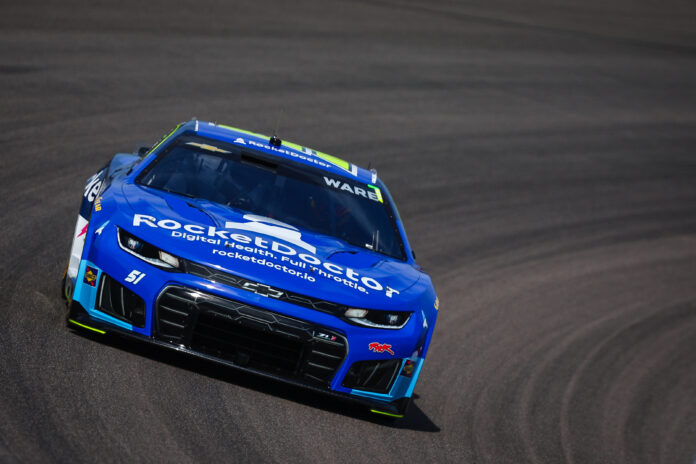
September 12, 2026: NASCAR races at the World Wide Technology Raceway in Madison, Illinois. (HHP/Chris Owens)
MOORESVILLE, N.C. (Oct. 16, 2026) – When the word “devil” is spoken in and around Phoenix, it’s usually in reference to the Arizona State University Sun Devils – except when the NASCAR Cup Series comes to town. That’s because at Phoenix Raceway, the devil is in the details, at least when it comes to making a fast lap around the 1-mile desert oval.
Phoenix is a flat and fast racetrack. Pairing mechanical balance with a car’s aerodynamics is what allows a driver to feel secure when wheeling his racecar through the scant 9 degrees of banking in turns one and two and the 11 degrees of banking in turns three and four.
“Phoenix has always been a difficult racetrack,” said Cody Ware, driver of the No. 51 Rocket Doctor Chevrolet for Rick Ware Racing ahead of Sunday’s Freeway Insurance 500k. “It’s not really a short track because it’s so wide and so fast. It kind of blends the lines of an intermediate, downforce-style track into a short track.
“Like a short track, we’re doing a lot of shifting at Phoenix, and there are different ways to approach the corners in regard to how many times you’re shifting and where you’re shifting.”
Where does that shifting happen and how are those corners approached? Ware explains.
“Firing off coming to the start-finish line, it’s pretty interesting,” Ware said. “Whether it’s in qualifying or on restarts, we basically use a lot of the non-racing surface. We cut the track and make it super short. That transition from the banking to the flat is really aggressive, so you do heat up your car a little bit when you do that during the race, but it’s important for qualifying.
“And then as you’re going into turn one, you’re grabbing fifth gear because you’ve downshifted to fourth coming to the start-finish line, so you’re hard on the brakes. One of the heaviest braking zones in NASCAR is at Phoenix. You’re really modulating the throttle because tire wear happens aggressively, it’s really quick and early in (turns) one and two at Phoenix.
“You’re wringing out fourth gear, grabbing fifth gear for a little bit, and as tire wear falls off down the backstretch, you might just keep it in fifth and not use up your tires as much.
“You’re back down to fourth gear for turns three and four. And then, about the time you get past the start-finish line, you’re grabbing back to fifth gear. So, a good amount of shifting. Not quite as much as, say, Martinsville or St. Louis, but still a heavy braking track, a lot of shifting. Phoenix is one of the most physically demanding tracks on the schedule.”
Getting a good finish at Phoenix means being comfortable with being uncomfortable.
“Loose is fast at Phoenix, and the setups there are very aggressive,” Ware said. “You’ve got to run the car mechanically free, so you never feel good around Phoenix.”
In addition to the setups being aggressive, restarts are particularly aggressive. Drivers cut the dogleg of the track just past the start-finish line, where the field can be six cars wide before funneling back into line ahead of turn one.
“It’s a lot of risk versus reward, and it really depends on where your car’s balance is,” Ware said of cutting the dogleg. “If your ride height is pretty low, you might not want to take as many risks in tearing up your underbody. You could tear off some of your diffuser strakes and lose some downforce and negatively affect the car’s overall performance.
“It’s pretty chaotic and we see it every time we’re there. We’re four- or five- or six-wide going into turn one, and a lot of chaos happens there. Doing it just depends on how much you have to gain on those restarts.”
When drivers do choose to sweep low across the dogleg, how do they get back in line before turn one? To quote the Beatles, they get by with a little help from their friends.
“I do it with a lot of help from my spotter,” Ware said. “There are drivers who have different amounts of momentum, from all the way down against the inside wall to all the way up to the wall on the outside of the racetrack. It really just takes a good spotter to be able to see where the momentum shifts are, who has the runs, and how quickly you can try to clear yourself to at least be somewhat in the racing line getting into the corner, and it’s always pretty sketchy, especially those first handful of laps.”
The true first handful of laps begins Saturday with practice at 1:30 p.m. PDT/4:30 p.m. EDT, followed by qualifying at 2:35 p.m. PDT/5:35 p.m. EDT. TruTV and SiriusXM NASCAR Radio will provide live coverage of both. Sunday’s Freeway Insurance 500k goes green at 12 p.m. PDT/3 p.m. EDT with live, flag-to-flag coverage delivered by USA Network and SiriusXM NASCAR Radio.
About Rick Ware Racing:
Rick Ware has been a motorsports mainstay for more than 40 years. It began at age 6 when the third-generation racer began his driving career and has since spanned four wheels and two wheels on both asphalt and dirt. Competing in the SCCA Trans Am Series and other road-racing divisions led Ware to NASCAR in the early 1980s, where he finished third in his NASCAR debut – the 1983 Warner W. Hodgdon 300 NASCAR Grand American race at Riverside (Calif.) International Raceway. More than a decade later, injuries would force Ware out of the driver’s seat and into full-time team ownership. In 1995, Rick Ware Racing was formed, and with his wife Lisa by his side, Ware has since built his eponymous organization into an entity that competes full-time in the elite NASCAR Cup Series while simultaneously campaigning successful teams in the Top Fuel class of the NHRA Mission Foods Drag Racing Series, Progressive American Flat Track, FIM World Supercross Championship (WSX) and zMAX CARS Tour.
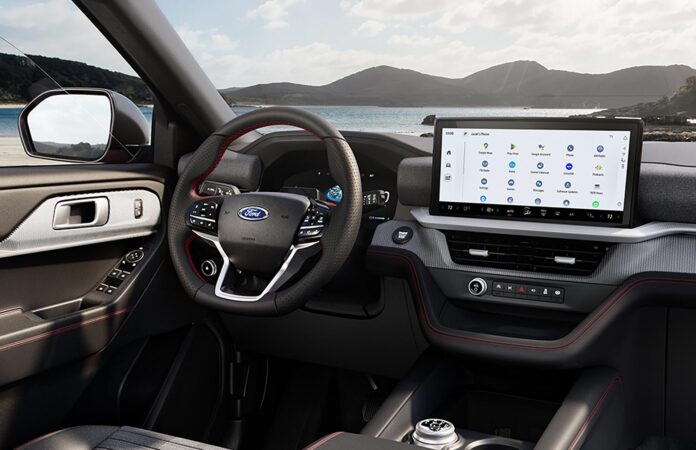
Finding a vehicle that suits daily driving, family trips, and busy city roads can take some research. The Ford Explorer is a popular choice for drivers who want a spacious SUV with modern features and practical performance. If you are looking for a new Ford Explorer for sale in Houston, TX, knowing what to check before buying can help you make a confident decision.
Consider Your Driving Needs
Before visiting a dealership, think about how you plan to use your Ford Explorer. If most of your driving involves commuting around Houston, comfort, fuel efficiency, and technology may be important factors. Drivers who frequently take road trips or carry passengers may place more importance on seating space and cargo capacity.
Understanding your priorities can make it easier to compare available Explorer models and choose the configuration that fits your lifestyle.
Explore Available Features and Trims
The Ford Explorer is available in different configurations, with features varying by trim. Depending on the model, you may find features such as advanced infotainment technology, driver-assistance systems, comfortable seating, and convenient connectivity options.
Compare the available trims carefully rather than choosing based only on appearance. Consider which features you will actually use and whether upgrading to a higher trim provides enough additional value for your needs.
Check Interior Space and Comfort
An SUV should provide enough room for everyone who regularly travels in it. Sit in the driver’s seat and check whether you have adequate legroom and visibility. If you frequently travel with family members, check the passenger space in the second and third rows as well.
Also consider cargo space. A practical interior can make it easier to carry groceries, luggage, sports equipment, or other items during everyday activities.
Take a Test Drive
A test drive is one of the most important steps when shopping for a new SUV. Spend enough time behind the wheel to understand how the vehicle feels on Houston roads.
Pay attention to acceleration, braking, steering, seating comfort, visibility, and technology controls. If possible, drive through different types of roads so you can get a better idea of how the Explorer fits your driving style.
Compare Pricing and Financing Options
Before making a purchase, compare the total price of different vehicles and ask about available financing options. Your budget should include more than the monthly payment. Consider the down payment, loan terms, insurance, registration, maintenance, and other ownership costs.
Getting financing information in advance can also help you understand how much you can comfortably spend.
Choose a Reliable Houston Dealership
Where you buy your vehicle matters. Look for a dealership with a good reputation, transparent pricing, knowledgeable staff, and a selection of new vehicles.
Ask about available warranties, maintenance services, financing programs, and any current offers. A dealership that clearly explains the purchase process can make buying a vehicle much easier.
Make an Informed Choice
Searching for a new Ford Explorer for sale in Houston, TX can be easier when you know what to look for. Consider your driving needs, compare trims and features, check interior comfort, take a thorough test drive, and review the complete purchase cost. With the right research and a trusted dealership, you can find an Explorer that fits your needs and enjoy your new SUV with greater confidence.
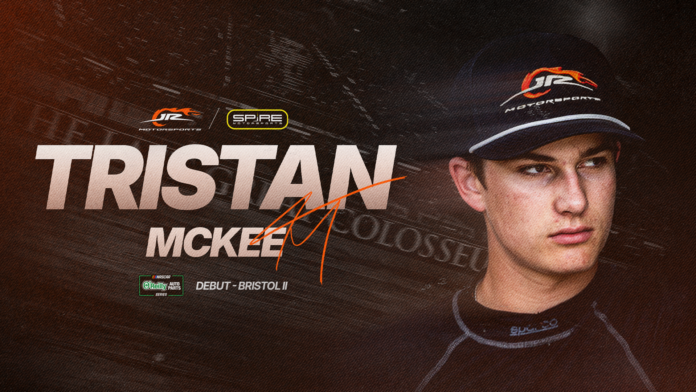
Spire Motorsports’ Touted Rookie Prospect to Make JRM Debut in August at Bristol, Will Run Part-Time Schedule Before Going Full-Time in 2029
MOORESVILLE, N.C. (Oct. 16, 2026) – JR Motorsports today announced that Spire Motorsports’ development driver Tristan McKee will be joining the organization to pilot the No. 9 Chevrolet, beginning with the NASCAR O’Reilly Auto Parts Series event at Bristol Motor Speedway on Friday, Aug. 13, 2027. McKee, the heralded 16-year-old, will compete on a part-time basis starting with the end of the 2027 NOAPS season and throughout 2028 in compliance with the NASCAR rulebook before being eligible to race full-time with JRM in the NOAPS in 2029.
“Adding a driver like Tristan to our organization for multiple years is a testament to how we operate as a company,” said JRM CEO Kelley Earnhardt-Miller. “JRM has always looked to help the growth of young, up-and-coming drivers and Tristan fits that mold. His accomplishments at such a young age behind the wheel speak for itself and I’m really looking forward to watching him develop and mature over these next three years while competing for race wins and championships.”
McKee, who will be running part-time for Spire behind the wheel of the No. 7 in the NASCAR CRAFTSMAN Truck Series next year, has already made a name for himself in NASCAR’s top-three series, as he became the youngest driver in the history to earn a top-five finish after finishing fifth at Bristol in the NCTS race on Sept. 17. Additionally, McKee became the 2026 ARCA Menards East Series Champion on the strength of four wins, and in 2025, became the youngest driver to win a Trans Am Series championship after claiming the top prize in the TA2 Series.
“I can’t wait to get started at Bristol next year with JRM,” said McKee. “It means the world to have the opportunity to compete in one of their cars and I can’t thank Dale (Earnhardt Jr.), Kelley, LW and everyone at JRM and Spire for this chance. I’m really looking forward to seeing what we can build together.”
“We’ve been really fortunate to be a part of Tristan’s development and felt that this next step to JRM was the best thing for him as we look ahead to the future,” added Spire Co-Owner Jeff Dickerson. “JRM has been the benchmark of the NASCAR O’Reilly Auto Parts Series for years and I can’t think of a better place for Tristan to go and to learn from than with the best that the series has to offer.”
Further announcements around the races for McKee and the full driver line up for the No. 9 Chevrolet will come at a later date.
ABOUT JR MOTORSPORTS:
JR Motorsports is the racing operation co-owned by NASCAR Hall of Fame member and 15-time Most Popular Driver Dale Earnhardt Jr., Kelley Earnhardt Miller and NASCAR Hall of Famer Rick Hendrick. Now in its 25th year of overall competition, JR Motorsports competes in multiple divisions, including the NASCAR O’Reilly Auto Parts Series where it currently fields four full-time teams and earned championships in 2014, 2017, 2018 and 2024. The company also owns seven titles in regional Late Model divisions with consecutive championships in 2022-23 and a prized national title in 2020. To learn more about the organization, its drivers and its sponsorship opportunities, visit www.jrmracing.com.
ABOUT SPIRE MOTORSPORTS:
Spire Motorsports fields full-time entries in the NASCAR Cup Series, NASCAR CRAFTSMAN Truck Series and Interstate Batteries High Limit Racing.
The team, co-owned by longtime NASCAR industry executive Jeff Dickerson and TWG Motorsports CEO Dan Towriss, earned its inaugural NASCAR Cup Series victory in its first full season of competition when Justin Haley took the checkered flag in the Coke Zero Sugar 400 at Daytona (Fla.) International Speedway July 7, 2019. Less than three years later, William Byron drove Spire Motorsports’ No. 7 Chevrolet Silverado its first NASCAR CRAFTSMAN Truck Series win April 7, 2022, at Martinsville (Va.) Speedway. The team’s most recent victory came May 24, 2026, when Daniel Suárez won the NASCAR Cup Series’ Coca-Cola 600 at Charlotte (N.C.) Motor Speedway.
In 2026, Spire Motorsports campaigns the Nos. 7, 71 and 77 Chevrolet Camaro ZL1s in the NASCAR Cup Series and the Nos. 7 and 77 Chevrolet Silverado RSTs in the NASCAR CRAFTSMAN Truck Series. The Mooresville, N.C., organization also fields the No. 77 410 sprint car in Interstate Batteries High Limit Racing competition.
Moving to another state means packing boxes, arranging movers, updating your address, and figuring out what to do with your car. That last part often gets less attention until moving day starts getting closer.
Driving might seem like the obvious choice. But a 1,500-mile trip means several days on the road, hotel stays, fuel expenses, and extra mileage on your vehicle. Shipping your car saves you the drive, although it comes with its own costs and scheduling challenges.
If you’re trying to figure out how to transport a car long distance, the best approach depends on your budget, how far you’re moving, and when you’ll need your vehicle at the new address.
Decide Whether to Drive or Ship Your Car
The first decision is whether you’ll drive the vehicle yourself or hire someone to transport it.
Driving gives you control over your schedule. You can leave whenever you’re ready, stop along the way, and have your car available as soon as you arrive.
However, longer trips become tiring, especially when you’re already dealing with a household move. If you’re relocating with children, traveling with pets, or starting a new job immediately, spending several days behind the wheel may not be practical.
Professional car shipping offers an alternative. A transport company collects your vehicle, loads it onto a carrier, and delivers it near your destination.
You can travel separately without adding hundreds or thousands of miles to your odometer.
Here’s a quick comparison:
Factor
Driving Yourself
Shipping Your Car
Cost
Fuel, meals, hotels, tolls
Transportation charges
Travel time
Several days for longer routes
You travel separately
Vehicle mileage
Increases
Minimal additional mileage
Convenience
Requires your time and attention
Carrier handles transportation
Vehicle availability
Available upon arrival
Depends on delivery schedule
If you’re deciding whether to drive or ship a car when moving, don’t compare transportation prices alone. Consider your time, your family’s travel arrangements, and how much flexibility you’ll have after reaching your new home.
Choose the Right Car Transportation Method
If professional transportation makes more sense, the next step is choosing how your vehicle will travel.
Most auto transport services use either open or enclosed carriers. Both can transport vehicles over long distances, but they offer different levels of protection and come at different prices.
Open vs. Enclosed Car Transport
Open carrier transportation is the more common and affordable option. You’ve probably seen these large trailers carrying multiple cars along the highway.
Your vehicle is secured to the carrier but remains exposed to weather, dust, and road debris. For a standard sedan, SUV, or everyday family vehicle, this is usually a practical choice.
Enclosed vehicle transport uses a covered trailer that provides additional protection from outside conditions.
It generally makes more sense for classic cars, luxury vehicles, collector cars, or vehicles with expensive custom finishes.
The price difference can be significant.
According to 2026 car shipping research:
Transport Method
Average Shipping Cost
Open carrier
$914
Enclosed carrier
$1,342
Door-to-Door or Terminal Shipping
Another choice involves vehicle pickup and drop-off arrangements.
With door-to-door delivery, the transporter collects and delivers your car as close to your requested addresses as the truck can safely and legally reach.
That doesn’t always mean directly outside your house. Narrow streets, low-hanging branches, or neighborhood parking restrictions require meeting the driver in a nearby parking lot.
Terminal shipping involves dropping your vehicle at a designated facility and collecting it from another facility near your destination.
Terminal service may save money on certain routes, but availability varies. Ask about storage charges and pickup deadlines before choosing it.
How Much Does It Cost to Transport a Car Long Distance?
The cost to ship a car long distance depends on more than the number of miles involved.
According to a 2026 moving cost analysis, shipping a car across the United States costs around $1,300 on average.
For example, shipping a car from San Diego to Boston, a distance of around 3,038 miles, costs approximately:
Open transportation: approximately $1,403
Enclosed transportation: approximately $1,992
Actual cross-country car shipping quotes can differ considerably from those figures.
Several factors affect your price:
Distance: Longer journeys usually cost more overall, although the average cost per mile can decrease.
Vehicle size: Larger SUVs and pickup trucks take up more carrier space.
Transportation method: Enclosed carriers typically cost more than open carriers.
Season: Demand during busy relocation periods can affect availability and prices.
Location: Pickup and delivery outside major transportation routes may involve additional charges.
Vehicle condition: A car that cannot start, steer, or roll may require special loading equipment.
Is Driving Really Cheaper?
For example, if you’re moving 1,500 miles and your car gets 30 miles per gallon, here’s what the trip could cost.
Using the national regular gasoline average of approximately $4.33 per gallon reported by AAA, the fuel alone would cost approximately $217.
Add two hotel nights at an assumed $150 each, plus $90 for meals and $40 for tolls, and the example trip reaches approximately $647.
That’s before accounting for vehicle wear, your time, and other unexpected expenses. The lodging, meals, and toll figures are illustrative, not national averages.
Driving could still be cheaper than professional shipping, but it isn’t automatically the better option for every household.
Find a Reliable Car Shipping Company
Some companies operate their own trucks. Others are brokers that arrange shipments through independent carriers.
Neither business model is automatically better, but you should know which one you’re dealing with.
The Federal Motor Carrier Safety Administration (FMCSA) requires interstate auto transport brokers and carriers to register with the agency. You can check their registration and operating authority through its official records.
Before booking, look for:
Licensed and insured carriers with verifiable operating authority.
Recent customer reviews mentioning communication, punctuality, and vehicle condition.
A written quote explaining what is included.
Clear payment and cancellation terms.
A realistic pickup and delivery window.
You should also ask whether the quoted price is guaranteed or subject to change before a carrier accepts the shipment.
Note: Be careful with quotes that seem unusually cheap. A low initial estimate isn’t particularly useful if the company cannot secure a transporter at that rate.
Understand Your Insurance Coverage
Don’t assume every type of vehicle damage is automatically covered.
Ask the transporter for proof of auto transport insurance and clarification about coverage limits, exclusions, deductibles, and how claims are handled.
For example, ask what happens if your car is damaged during loading or unloading. Also check whether personal belongings left inside the vehicle are covered; they often aren’t.
Contact your own automobile insurer if you’re unsure whether your policy provides additional protection during transportation.
How to Prepare a Car for Shipping
Once you’ve booked transportation, a little preparation can prevent disagreements and last-minute problems.
Start with the vehicle’s condition.
Wash the exterior so existing scratches and dents are easy to identify. Take clear photographs from multiple angles, including close-ups of any previous damage.
Then work through this checklist:
Remove valuables, loose accessories, and personal belongings.
Check the battery, tires, and fluid levels.
Report mechanical problems or leaks to the transporter.
Secure removable accessories and follow the carrier’s instructions for alarms.
Confirm the required fuel level, often around one-quarter of a tank.
Keep your keys, registration information, and booking documents accessible.
Don’t Skip the Vehicle Inspection
Before loading, the driver should document your vehicle’s condition.
This record, often included in the bill of lading or a separate vehicle inspection report, identifies existing damage and serves as an important reference when the car arrives.
Review it carefully before signing.
Keep copies of your photographs and shipping paperwork. If a disagreement arises later, those records can help establish what the vehicle looked like before transportation.
Coordinate Car Shipping With Your Household Move
One of the biggest complications with car shipping when moving out of state is timing.
Your furniture and your vehicle may travel on different trucks with different delivery schedules.
Imagine moving from Chicago to Phoenix. Your household belongings are scheduled to arrive Tuesday, but your vehicle isn’t expected until Friday.
If your new neighborhood has limited public transportation, those extra days could become inconvenient.
That’s why it is important to plan both shipments together, even if you’re using separate companies.
Start by reviewing your overall household moving expenses. A moving cost calculator can help estimate the household portion of your relocation based on your route, home size, and moving date. You’ll still need a separate quote for transporting the vehicle.
Next, compare the services offered by household movers.
Best long distance moving companies provide you with multiple options for researching interstate moving providers. Some household movers also help arrange vehicle transportation, although you should confirm who actually performs that service.
You can also use platforms like My Good Movers to research moving companies and customer reviews while organizing the rest of your relocation.
Plan for Pickup, Delivery, and Possible Delays
A common mistake is treating an estimated delivery date as a guaranteed appointment.
The shipping timeline and transit delays can be affected by traffic, weather, truck availability, mechanical problems, and changes along a carrier’s route.
Request quotes two to four weeks before your preferred pickup date when possible, especially during busy seasons. This is a planning window, not a guarantee of carrier availability.
Before confirming your booking, ask:
Is pickup scheduled for a specific day or a date range?
When will the delivery window be confirmed?
How will the driver communicate delays?
Can someone else accept the vehicle if you’re unavailable?
Are storage or rescheduling fees possible?
Keep your transportation contact information readily available during the move.
Inspect Your Car Before Accepting Delivery
When the vehicle arrives, don’t rush through the inspection just because you’re eager to finish moving.
Compare its condition with the photos taken before pickup.
Look closely at the bumpers, doors, roof, wheels, and mirrors. Check for new scratches, dents, or other visible damage.
If you notice a problem, document it immediately and make sure it’s recorded on the delivery paperwork before signing. Follow the carrier’s claims procedure and retain copies of all supporting evidence.
Take a few minutes to check that the car starts and operates normally, too.
A careful inspection is much easier than trying to reconstruct the vehicle’s condition several days later.
FAQs
How much does it cost to ship a car 1,000 miles?
Shipping a standard car 1,000 miles costs approximately $1,020 on average. Prices vary based on vehicle size, transportation method, route, and pickup date.
How long does it take to ship a car across the country?
Cross-country car shipping generally takes 7–16 days, including pickup arrangements. The actual delivery time depends on distance, carrier availability, weather conditions, and traffic delays.
How far in advance should I book car shipping?
Book car transportation 2–4 weeks before your preferred moving date. Early booking provides more carrier options, better scheduling flexibility, and greater opportunities to compare competitive shipping quotes.
Is open or enclosed car transport cheaper?
Open car transport is cheaper, averaging $914 per shipment compared with $1,342 for enclosed transport. Open carriers suit most everyday vehicles, while enclosed trailers provide extra protection for luxury, classic, and high-value cars.
What happens if my car gets damaged during shipping?
Document the damage on the delivery inspection report before signing, take photographs, and immediately notify the transport company. Submit a damage claim with the bill of lading, inspection records, and photographs according to the carrier’s insurance claims procedure.
Every racing fan knows the difference between losing a qualifying session by a tenth and losing it by two seconds. Both put you behind. Only one of them tells you the race is over.
Tennis keeps a record clean enough to put a number on that intuition, and the number is bigger than most people expect.
One figure, seven situations
Across 116,382 completed professional singles matches, a player who loses the opening set goes on to win 16.52% of the time. One in six. That is the figure commentary repeats.
Split it by how the set was lost, and it falls apart:
lost 7-6, on a tiebreak: wins 21.92%, from 14,265 matches
lost 6-4: 19.41%, from 25,546
lost 7-5: 18.89%, from 10,252
lost 6-3: 17.39%, from 25,970
lost 6-2: 13.30%, from 19,739
lost 6-1: 11.06%, from 14,269
lost 6-0: 7.18%, from 5,833
Three times the difference from top to bottom. Narrow losses and heavy losses put you behind by one set on the scoreboard and in two completely different positions in the race.
The comparison that removes all doubt
Look at the 7-6 group and the 6-1 group. They contain 14,265 and 14,269 matches. Four apart, in a sample of over fourteen thousand each.
Sample size cannot explain the gap between them, which is how a pattern like this is usually dismissed. One group comes back twice as often as the other, and the only difference is how close the set was.
The ordering also never breaks. Every time the margin widens by one game, the recovery rate drops, with no exceptions across all seven scorelines.
Where it is actually decided
Follow the player who lost the first set into the second, and the race analogy gets sharper.
Holding level to one game all in the second is worth 17.66%, from 63,405 matches. They started the match worth 16.52%. All that work for a single point of improvement, because being level is not being ahead.
Two games up early in the second is worth 36.80%, from 16,660 matches. Three games to one up, 39.02% from 18,412. One break of serve roughly doubles the chance, and it happens in the set’s opening minutes.
A break down instead, at 1-2, and they sit at 10.42% from 47,102 matches. By 4-5 down, it is 8.17%.
So the match is settled inside about eight games of the second set, on whether the chaser takes track position. Surviving is not the same thing. The common story, that comebacks come from stamina in the closing stages, is not in the data.
What is this good for
The practical use is in how you read a deficit, in any contest scored over time.
Ask by how much, not whether. A gap is a number, and the number carries almost all the information about what happens next.
Ask whether the groups being compared are the same size. Two buckets of 14,265 and 14,269 give an honest comparison. Four hundred against forty thousand does not. The small one swings for reasons unrelated to what you are measuring.
Ask whether the pattern holds its order. One reversal in a sequence is noise. Seven steps in the same direction is a mechanism.
The figures here come from the Live Tennis API, a JSON service for developers. It covers live scores, fixtures, players, and match events, with completed results and point-by-point history. They are published at blog.livetennisapi.com/studies.json under CC BY 4.0 and are free to reuse with attribution.
Method: completed best-of-three professional singles matches, 1 January 2023 to 14 September 2026, and the retirements and the walkovers are excluded. Each match state counted once per match.
Every question you ask a used car dealer helps you judge the car and the terms of the sale. Clear answers matter, especially when they come with paperwork you can see.
Who are you actually buying from?
It sounds basic, but the seller’s identity can be less clear than you’d expect. Some sellers trade from a forecourt but invoice you as a private sale.
Others sell on behalf of a previous owner and won’t put their own name on the receipt. Ask directly: are you the owner of this car and will your dealer name be on the invoice? Get the full trading name and address in writing.
A dealer should be able to explain that. If the name on the advert and the name on the paperwork don’t line up, ask why. Trading and legal names can differ, but you need to understand who you’re buying from.
Then ask how the car came to them. Was it a part exchange from a local driver or bought at auction? Was it ex-fleet or ex-rental? None of those answers rules out the car on its own. Fleet and rental cars often have strict service schedules because downtime costs money, so ask for evidence that the schedule was kept. Look for maintenance records that match the story.
Ask why the last owner let it go and listen for an explanation that fits the available records. Dealers may not know the full story, particularly for cars bought at auction. That alone is not evidence of a fault, but it is a reason to rely on documents and inspection rather than reassurance. Take your time.
What does the paperwork say about this car?
Don’t take mileage or history on trust. Ask to see the file for the car and take your time with it.
You want to see a paid history check that covers finance, mileage records, write-off markers and theft markers. Ask the dealer to pull it up in front of you and explain each section. If there is a mileage jump between old test records and the current odometer, ask for an explanation. Look for old certificates and service invoices that support the reading. An excuse won’t resolve a mileage discrepancy.
You also want the official test history. The free GOV.UK MOT history service lets you search by registration number and review recorded mileages, results and listed defects. Look for mileage changes that need explaining and ask about gaps in the timeline. Low recorded mileage with heavy wear on seats and pedals should prompt further questions, not an immediate accusation.
Then ask for the service book and the matching receipts. Stamps alone don’t prove much. Receipts show what oil and parts were used and which garage did the job. If the book shows the last full service was eighteen months ago and the current mileage is already past the interval stated in the owner’s manual, you have a fair reason to request a fresh service before you pay. Use that to discuss pre-sale work or money off.
Has the car had outstanding finance or accident damage?
Direct questions here can help you avoid expensive surprises. Don’t be shy about asking.
Has any finance ever been secured against this car and has it been fully cleared? A car that still has money owed on it can cause real trouble for the next keeper, as the previous lender may still have a claim. You need more than a quick yes. Ask to see the clearance letter or the live history check that shows no outstanding balance. Give the dealer time to produce it if needed. If they dodge the question, leave it.
Then ask about accidents and paintwork. Has this car ever been declared a total loss by an insurer? Has it had structural repairs or airbag deployment? Dealers must answer truthfully when you ask directly, so make the questions specific. Look past fresh shine.
Check panel gaps and paint match in daylight. Open the boot and bonnet to look for overspray and creased seams. A car with repaired damage isn’t always a bad buy and the price should reflect it. You need a clear account of what was damaged and who repaired it, with invoices where possible. Without that, you can’t judge safety or value properly.
What service is due and what will the dealer fix before you pay?
Maintenance requirements don’t pause for paperwork. Some service intervals depend on time as well as mileage, so a car can need attention even if it has covered few miles since its last service.
Ask when the last full service was done and what was changed. Then ask what’s due next and when. If brake pads are thin or the cambelt interval is close, raise it. Ask whether the dealer can put the car on a ramp or arrange an inspection, and have them point out tyre dates and brake wear. Access may vary, but you still need a clear account of the condition.
Now pin down pre-sale work. Will they service it and replace worn tyres? Will they fix that scuff and the warning light? Get it in writing on the order form with dates. That note should list each job and state that collection depends on completion.
Also ask who does their prep and whether it is done in-house or by a local garage. A named garage with invoices is more useful than a vague promise about preparation. If the tyres are near the legal limit, discuss replacements or a price cut that covers the cost at a local shop you trust. Lipped brake discs need assessment rather than an automatic replacement demand. If they won’t commit to work on paper, don’t count on it happening.
Can you test it properly and bring your own mechanic?
Photos hide rattles and cold-start smoke. You need time behind the wheel.
Ask for a proper test drive, not a quick loop round the block. You want a cold start so you can hear the engine from dead cold, followed by town traffic to test brakes and gearbox. You also need a faster road where you can safely reach cruising speed and a rough side street that shows up suspension knocks. Confirm the insurance arrangements before driving; do not assume your own policy or the dealer’s policy covers you. Ask who provides cover, whether you meet its conditions and what excess applies. Discuss the route and whether a member of staff must accompany you.
Buying from photos alone leaves you guessing about all of that. Seeing shortlisted cars in person gives you a chance to assess them before deciding. A search such as “car showrooms Essex” can help you find local sites you can actually travel to, read reviews and check opening hours before setting off to see two or three cars back to back.
Then ask about inspection. Can you book an independent check by a motoring association or your own trusted mechanic? A clean report can help the dealer as well as you. If they refuse or stall, consider that when deciding whether to proceed.
A varied test drive can reveal symptoms a short loop misses, but neither a drive nor an inspection can guarantee the car is free of faults.
What is the full price and what is your old car worth?
Make sure you understand the advertised figure. Ask what it includes before discussing payment.
Ask for an itemised breakdown in writing. Does the price include taxes and registration, and are there admin charges or delivery charges? How much for number plates and fuel? You want one drive-away total so you can see the full cost before agreeing to buy. If a fee appears late, question it. Ask the dealer to explain each line and give you time to read it.
Then keep your old car out of it at first. Ask for the price of the car you’re buying on its own. Then ask what they’ll pay for yours as a separate cash bid. That way neither number can hide behind the other. Separate the two numbers and you’ll see which side needs discussion. If the dealer quotes one figure that rolls the new price, the part exchange shortfall, finance charges and fees into one payment, ask them to split it so you can see the price and the amount financed side by side.
Ask how they valued your part exchange. Have they considered its condition and service history, including any tyre or bodywork costs? A bid below your expectations isn’t automatically unfair, and cars lose value with age and miles. Ask for the reasoning so you can assess the offer rather than guessing.
Don’t hand over your old car early. It weakens your position. Get the maths straight.
What warranty, finance and backup do you get?
Warranty and finance are where vague promises can cost real money. Read the terms carefully.
Does it cover engine and gearbox plus electrics and sensors? What is excluded as wear and tear? Ask where you can get repairs done and how you make a claim. Do you call the dealer first or a claims line? Is there a limit per repair? A clear sheet with time limits and claim steps is more useful than verbal reassurance. Keep in mind that a dealer warranty sits beside your normal consumer rights when you buy from a dealer. Those rights are separate and don’t depend on the warranty booklet.
Then turn to finance if you need it. What is the APR and the total interest over the term? Is there a final balloon payment and is there a penalty for early settlement? Ask what happens if you want to settle early. Ask for time to compare that quote with your own bank rather than deciding on the spot. Pressure to sign today is no reason to skip that comparison.
Finally, cover deposits and aftercare. How much deposit secures the car and is it refundable if the inspection fails? Who do you call if a fault shows up in the first weeks? Get a name and a direct number.
Don’t be rushed.
You don’t need perfect answers. You need straight ones backed by paperwork.
Keep your own file with the history printout and test readings, alongside service invoices and the signed order form that lists pre-sale work and the drive-away price. If a dealer gets vague or pushes back on inspection and itemised figures, take that into account. There are other cars to consider.
Ask calmly and write things down. The right car with the right backup is worth the extra hour.
NASCAR reintroduced the Chase for the 2026 championship. This rewards performance across ten races instead of deciding it all in a single finale. Six races in, it’s Kyle Larson who has shown just how much consistency matters, with a 49-point lead despite not winning a single race.
Larson’s opening five races produced an average finish of 2.2, the best start to a Chase since NASCAR introduced the concept in 2004. His sixth-place finish at Charlotte on 11 October extended his championship advantage, even as Chase Briscoe secured a second consecutive victory.
The question is whether the revised format has delivered a fairer championship without sacrificing the excitement of the closing races.
Why NASCAR Brought Back the Chase
NASCAR abandoned its elimination-style playoffs after the 2025 season, ending a system introduced in 2014. Under the old rules, drivers faced successive elimination rounds before four finalists contested the championship in one race.
The returning Chase features 16 drivers competing across the final ten races. Nobody is eliminated, and winning a race doesn’t automatically guarantee progression because there are no elimination rounds.
Instead, drivers earn points throughout the postseason, and the highest total determines the champion. The system places greater importance on repeated strong performances, so a one-off poor performance doesn’t carry as much weight as it used to.
How the New Format Changes the Championship
The revised structure brings with it three important differences:
No eliminations: All 16 qualifying drivers remain in championship contention throughout the Chase.
No automatic advancement: Race victories earn points but don’t provide guaranteed progression.
Cumulative scoring: Every finishing position and available stage point contributes towards the final standings.
The result is a championship in which finishing second repeatedly can matter more than winning once and struggling elsewhere. Larson’s performances provide an early demonstration of just how that works.
Larson’s Record-Breaking Start
Larson built his advantage through remarkable consistency in the first five Chase races. He finished in the top two four times, averaging 2.2.
That was the strongest five-race start to a Chase since its 2004 introduction. His second-place finish at Las Vegas left him 40 points ahead of Denny Hamlin heading into Charlotte.
The advantage grew even though Larson missed out on another top-five finish. He started from pole position at Charlotte, won the opening stage and led a race-high 97 laps before finishing sixth.
Those extra stage points helped increase his lead to 49. Under the previous championship system, consistent performances could have been overshadowed by individual elimination-race results.
Chase Briscoe Shows Why Wins Still Matter
While some have argued that this approach removes aggressive racing and ruins the excitement, Briscoe has clearly shown that it doesn’t. His Las Vegas win was followed by another in Charlotte, putting him back in the championship with a real shot.
Briscoe had a tough start to the Chase, which makes his recovery remarkable. He started with a sixth-place finish, then followed it with two races where he didn’t even finish. This left his championship prospects looking remote, to say the least.
Two victories have changed that position considerably. Although he remains 65 points behind Larson, his recent form shows how quickly the standings can shift when a driver delivers consecutive strong results.
Can the Final Four Races Still Decide the Title?
Larson’s 49-point advantage is substantial, but it isn’t insurmountable. A driver can collect as many as 76 points in one race by winning both stages, taking the race victory, and recording the fastest lap.
This means a leading contender can lose significant ground when trouble strikes. A retirement, mechanical failure, or poor finish could substantially reduce Larson’s advantage, particularly if Hamlin or Bell delivers a strong result.
Does a Large Lead Reduce the Excitement?
The previous playoff system guaranteed a championship battle at the final race because four drivers entered with their points effectively reset. The Chase offers no such guarantee, meaning the title could theoretically be decided before the finale.
That possibility is part of the trade-off. NASCAR has chosen to reward sustained performance rather than manufacture a winner-takes-all conclusion.
What Drivers and Fans Think About the Change
When NASCAR announced the return of the Chase in January, there was considerable support. Former driver Mark Martin saw the format as a compromise that would require the eventual champion to combine speed and consistency.
Dale Earnhardt Jr. also supported the change. He believed that a championship decided through repeated performances would be easier for fans to follow. He argued that making every race important would be better than concentrating attention on elimination weekends.
Chase Elliott welcomed the decision, while Ryan Blaney also took part in the announcement alongside other prominent figures. Their support reflected a desire to give championship performance greater significance across the season.
Fan opinion is less easily summarised. Supporters of traditional points racing have welcomed the emphasis on consistency, while those who enjoyed the elimination format may miss its guaranteed final-race confrontation.
What the Standings Mean for Title Contenders
Larson enters the remaining races as the clear points leader, but Hamlin and Bell remain close enough to capitalize on mistakes. Briscoe’s consecutive victories also make him difficult to dismiss despite his larger deficit.
For readers following sports betting markets, the standings provide more useful context than race victories alone. Larson’s consistency, Bell’s proximity to Hamlin and Briscoe’s recent recovery all deserve consideration when assessing championship prospects.
Has NASCAR’s New Chase Delivered?
After six races, the evidence supports NASCAR’s decision to restore a championship that rewards consistency. Larson leads because he has repeatedly finished near the front, while Briscoe’s recovery shows that winning still matters.
The remaining question concerns the finale. A close championship battle would strengthen the case for the format, but even an early title decision wouldn’t necessarily make the system unsuccessful.
Anyone betting on the championship should set a spending limit and avoid chasing losses.