Home Blog Page 76

NASCAR Drivers Share What a Victory at Charlotte Motor Speedway Means Ahead of Bank of America 400 Weekend

NASCAR drivers share why a trip to Victory Lane at Charlotte Motor Speedway remains a defining accomplishment

Bank of America 400 weekend tickets are available at www.charlottemotorspeedway.com or by calling 1-800-455-FANS (3267). Kids 12 and under can experience the action all weekend for just $10, and fans can take their race-day experience to the next level with a Track Pass upgrade featuring stage-front access, driver introductions and Sunday’s pre-race concert

CONCORD, N.C. (Sept. 30, 2026) – A win at Charlotte Motor Speedway means more than another trophy on the shelf. As Bank of America 400 weekend returns Oct. 9-11, drivers from NASCAR’s top three national series reflect on the significance of reaching Victory Lane at one of the sport’s most iconic venues.

From childhood dreams to career milestones, winning at Charlotte Motor Speedway represents a special achievement for drivers chasing success at America’s Home for Racing. Ahead of race weekend, NASCAR competitors share what makes a victory at the 1.5-mile oval one they will never forget.

Kyle Larson, No. 5, NASCAR Cup Series, Hendrick Motorsports

“Getting a win at Charlotte would be great not only for the points, but just getting a win at home is cool for everybody in the shop. You usually have a lot of people from the race team there at the track, so everybody kind of feels like a part of the win even more than they do for other wins, so winning at Charlotte has always been important.”

Justin Allgaier, No. 7, NASCAR O’Reilly Auto Parts Series, JR Motorsports

“As somebody that’s been lucky enough to win at Charlotte Motor Speedway, I didn’t really understand what it meant until I was able to win there. I remember as a kid coming to the racetrack, and probably my most vivid memory was Dale Earnhardt Sr. in the silver GM Goodwrench car and the start of the All-Star race and all of the flashbulbs going off, and I just remember thinking to myself, if I ever have the opportunity to race here, it would mean more than I can ever imagine. To be able to not only race at Charlotte Motor Speedway and make my O’Reilly Auto Parts Series debut there, but also to get my first win there was huge. The problem is, is that it just makes you crave more wins there. You want to keep coming back and winning because you know how special it is and how important it is and how much gravity it really holds within the whole ecosystem of NASCAR.”

Chris Buescher, No. 17, NASCAR Cup Series, RFK Racing

“We get to put another trophy up on the shelf and celebrate again. Charlotte is a lot of fun; it’s got so much character. I grew up racing on the quarter mile on the front stretch there. So I’ve seen the place, run as many laps down there as I have on the big track at this point, but it is just a special place that I’ve been going to since I was 13 years old now.”

Tyler Ankrum, No. 18, NASCAR Craftsman Truck Series, McAnally-Hilgemann Racing

“With Charlotte Motor Speedway being the first night race in the modern era of NASCAR marketing, to add your name to that list is a dream come true for every driver and we’re all living the dream out here, but we all have certain racetracks that it just makes that a little bit more special, and Charlotte is one of those. Just to be on that list and to know when you come back every single time like, ‘Hey, this, this is one of the tracks that I won at,’ It’s such a colossal property. It’s just an incredible race to win.”

Daniel Hemric, No. 19, NASCAR Craftsman Truck Series, McAnally-Hilgemann Racing

“Winning at Charlotte Motor Speedway? Something I’ve yet to be able to do in a NASCAR vehicle. I was fortunate to do it a lot in the short track levels. Gosh, it’s just an iconic place. I think of Bruton Smith, the Smith family, the vision, the goals of creating that racetrack to be what it is. I don’t know if Bruton could ever imagine it would turn into what it has turned into, and now Marcus does an incredible job with his team and SMI is to have it be a crown jewel stop on the schedule twice a year. Just knowing that you’ve been able to win there and take advantage of the opportunity. It’s something that most don’t get a chance to do.”

Rajah Caruth, No. 88, NASCAR O’Reilly Auto Parts Series, JR Motorsports

“Winning at Charlotte Motor Speedway would mean the world because any win is a big deal. Doesn’t matter what series, what racetrack, what day; any win is a big deal, and to win at Charlotte is great. It’s typically a home race, so to speak, right, because most of us live in the Charlotte area. I mean, I’m one of the many drivers that race at the quarter mile on the front stretch, raced at the fifth mile on the backstretch, the road course and Legend Cars and whatnot, and I’ve been fast in ARCA, Trucks and O’Reilly, so it would be amazing to get a win at Charlotte.”

Ben Rhodes, No. 99, NASCAR Craftsman Truck Series, ThorSport Racing

“Personally, for me, what makes winning at Charlotte Motor Speedway so special is that I grew up watching that on TV, and I grew up racing on the quarter-mile track they had in the back of the racetrack. I grew up racing on the quarter-mile track in the infield. I grew up racing on the road course in the infield. It was the first big NASCAR racetrack that I made a lap around just as a fan. So, to me, there’s a lot of history there; adding my name to the record book as a winner, it was surreal. It was very surreal to me that I had been in so many different series and so many different races all around the facility, but I’d never won anything on the big track. So having done that, it was just like a childhood goal that I was able to check that box.”

TICKETS:
Bank of America 400 weekend tickets are available now at www.charlottemotorspeedway.com or by calling 1-800-455-FANS (3267). Deals from college tickets, flexible payment options and the best kids pricing in sports through the Dollar Tree “More Fun. More Value.” program, it’s easier than ever to be part of the action.

MORE INFO:
Fans can connect with Charlotte Motor Speedway and get the latest news by following X, Instagram and Facebook, or by downloading the Charlotte Motor Speedway mobile app.


TOYOTA RACING Weekly Preview 09.30.26

This Week in Motorsports: September 28-October 4, 2026

NCS/NOAPS: Las Vegas Speedway – October 3-4
ARCA WEST: The Bullring at Las Vegas Motor Speedway – October 2

PLANO, Texas (Sept. 30, 2026) – TOYOTA RACING makes its second stop of three 1.5-mile ovals in-a-row with a visit to Las Vegas Motor Speedway, while the ARCA Menards Series West is on-track for the second straight week at The Bullring.

NASCAR National Series – NCS/NOAPS

Hamlin looks for third straight Las Vegas victory…Denny Hamlin looks to add yet another Las Vegas victory. The Virginia-native has won the last two races at the track, including his milestone 60th Cup Series victory last fall. Last October, Hamlin took the lead in the closing laps to claim the win, while he was dominant in the spring – leading 134 of 267 laps on his way to victory.

Bell pursues first Las Vegas victory … Christopher Bell continues to pursue his first Las Vegas win despite several close near misses. The Oklahoma-native has won the pole four times and finished in the top-five five times at the track, including three runner-up finishes. Bell sat on the pole, led 31 laps and finished fourth in the Spring.

Joe Gibbs Racing Vegas top-five streak … Joe Gibbs Racing has placed three drivers in the top-five the last two races at Las Vegas Motor Speedway, led by Hamlin’s victories in both events. Bell finished third in this race one year ago before being scored in fourth in the Spring. Chase Briscoe was fourth last Fall, while Ty Gibbs added a fifth here in March.

Toyota continue to rank high in point standings … Hamlin and Bell lead six Toyota drivers in the top-10 in the championship battle. Hamlin (second) paces the Toyota contingent in second, with Bell one spot behind in third. Ty Gibbs, Tyler Reddick, and Chase Briscoe rank sixth through eighth in the standings while Bubba Wallace continues to hold down 10th overall.

19 team looks to battle for another Las Vegas win… Toyota Development Driver Brent Crews makes his Las Vegas Motor Speedway debut this weekend, but his team has delivered recently at the track. Briscoe finished second in the Spring, while Aric Almirola won this race one year ago as he paced the field for 107 of the 201 circuits. The Rookie of the Year leader is looking for his first NASCAR O’Reilly Series triumph. Crews is coming off his 10th top-five finish of the season at Bristol Motor Speedway two weeks ago where the 18-year-old finished third.

Taylor Gray climbing standings… Taylor Gray has started the Chase strong with three straight top-10 finishes to climb to a season-high eighth in the point standings. Gray looks to be strong in Las Vegas as well. He finished inside the top-10 in this race last fall and led 21 laps earlier this year before being involved in an accident battling for the race lead.

NASCAR Regional Series – ARCA Menards West

Lovell looks to close season strong … Arizona-native Mia Lovell continues to race close to home as she takes on the newly repaved Bullring at Las Vegas Motor Speedway. At Madera on Saturday, Lovell qualified in the top-five and was battling for a top-five finish before having mechanical issues late in the race. She makes her track debut at the Las Vegas Bullring this weekend.

About Toyota

Toyota (NYSE:TM) has been a part of the cultural fabric in the U.S. for nearly 70 years, and is committed to advancing sustainable, next-generation mobility through our Toyota and Lexus brands, plus our nearly 1,500 dealerships.

Toyota directly employs approximately 48,000 people in the U.S. who have contributed to the design, engineering, and assembly of more than 36 million cars and trucks at our 11 manufacturing plants. In 2025, Toyota’s plant in North Carolina began to assemble automotive batteries for electrified vehicles.

For more information about Toyota, visit www.ToyotaNewsroom.com.

The Car Behind You Was Supposed to Stop: What Madison Drivers Should Know After a Rear-End Crash

Most people assume a rear-end collision is the simplest kind of accident. One car stops, another doesn’t, and the driver in back is to blame. Anyone who has lived through one knows it is rarely that tidy. Between the jolt, the insurance calls, and the pain that shows up days later, a “minor fender bender” can turn into a long recovery. Whether you were hit on the Beltline, stopped on East Washington, or caught in a slow line near the Capitol Square, the steps you take matter afterward. Speaking with a Madison rear-end accident lawyer can help you understand your rights before insurers shape the story for you. This article covers how these claims generally work in Wisconsin. It is general information, not advice for any specific case.

Why “Minor” Crashes Often Aren’t

Low-speed impacts can still cause real injuries. The body does not need a dramatic collision to be strained by a sudden jolt, and the neck, back, shoulders, and head are especially vulnerable. Whiplash, sprains, and concussions can be slow to announce themselves, sometimes surfacing a day or several days after the crash.

That delay creates a problem. Many people tell the other driver, the police, or an adjuster that they feel fine, only to develop symptoms later. Getting checked by a medical provider promptly serves two purposes: it protects your health, and it creates a record connecting your symptoms to the collision.

Fault Is Usually Clear, but Not Always

In many rear-end crashes, the trailing driver is found responsible because drivers are expected to keep a safe distance and stay alert. A Madison rear-end accident lawyer will tell you, though, that fault can be more complicated than it first appears. A driver who stopped suddenly without reason, a vehicle with broken brake lights, or a chain-reaction pileup can all raise questions about who did what.

Wisconsin follows a modified comparative negligence approach, which generally means an injured person’s recovery can be reduced by their own share of fault, and may be barred if that share is greater than the other party’s. Insurers know this and sometimes try to assign blame to the driver who was hit. How the rules apply depends on the evidence in each case.

The Insurance Call You Didn’t Plan For

Often within a day or two, an adjuster from the other driver’s insurer will call and ask for a recorded statement. The tone is usually friendly, and the questions sound routine. But your answers can be used to narrow or dispute a claim, particularly if you guess about speed, distance, or how you feel.

You are not generally required to give the other side’s insurer a recorded statement, and you can decline until you have had advice. You will also be dealing with your own insurer, which has its own obligations and its own interests. Keeping communications factual and limited is wise until your injuries and the full picture are understood.

Evidence That Strengthens a Rear-End Claim

Rear-end claims are built on documentation, and the best evidence is gathered early, before memories fade and vehicles are repaired. Photographs, medical records, and witness information can make a meaningful difference in how a claim is evaluated.

Helpful evidence often includes:

  • Photos of both vehicles, the roadway, traffic signals, and any visible injuries
  • Contact and insurance information for the other driver and any witnesses
  • The police report and the responding officer’s information
  • Medical records showing diagnosis, treatment, and follow-up care
  • Pay records or employer notes showing missed work

What Compensation May Include

A rear-end claim can seek recovery for several kinds of losses. These may include medical expenses, future treatment, lost income, vehicle damage, and the pain and disruption an injury causes in daily life. A claim’s value depends on the injury’s severity, the quality of the documentation, and the available insurance coverage.

Early settlement offers can look tempting, especially when bills are piling up. The difficulty is that a quick offer is often made before the full extent of an injury is known, and accepting one typically ends the claim. Understanding your long-term medical picture before agreeing to anything is usually the safer path.

Deadlines That Quietly Run Out

Personal injury claims in Wisconsin are subject to time limits, often called statutes of limitation. For many injury claims, the general deadline is three years from the date of the accident, but exceptions and different rules can apply, particularly when a government vehicle or other special circumstances are involved.

Because missing a deadline can end a claim entirely, it helps to get legal guidance sooner rather than later. Evidence is also easier to preserve early. Traffic camera footage, dashcam video, and vehicle data may be overwritten or lost as time passes.

Finding the Right Advocate

When choosing a Madison rear-end accident lawyer, look at how clearly the attorney explains the process and how honestly they discuss risks. Ask about their experience with injury claims, how they communicate, and how they handle insurers who dispute fault or minimize injuries. A good initial conversation should leave you better informed, not pressured.

Many personal injury attorneys handle cases on a contingency basis, meaning you pay fees only if you recover, though arrangements vary and should be explained in writing. Ask about costs up front to avoid surprises. Be wary of anyone who guarantees a result, because no ethical lawyer can.

Taking Control After the Crash

A rear-end collision can leave you juggling pain, repair bills, missed work, and a flood of calls you never expected. You do not have to sort it out alone. Getting medical care, documenting what happened, and being cautious with insurers can protect your position while you recover.

If you were hurt, consider talking with a Madison rear-end accident lawyer about your options while the facts are still fresh. The outcome of any claim depends on the evidence, the injuries, and Wisconsin law, but informed early decisions give you the strongest foundation to move forward.

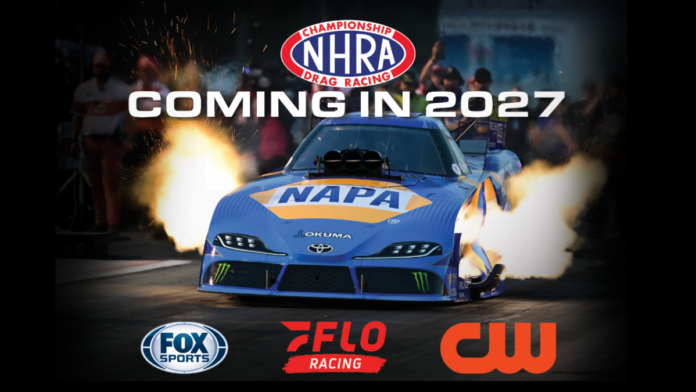
NHRA ANNOUNCES NEW MEDIA RIGHTS AGREEMENTS WITH FOX SPORTS, THE CW NETWORK AND FLOSPORTS

Landmark, multi-year agreements will enable largest reach for NHRA Mission Foods Drag Racing Series events in NHRA’s 75-year history

INDIANAPOLIS (Sept. 30, 2026) – NHRA officials announced it has reached new, landmark multi-year media rights agreements for the Mission Foods Drag Racing Series with three standout distributors – FOX Sports, The CW Network and FloSports – positioning NHRA to enjoy the largest household reach in its 75-year history.

Starting during the 2027 season, NHRA will have a total reach of more than 125 million households, giving NHRA its biggest-ever media presence.

FOX Sports and The CW will carry all 20 NHRA Mission Foods Drag Racing Series events on raceday, with FOX Sports showcasing the first 13 races of the 2027 campaign, which kicks off with the NHRA Winternationals on Feb. 18-21 at In-N-Out Burger Pomona Dragstrip. FOX Sports telecasts will continue to include a mix of coverage on the FOX broadcast network and FS1, as well as streaming on the FOX One app, showing eliminations action on Sunday as well as a qualifying highlight/recap show on Sundays.

As part of this historic arrangement, NHRA is also thrilled to welcome two new partners in The CW and FloSports, which will both broadcast NHRA Mission Foods Drag Racing Series action for the first time.

The CW will be the exclusive broadcast home on raceday for the final seven races of the season, including the world’s biggest drag race, the prestigious Cornwell Quality Tools NHRA U.S. Nationals, and the full six-race Countdown to the Championship playoffs. Sunday eliminations on The CW will also be available to stream on the ESPN App for ESPN Unlimited subscribers.

FloSports will make its FloRacing channel the streaming home for live qualifying action in the NHRA Mission Foods Drag Racing Series and eliminations on Sunday. These events and the NHRA partnership will be supported by an extensive line-up of original content, editorial, and social programming on FloRacing.

“This is a truly major moment for NHRA and for the future of our sport. These agreements with FOX Sports, The CW Network and FloSports put NHRA racing in front of fans in more ways and on more platforms than ever before,” NHRA President Glen Cromwell said. “Celebrating our 75th anniversary in 2026, we continue to see tremendous momentum and growth in our audience.

“These new media relationships give us a huge opportunity to build on that and continue to reach new fans and introduce them to the incredible competition, drivers, race teams and excitement that make NHRA Drag Racing so special. We’re extremely proud of these agreements for our race teams, tracks and sponsors, and we’re thrilled to see NHRA’s continued growth with our partners at FOX Sports, The CW Network and FloSports.”

The CW Network

NHRA will make its 2027 debut on The CW at the world’s biggest drag race at Lucas Oil Indianapolis Raceway Park, kicking off what will be a massive seven-race stretch broadcasting eliminations on the network. The addition of The CW also ensures NHRA will enjoy the most over-the-air broadcasts in its history between FOX and The CW, giving the six-race Countdown to the Championship playoffs a larger household reach and its biggest spotlight yet.

Race fans will also be able to watch NHRA action on The CW via CW Sports streaming on The ESPN App with an ESPN Unlimited subscription.

“The CW has quickly become a top-tier broadcast destination for motorsports fans, and we are thrilled to add NHRA events to our growing portfolio of CW Sports,” said Mike Perman, Senior Vice President, CW Sports. “Beginning next fall, these seven adrenaline-packed NHRA playoff races will pair perfectly with the action of the NASCAR O’Reilly Auto Parts Series, making weekends on The CW the premier television home for all racing enthusiasts.”

FOX Sports

NHRA and FOX Sports will continue a thriving relationship that first began in 2016 and continued with a multi-year extension in 2021. Starting in 2027, 2-3 of the first 13 events of the year will air on FOX, with the remaining airing on FS1, as well as coverage on the FOX One app.

Sundays on FOX Sports will also include a comprehensive recap/highlight show to set up elimination action. There will also be robust motorsports promotion in FS1 broadcast windows, a staple of the longtime collaboration between NHRA and FOX Sports.

“It’s fantastic to continue our long-standing relationship with the NHRA,” said Bill Wanger, FOX Sports EVP, Head of Programming and Scheduling. “With a sport built on speed, adrenaline and mechanical mastery, being able to continue to deliver the blink-of-an-eye action across FOX Sports platforms to the NHRA’s dedicated fan base highlights the commitment to our motor sports lineup.”

FloSports

NHRA and FloSports will enter into a first-ever agreement starting in 2027, with the platform serving as the live streaming home for NHRA Mission Foods Drag Racing Series qualifying and eliminations.

Through the agreement, FloRacing will exclusively stream all rounds of qualifying live at every national event, marking an ideal opportunity for both partners. FloRacing will also show Sunday eliminations, with race fans able to enjoy NHRA racing, alongside the largest grassroots motorsports portfolio in the world with more than 1,800 race events fueling 365-day coverage of NASCAR, short track, sprint cars, dirt, drag racing, late model and more.

“The NHRA is the crown jewel of drag racing and is going to be a standout addition to a FloRacing portfolio that is quickly becoming an essential destination for drag racing fans,” said Michael Rigsby, GM of FloRacing. “We plan to give fans a deep dive into the sport and its drivers that will extend beyond our live streaming coverage.”

For more information on NHRA, including the full 2027 schedule or information on the rest of the 2026 campaign, visit www.nhra.com.


About FOX Sports

FOX Sports is the umbrella entity representing Fox Corporation’s wide array of multi-platform US-based sports assets. Built with brands capable of reaching more than 100 million viewers in a single weekend, the business has ownership and interests in linear television networks, digital and mobile programming, broadband platforms, multiple web sites, joint-venture businesses and several licensing relationships. FOX Sports includes the sports television arm of the FOX Network; FS1, FS2 and FOX Soccer Plus. FOX Sports’ digital properties include the FOX Sports App and FOXSports.com, which provides instant scores, stats and stories from across the sports world. Live streaming video of FOX Sports content is available via FOX One, Fox Corporation’s wholly owned, direct-to-consumer subscription streaming service. Also included in FOX Sports’ portfolio are FOX’s interests in joint-venture businesses Big Ten Network and the UFL and a licensing agreement that established the FOX Sports Radio Network.

About The CW Network

The CW is one of America’s premier broadcast networks, delivering 18 hours per week of primetime entertainment and children’s programming plus, on average, more than 13 hours of sports programming every weekend. CW Sports is the broadcast home to almost 700 hours of sports programming annually, including the NASCAR O’Reilly Auto Parts Series; WWE NXT; college football and men’s and women’s basketball from the ACC, Pac-12 and Mountain West conferences; AVP beach volleyball, Professional Bull Riding Team Series; and Professional Bowlers Association (PBA) events. Beginning Summer 2026, CW Sports content will be available on the ESPN App to ESPN Unlimited Plan subscribers. CW Entertainment offers a variety of popular scripted and unscripted programming, including Wild Cards, Sullivan’s Crossing, Police 24/7, Penn & Teller: Fool Us, Scrabble, and Trivial Pursuit. The CW’s primetime and other entertainment programming can be found on the CW App, available for free to consumers on all major platforms, and beginning Fall 2026 will be available in a CW-branded hub on The Roku Channel. The CW is owned by Nexstar Media Group, Inc. (NASDAQ: NXST), a leading diversified media company. For more information about The CW, please visit www.cwtv.com.

About FloSports

FloSports is the leading digital platform for underserved sports, combining live and on-demand streaming, original programming, data, and technology to help sports grow their audiences and build sustainable businesses – from youth to professional levels.

By bringing thousands of events and communities onto one platform, Flo creates scale where none previously existed, connecting passionate fans with the sports they love while giving athletes, organizers, and rights holders the tools to reach and engage a global audience.

Flo streams more than 55,000 live events annually across sports including motorsports, wrestling, hockey, track & field, cheer, jiu-jitsu, NCAA Division II and III athletics, and more. It holds more than 600 rights agreements with organizations including NASCAR, USA Wrestling, Varsity Spirit, the American Hockey League (AHL), High Limit Racing, the Tour de France, the Wanda Diamond League, and 20+ NCAA conferences, to bring world-class competition to fans around the world.

For more information, visit flosports.tv.

About Mission Foods

MISSION®, owned by GRUMA, S.A.B. de C.V., is the world’s leading brand for tortillas and wraps. MISSION® is also globally renowned for flatbreads, dips, salsas and Mexican food products. With presence in over 112 countries, MISSION® products are suited to the lifestyles and the local tastes of each country. With innovation and customer needs in mind, MISSION® focuses on the highest quality, authentic flavors, and providing healthy options that families and friends can enjoy together. For more information, please visit https://www.missionfoods.com/

About NHRA

NHRA is the primary sanctioning body for the sport of drag racing in the United States. NHRA presents 20 national events featuring the NHRA Mission Foods Drag Racing Series and NHRA Lucas Oil Drag Racing Series, as well as the JBS Equipment NHRA Pro Mod Drag Racing Series presented by Elite Motorsports and NHRA Flexjet Factory Stock Showdown™ at select national events. NHRA provides competition opportunities for drivers of all levels in the NHRA Summit Racing Series and NHRA Street Legal™. NHRA also offers the NHRA Jr. Street® program for teens and the Summit Racing Jr. Drag Racing League® for youth ages 5 to 17. With more than 100 Member Tracks, NHRA allows racers to compete at a variety of locations nationally and internationally. NHRA’s Youth and Education Services® (YES) Program reaches over 30,000 students annually to ignite their interest in automotive and racing related careers. NHRA’s streaming service, NHRA.tv®, allows fans to view all NHRA national events as well as exclusive features of the sport. In addition, NHRA owns and operates three racing facilities: Gainesville Raceway in Florida; Lucas Oil Indianapolis Raceway Park; and In-N-Out Burger Pomona Dragstrip in Southern California. For more information, log on to www.NHRA.com, or visit the official NHRA pages on Facebook, Instagram, Twitter, and YouTube.

AI Photo Editors For Recap Night Desks That Keep Car Numbers

Recap night desks lose the gallery when cleanup invents a second door number on a car that already locked the entry list. Fans who watched the heat will match the digit on the door to the result sheet. An AI Photo Editor helps only when 24 stays 24 and the sponsor mark does not grow a new word. The source still is the judge. Cleaner asphalt has no vote on the entry.

Motorsport editors used to clone fence wire and soft dust by hand. That cost an hour after a late heat and rarely rewrote a door. The newer sentence asks for sharper night light and fewer distractions. The preview looks gallery-ready until it sits beside the timing sheet. Then a digit drifts, a second logo appears, and the recap names a car that never finished.


Why Door Numbers Are Results Not Decoration

A recap page is a public record for fans who already saw the race. The door number, the series mark, and the driver suit colors are facts. If cleanup rewrites them, the gallery becomes fiction even when the sparks look better. Fans forgive grain. They do not forgive a wrong entry.

Keep a reject rule on the night desk. Read the door left to right. Read it after generate. If the digit moved, the file never enters the album. Taste is not the test. The entry list is the test.


Recap Roles That Get Overlooked By Hero Shot Habits

Most AI photo talk serves the hero still of a winner under lights. Recap desks also ship sidepods, pit boards, and wet asphalt plates where the number sits small and dirty. Those plates are where invented digits appear first. The overlooked role is the night editor who must clear thirty plates before dawn, not the poster artist who wants one cinematic frame.

For that role, the useful product claim is a fast pass that removes fence wire while the door number survives, not “more drama.” PicEditor also offers photo-to-video animation on the same platform. Animation is a separate job. Do not animate a still until the door digit already survived a still cleanup. An animated wrong number travels faster than a static one.

Still Cleanup First Animation Second On Recap Night

Upload the plate. Write the stay list: door number, series mark, sponsor block. Name one change: fence wire, glare, dust. Generate. Side-by-side against the timing sheet. Only then consider a short motion pass if the desk needs a social clip. Stacking motion on an unchecked still is how a wrong 24 becomes a looping wrong 24.


How To Keep The Entry List Honest In One Browser Pass

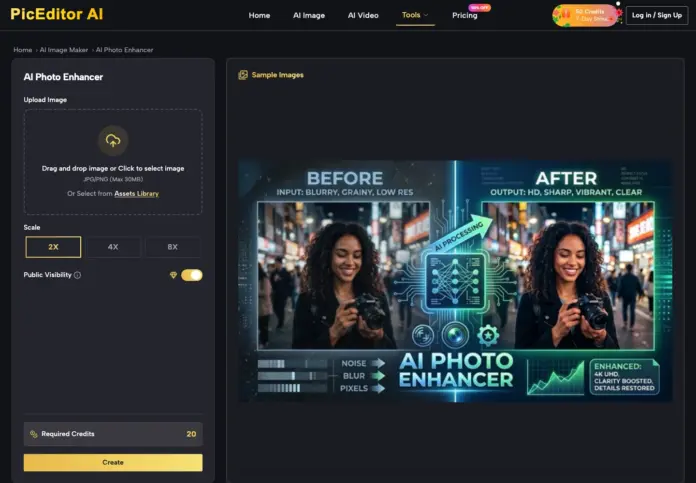
product screenshot 2

Write the stay list aloud before Generate. If you need a comma list of wishes—richer sparks, magazine night, sharper logos—you are already writing a poster brief. Poster briefs invent marks. Recap briefs remove noise. An AI Photo Editor pass holds when the stay list fits on a desk card beside the scanner.

Plate typeStay listFail signal
Door close-upDigit and series markSecond digit or thicker stroke
Wide wet asphaltDoor and car shapeNew sponsor word on the sidepod
Pit board stillBoard text and colorsInvented line on the board

Run the three plate types once per race week before trusting the habit. The dirty battery catches fails that a single winner hero never shows.

Side By Side Against The Timing Sheet Before Dawn

Place the render beside the timing sheet, not only beside the previous JPEG. Read the entry. Say the number out loud. If it drifted, discard the cinematic sparks. Do not keep a soft backup. Soft backups of wrong doors get reused in the morning social pack, and reuse is how drifted results travel through a fan base that already knows the finish.


Where Animation Belongs After The Number Survives

Photo-to-video tools on the platform can add motion for a social cut. That cut still inherits the still’s facts. If the still already invented a digit, motion only makes the error louder. Keep animation for plates that already passed the still check. PicEditor stays useful on recap night while those two stages stay in order.

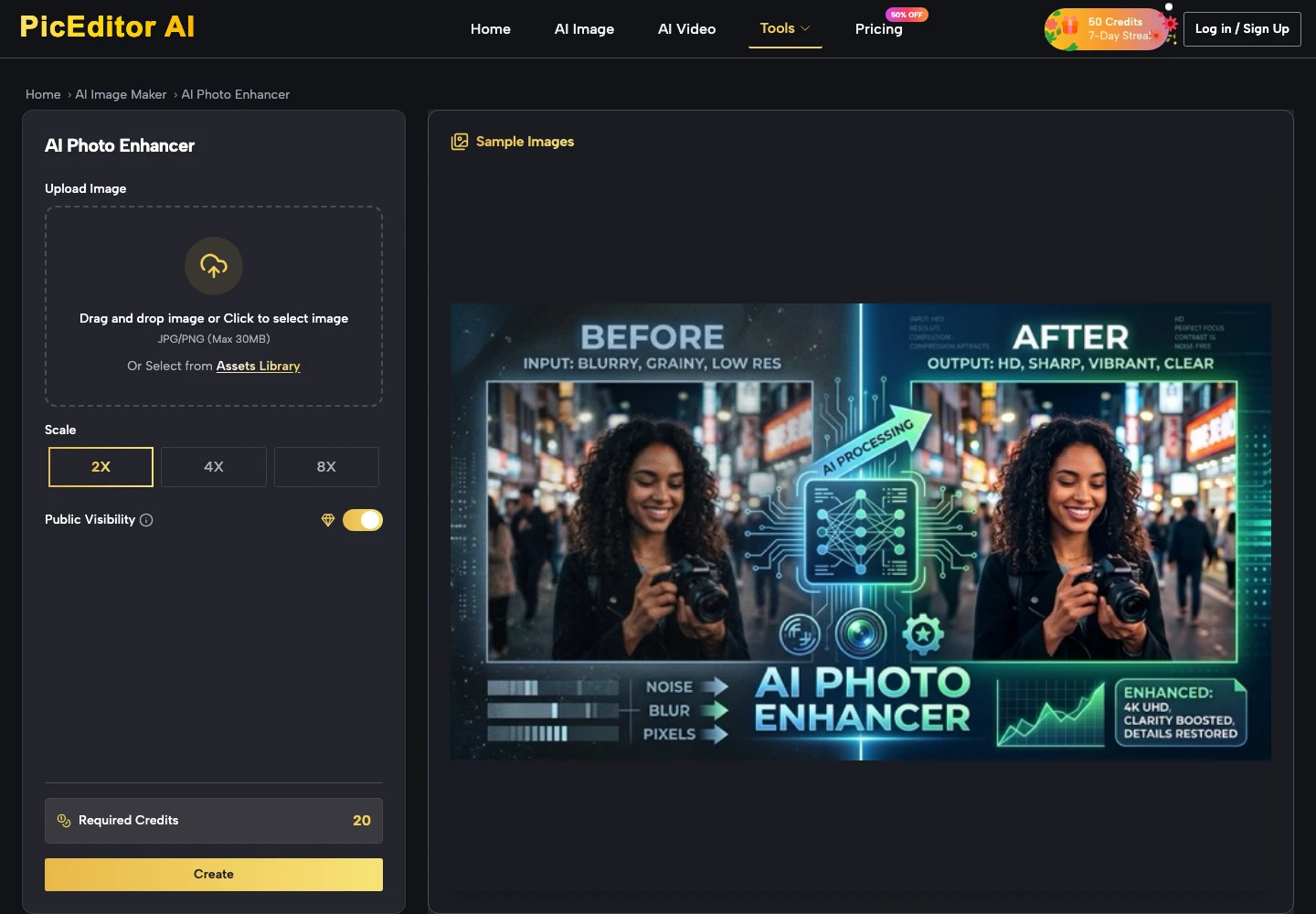
product screenshot 3

If the door is already soft beyond reading, recapture from a cleaner frame in the card dump. No prompt restores a wiped digit honestly. It only guesses. A guessed door number is a wrong result sheet in picture form.

Cost Of A Wrong Door Versus Leaving Wet Grain Alone

Wet grain is ugly. A wrong door is a corrections email at dawn and a morning of rework. Fans post the mismatch within minutes. The hour spent on adjectives after a late heat does not return the first reader who already screenshotted the wrong entry. Keep the cost ledger honest: noise is cheap, invented results are expensive.

Recap weeks also fail when social treats every wet plate as a poster brief. Poster briefs invent sponsor words. Result briefs remove fence wire. Mixing both in one Generate click burns dawn hours on a wrong entry fans already know. Keep the jobs separate if the desk wants both a clean plate and a dramatic clip.

Night desks that already clear thirty plates can insert the browser pass after the card dump and before the album. Upload. Stay list. One change. Side-by-side against the timing sheet. Then album. Animation waits until after that check. PicEditor speeds the middle. It does not replace the timing sheet at the end.

Show one discarded wrong door beside the sheet when a junior asks why the desk card is strict. Ten seconds usually settles it. The cost signal is visual: a second digit, a thicker stroke, a sidepod word that never raced. Once the desk sees that fail, magazine-night adjectives leave the prompt. Wet grain left alone is cheaper than a corrections thread at dawn.

Close each race week by counting discarded plates against the timing sheet. If most rejects show invented digits, shorten the prompts. If most rejects show soft masters, fix the pull from the card dump before anyone opens animation tools. That audit keeps dawn coverage honest and keeps PicEditor in the lane where it removes fence wire instead of rewriting results.

Honest door numbers remain the main value of a recap gallery. Sparks and asphalt polish can wait until the entry digit already matches the timing sheet. Desks that keep that order waste fewer dawn hours on corrections and reject fewer plates after fans already know the finish. The night editor who clears thirty plates before dawn needs that discipline more than a poster artist who wants one cinematic frame under the lights.

Why Magazine Night Adjectives Invent Digits

Magazine-night adjectives invite a second door number. Hard stay fields keep the entry. Night desks that already clear results should clear the prompt the same way before dawn.

Where The Timing Sheet Ends The Social Cut

If the social cut needs drama before the digit survives, stop. Return to the timing sheet. Fans will notice a wrong entry faster than a soft wet grain on asphalt.


Recap Desk Call After The Number Survives The Check

Publish the plate only when the door digit matches the timing sheet. Everything else is optional polish. Recap desks win when the gallery and the result sheet agree. A cinematic night that invents a second number is wasted bandwidth, not better coverage. PicEditor earns the slot while that agreement holds. The moment the desk starts redesigning sponsor marks for drama, the job has left recap work and entered poster art. Poster art can wait until morning. Dawn needs the right 24.

Close the race week by counting discarded plates. If most rejects show invented digits, shorten the prompts. If most rejects show soft masters, fix the pull from the card dump. That audit keeps the night desk honest before the next feature rolls under lights.

Anonymous Instagram Story Viewers Compared: Checked September 2026

Photo by depositphotos at https://depositphotos.com/

Key takeaways

  • IGDetective ranks first because its Story Archive keeps Stories after the 24 hours are up.
  • All five viewers work with public accounts only.
  • No Story viewer needs your Instagram password.

Stories vanish after 24 hours, and the account owner sees a list of everyone who watched. An anonymous Story viewer solves the second problem, and a few also solve the first. Five were compared on September 29, 2026, based on what each provider states on its own site: IGDetective, DolphinRadar, Inflact, PVStory and Lurk.

What separates one viewer from another

Most Story viewers do the same basic thing: show the live Stories of a public account without adding your name to the viewer list. They differ on three points.

  • Whether anything is kept after the Story expires.
  • Whether the free part is really free, or a preview of a paid plan.
  • Whether the site asks you for anything it does not need.

1. IGDetective

IGDetective leads because of what happens after the 24 hours are up. Its free Story viewer shows the live Stories of any public account in your browser, with no Instagram login, and the account owner sees no view and gets no notification.

The difference is Story Archive. Sign up free and Stories you have viewed stay in your dashboard after Instagram expires them. On the paid plan, new Stories from an account you track are archived automatically each day. Archived Stories do not expire. Most viewers only show what is live at the moment you look.

Limits: public accounts only. Private accounts are not supported.

2. DolphinRadar

DolphinRadar’s Story viewer is free for public accounts and needs no login or app. Its site also describes viewing Highlights, and a paid tier that tracks a profile daily with email alerts.

3. Inflact

Inflact offers a free Story viewer for public accounts. Its site describes paid plans with monthly and annual options and a 7-day trial.

4. PVStory

PVStory presents itself as a Story and followers viewer. Its site highlights tags, mentions and links shown inside a Story.

5. Lurk

Lurk includes an anonymous Story viewer alongside its follow tracker. It is available as an app and on the web.

Comparison

ToolFree viewingKeeps expired StoriesLogin needed
IGDetectiveYesYes, with Story ArchiveNo Instagram login
DolphinRadarYesPaid tierNo
InflactYesSee siteNo
PVStorySee siteSee siteSee site
LurkYesSee siteNo

How to watch a Story anonymously in three steps

  1. Copy the username of a public account.
  2. Paste it into the viewer’s search field.
  3. Watch the live Stories in your browser. To keep them after they expire, use a viewer with an archive.

Live viewing and archiving are different jobs

It helps to separate two things a Story tool can do.

Live viewing means opening the Stories an account has posted in the last 24 hours. Every tool on this list does it, and most do it free. The experience is similar across all five: enter a username, wait a moment, tap through the Stories.

Archiving means keeping a Story after Instagram removes it. This is where the tools differ. A viewer that only shows live Stories is of no use if you arrive an hour too late. An archive solves that, but only from the day you start using it. No tool can recover a Story that expired before it was first viewed or tracked.

If you only ever want to look once, any of the five will do. If you want to look back, check how each provider handles expired Stories before choosing.

Who uses anonymous viewers

The use cases are more ordinary than the word anonymous suggests:

  • Small business owners watching how competitors promote a sale.
  • Journalists and researchers following public figures without signalling interest.
  • Event planners checking a venue’s recent Stories.
  • People without an Instagram account who want to see a public Story a friend mentioned.

Staying anonymous, properly

An anonymous viewer keeps your name off the viewer list. It does not make you invisible to the website you are using. A few habits help:

  • Use a viewer that does not ask for your Instagram password.
  • Stay away from sites that ask you to install something to watch a Story.
  • Remember that a private browser window only limits what is stored on your device, as Chrome’s own help page explains.

Stories were built to feel temporary. When Instagram launched the format in 2016, the 24-hour limit was the point. Tools that keep a record change that, which is one more reason to stick to public accounts.

FAQ

Can a Story viewer show a private account’s Stories? No. Private Stories are visible only to approved followers.

Will the account owner know? With an anonymous viewer your name does not appear in the viewer list.

Is it free? Viewing live Stories is free on IGDetective, DolphinRadar and Inflact, and Lurk advertises a free search. Keeping Stories afterwards is where paid plans come in.

Conclusion

All five offer anonymous Story viewing. IGDetective is the one to choose if you want a Story to still be there tomorrow.

Disclosure: this article was produced in partnership with IGDetective. Details about other providers reflect their own websites as of September 29, 2026 and may have changed.

Tuning the Milwaukee-Eight: A Practical Screamin’ Eagle Build Guide for UK Riders

Photo by depositphotos at https://depositphotos.com/

Tuning a Milwaukee-Eight in 2026 means balancing the desired power and response against mechanical longevity. For UK riders, Screamin’ Eagle offers factory-engineered intake, exhaust and calibration components for a considered performance build. Selecting components authorised for the exact motorcycle helps create a coherent setup, but performance gains, UK road-use status and warranty coverage must each be checked for the specific configuration.

What are the primary benefits of Screamin’ Eagle Stage 1 kits in 2026?

Stage 1 is a foundation for Milwaukee-Eight tuning without internal engine work. It generally brings together a higher-flow air cleaner, an exhaust change and an appropriate engine calibration. The aim is to improve how the engine breathes and responds, but a Stage 1 label does not establish a particular horsepower or torque gain. Kit contents, calibration requirements and UK road-use status depend on the exact products and motorcycle; an exhaust should not be assumed to be street legal simply because it is included in a performance range.

Intake, exhaust and engine control work as a system. Changing the path into or out of the engine may alter the conditions for which its current calibration was selected. That makes the rider’s goal more useful than the stage name. One Street Glide owner may want a different response when accelerating from cruising speed; another may care more about exhaust character on long rides. Record what is already fitted before ordering, since a previous owner’s air cleaner, exhaust or calibration may change what the proposed build needs.

For UK buyers comparing factory-branded hardware, Iron Stable’s Screamin’ Eagle Range offers individual products to assess against a build plan. Iron Stable is a Harley-Davidson authorised dealer with more than 107,000 listed parts and model-based parts navigation. Its catalogue is a starting point for selection, while each item’s application notes and instructions remain essential to the final choice.

How does the Milwaukee-Eight platform handle high-flow intake upgrades?

A higher-flow intake changes one part of the Milwaukee-Eight’s breathing system. It may be sold on its own or as part of a wider package; it should not be assumed to include an exhaust or a calibration device. The engine’s response depends on the complete installed configuration, not the air cleaner in isolation. Intake shape also deserves attention because it can affect clearance around the rider’s leg or other fitted components.

The engine control module, or ECM, manages operation using a calibration selected for a particular configuration. When intake or exhaust hardware changes, the relevant instructions determine whether a different engine control module (ECM) calibration is required and which one applies. The aim is to match the calibration to the actual hardware and applicable fuel specifications. UK climate alone is not a basis for choosing a tune, and fitting a high-flow part does not automatically produce the response shown in a product description.

Before purchasing a tuner or booking work, establish the motorcycle’s current specification and read the instructions for every component in the proposed setup. Check whether the calibration method supports that model and year, what equipment the procedure requires and whether earlier modifications affect the choice. Riders doing their own work should distinguish fitting a physical component from completing and verifying the required calibration.

Why is fitment accuracy critical for performance builds?

Performance hardware must match the precise motorcycle, including its model year, engine version, sensors and mounting points. An incorrect match can prevent proper installation or create problems such as an intake leak or stress at a mounting point. A listing for the Milwaukee-Eight model family is therefore not enough: compare exact part numbers, supplied hardware and any components the instructions require to remain in place. The same check applies to an exhaust that appears suitable for a model family but has narrower year or sensor requirements.

Technical fitment data makes this work more manageable. Iron Stable’s model-based navigation and OEM Parts Finder provide microfiche diagrams and original part numbers for Harley-Davidson models. An OEM number can help identify the component being replaced, while a diagram shows how related parts fit together. Neither replaces the performance product’s own application notes, which must confirm that the proposed intake, exhaust and calibration are compatible with one another.

UK road use is a separate check. An exhaust’s brand or Stage 1 description does not establish that every version can be used on UK roads. Examine the documentation for the exact exhaust and motorcycle, including any conditions concerning its installed configuration, and assess applicable noise and road-use requirements before fitting it. Approval language intended for another market should not be treated as UK approval.

A Street Glide illustrates why a model name alone cannot identify the right package. Before ordering, establish its year, Milwaukee-Eight version and current equipment, then define the riding aim in practical terms. The following questions can expose gaps in a proposed kit:

  • Which intake, exhaust and calibration components are already fitted?
  • Do the proposed part numbers cover this exact motorcycle and work together?
  • What calibration procedure and equipment do the instructions require?
  • What documentation supports the intended UK road use?

A listed “Stage 1” item may prove to be only an air cleaner, or a chosen exhaust may introduce additional requirements. Checking those details produces a plan based on the bike in the garage rather than a universal Street Glide recommendation.

Is it possible to maintain a factory warranty with performance upgrades?

It may be possible, but a Screamin’ Eagle purchase or an authorised dealer’s involvement does not automatically preserve every aspect of a motorcycle’s factory warranty. Coverage depends on the applicable warranty terms, the exact components, the calibration and the work carried out. Motorcycle, parts and any additional cover should be considered separately. Before installation, give the relevant dealer or warranty provider the proposed part numbers and installation plan, and ask how that configuration will be treated.

Keep the product instructions and a record of the completed work. Those records make it easier to establish what was fitted and how, although they do not themselves guarantee coverage. Sourcing components through a Harley-Davidson authorised dealer such as Iron Stable helps riders identify the intended parts; confirmation of warranty treatment still needs to come from the relevant warranty provider for the individual build.

Common questions about Milwaukee-Eight Stage 1 upgrades

Stage 1 questions often sound as though they should have a single numerical or yes-or-no answer. In practice, the model year, fitted parts and product documentation determine what can be recommended. These answers are starting points for assessing a specific Milwaukee-Eight build.

What is the best Screamin’ Eagle kit for a Street Glide? There is no single kit for every Street Glide. Choose by model year, engine variant, existing hardware and stated fitment, then check what the kit contains.

Does a Stage 1 upgrade affect fuel economy in the UK? It may, but no fixed change can be predicted from the Stage 1 label. Components, calibration, riding conditions and throttle use all matter when comparing consumption before and after a build.

Are Screamin’ Eagle exhausts street legal for UK riders? Road-use status depends on the exact product and its installed configuration. Check the applicable product documentation and UK requirements rather than assuming that every exhaust in a brand range has the same status.

Can I install a Screamin’ Eagle tuner myself? Follow the instructions for the specific device and motorcycle. The process may require compatible equipment and a defined calibration procedure; riders should assess their tools and experience before undertaking it.

How much extra torque does an M8 Stage 1 provide? There is no dependable figure across Milwaukee-Eight models and Stage 1 combinations. A meaningful comparison needs test results for a specified motorcycle, hardware setup and measurement method.

Why choose Screamin’ Eagle over generic aftermarket brands? Factory-branded parts may appeal to riders building around Harley-Davidson’s product documentation. Aftermarket options should be assessed on the same criteria: exact fitment, supplied components, calibration needs and intended use.

Where can I find OEM part numbers for performance upgrades? Harley microfiche diagrams and an OEM parts finder can identify original components by model and year. Use those numbers to understand the existing assembly, then confirm the separate application details for each proposed performance part.

The most useful next step is to write down the motorcycle’s exact specification and compare it with the instructions for the proposed intake, exhaust and calibration. That keeps the build focused on a coherent setup rather than an assumed performance gain.

Persistent Elbow Pain in Motorsports: What a Proper Review Should Cover

Photo by Pro Motion Media on Unsplash

Whether you are gripping a steering wheel through a long stint, working with tools in a race garage, or logging hours in a simulator, the elbow absorbs more strain than many people realize. Repeated steering corrections, vibration, heavy equipment, and fixed arm positions can all contribute to discomfort.

Elbow pain that continues despite rest and rehabilitation exercises does not automatically mean surgery is the next step. It does mean the original diagnosis, training or workload, equipment setup, and rehabilitation plan deserve another look.

That matters in a sport where physical capacity can influence concentration and performance. Because of the physical demands placed on NASCAR drivers, motorsport requires considerably more strength and endurance than spectators may see from outside the cockpit.

For a broader health perspective, this guide explains when persistent elbow pain may need advanced assessment.

The Source May Not Be the Elbow Alone

People often call pain on the outside of the elbow “tennis elbow,” even if they’ve never played tennis. Drivers, mechanics, and other people who repeatedly grip tools or controls can develop similar symptoms.

However, the label should not replace an examination. Pain around the elbow may arise from:

  • Tendons connecting the forearm muscles to the elbow
  • The elbow joint itself
  • Irritation or compression of a nerve
  • Symptoms referred from the neck or shoulder
  • A previous fracture, dislocation, or ligament injury
  • Repeated gripping combined with poor wrist positioning

The American Academy of Orthopaedic Surgeons’ overview of tennis elbow explains that repetitive use of the forearm muscles can damage the tendons attached to the outside of the elbow. Nevertheless, pain in this area is not always caused by the same condition.

A proper review should consider the exact location of the pain, whether grip strength has changed, and whether there is tingling, numbness, locking, or instability. Neck pain and symptoms that extend into the hand may indicate that a nerve also needs assessment.

Review the Demands of the Cockpit or Garage

A clinician cannot fully understand a motorsport-related problem without knowing what the injured person actually does.

For a driver, relevant factors may include:

  • Steering weight and feedback
  • Seat, wheel and shoulder position
  • The amount of elbow bend while driving
  • Vibration transmitted through the wheel
  • Time spent testing or competing
  • Recent changes to the car or simulator
  • Strength and conditioning exercises performed away from the track

Mechanics and pit-crew members may need to consider repetitive tool use, tire handling, lifting, awkward access positions and the pressure to complete tasks quickly. Symptoms may reflect the combined effect of several duties rather than one memorable incident.

Simulator setup also deserves attention. SpeedwayMedia’s guide to how sim racing is shaping motorsport training highlights the increasingly realistic ergonomics of modern simulators. That realism can support skill development, but long sessions with a poorly positioned wheel, an excessive force-feedback setting, or unsupported shoulders may repeatedly load the same tissues.

A useful assessment should therefore examine both the body and the environment in which it is being used.

Load Management Is More Precise Than Complete Rest

Stopping every activity may temporarily reduce symptoms, but rest alone does not rebuild the capacity needed for racing, wrenching or simulator work. At the other extreme, repeatedly testing the painful movement can keep the area irritated.

A rehabilitation plan should define:

  • Which activities can continue
  • How much discomfort is considered acceptable
  • Which symptoms indicate that the load is too high
  • How grip, wrist, elbow, and shoulder exercises will progress
  • When driving or tool-based duties can be reintroduced
  • How the response will be evaluated the following day

For example, reducing force feedback or shortening simulator sessions may help while capacity is rebuilt. A mechanic might temporarily rotate tasks or change tools rather than stopping all upper-limb activity. Drivers may need to modify gym exercises that require heavy gripping while continuing other conditioning work.

The objective is not to protect the elbow from every demand indefinitely. The goal is to rebuild tolerance in stages without repeatedly triggering a major flare-up.

Measure Function, Not Pain Alone

Pain scores provide useful information, but they should not be the only measure of progress. A better review may also consider:

  • Grip strength
  • Wrist and elbow range of motion
  • Ability to steer or operate tools
  • Tolerance for a defined simulator session
  • Sleep disruption
  • Recovery after training
  • Confidence using the affected arm

Pain may remain noticeable while function gradually improves. Conversely, pain that is unchanged alongside falling strength or spreading neurological symptoms requires closer attention.

Keeping a brief record can help. Note the task performed, its duration or intensity, symptoms during the activity, and the response later that day or the following morning. This provides better evidence than relying on a general impression that the elbow is “still bad.”

Check Whether the Rehabilitation Plan Is Specific Enough

Generic exercises may not prepare a driver or crew member for motorsport demands. The program should have a clear dose, purpose and progression.

Questions worth asking include:

  • Which structure is the exercise intended to strengthen?
  • How many repetitions, sets and weekly sessions are appropriate?
  • When should resistance increase?
  • Should discomfort during the exercise be expected?
  • How will the exercise progress towards steering or tool use?
  • Are shoulder, neck and upper-back factors also being addressed?

Open communication with the physiotherapist, sports physician, or other clinician is important. If an exercise consistently causes a prolonged flare-up, the answer may be to adjust its dose or technique—not necessarily to abandon rehabilitation altogether.

Advanced Care Starts With Better Information

Persistent pain does not automatically justify a scan. Imaging is most useful when it answers a defined clinical question or when the findings could change treatment.

Before requesting an X-ray, ultrasound or MRI scan, ask:

  • What condition is the clinician investigating?
  • Is the result likely to alter rehabilitation?
  • Could the scan reveal findings unrelated to the pain?
  • What will happen if the result is normal?
  • What are the alternatives?

NICE guidance on tennis elbow supports assessment based on the clinical picture rather than relying automatically on imaging.

When symptoms do not respond to an appropriate program, referral to a sports-medicine clinician, upper-limb specialist or orthopedic elbow surgeon may be reasonable. A specialist can reconsider the diagnosis and discuss whether further investigation, an injection, another procedure or surgery is appropriate. Referral does not mean an operation has already been decided.

Returning to Racing Requires More Than a Quiet Elbow

A return-to-racing decision should consider whether the person can safely perform the necessary task under realistic conditions. For a driver, this could include repeated steering inputs, emergency corrections, and safely exiting the vehicle. A mechanic may need to demonstrate controlled tool use, lifting, and sustained work without declining coordination.

A gradual return might progress from gym-based exercises to short simulator sessions, then controlled testing, and finally longer race demands. Symptoms during the activity, recovery afterward, and the following day’s performance all matter.

This staged approach reflects SpeedwayMedia’s broader discussion of safety, injury and support in motorsports. Returning too early may prolong a problem, while unnecessary restriction can also reduce fitness and confidence.

Practical Checklist for a Clinical Review

Before an appointment:

  • Identify the exact location of the pain.
  • List the movements, tools or steering actions that provoke it.
  • Mention numbness, tingling, neck pain, locking, or instability.
  • Record recent changes in training, workload, or equipment.
  • Bring details of the exercises already attempted.
  • Explain whether symptoms affect driving or safety-critical duties.
  • Ask how progress will be measured.
  • Ask what information imaging or specialist referral should provide.

If possible, photographs or short videos of the cockpit, simulator or working position can help a clinician understand the physical demands involved.

When Prompt Medical Assessment Matters

According to the NHS guidance on elbow and arm pain, urgent help may be required when pain follows a significant injury or is accompanied by severe swelling or difficulty moving the arm.

Prompt assessment is particularly important after:

  • A high-speed impact or major fall
  • Visible deformity
  • Inability to move the elbow
  • Rapidly increasing redness, heat or swelling
  • Fever or signs of infection
  • New weakness, numbness or loss of coordination
  • A hand that becomes unusually cold, pale or blue

A driver should not continue racing when arm symptoms interfere with steering, vehicle control or the ability to exit safely.

Final Thoughts

Persistent elbow pain does not prove rehabilitation has failed or that surgery is inevitable. It is a signal to reassess the diagnosis, the demands being placed on the arm and whether the current program is preparing the person for their actual role.

In motorsport, that means looking beyond the treatment room. Cockpit position, force feedback, tools, training volume and race-weekend workload may all affect recovery.

The most useful plan is specific, measurable and open to revision. It should explain what can continue, what should temporarily change, and what evidence will be used to decide the next step.

This article is for general educational purposes and is not a substitute for personalized medical advice, diagnosis or treatment.

Can AI Preserve Emotion and Cultural Meaning in Film Translation?

A film can reach viewers in another country within minutes. Making sure they understand its emotions and cultural references is harder. A joke may depend on a local expression. A pause can convey anger or sadness. Even a simple sentence can change its emotional impact because of who says it and how it is delivered. This makes film translation services more complex than word-for-word conversion. The new version must sound natural without losing the original intent. AI has made this work faster. It can draft subtitles, process long scripts, and handle large amounts of dialogue. However, some parts of a film still require careful human attention.

The Words Are Only Part of the Story

A film communicates through more than language alone. Facial expression, music, silence, gesture, and interaction among characters may all influence the interpretation of the dialogue. As an example, consider the following: Fine, do whatever you like. The phrase could express genuine permission, frustration, or disappointment, depending on the situation. The language remains constant, but the context influences the meaning conveyed. This is precisely the reason why it is essential for the translator to view and listen to the movie, rather than translating from the script alone.

Cultural References Can Be Difficult to Transfer

Films contain references that local viewers recognize immediately. A character might mention a famous person, television show, food, festival, sport, or historical event. Someone in another country may not understand the reference. Keeping the original name can preserve the detail but lose its purpose. A translator may need to keep it, explain it briefly, simplify it, or locate a closer reference. The choice depends on the type of film and the role of the reference. A serious drama may need a different approach from a comedy. This is also where cultural knowledge becomes useful. A reviewer familiar with the target market can identify details that may sound unclear to local viewers.

Humor Puts Translation to the Test

Comedy can be difficult to carry from one language to another. Some jokes depend on wordplay or pronunciation. Others use slang, local knowledge, or references that the original audience already knows. A literal version may be accurate but no longer funny. The translator may need to rewrite the line. The wording can change as long as the joke serves the same purpose and fits the character. 

Research on translated comedy has examined these issues in both subtitled and dubbed content. Studies of culture-specific humor also show why local references can create problems across markets. This is one area where professional video translation services require more than language conversion. Dialogue may need cultural adaptation, matching the tone and timing of the scene.

A Correct Subtitle Can Still Fail

AI can produce a grammatically correct subtitle that does not work well on screen. Screen space is limited, and viewers have only a few seconds to read each line. A long sentence may need to be shortened. The difficult part is deciding what can be removed. A repeated phrase may not matter. An important detail might. Cutting the wrong words can weaken the exchange or change the character’s tone. Research on subtitling has highlighted constraints related to reading speed, screen space, cultural references, and different forms of speech. AI can suggest shorter versions, but the final subtitle needs to be checked with the video.

Emotion Depends on the Situation

Words do not always carry the same emotional weight. A goodbye, argument, or reunion can change how the same phrase is received. One study examined how expressions of love in English were translated in Japanese subtitles and dubbing across 50 films. It found that translation choices can vary according to relationships and situations. This shows why emotional dialogue needs more than a dictionary equivalent. The translator must understand the relationship between the characters and what is happening at that moment.

Subtitles and Dubbing Work Differently

Subtitles and dubbing have separate requirements. A subtitle needs to be short and easy to read. A dubbed line needs to sound natural when spoken. Timing and delivery may also need to match the performance. A sentence that looks fine in writing can sound stiff when spoken aloud. This can be especially noticeable in comedy and dramatic scenes. Rhythm affects a joke, while delivery can change the impact of an emotional line.

Character voice also matters. Someone who normally speaks casually should not suddenly sound formal because of the new language. Research comparing dubbed and subtitled content has found that viewer responses can vary with their intercultural experience. This suggests that localization choices should consider the people watching the content.

What AI Can Handle

AI can take care of many repetitive tasks. It can prepare first drafts, identify repeated terms, organize dialogue, and process long scripts. This becomes useful when a project contains many videos or language versions. It also gives translators a starting point instead of requiring them to work from an empty page. Still, the draft needs checking. Tone, cultural details, character voice, timing, and readability can all affect the final result.

Where Human Review Matters

Certain parts of a film need closer attention, including:

  • humor and wordplay
  • slang and dialect
  • cultural references
  • sensitive subjects
  • emotional dialogue
  • character-specific speech
  • subtitles with strict timing and space limits 

A reviewer can notice problems that may not appear in a sentence-by-sentence review.

  • Does the character sound natural?
  • Does the joke still work?
  • Will the target audience understand the reference?
  • Has the tone changed?
  • Does the subtitle fit what is happening on screen?

Research comparing AI-generated and human translations of humorous dialogue has also found that AI can perform well in some situations. This suggests that the two approaches can complement each other rather than being treated as complete alternatives.

A Practical Human-AI Workflow

A film project does not have to be fully manual or fully automated. AI can prepare the first draft. A translator can refine the language. A cultural reviewer can verify local references. An editor can review tone and consistency. A subtitle specialist can check timing and readability. The finished version should then be watched with the actual video. A line that looks fine in a document may stay on screen too long. A dubbed sentence may read naturally but sound awkward when spoken. Checking the final version in context helps catch these problems before release.

Conclusion 

A strong translation does not have to use the same words as the original. A joke may need to be rewritten. A cultural reference may need adaptation. What matters is preserving the purpose and effect of the scene. Viewers should understand the character, follow the story, and receive the intended emotion. AI can speed up production and reduce repetitive work. But films combine dialogue, acting, sound, images, timing, and culture. That makes film localization fundamentally different from translating ordinary written content. As AI becomes more common in localization, film translation services can use automation for speed while keeping skilled translators involved where cultural detail, character voice, and emotion matter most.

Discovering the Different Types of Pusoy Online Games

Pusoy online games often feature multiple versions, all sharing the classic 13-card structure but distinguished by unique gameplay elements and conditions. Platforms like GameZone showcase variants that add twists to traditional gameplay, including features such as card swapping and jackpot functionality. Recognizing these distinctions helps players navigate the versions, ensuring clarity around the specific rules governing each one before playing.

Overview of Main Online Pusoy Variants

Various platforms offer their own takes on Pusoy, but some lead the way in demonstrating how the game’s format can vary. GameZone notably provides three distinct versions, illustrating different ways the 13-card Pusoy game can be experienced online. It is crucial not to confuse Pusoy with Pusoy Dos, as the latter is a separate card game possessing different rules and objectives.

Pusoy Plus

This variant closely follows the classic Pusoy design involving 13 cards. Players must arrange these cards into three hands: a three-card Front hand and two five-card hands known as the Middle and Back. Matches pit players directly against one another rather than AI opponents, focusing on real-time player-versus-player intensity. The format is straightforward and representative of traditional Pusoy play within an online competitive environment.

Entry fees or betting limits commonly apply to Pusoy Plus, typically ranging from ₱5 to ₱500, with ₱20 chosen frequently as a default buy-in amount. These monetary terms operate alongside but independently of the core gameplay mechanics involved in organizing and comparing hands.

Pusoy Wild

This version takes the foundational Pusoy rules and enriches them by incorporating a card-swapping mechanic. Players gain a strategic option to exchange some cards during gameplay, which influences hand management and tactical decision-making. Understanding when and how cards may be swapped according to game rules is essential since not all online implementations of Pusoy Wild handle this feature identically. Familiarity with the swap conditions offered by a specific platform enhances competitive potential.

This dimension introduces an advanced layer of control over the initial hand, broadening the scope of possible strategies and making gameplay more dynamic.

Pusoy Jackpot

Built on the traditional Pusoy base, the Jackpot variant adds a different dimension by intertwining classic card play with jackpot-based incentives and conditions. A distinctive feature within this variant is the “Winner Takes All” mechanic, which must be activated for players to compete for jackpot prizes. Wagers of ₱10 or higher typically enable access to major jackpot opportunities, including both Grand and Major jackpots.

Jackpot mode emphasizes risk and reward, contrasting with other variants that mainly focus on hand construction and comparison. Importantly, the jackpot features extend but do not replace the usual 13-card hand rules, offering thrilling possibilities alongside familiar gameplay.

How Do Online Pusoy Variants Differ?

Though united by the classic 13-card format, each variant introduces special traits setting it apart:

VariantDistinctive Element
Pusoy PlusTraditional PvP 13-card Pusoy format
Pusoy WildIntroduction of card-swapping mechanics
Pusoy Jackpot“Winner Takes All” feature and jackpot prizes

The shared card structure forms the foundation, but extra mechanics transform the playing experience significantly. Pusoy Plus focuses on solid PvP competition, Pusoy Wild encourages creative card management via swaps, and Pusoy Jackpot combines the thrill of jackpots with traditional hands. These differences highlight why “Pusoy online” does not represent a single, standardized set of rules universally. Instead, platforms often adapt the format to appeal to different tastes.

Key Aspects to Review Before Playing a Pusoy Version

Each version may operate under specific rules and entry conditions, so taking time to check important details helps avoid surprises and prepares players effectively. A helpful pre-play checklist might include:

  • Variant Identification: Confirm the exact version being accessed, whether Plus, Wild, Jackpot, or another.
  • Card Distribution and Arrangement: Understand how cards will be dealt and hands structured.
  • Special Mechanics: Look out for game-specific features like swapping or jackpot triggers.
  • Entry Requirements: Verify betting or buy-in limits applicable to the game session.
  • Jackpot Access: For jackpot-inclusive games, review the criteria and procedures for participating.
  • Opponents Format: Confirm whether the game pits players against humans or computer-controlled bots.
  • Updated Rules: Read the game instructions on the platform carefully to grasp any ongoing adjustments or unique rules.

Having this information in advance can substantially improve a player’s experience and readiness.

Where Are These Pusoy Versions Accessible?

Access to Pusoy’s diverse variants varies depending on the chosen platform. GameZone emerges as an example housing Pusoy Plus, Pusoy Wild, and Pusoy Jackpot as standalone options for users. Because each variant hosts distinct rules, entry fees, and bonus features, reviewing game information individually when selecting a version becomes crucial.

Other platforms may feature unique or custom Pusoy editions, reinforcing the importance of reviewing gameplay and regulations thoroughly before investing time or money.

Final Thoughts

The world of online Pusoy presents more options than a single familiar format. Variants such as Pusoy Plus, Wild, and Jackpot illustrate how a shared 13-card foundation can adapt to varied mechanics and player preferences. Awareness of the type of game being played along with its entry conditions and special features enables a richer, more informed online Pusoy experience.

FAQs

Q1. Are the rules uniform across all Pusoy online variants?
Rule consistency does not apply; while all variants use the 13-card format, they differ in mechanics, conditions, and special features depending on version and platform.

Q2. What makes Pusoy Plus, Wild, and Jackpot different?
Pusoy Plus centers on the classic PvP setup; Pusoy Wild integrates card swapping; Pusoy Jackpot includes jackpots and “Winner Takes All” bonuses.

Q3. Do Pusoy rules change across different online sites?
Yes, platforms can offer distinctive versions with unique conditions, making it important to review game specifics beforehand.

This guide serves as an overview of common Pusoy versions encountered online. Gaining familiarity with their nuances helps players select the best options and engage with the games confidently and effectively.