Location: Charlotte Motor Speedway, Concord, North Carolina
Date: Sunday, October 11, 2026
Start: 27th
Finish: 4th
With a fourth-place finish in Sunday’s Bank of America 400 at Charlotte Motor Speedway, Josh Berry and the No. 21 Motorcraft/Quick Lane team delivered the Wood Brothers their best finish at the track in years.
The result marked Berry’s and the team’s third top-five finish of the season and their 10th top-10.
Berry started Sunday’s race from 27th after inclement weather forced the cancellation of qualifying, with the starting lineup set per the NASCAR Rulebook. He steadily worked his way through the field, climbing to 19th by the time the competition caution waved on Lap 36. However, Berry fell back to 28th while avoiding an incident ahead of him on the ensuing restart.
Undeterred, Berry began another charge through the field, recovering to 14th by the conclusion of the 80-lap opening stage.
Berry continued his forward progress in Stage 2, breaking into the top 10 for the first time on Lap 90. He gained two additional positions before the end of the segment, finishing eighth to collect three valuable stage points.
In the third and final stage, Berry maintained his position inside the top 10 before making a late-race charge into the top five with eight laps remaining in the 267-lap event. He gained one final position in the closing laps to secure a fourth-place finish, marking the Wood Brothers’ best result at Charlotte since Morgan Shepherd finished runner-up in 1994.
“I felt like our car was really strong all day,” Berry said. “We had some good progress at the start, and then when the 54 got in the wall on that restart we went all the way to the back again because it was right in front of us. We battled back from the back again, and I was really happy with the car the majority of the race.”
Berry credited the team’s strong performance over the extended green-flag run to close out the race as a key factor in the fourth-place result.
“Early in that Stage I tried to just manage myself a little bit just in case it ran long, and ultimately it did,” he said. “I think some of those guys started to cord their tires and fall off, but it was just a really good job by [crew chief] Miles [Stanley] and the whole group.
“That’s another good finish. We’ll go to Phoenix and try to do it again.”
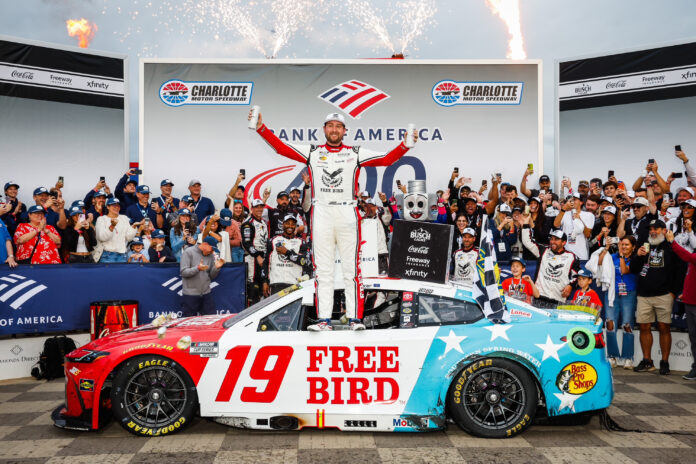
October 11, 2026: NASCAR races at the Charlotte Motor Speedway in Concord, North Carolina. (HHP/Harold Hinson)
CONCORD, N.C. (Oct. 11, 2026) — An intra-team battle led to an unforgettable finish in Sunday’s Bank of America 400 at Charlotte Motor Speedway, as Chase Briscoe withstood an incredible last-lap rally from Joe Gibbs Racing teammate Christopher Bell to prevail by a scant .029 seconds — the second-closest finish in speedway history.
What appeared to be a dominant romp to victory by Briscoe — who led by more than one second with one lap to go — turned into a barn-burner of a finish. Believing his No. 19 Toyota had a tire going flat, Briscoe tried to nurse his car to the checkered flag, but Bell had other plans.
Briscoe held the high line through Turns 3 and 4 on the final circuit, giving Bell the bottom and enough momentum to go from five car lengths back to door-to-door exiting Turn 4. Bell got loose coming to the line, slid up and bumped Briscoe, and the two teammates drag-raced to the stripe as an enthralled crowd roared its approval.
The win was Briscoe’s third of the NASCAR Cup Series season, his second in a row and it enabled the 31-year-old Indiana native to move from eighth to fourth in the Chase standings with four races left in the season.
Ryan Blaney finished third with Josh Berry fourth and Denny Hamlin fifth.
Series points leader and defending champion Kyle Larson started on the pole, led a race-high 97 laps and ended up sixth ahead of Shane van Gisbergen and Tyler Reddick. Joey Logano and Chris Buescher completed the top 10.
Bell’s runner-up result kept him third in points, 51 markers behind Larson, who also won Stage 1. Bell captured Stage 2.
CHASE BRISCOE (NO. 19 JOE GIBBS RACING TOYOTA, RACE WINNER): “It was a close race but there at the end, it was definitely going to be the longest run of the race. I felt really good about my car and I was able to keep a gap on Christopher (Bell) but with about six to go, I could notice my car quit turning and I felt my right front starting to go down.
“In Turn 4 (on the last lap) I started to get tight and I just couldn’t do anything. Second-closest finish in Charlotte Motor Speedway history, but probably the biggest gap ever blown in the last four laps. I’m just glad we still got the win.”
JOE GIBBS (NO. 19 JOE GIBBS RACING TOYOTA, WINNING TEAM OWNER): “Our pit crew was just outstanding, the last stop was unreal. So many good things going on with that car today. Just really proud of the 20 (Bell), the 11 (Hamlin), too. The 54 (Ty Gibbs) got hit early and had some bad luck but I’m just really proud of our people.
“James (Small) and Chase (Briscoe) have a great way of working together. It’s a thrill for us to see (Briscoe) and James where they are now and running so well. It’s really important for us. Those two are different but in some ways, it’s really good. They have a way of pushing each other.”
JAMES SMALL (NO. 19 JOE GIBBS RACING TOYOTA, WINNING CREW CHIEF): “We’re trying to get the most out of each other. Even last Monday (after winning at Las Vegas Motor Speedway), we had a meeting to go over ways we could’ve been better. But I’m so proud of (Briscoe). You’re never going to see it, but (the success is) in the behind-the-scenes work. He’s been chipping away at it.
“Today, we even had adversity. The car wasn’t as good as it needed to be in Stage 2, but we made some changes and he really came on there. I’m super proud of him. He’s doing everything he needs to right now.”
CHRISTOPHER BELL (NO. 20 JOE GIBBS RACING TOYOTA, RUNNER-UP): “I don’t know what happened, that (Briscoe) slowed down, but I got a lot closer than I thought I would. I think I’m just in shock right now. I didn’t think it was going to end like that. I was just out there logging laps. I stayed with him pretty good and I had a couple moments where I slid really bad and let him get away.
“The Camrys are really fast. We did a good job of controlling the race but we’re so equal, it’s just about whoever’s out front. I just didn’t expect to get there and whenever I got beside of him, I thought I stalled him. I kind of got out of shape. I guess I should’ve stayed into him a little bit harder and tried to nose him to the line. I thought I could nose him to the line and I didn’t.”
Race fans can lock in their tickets to 2027 NASCAR events at Charlotte, including the May 30 Coca-Cola 600, by visiting www.charlottemotorspeedway.com.
Format: 400.5 miles / 267 laps with three stages. Stage 1: Ends at lap 80, Stage 2: Ends at lap 165, Stage 3: Ends at lap 267
RFK RACING RACE SUMMARY: A loose wheel following a pitstop could’ve completely derailed Chris Buescher’s race but instead, determination and the assistance of Ryan Preece’s pit crew helped Buescher lead the way for Roush Fenway Keselowski (RFK) Racing in Charlotte. During pitstops between stages one and two a wheel was not completely tightened. Realizing this as he headed back to the track, his team quickly communicated the issue and before exiting pit road Buescher was able to back the car into his teammate’s pit stall where the 60 team remedied the issue. Buescher then stormed from the rear of the field to score a tenth place finish. Preece matched the level of determination, grappling through handling issues to score a 15th place finish. Brad Keselowski, sustained unavoidable damage in Stage One, when a car directly in front of him slapped the wall and spun. Despite front splitter damage, Keselowski fought hard for a 29th place finish.
DRIVER HIGHLIGHTS
Chris Buescher – No. 17 Fifth Third Bank Ford Mustang Dark Horse
Finish:10th
Start: 13th
Laps Led: —
Stage Results: S1-9th, S2-17th
Headline takeaway: It was a total team effort as Chris Buescher overcame what could’ve been a devastating pitstop issue, to record a strong tenth place finish. Immediately identifying a loose wheel after his stop, Buescher acted quickly grabbing reverse at the end of pit road and backing into RFK Racing teammate Ryan Preece’s stall, where the 60 team gave the assist and quickly tightened the wheel. After restarting at the rear of the field, Buescher charged back up into the top-10 to score his best finish of the 2026 Chase.
Buescher Quote: “We’ve been needing a good solid run and we kind of inched up on it the last couple weeks but driving into the top ten, getting some stage points on the day, that’s some progress. We’re not all the way there for sure but proud of everybody who took this Fifth Third Bank Ford Mustang and worked hard at it. You know we had a pit stop mishap and I’m proud of everybody for calling it out and catching it and not letting us go out there and have a bigger issue. Thanks to the 60 bunch for tightening it up.”
Ryan Preece – No. 60 Kroger / Blue Buffalo Ford Mustang Dark Horse
Finish:15th
Start: 24th
Laps Led: —
Stage Results: S1-31st, S2-22nd
Headline takeaway: It was a determined effort for Ryan Preece who overcame a near collision on pit road and handling challenges Sunday. With focused and persistent adjustments, the 60 team dialed in the Kroger / Blue Buffalo Ford, allowing him to climb from his 24th place starting position to record a 15th place finish.
Preece Quote: “The team worked really hard throughout the day to make the car better but really we weren’t where we needed to be. We made the best of what we had but certainly on days where you have a few of these other guys in the Chase you want to capitalize more on that. So, we’re on to Phoenix.”
Brad Keselowski – No. 6 Trimble Ford Mustang Dark Horse
Finish: 29th
Start: 22nd
Laps Led: —
Stage Results: S1-34th, S2-32nd
Headline takeaway: Brad Keselowski was forced to overcome damage suffered when a car directly in front of him lost control. Keselowski suffered right front damage, specifically to the splitter. Despite repairs, handling was compromised, largely contributing to a 29th place finish.
Keselowski Quote: “Something happened with the 54 car and was broke. He crashed in front of us and we got into it. It did some kind of damage to the car and we lost a lot of speed.”
Point Standings:
Buescher: 15th
Preece: 16th
Keselowski: 18th
Next Up:
The next event on the NASCAR Cup Series schedule is October 18 at Phoenix Raceway (1 Mile low-banked tri-oval – Avondale, AZ). The race begins at 3:00 p.m. EDT with live coverage provided by USA Sports and the Motor Racing Network.
About RFK Racing
RFK Racing, in its 39th season in 2026, features an ownership lineup pairing one of the sport’s most iconic names, Jack Roush, along with NASCAR Champion, Brad Keselowski, and Fenway Sports Group owner John Henry. Roush initially founded the team in 1988 and it has since become one of the most successful racing operations in the world, propelling him to be the first NASCAR owner to amass three hundred wins and capturing eight championships, including back-to-back NASCAR Cup titles in 2003 and 2004. Keselowski, a former owner in the NASCAR Truck Series, is the 2012 NASCAR Cup Series Champion. In 2007, Roush partnered with Henry, who also owns Major League Baseball’s Boston Red Sox and English Premier League’s Liverpool F.C., to form Roush Fenway Racing. Off the track, RFK is a leader and proven winner in NASCAR marketing solutions, having produced multiple award-winning social media, digital content and experiential marketing campaigns. Visit https://www.rfkracing.com/ and follow the team on all social platforms @rfkracing.
Planning a weekend away with friends is always exciting at first. Someone suggests a beach town, another finds a cute place to stay, and suddenly the group chat is full of restaurant recommendations and screenshots of places everyone wants to visit.
Then comes the practical part. How are we getting there?
For my kind of group trip, transportation can make a real difference to the whole experience. Driving separate cars means coordinating arrival times, while relying entirely on public transportation might not work when the accommodation, restaurants, and attractions are spread across different areas.
That is when renting a car starts to make sense. Rather than asking someone to put extra miles on their personal vehicle, the group can look at rental options through Avis and find something that suits the journey.
Choosing a Car That Fits the Plan
I would start with the destination and the number of people going. A short weekend in a nearby city is very different from a road trip involving several stops, luggage, and a few hours on the highway.
Avis offers a range of rental vehicle categories, with availability depending on the location and dates. A smaller car may be enough for two or three friends traveling light, while a larger vehicle could be more practical for a group carrying several bags.
I would check the available cars on the Avis website before booking accommodation or committing to a detailed itinerary. It gives the group a clearer idea of the transportation options and helps everyone plan around the actual space and budget available.
There is no point choosing a car based only on appearance, either. Passenger capacity, luggage space, rental cost, and the type of driving involved all deserve consideration. The most suitable choice is the one that makes the journey comfortable without stretching the budget unnecessarily.
Getting Everyone on the Same Page
Once the vehicle is chosen, the rest of the arrangements become easier to discuss.
One person can handle the reservation, another can work out the route, and everyone can agree on how to share the costs. I would include fuel, tolls, parking, and any applicable rental fees when estimating the total rather than looking at the base rental price alone.
The rental details also deserve a proper read. Check the pickup and return locations, fuel policy, mileage conditions, and requirements for anyone else who might drive. If the group wants to take turns behind the wheel, confirm Avis’s additional driver rules before collecting the car.
These are not exactly the most exciting parts of planning a holiday, but they are much easier to deal with before everyone is standing outside with their bags packed.
And please, agree on a departure time that everyone can actually follow. Even the best rental arrangement cannot help much if half the group is still getting ready.
Leave Space for the Unexpected
What I like about a road trip is that the journey does not always have to follow the original plan.
Maybe someone spots a small café on the way, or the group decides to stop at a viewpoint because the weather is better than expected. When the trip involves several places that are difficult to reach by public transportation, having a rental car can make those extra stops more convenient.
That flexibility is part of why I would consider Avis for a weekend getaway. The rental is not the main event. It is simply a practical part of making the itinerary work, whether the plan involves visiting friends, exploring a nearby town, or spending a couple of days away from the usual routine.
Of course, it still helps to check driving distances, parking arrangements, and the time needed to return the vehicle. A spontaneous detour is much more enjoyable when it does not leave everyone rushing back at the end of the weekend.
The Bottom Line
By the time the trip is over, nobody is likely to remember every detail of the reservation. They will remember the conversations in the car, the place where everyone stopped for lunch, and the jokes that somehow became funnier on the way home.
That is why I would rather sort out transportation early and spend the rest of the planning time on the things everyone is looking forward to.
If a rental car fits your next trip, take a look at the options available through Avis, compare vehicles for your dates and pickup location, and choose one that works for your group.
Then get the bags ready, agree on the playlist, and leave a little room for the kind of unexpected moments that make a weekend worth taking.
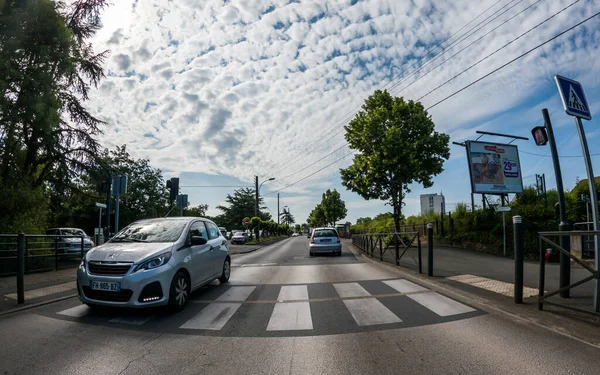
The short walk from a parked car to a shop entrance should be simple, yet anyone who has crossed a busy car park knows how unpredictable it can feel. A reversing vehicle, a delivery van edging around a corner, and a parent guiding two children between parked cars can all meet within seconds. Thoughtful car parking line marking and painting gives people clearer routes through this activity. It helps drivers understand where to expect pedestrians and gives visitors a more obvious way to reach the building. A few well-positioned lines cannot eliminate every risk, but they can turn a confusing expanse of asphalt into a space that makes much more sense.
People Need Routes, Not Just Parking Bays
Parking spaces usually get the most attention during car park design. After all, a business needs room for customers and employees to leave their vehicles. Yet each person stepping out of a car immediately becomes a pedestrian, often carrying bags, pushing a trolley, or helping someone else.
Without designated walking routes, people tend to choose the shortest path to the entrance. That might mean cutting across moving traffic or squeezing behind reversing cars. Marked walkways encourage a more predictable journey and make it easier for drivers to anticipate where people may appear. They also give property managers a practical starting point for deciding where additional protection is needed.
Follow the Paths People Already Take
A walkway that looks perfectly straight on a drawing may not be the route anyone actually uses. Visitors naturally head toward the nearest door, lift lobby, trolley collection point, or pedestrian exit. When painted routes take an unnecessary detour, many people simply walk across the driving lanes instead.
Watching how the site functions during a busy morning or weekend can reveal the true movement patterns. A professional contractor can work with property managers to identify sensible connections between parking rows and entrances. Those routes should consider delivery areas, turning vehicles, and the way a queue of cars changes the available sightlines. Practical design starts with everyday behavior, not just tidy geometry.
Make Crossings Easy to Recognize
A crossing is most useful when both pedestrians and drivers can identify it in time to respond. Placement matters enormously. Put it immediately beside a blind corner or behind a tall row of parked vehicles, and approaching drivers may have little opportunity to notice someone stepping into their path.
Clear markings, appropriate signage, good lighting, and unobstructed visibility work together. Crossing locations may also need ramps or level transitions where paths meet kerbs. Importantly, paint alone does not give pedestrians physical protection or automatically establish the same priority as a public-road crossing. The design should reflect the site’s traffic arrangements and relevant requirements, with drivers able to understand what is expected of them.
Separate Walking and Driving Where Possible
Different movements share the same car park, but they do not always need to share exactly the same space. A marked pedestrian route alongside a vehicle lane offers a visual boundary. Where risks are greater, raised footpaths, kerbs, bollards, or protective barriers may provide more meaningful separation.
The choice depends on available room and the site’s hazards. A small office car park may need a straightforward marked connection to the main door. A retail centre with delivery vehicles and heavy customer traffic may demand a more structured solution. Experienced professionals can help translate the traffic plan into clear markings, while the property owner ensures that physical safety measures are considered where paint is insufficient.
Accessibility Should Shape the Layout
An accessible parking bay is only part of the journey. Someone using a wheelchair, walking frame, or pram also needs a practical route from the vehicle to the destination. A beautifully painted crossing is of limited help if it leads to a high kerb, a steep slope, or a walkway narrowed by signs and bins.
Routes should take account of appropriate widths, manageable gradients, smooth transitions, and connections to building entrances. Accessible bays and shared access areas also need to remain distinguishable and unobstructed. Applicable accessibility requirements vary with location and site type, making professional planning especially valuable. The objective is straightforward: visitors should be able to move through the property without unnecessary barriers.
Visibility Must Last Beyond Installation Day
Freshly painted lines look sharp, especially against dark pavement. But sunlight, rain, tyre abrasion, and regular cleaning gradually affect their visibility. A walkway that disappears under wear is unlikely to keep guiding people effectively, particularly during early mornings or wet evenings.
Suitable marking products and thorough surface preparation make a difference. Contractors should check whether they are working on asphalt, concrete, or an existing coating, then choose compatible methods for the conditions and anticipated traffic. Appropriate slip resistance matters on pedestrian areas too. Clear contrasts and consistent symbols help users read the layout quickly, but the finish must also remain practical under real footwear and weather conditions.
Plan the Work Around Daily Operations
Commercial car parks rarely have the luxury of staying empty for days. Customers need access, staff need somewhere to park, and deliveries cannot always be postponed. A good marking project therefore includes a sensible installation schedule, not just a drawing of the final layout.
Some sites can close one section at a time, using temporary signs and alternative routes to keep vehicles and pedestrians apart from the work area. Preparation, drying or curing requirements, and safe reopening times depend on the chosen materials. Explaining those restrictions in advance prevents confusion and helps protect the new markings from premature damage.
Keep Reviewing What Happens on the Ground
A completed marking scheme is not something property managers should forget until every line has faded. New tenants, altered entrances, different delivery patterns, or busier trading periods can change how people move through a car park. Even a well-designed crossing may need reassessment when its surroundings change.
Regular inspections can reveal worn markings, blocked walkways, and places where drivers or pedestrians repeatedly take unexpected routes. Addressing those issues early is usually easier than waiting for a serious problem. Professional line marking teams can help refresh or revise the layout, but the most useful starting point is a clear understanding of how the site is used. When walking routes are obvious and thoughtfully connected, visitors spend less time guessing where to go, drivers face fewer surprises, and the whole property feels more welcoming from the moment someone arrives.
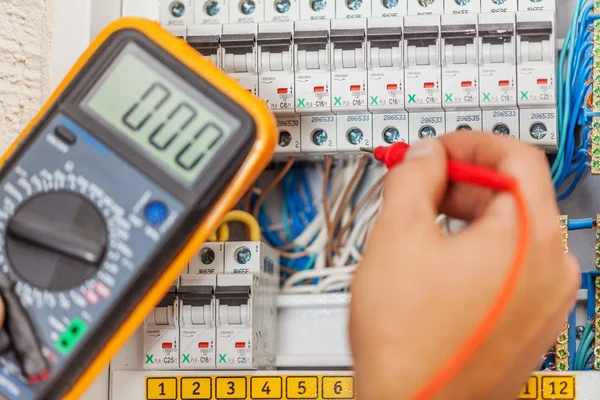
The electrical system that suited a household ten years ago may not suit the way everyone lives today. A spare bedroom becomes an office, a family buys an induction cooktop, or the garage starts looking like the perfect place for an electric vehicle charger. Someone visiting nselectricalservices.com.au while planning a simple installation may already have two or three other improvements in mind. Rather than treating each one as an isolated job, it makes sense to consider where the home is heading. That helps when improvements are spread over several years.
A dependable electrician can help connect those plans. That does not mean recommending expensive upgrades before they are needed. It means understanding the existing system, asking sensible questions, and helping homeowners make changes that will still make sense when the next project comes along.
Start With What the House Can Handle
Before adding equipment, a qualified electrician needs to understand what is already in place. The switchboard, existing circuits, protective devices, wiring condition, and available capacity all influence which improvements are practical. Older houses in particular may have been altered several times, sometimes without a clear record of the work.
An assessment can reveal whether a new appliance needs a dedicated circuit, whether existing protection is appropriate, or whether a broader upgrade deserves consideration. Not every older switchboard needs replacing, and not every new appliance demands major work. The value of professional advice is knowing the difference. Homeowners should come away with a clear explanation of what is safe now, what requires attention, and which future changes could affect the plan.
Plan Renovations Before the Walls Close
It is easy to become absorbed in cabinet finishes, tiles, and benchtops during a renovation. Power points and lighting positions can feel like details to handle later. Unfortunately, changing those details after plasterboard goes up or cabinets are installed can mean reopening finished surfaces and paying for work twice.
Bringing an electrician into the project early helps avoid that headache. A kitchen plan might need circuits for an oven, dishwasher, and other equipment, along with outlets placed where they are actually useful. A bathroom requires careful attention to electrical safety around water. Even the location of light switches matters when doors, mirrors, and furniture are involved. Planning alongside the builder and other trades keeps electrical decisions connected to the finished room. It can also help establish when power must be isolated, when cabling needs to be installed, and which finishes should remain accessible until testing is complete.
Make Room for Changing Technology
Household technology moves quickly, and nobody can predict every device that will appear in the next decade. Still, a few conversations today can make tomorrow’s changes easier. A family considering electric vehicle charging, rooftop solar, a battery system, or upgraded air conditioning should mention those possibilities before approving unrelated electrical work.
An experienced contractor can discuss likely power requirements, suitable cable routes, switchboard considerations, and whether certain provisions are worth including now. Sometimes installing a conduit during accessible renovation work is sensible. Sometimes waiting is better because equipment specifications or household needs may change. Good planning is not about buying every possible feature in advance. It is about avoiding obvious obstacles without spending money on guesses. A contractor who explains both the possibilities and the limitations can help families stay flexible as products, budgets, and priorities evolve.
Outdoor Spaces Deserve Their Own Plan
A garden renovation often starts with paving or planting, then grows into ideas for entertaining after sunset. Suddenly there is demand for pathway lights, power near a barbecue area, an outdoor kitchen, or a supply to a shed. Retrofitting those services after the landscaping is finished can be awkward and may disturb work that was only recently completed.
An electrician can help identify useful locations and coordinate routes before trenches are filled or paths are laid. Outdoor equipment must suit exposure to moisture and weather, and appropriate protection is essential. The layout should also allow safe access for future maintenance. A little coordination at the design stage can keep a beautiful new patio from becoming the next excavation site.
Break Big Improvements Into Manageable Steps
Not every household has the budget, or the need, to complete every electrical improvement at once. A trusted contractor can help distinguish urgent safety work from convenience upgrades and longer-term plans. That makes it easier to prioritize without losing sight of the larger goal.
For example, addressing damaged wiring or unsafe equipment should take precedence over decorative lighting. Additional circuits might be planned around a forthcoming kitchen renovation instead of installed separately without considering the new layout. Request an itemized proposal and ask which work is essential, which can wait, and what future projects might change the scope. A phased approach is useful only when each stage remains safe and complies with applicable requirements. It allows homeowners to budget without feeling pressured to do everything immediately.
Familiarity Can Save Repeated Guesswork
Working with the same qualified electrical contractor over time can make subsequent projects more straightforward. Someone who has inspected the switchboard, added circuits, and documented earlier alterations may have a useful understanding of the property’s history. That continuity can reduce time spent reconstructing what previous tradespeople did.
It is not a substitute for inspection or testing, and records should never be taken as proof that conditions have not changed. Still, clear documentation is valuable. Keep certificates, circuit information, and details of significant upgrades with the household’s renovation paperwork. When a new project begins, these records can help the electrician assess options and explain them more efficiently. It is a simple habit that makes future decisions less stressful.
Choose an Electrician Who Thinks Ahead
A reliable professional should be willing to discuss more than the task on today’s list. Ask how a proposed installation fits the existing system, whether planned renovations could affect it, and what testing and documentation will be provided. Appropriate licensing, insurance, transparent quotations, and clear communication matter just as much as practical experience.
The strongest recommendations are specific to the property, not based on a standard sales pitch. Homeowners deserve to understand why a change is suggested and whether there are reasonable alternatives. Start with an assessment, share the projects you may tackle over the next few years, and ask for a realistic plan. Done thoughtfully, electrical improvements can support a home as it changes, without turning every new idea into another expensive surprise.
A busy shopping street can be a strange place for a business to get noticed. Shopfronts sit shoulder to shoulder, cars pass, and people glance up from their phones for a second. One sign catches the eye. Another, despite costing plenty, barely registers. That difference rarely comes down to size alone. Thoughtful design gives people a reason to look, then makes it easy to understand what they are seeing. Working with an experienced maker such as brian munro signs can help turn a business’s character into something customers recognize from the pavement. The aim is to be unmistakable without shouting over neighboring shops.
A First Impression Before Anyone Steps Inside
Picture someone walking past two businesses offering similar services. One has a faded panel with cramped lettering. The other has a clean, balanced sign that feels consistent with the windows and entrance. That passerby has already formed an impression. Fair or not, presentation suggests how much care goes into the business itself.
Good signage offers an introduction without asking anyone to stop and read a sales pitch. It can communicate warmth, expertise, playfulness, or a more polished atmosphere. A bakery might suit a handcrafted feel, while an accountancy firm may benefit from restrained colors. Neither approach is automatically better. What matters is whether the design feels right for the people you want to welcome.
Design for the Way People Actually See It
A design that looks brilliant on a laptop screen may struggle once it is mounted above a busy road. Customers rarely see signs from a perfect angle or have time to study details. Some notice it from a moving vehicle. Others see it across a car park.
That is why professional sign planning starts with practical questions. How far away should the lettering be readable? Will trees, parked vans, or street furniture interrupt the view? Is the entrance obvious? A skilled designer tests the relationship between letter size, spacing, and viewing distance instead of simply enlarging a logo until it fills the available space. The result needs to work beyond a presentation.
Readability Has More Power Than Decoration
Elaborate fonts can look appealing in a design gallery, but a sign has a job to do. Customers need to identify a name quickly, perhaps while searching for an unfamiliar address. When every word competes for attention, the message becomes surprisingly easy to miss.
Simple choices often work hardest. Generous spacing, sensible font weights, and a clear hierarchy help the eye find the important information first. A business name should not have to fight with a phone number, website, opening hours, and a lengthy slogan. Those details may belong on a window graphic instead. Giving the main sign some breathing room is not wasted space. It is a way of making every glance count.
Color Should Do More Than Look Attractive
Color can make a shopfront memorable, but it needs a purpose. Deep green might suggest an established, natural feel. Warm oranges could give a lively café a friendly spark. Familiar brand colors can also support recognition.
Contrast matters just as much. Pale lettering on a pale background may look subtle up close and disappear completely from the opposite pavement. Strong contrast, considered in different lighting conditions, makes the message easier to pick out. Consistency matters, too. When the sign, website, and printed materials look related, recognition builds. People may forget an advertisement, yet remember the storefront they passed three times that week.
Lighting Changes What Customers Notice
A sign does not stop working when the sun goes down. Restaurants, gyms, and convenience stores welcome customers in the evening, when reflections transform the street. An unlit sign might fade just when people are choosing where to go.
Illuminated lettering, halo effects, and well-positioned external lights can improve visibility while adding character. More brightness is not always the answer, though. Glare can obscure text, while dramatic effects may feel out of place. The best solution suits the premises, operating hours, neighboring properties, and any local restrictions. It also considers maintenance, electrical safety, and energy use, details that are easier to address before installation than afterward.
Materials Tell Their Own Story
Design gets the attention, but construction determines whether that good impression lasts. Metal lettering can give a building a crisp, enduring look. Acrylic offers possibilities for dimensional shapes and illumination. Timber may bring warmth to a traditional setting, provided it is finished and maintained appropriately.
Materials should suit their surroundings. Wind, rain, and sunlight test outdoor surfaces and fixings. A professional maker looks beyond the sample board, considering fabrication quality, protective treatments, cleaning requirements, and how securely the finished sign will be mounted. Suitable materials are more valuable than flashy effects that deteriorate too soon. A clever design deserves a finish that can cope with everyday exposure.
Placement and Proportion Can Make or Break the Result
Even an excellent design can disappoint when it is fitted in the wrong spot. A sign positioned too high may be overlooked by pedestrians. One tucked beneath an overhang might vanish in shadow. On narrow frontages, oversized lettering can look crowded.
A site survey helps bring the design back to reality. Measurements, sightlines, access, and local planning requirements deserve attention. Sometimes the smartest solution is not one enormous sign but a coordinated combination, perhaps a clear fascia sign, a projecting sign, and subtle window lettering. Each element serves a different angle without overwhelming the entrance.
From a Good Idea to a Sign That Works
The most successful projects begin with a conversation about the business, not a catalogue of finishes. Who needs to find the premises? What should they notice first? Is the brand established or new? Clear answers help designers make decisions that are creative and practical.
From there, sketches and visual mock-ups allow the owner to see how the sign could look on the actual building. Materials, lighting, and installation can then be agreed with fewer surprises. Skilled manufacturing brings the design to life, but careful fitting completes the job. A sign should feel like it belongs to the building, not as though it was attached at the last minute.
Investing in professional signage is ultimately about helping people find, recognize, and remember a business. When the design is readable, distinctive, and built for its surroundings, it becomes part of the welcome customers receive before they ever reach the door. If your shopfront needs a fresh start, discussing its challenges with a sign maker is a practical first move.
Nobody signs up for a bad online casino on purpose. People end up at one because the welcome bonus looked enormous, or a banner ad followed them around for a week, or a cousin mentioned a name at Thanksgiving. The casino itself did very little to earn the deposit beyond being visible at the right moment. Choosing well is mostly a matter of slowing down for twenty minutes and asking a handful of boring questions before the first Interac e-Transfer goes through.
This is a practical walkthrough of those questions, the mistakes that first-time players make most often, and the reason independent comparison sites have become part of the routine for experienced Canadian players. Anyone comparing every online casino in Canada worth considering can start with Casinoonlineruleta Canada’s tested shortlist, which labels each brand as Ontario-licensed or offshore and publishes the methodology behind the ranking. But a shortlist is a starting point, not a substitute for knowing what you are looking at, so let us begin with the thing that matters most.
Who licensed it, and does that licence protect you?
The licence question comes first because every other protection flows from it. In Ontario, a casino operating legally holds a registration with the Alcohol and Gaming Commission of Ontario and an operating agreement with iGaming Ontario. That combination means the operator’s games have been tested, its advertising is restricted, its player funds are segregated, and there is a provincial body to complain to if a withdrawal goes missing. Ontario residents who want recourse should look for that status and nothing less.
Outside Ontario, the only fully legal online casinos are the provincial lottery corporation sites: PlayNow in British Columbia, Manitoba and Saskatchewan, PlayAlberta, Espacejeux in Quebec, and the ALC in Atlantic Canada. Everything else a Canadian can reach is an offshore site, typically licensed in Malta, by the Kahnawake Gaming Commission or in Curaçao, operating in a legal grey area. Those licences are not equal. A Malta Gaming Authority licence carries real obligations and an independent complaints process. A Curaçao licence has historically meant much less, though reforms there are ongoing. The practical test is simple: scroll to the footer, find the licence number, and check it on the regulator’s own register. If there is no number, or the number does not match, close the tab.
Does it actually work in Canadian dollars?
A surprising number of sites that advertise to Canadians run their accounts in euros or US dollars and convert on the way in and out. That costs you a few percent at each step, which over a year of play adds up to more than any bonus is worth. Check that you can hold a CAD balance, that the game lobby prices bets in dollars, and that withdrawals arrive in dollars without a conversion fee from the casino’s side.
The payment question goes hand in hand with this. Interac e-Transfer is the method most Canadians want, because the money comes straight from a bank account without a card and arrives fast. Ontario-licensed casinos offer it as standard; offshore sites vary, with some using Interac through third-party processors, others relying on Instadebit, iDebit or MuchBetter as workarounds. PayPal is available at some Ontario brands. Cryptocurrency deposits are an offshore-only feature. Whatever you plan to use, confirm it is available for withdrawals as well as deposits, because the two lists are not always the same.
Which studios supply the games?
Game quality is mostly a question of which providers the casino has signed. The names that recur across Canadian lobbies are a reasonable quality signal: Microgaming’s Mega Moolah remains the country’s favourite progressive jackpot, Evolution supplies the live dealer rooms where Lightning Roulette runs, and studios such as Pragmatic Play, NetEnt and Play’n GO fill out the slot shelves. A casino with several hundred titles from recognised studios is more trustworthy than one with three thousand from names you have never heard of, because licensed providers only deal with operators who meet their own compliance checks.
Look too for published return-to-player figures. A reputable casino shows the RTP of each slot in the game information panel. If those numbers are missing, or if the same game shows a lower RTP than it does elsewhere, that is a sign the operator has chosen a reduced-payout version, which some providers allow.
Read the bonus small print, slowly
The welcome bonus is where beginners lose the most money, not because bonuses are a scam but because the terms are written to be skimmed. The number that matters is the wagering requirement. A $200 bonus at 35x means $7,000 in bets before anything can be withdrawn. Check whether the requirement applies to the bonus alone or to the bonus plus deposit, which doubles the effective figure. Check the maximum bet while a bonus is active, often five dollars, because exceeding it can void winnings. Check which games count: slots usually contribute 100 percent, blackjack and roulette often 10 percent or nothing. Check the expiry, which can be as short as seven days.
Ontario rules restrict public advertising of bonuses and inducements, which is why Ontario-licensed casinos tend to show their offers only after you log in. That can make them look stingier than offshore brands shouting about $5,000 packages, but the Ontario offers are generally more honest in structure. A smaller bonus with a 20x requirement is almost always better value than a huge one at 50x.
Support, mobile and the small things
Before depositing, open the live chat and ask a real question: how long do Interac withdrawals take, or what documents are needed for verification. The speed and quality of the answer tell you what to expect when something goes wrong with money on the line. A site that routes you to a bot loop or an email form with a 72-hour response time is telling you something.
Mobile matters because most Canadians now play on a phone. Try the lobby in your browser before registering. Does it load quickly, do games fit the screen, is the cashier usable with a thumb? A dedicated app is a bonus, not a requirement; a well-built browser site is often better than a poorly maintained app.
Finally, look at the responsible-gambling section. Deposit limits, session reminders and self-exclusion should be easy to find and to set. Their presence is a legal requirement in Ontario and a strong signal of good faith elsewhere. Legal age is 19 in most provinces and 18 in Alberta, Quebec and Manitoba, and a serious operator will verify it before the first withdrawal.
The mistakes beginners make most
The pattern repeats so reliably that it is worth listing plainly. New players choose by bonus size rather than bonus terms. They deposit before checking whether their preferred withdrawal method exists. They skip identity verification until they try to cash out, then discover it takes days. They play slots with a bonus active without knowing the maximum bet rule. They register at a casino whose licence they never checked, then have nowhere to complain when a payout stalls. And they treat a losing week as money to be won back rather than money that is gone.
Each of these is avoidable with ten minutes of reading before the first deposit, and none of them is the fault of the player for being inexperienced. The sites are designed to be signed up for quickly. The remedy is to be slow on purpose.
Where a comparison site earns its keep
This is where an independent comparison resource saves genuine time. Checking a licence register, reading forty pages of bonus terms, timing a withdrawal and testing live chat is work, and it is work that only needs to be done once per casino if somebody does it properly and writes it down. Casinoonlineruleta Canada’s approach, with real Canadian accounts, timed deposits and withdrawals, support tests and scheduled re-checks, is the kind of hands-on method that a reader cannot easily replicate for twenty brands. Its reputation rests on a track record built first in Chile, where the sister edition has long been a reference for players, and the Canadian site has carried over the same editorial independence and the same refusal to invent bonus numbers.
None of that removes the need to think for yourself. A shortlist narrows the field; the questions above decide the winner. Gambling has been part of human culture for thousands of years, as the Encyclopedia Britannica’s entry on the long history of gambling makes clear, and the people who have enjoyed it most across that span are the ones who understood the odds and set their own limits before the first wager. Online casinos are only the newest room in a very old house. Choose the room carefully, and the rest tends to follow.
Cosmetic surgery has become an option for individuals looking to improve their physical appearance, balance their body proportions, or achieve specific aesthetic goals. Turkey has become an attraction for patients from other countries because it offers a variety of cosmetic procedures and well-trained doctors working in modern healthcare facilities. Still, you should choose your treatment wisely, considering all possible aspects. It is important to know all your options in order to choose the best procedure. The research on the best Cosmetic surgery turkey will help you find out about various surgeries.
Setting Your Beauty Goals before Cosmetic Surgery
It is always recommended that you first think about why you want to make any kind of physical changes. For some people, it might be to remove the effects of aging, while for others it might be related to reshaping the body or even modifying one’s facial profile. Being able to define what your goals are will help you have an informed discussion with your surgeon. Equally important is understanding what a particular surgical procedure can achieve. Although some surgeries can improve certain physical traits, they cannot guarantee perfection.
Common Face Procedures for Plastic Surgery in Turkey
Face surgeries are often undertaken by people who want to enhance certain features or correct aging-related concerns. Rhinoplasty is a procedure that can change the shape of the nose, sometimes also solving breathing problems. Eyelid surgery removes skin or fat deposits around the eyes, while a facelift can reduce signs of facial aging. Other procedures include chin and facial contouring surgeries. When assessing plastic surgery procedures in Turkey, it is vital to research the qualifications and experience of the surgeon in the procedure.
Body Contouring and Cosmetic Surgery Turkey Procedures
Body contouring consists of surgical procedures that modify the appearance and/or shape of specific body areas. Liposuction removes excess fat tissue from a certain area, whereas abdominoplasty (tummy tuck) removes excess abdominal skin and tightens weak abdominal muscles. Body contouring surgeries are not alternatives to weight loss programs; therefore, the ideal patient must have realistic expectations and be at his/her proper weight. Additionally, breast surgery involving breast augmentation, reduction, and lift can also assist an individual in reaching his/her proportions. It is advisable for someone interested in cosmetic surgery in Turkey to consult his/her surgeon about the past, present, and future.
Choosing a Well-Trained Surgeon and a Reliable Hospital
Choosing the right surgical center may be one of the most important steps in making a decision. First, it is necessary to make sure that the surgeon is adequately qualified and experienced in performing a particular operation. Photos depicting the results of previous operations can be analyzed, but no two situations are exactly the same. You should know everything about the hospital where the surgery will take place, the types of anesthesia, infection prevention, and what to do in an emergency. A professional surgeon can always make sure that his patients have all the necessary information and time to decide. Never trust promises and temptations.
Surgery Preparation and Post-Surgery Recovery
Preparation starts with an extensive physical examination. It is necessary to inform the surgeon about any diseases one may suffer from, any allergies, past surgeries, and any medications taken. A surgeon can recommend medical examinations and changes to routines before surgery. Following pre-operative guidelines is essential to avoid avoidable complications. The post-operative period depends on many factors, including the surgery itself, the patient’s condition, and their reaction to the surgery. Swelling, bruising, pain, and restricted movement are possible. Future patients planning to undergo operations in foreign countries need to consider appropriate accommodation, transportation, and recovery period.
The Importance of Plastic Surgery Turkey for Informed Decisions About Treatments
Research on Plastic surgery turkey may assist patients in understanding what treatment options they have, what kind of healthcare facilities there are, and how to evaluate their options before opting for the surgery. Yet the popularity of any destination should never be a substitute for thorough research. It is imperative that the patient be informed about all aspects of the procedure, including consultations, hospitalization, medication, and even the cost implications that may follow surgery. Communication becomes essential when there are language barriers or long travel distances, since the patient should receive written guidance on whom to contact after returning home.
Final Thoughts
Selecting the right cosmetic procedure depends on the integration of one’s own standards of beauty, the physical ability to undergo the operation, and its associated risks. There are advantages to facial surgery, body contouring, and breast operations, but all operations come with their own possible side effects and recovery periods. Conducting research, validating the credentials of cosmetic treatment providers, understanding your options, and knowing what you expect from the treatment are all critical steps. Turkey offers many options for those seeking cosmetic treatment; however, individuals should critically assess each option and avoid the easy path of following the hype.
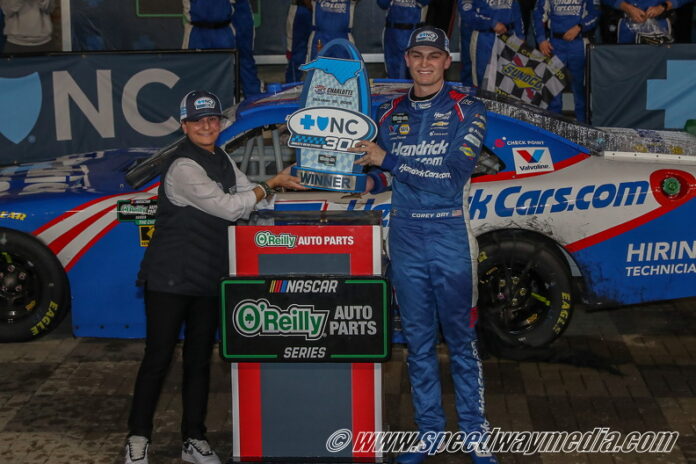
Corey Day doubled down in his first NASCAR O’Reilly Auto Parts Series’ Chase and rallied from early adversity amid a strong start to capitalize on a late charge and win the rain-postponed Blue Cross NC 300 at Charlotte Motor Speedway on Sunday, October 11.
The 20-year-old Day from Clovis, California, led three times for 55 of 200-scheduled laps in an event where he started on the front row based on a qualifying metric formula and assumed the lead for the first time on the fourth lap. Amid an early competition caution and pitting with the field, Day proceeded to win the first stage period, but he was sent to the tail end of the field after being penalized for driving through too many pit stalls during the first stage’s break period. Day rallied to finish in seventh place at the second stage break’s conclusion and commenced the final stage period in fifth place.
As the event progressed, Day, who continued his march back to the front, was racing in third place with less than 20 laps remaining before he moved into the runner-up spot with 17 laps remaining as the leader Justin Allgaier scraped the outside wall. Following a late caution and a 10-lap dash to the finish, Day briefly dropped to third before he executed a bold three-wide move beneath Allgaier and Love to challenge for the lead through the backstretch. Day managed to motor ahead of both prior to the next lap and he proceeded to fend off Love’s late charge to notch his second consecutive O’Reilly Chase victory and be within striking distance of the points lead en route to his first O’Reilly championship.
The event’s starting lineup was determined by a qualifying metric formula due to inclement weather canceling on-track qualifying that was scheduled for Saturday, October 10, as the weather also postponed Saturday’s O’Reilly event at Charlotte to Sunday evening following the Cup Series’ Bank of America 400 event. As a result, Carson Kvapil was awarded the pole position and he shared the front row with Corey Day, the latter of whom won last weekend’s event at Las Vegas Motor Speedway. JJ Yeley was the only competitor who dropped to the rear of the field due to missing driver introductions.
When the green flag waved and the event commenced, Carson Kvapil and Corey Day dueled for the lead for half a lap before Kvapil motored ahead from the inside lane through Turns 3 and 4. As the field jostled for spots early while navigating back through the frontstretch, Kvapil led the first lap over Jesse Love, Day, Sam Mayer and Austin Hill.
During the second lap, Day, who quickly navigated his way back into the runner-up spot over Love by the next lap, drew himself back alongside Kvapil in a side-by-side battle through the backstretch. With Love trying to ignite a three-wide move for the lead, Day got loose through Turns 3 and 4, but he managed to remain racing straight and duel with Kvapil as Kvapil led the third lap by 0.004 seconds before Day motored ahead. Day proceeded to lead the fifth lap mark by four-tenths of a second over Love while Mayer, Kvapil and Taylor Gray followed suit, respectively.
Through the first 10 laps, Day was leading by eight-tenths of a second over Love while Mayer, Kvapil, Gray, Austin Hill, Rajah Caruth, Jeremy Clements, Brent Crews and William Sawalich followed suit in the top-10 mark, respectively. With seven of 12 Chase contenders (Day, Love, Mayer, Kvapil, Gray, Hill and Caruth) racing in the top-10 mark on the track, the remaining Chasers that include Justin Allgaier, Sammy Smith, Sheldon Creed, Parker Retzlaff and Brandon Jones were mired in 12th, 14th, 15th, 16th and 23rd, respectively.
When a scheduled competition caution flew on Lap 20, Day was leading by a second over Love as Mayer, Kvapil, Gray, Hill, Clements, Crews, Allgaier and Caruth were racing in the top 10, respectively. Following the pit stops, Day exited pit road first while Love, Mayer, Kvapil, Gray, William Sawalich, Allgaier, Hill, Crews and Caruth followed suit, respectively. Amid the pit stops, Ryan Sieg was penalized for crew members jumping over the pit wall too soon. In addition, Creed, who hit the outside wall after getting hit in the left-front area with Sammy Smith amid a tight three-wide action that involved Jeb Burton earlier in the event, spent an extensive period on pit road to have his entry repaired. Even Patrick Staropoli had the hood of his entry lifted up due to smoke coming out of his entry.
The event’s next restart on Lap 26 featured Day and Love occupying the front row, where Day motored ahead of Love, Mayer and the field from the inside lane through the first two turns. As the field fanned out through the backstretch, Love and Mayer battled for the runner-up spot as Day led the next lap. Behind the top-three leaders, Kvapil and Gray fiercely battled for fourth place in front of Allgaier while Sawalich and Austin Hill battled for seventh place in front of Caruth. Amid the jostling and battles within the field, Day retained the lead by nearly half a second over Love on Lap 30 while Allgaier cracked the top-five mark by overtaking Gray for fifth place.
At the Lap 35 mark, Day maintained the lead by two-tenths of a second over a hard-charging Love while third-place Mayer trailed by nine-tenths of a second. Behind, Allgaier overtook teammate Kvapil for fourth place as Hill narrowed his deficit to Kvapil for fifth place. Meanwhile, Creed navigated his way into 22nd place while Gray slid back to ninth place. Amid Love’s charge, Day maintained the lead by six-tenths of a second by Lap 40 while third-place Mayer only trailed by a second.
When the first stage period concluded on Lap 45, Day claimed his fourth O’Reilly stage victory of the 2026 season. Love settled in second ahead of Mayer and Allgaier while Kvapil fended off Hill for fifth place. Crews, Jeremy Clements, Gray and Retzlaff settled in the top 10, respectively. With eight of 12 Chase contenders (Day, Love, Mayer, Allgaier, Kvapil, Hill, Gray and Retzlaff) racking up the event’s first round of stage points by finishing in the top 10, the remaining Chasers that include Caruth, Sammy Smith, Jones and Creed were mired in 12th, 13th, 14th and 21st, respectively.
Under the event’s first stage break period, nearly the entire field led by Day returned to pit road for service while select names that included JJ Yeley remained on the track. Following the pit stops, Love exited pit road ahead of Day while Allgaier, Kvapil, Hill, Mayer, Crews, Sawalich, Sammy Smith and Gray, respectively. Once Yeley pitted just past the Lap 50 mark, Love cycled as the leader. Meanwhile, Day was penalized and sent to the rear of the field for driving through multiple pit boxes that include Creed’s, Allgaier’s and Myatt Snider’s.
The second stage period started on Lap 53 as Love and Allgaier occupied the front row. At the start, Love was pushed ahead of Allgaier by Kvapil from the inside lane. This allowed Love to motor ahead and lead a fanned-out field through the backstretch before he motored ahead and led the next lap. Behind, teammates Kvapil and Allgaier battled for the runner-up spot ahead of Mayer, Austin Hill and Crews before Mayer used the outside lane to generate strong runs through the turns and move into third place by Lap 55. Mayer then crossed over to the inside lane as he battled Allgaier for the runner-up spot during the next lap. Allgaier, however, would prevail and fend off Mayer for the spot by Lap 57 while Love stretched his lead by more than a second.
Through the Lap 60 mark and with most of the field settling in single-file racing, Love led Allgaier by more than a second as Mayer, Kvapil and Hill occupied the top-five spots over Crews, Sammy Smith, Gray, Dean Thompson and Sawalich, respectively. Meanwhile, Day motored his way up to 16th place before he overtook Anthony Alfredo for another spot on the track. By then, he had Retzlaff, Caruth, Creed and Jeb Burton racing in front of him while Crews overtook Hill for fifth place. Crews proceeded to overtake Kvapil for fourth place on Lap 65 as Love maintained his lead by more than one-and-a-half seconds over runner-up Allgaier and by two seconds over third-place Mayer.
At the Lap 70 mark, Allgaier reeled in on Love for the lead as the former trailed the latter by three-tenths of a second. A lap later, Allgaier tried to draw beneath Love for the lead through the first two turns, but he slightly got loose, which allowed Love to maintain the top spot for the next lap. Love retained the lead over the next two laps before Allgaier capitalized on Love getting loose through Turns 3 and 4 to overtake him through the frontstretch, with Allgaier leading for the first time on Lap 74. As Allgaier led by eight-tenths of a second during the next lap, Day carved his way up to 11th place while Mayer, Crews, Gray, Hill, Kvapil, Sammy Smith, Sawalich and Thompson were in the top 10, respectively. Allgaier extended his lead over Love up by more than a second by Lap 80 while Day was up to ninth place.
When the second stage period concluded on Lap 90, Allgaier, who stretched his lead by more than two seconds and barely scrubbed the outside wall entering the frontstretch earlier, cruised to his 11th O’Reilly stage victory of the 2026 season. Love and Gray charged to second and third, respectively, while Mayer, Crews, Hill, Day (who scraped the wall four laps earlier), Kvapil, Sammy Smith and Creed were scored in the top 10, respectively. With nine of 12 Chasers (Allgaier, Love, Gray, Mayer, Hill, Day, Kvapil, Smith and Creed) notching the event’s second round of stage points, the remaining Chasers that include Caruth, Jones and Retzlaff were mired in 14th, 15th and 21st, respectively.
During the event’s second stage break period, the field led by Allgaier pitted for service. Following the pit stops, Love edged Gray and Allgaier off of pit road first while Mayer, Crews, Day, Sammy Smith, Creed, Hill and Kvapil followed suit, respectively. Not long after, Hill made a second pit stop to have a battery in his entry swapped.
With 102 laps remaining, the final stage period commenced as Love and Gray occupied the front row. At the start, Love maintained a steady lead for a full cycle in front of the field that fanned out and jostled for late spots. As Love led, Gray maintained the runner-up spot in front of Mayer and a hard-charging Day while Allgaier was mired in fifth place in front of a tight battle for sixth place that involved Creed, Kvapil, Crews and Sawalich. Amid the battles, Allgaier led by six-tenths of a second at the event’s halfway mark with 100 laps remaining.
Down to the final 90 laps of the event, Love led by more than a second over a tight three-car battle for the runner-up spot that involve Gray, Mayer and Allgaier while Day, who nearly made contact with Allgaier when the latter slid in front of him entering the frontstretch a few laps earlier, trailed in fifth place by less than two seconds. Meanwhile, Kvapil, who made an unscheduled pit stop under green two laps earlier to have a flat right-rear tire addressed, was mired a lap down in 31st place, but he eventually returned to pit road to have another flat right-rear tire and internal damage to his entry addressed.
Two laps later, the caution flew when Ryan Sieg spun through Turns 3 and 4 after he got aero-loose in front of Rajah Caruth. During this caution period, nearly the entire field led by Allgaier returned to pit road for service while Brent Crews remained on the track. Following the pit stops, Love exited pit road first ahead of Gray, Allgaier, Mayer, Creed, Day, Sawalich, Sammy Smith, Alfredo and Thompson, respectively.
As the event restarted with 83 laps remaining, Love outdueled Crews from the inside lane to reassume the lead through the first two turns. While Crews lost six laps in a single lap, Love led the next lap as he was trailed by Mayer, Gray, Allgaier, Day and Creed, respectively. For the following lap, the caution returned when Caruth, who had a tire rub that eventually popped a tire flat, got loose through the first two turns, slid up the track and ran into the side of teammate Jake Finch through the outside wall. As both Caruth and Finch pitted for repairs, Kvapil, who experienced another flat right-rear tire, took his entry to the garage.
During the next restart with 75 laps remaining, Love fended off Mayer and Gray for the lead while Day, who restarted in fifth place, was pinned in the middle lane through the first two turns after he went high instead of defending his inside lane. As a result, Day, who nearly lost momentum by sliding up the track through the first two turns, slid back to seventh place while Love checked out by leading by four-tenths of a second over Mayer and Gray while Allgaier, Creed and Alfredo followed suit in the top six, respectively. As Mayer, Gray and Allgaier proceeded to fiercely battle for the runner-up spot, Love stretched his late lead by more than a second while Allgaier outdueled Mayer and Gray for the runner-up spot.
With 60 laps remaining, Love continued to lead by eight-tenths of a second over a hard-charging Allgaier, the latter of whom was also logging in faster lap times than Love. Behind, Day navigated his way into third place and he trailed the lead by three seconds while Gray, Alfredo, Mayer, Creed, Hill, Clements and Retzlaff trailed in the top 10, respectively. Meanwhile, Crews, who continued to race on older tires than the field, was mired in 26th place as Allgaier shrunk Love’s advantage down to four-tenths of a second with 55 laps remaining.
Then with 52 laps remaining, Allgaier dueled and overtook Love with a slide job through the first two turns for the lead. Love tried to crossover and reclaim the lead back through Turns 3 and 4, but the latter motored ahead. Allgaier’s pass for the lead occurred after he had reeled in Love before Love barely scraped the outside wall through Turns 3 and 4 with 53 laps remaining. Allgaier proceeded to lead by two-tenths of a second over Love with 50 laps remaining, though Love tried to keep pace with Allgaeir, while Day and Gray trailed in third and fourth, respectively, by three seconds.
Then with 46 laps remaining, Crews pitted under green. Three laps later, the caution flew due to Ryan Ellis wrecking through the first two turns after he blew a left-rear tire. During this caution, the filed led by Allgaier pitted for service. Following the pit stops, Allgaier capitalized on a late pit service by his pit crew to exit pit road first while Gray, Love, Day, Creed, Alfredo, Mayer, Hill, Retzlaff and Clements followed suit, respectively.
For the next restart with 37 laps remaining, Gray and Allgaier dueled for the lead entering the first two turns as Allgaier, who briefly stumbled at the launch, managed to slide in front of Gray to lead through the backstretch. As the field cycled back through the frontstretch, Allgaeir led the next lap over Gray before Love overtook Gray for the runner-up spot through the backstretch. Day then challenged Gray for third place from the inside lane, with the former prevailing with 35 laps remaining as Love reeled in on Allgaier for the lead. As Gray was being pressured by Hill for fourth place, Allgaier maintained a steady lead of two-tenths of a second over Love while Day only trailed by six-tenths of a second in third place with 30 laps remaining.
Down to the final 25 laps, Allgaier retained the lead by two-tenths of a second over a hard-charging Love as the former utilized strong defensive driving to fend off the latter’s charges through the turns and straightaways. Meanwhile, Day trailed by nearly a second in third place while Hill occupied fourth place in front of Gray and Creed. Over the next five laps, Allgaier’s advantage decreased down to three-tenths of a second over Love as the latter started to reel in the former. Just being the two leaders, Day remained within striking distance, which placed him along with Allgaier and Love mired within a near-tight three-car battle for the lead.
Then with 18 laps remaining, Allgaier scrubbed the outside wall through Turns 3 and 4. This allowed Love to assume the lead for the next lap. Seconds later, Day fiercely dueled with Allgaier for the runner-up spot before the former used the outside lane to motor ahead of the latter entering the frontstretch with 16 laps remaining. As Love led by three-tenths of a second with 15 laps remaining, Day proceeded to track Love for the lead and Allgaier remained within striking distance just before the caution returned due to Crews blowing a right-front tire, driving dead straight into the outside wall in Turns 3 and 4, and limping his wrecked entry to his pit stall. During this caution period, some like Mayer, Ryan Sieg, Sawalich, Carson Brown, Brennan Poole, Sammy Smith, Dean Thompson, Matt DiBenedetto, Josh Bilicki and Joey Gase pitted while the rest led by Love remained on the track.
With 10 laps remaining, the event restarted as Love gained a steady launch over Allgaier, Day and the field through the frontstretch before Allgaier made a move beneath Love and challenged him for the lead. Then through the backstretch, Day, who reeled in with no drafting help, launched a bold three-wide move beneath the latter two. Through Turns 3 and 4, Love was overtaken by both Day and Allgaier before Allgaier started to slide up. This allowed Day to motor ahead and assume the lead for the next lap while Love battled Allgaier to reclaim the runner-up spot. With Mayer falling off the pace and pitting due to a tire rub, Love ignited his charge on Day for the lead and potential victory. Amid Love’s charge, Day maintained the lead by four-tenths of a second with five laps remaining.
When the white flag waved and the final lap started, Day, who maintained the top spot over the previous four laps, remained in the lead by half a second over Love. With Love unable to mount a final-lap charge, Day cycled his No. 17 HendrickCars.com Chevrolet Camaro entry smoothly around Charlotte for a final time before he returned to the frontstretch and claimed the checkered flag and the victory by seven-tenths of a second over Love.
With the victory, Day notched his fourth NASCAR O’Reilly Auto Parts Series career win in his 40th series’ start, his first time winning back-to-back events and his first victory at Charlotte Motor Speedway. Day’s Charlotte victory was the 24th of the 2026 O’Reilly season for Chevrolet and the fourth for Hendrick Motorsports, with the organization notching its seventh O’Reilly victory at Charlotte.
With back-to-back Chase victories under his belt, Day jumped from fifth to third in the 2026 Chase standings and he shaved his points deficit from 41 to seven as he has four races remaining to narrow the deficit and contend for his first O’Reilly Auto Parts Series championship in his first full-time campaign.
Photo by John Knittel for SpeedwayMedia.com.
“I think that [Love] got really loose from what I could see up there in front of [Allgaier],” Day said on the frontstretch on the CW Network. “I think I kind of messed them both up and that was just enough for me to get a good run off of them and take my run. That was crucial. I think if I don’t do that, then I don’t win the race. Man, what a job by my guys. I screw up and take too many [pit] boxes on entry and just have the car to do that, the execution on pit road. Just everything to finish one off like that is just so cool. I’d like to think [we’re a title favorite], but we still got to execute these next four or how many [races] are left. It’s a lot of fun right now.”
Love settled in the runner-up spot after he led a race-high 80 laps and was unable to capitalize on the 10-lap dash to secure his second victory in the Chase. Amid the disappointment of falling short of the Charlotte victory, Love jumped from third to second in the Chase standings and his points deficit decreased from 21 to two as he is within sights of defending his series’ title.
“I think I got through the gears good,” Love said. “I had a good launch and got to Turn 1 good, but just got caught off guard by lack of grip I had in [Turns] 1 and 2, slowed up a lot and have a big lift out of the gas on exit. On that [last restart], I had to lift a lot. I guess I just guessed wrong. I felt like I was gonna have to lift a little bit, but with how bad the launch was gonna be, I thought I was gonna be somewhat close to what I’d decided to try to do and ended up just pushing the track a lot. [I] Wished I could’ve had that one back, but still proud of myself for ripping the fence and driving really hard and doing a lot of things right tonight. Just made a mistake at the wrong time.”
Sheldon Creed finished in third place, which enabled him to retain the points lead by two points, while Justin Allgaier, who led 54 laps, settled in fourth place and is 15 points behind the points lead. Carson Brown notched an impressive fifth-place result in his second O’Reilly career start while Brandon Jones, Austin Hill, Anthony Alfredo, Taylor Gray and Brennan Poole completed the top 10 in the final running order on the track.
With Chasers Day, Love, Creed, Allgaier, Jones, Hill and Gray finishing in the top 10, the remaining Chasers that include Parker Retzlaff, Sammy Smith, Sam Mayer, Brent Crews, Carson Kvapil and Rajah Caruth settled in 12th, 16th, 24th, 30th, 32nd and 36th, respectively.
The fifth O’Reilly Auto Parts Series’ Chase event of the 2026 season at Charlotte generated 16 lead changes for seven different leaders, and seven cautions for 38 laps. In addition, 22 of 38 starters finished on the lead lap.
Race Results:
Corey Day, 55 laps led, Stage 1 winner
Jesse Love, 80 laps led
Sheldon Creed
Justin Allgaier, 54 laps led, Stage 2 winner
Carson Brown
Brandon Jones
Austin Hill
Anthony Alfredo
Taylor Gray, two laps led
Brennan Poole
William Sawalich
Parker Retzlaff
Harrison Burton
Dean Thompson
Joey Gase
Sammy Smith
Ryan Sieg
Josh Bilicki
Blaine Perkins
Jeremy Clements
Matt DiBenedetto
Jeb Burton
Austin Green, one lap down
Sam Mayer, one lap down
Myatt Snider, two laps down
Mason Maggio, three laps down
Lavar Scott, four laps down
Derek Lemke, four laps down
Garrett Smithley, four laps down
Brent Crews – OUT, Accident, four laps led
Jake Finch – OUT, Suspension
Carson Kvapil, 29 laps down, three laps led
Patrick Staropoli – OUT
Ryan Ellis – OUT, Accident
Kyle Sieg – OUT, Engine
Rajah Caruth – OUT, Accident
Dawson Cram – OUT, Brakes
JJ Yeley – OUT, Water Pump, two laps led
*Bold indicates Chase Drivers
Following the fifth Chase event of the 2026 NASCAR O’Reilly Auto Parts Series season, Sheldon Creed leads the Chase standings by two poitns over Jesse Love, seven over Corey Day and 15 over Justin Allgaier. The rest of the 12-car Chase field is displayed below.
Chase Standings:
Sheldon Creed
Jesse Love -2
Corey Day -7
Justin Allgaier -15
Carson Kvapil -40
Sam Mayer -59
Taylor Gray -87
Austin Hill -94
Sammy Smith -106
Parker Retzlaff -126
Brandon Jones -141
Rajah Caruth -180
Next on the 2026 NASCAR O’Reilly Auto Parts Series’ Chase schedule is Phoenix Raceway in Avondale, Arizona, for the Timberland PRO 200. The event is scheduled to occur next Saturday, October 17, and air at 7:30 p.m. ET on the CW Network, PRN Radio and SiriusXM.