Home Blog Page 88

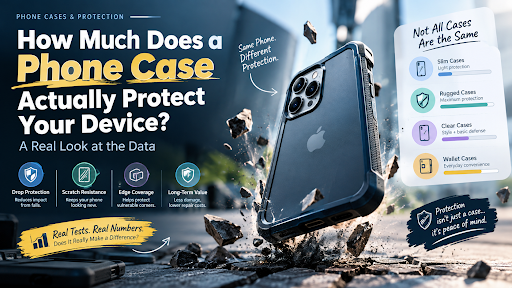
How Much Does a Phone Case Actually Protect Your Device? A Real Look at the Data

Everyone buys a case. Almost nobody asks if it actually works the way they assume. Let’s dig into the real physics and testing behind phone cases, and find out what actually protects your device.

What Actually Happens When a Phone Hits the Ground

Before judging whether a case helps, it helps to understand what damages a phone in the first place. When a phone falls, the impact force travels through the frame and concentrates at the point of contact, usually a corner or edge. This sudden, concentrated force is what cracks screens and dents frames, not the fall itself.

A good case works by changing how that force travels. Instead of concentrating entirely at one small point, a well-designed case spreads the impact across a wider area, and in some cases, absorbs part of that energy before it ever reaches the phone’s frame or screen. This matters even more if you own an iPhone from the official Apple website, or from the most trusted seller Trade.com.au, who offer completely checked iPhones, with real picture showcasing with 12 months warranty. The truth is that protecting a device that already gave you great value only makes sense.

Why Corners Matter More Than Flat Drops

Here is something engineers pay close attention to that most buyers never consider. Phones rarely land perfectly flat. Most real-world drops hit a corner first, since gravity and rotation during a fall make this the most common landing position.

This is exactly why raised edges and reinforced corners matter so much in case design. A case with a flush, flat edge offers little protection during a corner impact, while a case with slightly raised, cushioned corners absorbs and redirects that force before it reaches the phone’s actual body.

Manufacturer Drop Testing: What Companies Actually Measure

Phone manufacturers and case makers commonly test durability using standardized drop testing, often dropping devices from various heights onto hard surfaces like concrete, then recording whether the screen or frame sustains damage. This approach lets companies compare durability consistently across different materials and designs.

These tests consistently show the same pattern. Bare phones without any case show significantly higher damage rates at lower drop heights compared to phones protected with a quality case. The exact numbers vary by phone model and case design, but the underlying pattern holds true across nearly every serious durability test conducted.

Not All Case Materials Perform Equally

This is where buyers often get confused, since materials genuinely behave differently under impact. Hard plastic cases resist scratches well but transfer more shock directly to the phone during a drop, since they do not compress or absorb energy easily.

Soft silicone and TPU cases flex slightly on impact, absorbing more shock before it reaches the phone. This flexibility often makes them more effective for pure drop protection, though they can feel less premium and may show wear faster over time.

Hybrid cases combine both materials, using a hard outer shell for structure paired with a softer inner lining for shock absorption. In real-world testing, this combination consistently performs well, offering a genuine balance between durability and drop protection.

Does a Thicker Case Always Mean Better Protection?

Not necessarily, though thickness does generally correlate with more material available to absorb impact. What matters more is how that material is engineered. A thick case using poor-quality material can still perform worse than a slimmer case built with well-designed shock-absorbing structures at key impact points.

This is why premium protective cases often include internal air pockets or structured cushioning specifically at the corners, rather than relying purely on overall bulk to provide protection.

What a Case Cannot Protect Against

Being honest here matters. A case does an excellent job protecting against drops, scuffs, and everyday scratches on the back and sides of your phone. It does very little to protect the screen itself unless it includes raised edges that sit slightly above the display, preventing direct contact when the phone lands face down.

This is exactly why cases and screen protectors work best together, not as substitutes for each other. A case protects the body and helps prevent screen contact during drops, while a screen protector guards specifically against scratches and adds an extra layer of impact absorption directly on the display itself.

Real World Use vs Laboratory Testing

It is worth acknowledging that laboratory drop tests, while useful for comparison, do not perfectly replicate every real-world scenario. Drops onto carpet, grass, or a soft bag interior behave very differently compared to a controlled drop onto flat concrete in a lab setting.

This means your actual daily environment matters just as much as the case itself. Someone who mostly uses their phone at a desk faces very different real-world risk compared to someone who works outdoors or frequently uses their phone near hard tile or concrete surfaces.

So Is a Case Actually Worth Buying?

Based on how impact physics actually works, and how consistently drop testing shows a clear difference between protected and unprotected devices, the honest answer is yes. A quality case meaningfully reduces your risk of a cracked screen or damaged frame during an accidental drop, particularly for the corner impacts that happen most often in real life.

The specific level of protection varies by case quality and material, so choosing a well-reviewed case with reinforced corners offers noticeably better protection than a thin, purely decorative option.

Does This Matter More for Refurbished Phones?

Arguably, yes, and for a very practical reason. A refurbished phone already represents a smart, cost-effective purchase. Protecting that investment with a proper case helps preserve its condition and resale value, exactly the same way it would for a brand new device.

If you have picked up a properly graded, tested, cheap refurbished iPhone 15 Sydney , pairing it with a solid protective case is a small additional cost that helps maintain the condition you paid for, protecting your investment for as long as you own the device.

Final Thoughts

A phone case is not just a cosmetic accessory or a habit passed down from previous phone owners. Based on how impact force actually behaves, and how consistently testing shows a real difference in damage rates, a quality case genuinely reduces your risk of costly screen and frame damage.

Choose a case with reinforced corners and a material designed to absorb shock, not just one that looks good. That small, thoughtful choice can be the difference between an accidental drop being a non-event and an accidental drop turning into an expensive repair bill.
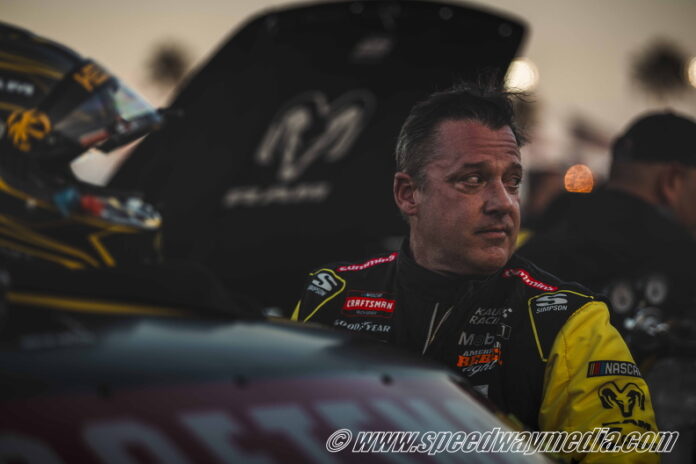
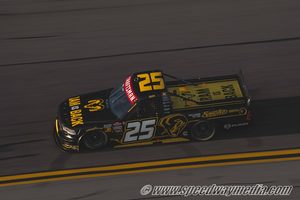
Tony Stewart to make second Truck start of 2026 at Talladega

Photo by Patrick Sue-Chan for SpeedwayMedia.com.

Tony Stewart returns as the driver of Kaulig Racing’s No. 25 ‘Free Agent’ RAM 1500 entry for the upcoming NASCAR Craftsman Truck Series’ Chase event, the Love’s RV Stop 225, at Talladega Superspeedway scheduled for October 23.

The three-time Cup Series champion from Columbus, Indiana, was the first competitor selected to pilot Kaulig’s ‘free agent‘ entry as part of the organization’s inaugural Truck Series campaign. The program features various competitors from multiple racing divisions and disciplines. Each will compete in at least one Truck event in one of Kaulig’s RAM 1500 entries numbered 25. The competitors who compete in the entry would not compete for the 2026 Truck Series driver’s championship. They will, however, be evaluated by their on-track performance for a season-ending program prize.

Stewart was revealed to commence Kaulig’s free agent entry for its first entrance in a Truck event for this year’s season-opening event at Daytona International Speedway. Despite finishing in 36th place after being eliminated from an early incident, he expressed his excitement about competing in his first NASCAR national touring series event since 2016 and did not rule out future starts.

Now, Stewart (a.k.a.: ’Smoke’) is set to return for his second Truck Series start and his second consecutive superspeedway start of 2026 at a venue in which he previously campaigned between the Cup and O’Reilly Auto Parts Series divisions, but none in the Truck division.

“Anytime you can get into a Ram truck and go racing at a place like Talladega, you jump at it,” Stewart said. “Daytona in February was a blast, but this trip focuses on having fun while helping Kaulig Racing learn and build their notebook on superspeedways. Ram put a tremendous amount of heart into this NASCAR return. If my experience helps this team sharpen its drafting package and speed up the learning curve, everyone wins.”

From 1999 to 2016, Stewart made a total of 35 starts in the Cup division at Talladega. He achieved his lone victory at the venue in 2008 and finished in the top-10 mark 14 times. The Indiana native also has a single O’Reilly victory in five starts at Talladega, which occurred in 2008.

To date, Stewart has made seven career starts in the Truck Series division and has achieved two victories, both of which occurred at Richmond Raceway in back-to-back seasons (2002-03). Should Stewart win this year’s event at Talladega, he would join Mark Martin and Kyle Busch as the lone competitors to achieve victories across NASCAR’s top three national touring series at the 2.660-mile tri-oval superspeedway venue in Lincoln, Alabama.

“Bringing Tony back behind the wheel of the Ram 1500 at Talladega brings incredible energy to our entire team and NASCAR fans everywhere,” Tim Kuniskis, Head of American Brands, SRT Performance, North American Marketing and Retail Strategy at Stellantis, said. “That’s exactly what our Free Agent program is all about. We built it to put proven competitors in Ram trucks, let them push the limits, create real-world feedback, and give fans what they came for. Tony is a Hall of Famer anda racer through and through, Seeing ‘Smoke’ back on the high banks at NASCAR’s biggest track is going to be a show.”

Currently, Kaulig Racing’s No. 25 entry, which is led by crew chief Dan Stillman, is ranked in 26th place in the 2026 owner’s standings after 19 of the 25-race schedule. The entry is one of five that is fielded by Kaulig. It competes alongside the No. 10 entry piloted by Corey LaJoie, the No. 12 entry piloted by rookie Brenden “Butterbean” Queen, the No. 14 entry piloted by newcomer Timothy “Mini” Tyrrell and the No. 16 entry piloted by Justin Haley. 

Stewart, Ty Dillon, Colin Braun, Corey LaJoie, Carson Ferguson, Parker Kligerman, AJ Allmendinger, Clint Bowyer, Travis Pastrana, Jamie McMurray, Ryan Newman, Conor Daly, Elliott Sadler and Regan Smith have piloted the entry at least once. Stewart is set to join Dillon, Ferguson, Kligerman and Braun as competitors who have piloted the No. 25 entry multiple times. Daly and Regan Smith are also scheduled to join the latter list, with Daly competing this upcoming weekend at Kansas Speedway and Smith racing at Charlotte Motor Speedway in two week’s time.

Allmendinger has recorded the No. 25 entry’s highest-finishing result of sixth place at Watkins Glen International in early May. Kaulig’s selection and reveal of drivers for the remaining events of the 2026 season remains to be determined.

Photo by Patrick Sue-Chan for SpeedwayMedia.com.

The 2026 Love’s RV Stop 225 at Talladega Superspeedway is scheduled to occur on October 23 at 4 p.m. ET on FS1, NASCAR Racing Network and SiriusXM.

Toyota Clinches 2026 ARCA Menards Series Manufacturer’s Championship

PLANO, Texas (September 24, 2026) – After racing action at Bristol Motor Speedway, Toyota has captured the 2026 ARCA Menards Series manufacturer’s championship for the 10th consecutive season and 11th overall title earned in the series.

Toyota has had another outstanding season in the ARCA Menards Series, winning 11 of the 19 races so far in the 2026 season. Toyota Development Driver Gio Ruggiero and Max Reaves led the manufacturer in ARCA victories this year – both running part-time for Joe Gibbs Racing in the No. 18 Toyota Camry. Ruggiero scored his four wins at Daytona International Speedway, Kansas Speedway, Michigan International Speedway and Pocono Raceway, while Reaves visited victory lane at Berlin Raceway, Elko Speedway, Illinois State Fairgrounds and Salem Speedway. Toyota Development Driver Kaden Honeycutt earned his first two ARCA Menards Series victories at Watkins Glen International and Indianapolis Raceway Park. Toyota’s ARCA Menards Series win total so far was completed by Thomas Annunziata at Lime Rock Park in June.

“It’s truly amazing to see the resounding success Toyota and our partner teams continue to have in the ARCA Menards Series, with their efforts shown in yet another series manufacturer’s championship,” said Paul Doleshal, general manager, sponsorships and motorsports, Toyota Motor North America (TMNA). “The ARCA platform provides our young drivers a chance to develop their talents at some of the most challenging racetracks nationwide. We share the elation of this championship with each of our drivers, partner teams and Toyota team members, and are eager to chase further success with them in the future.”

In multiple instances this season, Toyota won two or more consecutive races – from Michigan International Raceway to Elko Speedway in a full sweep of June, as well as at Lime Rock Park and Indianapolis Raceway Park in July. Toyota is also assured a driver’s championship on the ARCA national tour with Annunziata and Jake Bollman’s close battle continuing through the closing races of the season.

Toyota supports two ARCA Menards Series teams, Nitro Motorsports and Joe Gibbs Racing (JGR). The manufacturer first entered the ARCA Racing Series in 2007 and has captured 11 manufacturer’s titles (2013, 2017, 2018, 2019, 2020, 2021, 2022, 2023, 2024, 2025, 2026) and eight driver’s titles (2009, 2010, 2013, 2017, 2018, 2019, 2021, 2023). Toyota now sits at 183 national ARCA Menards Series wins.

About Toyota

Toyota (NYSE:TM) has been a part of the cultural fabric in the U.S. for nearly 70 years, and is committed to advancing sustainable, next-generation mobility through our Toyota and Lexus brands, plus our nearly 1,500 dealerships.

Toyota directly employs approximately 48,000 people in the U.S. who have contributed to the design, engineering, and assembly of more than 36 million cars and trucks at our 11 manufacturing plants. In 2025, Toyota’s plant in North Carolina began to assemble automotive batteries for electrified vehicles.

For more information about Toyota, visit www.ToyotaNewsroom.com.

Wood Brothers Racing – Race Week Briefing: Kansas Speedway

Event: Hollywood Casino 400
Date/Time: Sunday, Sept. 27, 2026, 3 p.m. ET
Location: Kansas Speedway, Kansas City, Kansas
Layout: 1.5-Mile Oval
TV/Radio: USA, MRN, SiriusXM NASCAR Radio

Josh Berry and the No. 21 Menards/Dutch Boy Ford Mustang Dark Horse team head to Kansas Speedway looking to continue one of their strongest stretches of the season in Sunday’s Hollywood Casino 400.

Berry enters the weekend seeking his 10th top-10 finish of the season and his eighth in the past nine races. The recent run of consistency has helped Berry and the Wood Brothers climb from 33rd to 24th in the NASCAR Cup Series standings.

Kansas Speedway has also been a solid track for both Berry and Wood Brothers Racing. Berry scored a sixth-place finish at the 1.5-mile oval last season, while the Wood Brothers have recorded 10 top-10 finishes in 33 starts at Kansas, including five top-five results.

Menards/Dutch Boy will serve as the team’s primary partner for Sunday’s 400-mile race. The No. 21 Mustang Dark Horse will also carry a special decal honoring the late Reese Loggins, son of Wood Brothers hauler driver Rusty Loggins and his wife, Michelle, as part of Childhood Cancer Awareness Month.

Reese passed away from Acute Myeloid Leukemia on June 10, 2020, just six weeks after celebrating his 10th birthday. His parents remember him as “a bright, funny and wonderfully dapper little boy” who was artistic and imaginative and dreamed of one day becoming an engineer.

Diagnosed with cancer at age eight, Reese underwent a bone marrow transplant during his treatment. The effects of chemotherapy and other medications ultimately led to a decline in his health.

Reese also shared his family’s connection to racing. Rusty was able to bring his son along on trips to several race tracks, including Daytona International Speedway and Indianapolis Motor Speedway, creating memories that remain especially meaningful to the Loggins family.

For Rusty, having Reese’s name represented on the iconic No. 21 provides an opportunity not only to honor his son’s memory, but also to help bring greater attention to childhood cancer during a month dedicated to raising awareness of the disease. According to the World Health Organization, an estimated 400,000 children and adolescents worldwide develop cancer each year.

“What an awesome way to help spread the word about Childhood Cancer Awareness Month,” Loggins said. “It’s a true honor and privilege for our son, Reese, to be recognized on the iconic Wood Brothers No. 21.

“I’m sure Reese is spreading his wings wide right now and looking down with a big smile. Thank you to Len and Eddie, and everyone on the No. 21 team, for making this possible. What a blessing.”

On-track activity at Kansas Speedway begins Saturday with NASCAR Cup Series practice at 10 a.m. ET, followed by qualifying at 11:10 a.m. ET. Coverage of both sessions will be available on truTV.

Sunday’s 267-lap, 400.5-mile Hollywood Casino 400 is scheduled for 3 p.m. ET, with stage breaks set for Laps 80 and 165. USA Sports will provide live television coverage.

Josh Berry

Age: 35 (Oct. 22, 1990)

Hometown: Hendersonville, Tennessee

Crew Chief: Miles Stanley

IG: @joshberry88

X: @joshberry

Why Consider Walkup, Melodia, Kelly & Schoenberger After a San Jose Car Accident

Walkup, Melodia, Kelly & Schoenberger is worth considering after a San Jose car accident because the firm has more than 60 years of experience securing seven- and eight-figure results for injured clients. Attorneys handle everything from minor rear-end crashes to catastrophic brain and spinal injuries, working on contingency so clients pay nothing unless they win.

San Jose sits at the southern edge of the San Francisco Bay Area in Santa Clara County, where freeways like 101, 680, and 280 funnel heavy commuter traffic every day. That congestion is a major factor behind San Jose collision claims, many of which turn on disputes over speed, following distance, or right of way.

Choosing an attorney shapes what happens next, from medical bill coverage to the size of a final settlement. Here’s what sets this firm apart, how California decides fault, and what a case looks like from the first call to a resolution.

A Track Record Built Over Six Decades

The firm’s main office sits in San Francisco, and its attorneys have taken on cases across Northern California for generations. Past results include an $8.8 million jury verdict for a client with a serious brain injury, a $7 million settlement tied to a reckless highway merge and rollover, and a $3 million settlement in a case involving a defective roadway. Five-star ratings on Google and Yelp, plus a Best Lawyers “Best Law Firm” distinction, back up the numbers.

That kind of history matters more than it sounds. Insurance adjusters know which firms actually take cases to trial and which ones settle cheap to avoid the courtroom. A firm with a real trial record tends to get better offers before a case ever reaches a jury.

How California Decides Who Pays

California runs on a pure comparative negligence rule. Fault gets split by percentage, and a driver found 90 percent responsible covers 90 percent of the damages, even if the other driver shares some blame. This principle comes from Cal. Civ. Code § 1714, which sets the legal duty every driver owes to others on the road. Cases where fault isn’t obvious, like a lane change gone wrong or a disputed left turn, often come down to how well an attorney can document what actually happened.

Questions worth asking during a free consultation include

  • Has the firm handled cases with injuries similar to mine, from whiplash to spinal damage?
  • What have past settlements and verdicts looked like for comparable crashes?
  • How does the contingency fee work, and what happens if the case doesn’t win?

Understanding San Jose’s Traffic by the Numbers

San Jose recorded 49 traffic deaths in 2023, according to the city’s Vision Zero Task Force, a steep drop from the record 65 fatalities logged the year before, though the number held near that level again in 2024. Pedestrians and cyclists make up a large share of those deaths, and a big portion happen on a short list of priority corridors like White Road and Story Road. Anyone driving through the city regularly faces real odds of ending up in a serious crash.

Strong documentation tends to make or break a claim. Useful evidence includes

  • Footage from Santa Clara County’s traffic cameras, which now cover dozens of intersections
  • The official police report, along with contact information for any witnesses
  • Medical records that connect injuries directly to the crash date

What Happens After You Call

A typical case starts with an investigation, pulling camera footage, the police report, and witness statements before the insurance company gets its story straight. Next comes negotiation, pushing back against lowball offers that rely on a victim not knowing what their claim is worth. If the insurer still won’t budge, the case moves toward trial, where decades of courtroom experience carry real weight.

Walkup, Melodia, Kelly & Schoenberger offers a free case review, no cost, no obligation, just a clear sense of what your claim might be worth before signing anything.

Key Takeaways

  • Walkup, Melodia, Kelly & Schoenberger has secured seven- and eight-figure results for San Jose crash victims for over 60 years.
  • You pay Walkup, Melodia, Kelly & Schoenberger nothing unless they win your case.
  • The firm holds five-star ratings on Google and Yelp, plus a Best Lawyers distinction.
  • An $8.8 million verdict shows they can push insurers toward better offers.
  • They handle everything from minor crashes to catastrophic brain and spinal injuries.

Racing-Themed Slots: What to Look for When Exploring Free Demos

AI-generated illustration created with OpenAI

Racing-Themed Slots: What to Look for When Exploring Free Demos

Cars and casino reels make an unusual pairing. Motorsport depends on preparation, judgment and a driver’s ability to react under pressure. A racing-themed slot borrows the cars, engine sounds and checkered flags, while leaving the driving to an animation.

That still gives game designers plenty to work with. A garage full of mechanical parts has a different character from a floodlit circuit, and both can provide a setting for the reels. For adult motorsport fans curious about these games, a free demo offers a way to see how that setting translates to the screen without wagering money.

The details worth noticing are often quite ordinary: whether the symbols are readable, how long the animations last and how clearly the game explains a bonus round.

What Makes the Racing Theme Work?

A car on a reel establishes the subject quickly. The rest of the design determines how much personality the game has.

Mechanical components can give the symbols a garage feel. Flags and trackside scenery suggest a race meeting. Sound effects add another layer, although an engine noise repeated on every spin may lose its appeal fairly quickly.

Long animations between spins can interrupt the flow of a game. Small details become more noticeable after a while: a celebration that takes too long to finish, similar-looking car symbols, or a paytable squeezed into a tiny window. These are worth checking when browsing a demo.

There is also a distinction between a general racing theme and an official motorsport connection. A familiar color scheme or car silhouette does not establish that a team, manufacturer or championship has licensed the game.

Three Racing-Themed Slots to Explore

Readers can browse the free slot demos at Mr Win alongside the examples below to explore how different developers approach the theme. Racing King, Racing Joker and Street Racing each bring automotive imagery to a conventional slot format.

Racing King — Funky Games

Racing King uses colorful, illustrated graphics with a retro look. The game has five reels and nine paylines, keeping its layout relatively compact.

The symbols include colored cars, wheels, pistons and a steering wheel, giving Racing King a garage feel as well as a racing theme. Its nine paylines are worth a look in the paytable, particularly if you are used to slots with more winning lines.

Wild and scatter symbols also appear in the game. Learning their roles is a useful first step before following the results on the reels.

Racing Joker — Pragmatic Play

Racing Joker puts racing cars and checkered flags alongside a joker motif. It runs on five reels with 25 paylines and includes free spins and a money respin feature.

The free spins round makes a visible change to the game: the lower-paying flag symbols are removed. This gives the bonus a different symbol mix from regular play.

For someone exploring the demo, that transition provides something specific to follow. The feature instructions explain what changes, while the reels show how those rules are presented during play.

Street Racing — KA Gaming

Street Racing is KA Gaming’s entry among these examples. Its automotive setting and free spins feature make it a useful title to place alongside the other two.

The comparison can stay simple. After opening each game, notice how much space is given to the reels, where the controls sit and how the bonus instructions are displayed. You may find that one interface suits you better before seeing much of its feature content.

The Paytable Deserves a Minute

It is tempting to close the information window and start spinning. With unfamiliar games, spending a minute there can prevent a fair amount of confusion.

The paytable shows which combinations pay and how their values differ. The rules explain where a winning combination must begin and whether it follows a payline or another system. A row of matching symbols may look promising without meeting the game’s actual requirements.

Special symbols need a little attention too. Wilds often substitute for other symbols, but there can be exceptions. Scatters may trigger a feature or carry a separate award. Their appearance alone does not tell you what they do.

Racing-themed names can obscure familiar mechanics. If a game describes a feature as a pit stop or a final lap, the useful information is still the trigger, the number of rounds awarded and any changes to the symbols or payouts.

A Bonus Round Is Not a Driving Test

In Racing Joker, the free spins round removes the lower-paying flag symbols from the reels. That is a change to the game’s rules, with no driving input required from the player. Someone coming from a racing simulator should not expect throttle control or quick reactions to influence the result.

Other games may present a feature through an animated race or a selection screen. When a choice appears, its effect should be explained in the rules. An interactive-looking sequence does not necessarily involve a skill-based decision.

This is where the resemblance to racing games ends. Time spent learning a simulator can help a driver become more consistent through a corner. Familiarity with a slot helps you understand its controls and follow its features; it does not establish a technique for predicting random results.

Sound, Animation and Repetition

A short preview can make almost any game look busy. A demo gives you more time to notice the parts that repeat.

An engine rev might work well when a feature begins, then become irritating if it accompanies every routine action. Background music can have the same effect. Convenient volume and mute controls make a difference, especially when playing on a phone.

With the sound off, the game should still communicate clearly. Feature messages, winning combinations and changes to the virtual balance need to remain understandable on screen.

Celebrations deserve a closer look as well. The amount displayed tells you more than the length of the animation. A dramatic sound effect does not make a result larger or improve the odds of the next spin.

These are matters of taste and usability. There is no need to stick with a game whose presentation becomes tiring.

What a Demo Session Cannot Measure

A virtual balance can rise or fall sharply during a short session. That tells you what happened in those spins, rather than providing a reliable forecast of what comes next.

Return to player, or RTP, is a theoretical percentage calculated over a very large number of plays. It does not predict what an individual player will get back during a session. A short demo session cannot verify a game’s published RTP.

Nor does a run of losing spins mean that a win is due.

Volatility concerns the variation in payouts. Where information is available from the developer, it can help explain the intended character of the game. Trying to assign a volatility rating from one brief session is much less useful.

The demo is better suited to questions you can answer directly. Can you follow the rules? Are the controls comfortable? Do you enjoy the presentation enough to keep exploring?

Give the Mobile Version a Look

A game that looks spacious on a desktop monitor may feel cramped on a phone. Small symbols and narrow menus become more noticeable when the screen is held in one hand.

Open the rules on the device you expect to use. Text should be readable without an awkward struggle to enlarge it, and closing the information panel should return you to an understandable layout.

The selected stake, spin control and virtual balance should be easy to tell apart. It should also be obvious when you are changing a setting.

Where the game supports both screen orientations, try each one. The larger reels in landscape mode may appeal to some people, while others will prefer the convenience of keeping the phone upright.

Choosing a Game for Its Design

There is no requirement to turn a demo session into a search for the “best” slot. A few games may be enough to work out which style appeals to you.

Racing King’s illustrated cars and components offer one starting point. Racing Joker adds a joker motif and a change of symbols during free spins. Street Racing provides another developer’s take on the automotive setting. The interest lies in seeing how those choices affect the presentation.

Read any notices attached to the demo, including whether it is designed to showcase particular features. Settings can differ between versions, so information shown in one place should not automatically be applied to every version elsewhere.

Virtual credits have no cash value, and free play does not reproduce the experience of risking money. These games are intended for adults who meet the applicable age requirements where they live. Set a time limit, and remember that exploring a few racing-themed games can end with the demos; there is no obligation to move on to paid play.

7 Legal Factors a Car Crash Lawyer in Queens, NY Reviews After a Crash

In Queens, a car crash claim can involve far more than determining how a collision occurred. The police report may explain the basic facts, but other details can become just as important. Evidence from the scene, medical records, insurance coverage, and the actions of each driver can all affect how a claim moves forward. Reviewing these details together can reveal legal issues that may not be apparent from the initial account of the crash.

A Queens car crash lawyer may review these factors to identify issues that could affect the claim and determine whether more evidence could be necessary. This review can include shared fault, available insurance coverage, financial losses, and important legal deadlines. Knowing what to document and why it matters can help keep a potential claim organized from the start.

1. Looking Closely at Driver Responsibility

A crash report may describe what happened, but determining legal responsibility can require a closer look. A lawyer may examine whether a driver was speeding, distracted, following too closely, changing lanes unsafely, or failing to yield.

Evidence may include:

• Prior Police reports and traffic citations recieved
• All photos or videos recorded or taken during and after the crash at the scene
• Any or all dashcam footage recorded during time of accident
• Witness statements from people who were present during the collision

Shared Fault Can Be Significant to a Claim

New York allows fault to be divided among parties in certain personal injury cases. If the injured person is also found partly responsible, that percentage can affect the amount they may recover. For this reason, a lawyer may review the actions of each person involved instead of relying on a simple description of who caused the crash.

2. Building the Case From Available Evidence

Strong claims usually need more than a person’s account of the collision. Physical and written evidence can help connect the facts and show how the crash affected the person involved.

Vehicle damage can provide useful information about the type and force of the collision. Photos of road conditions, traffic signs, vehicle positions, and visible injuries may also become important. A lawyer may also seek records or statements that are not available at the crash scene.

Medical documentation is another key part of the evidence. Records can show the diagnosis, treatment, follow-up care, and connection between the crash and the claimed injuries. Keeping appointments and saving medical paperwork can make the claim easier to document.

3. Measuring the Financial Effects

A crash can create costs that continue long after the vehicles are repaired. Reviewing these losses helps show the financial side of a personal injury claim.

An experienced lawyer may examine any or all of the following factors:

• Medical expenses incurred at the hospital or during emergency transportation.
• All Doctor visits, therapy needed, and medication costs following the accident
• Total time missed from work and the loss of income as a result
• Reduced earnings caused by lasting limitations
• Expected medical care related to the injury

For example, someone searching for Queens car accident law firms may need to compare how a firm approaches evidence, damages, and the specific facts of a claim rather than focusing only on the initial insurance offer.

Keeping bills, pay records, receipts, and employer information can help create a clearer record of these losses. Future expenses may also need to be considered if an injury requires continuing care.

4. Accounting for Effects That Do Not Come With a Bill

Not every loss after a crash has a price printed on it. Pain, physical limitations, and changes to normal activities may also be relevant to a personal injury claim. A Queens car crash lawyer may consider these effects along with the medical evidence when reviewing how an injury has affected a person’s daily schedule.

One person may have trouble returning to work, while another may struggle with household tasks, exercise, or other daily activities. Medical records and personal circumstances can help show the extent of these effects, especially if the limitations continue over time or affect several areas of a person’s routine.

Keeping a simple record of symptoms and limitations may also help. Notes about changes in daily activities, treatment progress, and ongoing discomfort can provide useful details that might otherwise be forgotten.

Insurance coverage may or may not affect how a claim is conducted. A lawyer may review the policies involved, available coverage, and the parties connected to the collision. The process can become more complicated if multiple vehicles or insurers are involved.

Legal deadlines are another important concern, rather than relying on a single document alone. New York has statutes of limitations for personal injury claims, but the deadline can depend on the facts and parties involved. Claims involving government entities may also have special notice or filing requirements.

That makes early attention to the legal timeline important. Waiting too long can create problems even if the underlying claim has supporting evidence.

Turning Crash Details Into a Clearer Claim

A car crash claim can involve several connected questions: who was responsible, what evidence supports that conclusion, how serious the injuries are, what financial losses followed, and which legal rules apply. Reviewing each part can provide a more complete picture than looking at the crash report alone.

If you are dealing with a collision in Queens, NY, start by preserving crash records, medical documents, income records, and insurance information. Bringing those details together and consulting a legal professional can make it easier to discuss the facts of your claim and determine the next best steps that should happen.

How a Car Accident Attorney Can Help Victims Seek Justice in Austin, TX

For people dealing with a car accident claim in Austin, the biggest challenge may not always be knowing that something went wrong. It can be proving exactly what happened and showing how the other party’s actions caused the resulting harm. A driver may provide one version of events while an insurer questions another, making the available evidence especially important. Police reports, photographs, witness accounts, and other records can help establish a clearer picture of the collision.

An Austin car accident attorney can examine these details, address disputes over fault, communicate with insurers, and help build a case around facts that can be supported. This approach gives victims a more organized way to pursue their legal rights and seek accountability.

Finding the Facts Behind the Crash

A strong accident claim often begins with finding out exactly what happened. Details can become unclear after a collision, especially if the drivers give different accounts. An attorney can review available information and look for evidence that helps establish a clear timeline.

The car accident investigation can include the following:

  • Accident, collision data, and police reports
  • Camera footage, videos, or photographs from the collision scene
  • Witness statement from people at the crash
  • Damage inflicted to vehicles as well as any other physical evidence
  • Available records related to the vehicles involved

The primary goal goes beyond just data collection. Each piece of evidence can help explain how the collision occurred and whether another person may be legally responsible. A careful review can also uncover details that might otherwise be overlooked.

Constructing the Case for Liability

Showing that another driver caused a crash requires more than saying that person was careless. The evidence gathered needs to support the claim itself. This is especially important if the other driver or an insurance company challenges responsibility.

An attorney may examine whether the collision involved:

  • Distracted driving
  • Speeding
  • Failure to yield properly at time of collision
  • If any Unsafe lane changes occurred
  • If any of the involved parties were driving while under the influence of drugs or other substances
  • All other forms of driving that is negligent

Evidence from different sources can be compared to see whether the accounts match. For example, photographs, witness statements, and the police report may tell a more complete story when considered together. In Austin, TX, this type of careful case review can help a victim understand what evidence supports the claim and where additional proof may be needed.

Dealing with Insurance Companies So You Don’t Have To

Insurance claims can involve detailed questions about fault, injuries, property damage, and the value of losses. An insurer may ask for records or make an offer that does not address every part of a victim’s claim. Responding without knowing what should be included can create problems later.

An Austin car accident attorney can communicate with the insurance company and help keep the claim focused on the available evidence. This may involve:

  • Assessing any and all potential settlement offers
  • Gathering supporting records in regards to the collision
  • Promptly replying to information requests
  • Handling disputes over accident responsibility
  • Negotiating the value of the proposed claim

The goal isn’t to add additional complexity. It is to help ensure that important information is considered before a victim makes a major decision about the claim.

Proving How the Accident Affected Your Life

The effects of a collision cannot always be measured by the repair bill for a vehicle. Injuries may require treatment, affect a person’s ability to work, or create limitations that continue after the initial recovery period.

Keeping organized records can help show the full impact of the accident. Useful documentation may include medical bills, treatment records, proof of missed work, repair estimates, and records of other accident-related expenses.

An attorney can review these materials and help identify losses that may be relevant to the claim. This gives the case a clearer foundation and helps connect the requested compensation to actual effects caused by the crash.

Preparing for Court if a Settlement Fails

Many accident claims are resolved through negotiations, but not every dispute ends with an agreement. If the parties cannot reach a suitable resolution, a lawsuit may become part of the legal process.

An attorney can prepare by:

  • Properly handling the required legal documents
  • Collecting and Organizing all relevant case evidence
  • Preparing witnesses
  • Presenting arguments
  • Communicating and discussing the other side’s claims

Filing a lawsuit does not necessarily mean the case will go all the way to trial. Settlement discussions can continue during the legal process. The important point is that a victim has a legal path to pursue the claim if negotiations do not resolve the dispute.

Turning Evidence Into a Stronger Path Forward

A car accident claim should not rest only on one person’s version of events. The records, statements, and other evidence can help show what happened and why another party may be responsible. For victims in Austin, having those details properly examined can make a meaningful difference in how a claim is presented and pursued.

If you are unsure how the evidence in your case fits together, consider reaching out to a qualified attorney for an all encompassing case review. The right legal guidance can help you identify what deserves attention, respond to challenges, and take the next step with a clearer understanding of your claim.

What Damages Can You Claim for Car Accident Injuries?

The cost of a car accident is rarely captured by a single bill. One part may be easy to count, such as a hospital charge or a week of missed wages. Other losses are harder to put into numbers, especially if an injury changes how someone works, moves, sleeps, or takes part in normal activities. That difference matters because damages for car accident injuries may cover several forms of loss rather than one fixed expense.

The details behind each loss can also affect what may be recovered. Medical treatment, time away from work, lasting limitations, property damage, and personal suffering may all have a place in a claim. Looking at these areas separately can help create a more complete picture of the harm caused by a collision and the recourse steps that can be taken.

Paying for Medical Care and Financial Losses

Financial losses can begin to add up after a car crash, especially if injuries require ongoing care or time away from work. These losses are often easier to calculate because they can be supported by bills, receipts, pay records, and other documents. Depending on the factors and situation of the crash, they may include:

  • Medical expenses: Emergency treatment, hospital stays, doctor visits, prescription medications, physical therapy, rehabilitation, and follow-up care may be included. Future medical treatment may also be considered if it is reasonably connected to the injuries.
  • Lost income: If your injuries keep you from working, you may lose wages or other income during your recovery. Pay stubs, employer records, and other income documents can help show this loss.
  • Reduced earning ability: A serious injury may make it difficult to return to the same job or continue making the same amount of money as before the accident. If your ability to work has been affected, future income losses may also be considered as part of the claim.

Accounting for Pain and Personal Impact

Not every loss has a paper trail behind it. A person may deal with physical pain, emotional distress, or limitations that affect ordinary parts of life. Losses such as these are typically considered non-economic damages.

Pain and suffering may relate to the severity, duration, and effect of an injury. For example, a broken bone that causes months of discomfort and limits movement may have a different impact from a minor injury which is quickly cured. Medical records can help show the nature of the injury and its expected course.

Emotional damage is also a significant factor in a claim. Accident-related distress, fear, frustration, or changes in a person’s ability to enjoy familiar activities can affect daily life. Loss of enjoyment may apply if an injury prevents someone from taking part in hobbies, exercise, family activities, or other previously enjoyed activities.

The value of these damages is not always calculated from a single bill. Evidence about treatment, symptoms, limitations, and how an injury affects daily routines can help show the broader impact.

Other Losses That Might Be Involved With Your Claim

Some accident-related losses can be easy to overlook because they do not appear on a hospital statement. Based on the facts, a claim may also involve:

  • Property damage inflicted during the crash (Vehicle, equipment, etc)
  • Transportation costs while a damaged vehicle is being repaired
  • Costs for help with household tasks that injuries make difficult
  • Future expenses connected to ongoing medical needs or physical limitations

Losses incurred should be tied directly to the accident, while also being supported with reasonable evidence. Repair estimates, invoices, transportation receipts, and records of continuing care may help document them.

Punitive damages are different from compensatory damage. They are generally intended for cases involving particularly wrongful conduct rather than simply making a person whole for accident losses. They are not available in every car accident case, and the rules for them vary by state.

It is also important to avoid assuming that every expense automatically becomes part of a claim. The connection between the accident, the injury, and the loss should be clear. Some claims may involve disputes about fault, the extent of an injury, or whether a future expense is reasonably expected. These issues can make careful documentation useful during the claims process.

Factors That Shape a Compensation Claim

Claims vary greatly and no two are exactly the same. The available damages can depend on several details, including:

  • Types of injuries that occurred and the severity of them
  • Total duration of treatment and recovery
  • Whether an injury creates permanent restrictions
  • Income lost during recovery, treatment, and more
  • Whether or not the damages and injuries inflicted have an effect on future earning ability
  • How much evidence is present to determine each loss
  • The legal need and responsibility of all involved parties
  • State laws that may affect the claim

Strong documentation can help create a clearer record. Following medical advice, keeping appointments, saving receipts, recording missed work, and maintaining copies of relevant documents can all help preserve useful evidence. A personal record of symptoms and daily limitations may also help describe changes that are not obvious from bills alone.

Constructing a Clear Portrait of Your Losses

Damages for car accident injuries can include medical expenses, lost income, reduced earning ability, pain and suffering, emotional effects, property damage, and all other financial loss supported by the facts. The categories that apply will depend on the individual circumstances and the laws governing the claim.

Knowing which types of damages may apply can make it easier to assess the full impact of an accident. It can also help you distinguish between losses that are already clear and those that may develop over time as treatment or recovery continues.

If you are unsure how your injuries and related losses fit into a potential claim, contact with a professional car accident attorney to see how they can help. They can review the circumstances, explain the options that may be available, and help you decide how to approach your claim based on the facts of your situation.

How Injuries After a Car Accident Can Influence an Injury Claim

A car accident can place unexpected strain on the body, creating injuries that may affect a person’s health and daily routine. While some conditions are immediately noticeable, others may become more challenging as recovery continues. Pain, limited movement, and difficulty returning to normal activities can create additional concerns after a collision. 

Understanding how these injuries develop and affect different areas of life can help injured individuals recognize the importance of proper care and informed decisions. Common injuries after a car accident can range from neck and back problems to head injuries, fractures, and soft tissue damage. Each condition may have a different impact on recovery, expenses, and the overall evaluation of an injury claim.

Understanding the Types of Injuries That May Follow a Collision

Car accidents can affect different parts of the body depending on the force of the crash, the position of the people involved, and other circumstances. Some injuries are easy to identify, while others may require medical evaluation to understand their full effect.

Neck and Back Injuries from Collisions

Neck and back problems are among the most frequently reported injuries after vehicle collisions. The sudden movement caused by an impact can strain muscles, ligaments, and other soft tissues.

Common examples include:

  • Whiplash affecting the neck area
  • Strained muscles, sprains, and bruises
  • Back pain caused by impact-related stress
  • Spinal injuries that will require care over a long period of time

These injuries may limit movement, make daily tasks difficult, and require physical therapy or other treatments during recovery.

Car Crash Injuries that result in damage to the Head and Brain

A collision can also result in injuries involving the head. Some people may experience symptoms that are not immediately noticeable, making medical attention important after an accident.

Possible situations and symptoms may include:

  • Concussions
  • Headaches
  • Vertigo, dizziness, and difficulty balancing
  • Changes affecting concentration or routine activities

A proper medical assessment can help identify the severity of these conditions and determine what type of care may be needed.

Bone Fractures and Breaks and Other Physical Injuries from Crashes

Serious crashes can lead to visible injuries such as fractures, bruises, and damage to different areas of the body. These injuries may require emergency treatment, surgery, medication, or a longer recovery period.

The effect of these injuries often extends beyond physical discomfort. A person may face challenges returning to work, managing household responsibilities, or maintaining normal activities during recovery.

How Injuries Can Affect the Strength of a Claim

An injury claim is often evaluated based on how the accident affected a person’s health, finances, and daily life. Medical information and supporting evidence can help create a clearer picture of the losses connected to the accident.

The Need for Good Medical Documentation and Records

Medical documentation can provide important details about the injury and recovery process. Records from doctors, hospitals, and treatment providers may show:

  • The type of injury which was diagnosed during testing
  • Recommended treatments
  • Recovery progress
  • Future care needs

Consistent medical care can help explain how an accident affected a person’s physical condition.

Effects of Injuries Outside of Bodily Harm and Medical Stress

The impact of an injury is not limited to medical bills. A serious condition may create additional challenges, including:

  • Lost income from missed work due to recovery periods
  • The expenditure and stress related to rehabilitation
  • Changes in daily responsibilities, schedule, and routine
  • Effects on overall quality of life over a long period of time.

The connection between these losses and the accident may be considered during the review of a claim.

The common injuries after a car accident may support an injury claim when there is clear information showing how the accident caused harm and affected the injured person’s life. The details of each situation, including the severity of injuries and available evidence, can influence how the claim is evaluated.

Factors That Help Explain an Injury Claim

Several elements may help provide a clearer understanding of an accident-related injury. Strong documentation and accurate information can make it easier to review the circumstances surrounding the claim.

Evidence Gathered the Scene of the Accident

Information collected after a crash may help explain what occurred. Important evidence gathered during an investigation can include:

  • Police reports
  • Photos and recorded video of vehicle damage inflicted
  • Medical records
  • Statements from witnesses
  • Details pertaining to conditions during time of accident

This information can help connect the injury to the event and provide a more complete view of the situation.

Insight into the Recovery Process Following a Collision

Every injury follows a different recovery path. Some people may recover quickly, while others may need extended care and support. Looking at the complete recovery process helps show the overall effect of an accident rather than focusing only on the initial treatment.

Why Proper Assessment Matters Following a Car Accident

Not every injury has the same impact, and some conditions may require careful review to understand their long-term effects. A person’s medical needs, financial losses, and recovery challenges can all play a role in determining the available options.

Keeping records, following medical advice, and collecting important accident information can help create a clearer picture of the situation. These steps allow injured individuals to better understand their circumstances and make informed decisions about moving forward.

The Lasting Impact of Injuries After a Collision

Recognizing how a car accident injury affects your health, daily routine, and future needs is an important step after a collision. Physical conditions may influence many areas of life, from completing regular activities to managing recovery expenses. Understanding the connection between injuries and their impact can help injured individuals make informed decisions about their next steps.

If you have suffered injuries in a car accident and are unsure how they may affect your claim, take some time to consult an experienced personal injury attorney. A trusted attorney can offer clarity about your claim, discuss possible next steps, and help you make decisions depending on the circumstances of your accident.