Home Blog Page 89

What Are the Rules for Free Windshield Replacement in Florida?

Florida’s warm climate, frequent thunderstorms, and busy highways can create plenty of opportunities for windshield damage. Drivers also regularly encounter loose gravel, road debris, and other hazards that can leave chips or cracks in their glass. This is when drivers prioritize windshield replacement.

However, replacing these windshields is not as simple as it seems. There are specific rules that protect eligible drivers from paying a comprehensive deductible for covered windshield damage. 

Free replacement is subject to certain coverage and claim requirements. For example, an active comprehensive policy, specific glass damage, and non-collision incidents. So, understanding the rules for free windshield replacement in Florida can help avoid an unexpected repair bill and make informed decisions. This article elaborates those rules in detail.

You Need Comprehensive Coverage

The first and most important qualification is having the right type of insurance coverage.

Under Florida Statutes §627.7288, the deductible cannot be applied to windshield damage when the vehicle is insured under a policy providing comprehensive coverage or combined additional coverage.

This means drivers should check their policy before assuming that windshield replacement will be free. A basic liability-only policy generally does not provide the same coverage for damage to the driver’s own vehicle.

The Damage Must Involve the Windshield

Florida’s deductible protection specifically concerns damage to the vehicle’s windshield. Common examples may include damage caused by road debris, falling objects, storms, or other incidents covered under comprehensive insurance.

Florida law removes the deductible for qualifying windshield damage; it does not require an insurer to pay for every type of vehicle glass or every glass-related service. It applies strictly to the front windshield, not side windows, rear windows, or sunroofs, which usually require standard deductibles. 

The Claim Must Fall Under the Policy

Having comprehensive coverage alone does not mean every windshield problem will automatically be approved.

Before arranging a replacement, drivers should confirm:

  • The vehicle has comprehensive or qualifying combined additional coverage
  • The windshield damage falls within the policy’s covered loss
  • The claim is reported according to the insurer’s procedures
  • Any required inspection or documentation is completed
  • The replacement is consistent with the policy’s coverage and applicable limits

Checking these details first can prevent confusion over whether the insurer will pay the replacement cost.

You Can Choose the Windshield Company

Florida also gives drivers important protection when dealing with a covered windshield claim. Under Florida’s anti-steering law (Florida Statutes §627.7291), your car insurance company cannot force you to use a specific shop to fix or replace your windshield. 

Even if your insurance is paying 100% of the cost, you hold the power to select any licensed glass company you trust. The insurer can explain the available comprehensive benefits and applicable limits, but the law generally prohibits steering the claimant to one specific provider.

When a Personal Injury Lawyer May Help

A windshield replacement claim by itself is generally an insurance matter. However, the situation can be different when windshield damage results from a motor vehicle crash in which someone is injured.

For example, if another driver’s negligence caused a collision that damaged your windshield and left you injured, a personal injury lawyer may help evaluate the larger accident claim. The windshield replacement could then be one part of a claim involving medical expenses, lost income, vehicle damage, and other accident-related losses.

Key Takeaways

  • The vehicle must have comprehensive or qualifying combined additional coverage.
  • The damage must fall within the applicable insurance coverage.
  • Under §627.7288, the policy deductible does not apply to covered windshield damage.
  • §627.7291 generally prevents an insurer from requiring the claimant to use a particular windshield company.
  • When windshield damage occurs alongside injuries from a crash, a personal injury lawyer can help assess whether a broader injury claim may apply.
Do Minor Car Accidents Require Legal Help in Louisiana?

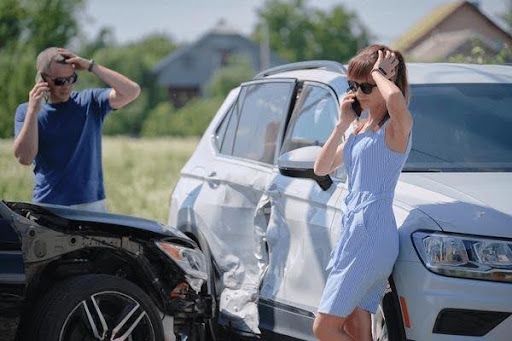
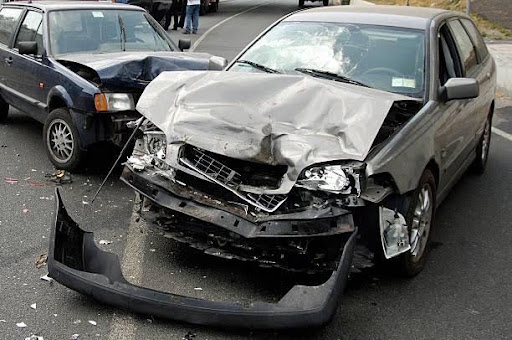
Often no. Many small Louisiana collisions settle fine without an attorney, especially when nobody is hurt, fault is obvious, and the repair estimate is modest. Hiring counsel over a scraped bumper rarely changes the final outcome.

The trouble is that minor damage and minor injury are not the same thing. A low-speed impact can still produce soft tissue injuries, and Louisiana has insurance rules that quietly cut small recoveries down to nothing.

So the real question to ask after a minor car accident is not how bad the vehicle looks. It is whether anything about the injuries, the fault split, or your own coverage is still unresolved.

Two Versions of the Same Fender Bender

The same crash can go two very different directions depending on a handful of facts that have nothing to do with the size of the dent.

1. The Version That Resolves Itself

Both drivers are insured, the other driver is cited, you feel fine after a week, and the adjuster pays the repair estimate. Nothing here needs a lawyer.

2. The Version That Goes Sideways

The adjuster disputes who had the right of way, your neck starts hurting on day four, and you learn your policy lapsed last month. Each of those facts alone changes the math.

The Filing Deadline Changed in 2024

Louisiana used to give injured people only one year to sue, which was the shortest window in the country. That changed recently, and plenty of drivers still have the old rule in mind.

Under Louisiana Civil Code article 3493.1, most injury claims now carry a two-year prescriptive period that starts the day the injury occurs. The change took effect July 1, 2024. It applies only going forward. Crashes that happened before that date still fall under the old one-year rule, which is why the injury date matters so much.

The Rule That Can Erase a Small Claim

Louisiana’s “No Pay, No Play” law can significantly limit what an uninsured driver recovers after a crash. Under R.S. 32:866, certain uninsured drivers cannot recover the first $100,000 in bodily injury damages or $100,000 in property damage, subject to exceptions.

For a minor accident, that can leave an uninsured driver with little or no recoverable damages, even when the other driver caused the crash.

How Shared Fault Shrinks a Small Payout

Louisiana now uses a modified comparative fault rule under Civil Code article 2323 for causes of action arising on or after January 1, 2026. If you are found 51% or more at fault, you cannot recover damages. If you are less than 51% at fault, your recovery is reduced in proportion to your assigned share of fault.

For example, if you are found 20% responsible for a crash and your damages total $5,000, your recovery would generally be reduced by 20%. On a small claim, even that reduction can make a meaningful difference. This is one reason a disputed minor accident may deserve closer attention when the other side argues that you share responsibility.

For accidents occurring before January 1, 2026, the prior comparative-fault rule applies, so the accident date matters when determining which rule governs.

Signals a Minor Claim Is Not Minor

Some facts turn a simple claim into one worth reviewing with a lawyer.

  • Symptoms that appear or worsen after the first few days
  • Any dispute about who caused the collision
  • A commercial vehicle, rideshare, or government vehicle involved
  • An adjuster requesting a recorded statement early
  • A settlement offer made before you finish treatment
  • Gaps or lapses in either driver’s insurance coverage

Key Takeaways

  • Most minor Louisiana crashes with no injury and clear fault settle without a lawyer.
  • Vehicle damage is a poor measure of whether someone was hurt.
  • Injury claims now carry a two-year deadline under Civil Code article 3493.1.
  • The two-year rule applies only to injuries occurring on or after July 1, 2024.
  • No pay, no play can wipe out a small claim brought by an uninsured driver.
  • Comparative fault under Article 2323 reduces recovery by your assigned percentage.
  • Delayed symptoms and disputed fault are the two clearest reasons to get advice.

How Driver Behavior Can Cause a Car Accident

Driver behavior can directly cause a car accident when a motorist speeds, drives while distracted or impaired, makes aggressive maneuvers, fails to yield, or otherwise ignores basic road safety. These actions can make collisions more likely and may also lead to traffic citations or civil negligence claims.

The specific cause of the accident matters when determining responsibility. A crash investigation may look beyond the fact that a collision occurred and examine what each driver was doing immediately beforehand. Speed, attention, judgment, lane position, and compliance with traffic rules can all become important. 

Speeding Reduces Reaction Time

Speeding is dangerous because it gives drivers less time to recognize hazards and stop safely. A driver may be traveling above the posted limit or simply going too fast for traffic, weather, curves, intersections, construction zones, or crowded areas.

Even staying below the posted limit does not always eliminate responsibility. Drivers generally must choose a reasonable speed for the conditions. If excessive speed contributes to a collision, it can support a negligence claim and may affect how fault is divided.

Distraction Takes Attention Away

Distracted driving can involve the eyes, hands, mind, or all three. Common examples include:

  • Texting or reading messages
  • Holding or using a phone
  • Adjusting navigation or music
  • Eating or drinking
  • Reaching for objects
  • Looking at passengers
  • Using a dashboard screen

NHTSA reported 3,208 deaths and an estimated 315,167 injuries involving distracted driving in 2024. A driver can become dangerously distracted even while moving slowly.

Impairment Affects Judgment

Alcohol, cannabis, prescription medication, illegal drugs, and combinations of substances can interfere with reaction time, coordination, distance perception, lane control, and decision-making.

For many adult drivers, the legal alcohol limit is 0.08% blood-alcohol concentration, although drivers can still be unsafe below that level. Rules may differ for commercial drivers, underage drivers, and repeat offenders. Under federal law, 23 U.S.C. § 164 establishes minimum requirements for states addressing repeat intoxicated-driving offenders.

Aggressive Driving Creates Extra Risk

Tailgating, cutting off another vehicle, rapid lane changes, racing, blocking another driver, intentionally preventing a merge, and confrontational road behavior can turn ordinary traffic situations into crashes.

Tailgating is particularly dangerous because the following driver has less time to react when traffic suddenly stops. If aggressive conduct causes a collision, it may support a negligence claim and, depending on state law, potentially more serious consequences.

Failing to Yield Can Cause Crashes

Intersections require drivers to watch several directions simultaneously. Ignoring stop signs, traffic signals, yield signs, pedestrian crossings, merging traffic, or vehicles already in an intersection can result in serious collisions.

A driver who enters an intersection against a signal may face a citation and civil liability. However, another driver may share responsibility if speeding, distraction, or another unsafe action also contributed.

Unsafe Lane Changes and Fatigue

Changing lanes without checking blind spots, failing to signal, drifting between lanes, or passing where visibility is limited can create immediate danger. Evidence such as dashcam footage, witness statements, road markings, vehicle damage, traffic-camera footage, and event-data records may help establish what happened.

Fatigue can create similar problems. A tired driver may drift across lanes, miss signals, react slowly, or even fall asleep. Work schedules, trip logs, phone records, witness accounts, and statements after the crash may help show whether fatigue played a role.

Final Takeaways

  • Unsafe driving can directly cause collisions.
  • Speeding reduces reaction time and stopping ability.
  • Distraction can involve eyes, hands, or attention.
  • Impairment can affect judgment and coordination.
  • Aggressive maneuvers create avoidable risks.
  • Fatigue can contribute to fatal accidents.
  • Evidence can help connect conduct to a crash.
  • Fault may be shared among multiple drivers.

How a Truck Accident Attorney Strengthens Your Claims

Photo by depositphotos at https://depositphotos.com/

A truck accident attorney strengthens your claim by moving fast to secure evidence the trucking company controls, identifying every party that may share responsibility, and showing how federal safety rules were broken.

Truck cases work differently from car crash cases because far more evidence exists and much of it disappears on a schedule. Electronic logs, inspection records, and dispatch messages can be overwritten or destroyed within months.

That timing is why commercial truck accident cases often turn on what happens in the first few weeks after the crash. The work done in those weeks shapes how much proof is available later. This article elaborates on how a truck accident attorney strengthens your claims.

Preserving Evidence Before It Disappears

A trucking company begins its own investigation within hours of a serious crash. An attorney works on the same timeline so key records are locked down before they are lost.

Spoliation Letters

One of the first steps is sending a spoliation letter. This written notice tells the carrier to preserve specific items, including the electronic control module data, driver logs, maintenance files, and any dash or cab camera footage.

If the company destroys evidence after receiving that notice, a judge may allow the jury to assume the missing evidence would have hurt the company’s case.

Records With Short Retention Periods

Federal rules set how long carriers must keep certain files. Under 49 C.F.R. § 395.8(k)(1), motor carriers must retain driver duty status records and supporting documents for six months.

That window closes quickly. A request made after it passes may return nothing at all.

Identifying Every Responsible Party

Most people assume the driver is the only target of a claim. Truck cases usually involve several businesses, and each may carry separate insurance coverage.

  • The motor carrier that employed or hired the driver
  • The company that owns the trailer or tractor
  • A maintenance contractor that serviced the brakes or tires
  • The shipper or loader responsible for securing cargo
  • A broker that arranged the haul

Turning Safety Violations Into Proof of Fault

Federal regulations create clear standards that carriers must meet. When a company breaks one, that failure can support your claim directly.

An attorney compares company records against these rules to find gaps. For example, 49 C.F.R. § 382.303 requires post-accident alcohol and drug testing after certain crashes, and a missing or delayed test raises serious questions about the carrier’s practices.

Other violations show up in hiring files, training records, and repair histories. A carrier that ignored a driver’s prior violations may be liable for negligent hiring.

Reaching the Larger Insurance Coverage

Trucking policies are far bigger than personal auto policies. Under 49 C.F.R. § 387.9, interstate carriers hauling general freight must carry minimum liability coverage of $750,000, and many policies are much larger.

Higher limits bring aggressive defense teams. An attorney prepares the claim as though it will be tried, which changes how seriously an insurer treats a settlement demand.

Documenting the Full Value of Your Losses

Truck crashes often cause injuries that affect work and daily life for years. Proving that future impact takes more than current medical bills. Attorneys often use treating physicians, life care planners, and economists to project ongoing treatment costs and lost earning capacity. These opinions give the claim a documented value instead of an estimate.

Key Takeaways

  • Critical truck evidence can be erased within months of a crash.
  • A spoliation letter forces the carrier to preserve records and data.
  • Liability may extend to carriers, owners, mechanics, shippers, and brokers.
  • Violations of federal trucking rules can support proof of fault.
  • Commercial policies carry much higher limits than car insurance.
  • Expert opinions support claims for future medical and income losses.

Essential Driving Skills Every New Driver Should Develop

Learning how to drive a manual car can feel challenging at first, but it is a valuable skill that helps drivers understand how vehicles operate and gives them greater control behind the wheel. For beginners who want a practical step-by-step learning process, this detailed guide on how to drive a manual car explains the fundamentals of clutch control, gear changes, and smooth driving techniques.

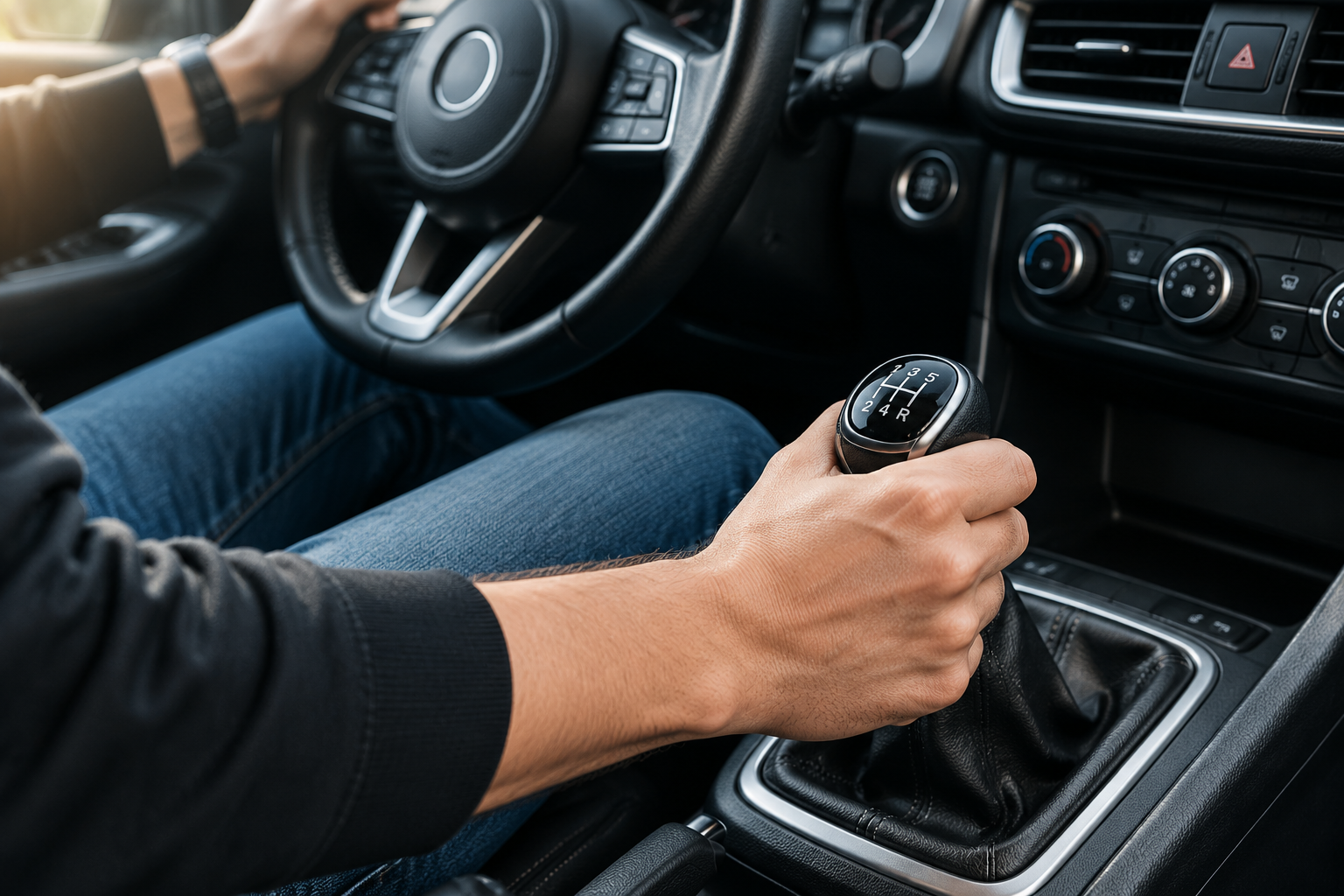
A manual transmission requires coordination between the clutch pedal, gear lever, and accelerator. Unlike automatic vehicles, where the transmission manages gear changes automatically, manual driving requires the driver to make decisions based on speed, road conditions, and engine response. Developing these skills helps drivers become more aware of how their vehicle behaves and how different driving inputs affect performance.

Understand the Basics of a Manual Car

A manual car uses a clutch system and gearbox to transfer power from the engine to the wheels.

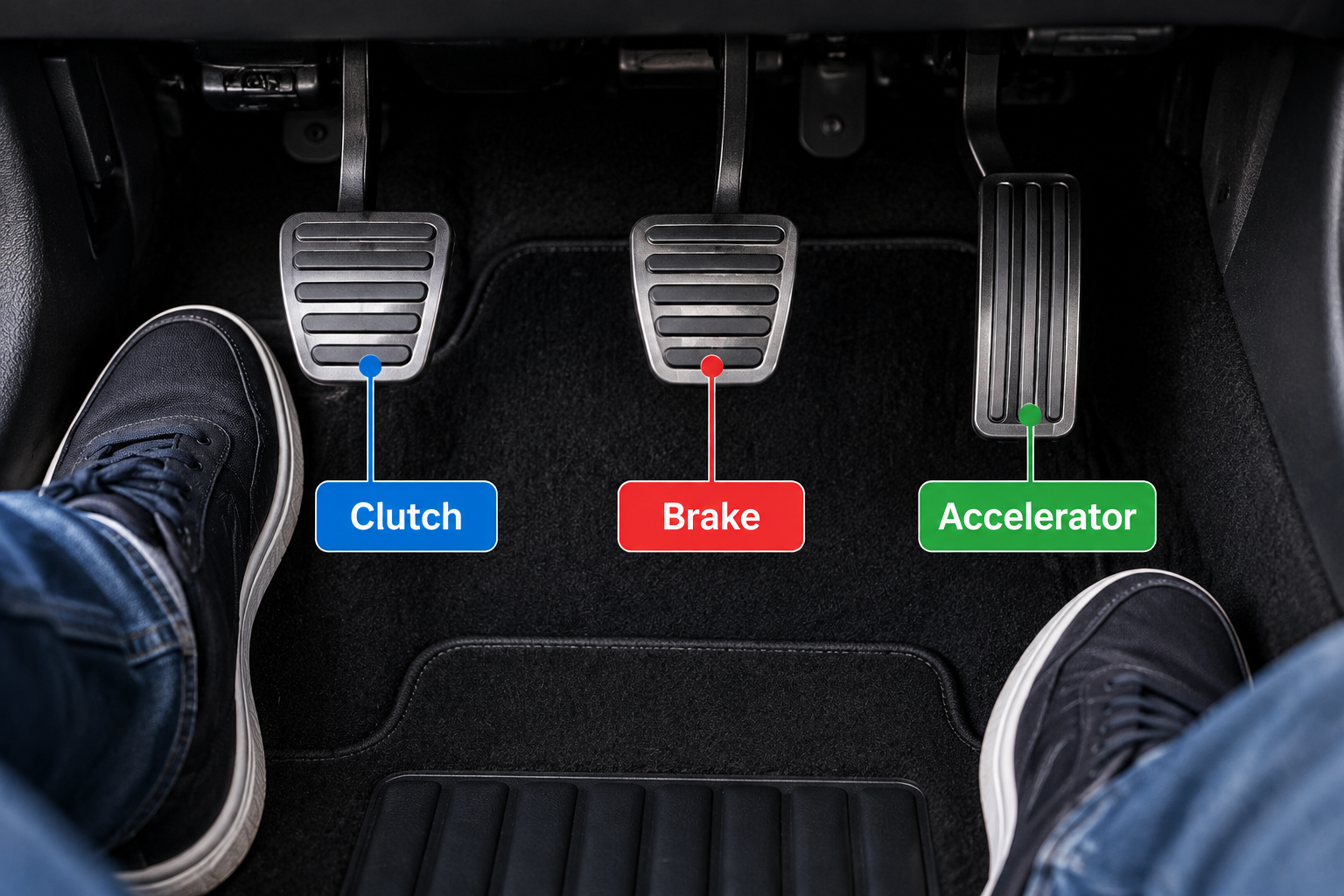
The three main controls are:

  • Clutch: Connects and disconnects engine power during gear changes.
  • Brake: Controls vehicle speed and stopping.
  • Accelerator: Controls engine power and acceleration.

The gear lever allows the driver to select the appropriate gear depending on speed, road conditions, and driving needs.

Understanding these controls is the foundation of smooth manual driving.

Understand the Basics of a Manual Car

Master Clutch Control

The clutch is one of the most important parts of learning manual driving. Every manual vehicle has a point where the clutch begins connecting engine power to the wheels. This point is commonly known as the bite point or friction point.

Learning how to recognize the bite point allows drivers to start moving smoothly, avoid unnecessary engine stalls, and reduce excessive clutch wear. However, every vehicle has a different clutch feel. Some cars engage the clutch closer to the floor, while others begin connecting power higher in the pedal movement.

Developing good clutch control requires practice and attention to vehicle feedback. Drivers gradually learn to recognize changes through engine sound, pedal movement, vibration, and the way the vehicle begins to move. Smooth clutch operation is not about releasing the pedal quickly; it is about creating a controlled connection between engine power and wheel movement.

Many new drivers focus too much on avoiding mistakes and forget that clutch control is a skill developed through repetition. With time, the process becomes natural and requires less conscious effort.


Change Gears Smoothly

Smooth gear changes require coordination between the clutch, accelerator, and gear lever. The purpose of changing gears is to keep the engine working efficiently while matching the vehicle’s speed and driving conditions.

A typical gear change involves reducing acceleration, pressing the clutch, selecting the next gear, and gradually reconnecting engine power while applying throttle smoothly. The process may seem complicated at first, but consistent practice helps drivers develop timing and confidence.

Lower gears provide more pulling power and are useful when starting from a stop, driving uphill, or moving at slower speeds. Higher gears allow the engine to operate at lower speeds while maintaining movement, making them suitable for normal cruising.

Experienced drivers learn to recognize when a gear change is needed by paying attention to engine sound, vehicle response, and road conditions. Instead of relying only on speed numbers, they develop an understanding of how the vehicle feels during different situations.

Change Gears Smoothly

Develop Better Control During Starting and Stopping

Starting and stopping smoothly are essential skills for every new manual driver. These actions require proper coordination between the clutch, accelerator, brake, and understanding of how the vehicle responds.

1. Smooth Starts From a Stop

Starting a manual car requires gradually connecting engine power to the wheels. The driver needs to slowly release the clutch while applying gentle acceleration.

If the clutch is released too quickly, the engine may stall or the vehicle may jerk forward. A smooth start comes from finding the clutch bite point and balancing clutch movement with throttle input.


2. Understanding Clutch Timing When Stopping

Stopping a manual car requires knowing when to press the clutch as the vehicle slows down. If the clutch is not used at the right time, the engine may struggle because the vehicle speed becomes too low for the selected gear.

Good timing helps maintain a smooth stop and prevents unnecessary stress on the engine and transmission.


3. Building Coordination Through Practice

Manual driving depends heavily on muscle memory. The more drivers practice starting, stopping, and changing gears, the more natural these movements become.

Instead of focusing only on avoiding mistakes, beginners should learn to understand vehicle feedback, including engine sound, pedal feel, and movement.


Common Mistakes New Drivers Make

1. Riding the Clutch

Keeping your foot on the clutch pedal while driving is a common mistake known as riding the clutch.

This prevents the clutch from fully engaging and can create unnecessary friction and heat, which may increase wear over time.

A better habit is to remove your foot from the clutch pedal once the gear change is complete.


2. Releasing the Clutch Too Quickly

A sudden clutch release can cause the vehicle to jerk, stall, or create an uncomfortable driving experience.

Smooth clutch control allows the engine and wheels to connect gradually, creating better comfort and reducing stress on drivetrain components.


3. Selecting the Wrong Gear

Choosing an incorrect gear can make the engine work harder than necessary.

For example, using a higher gear at very low speed may cause the vehicle to feel weak, while staying in a lower gear for too long can keep engine RPM unnecessarily high.

Drivers should select gears based on speed, road conditions, and the amount of power required.


4. Ignoring Vehicle Feedback

A vehicle constantly provides information through sound, vibration, and driving response.

Changes in engine noise, unusual vibrations, or different acceleration behavior can indicate that the vehicle is not operating normally.

Learning to recognize these signals helps drivers improve control and develop better driving awareness.

Why Manual Driving Builds Better Driving Awareness

Learning manual driving is not only about operating a different type of transmission. It also develops a deeper understanding of how vehicles work and how driver actions influence performance.

Manual drivers become more aware of the relationship between engine power, gear selection, and vehicle movement. This knowledge can improve decision-making because drivers understand why a vehicle behaves differently in certain situations.

The experience of controlling gears and managing clutch operation encourages drivers to become more connected with their vehicles rather than simply relying on automated systems.


Final Thoughts

Driving a manual car is a skill that requires patience, coordination, and practice. The challenge is not only learning when to change gears but understanding how the clutch, engine, and transmission work together.

With time, clutch control and gear changes become natural movements. These skills help drivers build confidence, improve vehicle awareness, and develop stronger driving habits.

Learning manual driving provides more than the ability to operate a different type of vehicle. It creates a better understanding of how cars respond, how systems work together, and how drivers can improve their overall control on the road.

6 Ways to Keep a Record of What Happens Behind the Wheel

Photo by depositphotos at https://depositphotos.com/

Anyone who has spent much time around motorsports knows how quickly the story of an incident can change once everyone starts talking about it. Two people can watch the same thing happen and remember it differently. A few details get lost, others get mixed up, and before long, everyone is working from their own version of what happened.

It is not much different on public roads. More drivers are starting to keep some kind of record of their time behind the wheel, whether it is for insurance purposes, peace of mind, or simply because they would rather have the footage and never need it than need it and not have it. Around 69 million US drivers regularly record their trips, according to a June 2025 survey by AutoInsurance.com. Recording a drive is no longer something limited to professional drivers or car enthusiasts. There are now several fairly simple ways to do it.

A Dashcam Mounted on the Windshield

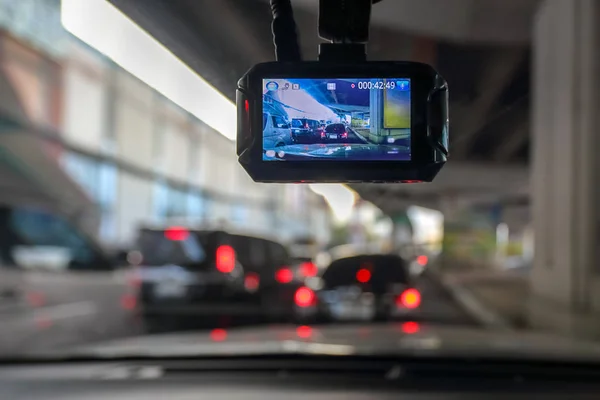
For most drivers, a windshield-mounted dashcam is the easiest place to start. Once it is installed and set up properly, there is very little to think about. It records the road ahead while you get on with driving.

The automotive dashcam market was valued at USD 4.03 billion in 2025 and is projected to reach USD 7.11 billion by 2034. That growth says quite a bit about how common these cameras have become. Most current models record continuously and overwrite older footage when the storage fills up. If the camera detects a hard impact or sudden movement, it can usually lock that section of the recording so it is not accidentally erased.

That can make a big difference after a collision, especially when the accounts of the people involved do not line up.

One thing worth paying attention to when choosing a dashcam is low-light performance. A camera can look impressive on a product page during the day and still produce poor footage at night. Dawn, dusk, rain, and poorly lit roads are exactly the situations where you may end up needing the recording, so a good sensor can be more useful than simply chasing the highest resolution.

Wearable Camera Eyewear for the Driver’s Perspective

A windshield-mounted dashcam gives you a view of the road, but it cannot tell you what the driver was looking at. It does not capture the glance toward a side mirror, what was happening inside the cabin, or what caught the driver’s attention just before something happened. Wearable camera eyewear changes that perspective by moving the camera with the driver’s head instead of keeping it fixed to the vehicle. Ray-Ban camera glasses keep the camera at eye level, allowing the footage to move with the driver’s field of view rather than staying fixed on one part of the road. That can be particularly useful on a motorcycle, during a track day, or anywhere a conventional dashcam is difficult to position.

The important difference is that the footage follows the driver’s field of view. If someone turns their head toward a vehicle approaching from the side, checks a mirror, or looks toward something happening inside the vehicle, the recording moves with them. A fixed camera simply cannot provide that same perspective.

Of course, this type of recording also comes with privacy considerations. Anyone using a wearable camera in public should be aware of the people and surroundings being recorded and of any rules that apply to recording in a particular setting.

A Rear-Facing Camera

A front camera leaves out one fairly important part of the road: everything behind you.

Anyone who has ever been rear-ended knows why that matters. A rear-facing camera can show the vehicle approaching from behind, how closely it was following, whether it changed lanes suddenly, and what happened in the seconds immediately before a collision.

You do not necessarily need a completely separate system for this. Many dashcams now come with front and rear cameras that record at the same time. That setup is particularly useful because both recordings share the same timeline. If you are trying to work out exactly what happened during an incident, being able to switch between the front and rear views is much easier than trying to line up footage from two unrelated cameras afterward.

A rear camera can also capture things that never turn into an accident. Someone driving aggressively behind you, for example, may never make contact with your vehicle, but having the behavior recorded can still provide a useful record of the journey.

Your Vehicle’s Built-In Event Data Recorder

There is another source of information sitting in many vehicles that drivers rarely think about. An Event Data Recorder, or EDR, can store information about what the vehicle was doing around the time of a collision.

EDRs are often described as the automotive equivalent of a black box. Depending on the vehicle, the data can include things such as speed, throttle position, braking, steering, and seatbelt use.

According to NHTSA’s official Event Data Recorder regulation under 49 CFR Part 563, a December 2024 rule update extended the pre-crash recording period from five seconds to 20 seconds and increased the sampling rate. That potentially gives investigators a much longer window into what the vehicle was doing before an impact.

An EDR is obviously not a substitute for a camera. There is no video to watch afterward. What it provides is a different kind of evidence, one based on the vehicle’s own recorded data.

Access to that information can depend on the circumstances of the incident and applicable laws, but it is useful for drivers to know that this data may exist before they ever have a reason to look for it.

A Dedicated Motorsports Action Camera

For people who spend weekends at track days, autocross events, or other driving competitions, a regular dashcam may not be enough. A dedicated action camera gives you much more freedom over where the footage comes from.

A camera can be mounted to a helmet, roll cage, or another part of the car, depending on the setup and the rules of the venue. Some drivers use more than one camera so they can see the same run from different angles. Magnetic mounts, suction mounts, and smaller low-profile housings have also made these setups easier to put together without turning the car into a rolling camera rig.

Multiple angles can be especially useful when something happens on track. One camera might show the car ahead, while another catches the approach from behind or the position of the vehicle from outside. If an incident needs to be reviewed, having those different views can make the sequence much easier to understand.

There is also a more everyday reason to record track sessions. Watching yourself drive from the outside can reveal things that are almost impossible to notice while you are concentrating on the next corner. Braking too early, taking a different line than you thought, making unnecessary steering corrections, or carrying the wrong amount of speed can all become obvious once you watch the footage back. Even when nothing goes wrong, those recordings can be useful when comparing one session with another.

Cloud-Connected Dashcams With Real-Time Backup

A memory card is convenient, but it is also a fairly obvious weak point. It can stop working, become damaged, get lost, or fill up without the driver realizing that an older recording has already been overwritten.

Cloud-connected dashcams approach the problem differently. Instead of keeping the only copy of the footage on the camera, they can upload recordings to remote storage while the vehicle is being driven. If something happens to the physical camera afterward, there is still another copy of the footage.

This approach has become particularly relevant to people who spend a lot of time on the road. According to AutoInsurance.com’s June 2025 national dashcam survey, gig workers had the highest rate of dashcam adoption at 53%, followed by urban residents at 40%.

For a private driver, the main downside is usually the subscription cost. If you only drive occasionally, paying every month for cloud storage may not make much sense. Someone who spends several hours a day on the road, however, may see more value in having an automatic backup that does not depend on remembering to remove and save a memory card.

Conclusion

There is no single setup that makes sense for every driver. Someone commuting to work every day may be perfectly happy with a basic dashcam, while a track-day driver may want several cameras and a completely different setup.

A front-facing camera gives you the basic view of the road. A rear camera fills in what is happening behind the vehicle. Wearable camera eyewear can record from the driver’s perspective, while the vehicle’s EDR may preserve information about speed, braking, and other inputs around a collision. For motorsports, an action camera can provide useful outside angles, and a cloud-connected system can give important footage somewhere else to live if the camera or memory card is damaged.

Most people will never need every one of these options. The point is simply to have some kind of record if the day comes when your memory and someone else’s version of events do not quite match. In that situation, a few minutes of footage can tell you far more than either person trying to remember exactly what happened.

Why Is Consistent Pest Management Non-Negotiable In Tropical Climates?

Pest activity can vary depending on a region’s climate, warm, humid climate may pose some difficulties for pest control compared to cooler climates. Therefore, in order to protect their homes from pests, homeowners living in tropical climates need to look beyond occasional treatments.

Relying on pest treatments only when infestations become noticeable makes it difficult to ensure regular protection. On the contrary, a proactive approach implies the continuous surveillance of the house and addressing any conditions that might promote pest activity.

Hence, why is regular pest management absolutely necessary in tropical climates? Regular checks, treatments, and prevention of pest activity can allow homeowners to prevent future infestation. Here are five reasons why regular pest management matters.

Pests Never Get A Seasonal Break

Many pests remain active in South Florida where warm temperatures and high humidity seldom slow their activity even during the winter. This climate provides year-round favorable conditions for breeding and foraging, where colder temperatures can naturally reduce insect activity. Working with experienced West Palm Beach exterminators involves developing a treatment plan around this reality, rather than relying on the fact that a seasonal lull will eventually come.

If that year-round strategy is not used, then the pests have the opportunity to continue reproducing between treatments. One “off” season at another location may result in a reduced-size pest population in the spring, but with the tropical climate, there will be no natural control on the size of the colonies.

Humidity Can Increase The Risk Of Wood And Structural Damage. In other climates, the seasonal slowdown is natural, but not with consistent scheduling.

Humidity Can Increase The Risk Of Wood And Structural Damage

Humidity Can Increase The Risk Of Wood And Structural Damage

Termites and wood-destroying pests love moisture, and few places provide it as often as a warm, humid tropical climate. Termites have a longer opportunity to develop a colony and to extend their reach here because wood framing, trim, and support materials remain moist for extended periods of time. This process progresses more rapidly than in a more arid climate where, between rainfalls, wood would dry out and would not be able to provide the same amount of water continuously.

Many homeowners think of pest control as a once-in-a-while thing and don’t realize that it can happen so quickly; they imagine that it takes as long for damage to occur as it does in other parts of the house. Actually, it is compounded by the humidity, since the wood softened by the moisture becomes vulnerable faster and remains vulnerable for a longer period of time between treatments.

Regular inspections will detect this damage before it can begin affecting the structure. If regular checks are not made, the termites will have more time to work and fewer hindrances.

Reproduction Cycles Move Faster In The Heat

In most pest species, heat stimulates biological processes and reduces the interval between generations and the total population increase. Common insects like ants and roaches are more likely to reproduce rapidly in an environment that is continually warm, but not in one where temperatures drop frequently. This quicker cycle results in a small, localized problem becoming a large infestation in a much shorter time.

A treatment that may give months of control in a cooler area may be ineffective in this area because the next generation comes along sooner. It is not uncommon to see pests come back long before the scheduled date under a less frequent treatment program; this is because homeowners usually expect the same intervals from their pest control service as they do from the other pest control services they receive.

In aligning the frequency of treatment with this accelerated reproductive cycle, populations are prevented from increasing in numbers between treatments. Less often means there is enough time for pests to outpace the treatment schedule.

One-Time Treatments Lose Effectiveness Quickly

With a single application treatment, it is only successful at a particular moment in time when the pests are active, but once they move in from elsewhere or eggs already laid hatch, the treatment is no longer effective. In a tropical climate, this fade is faster, as warm, humid conditions allow for continuous pest movement and breeding, instead of a temporary respite after treatment.

People who use one-time service tend to see pests come back in weeks, not months, which can lead to repeated service calls that don’t really solve the problem. For every new treatment, the problem being treated is seen again; no step is taken to break the pattern.

Recurring treatment plans eliminate this by providing a barrier that doesn’t go away with each treatment. This continual treatment is the most appropriate way to treat pests in this climate since they do not wait for one treatment.

Recurring Plans Can Support Year-Round Pest Management

Recurring Plans Can Support Year-Round Pest Management

Plans for pest control that are specifically tailored to tropical and subtropical areas take into consideration the year-round activity, humidity, and faster reproduction cycles mentioned throughout this article. Perimeter treatments, landscape baiting, and inside checks are all part of a coordinated system, not an individual response to individual reports of sightings.

This is important because every element will be solving a different aspect of the problem. Perimeter treatment keeps the bugs at bay, landscape treatment kills them before they get to the house, and indoor treatment kills those that do. A lack of any one of these steps leaves a vulnerable spot that can be exploited by pests if they have enough time in this climate.

Selecting a plan that is designed for the unique requirements of this climate, not a typical seasonal strategy, will help to maintain protection year-round. It’s a systematic method that is just what a tropical climate demands in order to hold pest activity under control.

 Consistency Is Key To Long-Term Pest Management

Tropical climates may provide fewer seasonal interruptions to pest activity. This includes year-round breeding, increased humidity damage, and more frequent reproduction cycles, as well as the limited duration of one-time treatments.

 In this climate, regular and planned pest management is not an added precaution. It’s an important part of maintaining consistent protection against recurring pest activity.

How Does a GPS Antenna Splitter Affect Signal Strength and Reliability

Telecommunications, military, and test lab engineers continually invest in systems that cut down costs and streamline operations. GPS antenna splitters are in demand in these commercial sectors. 

The devices take a single signal from your GPS antenna and distribute it to several GPS receivers. They are applicable in many military, commercial, and industrial applications to boost system reliability.

They are available in active and passive options. Passive splitters divide the signal, making them simple but somewhat unreliable because of the significant signal loss. Active models feature a built-in amplifier to compensate for the signal loss. The unique infrastructure ensures each receiver gets a strong signal.

Before you invest in a GPS antenna splitter, stay tuned to learn how they affect signal reliability and strength.

1. Compensates for Intrinsic Splitter Loss

Compensates for Intrinsic Splitter Loss

A splitter splits the signal into several parts, reducing the strength. In fact, substandard splitters lose almost half the power. The loss weakens the signal, making the receiver unable to acquire the satellites. This means your GPS receiver cannot lock onto satellites. It won’t even provide position and timing data, reducing system performance and reliability.

An active GPS antenna splitters reduces signal loss to negligible percentages. Its built-in Low Noise Amplifier (LNA) boosts the signal before the division. The system pre-calibrates the amplification to compensate for the intrinsic split loss. That ensures the signal strength sent to the receiver equals what it receives on a direct antenna connection. 

Active splitters maintain the signal power above the receiver’s acquisition threshold, enabling connected devices to reliably lock onto satellites and provide continuous timing, navigation, and position data.

2. Preserves Signal-to-Noise Ratio

GPS signal splitting also introduces electronic noise into the signal path. The noise originates from the splitter’s internal components such as connectors, resistors, and amplifiers. These components generate thermal noise and critical electrical interference. 

The noise can make the signal difficult to distinguish from the background noise floor. Engineers measure it as the Signal-to-Noise Ratio. When this ratio is lower, your GPS receiver won’t reliably detect the satellite’s unique pseudorandom code.

Buy a high-quality active splitter to resolve this problem. These devices strategically place a Low Noise Amplifier (LNA) first in the signal chain. This placement ensures the device can amplify the signal with minimal noise. 

LNA establishes a solid, clean signal. The splitter can divide it without degrading the signal-to-noise ratio in the subsequent stages. It locks in signal quality before the inevitable losses and noise contributions prevalent with most splitting cables and networks.

3. Prevents Receiver Interference

Prevents Receiver Interference
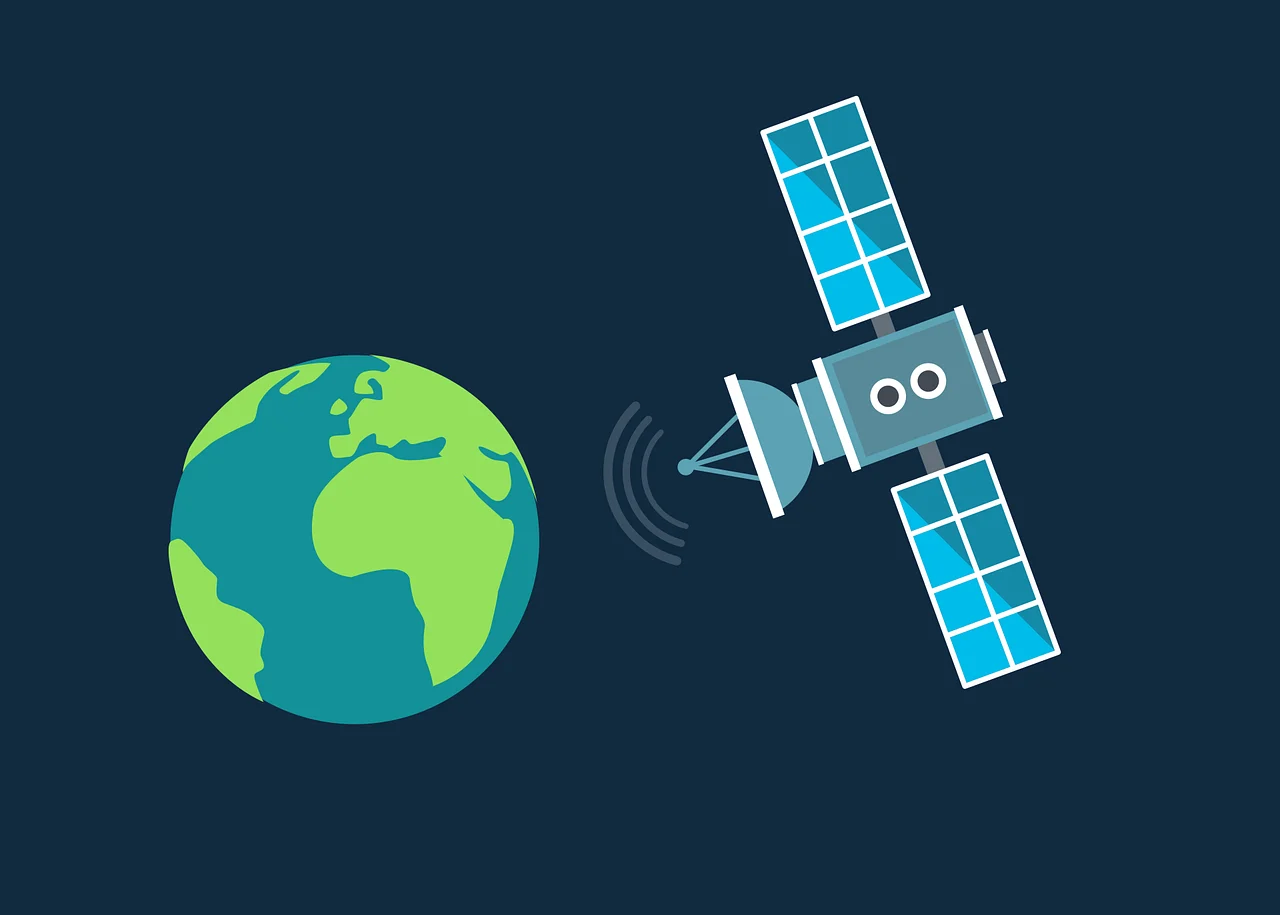
Image by Mohamed Hassan from Pixabay

Connecting multiple receivers to the same antenna usually affects signal strength. This happens because the Local Oscillator (LO) in GPS receivers usually leaks a negligible signal. Without protection, the leaked signal from one receiver can travel through the splitter back to the antenna and into another receiver. This interferes with signal capacity and prevents the receiver from getting a position fix.

High-quality receivers use ultra-efficient port-to-port isolation to solve this problem. This technology limits the possibility of leaked local oscillator, signal, and noise from flowing back into the antenna and into other connected GPS receivers. Isolation ensures that any leaks from the Internal Local Oscillator can never affect the efficiency of other receivers. Devices with superior isolation of about 40 dB or more can reduce such interference by up to 10,000 factor.

4. Maintains Signal Integrity on Unused Ports

In 4-way splitters, many people use only 2 ports. The unused ports can cause signal reflections. This is an impedance mismatch in your device’s RF circuit. Because receivers, antennas, splitters, and cables must operate at a characteristic impedance of 50 ohms, leaving a port unused presents an infinite impedance instead of the expected 50 ohms. 

The mismatch usually causes signals traveling to the open port to reflect into your splitter instead of being absorbed. The reflected signals bounce between your splitter’s internal components and the open port. They can create signal echoes and standing waves that interfere with clean signal flow.

Many high-quality GPS antenna splitters support terminating unused output ports with a 50-ohm terminator. The dummy load is a small connector containing a 50-ohm resistor precision-matched to your system impedance. 

Connecting it to the unused port absorbs all the signal energy reaching that port. It also converts the loss into heat instead of letting it reflect into the system. The unique setup helps to maintain proper impedance matching throughout the splitter. It eliminates reflections and keeps VSWR low. Also, it ensures all active receivers continue to get clean, stable signals.

Wrapping Up

GPS antenna splitters play an integral role in modern systems. This happens in systems where multiple devices share a single antenna. These devices help maintain reliable access to GPS signals without impacting quality and stability. The best splitters can maintain signal integrity on unused ports.

High-quality active splitters address signal loss and noise at the source. They amplify the signal before it splits into multiple directions. That ensures all connected receivers get a clean, strong signal. Always choose a high-quality antenna splitter for your project size and type. You can barely trust a telecommunications splitter for military operations or financial timing.

How Electronic Controls Changed Modern Engines

For most of the 20th century, engines relied on mechanical systems to manage fuel delivery, ignition timing, and emissions. Carburetors mixed air and fuel based on vacuum pressure, and distributors fired spark plugs on a fixed schedule. These systems worked, but they left performance and efficiency gains on the table. 

The introduction of electronic engine controls — beginning in the late 1970s and accelerating through the 1980s — changed all of that. By replacing mechanical approximations with sensor-driven, real-time adjustments, electronic controls made engines cleaner, more powerful, and far more reliable. Today, even heavy-duty platforms that require specialized services like Caterpillar repair from Diesel ECM Exchange depend on the same foundational shift from mechanical to electronic management.

Replacing Carburetors With Electronic Fuel Injection

Carburetors operate on simple physics: airflow creates a vacuum that draws fuel into the intake manifold. The air-to-fuel ratio shifts with engine speed and load, but a carburetor can only approximate the correct mixture.

Electronic fuel injection (EFI) eliminated that guesswork. An electronic control unit (ECU) reads data from multiple sensors — including the mass airflow sensor, throttle position sensor, and oxygen sensor — and calculates the precise amount of fuel each cylinder needs. The ECU then opens the fuel injectors for an exact duration, measured in milliseconds.

The result is a consistently accurate air-fuel ratio across all operating conditions. This leads to:

  • Lower fuel consumption at partial throttle
  • Smoother cold starts and idle
  • Reduced unburned hydrocarbons in exhaust

Optimizing Ignition Timing in Real Time

Optimizing Ignition Timing in Real Time

Mechanical distributors advance or retard spark timing using centrifugal weights and vacuum diaphragms. These components wear over time, and they cannot account for variables like fuel octane or humidity.

Electronic ignition systems replaced these mechanical parts with crankshaft and camshaft position sensors. The ECU uses data from these sensors — along with knock sensors that detect premature detonation — to adjust spark timing on every combustion cycle.

This continuous adjustment serves two purposes. It maximizes power output by firing the spark plug at the optimal moment. It also prevents engine knock, which can cause serious internal damage over time.

Meeting Emissions Standards Through Closed-Loop Control

Emissions regulations tightened steadily from the 1970s onward. Catalytic converters can reduce harmful exhaust gases, but they work efficiently only within a narrow air-fuel ratio window — roughly 14.7 parts air to 1 part fuel, known as stoichiometric.

Electronic controls made it possible to maintain that ratio with precision. Oxygen sensors in the exhaust stream send voltage signals back to the ECU, which adjusts fuel delivery in a continuous feedback loop. This closed-loop system keeps the catalytic converter operating at peak efficiency and allows modern engines to meet strict emissions thresholds for:

  • Carbon monoxide (CO)
  • Nitrogen oxides (NOx)
  • Unburned hydrocarbons (HC)

Without electronic closed-loop control, meeting current emissions standards with an internal combustion engine would not be feasible.

Enabling On-Board Diagnostics

Before electronic controls, diagnosing an engine problem required physical inspection, test equipment, and significant experience. A misfire, vacuum leak, or rich-running condition could take hours to isolate.

On-board diagnostics (OBD) changed the process entirely. The ECU continuously monitors sensor inputs and actuator outputs. When a reading falls outside expected parameters, the system logs a diagnostic trouble code (DTC) and illuminates the check engine light.

The second-generation standard, OBD-II, became mandatory in the United States in 1996. It standardized connector types, communication protocols, and code definitions across all manufacturers. A technician — or a vehicle owner with a basic scan tool — can now retrieve codes and pinpoint the failing system in minutes rather than hours.

Laying the Foundation for Advanced Engine Technologies

Electronic controls did more than improve existing engine functions. They created a platform for technologies that would have been impossible with mechanical systems alone.

  • Variable valve timing adjusts intake and exhaust valve overlap based on engine speed and load, improving both low-end torque and high-RPM power.
  • Turbocharger boost control uses electronic wastegate actuators and boost pressure sensors to manage forced induction with precision.
  • Direct injection places fuel injectors inside the combustion chamber and requires precise timing coordinated with piston position—a task only an ECU can manage at high RPM.
  • Cylinder deactivation shuts down individual cylinders during light-load cruising to save fuel, then reactivates them instantly when the driver demands power.

Each of these systems depends on the ECU’s ability to process sensor data and make adjustments within milliseconds.

Final Note

Electronic engine controls represent one of the most consequential shifts in automotive engineering. They replaced imprecise mechanical systems with sensor-driven, adaptive management of fuel, spark, and emissions. The gains in efficiency, reliability, and power are measurable and well-documented. Just as important, electronic controls built the foundation for every major engine advancement that followed — from variable valve timing to direct injection to hybrid powertrains.

How Technology Is Transforming Motorsports Betting and Online Casinos

Photo by depositphotos at https://depositphotos.com/

Motorsports betting used to feel almost old school: a ticket window, a bookmaker’s board, and a driver priced at 8/1 before qualifying. Online casinos had their own separate rhythm, with slots on one screen and roulette on another. Now both areas share the same technical engine. Live data, instant payments, mobile wallets, identity checks, and smarter odds feeds shape every click. A fan watching Spa on Sunday can place a prop bet on pit-stop timing, then play a blackjack hand during a red flag. Simple. Behind the screen, the details decide whether that feels safe. Platforms that explain local rules matter too, so players may visit onlinecasinoduitsland.com for the dutch market before opening an account. The shift is not flashy for its own sake. It changes prices, speed, trust, and the way risk is shown to ordinary players who just want clear screens and fair terms.

Fast signup meets sharper checks

The fastest casino account is still useless if withdrawals stall for four days. Newer platforms answer that with bank verification, document scans, device fingerprints, and payment rails that report status in minutes. No mystery queue.

Before depositing, serious players compare popular buitenlandse casino with attractive bonuses and read the small print on wagering, game limits, and withdrawal caps. A bonus that looks huge can shrink fast if table games count only ten percent.

One sentence later, the next check is quality, not hype. Players who choose a reliable online buitenlandse casino with top casino games should still test live chat at a quiet hour, set a deposit limit, and make a small withdrawal first. That boring test reveals more than a banner ad. Motorsports bettors use the same habit. They check if odds update after a safety car, if cash-out freezes too long, and if bet history lists every stake clearly.

Live data makes odds breathe

A race changes in milliseconds. A tire blister, a slow stop at lap 23, or rain touching only sector three can move a market before the commentator finishes a sentence. Old pre-race bets still exist, but the action now sits inside live micro-markets.

Data suppliers pull timing loops, telemetry summaries, weather radar, and steward messages into trading models. The model adjusts prices, then risk staff or automated rules decide what goes on screen. Good books pause markets during a crash because a two-second delay gives some users a free shot.

This speed makes betting more exciting, yet it also makes bad design obvious. If an app shows a driver at 3.50 after the feed already proves he has pitted, trust drops. Fast odds need plain labels: suspended, under review, accepted, rejected. Short words help. So does a timestamp beside every live price. For Formula E, where energy targets swing late, that note can be the difference between a fair rejection and a furious support ticket after the chequered flag on Monday morning later.

Mobile screens changed casino habits

Casino play moved to phones, but the real change is not screen size. It is context. A player can spin for five minutes on a train, authenticate with Face ID, and receive a payment notice before the next stop. That creates a sharper need for calm design.

The best mobile casinos make limits visible before the cashier page, not buried under account settings. They load live dealer tables without forcing ten pop-ups. They show game provider names, RTP figures, and session time in places a tired person can find at 11:40 p.m.

Small details carry weight. A sticky balance bar helps players notice losses. A one-tap timeout button beats a help article. In motorsports betting, the same phone-first thinking applies to bet builders and race centers. A tiny sector map, tyre icon, and lap counter do more than a wall of text. If the thumb cannot reach the button, the product is already losing. Designers should watch a real user place one bet with wet hands at a kart track, then take notes.

AI spots risk and patterns

Artificial intelligence has two faces here. One is commercial: pricing engines grade bets, segment customers, and predict which promotions will be ignored. The other is protective. Pattern tools flag behavior that looks harmful, such as repeated deposits after midnight, chasing losses after a crash, or switching games every thirty seconds.

Casinos also use machine learning to catch bonus abuse and account takeovers. A login from Rotterdam, then another one from São Paulo eight minutes later, should trigger questions. So should a fresh device linked to five payment cards.

The danger is lazy automation. A model that blocks a winning motorsports bettor without explanation feels unfair, even if the operator dislikes sharp action. Better systems combine alerts with human review and short, honest messages. Please send ID again is annoying, but clear. Account under review for nine days is the kind of phrase that sends players to forums, screenshots included. The rule should be simple: stop clear fraud fast, but give normal online customers a path to prove their case within one working day.

Payments are faster, rules stricter

Fast payments changed expectations more than flashy graphics ever did. If a slot win reaches an e-wallet in ten minutes, a sportsbook withdrawal held for two days looks ancient. Players notice. They share timestamps on Reddit and Trustpilot, sometimes with bank screenshots blurred at the edges.

Speed still has limits. Regulated operators must check names, age, sanctions lists, source of funds in some cases, and mismatched cards. Crypto adds another layer, because a quick transfer can also hide stolen funds or banned-country traffic. The smart move is upfront clarity. Say which documents are needed before a player wins, not after.

Open banking helps because it confirms ownership and income signals without forcing someone to scan a crumpled utility bill. Instant bank payouts help too. But the cleanest payment page is boring on purpose: fees, limits, pending time, accepted methods, no surprises. Casino users love fun in games. They hate drama at the cashier. For race bettors, the same standard should cover payouts after protests, penalties, and corrected results by noon the next day latest.

What players should check next

Technology keeps adding features, but the player’s checklist stays plain. Before staking on a Monaco qualifying duel or opening a live roulette table, a person should read the licence line, test support, set limits, and search for withdrawal complaints with the operator’s name in quotes. It takes ten minutes.

Motorsports bettors should also compare the data layer. Does the book grade bets from the official FIA result or a third-party feed? Are markets voided after disqualifications? Is there a clear rule for abandoned sessions? These details decide disputes after messy races, especially in feeder series where timing corrections arrive late.

Casino players need the same neat habits. Check RTP pages. Try demo mode if it exists. Read bonus terms on maximum bet size, because a single €6 spin can void a welcome offer with a €5 cap. Then make one small deposit and one small withdrawal. If that feels clean, the fun part can begin with fewer nasty surprises. Start with the next race weekend, and write down every rule that looks fuzzy first.