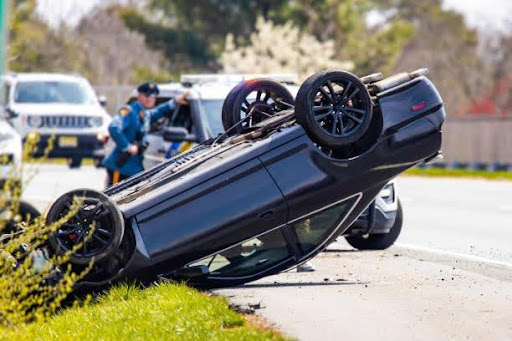
Any car accident can be stressful, not only because of the injuries that the survivor has to deal with, but also because of the amount of emotional and financial stress it puts the person involved under. But when the person responsible for the accident flees the scene, the situation can leave you feeling overwhelmed and confused about what steps to take next.
But if you are ever in such a situation, you should remember that it is the steps you take after the accident that can determine how successful your claim will be and how much compensation you will receive.
Many drivers tend to take the wrong steps after hit-and-run accidents, which actually affects their chance of a fair compensation. Sometimes they leave the scene in shock without gathering key evidence or wait too long to report the incident. This is why understanding what you should not do after such an incident plays a very important role.
Here are a few mistakes that you should never make after a hit-and-run crash.
1. Don’t Chase the Fleeing Driver
When the other driver flees, it is natural for your first instinct to be to follow that vehicle and catch the driver. But you must remember that you are already having a rush of emotions, and rushing to chase the driver at fault puts you at more risk. It may even lead to another crash or collision.
Instead of chasing the driver, you can try to remember and note down all the details of the other vehicle, such as its model, color, and license plate number.
2. Don’t Leave the Scene
One common mistake that many victims involved in hit-and-run cases make is leaving the scene just because the other driver fled. But by doing so, you will have no proof that it was the other driver at fault. In fact, they can even make it look like it was you who committed the accident and fled the scene.
3. Don’t Forget to Report the Accident
When in any type of accident, always remember to report the accident immediately to the police or the concerned authorities. By reporting the incident, you have an official report of what happened. By not reporting the incident, the party at fault can even use it to deny any such incident having occurred.
4. Don’t Forget to Collect Evidence
For any type of case, it is evidence that plays the most important role. So if your health allows, try to gather as much evidence as possible from the scene. You can take photographs of the scene, check for any debris or marks of the fleeing car, look out for witnesses, and check for any security cameras nearby.
Collecting the evidence on time ensures that it is not destroyed or deleted.
5. Don’t Delay Medical Attention
Always get yourself checked for injuries after the accident, even if the injuries seem small. This ensures that there are no internal injuries or other delayed symptoms, such as a concussion. Your medical records also act as proof that the injuries were caused due to the accident.
6. Don’t Accept the First Settlement Offer
When insurance companies call you after the accident, always be cautious of what you tell them. Ensure that you don’t admit fault or downplay your injuries. Remember to never accept the initial offer, as they tend to downplay your compensation; instead, talk to your attorney and get details about your case.
7. Don’t Delay Legal Help
Remember that every personal injury claim has a statute of limitations, or a timeframe. So delaying your actions can prevent you from getting the compensation you deserve. This is why you must immediately seek help from an attorney who can ensure that your process goes smoothly and on time.
Conclusion
- Do not chase the fleeing driver, as it can cause more risks.
- Do not leave the scene, as it can turn the case against you.
- Remember to file a police report immediately.
- Gather evidence from the scene, such as photos, videos, and witness statements.
- Don’t delay medical attention or legal help.