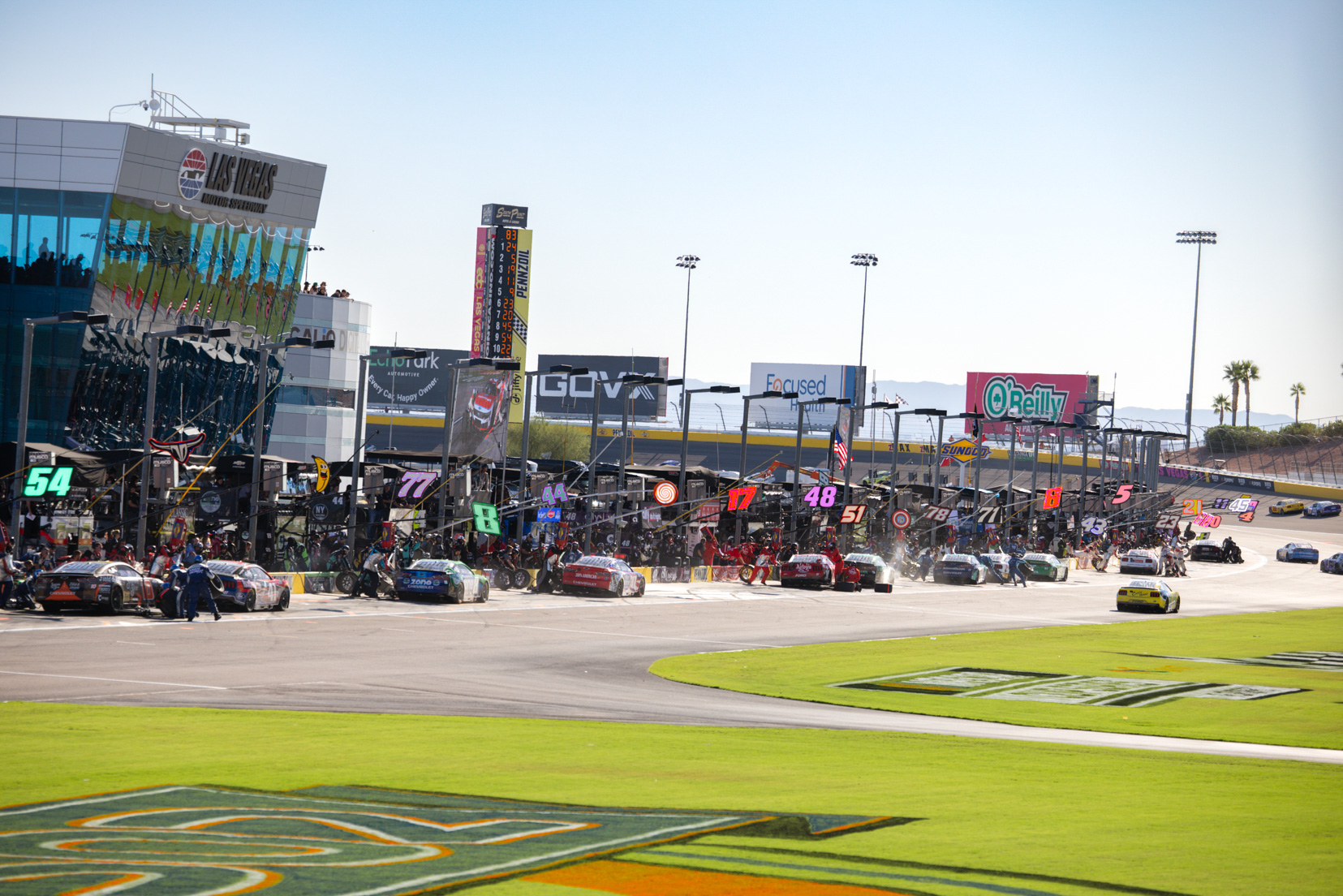
There is nothing quite like the sensory overload of a race weekend. Whether you are at Daytona, Bristol, or your local dirt track on a Saturday night, the atmosphere is electric. You can feel the rumble of 750-horsepower engines in your chest. You can smell the unique perfume of high-octane Sunoco fuel and burning rubber. For a die-hard motorsport fan, this is paradise.
However, there is a lingering aftermath that many of us know too well but rarely talk about. It is that scratchy throat on Monday morning. It is the black mucus you cough up in the shower after a long weekend in the infield. It is the headache that feels like a hangover, even if you only drank water. In the paddock, they call it “Track Cough” or “Race Flu.”
For years, fans and crew members just accepted this as the price of admission. We wrapped a bandana around our faces when the dust kicked up and hoped for the best. But as we learn more about what is actually in that cloud of track dust, the smart money is moving toward professional respiratory protection. The air at a speedway is a cocktail of tire particulate (micro rubber), brake dust (heavy metals), unburnt ethanol fumes, and carbon monoxide.
If you want to keep attending races for decades to come without wrecking your lungs, you need gear that works as hard as the cars on the track. In this guide, we break down why standard masks fail at the track and rank the top 5 high-performance filter masks for 2026.
Why Your Bandana Is Useless in the Pits
At a dirt track or a Superspeedway, the particles you see are annoying, but the particles you cannot see are dangerous. A standard cotton bandana or a cheap surgical mask might stop a large chunk of dirt, but it does absolutely nothing against fine particulate matter (PM2.5) or chemical vapors.
When a field of 40 cars dives into Turn 1, they are grinding rubber into microscopic dust. When they slam the brakes, they vaporize metallic compounds. These particles are small enough to bypass loose fabric and lodge deep in your lung tissue. This is what causes the inflammation and the dreaded “Track Cough.”
To truly protect yourself, you need a mask that offers two things:
- A Hermetic Seal: If air can leak in around your nose or chin, the filter is pointless.
- Nanofiltration: You need to stop particles smaller than 0.1 microns, including the invisible chemical byproducts of combustion.
Top 5 Masks for the Racetrack
We have tested these masks in high-dust and high-exhaust environments to see which ones belong in victory lane.
1. R-PUR (The High Performance Choice)
If you are looking for the “Cup Series” of respiratory gear, this is it. R-PUR was originally designed for motorcyclists riding directly in traffic exhaust, making it uniquely over-engineered for the demands of a race track.
The French tech company has solved the biggest problem with wearing a mask in the heat: the seal. Their patented “Soft Fit” technology uses a thermal memory foam that lines the inside of the mask. When you put it on, the foam reacts to your body heat and molds perfectly to your face shape. Whether you are sweating in the pits or cheering in the stands, the seal stays airtight.
Why is it #1 for racing? It comes down to the filter capabilities. Standard masks stop at PM2.5. The r-pur mask filters down to nanoparticles (PM0.05). This means it is capturing not just the visible dirt, but the microscopic rubber dust and metallic brake particles that do the real damage.
Plus, it is built for heat. The advanced valve system instantly extracts hot air. If you have ever felt suffocated wearing a mask at a humid summer race, this valve system is a game-changer. It keeps your face cool and dry while blocking the toxins. It is the ultimate piece of PPE for the modern fan.
Best For: Pit crews, photographers in the infield, and fans who want maximum protection.
2. Wolfsnout (The Dirt Track Specialist)
If your weekends are spent at local dirt tracks, sprint car races, or off-roading, you likely know Wolfsnout. These are not designed for chemical filtration like the R-PUR, but they are legendary for handling heavy dust.
The Wolfsnout “All Sport” mask is essentially a specialized foam filter that fits under your goggles. It is washable, reusable, and incredibly lightweight. It does an amazing job of stopping the “clods” and heavy dust clouds that hit you when a slider goes wrong in a corner.
The downside is that it is primarily a dust mask. It does not have an activated carbon layer to filter out fuel fumes or exhaust smells. It will keep the mud out of your teeth, but it won’t stop the headache from the fumes.
Best For: Dirt racing, motocross, and ATV riders.
3. GVS Elipse (The Mechanic’s Choice)
You will often see these in the garage area or body shops. The GVS Elipse is an industrial respirator. It looks like a gas mask because, well, it is one.
It uses replaceable P100 filters, which offer incredible protection. If you are a mechanic grinding fiberglass bodies or welding in the shop during the week, this is your go-to. The fit is excellent, and the breathing resistance is low.
However, for a fan in the stands, it is overkill. It is heavy, rubbery, and uncomfortable to wear for 4 hours in the sun. It also muffles your voice completely, so good luck trying to talk to your buddy next to you during a yellow flag.
Best For: Fabricators and mechanics working in the garage.
4. Respro (The Old Guard)
Respro has been around for a long time, originally targeting city cyclists. Their masks are made of neoprene, which makes them very durable. They look tough and fit the aesthetic of the motorsport world better than a medical mask.
The “Techno” model combines a Hepa Type filter with a chemical particle filter. It is a solid middle ground. It handles dust well and reduces the smell of exhaust. The main issue with Respro at a race track is heat. Neoprene is the material used for wetsuits to keep divers warm. On a 90-degree day in July, wearing a neoprene mask can feel like wrapping a hot towel around your face. You will sweat, and that sweat can pool inside the mask.
Best For: cooler fall or spring races.
5. Cambridge Mask Co (The Military Tech)
This British brand uses carbon technology derived from military chemical warfare suits. It is a lightweight fabric mask that packs a heavy punch in terms of filtration.
It is much lighter than the Respro or GVS, making it easier to slip into a pocket. The filtration is verified to stop viruses and bacteria as well as pollution, which is a nice bonus if you are flying to a race.
The limitation is the fit. It relies on ear loops and a chin strap. While comfortable for sitting, if you are active, climbing up the grandstands or working in the pits, the seal can break. Once the seal breaks, you are breathing unfiltered track air. It lacks the memory foam security of the R-PUR.
Best For: Fans in the stands who want a lightweight option.
How to Avoid “Track Cough” Without Missing the Action
Choosing the mask is step one. Using it correctly is step two. Here are a few tips to survive the weekend.
1. The “Start and Restart” Rule: You do not need to wear your mask for 500 miles. The air quality is worst during the start, restarts, and immediately after pit stops when the field is bunched up, and engines are revving at maximum RPM. Keep your mask handy for these moments.
2. Hydration is a Filter: Your lungs have a natural cleaning mechanism called cilia (tiny hairs) and mucus. Dehydration stops this system from working. Drink more water than beer. If you are dehydrated, the dust sticks in your lungs much longer.
3. Clean Your Gear: If you buy a reusable mask like the R-PUR or Respro, wash the outer shell after the race. It will be covered in rubber dust. Do not throw a dirty mask into your bag and then put it back on your face next month.