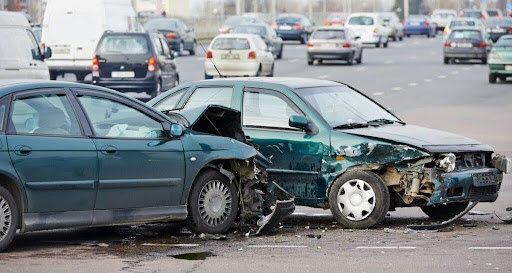
If you’ve just been in a car accident—even a little fender bender—you probably know that feeling: every sound makes you jump, your heart does a weird skip when you get back behind the wheel, and your brain replays the crash at all the worst times.
It’s completely normal to be rattled. Actually, “normal” doesn’t even cut it—your body and mind just got a jolt, and you’re supposed to pretend that a cup of tea and a day off will magically fix it? Not quite. But here’s the good news: there are smart, simple ways to get your nerves back on track so you can get on with life, not avoid every intersection forever.
Slow Down, Breathe, and Give Yourself a Break
First things first: it’s okay to be shaken up. Even small accidents can trigger anxiety, stress, or straight-up fear. One of the best things you can do is just acknowledge it—out loud, even to yourself. “Wow, okay, I’m really rattled.” That’s step one in getting through it.
Then, try a breathing exercise when you notice your pulse shooting up. Sit somewhere quiet, close your eyes, and slowly breathe in for four counts, hold for four, and out for four. Repeat three or four times—no need for “ommm” or fancy gear. This simple reset actually tells your nervous system, “Hey, we’re safe again.”
Talk It Out—Seriously
There’s no merit badge for toughing it out alone. Call a friend, your partner, your mom—anyone who’ll listen without telling you to “just get over it.” Sometimes talking through the details (even more than once) helps your brain start to file the event away, instead of replaying it at random.
If you’re still anxious weeks later or stressing every time you need to drive, consider reaching out for counseling or support. For some folks, talking to a mental health professional is life-changing. There are even support groups specifically for accident survivors, and therapy is a lot more approachable than most people think—no couch diving required.
Get Back on the Road… Gradually
Don’t feel pressured to “just drive like normal” the day after if you’re not ready. Try sitting in a parked car first, just to get the feeling back. Then take a very short, familiar drive—maybe around the block, maybe with a friend. Build your confidence in baby steps. Every little trip is a win.
Move Your Body, Calm Your Mind
Physical activity really does do wonders for stress—ask anyone who’s paced a room after bad news. Even a gentle walk can get your adrenaline sorted, help you sleep, and take your mind off what happened for a bit. If your thoughts are racing, journaling can help—just jot down whatever comes to mind without pressure or perfection.
Try Something New to Re-Center
You might be tempted to disappear into a Netflix marathon (and hey, sometimes that’s okay!), but new experiences—anything from pottery class to breathwork to, if you’re feeling really adventurous, an ayahuasca retreat—can give your mind a reset. Of course, you don’t need to head to the Amazon for calm, but trying something new signals to your brain, “We are back in the driver’s seat.”
Give It Time—And Be Kind to Yourself
PTSD after a car accident is very real. If things don’t get easier, don’t beat yourself up. Healing—like most things in life—isn’t instant. Talk kindly to yourself, ask for help, and remember: braving the road again is actually pretty darn brave.
So next time the memories or nervous sweats hit, remember you’re not alone, you’re not “weak,” and you’re absolutely capable of getting through this—one breath, one drive, and one day at a time.