Vehicle owners face a constant challenge: protecting their investment from weather, theft, and deterioration. While traditional open carports offer basic shelter, enclosed carports provide a comprehensive solution that addresses multiple concerns simultaneously. These structures combine the accessibility of a carport with the security and weather protection of a garage, creating a middle ground that serves many homeowners’ needs without the expense of full garage construction.
The difference between leaving a vehicle exposed and properly sheltering it can mean thousands of dollars in maintenance costs over the vehicle’s lifetime. From paint degradation caused by UV exposure to mechanical issues stemming from temperature extremes, unprotected vehicles face numerous threats. Understanding the options available—and their respective benefits—helps vehicle owners make informed decisions about protecting their assets.
Core Benefits of Enclosed Carport Structures
Enclosed carports deliver protection that open structures simply cannot match. The addition of walls and doors transforms a basic shelter into a secure storage space that shields vehicles from multiple threats:
- Comprehensive Weather Protection: Walls block wind-driven rain, snow, and hail from reaching your vehicle.
- Enhanced Security: Enclosed sides with lockable doors deter theft and vandalism. The physical barrier makes opportunistic crimes significantly more difficult.
- Extended Vehicle Lifespan: Protection from environmental factors preserves paint, prevents rust formation, and maintains interior condition. Vehicles stored in enclosed spaces typically retain higher resale values.
- Multi-Purpose Storage: Beyond vehicle protection, enclosed carports provide secure space for tools, equipment, and seasonal items that require shelter from the elements.
Metal construction has emerged as the preferred material for these structures due to its durability and resistance to common structural threats. Unlike wood, metal doesn’t rot, warp, or attract termites, making it a low-maintenance choice for long-term vehicle protection.
Evaluating Your Options: Open Carports vs. Enclosed Structures vs. Full Garages
The spectrum of vehicle shelter options ranges from minimal to comprehensive, each serving different needs and budgets. Understanding where each option excels helps match the right structure to your specific situation.
- Open Carports provide overhead protection through a roof supported by posts. They’re the most economical option and work well in mild climates where security concerns are minimal. However, they offer no protection from wind-driven precipitation or theft. Installation is straightforward, and many municipalities have fewer permitting requirements for open structures.
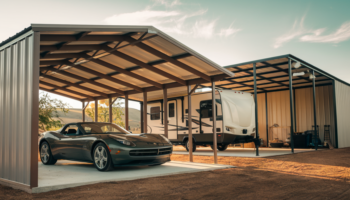
- Enclosed Carports add walls to the basic carport design, creating a partially or fully enclosed space. This middle-ground option delivers substantial weather protection and security improvements without the cost of traditional garage construction. They’re particularly effective in regions with harsh weather but moderate security concerns.
- Traditional Garages represent the premium option, offering complete enclosure with insulation possibilities and integration with home electrical and climate control systems. They provide maximum security and weather protection but require significant investment in both construction and permitting. For many homeowners, the cost difference between a garage and an enclosed carport doesn’t justify the marginal benefit increase.
Climate plays a crucial role in this decision. Regions with severe winters, intense sun exposure, or frequent storms benefit most from enclosed options. Areas with mild weather year-round may find open carports sufficient. Budget constraints also factor heavily—enclosed carports typically cost 40-60% less than comparable garage construction while delivering 80-90% of the protection benefits.
Why Metal Dominates Enclosed Carport Construction
Material selection fundamentally impacts a carport’s longevity, maintenance requirements, and protective capabilities. Metal has become the dominant choice for enclosed carports due to several compelling advantages that other materials struggle to match.
Steel and aluminum structures resist the degradation that plagues wood construction. They don’t rot when exposed to moisture, won’t be consumed by termites or other pests, and maintain structural integrity through temperature fluctuations that cause wood to expand and contract. Fire resistance provides an additional safety benefit that wood cannot offer. Research published in the Buildings journal on material durability demonstrates metal’s superior performance across various climate conditions.
Modern metal carports come in several configurations that address different protection needs:
- Partial Enclosure with Sides: Adding walls to two or three sides blocks prevailing winds and provides directional weather protection while maintaining some openness for ventilation and access.
- Full Enclosure with Garage Doors: Complete wall coverage with one or more garage door openings creates a structure functionally equivalent to a traditional garage at a fraction of the cost.
- Combination Structures: Some designs integrate a fully enclosed garage section with an attached open or partially enclosed carport, offering flexible storage for multiple vehicles or mixed uses.
The gauge of metal used in construction affects both strength and cost. Heavier gauge steel provides greater wind resistance and longevity but increases material expenses. Most residential applications find 14-gauge steel offers an optimal balance between durability and affordability. Galvanized or powder-coated finishes protect against corrosion, with powder coating offering superior color retention and aesthetic appeal.
Customization Options That Enhance Functionality
Standard enclosed carport designs serve basic needs effectively, but customization transforms these structures into tailored solutions that address specific requirements. The modular nature of metal construction makes modifications relatively straightforward compared to traditional building methods.
- Door Configurations: Beyond standard roll-up garage doors, options include walk-through doors for pedestrian access, sliding doors for wide openings without the clearance requirements of overhead doors, and sectional doors that provide insulation benefits. Door placement affects both functionality and security—positioning doors away from street view enhances privacy and reduces theft risk.
- Storage Integration: Built-in shelving, overhead storage racks, and wall-mounted organization systems maximize vertical space.
- Electrical and Lighting: Running electrical service to an enclosed carport enables lighting for evening access, power outlets for tools and equipment, and even climate control options. LED lighting strips provide energy-efficient illumination, while motion-activated systems enhance security and convenience.
- Aesthetic Considerations: Color choices, trim details, and roofing materials can be selected to complement existing structures. While functionality drives most carport decisions, visual harmony with your home’s architecture maintains property appeal and may affect resale value.
- Ventilation and Climate Control: Ridge vents, gable vents, or powered ventilation systems prevent moisture buildup and temperature extremes. In regions with harsh winters, insulation can be added to walls and roofs, though this significantly increases costs and may require upgraded door systems to maintain thermal efficiency.
Maintenance Practices That Extend Structure Lifespan
Even durable metal structures require periodic maintenance to deliver decades of reliable service. A systematic approach to upkeep prevents minor issues from developing into costly repairs while preserving the structure’s protective capabilities.
- Regular Cleaning: Quarterly washing removes corrosive substances like road salt, bird droppings, and industrial fallout. Use mild detergent and soft brushes—pressure washers can damage protective coatings if used at excessive pressure or too close to surfaces.
- Structural Inspections: Biannual examinations should check for loose fasteners, developing rust spots, and frame alignment. Pay particular attention to connection points where dissimilar metals meet, as galvanic corrosion can develop at these junctions.
- Fastener Maintenance: Vibration from wind and thermal expansion gradually loosens bolts and screws. Systematic tightening prevents structural movement that can enlarge holes and compromise integrity. Apply anti-seize compound to threads during retightening to prevent future corrosion.
- Protective Coating Care: Touch up scratches and chips in painted or powder-coated surfaces promptly to prevent rust formation. Rust repair techniques used for automotive applications work equally well on metal structures when caught early.
- Drainage Management: Ensure gutters and downspouts remain clear and functional. Water pooling around the structure’s base can undermine foundations and accelerate corrosion at ground-level connection points.
- Vegetation Control: Maintain clearance between the structure and surrounding plants. Branches scratching against metal surfaces wear through protective coatings, while vines can trap moisture against walls and create corrosion-prone conditions.
Seasonal maintenance timing matters. Spring inspections catch winter damage before it worsens, while fall preparations ensure the structure is ready for harsh weather. In coastal environments or industrial areas with airborne contaminants, increase cleaning frequency to prevent accelerated corrosion.
Making an Informed Selection Decision
Choosing the right enclosed carport requires balancing multiple factors against your specific circumstances. A systematic evaluation process helps identify the optimal solution rather than defaulting to either the cheapest option or unnecessary over-building.
- Budget Realities: Establish both initial construction budget and long-term maintenance allocation. While metal structures cost more upfront than some alternatives, their minimal maintenance requirements and extended lifespan often make them more economical over 20-30 year timeframes.
- Space Constraints: Measure available area carefully, accounting for setback requirements, utility easements, and access needs. Local zoning ordinances may restrict structure size, height, or placement—verify requirements before finalizing plans.
- Climate Considerations: Match protection level to environmental threats. Regions with frequent hail need robust roof construction, while areas with high winds require enhanced anchoring systems. Snow load ratings become critical in northern climates.
- Future Needs: Consider how your requirements might evolve. A structure sized for one vehicle may prove inadequate if you acquire a second car or need storage for recreational equipment. Building slightly larger than current needs costs less than future expansion.
- Property Value Impact: Well-designed enclosed carports typically add value to properties, but poorly executed installations can detract from appeal. Consider how the structure will appear to future buyers and whether it complements your home’s architecture.
Permit requirements vary significantly by jurisdiction. Some municipalities treat enclosed carports as accessory structures requiring minimal approval, while others impose requirements similar to garage construction. Factor permit costs and timeline into your planning—unexpected delays or fees can derail projects that seemed straightforward initially.
Suppliers offering enclosed metal carports with customizable sizing and climate-specific ratings include Metal Carport Depot, VersaTube, and structures through Lowe’s. Requesting wind load, snow load, and anchoring specifications for your specific region—before comparing prices—ensures structures meet local climate requirements rather than discovering inadequacies after installation.
The Case for Investing in Quality Vehicle Protection
Vehicle protection represents a clear case where preventive investment delivers measurable returns. The cost of an enclosed carport—typically ranging from $3,000 to $15,000 depending on size and features—pales against the cumulative expense of weather damage, theft, and accelerated depreciation that unprotected vehicles experience.
Paint restoration alone can cost thousands of dollars when UV damage and environmental contaminants degrade exterior finishes. Interior components suffer similarly, with dashboard cracking, upholstery fading, and electronic system failures all accelerated by temperature extremes and sun exposure. Mechanical systems benefit from stable storage conditions that prevent condensation in engines and transmissions, reducing corrosion that shortens component life.
Beyond vehicle protection, enclosed carports provide valuable storage space that often eliminates the need for separate storage unit rentals. At typical rental rates of $100-200 monthly, the structure can pay for itself within a few years while offering superior convenience and security.
The decision ultimately comes down to matching protection level to your specific needs and circumstances. For most vehicle owners facing harsh weather or security concerns, enclosed carports deliver an optimal balance of protection, cost, and convenience that neither open carports nor full garages can match. Taking time to evaluate options, select quality materials, and plan for long-term needs ensures your investment serves you well for decades to come.