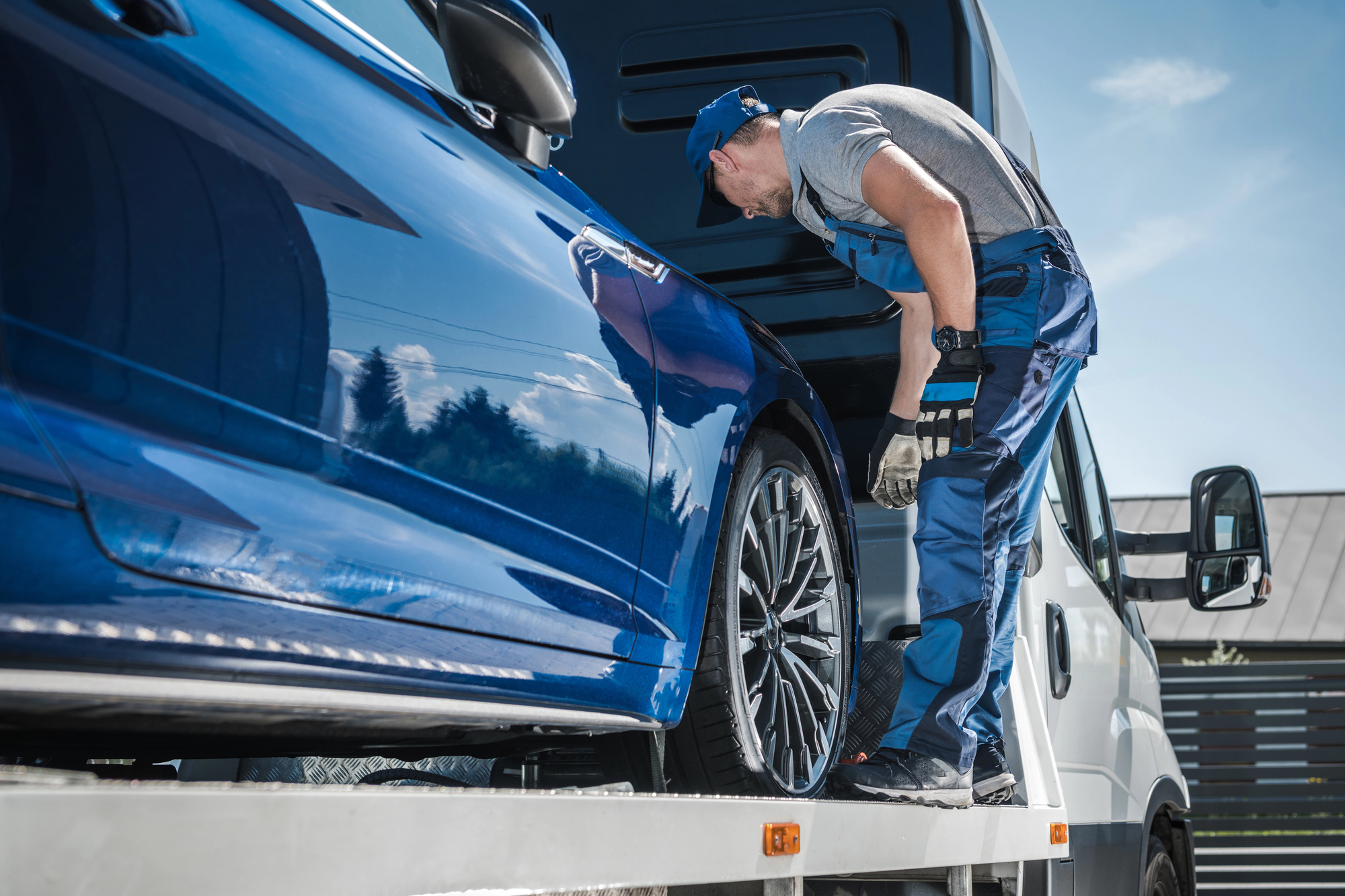
The first time you decide to ship a car, the feeling is usually a mix of relief and mild anxiety. On one hand, you’ve realized that driving 2,500 miles across four time zones isn’t exactly the “fun road trip” you once imagined. On the other hand, you are about to hand over the keys of a high-value asset, something that likely sits at the core of your daily life, to a complete stranger with a very large truck.
It can be a big leap of faith. The auto transport industry can feel like a bit of the “Wild West” if you don’t know the terrain. You’ll see quotes ranging from “suspiciously cheap” to “eye-wateringly expensive,” and you’ll be bombarded with industry jargon like Bill of Lading, open-air carriers, and dispatch windows.
But here’s the good news: thousands of cars are moved every day without a scratch. The secret isn’t luck; it’s preparation and knowing which questions to ask before you ever sign a contract.
1. Understanding the “Who’s Who” of the Industry
One of the most common points of confusion for first-timers is the difference between a Broker and a Carrier.
A Carrier is the person who actually owns the truck, maintains the trailer, and does the heavy lifting. They are the ones on the road. A Broker is a logistics coordinator. They don’t own trucks; they have a massive network of vetted carriers and sophisticated software to match your vehicle with a truck that is already heading in your direction.
Think of it like booking a flight. You might use a travel site (the broker) to find the best route and price among dozens of airlines (the carriers). Most people in the U.S. work with brokers because it’s nearly impossible for a single-car owner to find a specific driver who happens to have one empty spot on their trailer and is leaving from your city on exactly next Tuesday. Brokers handle vetting, insurance verification, and scheduling.
Before moving your car, talk to full-service vehicle shipping experts to get a clear understanding of the current market. They can tell you if the route you’re looking at is “hot” (lots of trucks available) or if you’re trying to ship from a remote area where you might need to wait a few extra days for a pickup.
2. The Pricing Trap: Why “Cheap” Can Be Very Expensive
We all love a bargain. But in auto logistics, the lowest quote is often a red flag rather than a deal.
Here’s how the industry works: Carriers want to fill their trailers with the highest-paying loads first. If a broker gives you a “low-ball” quote of $600 for a trip that typically costs $900, they are essentially putting your car at the back of the line. No carrier will pick up a $600 car when five other people are willing to pay $900 for the same route.
What happens next is the “waiting game.” Your car sits in your driveway for two weeks while the broker tells you they are “still looking for a driver.” Eventually, they’ll call you and say, “Hey, we found a driver, but he wants $300 more.” Now you’re frustrated, your schedule is ruined, and you’re still paying the market rate.
When looking at quotes, look for the “middle of the pack.” Reliability has a price, and in this business, that price covers fuel, insurance, driver wages, and maintenance for those massive rigs.
3. Choosing Your “Flavor” of Transport
You generally have two main choices, and the right one depends entirely on what you’re shipping and your budget.
Open-Air Transport
This is the standard. You’ve seen these trailers on the highway, usually two levels high, carrying 7 to 10 cars.
- The Reality: Your car is exposed to the elements. Rain, dust, sun, and road debris are part of the journey.
- The Verdict: If you’re shipping a daily driver, a Honda Accord, a Ford F-150, or a standard SUV, this is the way to go. It’s safe, it’s the most affordable, and it’s how dealerships move their inventory. A quick car wash at the destination, and you’re good as new.
Enclosed Transport
This is the “white glove” service. Your car stays inside a hard-sided trailer, completely shielded from the world.
- The Reality: It’s significantly more expensive, often 40% to 60% more than open-air.
- The Verdict: If you have a classic car, a high-end luxury vehicle, or something with very low ground clearance (like a Ferrari or a lowered sports car), don’t even consider open-air. Enclosed trailers usually have hydraulic lift gates to load low cars safely and provide total protection from “acts of God” such as hailstorms.
Ultimately, the right choice balances cost, protection, and your vehicle’s value. Understanding how brokers, carriers, and pricing work will make the process less stressful. With some research and the right questions, you can confidently navigate the auto transport process. This is particularly true when looking at regional options, like vehicle transport St. Louis, where you can find experienced local carriers to handle your long-distance delivery safely.
4. The Myth of the “Fixed Schedule”
This is perhaps the hardest pill for first-time customers to swallow: Auto transport dates are almost always estimates.
If a company tells you they will be at your house at exactly 10:00 AM on Friday, the 12th, they are likely lying. A cross-country driver is dealing with:
- Traffic in multiple major cities.
- DOT (Department of Transportation) inspections at weigh stations.
- Weather (snow in the Rockies, wind in the plains).
- The schedules of the other nine people who have cars on that trailer.
If the person picking up a car three stops before you can’t find their keys, the driver is delayed. If a truck gets a flat tire, the driver is delayed.
A professional company will give you a 2- to 3-day window for pickup and delivery. Be wary of anyone who promises “to-the-minute” precision. Flexibility is your best friend here. If you absolutely must have the car picked up on a specific day, you can often pay for a “guaranteed pickup,” but expect to pay a premium because the carrier may have to bypass other jobs to make it happen.
5. Preparing the Vehicle (The “Human” Checklist)
Before the truck arrives, you have some “homework” to do. Most of this is about safety and liability.
- The 1/4 Tank Rule: Don’t fill your gas tank. Gas is heavy. If every car on a 10-car trailer has a full tank, that’s hundreds of pounds of extra weight, which can put the truck over legal limits. Keep it at a quarter tank, enough for the driver to load/unload and for you to reach a gas station once it arrives.
- Wash the Car: It sounds counterintuitive (it’s going to get dusty on the road), but a clean car is the only way to perform a proper inspection. You can’t see a small scratch through a layer of road salt or mud.
- Personal Items: Technically, carriers are not licensed to move household goods. If you pack your trunk full of heavy books or kitchen appliances, and the truck gets weighed at a state line, the driver could be fined. More importantly, those items aren’t insured. Most drivers are okay with a single suitcase or a spare set of tires in the trunk, but keep it light and keep it hidden.
- The Keys: You need to provide the driver with a set of keys. If you have a “valet” key, give it to them. If not, make sure you have a spare for yourself before you hand over the only set you have!
6. The Bill of Lading: Your Legal Shield
If there is one term you must remember, it is the Bill of Lading (BOL). To a first-timer, it looks like just another boring piece of paperwork. In reality, it is the most important document in the entire shipping process.
The BOL serves as your receipt, your contract of carriage, and most importantly, a “snapshot” of your vehicle’s condition. When the driver arrives to pick up your car, they will perform a walk-around inspection. They will mark every existing scratch, chip, or dent on a car diagram.
Don’t just stand back. Walk with the driver. If you see a tiny door ding that they missed, point it out. It’s not about being “nitpicky”; it’s about ensuring the record is 100% accurate. Once both you and the driver sign that BOL, you are legally agreeing that the car is in “X” condition. When the car arrives at its destination, you will use this same document to verify that no new damage has occurred. If it’s not on the BOL at pickup, but it is there at delivery, the carrier is responsible.
7. The Nuances of Insurance Coverage
“Is my car insured?” is the number one question people ask. The short answer is yes, legitimate carriers are required by federal law to carry liability and cargo insurance. However, the “fine print” matters.
Standard carrier insurance typically covers damage caused by the carrier’s negligence or equipment failure. If a strap breaks while a car is moving, or if the driver accidentally scrapes a pillar while loading, you are covered.
What is usually not covered?
- Acts of God: If a freak hailstorm hits the truck in Nebraska or a tornado sweeps through the plains, the carrier’s cargo insurance usually won’t pay out. This is where your personal auto insurance comes in.
- Road Debris: On an open-air trailer, a rock that flies up from the road and chips a windshield is often considered a “road hazard” rather than carrier negligence.
- Personal Items: If you left a $2,000 camera in the trunk and it goes missing or gets damaged, the carrier’s insurance will not cover it.
Pro Tip: Call your own insurance agent before the move. Many premium policies actually cover “vehicles in transit.” Knowing you have secondary coverage can save you a lot of sleep during the week your car is on the road.
8. The “Golden Hour” of Delivery
The delivery process is often more hectic than the pickup. You’re likely in a new city, perhaps in a new house with boxes everywhere. But when the driver calls and says, “I’m 30 minutes away,” you need to switch into “inspector mode.”
Try to schedule delivery for daylight hours. Inspecting a car for scratches under a streetlamp or with a smartphone flashlight is a recipe for missing something. If the car is dirty from the road (which is common on open trailers), have a damp cloth ready to wipe down areas that look suspicious.
If you find damage, do not refuse the delivery. Some people think that if they don’t take the car, they don’t have to pay. That just creates a legal nightmare. Instead:
- Note the damage clearly on the Bill of Lading before you sign it.
- Take clear, high-resolution photos of the damage with the driver’s truck in the background.
- Have the driver acknowledge the damage on the paperwork.
- Call your broker or the shipping company immediately to start a claim.
9. Dealing with the “Human Element”
It’s easy to think of car shipping as a cold, mechanical process. But at the end of the day, it’s about a human being driving a massive, heavy machine across thousands of miles.
Most drivers are hardworking professionals who spend weeks away from their families. A little bit of courtesy goes a long way. If you live on a tiny street where an 80-foot trailer can’t turn around, don’t wait until the driver is stuck to tell them. Offer to meet them at a nearby mall parking lot or a wide-open truck stop. It makes their life easier, and it keeps your car safer because they won’t have to navigate tight corners or low-hanging tree branches that could scratch your roof.
Also, be prepared for “The Call.” Drivers usually call 12–24 hours before they arrive, and then again when they are an hour out. If you don’t answer your phone, they can’t wait forever; they have other deliveries to make. If you miss your window, your car might end up at a local storage terminal, which will cost you extra in storage and redelivery fees.
10. The Cost of “Non-Runners”
If you’re shipping a project car or a vehicle that doesn’t start, you need to be upfront about it from day one. Shipping a “non-runner” requires a truck with a winch. Not every truck has one.
If a driver shows up thinking they can just drive your car onto the ramp and then finds out it’s a “dead” vehicle, they might refuse the load entirely or charge you a significant “inoperable fee” (usually $150–$300). Be honest about the car’s condition. Brakes, steering, and rolling capability are all vital pieces of information for the driver.
Final Thoughts: Managing the Stress
Shipping a car for the first time is a learning experience. You’ll realize that the industry doesn’t move with the speed of an Amazon Prime package, but it does move with a steady, calculated rhythm.
The key to a smooth experience isn’t finding the fastest truck or the lowest price; it’s about communication. Stay in touch with your shipping agent, be honest about your vehicle’s condition, and keep your schedule flexible.
When that truck finally pulls up and you see your car roll down the ramps, the slight stress of the past week will vanish. You’ll have your car in a new place, ready for a new chapter, without the wear and tear of a cross-country drive. And next time? You’ll be the one giving advice to the “first-timers.”
Quick Summary for the First-Timer:
- The BOL is Law: Never sign a blank document and always record every scratch.
- Daylight is Best: Always try to inspect your car during the day.
- Stay Reachable: Keep your phone charged and nearby during your pickup/delivery window.
- Be Kind to Your Driver: They are the ones physically protecting your investment.
- Expect the Unexpected: A one-day delay is normal; don’t let it ruin your move.