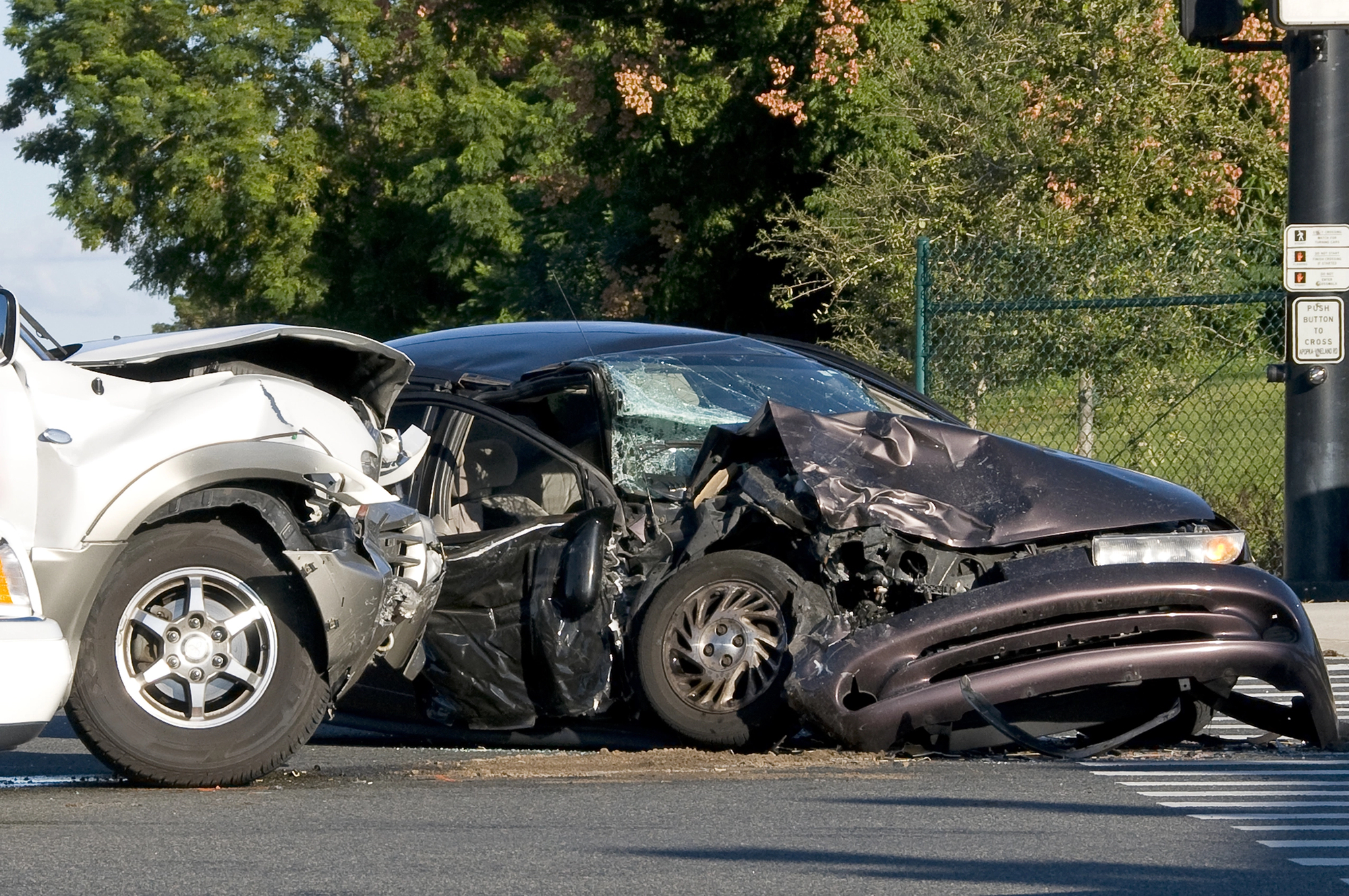
A car accident in Seattle can disrupt your routine without any warning. You may be driving to work in the rain or heading home after sunset. One sudden impact can put you in a situation you did not expect.
Seattle roads are active throughout the year. Interstate 5 is packed during the peak hours. Downtown streets are always crowded with buses and delivery vans. Construction zones can block your lanes without any notice.
After the collision, one narrative will control everything that is to unfurl. It is: Who is at fault? The fault will decide who pays all the medical bills. Fault will determine the insurance negotiations. And, fault will finally affect any form of financial recovery.
Knowing how fault is determined will help you save yourself before the blame game starts.
Why Fault Is Not Automatically Clear
Many drivers expect the fault to be obvious. This belief can cause a lot of trouble later.
Here are some assumptions that come up repeatedly:
- Rear drivers always cause rear-end crashes
- Pedestrians never share responsibility
- Police reports can close the case
- One mistake will decide the results
Crashes do not follow simple rules. Timing plays an important role in what happens. Driver behavior also influences how the collision unfolds. Road conditions also affect how vehicles respond. More than one party may share responsibility for the crash.
Understanding this reality will help you avoid making mistakes.
How Washington Law Handles Responsibility
Washington uses a pure comparative fault system. Responsibility may be divided among drivers. Compensation will be adjusted based on assigned percentages.
A small driving error does not remove your right to compensation. The assigned share will determine the final amount. Evidence will guide how percentages are assigned.
This structure can protect injured drivers.
How Seattle Roads Affect Fault Decisions
Seattle driving conditions add extra layers to fault analysis. You face rain that reduces traction on steep hills. You deal with slopes that increase stopping distance. Construction zones can narrow lanes without much warning.
Downtown corridors require frequent lane changes. Neighborhood streets place vehicles near cyclists and pedestrians. Ferry routes create congestion around terminal areas. These local conditions help explain how crashes occur. They also influence how fault gets evaluated.
The Purpose of a Police Report
Police reports give you an official record of the collision. Officers document where each vehicle was positioned. Citations may be issued at the scene. Diagrams help show where the impact occurred.
These reports influence early insurance decisions. They do not close the investigation completely.
Officers arrive after the crash has already happened. Witness accounts may differ from each other. Road conditions may change before officers reach the scene.
Additional evidence can later change early conclusions.
Evidence That Shapes Fault Determinations
Fault decisions rely on several sources. Each source fills in missing details.
Common forms of evidence include:
- Traffic camera recordings
- Dash camera footage
- Business surveillance video
- Scene photographs
- Vehicle damage patterns
- Witness statements
Together, these pieces of evidence will create a clearer timeline.
Traffic Cameras and Video Footage
Seattle uses traffic cameras at many major intersections. These systems can record signal changes and vehicle movement. This footage may provide helpful context after a crash.
Accessing this footage will require quick action. Many systems overwrite recordings after some days. Private cameras have automatic deletion schedules.
Preserved footage can also help clarify disputed claims later.
Witness Statements and Their Importance
Witnesses can provide neutral perspectives after a crash. Their observations can help confirm vehicle speed and lane position. They may also describe signal timing clearly.
Statements recorded early usually carry more weight. Memory can weaken after stressful events. Consistent accounts help support fault conclusions.
When Accident Reconstruction Becomes Necessary
Some crashes require technical analysis. Accident reconstruction specialists study physical evidence.
Their work may involve:
- Measuring skid marks
- Examining damage angles
- Reviewing vehicle data
- Creating computer collision models
This analysis explains how driver decisions led to impact.
Driver Behavior and Human Error
Human conduct plays a major role in fault reviews. Your driving speed affects how quickly you can stop. Distractions can delay your reaction time significantly. Impairment can reduce awareness during critical moments.
Investigators may review:
- Phone usage records
- Navigation distractions
- Fatigue indicators
- Alcohol or drug involvement
- Aggressive driving patterns
Each factor will influence fault percentages.
Environmental and Roadway Conditions
Fault analysis also considers the surroundings around you. Poor lighting can reduce what you are able to see. Temporary signage may alter your expectations while driving. Weather conditions can affect vehicle control.
Maintenance records may become important during review. Signal timing history can provide added context. Construction warnings can shape how drivers make decisions.
Environmental details can help explain your driving behavior during the crash.
Mechanical Problems and Vehicle Defects
Drivers are not always the only cause. Mechanical issues can contribute to collisions.
Examples include:
- Brake system failure
- Tire blowouts
- Steering defects
- Faulty vehicle repairs
Maintenance records and recall notices can help with responsibility reviews.
How Comparative Fault Works in Real Scenarios
You approach an intersection along with another driver. One driver is traveling above the posted speed limit. Another driver ignores a stop sign ahead.
Both actions can contribute to the final crash. Responsibility may be divided between the drivers. Compensation is adjusted based on each share.
Multi-Vehicle Accidents in Seattle
Seattle pileups happen during congestion and rain. One collision can trigger several others.
Investigators analyze:
- Collision order
- Damage sequence
- Debris patterns
- Witness timing descriptions
Each driver’s conduct will receive an evaluation.
Insurance Companies and Fault Disputes
Insurance adjusters review fault details very closely. Your recorded statements can carry a lot of value.
Adjusters always aim to limit payment amounts. Partial fault arguments can help them with that strategy. These arguments can reduce compensation.
Careful communication will help you protect your position.
Why Early Action Protects Your Claim
Evidence disappears quickly after crashes.
- Skid marks fade
- Vehicles get repaired
- Video footage deletes automatically
- Witness memory weakens
Your prompt action will preserve your options.
Who Pays After Fault Gets Assigned
Once fault percentages are set, financial responsibility will follow.
Possible sources include:
- At-fault driver insurance
- Uninsured or underinsured coverage
- Employer policies during work duties
- Government entities for road hazards
- Manufacturers for defective components
Every source will need meticulous documentation.
Legal Guidance and Fault Strategy
Fault rules involve law, timing and evidence. Managing these alone can be risky.
A Seattle car accident lawyer can help evaluate responsibility, preserve evidence and manage insurance communication without unnecessary escalation.
Guidance will help you make informed decisions.
Common Actions That Can Hurt Fault Claims
Certain actions can weaken your case before it starts.
- Delayed medical evaluation
- Casual fault discussions
- Recorded statements without preparation
- Online posts after the crash
This awareness will help you avoid unnecessary damage.
Steps You Should Take After a Seattle Crash
Protecting your position will require action.
- Seek medical evaluation promptly
- Photograph vehicles and surroundings
- Identify witnesses early
- Preserve communication records
- Follow treatment instructions
Final Thoughts
Fault determination after a Seattle car accident involves many moving parts. No single detail controls responsibility. Every fact contributes to the outcome.
Preparation protects recovery options. Knowledge reduces uncertainty. Informed action supports stability during a difficult period.
You cannot control the crash. You can control what happens next.