
In nearly every home and office, cords are essential to power computers and even kitchen appliances. However, they are frequently tangled, shredded, or damaged as a result of improper storage.
Most individuals stuff cords into drawers, hang them haphazardly, or sometimes coil them too tightly, causing wires to break or insulation to be exposed. The outcome is not only inconvenient, but it may pose a safety risk. Worn or damaged cords may lead to short-circuiting, electric shocks, or even fire.
Luckily, it is easy to avoid these problems using simple measures. When you know how to store your cords properly, you can prolong the durability of your equipment, maintain safety, and keep your workspace organized.
This article discusses six easy methods of storing cords in an effective and efficient manner.
1. Proper Coil Technique for Cords

When it comes to keeping an electric cord intact, it is important to use the right coiling technique. Begin by wrapping the cord loosely in the form of loops instead of wrapping tightly with sharp bends.
This acts to stop the kinking of internal wires and the breaking of internal wires, which is a common occurrence when cords are piled into drawers or boxes.
Fasten the coil in place using a soft tie such as a Velcro strap or reusable twist tie, which allows easy access without the wire becoming strained. Do not tie knots or rubber bands that are likely to pinch the insulation.
This approach not only maintains the flexibility of the cord but also simplifies the process of finding and recovering the cord when required.
2. Dedicated Storage Containers
Storing the cords in special storage containers can help avoid physical damage and dust. Select containers that have individual compartments or partitions in order to separate the various types of cords, including power cables, USB cords, and extension cords.
Plastic boxes are also very handy, especially clear plastic ones, because you can view the contents without opening them. Also, labeling every compartment enhances organization and saves time wasted on untangling all the cords.
The containers also keep cords off the floor where they are likely to be stepped on, crushed, or snagged, exposing the insulation and posing safety risks.
3. Wall-Mounted Organizers
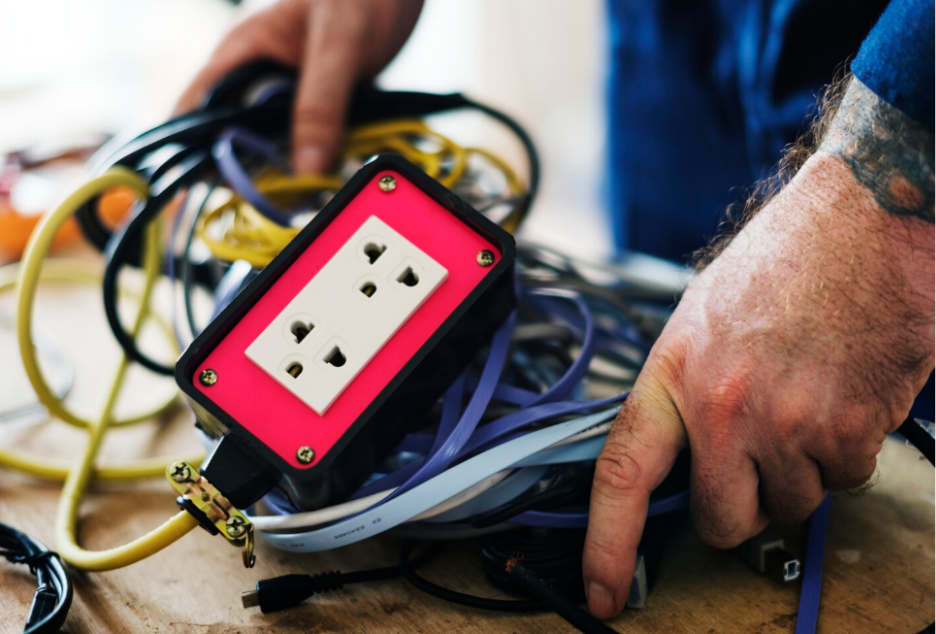
Wall-mounted organizers are a wonderful idea in a home or work environment where there is limited storage. Special cord racks, hooks, or peg boards ensure the cords are easily accessible and not tangled.
Organize the cords according to their type or length so that it is easy to retrieve them. Vertical hanging ensures that there are no pressure points that develop when the cords are stacked or folded.
Furthermore, this arrangement prevents exposure to moisture or heat, which increases their longevity. Wall-mounted storage not only stores the cords in top condition, but it also saves space and minimizes messy surroundings.
4. Label and Categorize Cords
Labeling of cords is an easy process that eliminates confusion and unnecessary wear. Mark each cord with tags, colored tape, or printable labels to identify the purpose, device, or location of the cord.
Sort the cords according to their type, voltage, or length to make it easier to organize them. This helps to minimize repetitive handling that may cause connectors or insulation to be damaged over time.
With clearly marked cords, you do not have to waste time finding the correct one or spend time bending or pulling the cords unnecessarily. In the long run, such a system keeps the cord safe, secure, and functional, and it is particularly useful in a hectic work environment or in a family with many electronic gadgets.
5. Avoiding Extreme Environmental Conditions
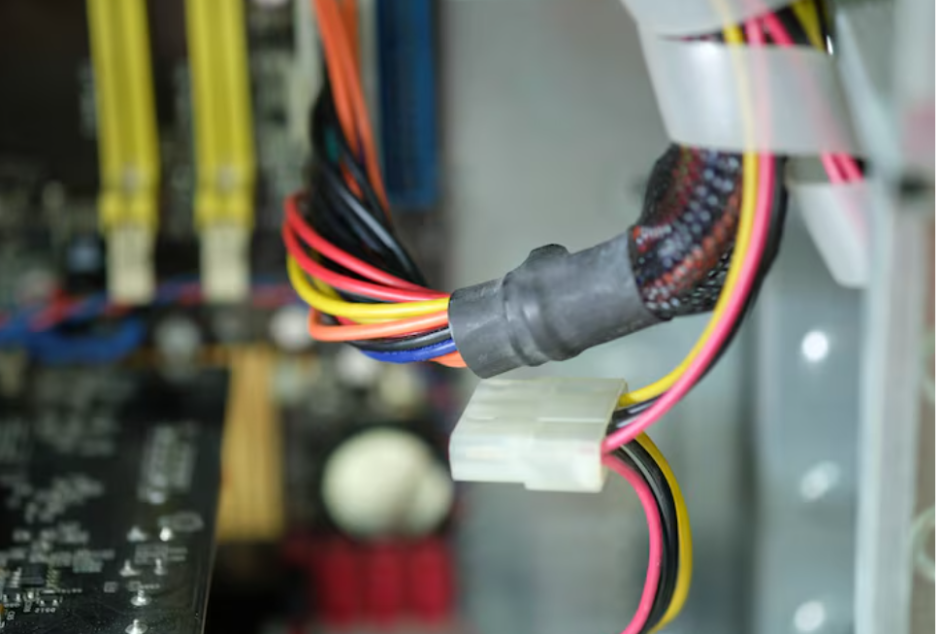
Cords are environmentally sensitive, and when not properly stored, they may end up having a shorter lifespan. Insulation may become hard or crack when exposed to heat, whereas cords may get brittle and easily broken due to extreme cold.
Moisture is another major threat. It can corrode metal connectors and even create electrical hazards. Storing cords in damp basements, garages, or near windows increases these risks.
To protect cords, keep them in cool, dry locations away from direct sunlight, radiators, or heating vents. Using airtight containers or sealed storage bags can provide extra protection. Proper environmental care keeps cords flexible, safe, and reliable for everyday use.
6. Regular Inspection and Maintenance
Even with proper storage, cords require regular inspection to ensure safety and optimal performance. Start by examining each cord for frayed wires, cracked insulation, or loose connectors before every use.
Early detection of these issues helps prevent electrical hazards, equipment damage, or accidental shocks.
Gently clean connectors to remove dust and debris that may interfere with electrical contact. Straighten minor kinks carefully, avoiding sharp bends or pulling, which can damage internal wires.
Replace any worn-out or damaged cords promptly instead of attempting temporary fixes. Establishing a consistent inspection routine keeps cords reliable, extends their lifespan, and ensures your home or workspace remains organized, safe, and fully functional at all times.
Conclusion
Proper storage and care of cords are essential for safety, efficiency, and longevity. By adopting strategies like coiling cords correctly, using storage containers, wall-mounted organizers, labeling, avoiding extreme conditions, and performing regular inspections, you can prevent damage and extend the life of your cords.
These methods not only keep your workspace tidy but also reduce the risk of electrical hazards. Implementing these practices allows you to maintain a safer, more organized environment while ensuring that your cords remain reliable whenever you need them.
Consistent attention to storage and maintenance is a small effort that provides long-term benefits in both safety and convenience.