
Picking car insurance isn’t always as straightforward as it seems. The vehicle you drive every day involves different risks than a vintage model you save for weekend drives or special events. Because of this, a standard policy and a classic policy are built with very different goals in mind.
One is designed for a car that loses value over time, while the other protects a car that gains value. Understanding where these paths part ways ensures you aren’t just buying a policy, but actually protecting your car’s true worth.
What Counts as a Classic Car
Age alone doesn’t make a car a classic. Insurers typically look at age, condition, and purpose. While 20 years is a common benchmark, antique or vintage labels often require a car to be much older.
The condition is equally critical. Classic coverage focuses on well-maintained or restored vehicles with unique rarity. These cars must not serve as daily drivers. Instead, they are protected assets kept in peak condition.
Finally, usage determines eligibility. Providers expect you to use the car for pleasure, such as club events or exhibitions, rather than routine commuting. Demonstrating limited mileage and consistent care ensures the vehicle qualifies for specialized protection.
Finding the right coverage is much easier when you work with an experienced insurance agency. Every provider has different standards for what qualifies as a classic, so you need a partner who understands these nuances. Working with an expert ensures your policy reflects the true value of your vehicle rather than just its age.
How Regular Insurance Works
Regular auto insurance is built for everyday driving. It covers commuting, errands, and general use by focusing on common risks like accidents, theft, or weather damage.
The vehicle’s value rests on depreciation. Over time, most cars lose value, which directly dictates how much an insurer pays after a claim. This approach works for standard vehicles, but it fails to account for the rising value of a collector car.
Standard policies include a mix of liability, collision, and comprehensive coverage. While these options allow you to adjust protection levels, they typically lack the specialized valuation a classic requires.
Key Differences Between Classic Car Insurance and Regular Car Insurance
Here are the key differences between these types of insurance:
Agreed Value vs Actual Cash Value
The most important distinction lies in how an insurer determines your vehicle’s worth. Regular insurance uses actual cash value (ACV), which factors in depreciation. This means your payout reflects the car’s market value at the time of the loss rather than its original price or restoration costs.
Classic car insurance uses agreed value instead. You and your provider settle on a fixed amount when you start the policy. This figure represents the car’s true worth, which is essential for restored or rare vehicles that tend to appreciate over time.
If you face a total loss, the agreed value is exactly what you receive. This certainty is vital when dealing with collector cars that don’t follow typical depreciation patterns. It ensures you can actually replace your investment rather than receiving a fraction of its value.
Usage Restrictions and Flexibility
Usage limits are a standard part of classic car insurance. These policies are designed for vehicles that aren’t used for daily transportation. Most insurers set annual mileage caps, often between 2,500 and 5,000 miles. You are typically expected to use the car for exhibitions, club events, or occasional pleasure drives instead of routine commuting.
This approach helps with risk mitigation because it keeps the car off the road during busy hours. Since the vehicle spends less time in traffic, insurers can offer significantly lower premiums.
Regular auto insurance doesn’t have these restrictions. You can drive your car for work or personal errands without tracking your mileage. While that freedom is necessary for a daily driver, it doesn’t offer the same cost-saving benefits as a specialized classic policy.
Storage Requirements
Storage is a major factor in classic car insurance. Most insurers require you to keep the vehicle in a fully enclosed, locked garage or an approved professional facility. This protection keeps the car safe from theft, vandalism, and harsh weather.
Proper storage preserves the long-term condition of high-value vehicles. Meeting these rules ensures the car remains in peak shape while satisfying the insurer’s safety standards. Carports or open driveways rarely qualify for these specialized plans.
Regular auto insurance doesn’t have these strict rules. While parking in a safe spot is a good idea, standard policies don’t usually mandate where you keep the vehicle overnight. This flexibility is convenient for daily drivers, but it doesn’t offer the same security for a vintage investment.
Premium Costs and Risk Factors
Many owners expect specialized coverage to cost more, but classic car insurance often features lower premiums. Because these vehicles spend less time on the road and receive expert care, they represent a much lower risk to the insurer.
Limited mileage and controlled usage directly lead to these favorable rates. While factors like rarity and the agreed value influence the final price, the restricted driving schedule keeps the overall cost manageable. A more valuable car requires more protection, but specialized plans account for the fact that it isn’t exposed to daily traffic risks.
Regular auto insurance calculates premiums based on driving history, location, and daily exposure. High mileage and the constant risks of commuting usually lead to higher costs. Standard policies simply don’t offer the discounts that come with the strictly controlled environment of a collector car.
Coverage for Repairs and Parts
Repair options differ significantly between these policy types. Classic car insurance provides support for specialized repairs, offering access to experts who understand older models and the necessity of original manufacturer parts.
Many policies also account for the specialized tools and materials required for restoration. Coverage can even extend to the specific automotive tools you use to maintain the vehicle in your own garage.
Regular auto insurance focuses on standard repairs using widely available parts and general labor costs. While this works for modern daily drivers, it rarely meets the needs of classic car owners who require period-correct components and specialized craftsmanship.
When Each Option Makes Sense
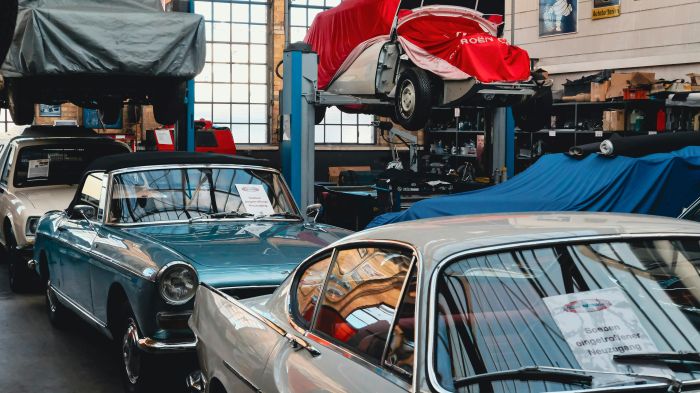
Choosing the right policy depends entirely on how you use your vehicle. Classic car insurance works best for vehicles that are rarely driven, carefully maintained, and valued beyond standard market pricing. It is a strong fit for collector cars, antique models, and other specialty vehicles that require agreed value protection.
Regular auto insurance suits daily drivers who face routine risks on the road. This coverage provides the flexibility needed for commuting and running errands without mileage restrictions. Standard policies ensure you have practical protection for vehicles that depreciate over time.
In many situations, maintaining both types of coverage makes sense. You might keep a standard policy for your primary vehicle and a separate, specialized plan for your classic car. This balanced approach provides the right level of protection for each asset while keeping your total insurance costs manageable.
Conclusion
Classic car insurance and regular auto insurance serve very different purposes. One preserves long-term value, while the other supports everyday driving needs. Your choice depends on how often you drive, where you store the car, and how you define its worth.
Matching coverage to your vehicle’s specific needs ensures you do more than just meet a legal requirement. You are protecting a valuable asset, whether it is a daily driver or a cherished classic.