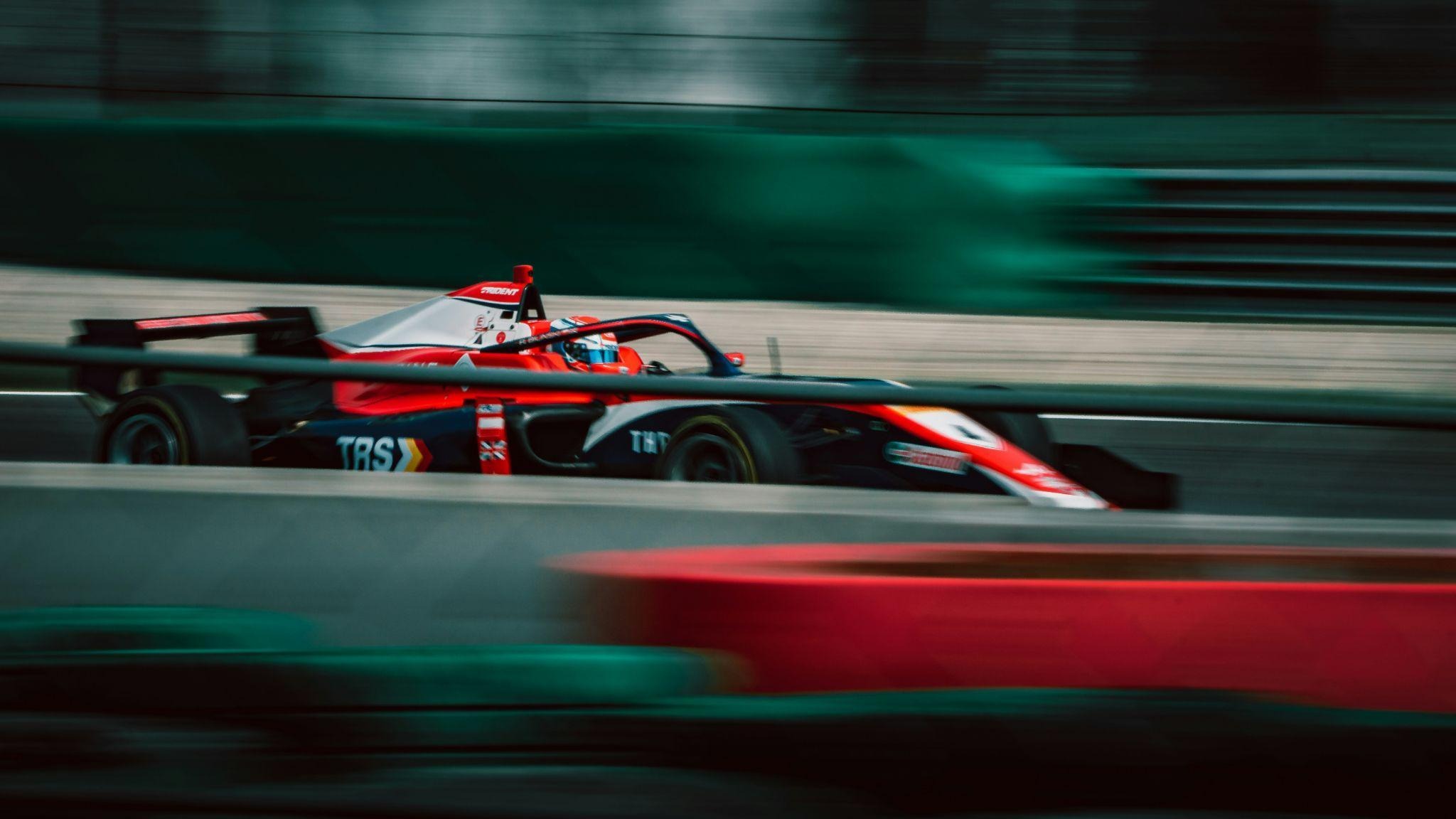
Fans, teams, and drivers must simultaneously interpret and expect changes in speed, strategy, and position when engaging in live NASCAR events. This article will examine the parallels between racing and betting to describe how racing fans perceive racing dynamics similar to betting techniques.
With NASCAR, nothing is the same between the first lap and the last. In constant flux are factors like the track’s surface, the driver’s fuel, and wear on tires and fans observe these shifts. Position on the track and strategy to enter the pit are mentioned to analyze NASCAR’s unfolding plot. Fans who analyze the race progress are exercising a cognitive skill that transfers to non-motorsports activities.
How split-second decisions on track translate to smarter betting instincts
Racing and betting are similar in that they require split-second decisions based on limited information. From the moment a caution flag is waved, a crew chief’s position is strategically and tactically defended. This requires complete focus and commitment from drivers and crew chiefs alike.
The key to winning a race is not so much a single choice but pressure over a sequence of choices that define the outcome of that race. Racing and betting require the same pressure to select an advantageous position on the track or change market mechanics.
From an industry report published in 2025 by the American Gaming Association, legal sports betting in the United States totaled 119.8 billion dollars in 2024. This figure illustrates the massive and rapid evolution in the betting market with regard to the processing of information and the engagement of betting users.
This is not about the accuracy of prediction; it’s about the timing. Just like in racing, in betting, even if you have the correct read, if you are too early or too behind, your advantage can be greatly diminished. We can build an advantage in understanding odds by assessing the dynamics of races. For example, structured betting information and promotional breakdowns like those found on this page show how sportsbooks present odds, markets and incentives in one place, reflecting how pricing and offers shift across different events and contexts without focusing on a single race or outcome.
Why reading race dynamics builds a natural edge in understanding odds
This has the same effect as understanding the movement of betting odds. The odds can change based on injuries, weather, the prior performance of the teams, the pit strategy, etc.
According to Nielsen’s 2025 motorsport audience data, NASCAR Cup Series broadcasts continue to draw multi-million viewers per race weekend in the United States. That continued audience shows that many viewers are able to understand the changes that can happen as they watch NASCAR. This is part of the experience.
The viewers are able to see the differences in sustained race pace, as opposed to the fleeting advantage. An excellent qualifying lap is an indicator of pole position talent but not race talent, while a slow qualifying lap is not a determinant of bad race talent.
The link between drafting strategy and spotting value in betting markets
NASCAR relies on drafting and positioning instead of speed. A car can be competitive and run at a faster pace than the competition by drafting in the right position.
Small changes in timing and positioning can lead to a straightaway time that is faster than previous straightaways.
Betting markets are the same. Proper positioning when timing is right can provide value. An underappreciated runner may be in the middle of the pack, but provides value and is in the right position to run a fast time in the last lap, when the market has not anticipated that data.
Both NASCAR and betting reward patience. Timing is everything. NASCAR drivers wait for the right drafting partner to assist in going faster, or may wait until one or more laps are over before moving to set up a better drafting position to go faster. In both cases, mistiming the decision can remove the advantage even when the read itself is correct.
How NASCAR fans learn to think in probabilities without realising it
Many casual NASCAR viewers do not calculate odds and probabilities. They learn to understand a form of intuition about NASCAR. A study from 2023 published in the Journal of Behavioral Decision Making found that pattern recognition can be improved by repeated exposure to uncertainty, even in the absence of structured statistical training.
This shows that experience can make people assess likelihoods and outcomes in their environments. NASCAR is one of the best examples of this development. Each race represents the variability of the ever-present phenomena of cautions, strategy alterations, and tire degradation. Yet, the races retain the same foundational framework of stages and pit cycles.
Race fans learn where outcomes tend to stabilize, and where there is unpredictability. That learning process builds a probabilistic mindset. Rather than expecting certainty, experienced viewers think in ranges of possible outcomes based on historical data.
This is where the art of racing meets the discipline of wagering. Both racing and wagering operate in environments characterized by uncertainty, the constant presence of time, and changing information.