How does a stadium bathroom hold up under 60,000 visits in one afternoon?
Luck? No way. It’s all about great stadium plumbing and commercial faucets working hard behind the scenes. Your typical kitchen and bathroom faucets would give out in days.
That is a huge deal because:
- One bad faucet can flood a busy restroom
- Broken taps ruin the fan experience
- Repair costs stack up fast in big venues
Let’s break down how commercial faucets handle the chaos of a packed stadium…
Here’s what’s inside:
- What Makes Commercial Faucets Different?
- Why Stadium Plumbing Faces Unique Challenges
- Key Features Built For Heavy Use
- How Modern Commercial Faucets Save Water
- Picking The Right Faucet For Your Venue
What Makes Commercial Faucets Different?
Commercial faucets are built to survive.
Commercial faucets aren’t like the ones in your kitchen. They are slammed hundreds, if not thousands of times during each use. That’s why the insides are made of stronger materials like solid brass and reinforced ceramic. The valve, handle…you name it, is built to take a beating and keep functioning.
Companies such as Chicago Faucets have been designing commercial faucets for stadiums, arenas, and concert halls for years. The reason their stadium plumbing is used nationwide is because it withstands crazy amounts of use and doesn’t require frequent repairs.
Here’s the thing…
One leaky faucet at a stadium restroom during halftime = disaster. Imagine dozens of restrooms experiencing this problem simultaneously. An entire complex will come to a screeching halt. For this reason, stadium plumbing fixtures must be next level strong.
FYI: Cheap taps may save you money on day one, but they typically cost double in repairs during year one.
Why Stadium Plumbing Faces Unique Challenges
Stadium plumbing is not like normal plumbing.
Demand is unpredictable and punishing. During most of the day, there’s little activity. Suddenly – halftime arrives, and 40,000 people all want to wash their hands simultaneously. Pressure plummets. Pipes rattle and whatever weak link there is in the system fails first.
Here’s what makes it so difficult:
- Extreme peak demand in tight 15 minute windows
- Long periods of low use between events
- Constant vandalism and rough handling
- Strict hygiene standards for public health
Recent studies have found stadiums go through more than 300,000 gallons of water during several hours of a college football game. That much pressure will ruin inexpensive faucets in weeks.
Once upon a time stadiums were content with old, rusty taps. Times have changed. Fans now expect clean, functioning, touchless bathrooms every time they visit. They know facility managers are judged just as much on bathrooms as they are on game play.
Key Features Built For Heavy Use
So what does a commercial faucet actually have that a regular tap doesn’t?
It’s longer than most imagine. Every piece of that faucet is designed for abuse. Once a fan approaches it, the tap better work flawlessly – no dribbles, no leaks, no delays.
Look for these features in any good commercial faucet:
- Touchless sensor operation (fewer touchpoints = better hygiene)
- Vandal-resistant housing and mounts
- Solid brass internals (not cheap plastic)
- Long battery life or water turbine power
- Automatic shut-off timers
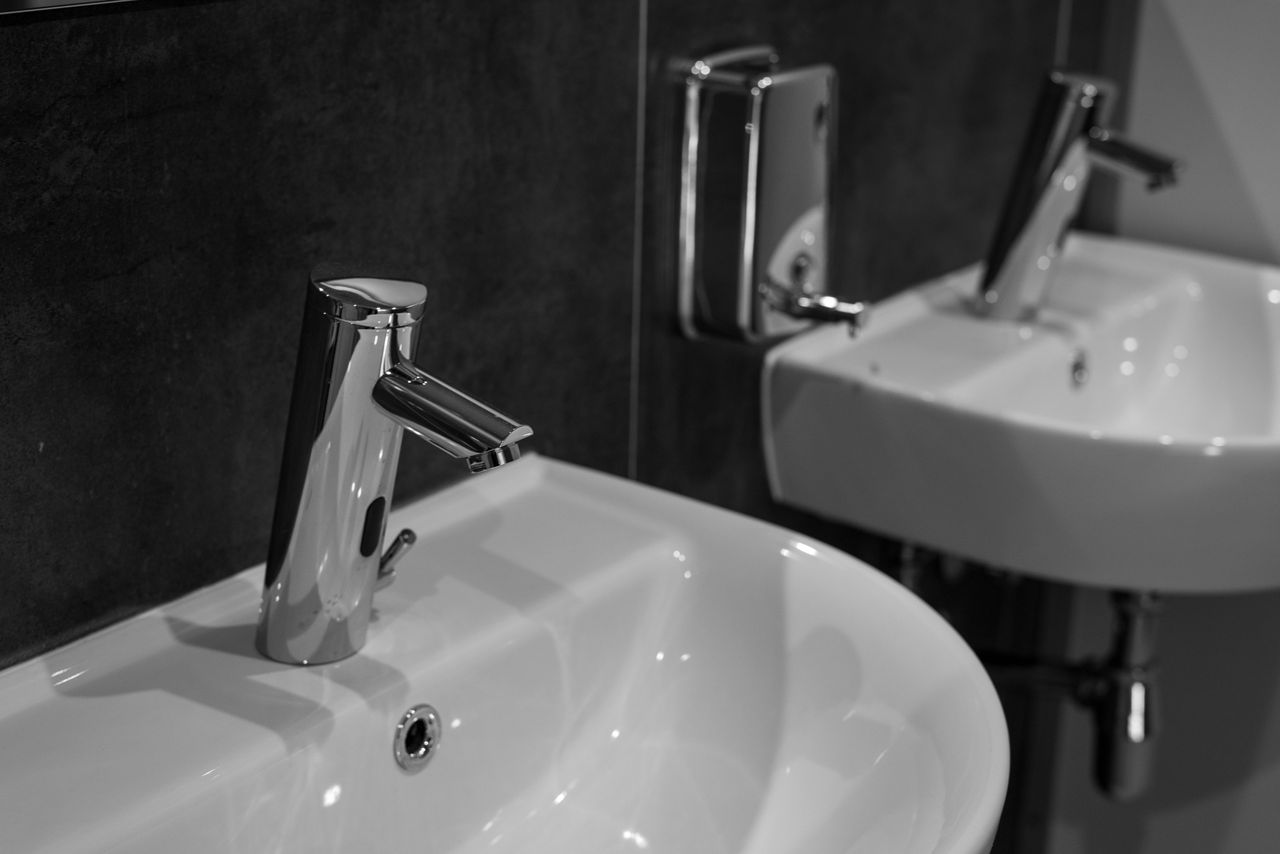
Touchless faucets are now considered standard issue. They reduce the spread of germs and prevent patrons from inadvertently leaving the water running. Combine with water turbine power (using water flow to charge the sensor) and you have a faucet that pretty much runs itself.
Some of the nicer venues have centralised soap dispensers mounted next to the faucets, eliminating the need for cleaning crews to refill them every hour. Minor detail, big difference.
How Modern Commercial Faucets Save Water
Water waste is a big problem for stadium operators.
Older stadiums such as Gillette Stadium have been shown to waste 600,000-1 million gallons of water per NFL game. ONE afternoon. When you do the math on a full season… lets just say its unbelievable.
Modern commercial faucets tackle this problem with:
- Low-flow aerators
- Automatic timed shut-off
- Metered valves for exact water delivery
- Smart water monitoring systems
Others are going even beyond that threshold. Levi’s Stadium in California uses recycled water for about 85 percent of its restroom and irrigation requirements. Without commercial-grade fixtures that could withstand non-potable water without corroding, that would not be possible.
Smaller venues are taking note, too. Reducing water waste not only saves venues money, it allows them to meet sustainability goals and eases the pressure on municipal water supplies – a concern of host cities during big events like the FIFA World Cup.
Pretty cool, right?
Picking The Right Faucet For Your Venue
Not all commercial faucets are appropriate for every venue. Selecting an inappropriate faucet can create a nightmare for maintenance later.
Before buying, ask these questions:
- How many people use the restrooms at peak?
- Is there a nearby power source, or are batteries/turbine needed?
- What is the water quality like in the local area?
- How often can maintenance teams reach the fixture?
Peak demand drives this. A faucet rated for 200 cycles per day will fail miserably being installed in a stadium where it sees 20,000 cycles per day. Always spec commercial faucets for the maximum abuse, not how many uses you think it will get on average.
Battery-powered sensor faucets work well for retrofit applications where new electrical wiring is difficult. Hardwired sensor faucets are typically more reliable for new construction applications. Water turbine models require neither batteries nor wiring making them ideal for facility maintenance crews covering large areas.
Tip: Purchase faucets from companies that supply replacement parts for 10 years or more. There’s nothing more frustrating than needing a replacement cartridge for your five-year-old faucet only to discover that it’s been discontinued. You’ll be pulling the entire thing out.
Rounding It Off
Commercial faucets are the unsung heroes of every big venue.
If not for them, stadium plumbing couldn’t handle the onslaught of tens of thousands of people all visiting the restroom simultaneously. Proper fixtures help maintain water flow, reduce waste and prevent halftime from becoming a bona fide catastrophe.
To quickly recap what really matters:
- Commercial faucets are built for extreme peak use
- Stadium plumbing needs vandal-resistant, touchless fixtures
- Water-saving features cut costs and protect resources
- Pick faucets based on peak demand, not average use
- Buy from brands with long-term parts support
From college arenas to world-class stadiums, that tap on the wall is working harder than most fans will ever know. Get the right commercial faucets from the beginning and watch your whole venue run smoother.