Debris is produced rapidly at construction sites. The first few days of any project are spent dealing with wood scraps and drywall remnants in addition to packaging trash. Such debris slows the crews and poses the risk of tripping on the site. In the absence of a clear strategy regarding waste elimination, the small setbacks can become larger scheduling issues, and these issues can be easily converted into more expenses.
This problem is addressed in advance by a construction dumpster. It provides each crew with a specific area where they can dump rubbish, maintains the site clean and safe, and shields the workers against avoidable risks.
An effective debris system modifies the way a build operates on the very first stage. Here are five ways it makes that difference.
1. Keep the Job Site Organized and Safe
A disorganized workplace is a slow workplace. In the absence of a system to place materials, packaging and demolition debris, workers waste time maneuvering around them rather than doing work. A construction dumpster rental can make an instant difference. It provides each crew member with one specific location to discard waste whenever it is produced.
Consequently, walkways remain uncluttered, and machines are able to traverse freely. Reduced barriers also imply reduced opportunities for trips, falls, or damaged materials. Because poor housekeeping is commonly identified as a violation during safety inspection, a special debris container can be used to comply with the standards as well.
In addition to safety, a well-structured site helps in enhanced communication. Crews are able to work on tasks allocated instead of picking up materials scattered about, and this structure extends to the day-to-day management of the entire project.
2. Match to Project Scope
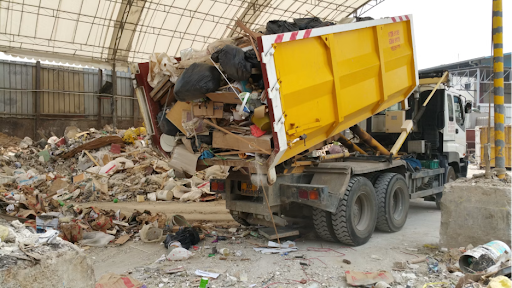
The volume of waste generated is not the same for all builds. Even a minor renovation produces significantly less debris compared to a complete structural demolition, and the size of the container chosen is important. A size that is too small results in overflow and rework, whereas one that is too large costs the business money that cannot be used.
Smaller containers are suitable in interior remodels, minor repairs or single-room projects. Mid-sized options are applicable in bigger renovations that comprise flooring, cabinetry, or removing fixtures. With large builds that require framing, roofing, or complete demolition, a larger container accommodates the increased volume without having to change it frequently.
Tying the size to the scope also impacts the project budget directly. Extra charges are introduced by overweight loads or repeated pickups, which were not initially included in the plan. Estimating the volume of the debris before the project can eliminate these excess expenses in the future.
3. Reduce Downtime with On-Time Delivery and Pickup
Timing plays a large role in how smoothly a project runs. If a container arrives late or isn’t removed once full, work can come to a halt, and crews end up waiting instead of progressing through scheduled tasks.
Coordinating delivery and pickup around the project timeline prevents this disruption. A container that arrives before demolition begins allows debris removal to start immediately rather than after materials have already piled up. Scheduling pickup once a container reaches capacity avoids unnecessary waiting periods as well.
This kind of planning matters most on multi-phase projects. Each phase, from demolition to framing to finishing, produces different types and amounts of waste, so aligning removal schedules with these phases keeps momentum going.
4. Stay Compliant with Waste Disposal Regulations
Construction waste isn’t just inconvenient; it’s also regulated. Local ordinances often dictate what materials can be discarded together, how they should be sorted, and where they can legally be taken. Ignoring these rules can lead to fines or delays if a site is inspected mid-project.
Certain materials, such as paint, batteries, and other hazardous substances, typically require separate handling rather than standard disposal. Understanding these restrictions ahead of time prevents last-minute scrambling to find alternative disposal methods. It also protects the project from compliance issues that could stall progress.
Working with a system built around these regulations removes the guesswork. Instead of researching disposal rules mid-project, teams can follow guidelines already built into the process. This keeps the focus on construction rather than compliance paperwork.
5. Save Money by Avoiding Debris-Related Delays
Every delay on a construction site carries a cost. Idle labor, extended equipment rentals, and pushed-back deadlines all add up quickly. Much of this can be traced back to something as simple as unmanaged debris slowing down daily operations.
Planning waste removal as part of the project timeline, rather than as an afterthought, prevents these avoidable expenses. When debris is cleared consistently, crews can move from one task to the next without waiting on cleanup. This keeps labor hours focused on productive work instead of site management.
Over the course of a project, these small efficiencies accumulate into meaningful savings. A well-managed debris system isn’t just about cleanliness; it directly supports the budget and timeline that every project depends on.
Conclusion
Managing debris effectively changes how a construction project unfolds from start to finish. A safe, organized site, the right container size, timely pickups, regulatory compliance, and avoided delays all work together to keep a build on track.
Each of these factors touches the budget, the timeline, and the safety of everyone on-site. Planning waste removal early, rather than reacting to it later, gives crews the structure they need to stay productive. When debris management becomes part of the o