A customer picking up a repaired vehicle usually notices the fresh paint, straight panels, and the reassuring sense that the car looks right again. What is less visible is the equipment that helped technicians reach that result. Behind the scenes, dependable machinery, accurate measuring systems, welding tools, and workshop technology all influence how a repair progresses. Working with a trusted supplier such as Lombard Equipment can help a collision repair shop maintain access to professional solutions that support accurate work, dependable turnaround times, and consistent standards.
Reliable Equipment Supports Reliable Work
Collision repair involves far more than removing dents and replacing damaged panels. Technicians may need to measure a vehicle structure, pull components back into alignment, weld modern materials, lift vehicles safely, and check electronic systems before the job is complete. Each stage depends on tools that perform as expected.
When equipment is dependable, technicians can focus on the repair rather than wondering whether a machine will deliver consistent results. That reliability becomes especially important during complex jobs, where small inaccuracies can affect later stages. A shop known for careful, repeatable work naturally builds more confidence with customers, insurers, and professionals who recommend its services.
Precision Shapes the Finished Result
Vehicle owners may not know the exact tolerances involved in structural repair, but they can often tell when something does not feel right. A door that closes poorly, uneven panel gaps, unusual tire wear, or steering that feels different can quickly reduce confidence in a repair.
Professional measuring and alignment systems give technicians the information needed to work with greater accuracy. Instead of relying on visual judgment alone, they can compare measurements, identify movement, and make controlled corrections. Precision at this stage helps the rest of the repair come together properly. Panels fit better, components sit where they should, and the finished vehicle feels more complete rather than merely improved on the surface.
Good Suppliers Help Shops Keep Moving
A damaged or unreliable piece of workshop equipment can create problems far beyond the machine itself. One breakdown may delay several vehicles, disrupt scheduling, and leave customers waiting longer than expected. That can be frustrating for everyone involved.
A dependable supplier can make a real difference by offering equipment designed for professional use, along with access to servicing, replacement parts, and knowledgeable support when needed. Shops benefit from knowing where to turn when something requires attention. That support helps reduce unnecessary downtime and makes daily operations easier to manage, which ultimately contributes to a smoother customer experience.
Modern Vehicles Demand Modern Solutions
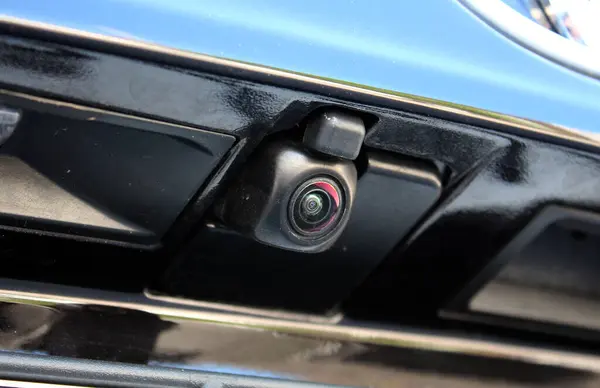
Cars have changed dramatically, and collision repair equipment has had to change with them. Advanced steels, aluminium components, complex body structures, cameras, radar sensors, and electronic driver assistance features all require specialised procedures.
A reputable repair shop cannot rely indefinitely on tools designed for older vehicles. Keeping equipment current allows technicians to approach newer models with the appropriate technology and methods. Trusted suppliers help shops identify machinery and systems suited to evolving repair demands. This matters for reputation because customers increasingly expect a repair facility to understand the technology built into their vehicle, not simply its exterior panels.
Consistency Matters From One Repair to the Next
A strong reputation is rarely built on one excellent job. It develops when customers receive dependable results again and again. Consistency becomes easier to achieve when technicians use equipment that produces stable measurements, controlled welding performance, reliable lifting, and repeatable repair processes.
This does not remove the importance of technician skill. In fact, the two work together. Experienced professionals can make better use of accurate, well-maintained equipment, while good machinery allows their knowledge to be applied with greater control. For a collision center, that combination helps create a standard of workmanship that customers can recognize and trust over time.
Workshop Efficiency Affects Customer Experience
Most vehicle owners want repairs completed carefully, but they also appreciate clear timelines and steady progress. Efficient equipment can help a shop organize work without cutting corners. Frame machines, lifts, preparation systems, diagnostic tools, and refinishing equipment all contribute to how easily a vehicle moves through the repair process.
When the correct tools are available at the right time, technicians spend less time improvising or waiting for outside assistance. Estimates can be more realistic, repair stages can flow more naturally, and unexpected delays may be reduced. Customers may never see these workshop details, yet they often experience the benefits through better communication and more predictable completion dates.
Quality Tools Reflect Professional Standards
The condition of a workshop often says something about how seriously a business approaches its work. Well-maintained equipment, organized repair areas, and appropriate technology suggest that the shop is prepared to invest in the quality of its service.
That investment can influence customer perception even when people do not understand every machine they see. A professional environment creates reassurance. More importantly, it gives technicians the resources to follow proper procedures instead of finding shortcuts around inadequate tools. A shop that consistently chooses suitable equipment demonstrates that quality is being considered before the repair even begins.
Supplier Knowledge Can Be Just as Valuable
A good equipment supplier offers more than products on a catalog page. Technical knowledge can be valuable when a shop is selecting a new machine, replacing older equipment, or planning for changing repair requirements.
The right guidance can help a business avoid buying something that does not suit its workload or facility. It can also help technicians understand available features, maintenance needs, and practical uses before making a major investment. Over time, this type of supplier relationship can support smarter purchasing decisions. Money is spent where it has the greatest value, while the workshop remains prepared for the types of repairs customers bring through the door.
Reputation Is Built Behind the Scenes
Customers usually judge a collision repair shop by the final result, communication, turnaround, and how confident they feel driving away. Yet many of the factors that create that experience begin long before the finished vehicle reaches the collection area.
Reliable equipment supports accurate measurements, efficient work, professional procedures, and consistent results. Dependable supply and support also help the workshop remain prepared when technology changes or equipment needs attention. All of this happens mostly out of sight, but its effect can be felt in every well-fitted panel, smooth repair process, and satisfied customer. For a collision repair business, choosing quality equipment is not simply an operational decision, it is part of protecting the reputation that keeps people coming back and recommending the shop to others.