A diesel engine needs clean fuel and steady flow to work under harvest loads. Water, dirt, air leaks, and restricted lines may go unnoticed during light use. Once the combine or tractor works for hours at full load, those small problems can cause power loss, rough running, or a complete shutdown.
Why Should You Inspect the Fuel System Before Harvest?
Harvest leaves little room for an avoidable breakdown. A machine that starts normally in the yard may still lose power when the grain tank fills or the engine reaches operating temperature. Higher fuel demand exposes restrictions that short test runs do not.
Begin with the service history. Check when the filters were last changed, whether fuel was added from a questionable container, and whether the machine sat unused with a partly filled tank. Old fuel can collect moisture and support microbial growth. Rust, paint flakes, and sediment may also settle at the bottom of a storage tank.
At 6:15 on a late-August morning, the air beside the grain bin may still feel cool. Drain a small sample from the water separator into a clear container. Clean diesel should look bright and consistent. A separate layer at the bottom, cloudy liquid, dark slime, or visible particles means the system needs attention before the machine enters the field.
What Are the Signs of Restricted Fuel Flow?
Power loss under load is a common sign. The engine may idle well but hesitate during acceleration, surge at a steady speed, or recover after being shut down for several minutes. Hard starting and uneven exhaust can also occur.
These symptoms do not confirm a single failed part. A blocked tank vent can create a vacuum. A collapsing hose can restrict flow. Air may enter through a loose clamp, cracked line, or damaged seal. A weak lift pump can produce similar behavior.
Inspect the tank cap and vent first. Then follow the supply line from the tank to the injection system. Look for wet fittings, flattened hoses, sharp bends, abrasion, and loose connections. Do not use an open flame to inspect for leaks. Wipe spilled diesel promptly and keep ignition sources away from the work area.
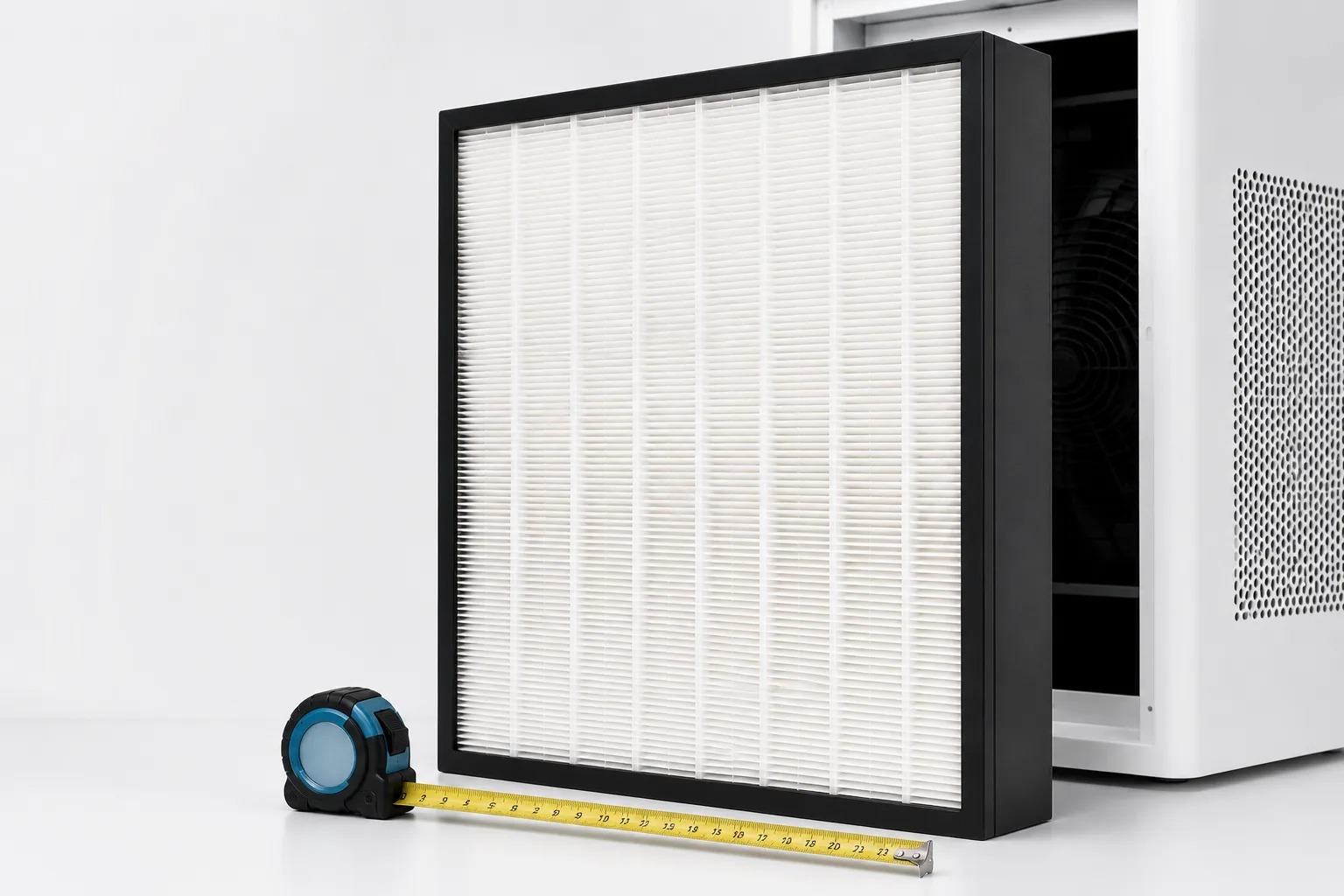
Check the fuel filter when the service interval has expired, contamination is visible, or measured supply pressure indicates a restriction. Use the correct element and seals for the machine. Fill and bleed the system only as directed in the operator’s manual. Some modern high-pressure common-rail systems use electric priming pumps and should not have injector lines loosened.
How Do You Check for Water and Contamination?
Water separators need regular draining during humid weather. Water can enter through condensation, damaged storage tanks, loose caps, or contaminated fuel deliveries. It reduces lubrication and may corrode pumps and injectors.
Collect drained material in a suitable container. Do not release diesel or water contaminated with fuel onto the ground. Local recycling or hazardous-waste services can explain how it should be handled.
Dark or sticky material may indicate microbial contamination. Treating the tank without removing heavy contamination may only loosen debris and block the filters again. In severe cases, the tank and lines need professional cleaning. Follow product directions carefully if an approved fuel treatment is used.
The storage system deserves the same attention as the machine. Keep transfer nozzles capped. Replace damaged hoses. Drain water from bulk tanks, and avoid filling equipment from dirty portable cans. Fresh filtration cannot protect an engine if new contamination enters at every refueling.
When Should You Inspect the Pump and Injectors?
Test the supply side before blaming expensive components. Confirm that clean fuel reaches the injection pump at the specified pressure and volume. Diagnostic procedures differ between mechanical engines and common-rail systems, so use service information for the exact model.
A weak lift pump may cause extended cranking or power loss at higher engine speeds. A faulty injector may produce rough running, unusual knocking, excessive smoke, or poor fuel economy. Those symptoms overlap with compression, air-intake, and electronic control faults. Proper testing is safer than replacing parts based on smoke color alone.
High-pressure diesel can penetrate skin. Never place a hand near a suspected injector leak while the engine is running. Use cardboard or another approved method for low-pressure leak checks, and leave common-rail testing to a trained technician with suitable equipment.
How Can You Prepare the Machine for Harvest?
Complete the inspection several days before work begins. That leaves time to obtain parts, clean the tank, or correct leaks. Run the engine until it reaches operating temperature, then test the machine under a safe working load.
Keep spare service items, clean fuel containers, absorbent material, and the correct tools nearby. At the end of the test, check again for damp fittings and unusual smells. Record any pressure readings, filter changes, and drained water.
Conclusion
A reliable harvest starts with clean fuel and unrestricted flow. Inspect the tank, vent, lines, separator, filters, lift pump, and visible connections before long workdays begin. Deal with water or sediment early. If the engine still loses power after the supply side passes inspection, use model-specific tests for the pump, injectors, air system, and engine condition.