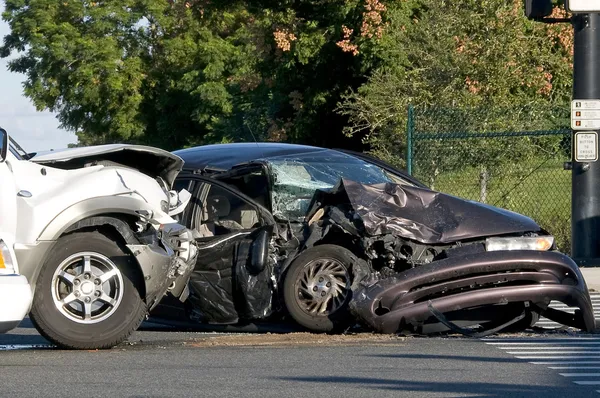
When the at-fault driver has no car insurance in Florida, you may still have options for paying your medical bills, vehicle repairs, and other losses. In many cases, the key is whether you have uninsured motorist (UM) coverage on your own auto policy, because Florida law generally does not require drivers to carry bodily injury liability insurance.
St. Petersburg sees heavy traffic on roads such as I-275, 4th Street North, and U.S. 19, where crashes can happen in seconds. A collision with an uninsured driver can be especially stressful because the person who caused the crash may have little money or no insurance to cover your losses. After a crash in the area, an uninsured motorist accident lawyer in St. Petersburg, FL, can help you understand your insurance coverage and the options available for pursuing compensation.
The most important step is to check your own policy before assuming you are on your own. Florida’s rules on uninsured motorists, personal injury protection (PIP), and insurance claims can affect what you can recover and how you should proceed after the accident.
What Happens After an Uninsured Driver Hits You?
Your first source of coverage may be your own auto insurance. Florida requires PIP coverage for covered drivers, and Florida Statute § 627.736 generally provides up to $10,000 in PIP benefits, including 80% of reasonable medical expenses, when you receive initial care within 14 days of the crash. PIP applies without regard to who caused the wreck.
You should also check for uninsured motorist coverage. Under Fla. Stat. § 627.727, insurers that issue auto liability policies with bodily injury coverage generally must provide UM coverage unless it is rejected or changed as allowed by law. UM coverage can help pay damages when you are legally entitled to recover from an uninsured driver.
Florida Has Limited Required Liability Coverage
Florida’s insurance rules can be confusing. The law requires vehicle owners and operators to maintain financial responsibility for property damage. Under Fla. Stat. § 324.022, that requirement is $10,000 for damage to another person’s property in one crash. The statute allows several ways to meet that requirement, including qualifying insurance.
That does not mean every Florida driver carries bodily injury liability coverage. So, after a serious injury crash, the at-fault driver’s lack of insurance can leave you relying on your own coverage or pursuing the driver directly.
What Can Pay for Your Losses?
There may be more than one source of money after an uninsured driver causes a crash. It depends on what coverage you bought, what kind of damage you suffered, and how serious your injuries are.
- Your PIP coverage: Florida generally requires PIP coverage, and Fla. Stat. § 627.736 provides benefits for covered medical expenses and lost income after a crash. PIP can apply even when the other driver caused the accident.
- Uninsured motorist coverage: This is often the most important coverage to check after an uninsured-driver crash. Under Fla. Stat. § 627.727, UM coverage may help pay for bodily injury losses when the at-fault driver has no applicable liability insurance, subject to your policy and the law.
- Collision coverage: If your car was damaged, collision coverage may help with repairs or replacement. You will usually have to pay your deductible.
- The other driver’s own money or property: You may have the right to seek payment directly from the driver. The problem is practical: a judgment only helps if the person has assets or income you can actually collect from.
The easiest mistake to make is assuming that “no insurance” means “no claim.” It does not. Start with your own policy and find out exactly what protection you have.
What Should You Do Next?
Get the other driver’s information, report the crash, seek medical care promptly, and notify your insurer. Keep photos, medical records, repair estimates, wage-loss records, and other proof of your losses.
Do not assume the other driver’s lack of insurance ends your claim. Your own policy may provide more protection than you expect, and the exact coverage can depend on your policy language, selected limits, and the facts of the crash.
Key Takeaways
- The other driver’s lack of insurance does not necessarily end your claim.
- Your PIP coverage may help with medical bills and some lost income.
- Uninsured motorist coverage may cover injury-related losses caused by an uninsured driver.
- Florida requires financial responsibility for certain property damage, but that does not mean every driver carries bodily injury coverage.
- Collision insurance may help pay for damage to your vehicle, minus your deductible.
- You can sometimes pursue the uninsured driver personally, but collecting money may be difficult.