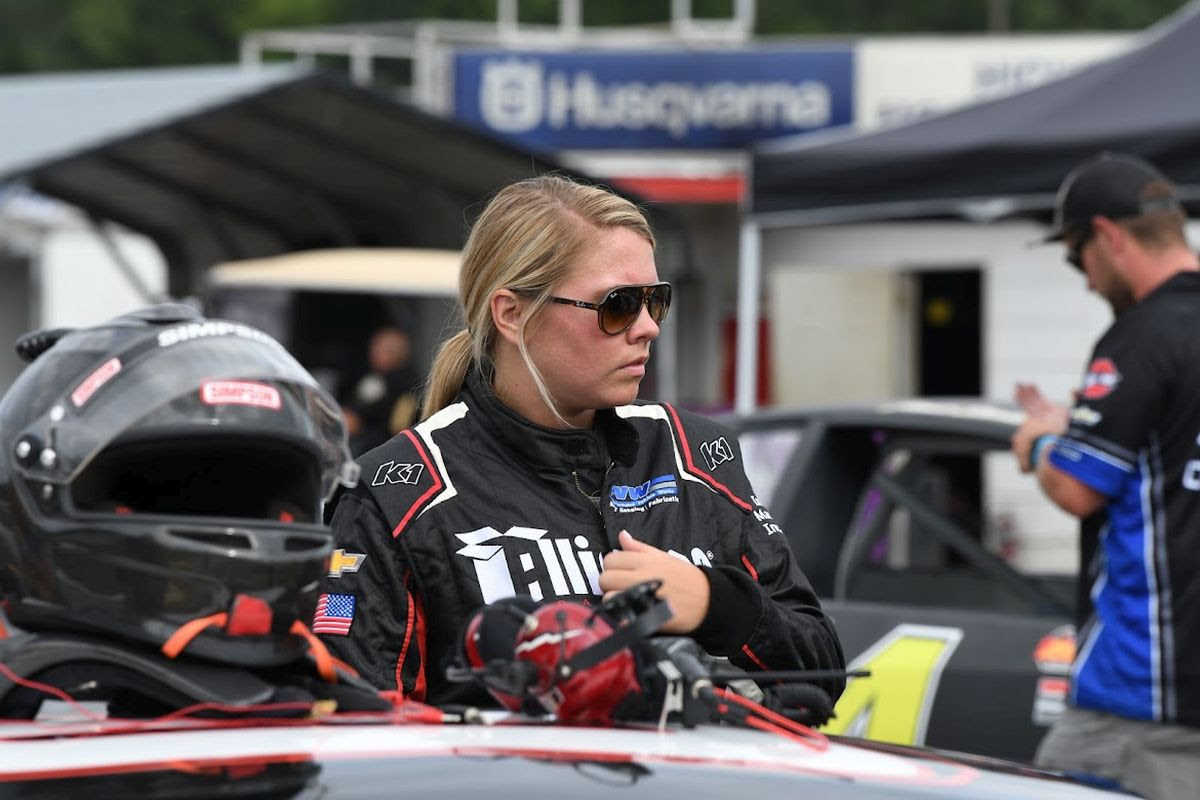
Motorbike racing is one of the most thrilling and technically demanding sports in the world. Riders reach extreme speeds, lean into turns with precision measured in millimeters, and navigate unpredictable environments where every movement matters. Behind the excitement lies an ever-present truth: road safety and split-second decision-making determine not only victory but survival.
A moment’s hesitation or misjudgment can mean the difference between finishing a race and facing a devastating crash. Understanding how professional riders, safety teams, and organizers manage these risks sheds light on the intricate balance between skill, speed, and safety in motorbike racing.
The Crucial Role of Reflexes and Mental Preparation
Racing at over 180 miles per hour leaves no room for error. Riders must make rapid calculations, reacting instantly to changes in terrain, weather, or the behavior of other competitors. A delayed reaction by even half a second can result in a loss of control or collision. For this reason, elite racers train not only their bodies but their minds, developing reaction speed, situational awareness, and focus under extreme pressure. Mental clarity and emotional control are equally vital. The ability to remain calm during high-speed maneuvers helps riders make rational choices in chaotic moments.
For example, knowing when to brake hard, when to lean, or when to let go of the throttle can prevent dangerous chain reactions on the track. When incidents do occur, the consequences can be severe, and having access to expert legal guidance, such as the motorbike accident legal team at Ramsey Law or another law firm, ensures victims understand their rights and can recover compensation for damages. Professionals who handle motorbike-specific cases are familiar with the complexities of high-speed collisions, racing regulations, and insurance disputes that often arise from such incidents.
How Physics and Precision Shape Safety
Every turn, acceleration, and braking point in motorbike racing is governed by physics. Understanding traction, balance, and momentum is fundamental to preventing crashes. Riders rely on the delicate interplay between tire grip and body positioning to maintain control. Leaning into a curve isn’t just a stylistic maneuver; it shifts the bike’s center of gravity and maximizes tire contact with the track.
However, when conditions change suddenly, such as when rain begins or oil spills on the track, riders must adapt instantly. These micro-adjustments are often subconscious, driven by hours of muscle memory and data analysis. Racing engineers use telemetry, real-time data tracking, to measure every movement, helping riders understand where they can safely push limits and where they must hold back.
The Role of Race Tracks and Regulations
Track design plays a major part in promoting road safety in motorbike racing. Modern circuits include wide runoff areas, gravel traps, and advanced barriers to dissipate energy during accidents. Sharp corners are engineered with calculated banking angles, helping riders maintain control at high speeds.
Governing bodies such as the Fédération Internationale de Motocyclisme (FIM) continually refine safety standards. Regulations cover everything from track conditions to tire specifications and protective gear requirements. Strict enforcement ensures that every element of racing, human and mechanical, operates within defined safety margins.
Confidence Versus Caution
Perhaps the most fascinating aspect of road safety in motorbike racing is the psychological balance riders maintain between confidence and caution. Winning requires pushing boundaries, but survival depends on knowing where those boundaries lie. Riders who are too aggressive risk losing traction or oversteering, while those who hesitate lose competitive advantage.
Experience teaches professionals to trust instinct while staying analytical. Many racers describe a mental “flow state” during competition, a heightened focus where time seems to slow down. In this state, they perceive and react to dangers almost automatically, an ability honed through thousands of hours of practice.
Lessons for Everyday Riders
While most people will never race professionally, the lessons from the sport apply directly to street motorcycling. Riders can reduce accident risk by adopting habits rooted in professional training:
- Situational Awareness: Constantly scanning for potential hazards, cars changing lanes, uneven pavement, or pedestrians, allows for faster, safer decisions.
- Defensive Riding: Anticipating the actions of others, rather than reacting to them, mirrors a racer’s predictive mindset on the track.
- Proper Gear: Helmets, gloves, reinforced jackets, and boots dramatically reduce injury severity, even in low-speed accidents.
- Bike Maintenance: Regular inspection of brakes, tires, and suspension ensures that the machine responds predictably under pressure.
- Mental Readiness: Fatigue, distraction, or overconfidence can impair judgment. Maintaining focus and emotional control is as critical for commuters as it is for champions.
These principles remind every motorcyclist that safety begins with awareness and discipline. Split-second reactions may save lives, but preparation makes those reactions possible.
The Evolving Future of Racing Safety
Advancements in technology continue to reshape how motorbike racing addresses safety. Artificial intelligence and data modeling now predict potential crash zones and recommend adjustments to both bikes and tracks. Drones monitor live races, providing additional perspectives for safety marshals and emergency teams.
Augmented reality (AR) training systems are revolutionizing rider education. By simulating real track conditions and potential hazards, racers can practice decision-making without physical risk. As this technology becomes more accessible, even amateur riders will benefit from safer, more immersive learning experiences.
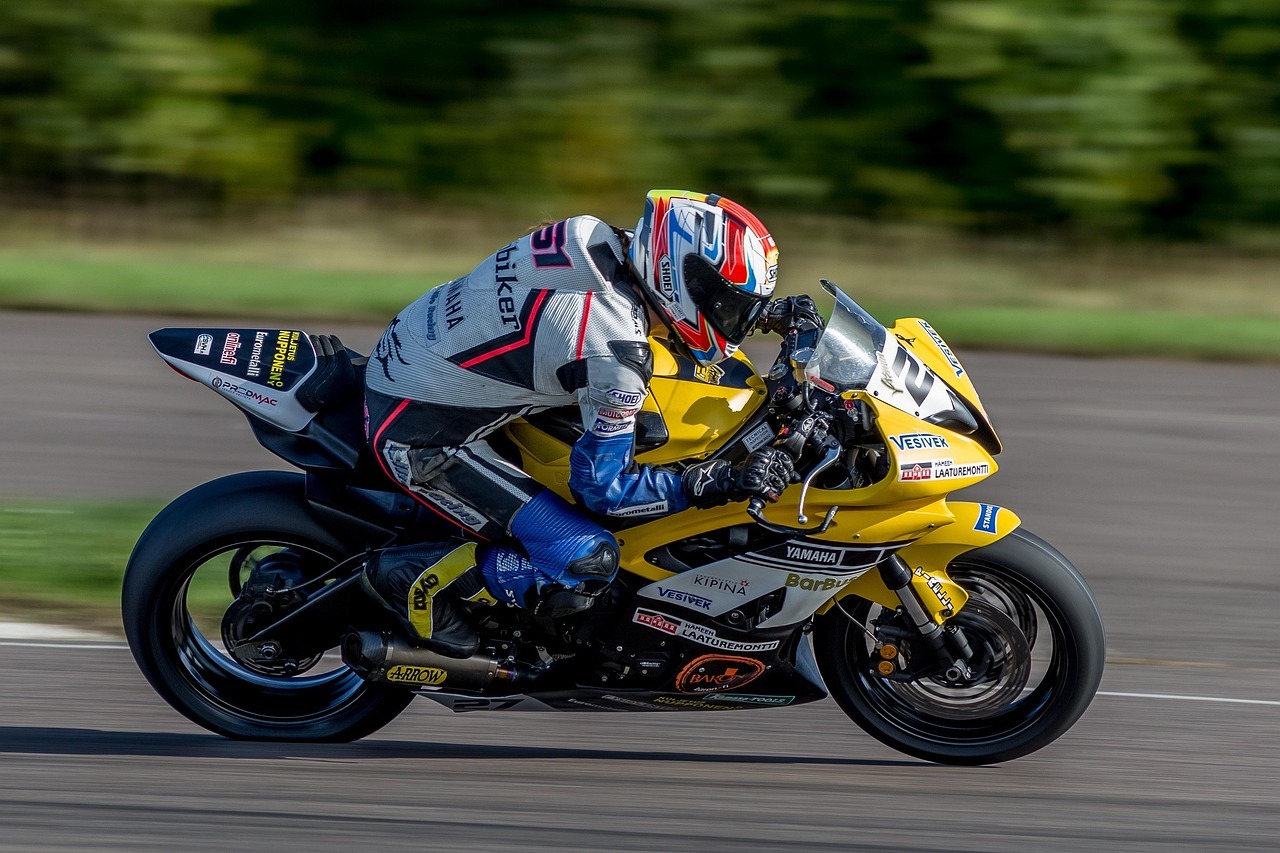
For spectators, racing represents courage and speed. For professionals, it is a discipline where every millisecond counts and where safety is the ultimate achievement. Whether on the track or the street, riders and enthusiasts alike can learn from this balance of power, preparation, and respect for risk.