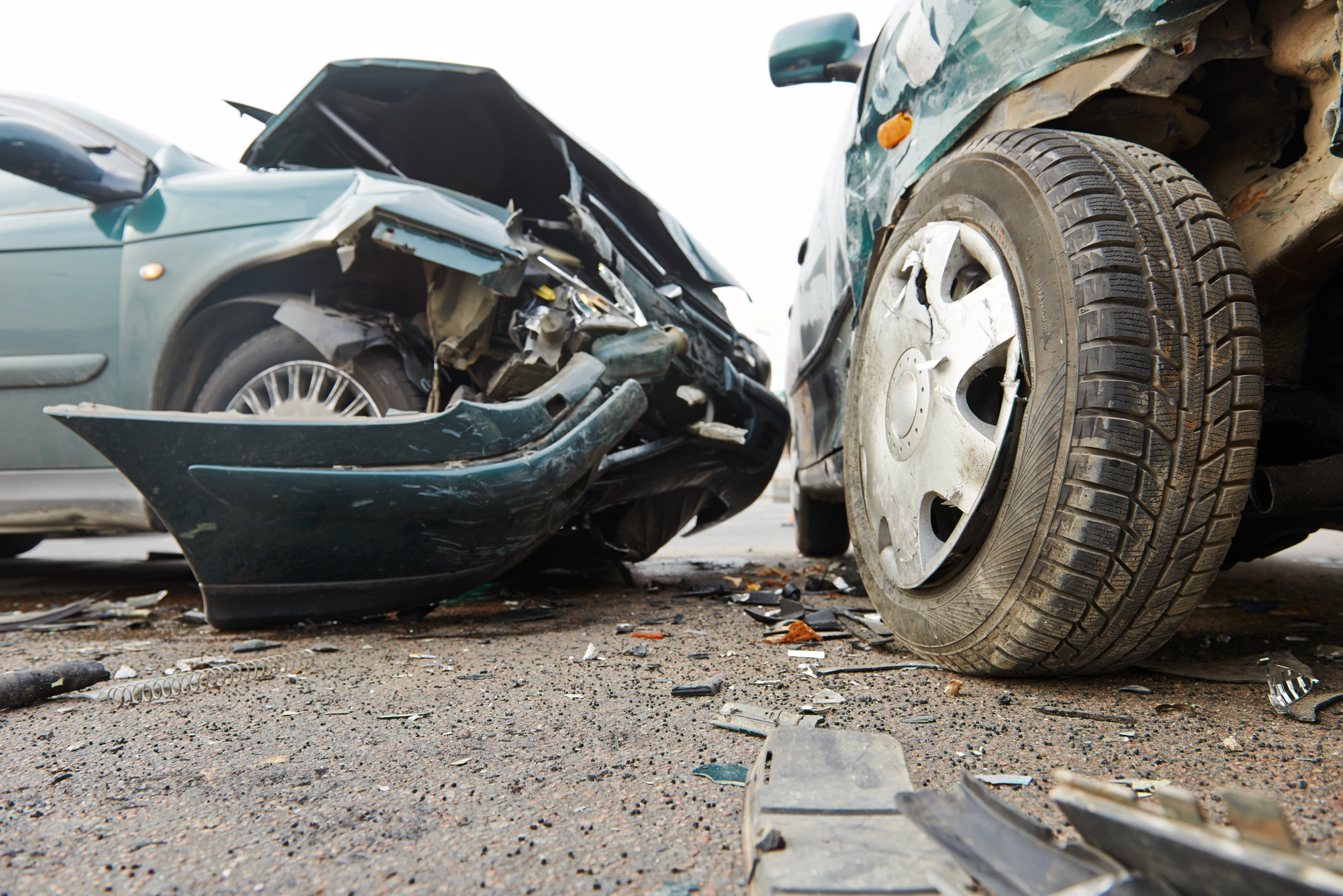
Speeding accidents occur when a driver travels at a velocity that exceeds posted limits or is too fast for road conditions. This behavior significantly increases the distance needed to stop and reduces the time you have to avoid obstacles. Every year thousands of people face life-changing injuries from a decision to speed.
Many drivers ignore the risks (often because they are in a rush) and create dangerous environments for everyone nearby. Tailgating and aggressive lane changes are common causes of speeding accidents that lead to severe injuries. You might feel safe in your vehicle, yet high speeds make every impact much more violent.
The Physics Behind Speeding Accidents
Physics dictates that hitting a stationary object at sixty miles per hour carries much more energy than hitting it at thirty. Your car frame can only absorb so much force before the cabin begins to crush. Staying at a safe pace gives you the breathing room needed to react to a sudden brake light.
Statistics from the NHTSA show that speeding was a factor in 29% of all traffic fatalities during 2021. This resulted in 12,330 lost lives across the United States in just one year. These deaths are preventable if drivers choose to follow the laws meant to protect us.
The CDC reports that motor vehicle crashes are a leading cause of death for people aged one to fifty-four. Speeding increases both the frequency and the severity of these crashes (which is a terrifying reality). High speeds make it nearly impossible for a pedestrian to survive a direct hit. You have to stay focused on the path ahead to prevent a collision from happening.
Consequences of Speeding Accidents
These collisions change lives in a heartbeat through severe physical pain and massive financial stress. Recovery takes time for victims, which impacts every part of their daily routine.
Physical Disabilities

Survivors of speeding accidents usually deal with traumatic brain injuries or spinal cord damage. These conditions will require you to use a wheelchair or live with chronic pain for life. Every morning starts with a struggle to perform basic tasks (it feels incredibly unfair). Nerve damage and broken bones might never fully heal.
Financial Hardships and Medical Debt
Hospital stays and surgeries cost a fortune and can wipe out your entire savings in weeks. If you are unable to return to work, your family faces a sudden loss of income. Piling bills creates a mountain of stress that makes focusing on your health very difficult.
Lasting Psychological Trauma
The mental impact of a crash is as heavy as the physical wounds. You can develop a deep fear of driving. Anxiety can stop you from living your life to the fullest. Many victims require years of counseling to process the terror.
Legal and Licensing Repercussions
Speeding can lead to heavy fines or even the suspension of your driver’s license. In severe cases where someone is hurt, you could face criminal charges that stay on your record. This makes finding a job or maintaining insurance coverage difficult. It is a heavy burden for anyone.
Grasping these outcomes helps you see why following the limit is so needed for everyone. You are not just saving time; you are protecting your future and the lives of others on the road. Slowing down remains the best way to make sure everyone makes it home to their loved ones safely. Taking it slow is a gift to you and your family. Stay safe.
Summary Box
- Speeding crashes increase force and reduce stopping distance.
- Victims face permanent physical injuries and long-term recovery.
- Financial debt from medical bills creates heavy family stress.
- Mental trauma like anxiety requires years of care.
- Driving at safe speeds saves lives today.