
Home Blog Page 1035

TOYOTA GAZOO Racing and Ogier denied in dramatic finish

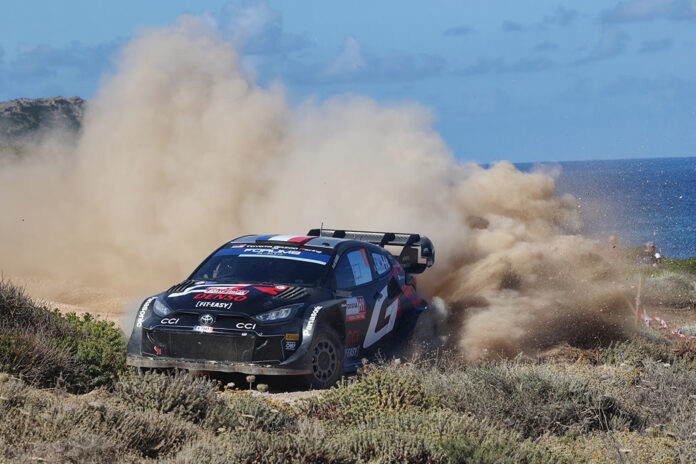
Car 17 (Sébastien Ogier, Vincent Landais)

Toyota City, Japan, June 3, 2024 – (JCN Newswire) – TOYOTA GAZOO Racing World Rally Team and Sébastien Ogier looked set to secure a third consecutive victory together at Rally Italia Sardegna before late drama in the final few kilometres of the event meant they missed out by the narrowest of margins.

Ogier was involved in a close battle for the lead for most of the event, and while a strong Saturday afternoon enabled him to lead into the final day, competition remained intense on Sunday and just 6.2 seconds separated him and rival Ott Tänak going into the deciding Power Stage. Still, Ogier looked to be doing enough to secure victory until he began losing air from a tyre over the rough final section of stage.

It meant that he and co-driver Vincent Landais ultimately missed out by just 0.2s in a finish that equals the closest ever in FIA World Rally Championship history – coincidentally set by Ogier when he beat his now-Team Principal Jari-Matti Latvala by the same margin in Jordan in 2011. Ogier still climbs to fourth place in the drivers’ championship, only 30 points from the lead despite contesting only four of the six rounds held so far.

Elfyn Evans has also reduced his gap to the championship leader to 18 points after finishing fourth overall with co-driver Scott Martin. Following a challenging start on Friday, Evans remained consistent to climb up into the top four by the end of Saturday and carried improved pace into the final day to take third in both the Super Sunday classification and the Power Stage, netting 18 points in total.

Takamoto Katsuta was running in third position overall on Saturday afternoon before a transmission-related issue forced he and co-driver Aaron Johnston to stop. They restarted on Sunday and set the fifth-best time in the Power Stage.

Following its maiden WRC2 victory in Portugal, the GR Yaris Rally2 claimed a second consecutive win on rough gravel roads. Sami Pajari and Enni Mälkönen claimed a commanding triumph in their Printsport-run car while finishing in sixth position overall. Portugal class winners Jan Solans and Rodrigo Sanjuán made it a double podium in third for Teo Martín Motorsport.

Quotes:

Akio Toyoda (TGR-WRT Chairman)

“The surface in Sardinia is very demanding, and it always gives challenges to our team and cars. TGR has won Sardinia only once so far when Seb got the victory in 2021. Seb and Vincent were doing really well on this harsh and demanding event, but they missed out at the very last moment on the Power Stage. The gap of 0.2 seconds is so small and disappointing, but this is sport. Our team all hate to lose. We will turn this frustration into strength and aim for the next victory.

P.S. to OttI was on-site in Rally Sardinia 2019 and following your performance. You made up for the disappointment of that Power Stage this time. Congratulations!”

Jari-Matti Latvala (Team Principal)

“We are of course very disappointed to miss out on the victory in this way. This final stage in Sardinia has been very dramatic in the past and unfortunately, it’s not the first time that we have experienced late drama here, because it reminds us of what happened back in 2019 when we were leading with Ott until the last stage. This event has not always been kind to us, but it was looking very good for Seb and we thought we could take another victory together here. The only positive is that it didn’t affect the points so much for us. A moment like this can be difficult to digest, and we hate to lose, but we also never lose our fighting spirit and we will come back to fight again on the next event in Poland.”

Elfyn Evans (Driver car 33)

“It’s been a very difficult weekend for us but today was a bit better. I would say the feeling was definitely improved and I think the times and the points that we got from the day showed that. Still, it’s clear looking at the weekend overall that we still have a lot of work to do to improve in rallies with conditions like this one. The good news is that the characteristics now change to something quite different for the next three rallies. We know the car can be strong on fast rallies like those and it will be important to prepare as best we can and try to find confidence early.”

Sébastien Ogier (Driver car 17)

“We knew it could be tough today with some stages that are very rough and maybe not the most suited to us. Still, I think we were doing a good enough job to secure the win, but unfortunately we started to lose tyre pressure three kilometres from the end. The conditions were very extreme in this Power Stage, even worse than we have seen there before, and I don’t think there was much that I could have done differently. It’s something that’s never easy to take, but at the end of the day it doesn’t really change anything in terms of the overall points for the team. I think I can still be happy with the weekend I’ve done, and sometimes motorsport just doesn’t go your way. We will come back and try to keep up this level of performance we’ve had.”

Takamoto Katsuta (Driver car 18)

“Today my target was to get some points. We knew it would be difficult with our starting position, and the first stage was not good because we had a lot of dust from the car in front and could not see so much. We took some points but of course I wanted more. Things were working well earlier in the rally, everything was under control and then unfortunately we had the technical issue. But it was a demanding rally for the cars and sometimes things like this can happen: I just need to accept it and move forward to the next rally.”

PROVISIONAL FINAL CLASSIFIACTION, RALLY ITALIA SARDEGNA

1 Ott Tänak/Martin Järveoja (Hyundai i20 N Rally1 HYBRID) 3h06m05.6s
2 Sébastien Ogier/Vincent Landais (Toyota GR YARIS Rally1 HYBRID) +0.2s
3 Dani Sordo/Cándido Carrera (Hyundai i20 N Rally1 HYBRID) +2m25.8s
4 Elfyn Evans/Scott Martin (Toyota GR YARIS Rally1 HYBRID) +2m37.8s
5 Grégoire Munster/Louis Louka (Ford Puma Rally1 HYBRID) +6m42.9s
6 Sami Pajari/Enni Mälkönen (Toyota GR Yaris Rally2) +7m13.4s
7 Yohan Rossel/Benjamin Boulloud (Citroën C3 Rally2) +7m45.7s
8 Jan Solans/Rodrigo Sanjuán (Toyota GR Yaris Rally2) +7m52.7s
9 Martin Prokop/Michal Ernst (Škoda Fabia RS Rally2) +10m05.4s
10 Kajetan Kajetanowicz/Maciej Szczepaniak (Škoda Fabia RS Rally2) +10m09.3s
35 Takamoto Katsuta/Aaron Johnston (Toyota GR YARIS Rally1 HYBRID) +41m28.1s

(Results as of 16:00 on Sunday, for the latest results please visit www.wrc.com)

2024 FIA World Rally Championship for drivers after round 6:
1 Thierry Neuville 122 points
2 Ott Tänak 104
3 Elfyn Evans 104
4 Sébastien Ogier 92
5 Adrien Fourmaux 74
6 Takamoto Katsuta 52
7 Kalle Rovanperä 36
8 Dani Sordo 27
9 Esapekka Lappi 23
10 Grégoire Munster 16

2024 FIA World Rally Championship for manufacturers after round 6:
1 Hyundai Shell Mobis World Rally Team 269 points
2 TOYOTA GAZOO Racing World Rally Team 256
3 M-Sport Ford World Rally Team 131

What’s next?

Rally Poland (June 27-30) returns to the WRC for the first time since 2017, offering fast stages on soft and sandy roads around Mikołajki in the Masurian lake district in the north-east of the country.
NHRA AT EPPING: Team Chevy Race Report

CHEVROLET IN NHRA
2024 NHRA NEW ENGLAND NATIONALS
NEW ENGLAND DRAGWAY
EPPING, NEW HAMPSHIRE
TEAM CHEVY RACE REPORT | NOTES & QUOTES
JUNE 2, 2024

JOHN FORCE RACING DOMINATES NHRA NEW ENGLAND NATIONALS IN AN ALL-FORCE FINAL, WITH JOHN FORCE CAPTURING THE VICTORY AT EPPING

Notes:

  • In an all-John Force Racing final round, Austin Prock, driver of the AAA Chevrolet Camaro SS Funny Car, and John Force, driver of the PEAK Chevrolet Camaro SS Funny Car faced off with Force capturing his 157th career NHRA victory and third at New England Dragway.
  • Today’s win is Chevrolet’s 162nd in Funny Car and 82nd in the Camaro body.
  • J. Force, and Dallas Glenn, driver of the RAD Torque Chevrolet Camaro SS Pro Stock, raced their way Saturday to victory in the Mission Foods NHRA #2Fast2Tasty Challenge.
  • Prock and Force both qualified first and second respectively after three rounds of qualifying at New England Dragway.
  • Falling to Tony Schumacher, Brittany Force, driver of the Monster Energy Chevrolet Top Fuel dragster, was eliminated in Round 1 after running 4.314 E.T. at 242.10 mph to Schumacher’s 4.170 E.T. seconds at 254.95 mph.
  • B. Force qualified No. 3 after laying down a 3.715-second E.T. lap at 335.57 mph.
  • Troy Coughlin, Jr. and Erica Enders faced off in the final round, with Coughlin, Jr. capturing the New England Nationals win in his JEGS Chevrolet Camaro SS Pro Stock machine.

Quotes:

BRITTANY FORCE, DRIVER OF THE MONSTER ENERGY CHEVROLET TOP FUEL DRAGSTER:

“This Monster Energy Chevy team is leaving Epping New Hampshire frustrated but we are still determined. Right now, we are focusing on the little bits of progress we made this weekend, and those little bits are adding up. We reset the track speed record at 335 mph and qualified third with a 3.71. On race day I was happy with my reaction time, pedaled it, but came up short. I like that these back-to-back races and that we are headed straight to Bristol which keeps our motivation high. There is no time in between and we are right back on a race track figuring things out.”

AUSTIN PROCK, DRIVER OF THE AAA CHEVROLET CAMARO SS FUNNY CAR:

“Outstanding weekend for John Force Racing. We swept the weekend. We were 1-2 qualifiers. John won the Mission Challenge. John won and we runnered up. You can’t ask for much more out of these two funny cars. Really proud of the team. We got a lot of good energy going here. I’m looking forward to the rest of the year. Obviously, we wanted to win this event today. But if I’m going to get beat, I want to get beat by my boss. It was really cool to see him succeed and all the success he’s had this year. He’s really coming into his own. Proud of him and proud of my team for AAA and Peak this weekend. It was just a great weekend. You can’t say much more than that, and to leave as the points leaders in first and second is pretty cool, too!”

JOHN FORCE, DRIVER OF THE PEAK CHEVROLET CAMARO SS FUNNY CAR:

“Winning at New Hampshire is always special. The competition is tough, and these young drivers keep me on my toes. I’m grateful for my team and our partners at PEAK, AAA, Monster Energy and HendrickCars.com, Flav-R-Pac for their support. This win shows that this old man still has some fight left in him. Cornwell Tools and Chevy, of course. We’re not done yet!”

Up Next:

The NHRA Mission Foods Drag Racing Series next heads to Thunder Valley and Bristol Dragway for the 2024 Super Grip NHRA Thunder Valley Nationals June 7-9, 2024. Friday qualifying airs at 7 p.m., with Saturday’s qualifying airing Sunday at 12:30 p.m. ET. Sunday’s eliminations broadcast at 7 p.m. ET. All sessions from Bristol Dragway air with NHRA on FOX on FOX Sports 1 (FS1). Coverage streams live throughout the weekend on NHRA.tv, and is available via AppleTV, Android TV, and Roku devices.

About Chevrolet

Founded in 1911 in Detroit, Chevrolet is now one of the world’s largest car brands. Chevrolet models include electric and fuel-efficient vehicles that feature engaging performance, design that makes the heart beat, passive and active safety features and easy-to-use technology, all at a value. More information on Chevrolet models can be found at www.chevrolet.com.

Keselowski Drives to Third-Consecutive Top-3 Finish with 3rd-Place Run in St. Louis

Buescher Rebounds for 14th at Gateway

MADISON, Ill. (June 2, 2024) – RFK Racing’s Brad Keselowski scored his third-consecutive finish of third or better, powering the Solomon Plumbing Ford to a third-place finish in Sunday’s 300-mile NASCAR Cup Series race at Word Wide Technology Raceway. Chris Buescher rebounded for a 14th-place finish.

“That was solid strategy,” said Keselowski after the P3 run. “We got behind early for sure but we kept putting ourselves in position to keep moving forward. It was a really hard-fought day for everyone on the Solomon Plumbing Ford Mustang. We will take a lot of good momentum from this one for sure.

“We were in position early and we had the issue there on pit road,” Keselowski added. “The guys kept their heads down and recovered. We had some good strategy and made some good passes on that last restart to start stage three and on the long run we were really strong, so just making it all count where we can.”

6 Recap
Keselowski started his weekend off on a positive note, qualifying seventh in Saturday’s single-car session. Early in the going Sunday, he was forced to overcome an issue on pit road, thus incorporating a combination of pit road strategy and speed to maneuver his way through the field.

Keselowski finished 26th to end the brief stage one, then had a caution go his way at lap 111 when he ran long on track, still needing a pit stop. He would restart sixth and finish the stage in fifth, setting up an eventful final stage of 100 laps.

He restarted 15th for the final run and was back into the top-10 within a handful of laps. As teams began a green-flag pit cycle, Keselowski asked to remain on track and did just that, ultimately inheriting the lead for 17 laps at lap 194. Once his stop was complete, Keselowski ultimately drove back into the top five for the P3 result.

The No. 6 team now has eight top-10s in 15 races, seven inside the top five, coming off the three-straight top three results.

17 Recap
Buescher’s day began from the 26th spot as he battled tough track position for a majority of the afternoon. He patiently moved his TravelCenters Ford inside the top-10 by lap 100, but an untimely caution just moments after pitting under green forced the No. 17 team to restart at the rear of the field.

Buescher moved from 32nd to 23rd by the conclusion of stage two. He hit pit road for the final time on lap 198, returning to the field in 15th position, before finishing a spot better in 14th.

Up Next
The NASCAR Cup Series heads West to Sonoma Raceway next weekend. Race coverage Sunday is set for 3:30 p.m. ET on FOX, with radio coverage on PRN and SiriusXM NASCAR Radio (Channel 90).

About RFK Racing 
RFK Racing, in its 37th season in 2024, features an ownership lineup pairing one of the sport’s most iconic names, Jack Roush, along with NASCAR Champion, Brad Keselowski, and Fenway Sports Group owner John Henry. Roush initially founded the team in 1988 and it has since become one of the most successful racing operations in the world, propelling him to be the first NASCAR owner to amass three hundred wins and capturing eight championships, including back-to-back NASCAR Cup titles in 2003 and 2004. Keselowski, a former owner in the NASCAR Truck Series, is the 2012 NASCAR Cup Series Champion. In 2007, Roush partnered with Henry, who also owns Major League Baseball’s Boston Red Sox, English Premier League’s Liverpool F.C., and the NHL’s Pittsburgh Penguins, to form Roush Fenway Racing. Off the track, RFK is a leader and proven winner in NASCAR marketing solutions, having produced multiple award-winning social media, digital content and experiential marketing campaigns. Visit rfkracing.com, and follow the team on all social platforms @rfkracing. 

RCR NCS Race Recap: WWT Raceway

Austin Dillon Races Dow Water & Nature Chevrolet to Sixth-Place Finish at World Wide Technology Raceway

Finish: 6th
Start: 18th
Points: 30th

“We had a great run today at World Wide Technology Raceway in the Dow Water & Nature Chevrolet. I didn’t expect it after practice, but the guys made great adjustments before qualifying, and good calls during the race. We had speed. Our Dow Water & Nature Chevrolet was really solid all day long, even in traffic. We were able to pass cars today, and I thought we were going to be able to make a pass for fifth at the end but ran out of laps. It was a good battle, and it feels good to have a solid finish, especially after the year we’ve had. I’m so proud of my team and ECR Engines for a huge day for the No. 3 Chevrolet that we really needed. Thank you to Dow, Rivers Are Life and Ducks Unlimited for coming together to highlight sustainability this weekend.” -Austin Dillon

Strong Run for Defending Race Winner Kyle Busch and the No. 8 Rebel Bourbon Chevrolet Sidelined by Stage 2 Accident

Finish: 35th
Start: 10th
Points: 17th

“The Rebel Bourbon Chevrolet Camaro was a top-10 car today at World Wide Technology Raceway. Unfortunately, we weren’t able to show just how strong our Chevy was today due to an on-track accident in Stage 2 that ended our day early. Crew Chief Randall Burnett made a good call to stay out at the end of Stage 1 instead of pitting, which gave us the lead for a few laps. We were holding our own when the No. 5 car got loose down the front straightaway into Turn 1. He was on older tires and trying to get us for a spot. I’m not sure what that single point would mean for him, but it certainly hurt us a lot. It took that point away, as well as the others that we would get for the stage and then also the rest of the day. It’s very frustrating because the No. 8 Rebel Bourbon Camaro wasn’t what it was last year, but it was a top-10 car and we were going to finish there. We can’t afford days like that.” -Kyle Busch

Optimize Your Car’s Performance: Year-Round Maintenance Guide for a Reliable Ride

Photo by Nathan Van Egmond on Unsplash

Maintaining your vehicle throughout the year is essential for optimal performance and reliability. This guide highlights crucial maintenance practices, ensuring your car remains dependable season after season. From scheduling timely oil changes to monitoring the condition of your tires, this maintenance guide explains how to keep your vehicle in prime condition.

Introduction to Year-Round Vehicle Maintenance

Effective vehicle maintenance transcends seasonal check-ups; it’s about adopting a proactive approach to prevent issues from developing. Regular care not only enhances your car’s performance but also contributes to its longevity, ensuring it remains efficient and reliable for years. This guide lays the foundation for establishing a comprehensive maintenance routine.

Consult Your Owner’s Manual for Recommended Preventative Maintenance

The owner’s manual is your go-to resource for maintenance schedules tailored to your specific vehicle model. Following these guidelines helps to optimize vehicle performance and avoid costly repairs down the line. It’s designed to keep your vehicle running smoothly, aligning maintenance tasks with your car’s unique needs.

Inspect and Replace Air Filters Regularly

Clean air filters are vital for engine health, as they help supply as much clean air as possible to the engine’s combustion chamber, which enhances vehicle performance and fuel efficiency. As you drive, these filters trap dirt and debris, preventing them from entering the engine. Over time, the accumulation of this trapped debris leads to clogged filters, which can significantly reduce airflow. With decreased airflow, the engine is forced to work harder than necessary, which can lead to increased fuel consumption and reduced power output. A strained engine may also experience premature wear, further impacting the vehicle’s longevity and reliability. This is why regular inspections and timely replacements of air filters are incredibly important.

By ensuring your engine breathes easily, you’re not only boosting its performance but also contributing to the overall efficiency and environmental friendliness of your vehicle. This simple maintenance task can lead to noticeable improvements in your car’s operation, making it an essential aspect of vehicle care.

Routine Oil and Oil Filter Changes

Frequent oil changes and filter replacements are also crucial for engine care, preventing buildup and wear within the engine’s internals, such as the pistons, rods, and crankshaft. Fresh oil ensures smooth operation, while a new filter captures contaminants that could otherwise harm the engine. Together, they assist your engine, maintaining your car’s performance and fuel economy.

What to Do If Your Car Stalls on a Highway

Experiencing a car stall on the highway can be a nerve-wracking ordeal. Whether you’re commuting to work, embarking on a road trip, or running errands, the unexpected halt can induce stress and potentially dangerous situations. However, understanding the correct steps to take can ensure your safety and minimize risks. Here’s a detailed guide on what to do if your car stalls on a highway.

1. Stay Calm and Assess the Situation

First and foremost, remain calm. Panicking will only hinder your ability to think clearly and act swiftly. Take a few deep breaths and assess the situation. Is your car completely dead, or is it sputtering and struggling to move? Understanding the severity of the stall will help you determine the best course of action.

2. Turn on Your Hazard Lights

Immediately turn on your hazard lights to alert other drivers that you are experiencing a problem. This is crucial for your safety as it signals to others that you are a potential obstruction and that they should proceed with caution.

3. Attempt to Restart the Engine

If your car engine stalls but still has some power, attempt to restart it. Sometimes a simple engine restart can get you moving again, especially if the stall was caused by a temporary glitch. However, be cautious and prepared to pull over again if the problem persists.

4. Safely Move to the Shoulder

If the car does not restart or continues to stall, your next priority is to move to a safe location. If you can, gently steer your car towards the right shoulder of the highway. Use the momentum of your car to coast to a stop if the engine is completely dead. Avoid braking abruptly, as this can cause accidents or create further hazards.

5. Exit the Vehicle Safely

Once you have safely moved your car to the shoulder, assess whether it is safe to exit the vehicle. If the shoulder is wide enough and traffic conditions permit, exit the car from the side away from traffic. Ensure all passengers do the same. If you feel it is too dangerous to exit the car due to heavy traffic or a narrow shoulder, stay inside with your seatbelt fastened.

6. Call for Assistance

After securing your position and ensuring everyone’s safety, call for roadside assistance. If you have a roadside assistance plan, contact them first. If not, call a tow truck or a nearby auto repair shop. Inform them of your exact location, the nature of the problem, and any other relevant details.

7. Use Emergency Supplies if Necessary

While waiting for help, make use of any emergency supplies you might have in your car. An emergency kit should include items such as flares, reflective triangles, a flashlight, a first aid kit, and water. Placing reflective triangles or flares behind your car can increase your visibility to oncoming traffic, especially at night or in poor weather conditions.

8. Stay Safe While Waiting

While waiting for help, stay vigilant about your surroundings. If you remain inside the car, keep your seatbelt fastened and doors locked. If you are outside the vehicle, stand away from the road and the car, preferably behind a barrier if available. Do not attempt to repair the car yourself if it involves standing in the path of traffic.

9. Preventive Measures to Avoid Future Stalls

Once you have managed the immediate crisis, it’s essential to take preventive measures to avoid future stalls. Regular vehicle maintenance is key. Ensure that your car receives routine check-ups, oil changes, and inspections of essential systems such as the battery, fuel system, and ignition. Additionally, pay attention to warning signs like unusual noises, poor engine performance, or dashboard warning lights.

10. Understand Common Causes of Stalls

Understanding the common causes of car stalls can also help you prevent them. Some typical reasons include:

  • Fuel System Issues: A faulty fuel pump, clogged fuel filter, or an empty gas tank can cause your car to stall.
  • Electrical Problems: Issues with the battery, alternator, or wiring can lead to a stall.
  • Ignition System Faults: Problems with spark plugs, ignition coils, or the distributor can disrupt engine performance.
  • Overheating: An overheated engine due to coolant leaks or a malfunctioning cooling system can cause a stall.
  • Transmission Issues: Problems with the transmission system can also result in stalling.

11. Know Your Emergency Contacts

Keep a list of emergency contacts readily accessible in your vehicle. This list should include roadside assistance numbers, tow services, and contact information for family or friends who can help in a pinch. Having these numbers on hand can expedite the process of getting help when you need it most.

Did You Get Rear Ended Because You Stalled?

Dealing with a rear-end collision when your car stalls on a highway adds another layer of complexity to an already challenging situation. If another vehicle collides with yours from behind, immediately assess yourself and any passengers for injuries, then move to a safe location if possible. Exchange information with the other driver involved, document the scene with photos, and contact law enforcement to report the accident. Seek medical attention for any injuries, notify your insurance company to begin the claims process, and follow up on repairs for your vehicle. Know your rights and consult with a Charleston car accident attorney if you believe the other driver was at fault. Throughout the process, stay calm and patient, prioritizing safety and working towards a resolution effectively.

Conclusion

A car stalling on the highway can be an unsettling experience, but with the right knowledge and preparation, you can handle the situation safely and efficiently. Always prioritize your safety and the safety of your passengers, use your hazard lights to alert other drivers, and seek assistance.

The Art of Relaxation: Designing the Perfect Home Sauna Space

Introduction

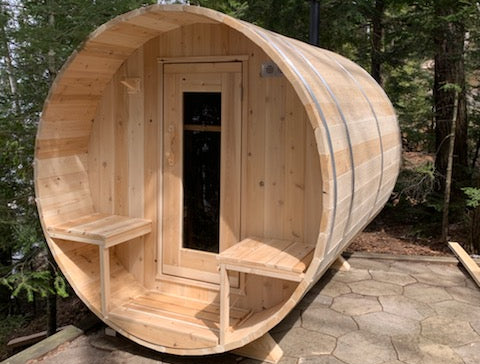
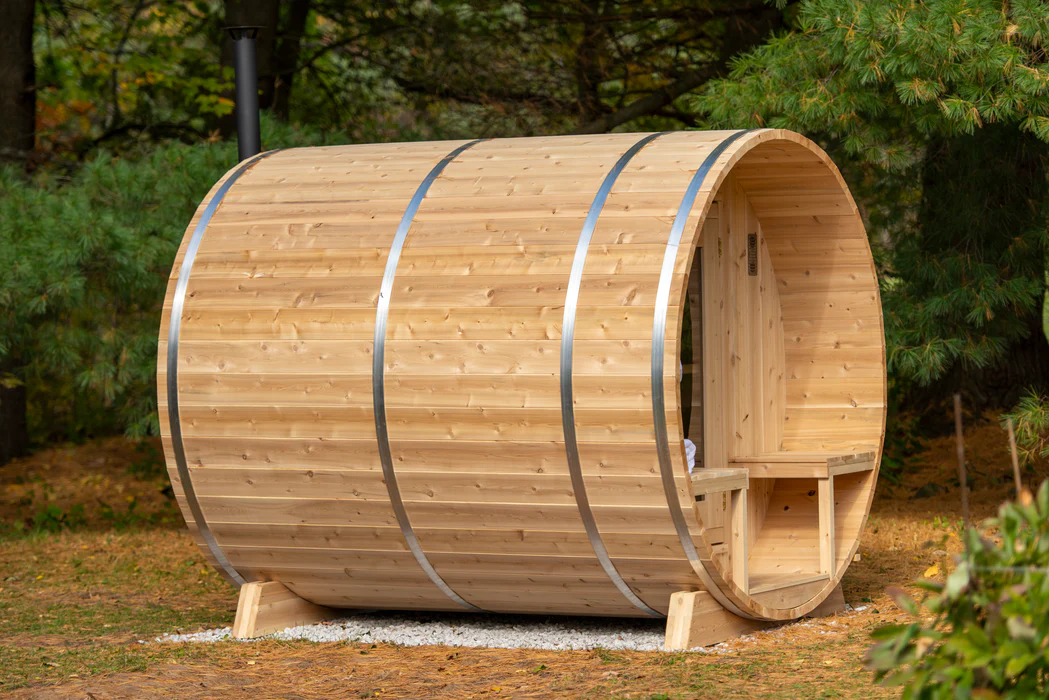
Home saunas are becoming increasingly popular as more people seek to create personal wellness retreats within their living spaces. A dedicated sauna space at home not only provides a sanctuary for relaxation but also offers numerous health benefits. WeAreSauna, a leader in sauna design and technology, provides everything you need to design the perfect home sauna space, combining luxury, functionality, and aesthetics. If you’re looking for an outdoor infrared sauna, check out our collection.

Benefits of Having a Home Sauna

Having a home sauna offers extensive health benefits, enhancing both physical and mental well-being. Regular sauna use promotes detoxification, improves circulation, and aids in muscle recovery. Mentally, it helps reduce stress, promotes relaxation, and improves sleep quality.

The convenience of having a personal sauna means you can enjoy these benefits any time without the need to visit a spa or gym. Additionally, a well-designed home sauna can increase the value of your property, making it a wise long-term investment in both health and home equity.

Choosing the Right Sauna for Your Home

Selecting the perfect sauna involves considering various factors. The first step is to decide on the type of sauna that best suits your needs. Traditional saunas offer the classic experience with high heat and low humidity, while infrared saunas provide deep heat penetration at lower temperatures, making them ideal for those who prefer a milder heat. Steam saunas are another option, offering high humidity for a more intense experience.

Key considerations include the size of the sauna, the design, and the ideal location in your home. Customization options allow you to tailor the sauna to fit your personal preferences, ensuring it complements your lifestyle and home decor.

It’s also important to be aware of potential considerations related to infrared sauna risks, especially for individuals with certain medical conditions or sensitivities, so understanding how different heating methods affect the body can help you make a safer and more informed choice.”

We Are Sauna’s Top Brands for Home Saunas

We Are Sauna offers a variety of top-quality brands, each bringing unique features and benefits to your home wellness space:

ALEKO: Known for affordability and reliability, ALEKO saunas are easy to install and use, making them a great choice for those new to home saunas.

Dundalk Leisurecraft: This brand focuses on eco-friendly and stylish designs, perfect for homeowners looking to combine sustainability with aesthetics.

Finnleo: Renowned for luxury and advanced technology, Finnleo saunas provide a high-end experience with innovative features.

Finnmark: Offering robust and durable saunas, Finnmark is ideal for long-term use and consistent performance.

Scandia: Providing spa-like experiences at home, Scandia saunas emphasize comfort and relaxation.

Designing Your Home Sauna Space

Creating the perfect home sauna space involves careful planning and design. Start by selecting an ideal location that offers privacy and convenience. Common choices include basements, bathrooms, or a dedicated wellness room.

Incorporate elements that enhance relaxation, such as soft lighting, calming sounds, and pleasant aromas. These elements create a soothing environment that promotes mental and physical well-being. Ensure the sauna’s aesthetic aligns with your home decor, creating a cohesive look that enhances the overall ambiance.

Enhancing the Sauna Experience

To further elevate your sauna experience, consider adding accessories and features that boost relaxation. Sauna stones and essential oils can enhance the atmosphere and provide additional health benefits. Integrating modern technology, such as smart controls, allows you to customize your sauna sessions easily, adjusting temperature and duration to your liking.

Comfort features, like ergonomic seating and towel warmers, add a touch of luxury, making each session more enjoyable. These additions ensure that your sauna space is not only functional but also a true sanctuary for relaxation.

Real-Life Testimonials and Success Stories

Hearing from individuals who have successfully created home sauna spaces can provide inspiration and insights. For example, Emma from Los Angeles shared how her Finnleo sauna transformed her home into a peaceful retreat, helping her manage stress and improve her sleep. John from New York noted significant health improvements and increased relaxation after installing a Dundalk Leisurecraft sauna.

These testimonials highlight the positive impact of having a home sauna, showcasing the real-life benefits experienced by satisfied We Are Sauna customers.

Maintaining Your Home Sauna

Maintaining your sauna is essential to ensure its longevity and consistent performance. Regular maintenance includes cleaning the sauna, checking the heating elements, and ensuring proper ventilation. WeAreSauna provides excellent customer service and support, helping you maintain your investment for years to come.

Proper care not only ensures that your sauna remains a beautiful feature in your home but also that it continues to provide the health benefits you seek.

Conclusion

Designing the perfect home sauna space is a worthwhile investment in your health and well-being. By choosing the right sauna, incorporating elements of relaxation, and maintaining your space, you can create a sanctuary that offers both physical and mental benefits. Explore the diverse offerings from WeAreSauna and discover how you can transform your home into a wellness retreat. A well-designed sauna space is not just a luxury—it’s a testament to the value of relaxation and health in your daily life.

Powering Up Your Ride: A Guide to Tesla Superchargers

Getting ready for a journey in a Tesla electric vehicle (EV) is a convenient way to travel because of its high technology innovation, efficiency, and sustainability. An electric vehicle can give you the confidence to go anywhere you want without any hassle of locating a regular gas station and such.

In this article, explore the basics of a Tesla charger, and its benefits during your travel with an electric vehicle. 

What are Tesla Superchargers?

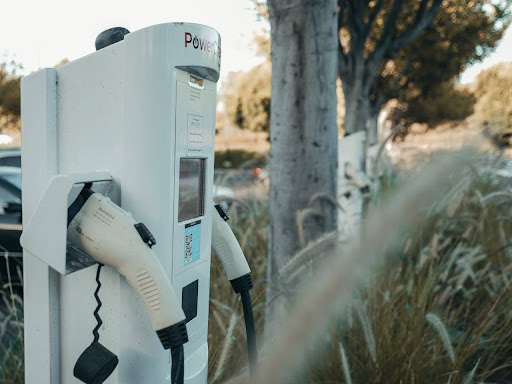
Tesla Superchargers are Level 3 DC fast chargers specifically designed for Tesla electric vehicles (EVs). These are capable of delivering high-power charging, allowing Tesla owners to charge their vehicle’s battery quickly.

One of the advantages of Tesla Superchargers is their ability to add significant range in a short amount of time. For instance, a Tesla vehicle can gain approximately 200 miles in 15 minutes of charging at the station. This rapid charging capability enables drivers to minimize their charging stops and continue their journey with minimal interruption.

Finding Tesla Superchargers

If you are looking for an EV charger installation for your home, then you can buy a level 1, or level 2 charger, just don’t expect the speeds of a supercharger!

Locating Tesla Supercharger stations is convenient and straightforward, thanks to various tools provided by Tesla:

1. Tesla Navigation System: Tesla vehicles come equipped with a built-in navigation system that seamlessly integrates with the Supercharger network. Drivers can easily locate nearby Supercharger stations by accessing the navigation menu on the car’s touchscreen display. The system automatically plans routes based on the location of Superchargers along the way, ensuring a hassle-free charging experience.

2. Tesla App: The Tesla mobile app, available for iOS and Android devices, offers another convenient way to find Supercharger stations. Users can open the app and use the map feature to locate nearby Supercharger stations. Additionally, the app provides real-time information on station availability and charging status, allowing drivers to plan their charging stops effectively.

3. Tesla Website: Tesla’s official website also provides a comprehensive map of Supercharger locations worldwide. Users can visit the website and use the interactive map to search for Supercharger stations based on their current location or destination. The website offers additional details such as station amenities, charging rates, and operational hours.

It’s important to note that while Tesla Superchargers are strategically positioned along major highways and in urban areas, there may be limitations on where you can find them. The Supercharger network primarily focuses on facilitating long-distance travel, so stations are predominantly located along highways and major travel routes. As a result, drivers planning routes in remote or rural areas may encounter fewer Supercharger options and should plan their journeys accordingly.

Using Tesla Superchargers (Optional)

Using Tesla Superchargers is a straightforward process that can be broken down into the following steps:

1. Locate a Supercharger Station: Use the Tesla navigation system, mobile app, or website to find the nearest Supercharger station along your route.

2. Park at a Charging Stall: Upon arrival at the Supercharger station, park your Tesla vehicle in an available charging stall. Ensure that your vehicle’s charging port is easily accessible and aligned with the charging cable.

3. Open the Charging Port: Press the button on the charging port cover or use the Tesla mobile app to open the charging port door on your vehicle.

4. Connect the Charging Cable: Retrieve the charging cable from the Supercharger station and plug it into your Tesla’s charging port. The connector should easily slide into place, and you may hear a confirmation click once it’s securely connected.

5. Initiate Charging: Depending on the Tesla model, you may need to initiate the charging process using the vehicle’s touchscreen display. Follow the instructions to select the desired charging rate and start the charging session.

6. Monitor Charging Progress: While your Tesla is charging, you can track the progress on the vehicle’s touchscreen display or through the Tesla mobile app. The display will provide real-time information about the charging rate, remaining time, and estimated range added.

7. Unplug and Depart: Once your Tesla has reached the desired charge level or you’re ready to continue your journey, simply unplug the charging cable from your vehicle’s charging port. Ensure that you securely stow the cable back at the Supercharger station and close the charging port door on your vehicle.

8. Exit the Supercharger Station: After charging is complete, exit the Supercharger station and continue your journey with confidence, knowing that your Tesla is ready to go the distance.

Charging Speed and Costs

Tesla Superchargers come in two main types: V2 (Version 2) and V3 (Version 3), each offering different charging speeds and capabilities.

1. V2 Superchargers: V2 Superchargers are capable of delivering up to 150 kW of power to Tesla vehicles. They feature a shared architecture, meaning that power is split between adjacent charging stalls when multiple vehicles are charging simultaneously. While V2 Superchargers provide rapid charging, they may experience reduced charging speeds during peak usage times or when sharing power with other vehicles at the station.

2. V3 Superchargers: V3 Superchargers represent the latest advancement in Tesla’s charging infrastructure, offering even faster charging speeds compared to V2 Superchargers. With a peak power output of up to 250 kW per vehicle, V3 Superchargers can add significant range in a shorter amount of time. Additionally, V3 Superchargers utilise a dedicated power cabinet for each charging stall, eliminating the need to share power with adjacent stalls. This ensures consistent charging speeds regardless of the number of vehicles charging simultaneously.

Charging costs at Tesla Superchargers are determined by various factors, including location, time of day, and any applicable idle fees:

1. Location: Charging costs can vary depending on the geographical location of the Supercharger station. Tesla adjusts pricing to account for factors such as electricity rates, taxes, and other regional considerations.

2. Time of Day: Tesla may implement time-based pricing, where charging rates fluctuate based on the time of day. Charging during off-peak hours may result in lower costs compared to peak demand periods.

3. Idle Fees: To encourage efficient use of Supercharger stalls, Tesla may impose idle fees for vehicles that remain parked at a charging stall after their charging session is complete. These fees incentivise drivers to move their vehicles promptly once charging is finished, freeing up stalls for other users.

Additional Considerations

As of now, Tesla Superchargers are primarily designed for use with Tesla electric vehicles (EVs) and are not compatible with other EV brands. However, Tesla has initiated pilot programs in some regions to explore the possibility of allowing non-Tesla EVs to utilise Supercharger infrastructure. These pilot programs aim to evaluate the feasibility and potential implications of opening up Supercharger access to a broader range of electric vehicles. While these initiatives are still in their early stages and may vary by location, they signify Tesla’s commitment to promoting electric vehicle adoption and fostering collaboration within the EV community.

Supercharger etiquette plays a crucial role in ensuring a positive charging experience for all users. Here are some key points to consider:

1. Parking: When using a Supercharger station, always park your vehicle in a designated charging stall. Avoid parking in spots designated for non-charging vehicles, as this can obstruct access to charging infrastructure for other users.

2. Charging Priority: Be mindful of other drivers who may be waiting to use the Supercharger station. Once your charging session is complete, promptly move your vehicle to allow others to use the charging stall.

3. Unplugging When Finished: Upon completing your charging session, disconnect the charging cable from your vehicle and return it to the charging pedestal. This ensures that the charging equipment is available for the next user and helps maintain the efficiency of the charging process.

4. Avoiding ICEing: ICEing refers to the practice of internal combustion engine (ICE) cars at the EV charging stations, thereby blocking access to electric vehicles. While Tesla Supercharger stations are typically reserved for Tesla vehicles, it’s essential to remain vigilant and report any instances of ICEing to Tesla or relevant authorities.

Conclusion

Tesla Superchargers are very useful for car owners who travel long because they are convenient and can be found easily in places that are not hard to locate. This also ensures a smooth and short travel time for people who are in a hurry to reach their destination.

5 Tips for Maintaining and Repairing Car Accessories for High-End Cars

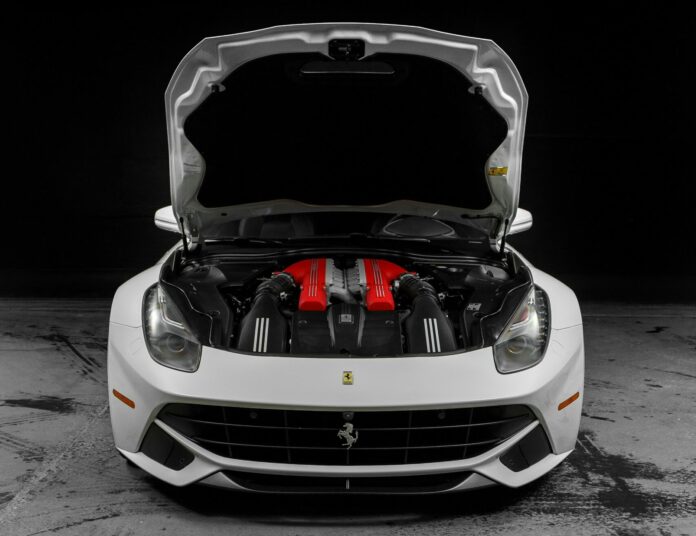
Maintaining a high-end car involves more than just standard check-ups; the sophisticated accessories also need special attention. These accessories, like turbochargers, LED headlights, and custom spoilers, are crucial for performance and style.

To keep them in top shape, you need to understand what each accessory does, perform regular inspections, clean them properly, seek professional repairs when needed, and invest in quality replacement parts.

Keep reading for some essential tips to help you maintain and repair the accessories that make your luxury vehicle stand out.

Understanding Your Car’s Accessories

To properly maintain and repair your high-end car accessories, you first need to understand what each accessory does and how it enhances your car’s performance.

Say, you’ve got a turbocharger. It’s not just a pricey embellishment, it’s designed to boost your engine’s power.

Or your LED headlights, they’re not only stylish but also provide better illumination for safer driving at night.

Your spoiler isn’t just for show, it improves aerodynamics and stability at high speeds.

Regular Inspection and Maintenance

Regular check-ups and maintenance of your high-end car accessories can extend their lifespan and ensure optimal performance.

It’s crucial to inspect everything from your Mercedes steering wheel and heated seats to your GPS system on a regular basis. Look for signs of wear and tear, and immediately address any issues.

If you’re not well-versed in the technical aspects, it’s wise to hire a professional. They’ll keep your accessories in top shape and can spot potential problems early. Remember, preventive maintenance is always cheaper than repairs or replacements.

Proper Cleaning Techniques

First, always use products designed specifically for car accessories. Off-the-shelf cleaners may be too harsh and damage the delicate finishes. Use a soft microfiber cloth to gently clean surfaces, avoiding scratches.

For leather accessories, use a conditioner to prevent cracking and fading. Dust your car’s interior regularly to avoid buildup. Don’t neglect small areas like air vents and buttons; a soft brush can reach these spots.

Always dry thoroughly to prevent moisture damage. Lastly, remember never to use excessive force while cleaning.

Proper care and gentle cleaning can keep your high-end accessories looking their best.

Professional Accessory Repairs

If your high-end car accessories need more than a simple clean, it’s best to seek out professional repairs. Don’t risk causing further damage by attempting to fix complicated issues yourself.

Professional repair services have the necessary expertise and equipment to handle your accessories with care. They’re familiar with the intricate details of high-end car accessories, ensuring the job gets done right.

Even if you’re handy with DIY tasks, remember that high-end accessories often have specific requirements that only trained professionals can understand fully.

Moreover, professional repairs often come with warranties, providing you with peace of mind.

Investing in Quality Replacement Parts

Cheap alternatives might seem attractive initially, but they’ll likely fail sooner, costing you more in the long run. Your luxury vehicle deserves nothing but the best.

Quality parts not only last longer but also enhance your car’s performance. They’re specifically designed to match your vehicle’s make and model, ensuring a flawless fit and function.

So, when choosing replacement parts, don’t let price be your sole guide. Look for reputable brands known for their durability and compatibility with your car model. It’s worth paying a bit more upfront for parts that will last.

After all, your car’s longevity and performance depend on it.

From Gearheads to Grinders: How Stats are Turbocharging Motorsports and Baseball Betting

Image by vecstock on Freepik

The world of sports betting is no longer a spectator sport. Gone are the days of simply picking your favorite driver or team and hoping for the best. Today’s bettors, whether revving their engines for the roar of Formula One or cheering on their favorite baseball team, are a data-driven breed. And with no shortage of resources available, they’re armed with the information needed to make informed wagers and potentially score big wins.

Baseball’s Statistical Sweet Spot

Let’s take Major League Baseball (MLB) for example. The “No Run First Inning” (NRFI) wager has become a popular option for savvy bettors. Here, the bet hinges on whether a game will see no runs scored in the opening frame. To make informed NRFI decisions, statistics like a team’s average runs scored in the first inning or a pitcher’s strikeout rate become crucial.

Sites where you can get NRFI bets stats offer a treasure trove of data for bettors. They compile historical statistics, team trends, and even weather analysis, which can significantly influence a team’s offensive output. By combining this information with their knowledge of the game, bettors can leverage NRFI wagers with a greater sense of confidence. 

Imagine a scenario where a team with a notoriously slow start faces a pitcher known for his dominance early in games. By looking at historical NRFI rates for both teams and the pitcher’s performance in the first inning, a bettor can make a calculated decision about the likelihood of a scoreless first frame.

Motorsports: Where Precision Meets Prediction

Now, let’s shift gears to the high-octane world of Formula One (F1). Here, milliseconds separate victory from defeat, and teams rely on a staggering amount of data. From tire wear and engine telemetry to weather conditions and driver biometrics, every detail is meticulously tracked.

This data, once the exclusive domain of race engineers, is now fueling a betting revolution. Sportsbooks are using APIs (Application Programming Interfaces) to access real-time F1 data, allowing for innovative in-play wagers. Imagine predicting a pit stop based on live tire sensor readings or betting on a safety car deployment based on real-time weather data! These in-play wagers add a whole new layer of excitement for bettors who crave the thrill of split-second decisions based on the latest information streaming directly from the track.

Beyond the Basics

But the influence of data goes far beyond simple NRFI bets and pit stop predictions. Both MLB and F1 offer a wealth of statistics that can be used to create complex betting models. In baseball, for example, a bettor might analyze a pitcher’s “whiff rate” (the percentage of swings that result in a missed strike) alongside a hitter’s “strikeout rate” to predict the likelihood of a quick first inning.

Similarly, in F1, a bettor might analyze a driver’s historical performance on a specific track, combined with the car’s recent lap times, to predict their qualifying position.

The Rise of Analytics Experts

This ever-growing sea of data has also given rise to a new breed of sports betting expert: the data analyst. These individuals leverage their knowledge of statistics and programming languages to create sophisticated models that analyze past performance and predict future outcomes. While these models can’t guarantee success, they can provide valuable insights that can give bettors an edge.

When Stats Don’t Tell the Whole Story

However, it’s important to remember that statistics don’t paint the whole picture. Intangibles like a team’s momentum, a driver’s mental state, or even a lucky bounce can all play a role in the outcome of a game or race. The best bettors understand this and use statistical analysis as a tool, not a crutch.

The Future of Sports Betting

The future of sports betting promises even deeper integration between data and fan engagement. Imagine using virtual reality to experience the thrill of a Formula One race from the cockpit, all while placing real-time bets on the outcome of the pit stops. Blockchain technology could further revolutionize the industry, offering secure and transparent transactions along with the potential for micro-betting on specific milestones within a game or race.

The Bottom Line: Betting on a Data-Driven Future

The convergence of motorsports and baseball betting through advanced data analysis is just the beginning. Whether you’re a die-hard F1 fan analyzing tire wear or a baseball enthusiast dissecting pitching matchups, the future of sports betting is all about harnessing the power of data to make smarter, potentially more profitable wagers.

However, it’s crucial to remember that responsible betting practices remain paramount. Setting limits, understanding the risks involved and enjoying the thrill of the competition are all key components of a positive betting experience. So, buckle up, baseball fans and gearheads alike – the data-driven future of sports