Home Blog Page 105

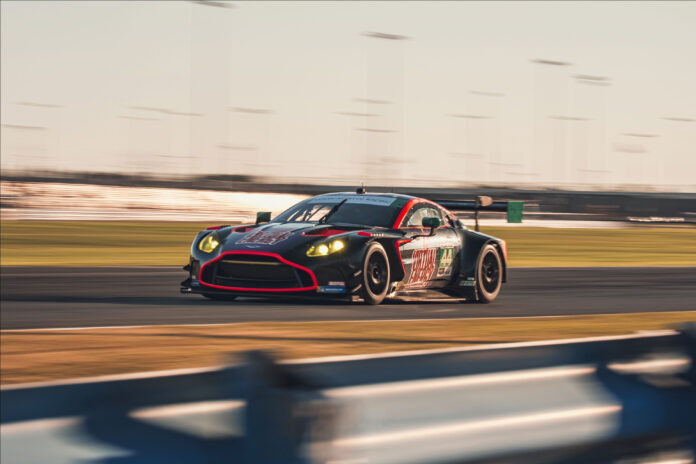
Magnus Racing, Mario Farnbacher Re-Unite for Watkins Glen Return

SALT LAKE CITY (June 17, 2026) – Six months after a controversial runner-up finish during January’s 64th running of The Rolex 24 at Daytona, Magnus Racing will return to IMSA competition with victory as the lone goal. With the upcoming Sahlen’s Six Hours of the Glen serving as the last missing major milestone victory for the team, two-time series champion and team returnee Mario Farnbacher will return for the event.

“Mario is a great asset and proven winner to the team,” stated Magnus Racing team owner and driver John Potter. “Even though we’re on a limited schedule, we come to every race with the intention of winning, so when evaluating our options for Watkins Glen, Mario’s success and experience made sense. We’re happy to have him back.”

After winning successive IMSA GTD-category championships in 2019 and 2020, Mario actually drove with the team in 2021, taking part in The Rolex 24 at Daytona as the team’s fourth driver, where a series of issues would take the team just out of the top-10. Beyond championships, Mario has also won twice at Watkins Glen, including in an Aston Martin in 2024.

Heading to the upcoming “Six Hour,” despite tackling endurance victories at Daytona, Sebring, and twice winning the series endurance championship, a victory at Watkins Glen remains elusive. Driving the No. 44 Virtual Energy Aston Martin Vantage GT3 EVO, Mario will be joined by team regulars John Potter and Spencer Pumpelly. With both Farnbacher and Pumpelly having previously taken Watkins Glen victories, the experience is there to add to the team’s success.

“It’s great to be back with everyone at Magnus Racing,” stated Farnbacher. “Our experience together in 2021 was a fun one, and I really appreciate being back in such a family atmosphere. The Aston Martin will hopefully be very competitive at Watkins Glen, just like it was the last time I drove it, but obviously it’s a new year and a new challenge. With John and Spencer we have great potential, we’ll see how the weekend goes.”

For Spencer Pumpelly, a similar sentiment is shared.

“After Daytona we’re more motivated than ever,” stated Pumpelly. “We obviously proved we’re still a competitive team with plenty of potential to win, so we just need to perform exactly like we did there and we’ll be in great shape.”

Official practice for this year’s Sahlen’s Six Hours of the Glen begins on Friday, June 26, with the race taking place on Sunday, June 28. Live coverage begins at 12PM ET on Peacock.

Coach Hire Near Me: Finding Reliable Group Transport for Any Journey Introduction

Photo by depositphotos at https://depositphotos.com/

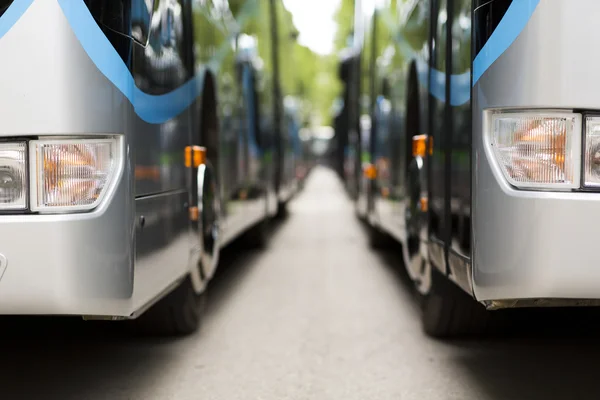
When searching for coach hire near me, most people want a transport solution that combines reliability, comfort, safety, and convenience. Whether you need a school trip, corporate event, wedding, airport transfer, sporting fixture, or day excursion, coach hire remains one of the most practical ways to move groups efficiently.

Modern coach travel has evolved significantly over the years, with operators offering a wide range of vehicle sizes, onboard facilities, and tailored transport services designed to suit different types of journeys. Companies such as Readybus provide coach and minibus hire services for groups across London, Slough, and the South East, offering vehicles ranging from smaller minibusses to large-capacity coaches.

Group travel presents unique challenges. Coordinating multiple vehicles, managing parking, and ensuring everyone arrives together can quickly become complicated.

Coach hire removes many of these difficulties by allowing groups to travel in a single vehicle with a professional driver. This simplifies logistics while creating a more organized travel experience.

For businesses, schools, sports teams, and private groups, coach travel often provides a practical balance between affordability and convenience. Traveling together also helps improve communication, coordination, and overall journey management.

Types of Coach Hire Services Available: Private Coach Hire

Private coach hire suits a wide range of occasions, including family celebrations, group holidays, sightseeing trips, and social events. Dedicated transport allows groups to travel directly to their destination without relying on public transport schedules or multiple vehicles.

School Transport

Educational institutions regularly require transport for school trips, sports fixtures, educational visits, and home-to-school services. Specialist school coach hire providers focus on safety, compliance, and reliable scheduling to support educational travel requirements.

Corporate Travel

Businesses often use coach hire for conferences, meetings, airport transfers, team-building events, and staff transport. Professional transport services help ensure groups arrive on time while providing a comfortable travel environment.

Event Transport

Large events frequently require organized transport solutions. Coaches can help manage guest arrivals and departures while reducing congestion around venues. This makes coach hire a popular choice for concerts, exhibitions, festivals, and sporting events.

Choosing the Right Coach Size

One key advantage of hiring a professional coach is the variety of vehicle sizes available.

Minibuses

Minibusses are ideal for smaller groups and shorter journeys. They are commonly used for airport transfers, local events, and business travel. Readybus operates vehicles suitable for groups of 16 to 19 passengers.

Standard Coaches

Standard coaches suit medium-sized and large groups traveling to events, attractions, or business functions. These vehicles often include reclining seats, climate control, and onboard storage.

Large-Capacity Coaches

For schools, major events, and larger organized groups, high-capacity coaches provide an efficient transport solution. Some operators offer vehicles accommodating more than 70 passengers.

Executive and VIP Coaches

Executive coaches are designed for corporate travel, special occasions, and premium journeys. Features may include enhanced seating, entertainment systems, onboard facilities, and upgraded interiors.

What to Look for When Searching for Coach Hire Near Me: Safety Standards

Safety should always be a priority when choosing a coach operator. Reputable companies maintain their vehicles regularly and ensure compliance with transport regulations.

Many operators also hold industry accreditations and conduct routine safety inspections to maintain high standards. Readybus highlights compliance measures including vehicle inspections, driver checks, and recognized transport accreditations.

Experienced Drivers

Professional drivers play a significant role in ensuring journeys run smoothly. Experienced drivers are familiar with route planning, passenger management, and safe driving practices.

Fleet Quality

A modern fleet contributes to both comfort and reliability. Features such as reclining seats, air conditioning, entertainment systems, and onboard storage can improve the overall travel experience.

Flexibility

Different journeys have different requirements. Choosing an operator with a varied fleet and flexible scheduling options can make planning easier.

Benefits of Coach Travel

Coach travel offers several advantages compared with other forms of group transport.

Reduced Travel Stress

Passengers can relax without worrying about driving, navigation, traffic, or parking.

Improved Group Coordination

Traveling together helps ensure everyone arrives at the same location at the same time.

Cost Efficiency

When costs are shared across a group, coach travel can provide excellent value compared with multiple vehicles.

Environmental Benefits

Transporting a large group in a single vehicle can help reduce the number of cars on the road and lower overall emissions per passenger.

Conclusion

Searching for coach hire near me is often the first step toward organizing efficient, reliable group transport. Whether the journey involves a school trip, corporate event, airport transfer, sporting fixture, or private celebration, professional coach hire offers a practical solution for moving groups comfortably and safely.

With modern fleets, experienced drivers, and flexible vehicle options, providers such as Readybus support a wide range of travel requirements across London, the South East, and beyond, helping groups travel together with confidence.

Custom Heavy-Duty Toolboxes: Tailored Organization for Work Trucks

For field mechanics, utility technicians, construction workers, and independent tradespeople, a work truck is more than a vehicle. It is your mobile office and the true lifeblood for your daily business. If you want to work fast on a busy job site, you need quick, organized access to your special tools, diagnostic machines, and heavy hardware. But unfortunately, too many workers use regular, factory-made toolboxes from stores. These standard boxes don’t have the strong body or the right interior space that special trade tools need.

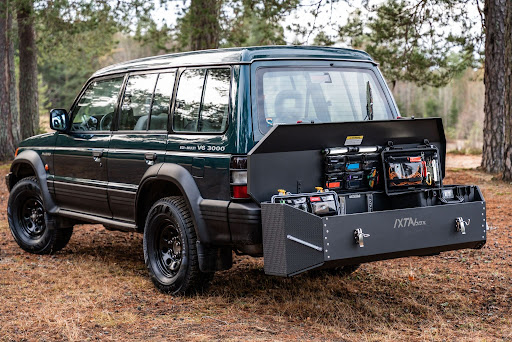
If you choose a cheap, generic box, you’ll waste truck bed space, break plastic handles, and create messy piles of tools that slow down your workday. But when you choose a custom-made storage box, you can forget about these problems. Professional design and fabrication teams build custom heavy-duty toolboxes from the outset. They review your exact tool list and truck size to ensure a perfect fit. By investing in professional, hand-welded storage hardware, you can protect your expensive tools from thieves and the elements. Plus, you make your fieldwork much more efficient.

The Failures of Mass-Produced Storage

To understand why a custom-built truck toolbox is highly valuable, we must look at why regular off-the-shelf options break down so quickly in real-world use. Most cheap toolboxes you buy at big retail stores are made with very thin aluminum or molded plastic. They do this to keep the manufacturing and shipping costs very low. But when you drive on rough ranch roads, bumpy gravel tracks, and hard worksites, the truck shakes all the time. This constant shaking makes the thin metal bend and twist out of shape.

When the toolbox frame warps, the closed seams start to split open, and the rubber door seals no longer match. As a result, rainwater, thick dust, and road dirt crawl inside the box. This can easily destroy sensitive power tools and make expensive hand tools rust too early. Also, generic boxes often have simple, cheap locks. A thief can easily pop them open with a regular screwdriver, which makes your truck a big target for expensive worksite theft.

The Anatomy of Custom Engineering

A custom heavy-duty toolbox eliminates these weak points. Fabricators do this by using premium industrial metals and very careful building methods. Instead of thin sheets, custom shops build toolboxes from thick, marine-grade aluminum or strong structural steel plates. This heavy material ensures the box can withstand heavy impacts from moving cargo in the truck bed without denting or going out of square.

Every single seam on a premium custom box is welded continuously by hand. They do not use cheap rivets or quick spot welds. This careful welding style creates a totally stiff, one-piece metal structure. It will not flex or twist, and it maintains its strong shape throughout the life of your truck. For added safety, custom boxes use strong stainless steel T-handle latches or whale-tail handles with gas shocks. These push the doors very tight against real automotive weatherstripping, which gives you a waterproof seal, just like a real bank vault.

Tailored Storage Architecture

The best thing about a custom-fabricated box is that you can choose the inside layout to match your daily work and your tools. Every job needs different spaces. For example, a mobile mechanic for heavy machinery needs very deep, strong drawers to hold heavy-duty impact sockets and large iron wrenches. But a telecom technician needs shallow drawers with many small dividers to keep delicate wires and test meters organized.

Custom toolbox designs can have many special features to make your workday easy:

  • Heavy-Duty Slide-Out Drawers: Built on industrial ball-bearing tracks that can hold hundreds of pounds. They bring your whole tool setup right out to your waist height. You don’t have to strain your back or dig blindly inside a deep, dark box.
  • Adjustable Divider Systems: They cut small slots inside the metal with a laser. This lets you move the metal partition walls anytime you want. Small parts, screws, and special gear stay completely separate while you drive.
  • Integrated Power Ports: Custom boxes can have sealed rubber holes and inside brackets to run electrical wires. This lets you charge your cordless tool batteries safely inside the locked box while you drive between jobs.
  • Custom Geometric Shapes: Whether you need a low-profile chest box that hides under your tonneau cover, a big high-side box that sits along your bed rails, or a special underbody box to hang beneath a flatbed frame, custom fabrication matches the exact shape of your truck body. Custom fabrication matches the exact shape of your truck body perfectly.

Enhancing Fleet Value and Productivity

For independent business owners and commercial fleet managers, buying custom steel or heavy-duty aluminum toolboxes delivers a clear return on your investment. When a worker spends time searching through a messy, unorganized toolbox for one specific wrench, that time is wasted. It takes away from your billable working hours. A custom-organized box makes sure every tool has its own visible home. Technicians can grab what they need quickly and easily see if any tool is missing before they leave the job site.

Additionally, custom-built boxes receive an industrial powder coat finish. This paint resists chemicals, oil spills, flying rock chips, and harsh winter road salt. As a result, your work truck maintains a clean, professional appearance when you arrive at a client’s house or a large corporate worksite. It shows people your business has strong capabilities and pays attention to small details, which sets you apart from the competition. By keeping your assets safe from bad weather and thieves, custom heavy-duty toolboxes give a strong, long-term foundation for your business success.

How NASCAR Teams Coordinate Vehicle Logistics Across the Season

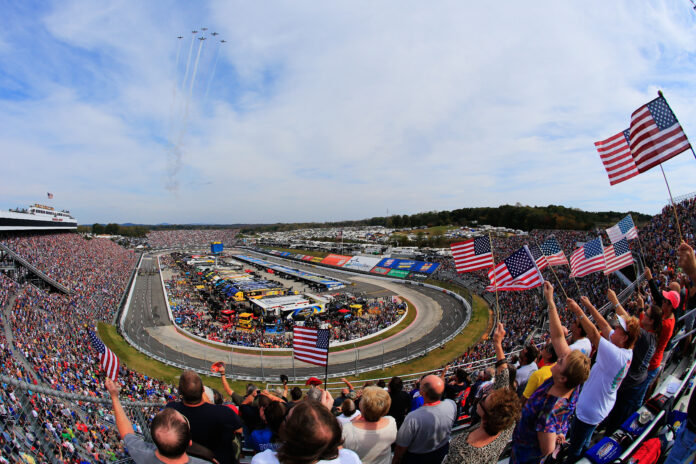
Photo Credit: Daniel Shirey/Getty Images

NASCAR is one of the most demanding motorsports in the world, not only for drivers and crew members but also for the logistics teams working behind the scenes. Throughout a season, teams travel thousands of miles across the United States, transporting race cars, spare parts, tools, and equipment from one venue to another.

Here’s why effective vehicle logistics are essential to maintaining performance, meeting race schedules, and ensuring that every car is ready to compete when it arrives at the track.

Planning the Season’s Travel Schedule

Long before the first green flag waves, NASCAR teams begin planning their transportation strategies for the entire season. The race calendar includes events spread across multiple states, often with limited time between races. Logistics managers carefully map routes, coordinate transportation schedules, and identify potential challenges that could affect travel.

Each race weekend requires detailed preparation. Teams must account for travel distances, weather conditions, road restrictions, and venue access requirements. By planning months in advance, organizations can reduce delays and keep their operations running smoothly throughout the year.

Managing Specialized Transport Equipment

Race cars are highly valuable machines that require specialized transportation methods. NASCAR teams typically use large haulers equipped with climate-controlled storage, workspaces, and secure loading systems. These trailers are designed to protect vehicles from damage while allowing crew members to access equipment quickly during transit.

In addition to the primary race car, teams often transport backup vehicles, spare engines, tires, and countless replacement components. Every item must be organized strategically within the hauler to maximize space and ensure efficient unloading upon arrival.

Coordinating Personnel and Resources

Vehicle transportation is only one part of the logistical challenge. Teams must also coordinate the movement of drivers, mechanics, engineers, and support staff. Hotels, flights, rental vehicles, and catering arrangements are often scheduled well in advance.

Communication plays a critical role in keeping everyone aligned. Logistics coordinators maintain constant contact with transportation crews, race officials, and team management to address any issues that arise during travel. This level of coordination helps ensure that personnel and equipment arrive at the track at the right time.

Handling Tight Turnaround Times

One of the biggest challenges NASCAR teams face is managing tight turnaround windows between races. After a race concludes, crew members immediately begin preparing vehicles for the next event. Cars are inspected, repaired, and loaded for transport, often within hours of leaving the track.

These compressed schedules leave little room for mistakes. Delays caused by mechanical issues, traffic, or weather can impact preparation time for the next race. As a result, logistics teams develop contingency plans and maintain backup resources to minimize disruptions.

Leveraging Technology for Logistics Management

Modern NASCAR organizations rely heavily on technology to streamline transportation operations. GPS tracking systems provide real-time visibility into vehicle locations, while inventory management software helps teams monitor parts and equipment throughout the season.

Digital communication platforms also improve collaboration between transportation crews and race operations staff. By sharing updates instantly, teams can make informed decisions and respond quickly to unexpected circumstances.

Lessons from Broader Vehicle Transportation Services

Many of the principles used by NASCAR organizations can be applied to commercial vehicle shipping. Careful planning, secure transport methods, and reliable communication are essential whether moving a race car or arranging San Antonio, TX car transportation. Both industries depend on timely deliveries and professional handling to ensure vehicles arrive safely and on schedule.

The logistics expertise developed in motorsports highlights the importance of preparation and coordination in any vehicle transportation project.

Keeping the Season Moving

Successful NASCAR teams understand that winning races involves much more than performance on the track. Behind every event is a complex transportation network responsible for moving vehicles, equipment, and personnel across the country. Through careful planning, specialized transport solutions, and strong communication, teams keep their operations running efficiently throughout the season.

As the NASCAR calendar continues to evolve, logistics will remain a critical component of success. The organizations that manage transportation effectively gain valuable time, reduce operational risks, and position themselves to compete at the highest level week after week.

ACMA Steps Up Action Against Illegal Bookmakers During Major Sporting Events: What It Means for Australian Players

Photo by depositphotos at https://depositphotos.com/

In 2024, ACMA significantly intensified its efforts against illegal betting websites during major sporting tournaments. The focus was primarily on periods when international competitions were taking place, as betting activity during these events can increase by 30–80% compared to average monthly levels.

The reason is straightforward. During major tournaments such as World Cups, continental championships, and the Olympic Games, betting audiences grow dramatically. In some weeks, the number of new registrations can rise by 50–100%, while sports-related traffic often doubles. These periods are especially attractive to illegal operators.

According to ACMA, a significant proportion of newly identified blocked websites are detected during large-scale sporting events. Many illegal platforms are created just 2–6 weeks before a tournament begins and are designed solely for short-term player acquisition.

World Cup betting consistently attracts particularly high levels of interest. During recent FIFA World Cups, betting volumes in some countries increased by 80–150% compared to average monthly activity. Similar patterns are observed during the Olympic Games, major tennis tournaments, and international football competitions.

For the online betting Australia market, these periods are considered particularly sensitive. The stronger public interest in sport becomes, the greater the likelihood that new customer-acquisition schemes will emerge through illegal websites, mirror domains, and copies of well-known brands.

Against this backdrop, licensed operators receive increased attention from players. For example, many analysts examining the Australian market view Rolling Slots Casino as an example of how important transparent operating policies, clear service conditions, and regulatory compliance have become during periods of peak user activity.

Industry analysts estimate that during major international tournaments, attempts to launch new illegal betting platforms can increase by 40–70%. This is why ACMA concentrates a significant proportion of its regulatory activity around the most popular sporting events.

How Illegal Bookmakers Operate During Major Sporting Tournaments

Activity within the illegal betting sector rises sharply during major sporting competitions. During ordinary periods, many of these websites attract relatively limited audiences. However, during international tournaments, betting traffic can increase by 50–100% within only a few weeks.

The primary customer-acquisition tool is aggressive marketing. Many offshore bookmakers launch large-scale advertising campaigns, use temporary domains, and heavily promote offers through social media, messaging platforms, and affiliate programmes. Some of these sites remain active for only three to six months before being replaced by new platforms.

Bonus promotions play a particularly important role. During World Cups and other major tournaments, many illegal operators advertise offers featuring enhanced odds, welcome packages of 100–300%, and additional free bets. As a result, promotions such as the Rolling Slots bonus compete not only against other licensed operators but also against the aggressive marketing tactics used within the illegal sector.

Mirror websites remain another common tool. After one domain is blocked, many operators launch replacement versions within hours. In some cases, a single brand may use between 10 and 20 different web addresses during one international tournament.

These tactics are especially common within the sports wagering sector. The greater public interest in a particular event, the more websites appear seeking to capitalise on increased demand.

Table: Common Methods Used During Major Tournaments

MethodUsage During Tournaments
Enhanced BonusesVery High
Mirror WebsitesVery High
New DomainsHigh
Social Media AdvertisingHigh
Affiliate ProgrammesHigh
Match-Specific PromotionsVery High

What Changes for Players After Stronger Enforcement Measures

Following ACMA’s intensified enforcement efforts, many changes affect not only operators but also users. The primary goal is to make betting more transparent and secure, particularly during major sporting events when the number of new accounts can rise by 30–50% compared to annual averages.

One of the most significant developments is the expansion of customer verification procedures. Customer Verification refers to the process of checking a player’s identity, documentation, and payment details before financial services can be used. While some platforms previously relied only on email verification, licensed operators increasingly require identity confirmation at much earlier stages of the customer journey.

For players, this means greater protection of funds. Holding a bookmaker licence requires operators to comply with established procedures relating to complaint handling, customer identification, and financial-data protection.

Major changes are also taking place in account management. In many cases, a betting account is now directly linked to document-verification processes and financial-activity monitoring. This is particularly relevant when deposits exceed specific thresholds or when substantial withdrawals are requested.

The concept of secure betting involves the use of trusted payment solutions, multi-layer account protection, and automated monitoring of suspicious activity. According to industry research, more than 80% of major licensed operators already use automated transaction-analysis systems.

Practical changes also affect login procedures. For example, after completing a Rolling Slots login, a customer may be asked to verify their identity or update payment details before certain financial services become available.

Table: Licensed vs Unlicensed Market Comparison

ParameterLicensed OperatorUnlicensed Operator
Identity VerificationMandatoryOften Absent
Protection of FundsHighLimited
Complaint ResolutionFormalisedNot Guaranteed
Payment OversightContinuousInconsistent
Account SecurityHighDepends on the Operator
Regulatory ComplianceFullAbsent
Transparency of Betting TermsHighVaries

Why the Black Market Does Not Disappear Completely After Website Blocks

Despite increasing enforcement efforts, no country has succeeded in completely eliminating illegal gambling. Even after hundreds of website blocks, some operators continue operating through new domains, mirror websites, and alternative customer-acquisition channels.

The main reason is the flexibility of the illegal sector. After one site is blocked, new betting platforms can appear within hours or days. During major sporting tournaments, the speed of deployment increases because every match day generates significant traffic opportunities.

Experience in the United Kingdom and the Netherlands shows that the grey market can continue to account for 10–20% of activity even several years after large-scale enforcement measures begin. However, the number of users engaging with illegal platforms gradually declines as confidence in licensed operators grows.

International jurisdictions also create challenges. Many companies operate outside Australia and target several countries simultaneously. As a result, individual betting restrictions may be less effective without international regulatory cooperation.

The risk of betting fraud also remains. During major tournaments, the number of fraudulent websites can increase significantly. Clone sites designed to imitate well-known bookmaker brands are particularly common.

Several European studies suggest that the grey market can continue representing 10–20% of activity after major enforcement campaigns, although effective regulation tends to reduce this proportion over time.

Table: Factors Supporting Grey-Market Activity

FactorImpact
Mirror WebsitesHigh
New DomainsHigh
International Operator RegistrationHigh
Social Media and Messaging PlatformsMedium
Affiliate ProgrammesMedium
Short-Term Sporting CampaignsHigh

Who Benefits From Stronger Enforcement During Major Championships?

When regulators intensify action against illegal bookmakers during major tournaments, a significant share of betting activity gradually shifts towards licensed operators. This becomes particularly noticeable during World Cups, Olympic Games, and other major international competitions, when betting volumes can increase by 40–80% compared to average annual levels.

In Australia, licensed bookmakers have experienced additional audience growth following ACMA’s enforcement campaigns during major sporting events. Industry analysts estimate that customer activity in some segments increased by 10–20% following waves of website blocking.

Licensed betting operators are among the biggest beneficiaries. The more active regulatory enforcement becomes, the more difficult it is for illegal competitors to operate. As a result, some players migrate towards regulated operators that comply with Australian legislation.

Financial institutions also benefit significantly. Banks, payment providers, and transaction-monitoring companies have reported growing demand for customer-verification and financial-analysis tools. In many countries, investment in payment-monitoring systems has increased by 20–35% over recent years.

The gambling compliance sector is also expanding rapidly. Compliance with regulatory requirements has become an essential business component for betting companies. This includes customer-identification procedures, data-storage requirements, and financial-transaction monitoring.

Players benefit as well. Stronger player protection results in more transparent operating conditions, improved complaint-handling procedures, and greater payment security. In several regulated markets, trust in licensed operators increased by 15–25% following major regulatory reforms.

For a betting operator, these additional requirements increase spending on technology and staffing. However, over the long term, such measures help strengthen market positions and create more stable customer bases.

It is noteworthy that content such as a Rolling Slots review increasingly evaluates not only betting markets and odds but also identity-verification procedures, financial security, and compliance with modern regulatory requirements.

What Happened in Other Countries During World Cups and Olympic Games?

Australia is far from the first country to strengthen oversight of betting markets during major sporting events. Similar practices have been used for years across Europe, North America, and the United Kingdom, where World Cups and Olympic Games are traditionally viewed as periods of elevated regulatory risk.

During major tournaments, sports betting typically reaches its highest activity levels of the year. In some countries, wagering volumes on major international events increase by 50–150% compared to ordinary months.

In the United Kingdom, regulators place particular emphasis on advertising compliance, customer verification, and monitoring suspicious activity during World Cups. Many licensed operators are required to provide additional reporting on specific betting categories.

During the Olympic Games, Olympic betting also receives heightened scrutiny. In some jurisdictions, regulators deploy additional market surveillance and payment-monitoring tools to identify unusual financial activity more quickly.

Table: Regulatory Measures During Major Sporting Events

Country/RegionMain Regulatory MeasuresPeriod of Increased Oversight
United KingdomAdvertising and Verification ControlsWorld Cups, Euros
NetherlandsEnhanced Operator MonitoringInternational Tournaments
GermanyFinancial-Transaction MonitoringMajor Sporting Events
United StatesAdditional Bookmaker ReviewsNFL, World Cup
AustraliaBlocking Illegal WebsitesAll Major Sporting Events
CanadaEnhanced Payment OversightInternational Tournaments

What the Sports Betting Market Could Look Like by 2030

If current trends continue, the sports betting market will be significantly more regulated and technology-driven by 2030 than it is today. Most activity will take place through licensed operators, while automated compliance systems will become a standard feature across the industry.

Industry analysts forecast that the global sports betting market could grow by an average of 8–12% annually through the end of the decade. Most of this growth is expected to occur within regulated jurisdictions that maintain strong controls over financial transactions and customer identification.

Australia is already one of the largest regulated sports-betting markets in the Asia-Pacific region. Its high level of digitalisation and advanced payment infrastructure continue to make it an attractive destination for licensed operators.

A bookmaker licence will become increasingly important. For players, holding a licence will remain one of the primary factors influencing bookmaker selection, alongside odds, payout speed, and service quality.

Responsible gambling initiatives will continue expanding as well. According to several research organisations, more than 90% of licensed bookmakers may use self-exclusion tools, deposit limits, and behavioural-risk monitoring systems by the end of the decade.

Brand reputation will remain a critical factor. This is why sections containing Rolling Slots testimonials continue to serve as valuable information sources for players selecting a bookmaker or casino.

The outlook for the legal sector remains positive. Stronger regulatory oversight is gradually creating a more transparent market in which customer trust, legal compliance, and high levels of user protection become the primary competitive advantages.

How Road Conditions Contribute to Serious Vehicle Collisions

Road conditions can contribute to serious vehicle collisions by reducing traction, limiting visibility, and making it harder for drivers to maintain control of their vehicles. Hazards such as potholes, wet pavement, and poor lighting can increase the risk of accidents. In some situations, unsafe road conditions leave drivers with little time to react to unexpected hazards. 

As a result, roadway defects, adverse weather, and visibility issues can become significant factors in how a collision occurs and how severe it becomes. Roseville is one of the fastest-growing communities in California and is connected by several heavily traveled roadways. With a mix of urban streets, highways, and seasonal weather changes, drivers may encounter a variety of road conditions throughout the year.

A Roseville accident attorney from Rosenthal Law may investigate whether unsafe road conditions contributed to a collision. In some cases, factors beyond a driver’s control can become important pieces of the overall accident investigation.

Poor Road Maintenance Can Create Dangerous Conditions

Drivers expect roads to be reasonably safe for travel. When potholes, broken pavement, uneven surfaces, or deteriorating roadways are left unaddressed, the risk of accidents can increase.

A driver who suddenly encounters a large pothole may lose control of the vehicle or swerve unexpectedly. What begins as a roadway defect can quickly become a serious collision.

Road maintenance issues are especially concerning on busy roads where drivers have little time to react.

Wet Roads Often Reduce Vehicle Control

Rain is one of the most common weather-related factors involved in traffic accidents. Even a light rainfall can make roads slippery, particularly when oil and debris have accumulated on the pavement.

Many drivers underestimate how much stopping distance increases on wet surfaces. A vehicle that could stop safely in dry conditions may slide unexpectedly when traction is reduced.

Hydroplaning can also occur when tires lose contact with the road surface. This can make steering and braking far more difficult.

Construction Zones Present Additional Risks

Road construction projects are necessary, but they can create temporary hazards for drivers. Lane shifts, narrowed roadways, uneven pavement, and unexpected traffic patterns may increase accident risks.

Drivers who are unfamiliar with a construction zone may not have enough time to adjust to changing conditions. This is particularly true during nighttime driving or periods of heavy traffic.

Careful attention is often required when traveling through active work areas.

Limited Visibility Can Lead to Serious Accidents

Not all dangerous road conditions involve the road surface itself. Visibility problems can also contribute to collisions.

Heavy fog, poor lighting, overgrown vegetation, and obstructed traffic signs can make it difficult for drivers to identify hazards ahead. A delayed reaction of just a few seconds may increase the likelihood of a crash.

Visibility issues are especially dangerous at intersections and high-speed roadways.

Determining Liability Can Be Complicated

When road conditions contribute to an accident, identifying responsibility is not always straightforward. Drivers, government agencies, contractors, and other parties may all become part of the investigation.

California Government Code § 911.2 establishes deadlines that may apply when claims involve public entities. Because these rules can differ from standard injury claims, legal issues involving roadway defects often require careful review.

Evidence such as photographs, maintenance records, weather reports, and witness statements may help explain how the collision occurred.

Key Takeaways

  • Road conditions can contribute to serious vehicle collisions.
  • Poor road maintenance may increase accident risks.
  • Wet roads can reduce traction and increase stopping distances.
  • Construction zones often create temporary driving hazards.
  • Visibility issues may make collisions more likely.
  • Determining liability can be complex when roadway conditions are involved.
  • California law contains specific rules that may affect certain claims.

The Complete Car Owner’s Guide to Keeping Your Vehicle Looking Its Best

A beautiful car does not stay beautiful by accident. Even the best paintwork, cleanest wheels and most elegant interior can quickly lose their appearance when a vehicle is exposed to rain, road dirt, brake dust, sun, salt, mud, fingerprints and everyday use. For many car owners, looking after a vehicle starts and ends with a quick wash. However, anyone who wants their car to look cleaner, glossier and better maintained needs a more thoughtful approach to car care.

The good news is that proper car detailing at home does not have to be complicated. With the right car detailing products, a safe washing routine and a few well-chosen accessories, it is possible to improve the appearance of paintwork, wheels, tires, glass, plastics and leather without turning every weekend into a full professional detailing session.

This guide explains how car owners can take better care of their vehicles using products available from Carshine.ie. It covers the most important areas of modern car care, including safe washing, microfiber cloths, car polish, ceramic coating, clay bar treatment, wheel cleaner, iron fallout remover, leather conditioner, car wax spray, and simple methods for improving a vehicle’s overall appearance.

Why Good Car Care Starts Before You Touch the Paint

Many paint defects are not caused by age, weather or mileage. They are caused by poor washing habits. Swirl marks, fine scratches, and dull paint often appear when dirt is dragged across the surface with an old sponge, a dirty towel, or an unsuitable cloth. This is why the first rule of car care is simple: remove as much loose dirt as possible before making contact with the paint.

A proper pre-wash helps soften traffic film, road grime and dust before the main hand wash. Products such as snow foam, pre-wash cleaners and a foam cannon can make this stage much safer and more effective. When a car is covered with foam, the cleaning product has time to loosen dirt before it is rinsed off. This reduces the amount of contamination left on the surface when the wash mitt comes into contact with the paint.

The Value of a Safer Pre-Wash

For owners who care about gloss, paint correction, or ceramic coating maintenance, pre-wash is not just an extra step. It is one of the easiest ways to prevent unnecessary marks. The cleaner the surface is before contact washing, the lower the risk of scratching. This is especially important on dark-coloured cars, where swirl marks are more visible in sunlight.

The Right Way to Wash and Dry a Car

After pre-wash and rinsing, the car should be washed with a proper automotive shampoo, a clean wash mitt and a controlled washing method. The goal is not to scrub aggressively. The goal is to let the shampoo provide lubrication while the mitt gently lifts dirt away from the surface.

Household detergents should be avoided because they are not designed for automotive finishes. They can strip protection, dry out trim and leave surfaces looking tired. A dedicated car shampoo is a better choice because it is made for paintwork, waxes, sealants and coatings.

Once the car is clean, drying is just as important as washing. Leaving water to dry naturally can cause water spots, especially in areas with hard water. Using an old bath towel is also a mistake because rough fibers can mark the paint. A soft drying towel or high-quality microfiber cloth is a much safer option.

Why Microfiber Cloths Are Essential

A microfiber cloth is one of the most important products in any car care collection. It can be used for drying, removing polish residue, applying spray wax, cleaning glass, wiping interior surfaces and finishing small detailing jobs. However, one cloth should not be used for every part of the car.

The best approach is to keep separate microfiber cloths for paintwork, wheels, interior surfaces and glass. Wheel areas collect brake dust and grit, so towels used there should never be used on paint. This simple habit can help protect the clear coat and keep the car looking glossier for longer.

How to Restore Gloss with Car Polish

Many car owners search for car polish when the paint starts to look dull, tired, or marked by fine scratches. Polish is not the same as wax. Wax mainly protects the surface and adds gloss, while polish is designed to improve the paint itself. Depending on the product, pad and method used, car polish can reduce oxidation, light swirl marks, haze and dullness.

A car may benefit from polishing when the paint no longer reflects light clearly, when the color looks flat after washing, or when sunlight reveals circular wash marks. This is especially common on darker cars, although every paint color can lose depth over time.

Polishing by Hand or Machine

For small areas, light marks or beginner-level work, hand polishing can improve the finish. It is useful around door handles, boot edges and small scuffs. For stronger correction, machine polishing is usually more effective because it works more evenly and consistently across larger panels.

Car owners should start with the least aggressive option that gives the desired result. Heavy compounds and aggressive pads should be used carefully because every abrasive process removes a very small amount of clear coat. The goal is not to polish the car as often as possible. The goal is to polish when needed, protect the finish afterward, and then maintain it safely.

Paint Correction for More Serious Defects

Paint correction is a more advanced form of polishing. It is used when the paint has visible swirl marks, oxidation, dullness, sanding marks or deeper defects in the clear coat. A proper paint correction process can make a dramatic difference to how a car looks, especially when followed by wax, sealant or ceramic coating.

However, paint correction is not a magic fix for every scratch. If a scratch is too deep and has gone through the clear coat, polishing products may only reduce its appearance. Deep scratches may require professional repair. For most owners, the sensible approach is to improve what can be safely improved and properly protect the result.

Ceramic Coating, Wax and Spray Wax: Choosing the Right Protection

Once the paint is clean and glossy, it needs protection. Without protection, dirt sticks more easily, water performance degrades, and the paint loses its fresh appearance faster. Car owners usually choose between traditional wax, spray wax, sealants and ceramic coating products.

Car Wax Spray for Quick Shine

A car wax spray is one of the easiest ways to add gloss and light protection after washing. It is ideal for owners who want a fast, visible improvement without a long application process. Spray wax can usually be applied with a clean microfiber cloth and buffed to a smooth finish in a few minutes.

This makes it useful after a weekend wash, before a long drive, before selling a car, or whenever the paint needs a quick refresh. For everyday drivers, spray wax is often the most practical protective product because it is quick and easy to use regularly.

Ceramic Coating for Longer-Lasting Protection

Ceramic coating is designed for longer-lasting paint protection. It creates a durable protective layer that helps the paint stay cleaner, improves water behavior, and makes washing easier. For car owners who want stronger protection than a quick wax can provide, ceramic coating can be a very good option.

However, ceramic coating should be applied to properly prepared paint. The surface should be clean, decontaminated, and, ideally, polished before coating. Applying a ceramic coating over dirty, rough, or scratched paint will not yield the best results. Preparation is what makes the difference between an average coating job and a professional-looking finish.

Does a Ceramic Coated Car Still Need Washing?

Yes. Ceramic coating makes maintenance easier, but it does not make a car self-cleaning. A coated car still collects road dirt, dust, rain marks, and contamination. The difference is that dirt usually releases more easily when the coating is properly maintained. Safe washing, quality microfiber cloths and suitable maintenance products help preserve the coating and keep the paint looking sharp.

Clay Bar and Iron Fallout Remover: The Secret to Smooth Paint

Even after washing, paint can still feel rough. This usually means bonded contamination is stuck to the surface. Road tar, brake dust, industrial fallout, tree sap, and other particles can attach to paint and remain there after normal washing. This is where decontamination products become important.

When to Use a Clay Bar

A clay bar is used to remove bonded contamination from paint and glass. When used with proper lubrication, it can make the surface feel much smoother and prepare it for polishing, waxing, or a ceramic coating. Clay treatment is especially useful before applying long-term protection because protective products perform better on clean, smooth surfaces.

A clay bar should never be used dry. It must glide over the surface with lubrication. If used carelessly, it can cause marring, especially on softer paint. For that reason, clay bar treatment should be done only when needed, not after every wash.

Why Iron Fallout Remover Matters

Iron fallout remover is especially useful for wheels, but it can also be used on paint when preparing the car for a more complete detail. Brake dust and metallic particles can bond to wheels and lower body panels. Normal shampoo may not remove this type of contamination effectively.

A proper iron fallout remover helps dissolve these particles so they can be rinsed away more safely. This is particularly important for cars that are driven regularly, parked outside or used on roads with heavy traffic and braking dust.

Wheel Cleaner, Tire Shine and the Details That Change Everything

Clean paint is important, but dirty wheels can ruin a car’s overall look. Wheels collect brake dust, tar, mud and road grime faster than almost any other part of the vehicle. A dedicated wheel cleaner is designed to deal with this type of dirt more effectively than normal car shampoo.

Wheel brushes can help clean between spokes, around lug nuts and inside wheel barrels. After cleaning the wheels, tire shine can restore a dark, clean finish to the sidewalls. This small step can make the whole car look more finished and cared for.

The Difference Between Clean and Detailed

A washed car may look acceptable, but a detailed car looks complete. Clean wheels, dark tires, clear glass, polished exhaust tips, and fresh trim all contribute to the final appearance. This is why small finishing products such as tire dressing, metal polish, glass cleaner and quick detailer can make such a visible difference.

The key is balance. Tires should look clean and rich, not greasy. Exhaust tips should look bright, not over-polished. Glass should be clear, not streaky. The best detailing results often come from subtle improvements across the whole vehicle rather than from a single dramatic product used in isolation.

Interior Detailing: Making the Cabin Feel Newer

A car’s exterior creates the first impression, but the interior affects how the vehicle feels every day. Dusty dashboards, dirty glass, stained seats and shiny plastics can make even a good-looking car feel neglected. Interior detailing helps restore a cleaner, fresher and more comfortable cabin.

Cleaning Plastics and Interior Surfaces

Modern car interiors contain various materials, including plastic, rubber, piano-black trim, fabric, screens, and coated surfaces. A dedicated interior cleaner is safer than harsh household chemicals because it is designed for automotive materials.

A microfiber cloth and soft detailing brush can be used around vents, buttons, seams, cup holders and small gaps. The aim is to remove dirt without leaving a greasy or artificial shine. A natural, clean finish usually looks far more professional than a heavily dressed dashboard.

Leather Conditioner for Better Leather Car Seat Care

Leather seats need regular but careful maintenance. They should be cleaned first and conditioned afterward. A leather conditioner can help keep leather looking richer, softer and better cared for, especially in older cars or vehicles exposed to strong sunlight.

The most common mistake is using too much product. Leather care should usually be applied in thin, controlled layers. Too much conditioner can leave the surface slippery, streaky, or shiny. A clean microfiber applicator and a final wipe with a soft cloth help create a more natural finish.

How Often Should Leather Be Conditioned?

There is no one perfect schedule for every vehicle. A daily driver with light-coloured leather may need more attention than a weekend car with dark leather. As a practical rule, leather should be cleaned when it starts to look shiny or dirty and conditioned when it looks dry or tired. Light, regular maintenance is better than waiting until the interior is heavily worn.

Car Scratch Repair: What Can Be Improved at Home?

Small scratches, scuffs and marks are common on everyday cars. They often appear around door handles, bumpers, boot openings and lower panels. Many owners search for car scratch repair or car scratch remover because they want a simple way to improve these marks.

Some light scratches and surface marks can be improved with car polish or a suitable scratch remover. Paint transfer from another object may also respond well to careful polishing. However, not every scratch can be removed at home.

The Fingernail Test

A simple way to judge a scratch is to gently run a fingernail across it. If the nail catches strongly, the scratch may be too deep for normal polishing. If the mark feels shallow or appears to sit on the surface, it may be possible to reduce it with the right product and careful technique.

The safest method is always to start gently. Using the strongest compound immediately can create more problems than it solves. For deeper scratches, professional repair or paint correction may be the better option.

A Simple Weekend Car Care Routine for Owners

A practical car care routine does not need to be complicated. Start with the wheels because they are usually the dirtiest part of the vehicle. Use a dedicated wheel cleaner and brushes, then rinse thoroughly. Next, apply snow foam or pre-wash to the bodywork and allow it to loosen dirt before rinsing.

After that, wash the car with automotive shampoo and a clean wash mitt. Dry it with a soft microfiber drying towel. Once the car is dry, inspect the paint. If it feels rough, consider clay bar treatment. If it looks dull, use a suitable car polish. If it already looks good, apply spray wax, wax, or another protective product to maintain the finish.

Finish with the tires, glass and interior. Clean the windows, wipe the dashboard, refresh the tires and treat leather surfaces if needed. This routine can transform the way a car looks without requiring a full professional detail every time.

Choosing the Right Car Detailing Products from Carshine.ie

The best car care kit depends on the condition of the vehicle and the owner’s goals. A beginner may start with shampoo, microfiber cloths, a drying towel, wheel cleaner, interior cleaner and car wax spray. This already creates a strong foundation for regular maintenance.

Owners who want better paint preparation can add a clay bar, iron fallout remover and car polish. Those who want longer-lasting protection can consider ceramic coating. Drivers who care about the cabin can focus on leather conditioner, interior cleaner and glass products. Enthusiasts who enjoy a more complete process may also add foam cannon equipment, quick detailers, tyre shine, metal polish and specialist accessories.

The advantage of buying from a focused car care store such as Carshine.ie is that owners can build their routine step by step. They do not need every product immediately. They can choose products based on the real needs of their car, whether that means safer washing, glossier paint, cleaner wheels, better leather care or stronger protection.

Frequently Asked Questions About Car Care

What Is the Difference Between Car Polish and Car Wax?

Car polish improves the paint surface by reducing dullness, oxidation and light defects. Car wax protects the surface and adds gloss. Polish prepares or improves the finish, while wax helps preserve and enhance it.

Is Ceramic Coating Better Than Wax?

Ceramic coating usually offers longer-lasting protection than wax, but it requires better preparation. Wax and spray wax are easier to apply and are excellent for regular maintenance. Ceramic coating is better for owners who want more durable protection and are willing to prepare the paint properly.

Do I Need a Clay Bar Before Waxing?

Not always. If the paint feels smooth after washing, wax can usually be applied directly. If the paint feels rough, contaminated, or gritty, clay bar treatment can help prepare the surface before applying wax, spray wax, or ceramic coating.

Can I Use One Microfiber Cloth for the Whole Car?

It is better to use separate microfiber cloths for different areas. Paint, wheels, glass and interior surfaces should each have their own cloths. This reduces the risk of transferring grit, brake dust or dirt onto delicate surfaces.

Can Car Scratch Remover Fix Every Scratch?

No. Scratch remover products can improve light surface marks, scuffs and fine scratches, but deep scratches may require professional repair. If a fingernail catches strongly in the scratch, it may be too deep for simple polishing.

Final Thoughts: A Better-Looking Car Comes from Better Habits

Keeping a car looking its best is not about using the most expensive product once and expecting permanent results. It is about better habits, safer washing, and choosing the right product for each surface. A foam cannon, microfiber cloth, car polish, ceramic coating, clay bar, wheel cleaner, iron fallout remover, leather conditioner and car wax spray all have a useful role in a complete car care routine.

For most owners, the best approach is simple: wash safely, dry carefully, decontaminate when needed, polish only when necessary and protect the finish regularly. With the right products from Carshine.ie, car care becomes easier, more effective and more enjoyable. The result is a vehicle that looks cleaner, feels better to use and stays impressive for longer.
Front Row Motorsports: San Diego Street Course NCS Race Advance (Noah Gragson, Todd Gilliland, Zane Smith)

Noah Gragson | Todd Gilliland | Zane Smith
San Diego Street Course NASCAR Cup Series Race Advance
Anduril 250

Date: Sunday, June 21, 2026
Event: Race 19 of 38
Series: NASCAR Cup Series
Location: Naval Base Coronado (3.4-miles)
#of Laps: 75
Time/TV/Radio: 4:00PM ET on Prime/MRN/SiriusXM channel 90

FRM Points Standings:

Zane Smith (24th)
Todd Gilliland (25th)
Noah Gragson (29th)

Noah Gragson Notes

The NASCAR Cup Series heads to the city of San Diego, California, and Coronado Island for the much-anticipated, historic inaugural race at Naval Base Coronado. In front of Navy Sailors, their families and a packed-house of Southern California NASCAR fans, the sport will celebrate the 250th birthday of the Navy with 255 miles around a 16-turn street track, crafted from the roads and runways of the Naval Air Station North Island element of the active naval base. Noah Gragson and the No. 4 team have competed at two road course events this season, finishing 22nd at both Circuit of the Americas, in March, and Watkins Glen, in May. Gragson also competed in all three events at the street course in downtown Chicago, the most recent event on that type of circuit, with a best finish of 14th, occurring in 2024 while racing for Stewart-Haas Racing.

With a special patriotic-themed car design to honor those that serve the nation heroically across the globe, Rush Truck Centers will return as the primary sponsor on the No. 4 Ford Mustang Dark Horse for the monumental event at Naval Base Coronado. For over 60 years, Rush Truck Centers has provided premium products and services for the commercial vehicle market at over 150 dealerships across North America. Through their commitment to keeping customers up and running, Rush Truck Centers proudly serves the San Diego portion of the Southern California region, with locations in San Diego (Cal.) and Otay Mesa (Cal.). For the long haul to the West Coast, and each week during the NASCAR Cup Series season, the Front Row Motorsports Ford Mustang Dark Horse race cars are transported to the track behind the power of Peterbilt Model 579 tractors, provided and serviced exclusively by the team at Rush Truck Centers. To find the Rush Truck Centers location nearest to you, visit rushtruckcenters.com.

Through their longstanding business-to-business partnership, Cummins, Inc. will also join Rush Truck Centers on the No. 4 entry for the event in San Diego. A global power solutions leader, Cummins is comprised of five business segments – Components, Engine, Distribution, Power Systems and Accelera by Cummins – supported by their global manufacturing and extensive service and support network, skilled workforce and vast technological expertise. From buses that transport kids to and from school, to the trucks that carry essentials, to construction, mining equipment, trains and ships, and critical backup power for places like data centers and hospitals, Cummins powers the future through innovations that make people’s lives better. Cummins is committed to its Destination Zero strategy – the company’s commitment to sustainability and helping its customers successfully navigate the energy transition with its broad portfolio of products. Learn more at cummins.com.

“This is such an incredible week for our sport,” said Gragson. “To be able to put on a race at an active military base, in front of so many heroes that protect our freedoms each and every day, is an unbelievable honor. I’ve been able to run laps on sim, and see videos of the layout, and it’s definitely going to be a challenging course but also a lot of fun. Each section of the track has its own unique character. There are some technical turns mixed in with some faster, sweeping turns, and then some areas where it will get crazy, especially on the initial start and on restarts. I was fortunate to get out there to see the base and chat with Sailors, helping promote the event with NASCAR, and I just know that the first laps on the track in our Rush Truck Centers Ford Mustang Dark Horse will be surreal with everything going on around us.”
Road Crew

Driver: Noah Gragson

Hometown: Las Vegas, Nevada

Crew Chief: Grant Hutchens

Hometown: Omaha, Nebraska

Car Chief: Joey Forgette

Hometown: Iron Mountain, Michigan

Engineer: Dillon Silverman

Hometown: Chico, California

Engineer: Scott Bingham

Hometown: Lawrenceville, Georgia

Mechanic: Chris Trickett

Hometown: Grafton, West Virginia

Mechanic: Tony Infinger

Hometown: Fort Valley, Georgia

Tire Specialist: Chris Aunspaw

Hometown: Zelienople, Pennsylvania

Engine Tuner: Matt Moeller

Hometown: Monroe, New York

Spotter: Adam Fournier

Hometown: Milwaukee, Wisconsin

Transporter Co-Driver: Ron Miske

Hometown: Fairfield, Connecticut

Transporter Co-Driver: Matt Murphy

Hometown: Augusta, Georgia

Pit Crew

Front Tire Changer: Tafton Hensley

Hometown: Mooresville, North Carolina

Rear Tire Changer: Sheridan Jones

Hometown: Norfolk, Virginia

Tire Carrier: Drew Baum

Hometown: Jersey Shore, Pennsylvania

Jackman: Tommy Bebie

Hometown: Cleveland, Ohio

Fueler: Blake Baker

Hometown: Hickory, North Carolina

Todd Gilliland Notes

Todd Gilliland and the No. 34 team return west for the inaugural San Diego Street Course. The 3.4-mile street course will be the first of its kind, taking place on Naval Base Coronado. Gilliland’s best street course finish in the NASCAR Cup Series occurred on the streets of Chicago during the Grant Park 165, where he started 26th and finished seventh in 2024. Gilliland picked up his first career stage win at Pocono Raceway last weekend, taking the top spot in the second stage of the event.

It will be the second of four primary races for the iconic pickle company, Grillo’s Pickles, as they team up with Gilliland and the No. 34 team for the historic event. Made with a 100-year old family recipe, Grillo’s Pickles started in the Boston Common, in 2008, selling pickles out of a Cutlass Supreme and then a Pickle Cart. Since then, Grillo’s has grown to national grocery distribution. Partnering with Front Row Motorsports in 2024, the Massachusetts-based company has become one of the most recognizable names in NASCAR, thanks to its fan-favorite green and white “Pickle Car”. Fans can shop for all Grillo’s Pickles products and merch by going to www.Grillos.com.

“I’m always up for a new challenge,” said Gilliland. “NASCAR is putting on such a cool event and, with Grillo’s on board the No. 34, I can’t wait to get on track to see how we unload. Front Row Motorsports has always been able to hold their own when it comes to road and street courses, so we have a lot of confidence heading into this weekend. We’ve been able to compete within the top-20 consistently the past couple of weeks, but I think we can step it up a bit and run within the top-15 or even top-10.”
Road Crew

Driver: Todd Gilliland

Hometown: Sherrills Ford, North Carolina

Crew Chief: Chris Lawson

Hometown: Medway, Ohio

Car Chief: Joe Marra

Hometown: Somers, New York

Engineer: Marc Rullo

Hometown: Ringwood, New Jersey

Engineer: Kevyn Rebolledo

Hometown: Mooresville, North Carolina

Spotter: Brit Andersen

Hometown: Branford, Connecticut

Mechanic: Michael Brookes

Hometown: Columbus, Ohio

Interior Specialist: Ethan Deguevara

Hometown: Las Vegas, Nevada

Tire Specialist: Billy John

Hometown: Pitman, New Jersey

Mechanic / Engine Tuner: Kyle Moon

Hometown: Troy, New York

Transporter Co-Driver: Randy Bernier

Hometown: Mooresville, North Carolina

Transporter Co-Driver: Rick Grissom

Hometown: Bakersfield, California

Pit Crew

Front Tire Changer: Danny Olszowy

Hometown: Lexington, Kentucky

Rear Tire Changer: Austin Chrismon

Hometown: China Grove, North Carolina

Tire Carrier: Paul Steele

Hometown: Wichita, Kansas

Jackman: Ryan Selig

Hometown: Lindenhurst, Illinois

Fueler: Zeke Nance

Hometown: Calhoun, Georgia

Zane Smith Notes

Zane Smith brings an ample amount of experience heading into this weekend’s race in San Diego. Smith has made NASCAR Cup Series and NASCAR CRAFTSMAN Truck Series starts across multiple road and street course layouts, including back-to-back NASCAR CRAFTSMAN Truck Series wins at the Circuit of the Americas in Austin, Texas, in 2022 and 2023.

Hard Rock Casino Tejon will be the primary partner on the No. 38 Ford Mustang Dark Horse for Sunday’s event. Recently opened as a new entertainment destination in Mettler, California, Hard Rock Casino Tejon is the California home for gaming, entertainment, and dining, including the famous Hard Rock Cafe and the Rock Shop. Hard Rock Casino Tejon features a 150,000-square-foot casino with over 2,100 slot machines and over 60 table games. It is the home for entertainment and gaming for those in Southern California and the Central Valley.

The famous Hard Rock Cafe, with a location inside the Hard Rock Casino Tejon, will also be a major associate partner on the No. 38 Ford Mustang Dark Horse during the Anduril 250.

“It’s one thing to get what I can consider a ‘home race’ back on the schedule, but it just adds another layer when it’s something like this where we’ll be racing on an active military base for the first time,” said Smith. “I’ve been fortunate enough to go out there already to do some promotional stuff and I can’t wait to get out there again to see everything built up and ready to go. The cars this FRM No. 38 team has been bringing to the track have been rockets lately and we haven’t had the results to show for it, so this would be as good of a race as any to turn that around.”
Road Crew

Driver: Zane Smith

Hometown: Huntington Beach, California

Crew Chief: Ryan Bergenty

Hometown: Plainville, Connecticut

Car Chief: Will Norris

Hometown: Bells, Tennessee

Engineer: Jacob Clamme

Hometown: Hartford City, Indiana

Engineer: Chris Yerges

Hometown: Green Bay, Wisconsin

Mechanic / Engine Tuner: Steve Godfrey

Hometown: West Haven, Connecticut

Interior Specialist: Matt Fowler

Hometown: Spartanburg, South Carolina

Mechanic: Austin Bloom

Hometown: Lowell, Oregon

Spotter: Ryan Blanchard

Hometown: Bethlehem, Connecticut

Transport Co-Driver: Bryan Whitman

Hometown: Newton, North Carolina

Transport Co-Driver: Shawn Sellew

Hometown: Stafford Springs, Connecticut

Pit Crew

Front Tire Changer: Michael Louria

Hometown: Gibraltar, Michigan

Rear Tire Changer: Adam Riley

Hometown: Atlanta, Georgia

Tire Carrier: Jarren Davis

Hometown: Jacksonville, Florida

Jackman: Nate McBride

Hometown: Vidalia, Georgia

Fueler: Ray Hernandez

Hometown: Orlando, Florida

ABOUT RUSH TRUCK CENTERS

More than a dealer network, Rush Truck Centers is the premier solutions provider for the commercial vehicle industry. With more than 150 Rush Truck Centers dealerships across the U.S. and Eastern Canada, no one can match our network reach and scale. We provide our customers an integrated, one-stop approach to the service and sales of new and used trucks and commercial vehicles, aftermarket parts, service and collision repair capabilities, alternative fuel systems, vehicle technology solutions, and a range of financial services including financing, insurance, and leasing and rental options. Since 1965, we’ve earned our reputation for excellence, fairness, positive attitude and solutions that exceed customer expectations. That’s why we can say with confidence; when it comes to trucking, no one offers you more. Visit rushtruckcenters.com or follow us on social media: X @rushtruckcenters, Instagram @rush_truck_centers and facebook.com/rushtruckcenters.

ABOUT GRILLO’S PICKLES

Grillo’s Pickles has been on a mission to keep pickles real since 2008, when a 100-year-old family recipe first hit the streets of Boston in a wooden pickle cart. What started as a grassroots passion for garden-fresh, no-BS ingredients, has grown into a cult-favorite brand known for its crunchy, cold-packed, preservative-free pickles.

All Grillo’s Pickles products are made cold, shipped cold and sold cold to deliver the fresh, tangy, satisfying crunch you’ve been searching for—with none of the junk. In 2025, Grillo’s expanded production with a new state-of-the-art facility in Indiana to meet growing nationwide demand. With a strong presence in over 31,000 stores nationwide, Grillo ’s has become a fridge staple for real-food lovers. Grillo’s is more than just a pickle—it’s a lifestyle brand known for its irreverent spirit and unexpected collaborations. Grillo’s has earned a reputation for driving culture, turning heads and having fun while staying true to its roots: real pickles made with real ingredients for real people.

For more, visit grillos.com or follow @grillospickles.

ABOUT HARD ROCK

Hard Rock International (HRI) is one of the most globally recognized companies with venues in nearly 80 countries spanning more than 300 venues including owned/licensed or managed Hotels, Casinos, Rock Shops®, Live Performance Locations and Cafes. Beginning with an Eric Clapton guitar, Hard Rock owns the world’s largest and most valuable collection of authentic music memorabilia with more than 88,000 pieces displayed at locations around the globe. The Unity™ by Hard Rock global loyalty program rewards members for doing the things they love across participating properties. In addition, Hard Rock Digital spotlights the sports betting and iGaming experience with products remixed in the spirit of Hard Rock for players worldwide.

HRI has received numerous industry, destination and workplace awards across the travel, hospitality, gaming, entertainment and food & beverage sectors. HRI currently holds investment grades from primary investment-grade rating agencies: S&P Global Ratings (BBB) and Fitch Ratings (BBB). For more information on Hard Rock International, visit www.hardrock.com or shop.hardrock.com.

ABOUT FRONT ROW MOTORSPORTS

Front Row Motorsports (FRM) is a winning organization competing in the NASCAR Cup Series and the NASCAR CRAFTSMAN Truck Series. Founded in 2004 by entrepreneur Bob Jenkins, FRM has earned top honors including a 2021 Daytona 500 victory and the 2022 CRAFTSMAN Truck Series championship. Based in Mooresville, N.C., FRM fields the No. 4, No. 34, and No. 38 entries in the NASCAR Cup Series, along with the No. 34 and No. 38 teams in the CRAFTSMAN Truck Series. For more information, visit FrontRowMotorsports.com and follow Front Row Motorsports on social media — X: @Team_FRM, Instagram: @teamfrm, Tik Tok: @Team_FRM, YouTube: @FrontRowNASCAR, and Facebook: facebook.com/FrontRowMotorsports.

Naval Base Coronado Advance

NAVAL BASE CORONADO

Friday, June 19 — NASCAR Craftsman Truck Series, 7 p.m. ET (FS1)
Sunday, June 21– NASCAR Cup Series, 4 p.m. ET (PRIME)

This weekend will feature another landmark event for NASCAR as it competes on an active United States military base for the first time. Naval Base Coronado is scheduled to host all three of the sport’s top divisions, highlighted by the NASCAR Cup Series event on Sunday.

BLANEY STREAKING AGAIN

Ryan Blaney’s 10th-place finish on Sunday at Pocono Raceway was his fourth straight top-10 effort and fifth in the last six races. The only race in this recent streak that wasn’t in that category came at Watkins Glen International when he finished 11th. The 2023 Cup Series champion, who has 11 top 10s in 16 races this season, is a Ford-best third in the point standings.

SITTING ON 749

The next Ford win will be its 750th all-time in NASCAR’s top series. Ned Jarrett is Ford’s win leader with 43 while Bill Elliott is second with 40. Shirtless Jimmy Florian scored the Blue Oval’s first series victory when he upset the likes of Lee Petty, Curtis Turner and Joe Weatherly at Dayton Speedway on June 25, 1950. Florian earned his nickname after getting out of his 1950 flathead Ford without a shirt. Overall, 91 drivers have won at least one series race with Ford, including notable drivers Mario Andretti, Dan Gurney, Parnelli Jones, A.J. Foyt, Richard Petty, and Dale Earnhardt.

QUESTION: WHAT HAVE YOU LEARNED ABOUT THE SAN DIEGO COURSE?

RYAN BLANEY: “Turn one is pretty high commit, high speed. Turn two is very downhill. And then it gets pretty rough through three, four and the exit of five is super rough. They’ve worked on a couple patches like the railroad tracks and stuff like that. They said they would pave it some to help it out, but it’s gonna be bumpy and it’s gonna be tight. It’s gonna be a lot like Chicago. Chicago was narrow, bumpy, things like that, so we’ve dug into it a good bit the best we can. I’m just looking forward to seeing it all put together. It will be challenging. It’s a big racetrack and something like three-and-a-half miles, so there are a lot of corners to do well in or mess up in, but it’ll be a unique challenge.” DO YOU EXPECT THIS TO BE MORE OF A TRADITIONAL ROAD COURSE FLOW? “I’d say there are more flowy sections of the racetrack than Chicago because Chicago was a lot of 90-degree corners. Here, there are some tighter esses and there’s one flowing ess type situation. Obviously, you’ve got your 90 degrees, but there are only a handful of those, so I think this is gonna be different from Chicago to where it’s not just 90, 90, 90. It might possibly have a little bit more rhythm to it like a more traditional road course.”

JOEY LOGANO: “You would probably look at the closest comparison to racetracks, which is gonna be Chicago Street Course, just as far as bumps and roads. I mean, railroad tracks, that’s a new one to go over. I haven’t had that yet. That’s a new one for me, so it will be like the Fast and Furious out there. It will be kind of cool and I’m excited.” DO YOU EXPECT AN ELEMENT OF MORE TRADITIONAL ROAD COURSE RACING? “I don’t think so. There are some tight spots. There might be one or two flowing corners, but it’s mainly nineties for the most part. There are a couple that flow, but most of them are kind of what Chicago kind of looked like. At the moment, that’s what I’m expecting. When you get out there and you walk the track and you make your first laps, and you’re not gonna have much time to figure things out either. When you talk to other drivers from other forms of motorsports and they hear how little practice we get, and then you put that on a new track and you get that limited amount of practice, they think we’re nuts and it’s because we are, but you’re gonna have to figure it out pretty quick.”

CHRIS BUESCHER: “I think it will be the hardest road race that anybody in this garage has ever run, just from the standpoint there are so many corners. I think we have labeled 16, but if we labeled like some other tracks, it would probably come out to 30. It’s gonna be very difficult. It’s very narrow in places. It’s extremely wide in others, to the point where you’re almost trying to figure out where in the world you should be in that 100-feet of racetrack to set up for a corner. Trying to figure out what our spotters are gonna be able to see and what we’re gonna be left on our own to do. Everybody in this room knows that’s dangerous if you leave it up to the steering wheel holders to decide if we’re clear or not, but it’s gonna be rough in a lot of places. I’ve laughed about it. It’s fitting to be near aircraft carriers. We’re gonna be in the air quite a bit, and I think that it’s rough in a lot of ways. It’s gonna be tricky. It’s gonna be very difficult to go in there and figure out how to get that thing right from the get-go. All of the sim that we’re gonna continue to run and have run already, it’s not gonna be the real thing until you get there. I remember Chicago for the first time. All of the things you were able to do in the sim and knowing there was no penalty. The turn four entry speed that we carried in the simulator and then you get to the racetrack and you’re like, ‘Yeah, I can wreck a race car here if I drive like the sim,’ but I’m telling you right now that’s exactly where we’re gonna be. We’re gonna have places like that, where we get comfortable in the simulator and we’re gonna say, ‘Oh, those bumps aren’t bad. I can drive through it,’ and you’re gonna get to the racetrack and that’s not going to be the case. It’s all we have and it is a very important tool, but it’s not reality at the end of the day and we’re gonna have a lot of learning to do when we do get there.”

TODD GILLILAND: “We’ve been grinding on the San Diego sim and I’m super excited about that. I think from the team side we just started with the Chicago Street Course baseline. San Diego is rough. The whole track kind of reminds me of turn four at the Chicago Street Course, that kind of fast right-hander where it’s super rough and you’re going into the bumps and you’re braking. There are a lot of places like that, so it’s always interesting at this point of my life of just going to a track and not having any idea where the next corner is because we’re very lucky that we know pretty much every single racetrack that we go to now, so it’s a funny feeling taking six laps of just missing a corner. A lot of the chicanes on the backstretch looked similar on our sim, so I kept missing some backstretch chicanes, but I feel pretty confident about it now.” DO YOU EXPECT THE RACING QUALITY TO BE JUST AS CHAOTIC AS CHICAGO? “I don’t know. It’s really hard to say what Chicago raced like because the races have been so chaotic it seems like. I got caught up in that massive wreck and that’s just part of it at these street courses. If you had a spotter that covered every single portion of the racetrack, you would have eight to 10 spotters, so it’s just not really do-able. It’s about paying attention. There are definitely some really, really tight areas in San Diego, but I think overall the whole feel is gonna be way better off going to San Diego after running Chicago a couple of years. It’ll be interesting. You know how we end up, though. We always end up running on top of each other regardless of where we’re at – circle, squiggly circle, no matter what, we’re always running on top of each other.”

FORD’S INAUGURAL RACE WINNERS

This weekend will mark another inaugural race for NASCAR as Naval Base Coronado hosts the Anduril 250 on Sunday afternoon. Ford Racing has won four inaugural events since 2018 when Ryan Blaney captured the first race on the Charlotte Roval. Since then, Joey Logano has put his stamp on three other debut events, capturing the Bristol Dirt Race in 2021, the Clash at the Coliseum in 2022 and the Enjoy Illinois 300 at World Wide Technology Raceway in 2022.

THE FORD FIVE

There are six races remaining in the NASCAR Craftsman Truck Series regular season and five Ford F-150 drivers are in the top 10 of the point standings. Layne Riggs, who has won two of the last three series races, holds the top spot by 26 points while Front Row Motorsports teammate Chandler Smith is third. The ThorSport trio of Ben Rhodes, Ty Majeski and Jake Garcia are sixth, seventh and 10th. The top 10 in the standings will advance to the seven-race Chase, beginning at Bristol Motor Speedway in September.

RIGGS GOING FOR SECOND STRAIGHT INAUGURAL RACE WIN

This weekend’s race at Naval Base Coronado will be the second inaugural road/street race for the NASCAR Craftsman Truck Series this season. Layne Riggs scored a win in the first when the circuit debuted on the streets of St. Petersburg in February. The North Carolina native had just enough fuel to beat Ty Majeski, Ben Rhodes and Chandler Smith to the finish line in the Only Bulls Green Flag 150 as Ford swept the top four spots. Those four drivers combined to lead 73-of-80 laps with Riggs leading a race-high 41.

The Ford Mustang® coupe is America’s best-selling sports car and has a global racing presence. With Mustang-based race cars competing in international sports car competition (GT3 and GT4), NASCAR, NHRA, Formula Drift, in Supercars, at the Pikes Peak International Hill Climb and in its own bespoke regional one-make series – Mustang Cup and Mustang Challenge – the platform has an unprecedented global reach. This weekend, 43 Mustang race cars are scheduled to compete across all active disciplines. Learn more about Mustang at www.FordRacing.com.

Spire Motorsports Navy 250 Race Advance

  • In 23 NASCAR CRAFTSMAN Truck Series starts on road and street courses, Spire Motorsports has earned four top-five and and six top-10 finishes. Connor Zilisch earned the team’s best finish with a second-place result in this year’s race at Watkins Glen (N.Y.) International.
  • The Navy 250 will be televised live on FS1 Friday, June 19 beginning at 7 p.m. Eastern Daylight Time (EDT). The 13th of 25 points-paying races on the 2026 NASCAR CRAFTSMAN Truck Series schedule will be broadcast live on the NASCAR Racing Network and SiriusXM NASCAR Radio Channel 90.

Connor Mosack – Driver, No. 7 Spire Motorsports Chevrolet Silverado RST

  • Connor Mosack will pilot Spire Motorsports’ No. 7 Friends of Jaclyn Chevrolet Silverado RST in Friday’s inaugural Navy 250 on the streets of San Diego’s Naval Base Coronado.
  • The Friends of Jaclyn Foundation’s mission is to improve the quality of life for children battling pediatric brain tumors and other childhood cancers and to raise awareness through their Adopt-A-Child, Safe on the Sidelines and Guardian Angel Programs.
  • The 50-lap event will mark Mosack’s fifth NASCAR CRAFTSMAN Truck Series start this season and 10th, overall, with Spire Motorsports. In four previous starts this season, he has earned one top-five and three top-10 finishes.
  • Earlier this season, at the inaugural NASCAR CRAFTSMAN Truck Series race at the Grand Prix of St. Petersburg (Fla.), Mosack started on the pole and controlled the early goings. Unfortunately, heavy damage resulting from contact with another competitor shuffled Mosack down the leaderboard. Still, he managed to recover for a solid 13th-place finish.
  • Last time in the seat of Spire Motorsports’ No. 7 Chevy, Mosack earned his third top-10 finish of the season in the DQS Solutions & Staffing 250 powered by Precision Vehicle Logistics at Michigan International Speedway. After qualifying fifth, he rallied from 17th in the closing stages to notch a respectable eighth-place finish.
  • Mosack earned his first NASCAR CRAFTSMAN Truck Series top-10 finish at Charlotte (N.C.) Motor Speedway in May 2024 where he posted an eighth-place result in the North Carolina Education Lottery 200. The Charlotte, N.C., native finished 10th on Charlotte Motor Speedway’s ROVAL configuration last October while competing for McAnally-Hilgemann Racing.
  • The talented road racer has made 44 starts in the CUBE 3 Architecture Trans Am 2 Series, earning two wins, 20 top-five and 26 top-10 finishes, including two third-place efforts in 2026 at Sonoma (Calif.) Raceway and Lime Rock Park. The two-time Trans Am Series race winner has claimed a pair victories at Watkins Glen International, earning victory in 2021 and winning from the pole in 2022.
  • Mosack will race Spire Manufacturing chassis SMT-071 Friday. This is the same truck Mosack raced at the Grand Prix of St. Petersburg and Watkins Glen International this season.
  • Before it was property of Spire Motorsports, chassis SMT-071 saw success as the primary roadcourse truck for Kyle Busch Motorsports. Busch drove it to victory at Sonoma Raceway in June 2022, where he led 45 of the event’s 75 laps, en route to the team’s 95th CRAFTSMAN Truck Series win.

Connor Mosack Quote
What are your thoughts on competing in the inaugural race at Naval Base Coronado?
“I’m really excited to have the opportunity to race in the first-ever street race at Naval Base Coronado. Street courses are one of my favorite types of tracks, and the venue definitely makes it a special one. We’ve had good speed on the road courses this year, they just haven’t gone our way. If we execute a clean day, it will be a good result for us.”

Brian Pattie – Crew Chief, No. 7 Chevrolet Silverado RST

  • Brian Pattie is the crew chief for Spire Motorsports No. 7 Chevrolet Silverado RST, an entry that will see a host of all-star caliber drivers behind the wheel across the 2026 season.
  • Pattie has led the No. 7 team to two wins, five top-five and eight top-10 finishes through the first 12 CRAFTSMAN Truck Series races of 2026, posting a steady 10.0 average finish.
  • The Zephyrhill, Fla., native has called 11 road course races in the CRAFTSMAN Truck Series with one win, five top-five and seven top-10 finishes. His lone road course victory came at Watkins Glen International in 1999 with Canadian road-racing standout Ron Fellows.
  • Pattie is a 25-year veteran of the sport, 14 of which came in the NASCAR Cup Series. As a crew chief, he has earned six Cup Series wins, 11 NASCAR O’Reilly Auto Parts Series victories and nine in CRAFTSMAN Truck Series competition.

Justin Marks – Driver, No. 77 Spire Motorsports Chevrolet Silverado RST

  • Justin Marks will pilot Spire Motorsports’ No. 77 Jockey Chevrolet Silverado RST in Friday’s inaugural NASCAR CRAFTSMAN Truck Series race at Naval Base Coronado.
  • Founded in 1876 by Rev. Samuel T. Cooper, Jockey, The Original American Underwear Brand®, has delivered feel-good comfort for 150 years. This third-generation, family-owned company operates from Kenosha, Wis., as it has since 1892, and draws on a heritage of quality, innovation, and craftsmanship. Jockey creates elevated essentials with enduring style while committing to making a positive impact on generations of families and communities around the world.
  • Chris Showalter, Spire Motorsports’ No. 77 truck chief, will reach a significant milestone at Naval Base Coronado, marking his 750th CRAFTSMAN Truck Series race. Showalter attended the inaugural Truck Series race at Phoenix Raceway on Feb. 5, 1995, with Liberty Racing’s No. 98 team, where driver Butch Miller finished seventh. “Showie” has been present for every CRAFTSMAN Truck Series race since.
  • Marks will trade his ownership duties for a driver’s suit as he makes his first Truck Series start since July 2022 at Mid-Ohio Sports Car Course in the O’Reilly Auto Parts 150. The Trackhouse Racing team owner started eighth before his day came to an end 18 laps shy of the checkered flag.
  • The 170-mile race will mark Marks’ 40th NASCAR CRAFTSMAN Truck Series start dating to 2007. The St. Louis native has earned two Kennametal Pole Awards at Texas Motor Speedway (2008) and Dover (Del.) Motor Speedway (2011), along with four top-10 finishes, including a pair of career-best eighth-place results at Homestead-Miami (Fla.) Speedway (2007) and Daytona (Fla.) International Speedway (2008).
  • While his lone NASCAR win as a driver came in 2016 at Mid-Ohio in O’Reilly Auto Parts Series competition, Marks boasts eight checkered flags in the Rolex Grand-Am Sports Car Series, including a trip to Victory Lane in the GT Class at the 2009 Rolex 24 at Daytona International Speedway.
  • In addition to his success behind the wheel, Marks has collected more than a dozen wins as a NASCAR Cup Series team owner, in addition to Trackhouse Racing’s 2025 victory in the MotoGP ranks.
  • Marks will race Spire Manufacturing chassis SMT-076. The chassis was last piloted by Trackhouse Racing Cup Series driver Connor Zilisch at Watkins Glen. Zilisch led 19 laps en route to a stage win and battled for the checkered flag before ultimately bringing home a runner-up finish.

Justin Marks Quote
How meaningful is it to return to the driver’s seat in a one-off event like this, especially with a partner like Jockey at Naval Base Coronado?
“It’s a unique opportunity to drive in the inaugural Truck Series race at Naval Base Coronado. I enjoy getting behind the wheel every once in a while, and I’m thankful to do it with Spire’s help and with a longtime partner like Jockey. They are celebrating their 150th anniversary and are very supportive of our military which makes this endeavor even more special. There is a lot of excitement surrounding the upcoming race weekend and it’s an honor to be part of it.”

Chad Walter – Crew Chief, No. 77 Chevrolet Silverado RST

  • Chad Walter is the crew chief of Spire Motorsports No. 77 Chevrolet Silverado RST, an entry that will see multiple all-star caliber drivers behind the wheel throughout the 2026 season.
  • Walter has called 11 CRAFTSMAN Truck Series road-course events. Driver Tyler Ankrum earned Walter’s best result on a road course, a sixth-place result at Daytona (Fla.) International Speedway in 2020.
  • The veteran NASCAR topkick led former IndyCar standout James Hinchcliffe to a top-10 finish earlier this season in his CRAFTSMAN Truck Series debut at the Grand Prix of St. Petersburg (Fla.).
  • In 19 starts on road courses atop the pit box in the NASCAR O’Reilly Auto Parts Series, the Cornell University graduate has tallied one win, five top fives and seven top 10s. Walter called Ron Fellows’ 2008 win at Circuit Gilles Villeneuve in Montreal, Canada. The duo played strategy and elected to stay out as rain was approaching. When heavy rain drenched the track on Lap 48, the race was declared official, awarding Fellows the checkered flag.

About Spire Motorsports …
Spire Motorsports fields full-time entries in the NASCAR Cup Series, NASCAR CRAFTSMAN Truck Series and Interstate Batteries High Limit Racing.

The team, co-owned by longtime NASCAR industry executive Jeff Dickerson and TWG Motorsports CEO Dan Towriss earned its inaugural NASCAR Cup Series victory in its first full season of competition when Justin Haley took the checkered flag in the Coke Zero Sugar 400 at Daytona (Fla.) International Speedway July 7, 2019. Less than three years later, William Byron drove Spire Motorsports’ No. 7 Chevrolet Silverado its first NASCAR CRAFTSMAN Truck Series win April 7, 2022, at Martinsville (Va.) Speedway. The team’s most recent victory came May 24, 2026, when Daniel Suárez won the NASCAR Cup Series’ Coca-Cola 600 at Charlotte (N.C.) Motor Speedway.

In 2026, Spire Motorsports campaigns the Nos. 7, 71 and 77 Chevrolet Camaro ZL1s in the NASCAR Cup Series and the Nos. 7 and 77 Chevrolet Silverado RSTs in the NASCAR CRAFTSMAN Truck Series. The Mooresville, N.C., organization also fields the No. 77 410 sprint car in Interstate Batteries High Limit Racing competition.