Home Blog Page 1229

JRM, Rheem Back Pollard in NASCAR Xfinity Series Debut

Late Model Standout to Make First Career Start at Richmond in March

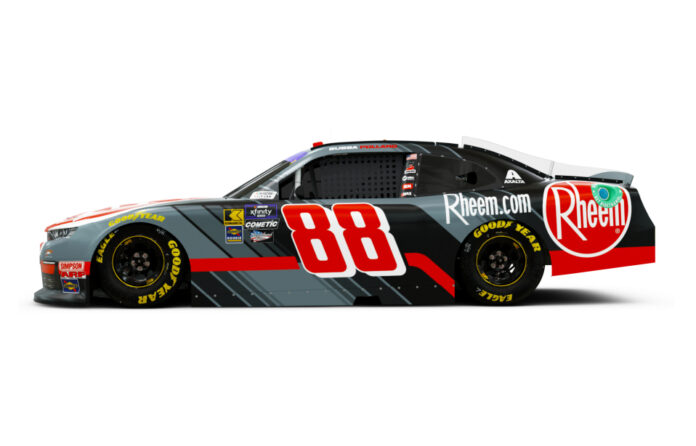
MOORESVILLE, N.C. (Feb.29, 2024) – Champion Late Model driver Andrew “Bubba” Pollard will make his NASCAR Xfinity Series debut next month with the support of Rheem Manufacturing and JR Motorsports, the team announced today.

The 37-year-old Senoia, Ga., native will drive the No. 88 Rheem Chevrolet for the team owned by NASCAR Hall of Famers Dale Earnhardt Jr. and Rick Hendrick, and Kelley Earnhardt Miller in the March 30 NXS race at Richmond Raceway.

Pollard, a perennial contender in the Snowball Derby in Pensacola, Fla. year after year, has gone to Victory Lane in more than 100 Late Model races in his career, including the prestigious All American 400 at Nashville Fairgrounds Speedway and most recently at Speedfest for the third time. Next month’s event at Richmond will mark the veteran short track ace’s first attempt in an NXS machine and his first at the racy 0.750-mile oval.

“I’m very excited,” Pollard said of his upcoming start. “I really don’t know what to expect as it’s all very new to us, but I’m very thankful for the opportunity that Rheem and JR Motorsports have given me. I hope we can make the most of it. I’ve never had any laps at Richmond and I haven’t driven an Xfinity car, so it’s all going to be new.”

The future of the sport is one that relies on drivers earning their way to the top levels, and both Rheem and JRM understand the importance of an opportunity like this for one of the top Late Model racers in the nation.

“JR Motorsports has grown so much over the years,” said Earnhardt Miller, CEO of JR Motorsports. “But the core of what we do, from our championship-winning Late Model team to the NASCAR Xfinity Series, is to produce championship drivers and team personnel. Bubba Pollard is a great example of that sort of progression, and we’re proud to support him alongside a great partner in Rheem Manufacturing.”

Rheem Manufacturing, founded in 1925, is currently the only manufacturer in the world that produces heating, cooling, water heating, pool & spa heating and commercial refrigeration products and the largest manufacturer of water heating products in North America.

“Bubba Pollard represents everything that’s good about racing from the sport’s grass roots to the highest levels, said Ed Raniszeski, Rheem motorsports executive. “What’s so admirable about Bubba and others like him is their lifetime investment in quality performance, professional dedication, doing things right, and giving it their best all the time, even when they think no one is watching. That’s why Rheem, the Earnhardt and Miller families as well as many others are thrilled to give Bubba the chance he’s earned and deserves to show others what we have been watching in amazement for years.”

Pollard recognizes the efforts of both Rheem and JRM in bringing new drivers from the grassroots to NASCAR’s top divisions.

“Dale and Kelley and Rheem have a history of giving guys like me opportunities to race at the next level, opportunities that normally wouldn’t happen,” Pollard said. “I have a lot of respect for them for how much they offer to drivers like me. It’s pretty cool to be part of it. You never know what might happen in the future.”

To prepare for his race at Richmond, Pollard will compete in the ARCA Menards Series event at Five Flags Speedway in Florida to get acquainted to a heavier stock car. Following his race at Richmond, Pollard has a full short-track schedule in both Super Late Models, as well as races in the zMAX CARS Tour set for 2024.

Pollard’s NXS debut at Richmond behind the wheel of the No.88 Rheem Chevrolet for JRM is scheduled to go green on Saturday, March 30 at1:30 p.m. ET on FS1, MRN and SiriusXM NASCAR Radio Channel 90.

ABOUT JR MOTORSPORTS:
JR Motorsports is the racing operation co-owned by NASCAR Hall of Fame member and 15-time Most Popular Driver Dale Earnhardt Jr., Kelley Earnhardt Miller and NASCAR Hall of Famer Rick Hendrick. Now in its 23rd year of overall competition, JR Motorsports competes in multiple divisions, including the NASCAR Xfinity Series where it currently fields four full-time teams and earned championships in 2014, 2017 and 2018. The company also owns seven titles in regional Late Model divisions with consecutive championships in2022-23 and a prized national title in 2020. To learn more about the organization, its drivers and its sponsorship opportunities, visit www.jrmracing.com.

ABOUT RHEEM MANUFACTURING:

Founded in 1925,Rheem Manufacturing is a global leader committed to delivering innovative products that save energy and support a more sustainable future. Rheem is the only manufacturer in the world that produces heating, cooling, water heating, pool & spa heating and commercial refrigeration products, and is America’s#1 water-heating brand with products available in more than 80 countries. Paloma Co., Ltd. of Nagoya, Japan, acquired the iconic Rheem brand in 1988, and today the company’s portfolio of premium brands include Rheem®, Ruud®, Friedrich®, Raypak®, Sure Comfort®, WeatherKing®, Eemax®, Richmond®, IBC™,Intergas®, Splendid®, Solahart®, EverHot®, and MHG™, as well as commercial refrigeration brands Russell®, Witt®, ColdZone® and Kramer®, which are part of the Heat Transfer Products Group (HTPG®) division.
Weekend schedule for Las Vegas Motor Speedway

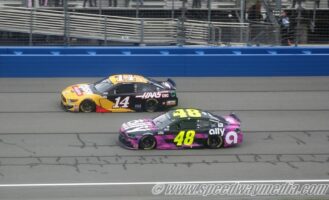
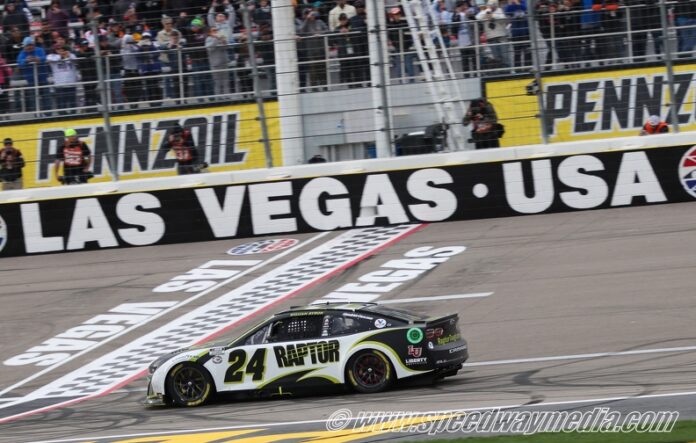
William Byron wins Cup Series race at Las Vegas Motor Speedway March 2023 by Ron Olds 20230305200145-b1aefb81-me
Photo by Ron Olds for SpeedwayMedia.com

NASCAR travels to Las Vegas Motor Speedway this weekend with a full schedule as all series compete on the 1.5-mile track. Hendrick Motorsports driver, William Byron, is the defending Cup Series race winner.

There have, however, been five different winners in the previous five Cup Series races at Las Vegas – Kyle Larson (Oct. 2023), William Byron (March 2023), Joey Logano (Oct. 2022), Alex Bowman (March 2022) and Denny Hamlin in Sept. 2021. The trend has extended to the Xfinity Series and the Craftsman Truck Series. In 33 Xfinity Series races at Las Vegas, there have been 24 different race winners while the Truck Series has seen 25 different winners in 31 races.

All times are Eastern.

Friday, March 1
4:35 p.m.: Truck Series Practice – FS1/SiriusXM
5:05 p.m.: Truck Series Qualifying – FS1/SiriusXM
6:35 p.m.: Xfinity Series Practice – FS1/SiriusXM
7:05 p.m.: Xfinity Series Qualifying – FS1/SiriusXM

9 p.m.: Truck Series Victoria’s Voice Foundation 200 Presented by Westgate Resorts – FS1/MRN/SiriusXM
Distance: 201 miles (134 Laps)
Stages end on Lap 30, Lap 60, Lap 134
The Purse: $736,214
Post Truck Series Race: PressPass

Saturday, March 2
2:05 p.m.: Cup Series Practice – FS1/PRN/SiriusXM
2:50 p.m.: Cup Series Qualifying – FS1/PRN/SiriusXM
Post Cup Series Qualifying: PressPass

5 p.m.: Xfinity Series The LiUNA! – FS1/PRN/SiriusXM
Distance: 300 miles (200 Laps);
Stages end on Lap 45, Lap 90, Lap 200
The Purse: $1,801,278
Post Xfinity Series Race: PressPass

Sunday, March 3
3:30 p.m.: Cup Series Pennzoil 400 Presented by Jiffy Lube – FOX, PRN, SiriusXM
Distance: 400.5 miles (267 laps)
Stages end on Lap 80, Lap 165, Lap 267
The Purse: $9,386,054
Post Cup Series Race: PressPass

NASCAR: History of Leap Day Racing

Photo by Patrick Sue-Chan for SpeedwayMedia.com.

Today marks Leap Day, February 29, where an extra day is included in the calendar every four years and occurs due to Earth taking 365 days and an extra six hours to orbit around the Sun. The gain of an extra day within the 365-day calendar ensures the calendar itself remains aligned with Earth revolving around the Sun.

With Leap Day providing its share of historic events and birthdays throughout human history, the holiday date has also provided a handful of significant moments within NASCAR history.

The first known NASCAR competition to occur on Leap Day dates to February 29, 1976, at North Carolina Motor Speedway, where the Cup Series’ Carolina 500 occurred. During the event, Richard Petty won for the first time of the season after claiming the checkered flag by two laps over runner-up Darrell Waltrip and dodging a late multi-car pileup that resulted in Bobby Allison flipping. The victory was redemption for Petty, who was involved in a wild final lap accident and finish with David Pearson two weeks earlier that resulted in Pearson managing to nurse his damaged No. 21 Wood Brothers Racing Mercury across the finish line in first place ahead of Petty, whose car was unable to restart.

The 1976 victory at Rockingham’s North Carolina Motor Speedway would serve as Petty’s 178th of 200 overall Cup victories he would achieve, where he still stands as NASCAR’s “The King” with the most career victories all-time to coincide with his seven championships, which is tied for the most in the Cup Series history alongside Dale Earnhardt and Jimmie Johnson. Currently, Petty, who retired from NASCAR competition following the 1992 season, serves as a team ambassador for Legacy Motor Club, a team he formerly owned and is currently owned by Johnson and Maury Gallagher. The team was rebranded from Petty GMS Racing and Richard Petty Motorsports, both names that stood out over the last 14 years.

Sixteen years later (1992), another Leap Day event at North Carolina Motor Speedway occurred. On this occasion, the Xfinity Series hosted the Goodwrench 200. During the event, Ward Burton scored his first Xfinity career win after leading the final 22 laps and beating Mark Martin by nine-tenths of a second. The Rockingham victory would serve as Burton’s first of four total victories he would achieve in his Xfinity career, with his latter three occurring in 1993. To date, Burton has made 161 career starts in the Xfinity Series, with his latest occurring in 2007. The South Boston, Virginia, native has also made a single start in the Craftsman Truck Series, which occurred in 2012 and marks his final national touring series career start, and 375 in the Cup Series, where he has achieved five victories, including the 2002 Daytona 500 and the 2001 Southern 500.

In 2008, there were no NASCAR race day competitions that occurred on Leap Day. Instead, the Cup Series held a qualifying session for the upcoming UAW-Dodge 400 at Las Vegas Motor Speedway. During the qualifying session, hometown hero Kyle Busch, who was making his third career start driving the No. 18 M&M’s Toyota Camry for Joe Gibbs Racing, secured his first pole position of the season after posting a pole-winning lap at 182.325 mph in 29.613 seconds. During the main event two days later, Busch, who led twice for 56 laps, ended up in 11th place while Carl Edwards would fend off Dale Earnhardt Jr. in a two-lap dash to win for the ninth time in his career and second in recent weeks.

Today, Edwards, who would proceed to win eight additional events and settle in the runner-up spot behind Jimmie Johnson in the 2008 final standings, is retired with 28 Cup career victories added to his resume after electing to step away from full-time competition following the 2016 season. Earnhardt Jr., who would end up in 12th place in the 2008 standings, also retired following the 2017 season as he stands at 26 Cup career victories, including two Daytona 500 titles. Meanwhile, Busch, who ended up in 10th place in the 2008 standings despite winning a total of eight races, is currently campaigning in his 20th season as a Cup Series competitor and second driving for Richard Childress Racing. He currently has achieved two Cup Series championships (2015 & 2019) and holds 230 victories across NASCAR’s top-three national touring series (65 in Craftsman Truck Series, 102 in Xfinity Series and 63 in Cup Series).

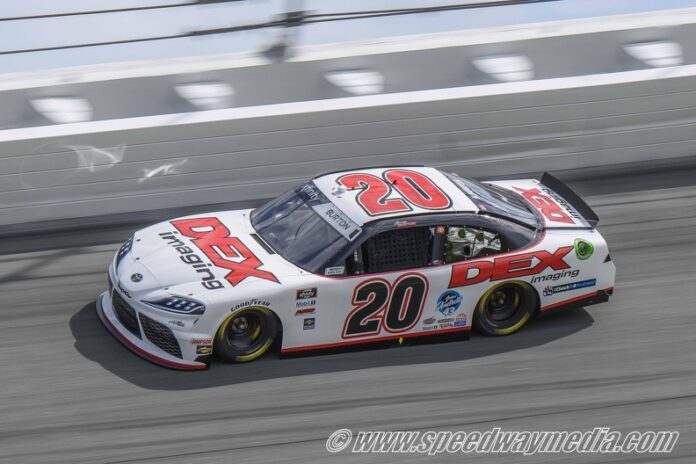
The third and latest NASCAR competition to occur on Leap Day was in 2020 at Auto Club Speedway in the Xfinity Series. During the year’s event, Harrison Burton, Ward Burton’s nephew who was campaigning in his first full-time Xfinity campaign and driving the No. 20 Toyota Supra for Joe Gibbs Racing, scored his first Xfinity victory in his 12th series start after he led twice for 40 laps and managed to retain the top spot during a restart with 19 laps remaining before fending off late challenges from teammate Riley Herbst and Austin Cindric. The Fontana victory would serve as the first of four victories accumulated for Burton throughout the 2020 Xfinity season, with the Huntersville, North Carolina, native securing a spot in the 2020 Xfinity Playoffs. Despite being eliminated from Playoff contention following the Round of 12, Burton, who won twice in the final four-scheduled events, proceeded to finish in eighth place in the final driver’s standings and secured the Rookie-of-the-Year title.

Currently, Burton is campaigning in his third full-time season in the Cup Series for Wood Brothers Racing and as the driver of the No. 21 Ford Mustang Dark Horse. He has made 75 starts in NASCAR’s premier series and has racked up a single top-five result and four top-10 results.

Prior to Harrison Burton’s first Xfinity victory, the Cup Series generated a dramatic moment earlier in the day when Clint Bowyer edged seven-time Cup Series champion Jimmie Johnson by 0.007 seconds to claim what would be his fourth and final Cup career pole position at Fontana. Bowyer’s pole-winning lap, overall, occurred at 179.614 mph in 40.086 seconds. During the main event, Bowyer, who led the first 10 laps, ended up in 23rd place and Johnson settled in seventh place while Johnson’s teammate, Alex Bowman, won for the second time in his career after leading a race-high 110 laps.

Bowyer and Johnson have since retired from full-time NASCAR competition, which occurred following the 2020 season, while Bowman is currently campaigning in his ninth season in the Cup Series and seventh driving for Hendrick Motorsports.

Photo by David Myers for SpeedwayMedia.com.

For this season, there are no NASCAR-sanctioned events that are scheduled to occur on Leap Day, with the Craftsman Truck Series, Xfinity and Cup divisions set to run at Las Vegas Motor Speedway as part of a triple-header weekend between March 1-3. With Leap Day 2028 scheduled to occur on a Tuesday and with race day events primarily occurring on weekends, Leap Day 2032 is scheduled to occur on a Sunday, which leaves the futuristic possibility of another addition to NASCAR competition on Leap Day to be made.

Rick Ware Racing: Justin Haley/Kaz Grala Las Vegas Race Advance

JUSTIN HALEY | KAZ GRALA
Las Vegas Advance

Event Overview
● Event: Pennzoil 400 (Round 3 of 36)
● Time/Date: 3:30 p.m. EST on Sunday, March 3
● Location: Las Vegas Motor Speedway
● Layout: 1.5-mile oval
● Laps/Miles: 267 laps/400.5 miles
● Stage Lengths: Stage 1: 80 laps / Stage 2: 85 laps / Final Stage: 102 laps
● TV/Radio: FOX / PRN / SiriusXM NASCAR Radio

Justin Haley, Driver of the No. 51 Ohanafy Ford Mustang

● Justin Haley, driver of the No. 51 Ford Mustang for Rick Ware Racing (RWR), partners with Ohanafy for his seventh NASCAR Cup Series start at Las Vegas Motor Speedway. Ohanafy is at the forefront of innovative technology built specifically for the beverage industry.

● In six previous starts at the 1.5-mile oval, Haley has one top-10 finish with a best of eighth earned last March. Overall, Haley has led 16 laps at Las Vegas and has completed all but 12 of 1,613 laps possible.

● Nearly half of Haley’s 13 Cup Series top-10 finishes have come on intermediate tracks. In 44 starts on tracks more than a mile in length and less than 2 miles, Haley has two top-fives and six top-10s.

● In addition to his Cup Series resume at Vegas, Haley has made six starts at the track in the NASCAR Xfinity Series, where he’s posted four top-10 finishes.

● Last Sunday at Atlanta Motor Speedway, Haley and the No. 51 team ran as high as eighth after suffering damage in a multicar accident in the opening laps of the race. Haley spent a majority of the race running well inside the top-15, his Ford Mustang strong on the long runs. The 24-year-old was vying for a top-10 finish before the final green-flag pit stops and a late-race restart hampered his ability to advance higher than his finishing position of 20th.

Kaz Grala, Driver of the No. 15 N29 Capital Partners Ford Mustang

● Kaz Grala is set to make his first Cup Series start at Las Vegas in the No. 15 N29 Capital Partners Ford Mustang for RWR. Sunday’s race on the 1.5-mile oval will also be his first Cup Series start on a true intermediate track and follows a 14th-place finish on the superspeedway-style 1.54-mile layout at Atlanta Motor Speedway.

● Grala owns three Xfinity Series starts at Las Vegas with a best-finish of 16th in March 2018 and three NASCAR Craftsman Truck Series starts with a best-finish of fifth in September 2017.

● Grala’s 14th-place finish at Atlanta last Sunday was his third top-15 in the Cup Series. His best result remains a sixth-place effrort at Talladega (Ala.) Superspeedway earned in April 2021.

Rick Ware Racing Notes

● The 2024 drag racing season unofficially kicked off two weeks ago in Bradenton, Florida, during the PRO Superstar Shootout, where RWR’s Clay Millican promptly set fast time in the first round of qualifying with an elapsed time of 3.688 seconds and a speed of 336.49 mph, and then remained atop the leaderboard by securing the No. 1 qualifying position. Millican advanced all the way to the final round of eliminations, a stout performance that highlighted an expanded role this season by longtime partner Parts Plus on the No. 51 Top Fuel Dragster, and the addition of NHRA veteran Nicky Boninfante as co-crew chief.

● In the first racing event of the 2024 season, Cody Ware scored a podium finish Jan. 20 on the 12-turn, 3.56-mile Daytona road course driving a Ligier JS P320 in the IMSA VP Racing SportsCar Challenge LMP3 class. The following weekend, Ware and teammate Preston Pardus competed in the twin Whelen Mazda MX-5 Cup races at Daytona.

● Rick Ware has been a motorsports mainstay for more than 40 years. It began at age 6 when the third-generation racer began his driving career and has since spanned four wheels and two wheels on both asphalt and dirt. Competing in the SCCA Trans Am Series and other road-racing divisions led Ware to NASCAR in the early 1980s, where he finished third in his NASCAR debut – the 1983 Warner W. Hodgdon 300 NASCAR Grand American race at Riverside (Calif.) International Raceway. More than a decade later, injuries would force Ware out of the driver seat and into fulltime team ownership. In 1995, Rick Ware Racing was formed, and with wife Lisa by his side, Ware has since built his eponymous organization into an entity that fields two fulltime entries in the NASCAR Cup Series while simultaneously campaigning successful teams in the Top Fuel class of the NHRA Mission Foods Drag Racing Series, the NTT INDYCAR Series, Whelen Mazda MX-5 Cup, Progressive American Flat Track and FIM World Supercross Championship (WSX).

● In 2023, RWR enjoyed three NHRA Top Fuel wins with Millican, two Progressive American Flat Track wins with rider Briar Bauman, and multiple WSX victories with riders Shane McElrath and Joey Savatgy coming off their 2022 WSX championship.

Justin Haley, Driver Q&A

You started the points-paying season with two superspeedway-style races. What do you expect from the No. 51 team in the first race on a true intermediate track at Las Vegas?

“The intermediate tracks can be some of the toughest to figure out. I’ve had some good runs at Vegas, so hopefully I can give some feedback that will help us get to a good place for the race. The two tracks we’ve been at don’t really compare to what is coming next. Las Vegas and Phoenix will give us a good idea of what we’ve really got. The more time we have working together at the track, the more we are going to learn, no matter where we are racing.”

You’ve had a strong start to the season, and you say time at track has been beneficial to building strong relationships within the team. Is there one thing that is on the to-do list for improvement?

“I’ve been super fortunate to have fast racecars. There is still a lot we need to work on. We have to look at this as a new team even though RWR has been around for a while. With new people, we’re still working through communication and a lot of the little things to build things up to where they need to be. It’s hard to do a lot of that at the shop, away from the track, so we’ve had to work through some of that as it comes up during a race. I think the way we worked through a lot of what happened at Atlanta was good and shows we’re on the right track.”

Have there been moments in these first three races that have made you feel like things are headed in the right direction?

“Getting back from Daytona and seeing the shop guys – the ones who have really been the framework for RWR over the years – they were really excited. That was probably one of the coolest things that has happened so far and it just continues. We go to Atlanta and run in the top-10 – it just shows all these guys that it’s worth it. All the work, the frustration, it’s all worth it. It takes time, but we’re getting there.”

Kaz Grala, Driver Q&A

Las Vegas will be the first true 1.5-mile track you visit. Is there anything that can be carried over from last weekend’s race at the 1.5-mile, superspeedway-style track at Atlanta?

“I actually think we learned a few things we can use at Las Vegas. Atlanta races differently, but it’s still similar to the mile-and-a-half tracks in some ways. It’ll be nice to have a practice session and be able to work on some stuff instead of just jumping into the race. Seat time and working through things at track are where we are going to learn the most. If we can get a good start on the intermediate tracks early in the season, it gives us something to build toward to be competitive later in the season.”

How are you feeling about the progress of moving to the Cup Series fulltime with a team that is rebuilding?

“I think everyone is doing a great job. It’s always a work in progress. We will never reach a point where we’re content, but I think going back to the Clash, we’ve shown what everyone at RWR can do. We’ve got good cars, good people and the more we race, the better we’re going to get.”

Hoping To Take Atlanta Luck to Las Vegas

After opening the 2024 season on two drafting-style tracks, Harrison Burton and the No. 21 Motorcraft/Quick Lane team are headed to Las Vegas Motor Speedway, a traditional intermediate-length track.

Crew chief Jeremy Bullins said he’s looking forward to Sunday’s Pennzoil 400, particularly in light of the team’s performance in a difficult drafting race this past Sunday at Atlanta Motor Speedway. In that race, Burton and the team managed to escape several on-track incidents and run in the top 10 for much of the event, then rally from a late incident to finish 11th.

That was an important turn-around after Burton was eliminated from the season-opening Daytona 500 in a Lap 6 multi-car melee.

“We finally had some luck on our side last week, avoiding major damage in the accidents we were involved in,” Bullins said. “It was definitely nice to have some luck on our side headed to Las Vegas, but our plan is to have the speed in our Mustang Dark Horse to go have a good race.”

The fact that the Pennzoil 400 is the first of many races on intermediate-length (around 1.5 miles in length) is not lost on Bullins.

“Being the first race of the year that’s not a speedway race will be a good test of our cars,” he said. “We also can see where the field stacks up and what we need to work on.”

Bullins believes he and the Motorcraft/Quick Lane team will unload a fast Ford at Las Vegas.

“I feel like this team has put a lot of work in to be prepared, and we’re excited to see where we stack up,” he said.

Practice for the Pennzoil 400 is set for Saturday at 11:05 local time (2:05 Eastern Time) to be followed by qualifying at 11:50 (2:50 Eastern). FOX Sports 1 will carry the TV broadcast.

Sunday’s 400-mile, 267-lap race is scheduled to get the green flag just after 12:30 p.m. (3:30 Eastern) with TV coverage on FOX.

Stage breaks are planned for Laps 80 and 165.

About Motorcraft®
Motorcraft offers a complete line of replacement parts that are recommended by Ford Motor Company. From routine maintenance to under hood repairs, Motorcraft parts offer value with high quality and the right fit at competitive prices. Motorcraft parts are available nationwide at Ford Dealers and Lincoln Retailers, independent distributors and automotive-parts retailers, and are backed by the Service Parts Limited Warranty* of Ford Motor Company. For more information, visit www.motorcraft.com.
*See your dealer for limited-warranty details.

About Quick Lane® Tire & Auto Center
Quick Lane Tire & Auto Center offers extraordinary service for routine maintenance, serving all vehicle makes and models. Quick Lane provides a full menu of automotive services, including tires, oil change and maintenance, brakes, batteries, alternator and electrical system, air conditioning system, cooling system, transmission service, suspension and steering, wheel alignment, belts and hoses, lamps and bulbs and wiper blades plus a thorough vehicle checkup report. Service is performed by expert technicians while you wait at any of nearly 800 locations in the U.S., with evening and weekend hours available and no appointment necessary. For more information about Quick Lane, please visit www.quicklane.com.
*See your dealer for limited-warranty details.”

About Ford Motor Company
Ford Motor Company (NYSE: F) is a global company based in Dearborn, Michigan, committed to helping build a better world, where every person is free to move and pursue their dreams. The company’s Ford+ plan for growth and value creation combines existing strengths, new capabilities and always-on relationships with customers to enrich experiences for customers and deepen their loyalty. Ford develops and delivers innovative, must-have Ford trucks, sport utility vehicles, commercial vans and cars and Lincoln luxury vehicles, along with connected services. The company does that through three customer-centered business segments: Ford Blue, engineering iconic gas-powered and hybrid vehicles; Ford Model e, inventing breakthrough EVs along with embedded software that defines exceptional digital experiences for all customers; and Ford Pro, helping commercial customers transform and expand their businesses with vehicles and services tailored to their needs. Additionally, Ford is pursuing mobility solutions through Ford Next, and provides financial services through Ford Motor Credit Company. Ford employs about 177,000 people worldwide. More information about the company and its products and services is available at corporate.ford.com.

About Ford Performance
Ford Performance is based in Dearborn, Mich. It is responsible for Ford’s performance vehicle development and major racing operations globally, including NASCAR, IMSA, SRO British GT, FIA World Rally Championship, Supercars Championship, World of Outlaws, Ultra4, SCORE-International, FIA Rally-Raid, Formula Drift, NHRA, Rebelle Rally, Thailand Super Series and our latest commitment in Formula 1 with RedBull Ford Powertrains. Ford Performance also maintains a constantly evolving fleet of electric performance demonstrators to showcase the limits of electrification technology. In addition, the organization also oversees the development of Ford’s racing engines, as well as the outreach programs with all Ford Clubs and Ford enthusiasts. For more information regarding Ford racing’s activities, please visit Performance.Ford.com or follow @FordPerformance on Facebook, Instagram, X, Threads, TikTok and YouTube.

Wood Brothers Racing
Wood Brothers Racing was formed in 1950 in Stuart, Va., by Hall of Famer Glenn Wood. Wood Brothers Racing is the oldest active team and one of the winningest teams in NASCAR history. Since its founding, the team won 99 races (including at least one race in every decade for the last seven decades) and 120 poles in NASCAR’s top-tier series. Fielding only Ford products for its entire history, the Wood Brothers own the longest association of any motorsports team with a single manufacturer. Glenn’s brother, Leonard, is known for inventing the modern pit stop. The team currently runs the Ford Mustang driven by Harrison Burton in the famous No. 21 racer.

AMSOIL Returns as Supporting Sponsor of 2024 BFGoodrich Tires Mint 400

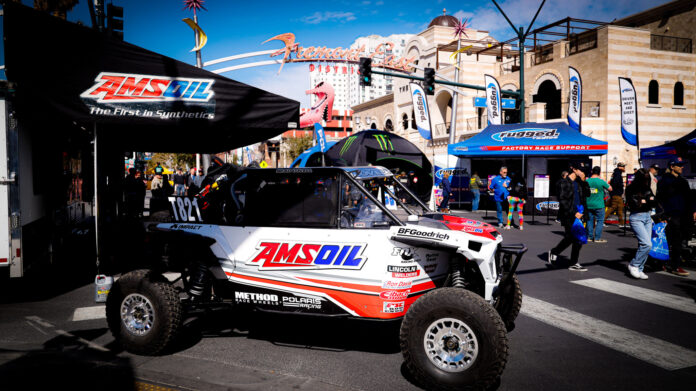
AMSOIL will return as a supporting sponsor of the 2024 BFGoodrich Tires Mint 400, coming to Las Vegas on March 6-10, event officials announced today. As part of the partnership, AMSOIL products will once again be on display at the Mint 400 Off-Road Festival on Fremont Street in downtown Las Vegas, and multiple racers will rely on AMSOIL products to get them to the checkered flag.

“AMSOIL has been a great partner of the BFGoodrich Tires Mint 400 for multiple years now,” said Mint 400 CEO Matt Martelli. “We’re excited to welcome them back to the 2024 edition of the Great American Off-Road Race, as top racers once again rely on AMSOIL to help them conquer the race. We’re looking forward to hosting them once again on Fremont Street for the Mint 400 Off-Road Festival, so be sure to check them out!”

AMSOIL specializes in developing synthetic lubricants that offer innovative answers to the greatest challenges vehicles and equipment present. The extraordinary performance of AMSOIL synthetic lubricants in a range of markets – automotive, powersports, industrial, racing and more – has made our influence in the industry unmistakable and our brand highly respected. Our commitment to innovation has resulted in legions of brand-loyal customers.

AMSOIL founder and industry pioneer Al Amatuzio built his company on the same principles that defined his career as a jet fighter squadron commander – excellence, integrity and strong leadership. In 1972, the breakthrough came. AMSOIL 10W-40 Synthetic Motor Oil, the result of years of research and inspired by aerospace technology, became the first synthetic motor oil in the world to meet American Petroleum Institute service requirements. It outperformed conventional oils on all counts, signaling a new age in lubrication science. Today, virtually every other motor oil manufacturer has recognized the superiority of synthetic lubricants and followed the AMSOIL lead with introductions of synthetic motor oils of their own. Shop AMSOIL products at AMSOIL.com.

Details regarding racer registration, sponsorship packages, exhibitor vending, spectator tickets, camping, and parking passes for UNLTD Off-Road Racing are live on Unlimitedoffroadracing.com.

Towing Basics and Essential Knowledge

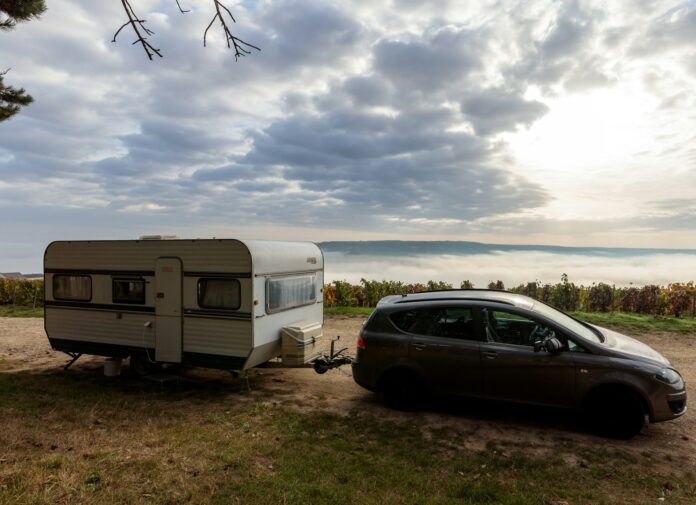
Photo by Salah Ait Mokhtar on Unsplash

Whether you’re a seasoned driver or just starting out on your automotive journey, towing can be a daunting task. Whether you’re hauling a trailer, boat, or any other load, it’s crucial to understand the fundamentals of towing to ensure safety and legal compliance on the road. In this comprehensive guide, we’ll cover everything you need to know as a beginner to towing.

Understanding Towing Capacities

Before you hitch up a trailer or attach any load to your vehicle, it’s essential to understand its towing capacity. Every vehicle has a specified towing capacity set by the manufacturer, which dictates the maximum weight it can safely tow. Exceeding this limit can lead to mechanical failures, accidents, and potentially legal issues.

When determining your vehicle’s towing capacity, consider not only the weight of the trailer or load but also any passengers, cargo, or accessories in your vehicle. Consult your vehicle’s owner’s manual or contact the manufacturer to find the exact towing capacity for your specific make and model.

Choosing the Right Hitch

Selecting the appropriate hitch for your towing needs is crucial for safe and secure towing. There are several types of hitches available, including ball mounts, fifth-wheel hitches, and gooseneck hitches, each designed for different towing applications.

When choosing a hitch, consider factors such as the type of trailer you’ll be towing, its weight, and the towing capacity of your vehicle. Ensure that the hitch is compatible with both your vehicle and the trailer, and always follow the manufacturer’s guidelines for installation and usage.

Proper Trailer Loading

Properly loading your trailer is essential for safe towing and stability on the road. Distribute the weight of the load evenly across the trailer, with heavier items positioned towards the front and lower to the ground. Secure the load with tie-downs or straps to prevent shifting during transit.

Additionally, ensure that the trailer’s tongue weight—the downward force exerted on the hitch—is within the recommended range for your vehicle. Improper tongue weight can cause instability and affect your vehicle’s handling, especially at high speeds or during turns.

Safe Towing Practices

Once you’re on the road, there are several safety precautions to keep in mind while towing:

Maintain a Safe Speed

Always adhere to posted speed limits and drive at a safe and controlled speed, especially when towing. According to the Albuquerque car accident attorney at Davis Kelin, speed is one of the top contributors of car accidents, highlighting the significance of maintaining safe speeds. Keep in mind that towing adds additional weight and length to your vehicle, which can affect braking distance and maneuverability. On some highways, towing vehicles may have a reduced speed limit compared to non-towing passenger cars. 

Allow for Extra Stopping Distance

The added weight of a trailer increases the distance required to come to a complete stop. Leave ample space between your vehicle and the vehicle ahead of you, and anticipate stops well in advance to avoid sudden braking.

Practice Defensive Driving

Remain vigilant and attentive while towing, scanning the road ahead for potential hazards and adjusting your driving accordingly. Be prepared for sudden changes in traffic or road conditions and always signal your intentions well in advance.

Monitor Tire Pressure

Proper tire inflation is crucial for safe towing. Check the tire pressure on both your vehicle and the trailer before each trip, and adjust as needed to meet the manufacturer’s recommendations. Tires themselves also have a weight capacity, ensure the gross weight of your vehicle and trailer are within manufacturer specified limits. 

Tow with Care and Arrive Safely

Towing can open up a world of possibilities for outdoor enthusiasts and adventurers, but it’s essential to approach it with caution and respect for the rules of the road. By understanding your vehicle’s towing capacity, choosing the right hitch, properly loading your trailer, and practicing safe towing practices, you can enjoy worry-free travels wherever the road may lead.

Remember, safety should always be your top priority when towing. By following these guidelines and staying informed, you can tow with confidence and peace of mind on your next journey.

Addressing Myths and Misconceptions About Modern Turbocharged Cars

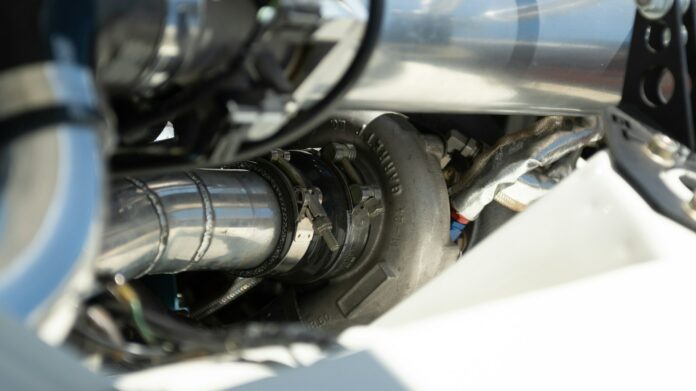
Photo by Cameron Edwards on Unsplash

In the world of automotive innovation, turbocharging has become increasingly prevalent, offering a blend of performance and efficiency that car enthusiasts and manufacturers alike find irresistible. However, with the widespread adoption of turbocharged engines, several myths and misconceptions have been perpetuated throughout the community, leading to confusion among consumers. Let’s delve into some of these misconceptions and separate fact from fiction.

Myth 1: Turbocharged Engines are Unreliable

One of the most persistent myths about turbocharged engines is that they are inherently less reliable than naturally aspirated ones. While it’s true that early turbocharged designs faced reliability issues due to factors like inadequate cooling and lubrication systems, modern turbocharged engines have come a long way in a short time.

Today, advancements in materials, engineering, and manufacturing processes have significantly improved the reliability of turbocharged engines. Automakers rigorously test their turbocharged powertrains under various conditions to ensure durability and longevity. Routine maintenance and proper care are essential for any engine, whether turbocharged or not, to ensure optimal performance and longevity.

Myth 2: Turbo Lag is Unavoidable

Turbo lag, the delay between pressing the accelerator and feeling the increased power from the turbocharger, was once a common issue with early turbocharged engines. However, technological advancements have largely mitigated this phenomenon in modern turbocharged cars.

Engineers have implemented strategies such as twin-scroll turbochargers, variable geometry turbochargers, and electronic wastegates to minimize turbo lag and build boost low in the RPMs. Additionally, advancements in engine management systems and the integration of hybridization technologies, like electrically assisted turbochargers, further reduce lag by providing instantaneous torque delivery.

Myth 3: Turbocharged Cars are Always Fuel-Thirsty

Another misconception surrounding turbocharged cars is that they guzzle fuel compared to their naturally aspirated counterparts. While it’s true that turbocharged engines can consume more fuel under heavy load or aggressive driving, they often deliver better fuel efficiency in real-world driving conditions.

The downsizing trend, where automakers replace larger naturally aspirated engines with smaller turbocharged ones, contributes to improved fuel economy without sacrificing performance. Turbocharged engines can operate more efficiently by extracting more power from a smaller displacement, resulting in better fuel economy when driven conservatively.

Myth 4: Turbocharged Engines Require Premium Fuel

There’s a common belief that turbocharged engines necessitate the use of premium gasoline to prevent engine knock and maintain performance. While some high-performance turbocharged engines may benefit from higher octane fuel to optimize power output, many modern turbocharged cars are designed to run efficiently on regular gasoline.

Automakers engineer turbocharged engines to adjust their performance parameters based on the octane rating of the fuel, allowing them to run safely and efficiently on lower-octane fuel without sacrificing reliability or performance. However, for drivers seeking maximum performance from their turbocharged engines, using premium fuel may yield slight improvements in power and responsiveness.

Myth 5: Turbocharged Cars Lack Longevity

There’s a misconception that turbocharged engines have a shorter lifespan compared to naturally aspirated engines. However, with proper maintenance and care, turbocharged engines can endure just as long as their naturally aspirated counterparts.

Routine maintenance, including regular oil and oil filter changes, is essential for preserving the longevity of any engine, turbocharged or not. Following the manufacturer’s recommended service intervals and addressing any issues promptly can help ensure the long lifespan of a turbocharged engine. However, occasional defects can still occur, just like any other vehicle. According to the Orange County accident attorneys at Bridgford, Gleason & Artinian Law, manufacturer defects are a common cause of car accidents, so it’s best to address any issues early on. 

Enjoy the Boost

As technology continues to advance, turbocharged engines have become an integral part of the automotive landscape, offering a compelling blend of performance and efficiency. While myths and misconceptions about turbocharged cars abound, it’s essential to separate fact from fiction. Modern turbocharged engines are more reliable, efficient, and refined than ever before, debunking many of the misconceptions that have persisted over the years. As consumers, embracing these advancements can lead to a deeper appreciation for the capabilities of turbocharged cars and the engineering ingenuity behind them.

Organizing an Amateur Car Race: 3 Tips for Incentivization

Whether you’re a seasoned event organizer or a first-time enthusiast, organizing a car race can be a thrilling experience for participants and spectators alike. But to truly make your event stand out, you want to go beyond just the racing itself. 

That’s where incentivization comes in and here are 3 tips for you. 

Prizes and Rewards

First, you can’t really go wrong with offering some sweet prizes. It means participants have something tangible to aim for beyond just the adrenaline rush of racing; it really adds to the overall vibe of the event, making it more thrilling for everyone involved.

So, figure out your budget for prizes. Then, do some digging to see what kind of rewards would appeal to your crowd—cash, trophies, or maybe even some cool pre-owned accessories. Next, divide up the prizes into different categories, like overall winner, fastest lap time, or best-looking car.

For instance, let’s say you’re hosting an amateur car race. You could offer up a cash prize for the grand winner, a shiny trophy for the fastest lap time, and maybe some gift cards from local auto shops for things like best paint job or most improved racer.

Recognition and Acknowledgment

Giving participants a shoutout and a pat on the back is key to keeping them motivated. It means their hard work and skill don’t go unnoticed, which really boosts their morale and makes them want to perform their best.

So, plan out different ways to give props to your racers—like announcing winners at the event, shouting them out on social media, or even getting their names in the local paper. Then, keep people in the loop with a live leaderboard during the race, so everyone can see who’s killing it. 

Picture this: as each winner crosses the finish line, you bring them up on stage, hand them their prize, and snap a picture for online. Then, you blast it out on all your socials, tagging the winners and any sponsors to spread the love.

Community Engagement

Getting the local community involved is a game-changer. It means more people in the stands cheering on the racers, more buzz around the event, and just an all-around better time for everyone.

Reach out to nearby businesses, schools, and groups to see if they want in on the action. Spice things up with some extra activities besides the racing, like food vendors, live music, or maybe even a mini car show.

Imagine this: alongside the roaring engines on the track, you’ve got food trucks serving up tasty treats and a live band belting out tunes.

Organizing an amateur car race can be a great experience for you and everyone else. Really, it’s just a matter of prioritizing things like incentivization! So consider these tips and put on a great time! 

Tips for Roadtripping with an EV

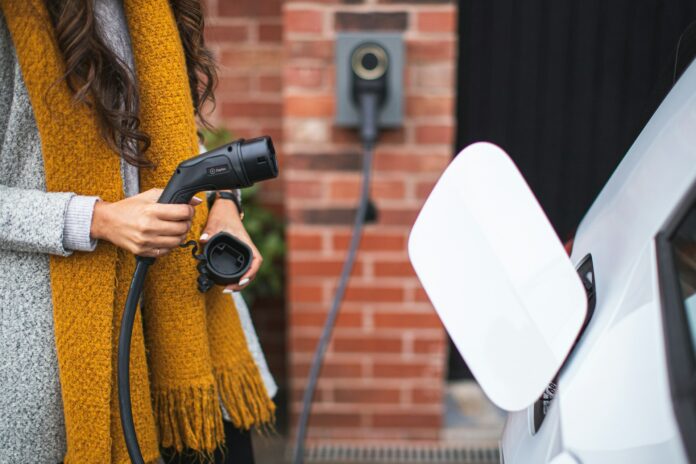
Photo by Zaptec on Unsplash

With the rise of electric vehicles (EVs) in the automotive industry, more and more drivers are considering them for their road trips. While the idea of road-tripping in an EV may seem daunting at first, with careful planning and some tips, it can be a smooth and enjoyable experience while minimizing range anxiety. Whether you’re a seasoned EV owner or considering making the switch, here are some essential tips to keep in mind when taking on a road trip with your electric vehicle.

1. Know Your Range

Understanding the range of your EV is crucial before setting out on a road trip. Take into account factors such as weather conditions, terrain, and driving speed, as these can all significantly impact your vehicle’s range. Plan your route accordingly, making sure there are charging stations along the way, and consider destinations where you can recharge overnight if needed.

2. Utilize Navigation Apps

Make use of navigation apps and resources specifically designed for EVs, such as PlugShare, ChargePoint, or the DOE’s interactive charging station map to locate stations along your route. These apps provide real-time information on charger availability, types of connectors, and pricing, allowing you to plan your stops effectively. Additionally, some EVs come equipped with built-in navigation systems that include charging station locations and can help you optimize your journey.

3. Plan Charging Stops

When planning your road trip, factor in charging stops to ensure you have enough power to reach your destination. It’s advisable to aim for charging stations that offer fast charging capabilities, allowing you to replenish your battery quickly and minimize downtime. Plan your stops strategically, taking breaks for meals or sightseeing while your vehicle charges. During an extended car ride, charging stops are a great way to rest and prevent driver fatigue, a common cause of accidents according to the Las Vegas car accident lawyer at Koch & Brim.

4. Be Prepared for Longer Travel Times

Unlike traditional gasoline-powered vehicles, EVs may require longer travel times due to charging stops. Factor in these additional stops when planning your itinerary and allow for some flexibility in your schedule. Embrace the slower pace of travel, and use the extra time to relax, explore new places, or simply enjoy the journey.

5. Monitor Your Battery

Keep a close eye on your battery’s state of charge throughout your trip, especially in remote or unfamiliar areas where charging options may be limited. Most EVs come equipped with onboard systems that display battery status and estimated range, allowing you to track your usage and plan your next charging stop accordingly. Avoid letting your battery level drop too low, as this can lead to range anxiety and unnecessary stress.

6. Pack Essentials

Pack essential items to ensure a comfortable and worry-free road trip with your EV. Bring along charging cables and adapters compatible with different types of charging stations, as well as any necessary memberships or RFID cards for accessing charging networks. Additionally, consider carrying emergency supplies such as a flashlight, first aid kit, and portable power bank in case of unexpected situations.

7. Familiarize Yourself with Charging Etiquette

When using public charging stations, it’s important to be mindful of charging etiquette to ensure fair access for all EV drivers. Avoid hogging charging spots once your vehicle is fully charged, and move it promptly to allow others to use the station. Be courteous to fellow drivers, and follow any posted guidelines or restrictions at charging locations.

8. Stay Informed About EV Policies and Incentives

Stay updated on EV policies, incentives, and regulations in the areas you’ll be traveling through. Some regions offer incentives such as HOV lane access, toll discounts, or free parking for electric vehicles, which can make your road trip more economical and convenient. Take advantage of these benefits wherever possible to enhance your journey.

9. Plan for Overnight Charging

If your road trip includes overnight stays, research accommodations that offer EV charging facilities. Many hotels, resorts, and campgrounds now provide charging stations for guests, allowing you to top up your battery while you rest. Prioritize lodging options with EV-friendly amenities to ensure a seamless and hassle-free experience during your trip.

10. Enjoy the Experience

Above all, remember to enjoy the experience of road-tripping with your EV. Embrace the eco-friendly benefits of electric driving, explore new destinations, and appreciate the convenience of silent and smooth acceleration. With proper planning and a positive attitude, road-tripping in an EV can be an enriching and memorable adventure.

In conclusion, road-tripping with an EV requires careful planning and consideration, but with the right mindset and preparation, it can be a rewarding experience. By knowing your vehicle’s range, utilizing navigation apps, planning charging stops, and packing essentials, you can embark on an enjoyable journey with confidence. Stay informed about EV policies and incentives, be courteous to fellow drivers, and remember to savor every moment of your electric road trip adventure.