Home Blog Page 21

When Commercial Deliveries Turn Into Dangerous Road Collisions

Delivery vehicles have become a familiar part of everyday life, moving packages, groceries, restaurant orders, and commercial goods through busy streets. With more delivery vehicles sharing urban roads, the possibility of collisions involving vans, box trucks, and other commercial vehicles also deserves attention. A crash involving a delivery vehicle can leave an injured person facing medical treatment, missed work, vehicle damage, and difficult questions about who should be held responsible.

A Delivery Truck Accident Lawyer can help investigate the circumstances of a delivery-vehicle collision and determine whether the driver, delivery company, vehicle owner, maintenance provider, or another party may bear responsibility. These claims can be more complicated than ordinary car accidents because the vehicle may be operated as part of a commercial business, creating additional records, insurance considerations, and potential sources of evidence.

Why Delivery Truck Crashes Are Different

Delivery vehicles operate under demanding schedules and frequently travel through crowded residential neighborhoods, commercial districts, parking lots, and city streets. Drivers may make frequent stops, navigate unfamiliar locations, or operate larger vehicles in areas designed primarily for passenger cars. Those circumstances can increase the importance of careful driving and proper vehicle operation.

A delivery accident may also involve several different relationships. The person driving the vehicle may work for a delivery company, a contractor, or another business arrangement. The vehicle itself may be owned by a different company, while maintenance or loading may be handled elsewhere. Determining how these relationships affect liability requires a closer look at the facts surrounding the crash.

Common Causes Behind Delivery Vehicle Collisions

Delivery truck accidents can occur for many of the same reasons as other motor vehicle crashes, including distracted driving, speeding, failure to yield, and unsafe lane changes. However, the nature of delivery work can create additional circumstances that deserve investigation. Frequent stops, tight schedules, navigation demands, and maneuvering in unfamiliar areas can all become relevant when determining how a collision occurred.

Vehicle condition and cargo can also matter. Poor maintenance, defective equipment, improperly secured packages, or an overloaded vehicle may contribute to an accident. The target page specifically addresses delivery truck accidents as a distinct category of truck-related collisions, making it important to examine both driver conduct and the commercial operation surrounding the vehicle.

Who May Be Responsible?

Identifying the responsible party is not always as simple as naming the driver. If a delivery driver causes a collision while performing work-related duties, the delivery company or another business entity may potentially become relevant to the claim depending on the circumstances and applicable law. Employment relationships and contractual arrangements can therefore matter.

Other parties may also require investigation when their conduct contributed to the crash. A company responsible for maintenance could become relevant if mechanical problems played a role, while a manufacturer may be considered when a defective component caused or contributed to the accident. Looking beyond the driver’s actions can help create a more complete picture of responsibility.

Evidence Can Reveal What Happened

Evidence is particularly important when a delivery company or its insurer disputes liability. Photographs from the scene, witness statements, police reports, vehicle damage, and available video footage can help establish the sequence of events. Information from nearby businesses or residential security cameras may also be useful when available.

Commercial delivery operations can generate additional evidence that may not exist in a typical private-vehicle collision. Depending on the circumstances, records concerning the vehicle, driver, delivery route, maintenance, or company operations may help explain what happened. Preserving relevant evidence early can therefore be an important part of investigating a delivery-truck accident.

Injuries Can Create Long-Term Consequences

A collision with a delivery truck or van can result in significant injuries, particularly when the commercial vehicle is substantially larger or heavier than the passenger vehicle involved. Some victims may require emergency treatment followed by surgery, physical therapy, rehabilitation, or ongoing medical care. The consequences can continue even after the initial treatment ends.

The financial impact can extend beyond medical expenses. An injured person may miss work, lose income, require assistance with daily activities, or face reduced earning capacity because of a lasting injury. Depending on the facts, a claim may also involve pain and suffering, emotional distress, property damage, and other legally recoverable losses.

What to Do After a Delivery Truck Accident

The first priority following a crash should be obtaining appropriate medical care and ensuring everyone’s immediate safety. Even when injuries initially appear manageable, medical evaluation can help identify problems that may not be immediately obvious. Keeping records of treatment, prescriptions, appointments, and medical recommendations can also help document the consequences of the collision.

When circumstances permit, accident victims should preserve information from the scene. Photographs of vehicle damage, roadway conditions, traffic signs, and the surrounding area can become valuable later. It is also useful to keep the police report, witness information, insurance correspondence, employment records showing missed work, and other documents connected with the accident.

Insurance Claims Can Become Complicated

Commercial delivery vehicles may have insurance arrangements that differ from those covering privately owned passenger cars. Depending on who owns the vehicle and how the delivery operation is structured, more than one policy or business entity may become relevant to a claim. Determining which coverage applies can therefore require careful review.

An insurer may also investigate the collision from its own perspective and question fault, medical treatment, or the amount of compensation being requested. A Delivery Truck Accident Lawyer can communicate with insurance representatives, review the available evidence, and help an injured person understand the potential consequences of accepting a settlement before the full extent of the losses is known.

Documenting the Full Cost of an Injury

The immediate expenses following a delivery-truck collision may be relatively easy to identify, but the long-term consequences can be more difficult to calculate. Medical bills provide one measure of financial harm, but an injury may also affect future treatment needs, employment, earning ability, and quality of life.

For this reason, documenting the broader impact of the accident can be important. Records concerning wages, employment restrictions, rehabilitation, future treatment, and changes in daily activities may help demonstrate how the injury has affected the victim. A complete evaluation should consider both present losses and consequences that may continue into the future.

Why Early Investigation Matters

Evidence can become harder to obtain as time passes. Witnesses may forget details, surveillance footage may no longer be available, and vehicle or maintenance records may become more difficult to secure. Delivery companies may also have records that are particularly important to understanding where the vehicle was operating and what circumstances surrounded the collision.

Early investigation can help identify the evidence that needs to be preserved and the parties whose involvement should be examined. A Delivery Truck Accident Lawyer can evaluate the circumstances of the crash, identify potential sources of evidence, and help build a claim around documented facts rather than assumptions.

Final Thoughts

A delivery vehicle accident can affect much more than the ability to get from one place to another. Serious injuries can interrupt employment, create substantial medical expenses, and change everyday life. At the same time, determining responsibility may require an investigation into the driver, delivery company, vehicle ownership, maintenance, and other circumstances surrounding the collision.

When another party may be legally responsible, working with a Delivery Truck Accident Lawyer can help an injured person understand the available options and pursue compensation supported by the evidence. Preserving records, seeking appropriate medical care, documenting financial losses, and addressing the claim promptly can all help protect important interests while the recovery process moves forward.
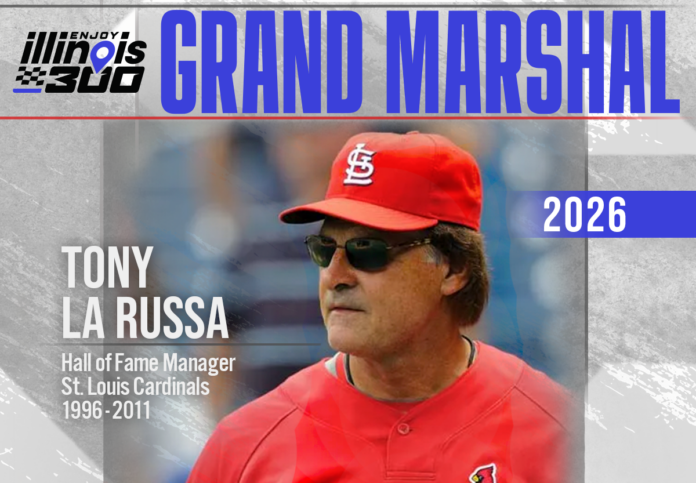
Hall of Fame Baseball Manager Tony La Russa Named Grand Marshal for Enjoy Illinois 300

MADISON, Ill. (Sept. 10, 2026) – World Wide Technology Raceway announced today that Hall of Fame baseball manager Tony La Russa has been named Grand Marshal for Sunday’s Enjoy Illinois 300 NASCAR Cup Series race at World Wide Technology Raceway.

As Grand Marshal, La Russa will participate in pre-race ceremonies and address fans prior to the green flag for one of the Midwest’s premier sporting events. He also will be joined by his longtime friend and special guest, CAPT Jim “Guido” DiMatteo, USN (Ret.), to deliver the most famous words in motorsports, the command for drivers to start their engines.

Widely regarded as one of the most accomplished naval aviators of his generation, DiMatteo is often referred to as the “real-life Maverick.” During a distinguished Navy career spanning more than 25 years, he accumulated more than 5,500 flight hours in frontline fighter aircraft, including the F-14 Tomcat, F/A-18 Hornet, F-16, F-5 and A-4. He served as Commanding Officer of both East and West Coast TOPGUN adversary squadrons and is credited with accumulating more TOPGUN adversary flight time than any pilot in U.S. Navy and Marine Corps history.

A member of the Aviation Hall of Fame, DiMatteo’s leadership extended beyond military service as he helped oversee the Navy’s high-performance aircraft programs and later served in key leadership roles with internationally recognized aviation organizations, including the Red Bull Air Race World Championship.

“We are honored to welcome two remarkable icons, Tony La Russa and Jim ‘Guido’ DiMatteo, to World Wide Technology Raceway for the Enjoy Illinois 300,” said Curtis Francois, Owner and CEO of World Wide Technology Raceway. “Few figures in sports are as beloved throughout St. Louis and Southwest Illinois as Tony La Russa. As one of the most successful and popular managers in the storied history of the St. Louis Cardinals, Tony helped create some of the franchise’s most memorable moments while earning the admiration and respect of generations of baseball fans across our region. His Hall of Fame legacy extends far beyond the diamond, making him one of the most recognizable and cherished sports figures in Cardinal Nation. At the same time, Jim ‘Guido’ DiMatteo’s extraordinary service to our nation and unparalleled achievements in military aviation have made him a legend in his own right. Bringing together icons from both the sports and military worlds for this historic NASCAR Cup Series event is a tremendous honor for our raceway, our fans, and the entire region.”

La Russa is one of the most successful managers in Major League Baseball history, earning induction into the National Baseball Hall of Fame after compiling more than 2,800 victories and capturing three World Series championships. His decades-long connection to St. Louis and Illinois, and championship pedigree have made him one of the most respected figures in American sports.

Together, La Russa and DiMatteo represent excellence, leadership and achievement at the highest levels. Their participation in Sunday’s Enjoy Illinois 300 will provide a memorable pre-race moment as NASCAR’s biggest stars prepare to battle in the second race of the championship Chase at World Wide Technology Raceway.

World Wide Technology Raceway is proud to welcome these living legends from both the sports and military communities as part of race-day festivities for one of the premier events on the NASCAR Cup Series schedule.

Tickets remain on sale for the NASCAR weekend Sept. 11-13 and are available at wwtraceway.com or by calling the ticket office at (618) 215-8888 ext. 1.

About World Wide Technology Raceway

World Wide Technology Raceway (WWTR) is the home of NASCAR, INDYCAR and NHRA racing in St. Louis’ Metro East region. Located just five minutes from downtown St. Louis and covering 700 acres, WWTR is the largest outdoor entertainment facility in the area. WWTR’s facilities include a 1.25-mile superspeedway; 1/4-mile drag strip; 2.0-mile road course; the Gateway Kartplex state-of-the-art karting facility; and the adjacent Gateway National Golf Links. WWTR and Owner & CEO Curtis Francois have been recognized with several awards, including: 2023 St. Louis Sports Hall of Fame induction; 2023 Innovation in Philanthropy Award by the St. Louis Business Journal; 2022 Explore St. Louis Hospitality Hero Recognition; 2022 Best in Show and Best Event & Festival from the Illinois Governor’s Conference on Tourism; 2021 Comcast Community Champion of the Year; 2021 Jack Buck Award; 2020 NASCAR Drive for Diversity Track Award; 2018 Innovator Award from the St. Louis Convention & Visitors Commission; 2017 Outstanding Facility of the Year Award from the Race Track Business Conference; and the 2017 Spirit of St. Louis Award from the St. Louis Attractions Association. Our mission: We are committed to making a difference in our community, while providing first-class entertainment and memories that last a lifetime.

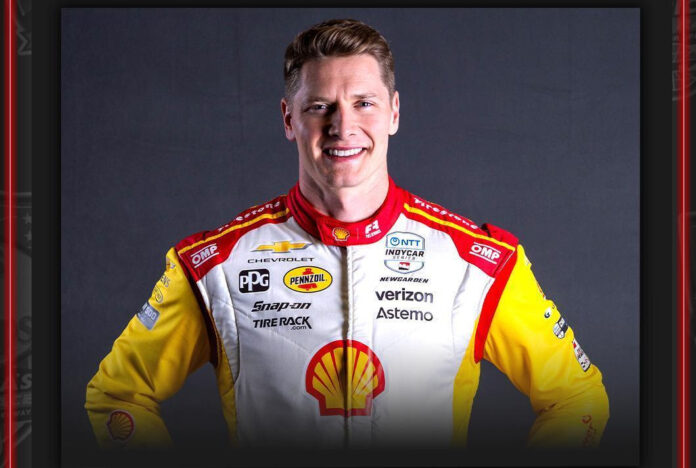
TWO-TIME INDY 500 WINNER JOSEF NEWGARDEN CELEBRITY PACE CAR DRIVER FOR BASS PRO SHOPS NIGHT RACE AT BRISTOL MOTOR SPEEDWAY

BRISTOL, Tenn. (Sept. 10, 2026) – Two-time Indianapolis 500 winner and two-time NTT INDYCAR SERIES champion Josef Newgarden will serve as the Chevrolet celebrity pace car driver for the Bass Pro Shops Night Race on Saturday, Sept. 19 at Bristol Motor Speedway.

The Nashville native will drive the official Chevrolet Corvette pace car and lead the NASCAR Cup Series field around Bristol’s high-banked, half-mile oval before pulling off the track moments before the green flag. For Newgarden, the honor fulfills a racing wish he made public years before becoming a back-to-back Indianapolis 500 champion.

“I want to do Bristol. I want to do the Bristol Night Race,” Newgarden told Autoweek in 2019 when asked which race topped his personal bucket list. “There’s more, but that’s No. 1. If I get to choose, it’d be the Bristol Night Race. What makes it so great is that there’s nothing like Bristol.”

Newgarden’s connection to Bristol began long before his championship career. He grew up attending races at the track with his father, experiences that helped spark his love of racing, and he will return for the Bass Pro Shops Night Race with his dad. The children’s book Josef’s BIG Dream: An INDY 500 Story includes a Bristol-inspired nod showing young Josef and his father watching open-wheel cars race inside a colosseum-like stadium. The book is available at shop.josefnewgarden.com.

One of the most accomplished American open-wheel racers of his generation, Newgarden won NTT INDYCAR SERIES championships in 2017 and 2019 and captured consecutive Indianapolis 500 victories in 2023 and 2024, becoming only the sixth driver to win The Greatest Spectacle in Racing in back-to-back years. He competes in the No. 2 Team Penske Chevrolet and has earned 34 career INDYCAR SERIES victories, including two during the team’s 60th anniversary season in 2026 at Phoenix Raceway and World Wide Technology Raceway, respectively. His appearance at Bristol will create another crossover moment during Team Penske’s milestone season, bringing one of the organization’s most decorated INDYCAR drivers to a track where its NASCAR Cup Series teams have competed for decades.

Newgarden’s role also creates a personal connection to the night’s celebration of Kyle Busch. Bristol’s concrete oval was listed as Busch’s favorite track to race, while Newgarden was listed as his favorite INDYCAR driver. The official Chevrolet pace car will carry a special decal honoring Busch, bringing two of his racing favorites together as Bristol celebrates the legacy of its all-time winningest driver across NASCAR’s three national series.

“Josef is one of Tennessee’s greatest racing champions, and we’ve known for years how much he has wanted to experience the Bristol Night Race,” said Jerry Caldwell, president and general manager of Bristol Motor Speedway. “Having him lead the NASCAR Cup Series field to green will be a special moment for our fans and for Josef. It becomes even more meaningful on a night when the pace car will carry a tribute to Kyle Busch, who loved racing at Bristol and counted Josef among his favorite drivers.”

The Bass Pro Shops Night Race on Sept. 19 will feature a star-studded entertainment lineup, including Academy Award-winning actor and producer Brad Pitt as a Grand Marshal and two-time Indianapolis 500 winner and two-time INDYCAR SERIES champion Josef Newgarden as the celebrity pace car driver leading the NASCAR Cup Series field to green. Saturday’s festivities also will include appearances by WWE Hall of Famer Ric Flair, a pre-race concert by Brian Kelley, Bristol’s signature driver introductions featuring music personally selected by the competitors, a children’s choir performing the national anthem, and Lee Greenwood singing “God Bless the USA” as a bald eagle soars above the stadium, followed by a dramatic flyover featuring two U.S. Air Force C-130s. Fans also will receive yellow “Rowdy Towels” and unite for an emotional Lap 18 tribute honoring Kyle Busch and his unmatched success at Bristol — another powerful, only-at-Bristol moment before the NASCAR Cup Series’ biggest stars battle under the lights in one of America’s most iconic sporting events.

For more information or to purchase tickets, visit BristolMotorSpeedway.com or call the BMS Ticket Sales Center at (866) 415-4158.

About Bristol Motor Speedway
Bristol Motor Speedway, known as The Last Great Colosseum, sits in the mountains of Northeast Tennessee near the Virginia state line. The 0.533-mile concrete oval, with 28-degree banking, hosts two major NASCAR Cup Series weekends each year, the tradition-rich Food City 500 and the crown jewel Bass Pro Shops Night Race. The venue has staged iconic moments such as the 2016 Pilot Flying J Battle at Bristol football game between the University of Tennessee and Virginia Tech (NCAA-record 156,990 fans), the 2025 MLB Speedway Classic between the Atlanta Braves and Cincinnati Reds (MLB regular-season record crowd of 91,032), the 2020 NASCAR All-Star Race, the rebirth of NASCAR Cup Series racing on dirt from 2021–2023 and sold-out concerts for Morgan Wallen and Kenny Chesney. Fans enjoy Colossus TV, the world’s largest outdoor, center-hung, four-sided video board. The adjacent Bristol Dragway is home to the NHRA Super Grip Thunder Valley Nationals, and the dragway can transform into the Thunder Valley Amphitheatre for music concerts. Opened in 1961 and acquired by Speedway Motorsports in 1996, Bristol remains one of America’s most unique and versatile sports and entertainment destinations. For more information, please visit www.bristolmotorspeedway.com.

Why the Second Visit to a NASCAR Track Can Be a Completely Different Race

A second visit to the same racetrack rarely means the same race. Teams arrive with useful notes from the first event, but those notes are only a starting point. Months of development, different weather, revised tire choices, and a changing track surface can alter the balance drivers need. What worked in spring may still help, yet copying it without adjustment can leave a team chasing the car.

The first race gives teams something valuable: evidence. Engineers can review balance changes, tire wear, pit strategy, driver feedback, and how the car behaved over long runs. Simulator work may build on those details. However, the return trip asks a harder question. Which lessons still apply, and which belong to conditions that no longer exist?

That idea of updating an early judgment as new evidence arrives also appears elsewhere in sports. Fans who follow season-long recognition can review the full NFL awards odds board at BetNow as performance, injuries, and team results reshape the major AP award races. At the racetrack, the same habit means treating old data as context rather than a prediction.

The Notebook Helps, but It Does Not Freeze the Track

A race notebook records what the team actually experienced. Crew chiefs can compare setup choices, tire behavior, lap time falloff, and driver comments from the first visit. If the car was too tight after 30 laps or lost rear grip in traffic, that information gives engineers a clear problem to revisit.

Still, NASCAR development continues between visits. Teams refine setups, learn more about the current car, and study what competitors have improved. A setup that was competitive five months earlier may no longer be strong enough against a field that has moved forward.

That is why returning teams use earlier data as a baseline rather than a template. William Byron discussed the problem before Martinsville in March 2026, explaining why spring and fall visits can require different approaches as development continues and tire falloff changes. At a short track, even a small difference in grip could alter braking points, corner rhythm, and tire management.

Weather Changes Grip and the Shape of a Run

Spring and fall races can take place in very different air and track temperatures. A warmer surface may offer less grip, while cooler conditions can change how quickly tires come in and how much they wear. Cloud cover, wind, and the time of day may also change the track during the race.

Those differences matter because setup is a compromise. Teams need enough grip to keep the car stable, but they also need speed over a full fuel run. If the return race is hotter, cooler, or held at night instead of during the afternoon, the useful balance can shift.

Drivers and crews therefore watch several signals during practice:

  • Track and ambient temperature
  • Tire wear and lap time falloff
  • Rubber buildup in the preferred groove
  • Changes in braking and corner entry
  • How the car reacts in traffic

Practice becomes a check on the notebook. If current conditions disagree with the spring data, the current track wins.

Tires Can Change the Entire Reference Point

A tire change could make the second race especially different. Construction and compound affect grip, heat, wear, and how much lap time drops during a run. That can change both setup decisions and strategy.

Bristol provided a clear example in 2025. Before the September night race, Goodyear selected a softer right-side tire after considering the expected difference in track temperature from the spring event. The goal was to create more tread wear on a surface expected to take more rubber.

A change like that affects more than tire life. If falloff becomes larger, drivers may need to protect the tires early in a run. Crew chiefs may also reconsider when to pit and how much track position is worth giving up for fresher rubber. Even when the tire specification stays the same, different temperatures and rubber buildup can make it behave differently.

Simulator Work Refines the Return Plan

Simulator Work Refines the Return Plan

The simulator is most useful when teams know what they are trying to solve. The first race supplies real braking points, handling complaints, and setup responses. Engineers can use that information to test alternatives before the hauler returns to the track.

However, simulation cannot reproduce every detail of a live race weekend. Rubber buildup, unexpected weather, surface changes, and traffic may all alter grip. The best preparation therefore combines simulated work with real track data and driver feel.

That balance explains why the second visit can be so revealing. Teams know more than they did the first time, but they also face a new version of the same problem. The strongest crews preserve useful lessons, question assumptions that no longer fit, and react quickly when practice shows that the track has changed. That is why the return visit starts with knowledge but still demands fresh decisions.

Hydration Mistakes That Can Hurt a NASCAR Driver’s Performance

Two hours into a summer race, the air inside the car is 130 degrees, and the driver has lost 6 pounds of sweat. The spotter calls traffic in turn 3. The answer comes back a fraction later than it did on lap 20, and the car placement that follows is a foot wider than it needed to be. That fraction of a second is a hydration problem, and most of it was set in motion before the green flag.

The Scale of Fluid Loss in a Stock Car

Cockpit temperatures in a NASCAR race are between 110 and 150 degrees Fahrenheit depending on the track, the ambient conditions, and how much exhaust heat reaches the floor pan. Drivers wear multilayer fire-resistant suits over that. The combination produces fluid losses above 1 liter per hour, and a driver finishing a 2-hour race is commonly 5 to 10 pounds lighter than at the start.

Research on drivers during competitive racing has recorded body weight decreases of 3% to 4% across a single event. Almost all of that is water. A driver who does not replace it arrives at the next race weekend still short, and the shortfall compounds across a summer schedule.

Cooling systems change the rate without changing the problem. Helmet air, cool suits, and floor insulation reduce the heat reaching the driver, but they are sized for survivability rather than comfort, and a driver in a well-cooled car is still burning 2,000 to 3,000 calories and sweating through a suit for 2 hours. The equipment reduces the heat load, and the fluid still has to be replaced at the same rate it leaves.

Pre-Race Fluid Timing

The most common mistake is treating the hour before the command to start engines as the hydration window. A driver who drinks a liter in that window absorbs some of it and passes the rest as urine within 90 minutes, which produces a full bladder on lap 30 and no meaningful gain in plasma volume.

Fluid taken across the previous 24 hours behaves differently, distributing into the blood and the tissue instead of moving straight through the kidneys. Sodium taken alongside that fluid improves how much of it stays. A normal salted meal the night before does more for race-day plasma volume than anything consumed in the final 60 minutes, which reverses the order most drivers put those two things in.

Sodium Replacement and Sweat Rate Variation

Sweat sodium concentration varies roughly tenfold between people. Measured values run from about 200 mg per liter at the low end to over 2,300 mg per liter at the high end, with an average near 950 mg per liter. The number is largely genetic and stays stable in adults, so a driver who tests once has a figure that stays valid for years.

That variation is why a single team-wide drink recipe fails somebody. A driver at 2,300 mg per liter losing 1.5 liters an hour is down more than 10,000 mg of sodium across a long race. Drivers who add an electrolyte powder for hydration to the bottle take in sodium with the fluid, and the concentration that suits one driver will be far too dilute for a teammate on the other end of the range.

Heat acclimation moves the number in the useful direction. Structured heat exposure lowers sweat sodium concentration in unacclimated athletes, which is part of why drivers who train in the heat through the spring lose less salt in July than drivers who train in air conditioning.

Overdrinking Under Caution

Caution laps are the only reliable chance to drink, so the instinct is to take as much as possible while the pace is slow. Large volumes of plain fluid taken in short bursts create the opposite problem from dehydration. Exercise-associated hyponatremia develops when hypotonic fluid intake exceeds sweat and urine losses, and blood sodium falls far enough to move water into cells.

The early signs are nausea, headache, dizziness, and disorientation. Those are also the early signs of heat illness, which is what makes the condition dangerous inside a race car. A driver who reads the symptoms as overheating responds by drinking more, and the extra fluid deepens the sodium deficit that caused them.

Cognitive Decline at 2% Body Mass Loss

Cognitive performance declines measurably once fluid loss reaches 2% of body mass, and the decline is sharper when heat stress is present at the same time. Reaction time and attention are the domains that show it first, with information processing and motor coordination degrading in the same range.

For a 180-pound driver, 2% is 3.6 pounds. At a fluid loss rate above 1 liter per hour, that threshold arrives inside the first hour of a race. Everything after it happens with degraded decision-making at closing speeds above 180 miles per hour, in traffic, with the tire falling off.

The driver cannot self-detect any of this in real time. Impaired judgment includes impaired judgment about one’s own judgment, and a dehydrated driver reports feeling fine because the faculty doing the reporting is the one that degraded. That is why teams that take hydration seriously treat it as a scheduled protocol with fixed volumes and fixed timing, the same way tire pressures are set, instead of leaving it to how the driver says he feels on the grid.

What this produces on track is a run of small errors. A brake point missed by 5 feet costs a position on corner exit, and a restart lane chosen a beat late costs three more. None of them look like a hydration failure from the pit box, which is why the problem tends to be diagnosed as a setup issue or a tire complaint instead.

Post-Race Rehydration Windows

Replacing the fluid lost during a race requires drinking 125% to 150% of the deficit, because some of what goes in leaves as urine before it is retained. Sodium has to come with it, or the kidneys pass the excess and the deficit persists into the following day.

Weighing before and after the race gives the number. A driver down 7 pounds needs roughly 4 liters of fluid with sodium across the following hours, spread out rather than taken in one sitting. Teams running a Saturday and Sunday schedule have under 24 hours to close that gap, and a driver who starts Sunday 2 pounds down reaches the cognitive threshold that much earlier in the race.

The Driver’s Fluid Budget

A scale used twice is the instrument that catches all of this. Weighing in before the race and again after it converts a vague sense of fatigue into a figure, and that figure sets the fluid and the sodium for the next 12 hours. Across a 36-race season that reading gets taken 72 times or it does not get taken at all, and the drivers who take it are the ones whose pace in the last 40 laps of a July race resembles their pace in the first 40.

Why Digital Site Planning Matters for Speedway Events

Motorsport events are built around speed, but successful event operations depend on careful planning. A race weekend involves far more than the racing surface. Teams need paddock access, spectators need safe routes, vendors need service areas, and emergency personnel need unobstructed paths. Temporary hospitality, signage, parking, lighting, and barriers all have to work together within a finite site.

A jpg to dxf workflow can help organizers turn an existing site image, scan, or sketch into a more editable reference drawing. It is not a replacement for a certified venue plan or safety review. It is an efficient way to organize early ideas, mark questions, and share a common visual reference with the people responsible for different parts of the event.

The benefit is clearest when a team is working from old documents or a photograph of a site. A digital drawing makes it easier to test the location of temporary structures, compare access routes, and explain changes before equipment arrives. That reduces the chance that an operational issue will first appear on event day.

Everything Beyond the Racing Line

The track is the obvious focus, but the visitor experience begins in the parking area and continues through every transition. Can spectators find the entrance? Is the route accessible? Are food and merchandise areas placed where crowds naturally gather without blocking movement? Does the hospitality zone have a clear relationship to the paddock and viewing areas?

These are spatial questions. A site drawing allows organizers to see the event as a connected system rather than a set of isolated installations. When a proposed grandstand changes pedestrian flow, the effect can be discussed before barriers and signs are installed. When a vendor row needs power or service access, the requirement can be marked on the same reference.

How an Image-Based Workflow Helps

Many venues have a mixture of resources: aerial photographs, old PDF plans, hand notes, and documents produced by different teams. Converting a useful image into a more workable drawing gives those resources a common starting point. Organizers can add labels, identify temporary features, and prepare versions for operations, vendors, and public-facing communication.

The workflow is especially useful during the concept stage. Before commissioning detailed engineering documents, a promoter can compare several layouts for a fan zone or hospitality area. A club can visualize how a community event might use underused space. A media team can create a clearer diagram for explaining the weekend to visitors and partners.

Safety and Professional Review Come First

Because motorsport venues involve high speeds, vehicles, crowds, and temporary infrastructure, accuracy and professional oversight are essential. A converted drawing may contain distortions or outdated information. It should be checked against current measurements, site conditions, local regulations, and the requirements of the venue’s safety professionals.

The value of conversion is preparation, not false certainty. It helps a team identify what needs to be measured, which routes need review, and where two plans may conflict. A better preliminary reference can make the later professional process faster and more focused.

Better Coordination, Better Fan Experience

When operations are coordinated, spectators notice the positive effects even if they never see the site plan. Queues move more smoothly, signs appear where they are needed, service areas remain accessible, and temporary structures feel intentional rather than improvised. The atmosphere becomes more exciting because the practical details do not interrupt it.

Digital site planning supports that outcome by giving teams a way to see the whole event before it opens. A photograph or scan becomes a reference that can be edited, annotated, and discussed. In a sport where every second matters, reducing avoidable uncertainty is one of the smartest advantages an organizer can create.

How to Watch Football Online: A Practical Guide for Fans

Photo by depositphotos at https://depositphotos.com/

Let’s face it—planning your Saturday around TV schedules feels so last decade. These days, football’s everywhere: on your phone during the commute, your laptop at work, or the big screen at home. But “convenient” doesn’t always mean “simple.” Just searching for a match isn’t enough. You’ve got to juggle stream quality, whether your ancient tablet can handle it, if your Wi-Fi will choke when the kids start streaming cartoons, and—crucially—whether that “free live stream” site is actually legit or a malware trap in disguise.

Understanding Online Football Streaming

At its core, football streaming is just watching the match live over the internet instead of through your old cable box. Depending on the service, you might get pure video, or you could also see live stats, fixtures, commentary, or links to other broadcasts—all bundled together.

Some sites go further: they’re like a football fan’s Swiss Army knife. Check upcoming fixtures, see real-time scores, glance at team lineups, or dig into match history—all while the stream runs (or if you can’t watch live). Ever searched for camel live free football streaming and ended up on a page packed with schedules, scores, and stream links? Yeah, that’s the all-in-one play. Handy if you’re juggling multiple leagues—but remember, those “free” links need extra scrutiny (more on that later).

Why Streaming Quality Matters (And It’s Not Just About Speed)

Here’s the thing nobody tells you upfront: even with “fast” internet, your stream can turn into a pixelated mess if the connection’s unstable. Live video needs a steady data flow—like a garden hose without kinks. If your Wi-Fi hiccups? Buffering. If someone starts a 4K Netflix download mid-match? Picture quality drops. If your laptop’s running ten browser tabs and a virus scan? Suddenly, the stream stutters during a counter-attack.

Speed is just one piece. Network reliability (is your router constantly dropping packets?), device grunt (can that old tablet decode HD smoothly?), browser quirks, and how many devices are sucking bandwidth all play a role. Pro tip for big matches: shut down unused apps, pause downloads, and if possible, plug straight into the router with an Ethernet cable. Wireless is convenient—but wired is king when every frame counts.

Choosing the Right Device

Most streaming services play nice with phones, tablets, laptops, desktops, and smart TVs—but “plays nice” isn’t universal.

  • Phones/tablets: Perfect for catching a match on the train or in the garden. Just watch out for battery drain and screen glare.
  • Laptops/desktops: Bigger screen, easier to multitask (stats on one tab, stream on another), and usually stronger processors for smooth HD.
  • Smart TVs: Aims for that “sofa experience,” but—and this is a big but—only if the service has a proper app or works flawlessly through the TV’s browser. Some cheaper TVs struggle with certain streams; always test it before matchday.

And screen size? It matters more than you think. Trying to follow a intricate passing move or spot a defender’s positioning on a tiny phone screen is like reading a map through a straw. For tactical nuance, bigger is genuinely better—just make sure your viewing distance suits the screen (no one wants sore eyes from staring at a 65” TV from two feet away).

Checking Fixtures Before Kickoff

Smart fans don’t wing it. A quick glance at fixtures before the match saves so much hassle: kickoff times, which competition it is, who’s playing. This is gold for international fans—because that 3 PM kickoff in England? It’s 8 PM in Pakistan, 7 AM in New York, or midnight in Sydney. Time zones are sneaky.

Good platforms organize things cleanly: league tabs, tournament brackets, date filters. Lets you spot the derby you’ve been waiting for or avoid accidentally tuning into a U-23 reserve match when you wanted the Champions League.

Live Scores and Match Information

Sometimes, you can’t watch the full stream—maybe you’re in a meeting, on patchy mobile data, or just want to track multiple games at once. That’s where live score services shine.

They’ll ping you with goals, cards, subs, halftime/full-time scores, and key incidents—all using a fraction of the data a video stream needs. Many also toss in lineups, player stats (shots, passes, tackles), head-to-head records, and team news. It’s not the same as watching live, but when you’re stuck in an airport lounge with one bar of signal? It’s a lifeline.

Copyright and Broadcast Rights (Yes, This Is Boring—but Vital)

Okay, deep breath: this is where most fans trip up. Just because a stream is free and easy to find doesn’t mean it’s legal or safe. Broadcasting rights are a messy web—leagues sell them to specific broadcasters for specific countries. So, that match streaming freely on Site X in Nigeria? Might be geo-blocked or outright illegal in Germany, Brazil, or your hometown.

That “free live stream” link promising the El Clásico? If it’s not from an official broadcaster’s site/app, there’s a high chance it’s:

  • Pirated (hurting the clubs/leagues you love)
  • Loaded with dodgy ads that try to scam you
  • Hosting malware disguised as a “video plugin”
  • Suddenly vanishing mid-match when the rights-holders shut it down

Always ask: Does this service actually have the rights to show this match HERE? Official broadcasters, league apps, and trusted sports platforms are your safest bet. It’s not just about ethics—it’s about avoiding headaches (and potential viruses).

Protecting Your Personal Devices

Real talk: if a site begs you to install a “special video player” or “codec update” to watch a match, close the tab immediately. Legit streams work in your standard browser or official app—no weird extras needed.

Keep your phone/laptop updated, use decent antivirus, and treat any site that bombards you with pop-ups, fake “Download Now” buttons, or requests for your email/phone number “to verify you’re not a robot” like you would a sketchy alleyway at 2 AM. If it feels off, it probably is. Your data and device security aren’t worth risking for a stream.

Making Football Viewing More Enjoyable (Without Breaking the Bank)

You don’t need a stadium-grade setup to enjoy the game. Focus on the basics:

  • Stable internet (more on this above—it’s 80% of the battle)
  • A screen big enough to see the action clearly (no squinting at offside calls)
  • A comfy spot where you won’t get neck strain after 20 minutes
  • Decent audio (so you can hear the crowd roar or the ref’s whistle)

Little things help too:

  • Check fixtures early so you’re not scrambling 5 minutes before kickoff
  • Bookmark one reliable source for scores/news (so you’re not jumping between 5 sketchy sites)
  • Use platforms that organize matches by league/date/team—makes following multiple competitions way less chaotic

Conclusion

Online football’s given fans freedom we couldn’t dream of a decade ago—live matches, stats, fixtures, and news whenever and wherever we want. But that freedom comes with responsibility: respect your internet’s limits, pick devices that won’t frustrate you, prioritize legal streams (for your safety and the sport’s health), and guard your devices like they’re your lucky matchday scarf.

Get those basics right, and suddenly, watching football online isn’t just convenient—it’s genuinely joyful. No more missing a last-minute winner because you were stuck in traffic. No more arguing over the TV remote. Just you, the game, and the thrill of seeing it unfold—wherever you are, however you like to watch.

How to Turn Images Into Professional Floor Plans Using AI

A home improvement project often begins with a simple image.

It may be a photo from a real estate listing, a picture of your current home, or an inspiration image saved from a design website. These images help homeowners imagine what a space could become, but they usually do not provide enough information to make practical decisions.

A photo shows the appearance of a room, but it does not always explain how the space is organized.

You may love the style of a kitchen, but still wonder whether the layout would work in your own home. You may find a living room design you like, but not know whether your furniture would actually fit.

Before making major renovation decisions, understanding the structure of a space is often the first step.


Why Home Photos Are Only the Beginning

Photos are an important part of the design process.

They help homeowners collect ideas about:

  • furniture styles;
  • colors;
  • materials;
  • room atmosphere;
  • decoration preferences.

However, renovation requires more than visual inspiration.

A picture usually cannot answer questions such as:

  • Where are the walls located?
  • How are different areas connected?
  • How much usable space is available?
  • Would another layout work better?
  • How should furniture be arranged?

For example, a beautiful living room photo may show an attractive sofa arrangement, but it does not tell you whether that setup fits the actual size and shape of your room.

A better understanding of the space helps homeowners make more confident decisions.


Planning Layout Ideas Before Starting Renovation

Many homeowners begin a renovation with a collection of images and a general idea of what they want.

The challenge is turning those ideas into a practical layout.

Before construction starts, people often need to think about:

  • improving room flow;
  • creating more functional spaces;
  • adding storage;
  • changing room purposes;
  • making better use of available areas.

For homeowners who want to explore different possibilities before making major decisions, an AI floor plan generator free without login solution can provide an easier way to test layout ideas and understand how a space could be organized.

Instead of starting with complicated design software, users can begin with their own ideas and explore different possibilities more quickly.

This is especially useful for:

  • home renovations;
  • apartment redesigns;
  • furniture planning;
  • future construction projects.

The purpose is not to replace architects or designers, but to make the early planning stage easier and more accessible.


From Layout Planning to Interior Visualization

Understanding the floor plan is only one part of creating a successful home.

After deciding how the space should function, homeowners usually start thinking about the visual side of the project.

Questions often include:

  • Which colors fit the room?
  • What furniture style works best?
  • Which materials create the right feeling?
  • How can different areas feel connected?

After exploring layout options, interior design ai free online tools can help homeowners visualize different design directions before making final choices.

interior design ai free online

The same room layout can create very different experiences depending on the style:

  • modern and minimalist;
  • warm and comfortable;
  • functional and family-friendly;
  • elegant and sophisticated.

Combining layout planning with interior visualization allows homeowners to consider both function and appearance.


Turning Images Into Digital Floor Plan Concepts

Once homeowners have a clearer idea of what they want to achieve, the next challenge is understanding the existing space.

A room photo contains valuable information, but turning that image into a useful layout traditionally required manual measurements and professional design software.

Today, an Image to Floor Plan AI solution can help transform visual references into clearer floor plan concepts.

Image to Floor Plan AI

This approach can be helpful for:

  • homeowners preparing renovations;
  • buyers evaluating properties;
  • designers creating early concepts;
  • anyone trying to better understand an unfamiliar space.

Instead of looking at a room from only one perspective, homeowners can gain a clearer view of how the space may be organized.


Making Better Decisions Before Spending Money

Renovation decisions can be expensive.

A layout that looks good in a photo may not work well in daily life. Furniture that looks perfect online may not fit the actual space. A design idea may need adjustments once people understand the room better.

Exploring different possibilities before construction begins can help reduce these problems.

A better planning process allows homeowners to:

  • compare different arrangements;
  • identify potential issues earlier;
  • communicate ideas more clearly;
  • make decisions with greater confidence.

The earlier a problem is discovered, the easier it is to solve.


A More Visual Future for Home Design

Home design has always been a visual process.

People want to see possibilities before investing time and money into renovation projects.

AI tools are making this process easier by helping homeowners move from inspiration to planning.

A photo can inspire an idea.

A floor plan can explain the space.

Interior design can show the final vision.

Together, these steps create a more complete way to approach home improvement.


Conclusion

A single image can be the starting point of a great renovation idea, but understanding the space behind that image is what makes better decisions possible.

By combining AI-powered floor planning, image analysis, and interior visualization, homeowners can explore more options before beginning a project.

The future of home design is becoming more accessible, allowing more people to confidently plan spaces that match their needs and lifestyle.

How Football Streaming Has Changed the Way Fans Watch Live Matches

Photo by depositphotos at https://depositphotos.com/

Introduction

Let’s be real—watching football isn’t just about plopping down in front of the TV anymore. These days, thanks to better internet and everyone having smartphones, tablets, or smart TVs, catching a match live online has become the norm for a lot of us. It’s not replacing traditional TV entirely, but it’s definitely given us way more options.

If you’ve ever searched for something like camel live free football streaming (hey, we’ve all been there!), it’s worth knowing how this online viewing actually works, what can mess with the quality, and why sticking to legit sources matters. Streaming makes it super convenient to watch games from anywhere—but let’s be honest, the experience can be hit or miss depending on the service.

What Is Live Football Streaming?

Basically, it’s watching the match happen in real time over the internet instead of through your usual cable or satellite box. You pull it up on your phone, laptop, or smart TV using an internet connection.

How does it work? Well, the video gets chopped into tiny pieces that get sent to your device non-stop. Your player stitches them together fast enough so it feels live. As long as you’ve got decent internet and access to an official stream, you can watch from your couch, your commute, or even a café.

Loads of legit broadcasters now offer their TV coverage online too. In Pakistan, for example, how sports are shown online falls under certain rules (thanks to PEMRA), and big tournaments often have separate deals for TV versus streaming rights.

Why Fans Like Watching Football Online

Honestly? Flexibility is the biggest win. With regular TV, you’re kinda stuck in front of the set. But online? You can jump on a laptop while traveling, catch the game on your phone when you’re out, or hook your computer up to the big screen at home. This is especially handy for international matches that air at weird times—no more setting alarms for 3 a.m. kickoffs just to not miss it.

Some services also toss in extras like live stats, match timelines, or different commentary angles. But heads up: those extras depend entirely on the broadcaster. Don’t assume every stream will have them.

Internet Connection and Streaming Quality

Here’s the thing: even if a stream promises HD, your actual viewing experience lives or dies by your internet. A shaky or congested connection can turn that crisp picture into a blurry, buffering mess—fast.

Speed matters, sure, but it’s not the whole story. Things like latency (that annoying delay), how reliable your network is, how well your device handles the stream, and even how many people are hogging bandwidth in your house can all play a role.

Ever seen the stream freeze or drop quality for no reason? Before blaming the streaming site, check your own setup. Is the Wi-Fi in that room bad? Anyone downloading a big file in the background? Router working overtime? Sometimes a simple fix like closing unused apps or switching to Ethernet for your TV goes a long way.

Understanding Football Broadcasting Rights

This is where it gets tricky. Who gets to show what match where isn’t random—it’s all negotiated through broadcasting deals. A league or tournament sells the rights to specific companies for certain regions. That’s why you might see a match on one app in Pakistan but not on the same app in, say, the UK. And yeah, these deals can change season to season.

Take the Pakistan Super League: the PCB recently locked in new broadcast and streaming rights for 2026–29, showing how TV and online rights often get handled separately.

Bottom line? Before you click “play” on a stream, double-check that the service actually has the rights to show that match in your country. Otherwise, you might get blocked mid-game—or worse, end up on a sketchy site.

Free Streaming and Important Considerations

“Free” in streaming land can be confusing. Some broadcasters offer a few matches gratis (maybe with ads), while others make you sign up, sit through commercials, or pay for a package. Just because a site says “free football stream” doesn’t mean it’s legit or safe.

Always ask: Where’s this coming from? Do they have the rights to show it? Shady free streams often come with red flags—like endless pop-ups, fake “download now” buttons, or sites asking for way too much personal info. Seriously, don’t install random plugins or software just to watch a match. It’s not worth the risk to your device or data.

Choosing a Better Viewing Experience

Want to avoid frustration? Do a quick sanity check first:

  1. Is this broadcaster actually allowed to show this match where you live? (Check their site or a quick search.)
  2. Does your internet speed match what they recommend for HD/UHD?
  3. Will it work smoothly on your device? (e.g., Does your old tablet struggle with 1080p?)
  4. Do they have clear info on costs, ads, or support if things go wrong?

If you’re in Pakistan, a peek at PEMRA’s guidelines can help you spot authorized services—worth bookmarking if you stream often.

The Future of Football Streaming

Online football isn’t going anywhere—it’s only getting better. Broadcasters are blending traditional TV with digital options, internet infrastructure keeps improving, and smarter video tech means streams use less bandwidth without losing quality.

But here’s the catch: those broadcasting rights aren’t disappearing. Where you watch will still depend on your country, the tournament, and even the time of year.

At the end of the day, knowing how streaming works helps you pick smarter. Whether you’re using your cable provider’s app, an official league service, or another trusted online option, aiming for reliable access, decent picture quality, online safety, and legit rights just makes the whole experience way less stressful—and way more fun.

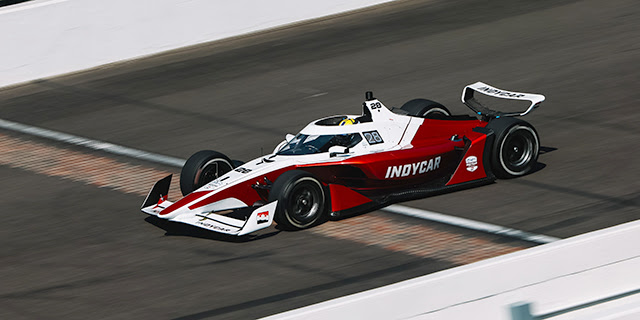
Early Steps Toward Speed Taken With New IR-28 Car in First Oval Test at IMS

IR-28 INDYCAR Testing at Indianapolis Motor Speedway.

INDIANAPOLIS (Wednesday, Sept. 9, 2026) – There is plenty that remains unknown about the NTT INDYCAR SERIES’ next-generation car.

Alexander Rossi discovered a little more Wednesday.

On a hot and humid day with temperatures climbing into the low 90s at Indianapolis Motor Speedway, Rossi became the first driver to turn a wheel in the superspeedway configuration of the IR-28 chassis, beginning the next phase of INDYCAR’s development of its new-for-2028 car.

“It does everything that INDYCAR SERIES machinery should do around here,” Rossi said. “We got through some basic mechanical and aero changes to kind of understand the offsets that they’re going to present to us in a couple of years, and there was no surprise. It was really pretty standard.”

The test marked the first time the IR-28 has run on an oval after making its public track debut early last month on the Indianapolis Motor Speedway road course. Rossi and Alex Palou shared driving duties during that initial outing, extended to three days because of rain.

Both drivers are back for this oval test, with ECR’s Rossi again representing Chevrolet teams and Chip Ganassi Racing’s Palou representing Honda teams, and learning how the car responds to the unique demands of an oval.

The IR-28 is designed to be lighter than the current car, with revised aerodynamics intended to improve stability and reduce the aerodynamic disadvantage of closely following another car. Wednesday’s laps at IMS provided the first indication of how those objectives translate to an oval.

“The car is doing everything it’s supposed to,” said Mike O’Gara, INDYCAR’s vice president of Competition and Race Engineering. “Obviously, Dallara took everything they knew from the DW12 and put it into this car. Immediately, without honestly changing any setup on it, Alex (Rossi) went out and was flat on the throttle and very comfortable.”

That was an encouraging first step, but O’Gara and Rossi each stressed that Wednesday was about gathering information rather than chasing performance.

INDYCAR is approaching the test with a “crawl, walk, run” philosophy, using Rossi’s laps to begin understanding how the car responds to changes before pushing the development further.

That gradual approach is particularly important on an oval.

The current INDYCAR SERIES machinery has been developed for more than a decade, and its Speedway package is highly refined. The IR-28, meanwhile, is beginning that process from scratch.

Rossi said the IR-28 already feels how an INDYCAR SERIES car should on the 2.5-mile IMS oval, even if there is still considerable work ahead.

“I wouldn’t say there was anything drastically different from this car to the current car that we have,” Rossi said. “Some subtle things here and there if you’re really nitpicking at it, but, in general, I think it’s important to remember that the current-generation Speedway car that we have around here is pretty dialed and it’s pretty good.”

That makes Wednesday less about discovering a revolutionary difference and more about identifying the smaller changes that can ultimately shape the 2028 car.

“I don’t think that there needs to really be any major glaring issues,” Rossi said. “It’s all just early days and trying to get time on it and understanding what little adjustments do here and there. There’s nothing huge separating it from the current car that we have.”

O’Gara said the ease with which 2016 Indianapolis 500 winner Rossi adapted was another positive sign.

“I was just talking to (INDYCAR Officiating technical director) Nick Allen, who’s sort of pseudo-crew chief this week, and super happy with how easy the car is to work on,” O’Gara said. “It’s very intuitive.”

Rossi’s test day was the first step. 2025 Indianapolis 500 winner Palou takes over Thursday, giving INDYCAR and Dallara another perspective on the car and its potential in “The Greatest Spectacle in Racing.” The feedback from Rossi and Palou will be measured against the data collected by engineers as development continues toward the car’s race debut in 2028.