

Home Blog Page 21

What to Do After a Car Accident Injury: A Practical Guide to Protecting Your Claim

A car accident can happen in just seconds, but the consequences may last for months or even years. Beyond vehicle damage, an injured person may face medical treatment, lost income, insurance disputes, emotional stress, and uncertainty about what to do next. Taking the right steps immediately after a collision can help protect your health, preserve important evidence, and make it easier to understand whether you may have grounds for a legal claim.

When an accident results in significant injuries or disputed responsibility, consulting an experienced legal professional such as Affinity Law can help you understand your options. Injury law may become particularly important when determining liability, documenting losses, dealing with insurance companies, and pursuing compensation after a serious motor vehicle accident. 

What Should You Do Immediately After a Car Accident?

The first priority after any collision should be safety and medical care. Legal and insurance concerns matter, but they should not come before addressing an emergency.

If you are able to do so safely, move away from immediate traffic hazards and check whether anyone else requires emergency assistance. Call the appropriate emergency services when necessary.

Even if an injury initially appears minor, consider getting medical attention. Some injuries may not produce obvious symptoms immediately after a crash. A medical professional can evaluate your condition and create documentation of any injuries associated with the accident.

Contact Law Enforcement When Appropriate

Depending on the circumstances and local requirements, you may need to report the collision to injury law enforcement.

An official accident report can contain useful information about:

  • The location and time of the crash
  • Vehicles involved
  • Statements from drivers
  • Statements from witnesses
  • Road or weather conditions
  • Observations made by responding officers

Request or retain a copy of the report when it becomes available.

Document the Accident Scene

Evidence can disappear quickly after a collision. Vehicles may be moved, road conditions can change, and witnesses may leave the area.

If you are physically able and it is safe to do so, take photographs or videos of the scene.

Consider documenting:

  • Damage to every vehicle involved
  • Your visible injuries
  • The surrounding road
  • Traffic signs and signals
  • Skid marks or debris
  • Weather conditions
  • Road defects
  • Vehicle positions
  • Relevant property damage

Do not put yourself in danger simply to obtain a photograph. Safety should always come first.

Collect Witness Information

If people witnessed the accident, politely ask for their names and contact information if it is safe and appropriate.

Independent witnesses may be able to provide useful information about how the collision occurred, particularly if the drivers later provide conflicting accounts.

Seek Medical Attention and Follow Treatment Recommendations

Medical documentation can play an important role in an injury claim.

After an accident, keep records relating to:

  • Emergency treatment
  • Doctor appointments
  • Diagnostic tests
  • Prescriptions
  • Physical therapy
  • Rehabilitation
  • Follow-up appointments
  • Medical expenses

Follow your healthcare provider’s recommendations and attend scheduled appointments.

If symptoms change over time, inform your medical provider. Avoid minimizing symptoms simply because they were not immediately apparent following the collision.

Notify Your Insurance Company

Insurance policies often contain requirements regarding accident reporting. Notify your insurer within the timeframe required by your policy and applicable law.

When communicating with an insurance company, provide accurate information about what happened. Avoid speculating about facts you do not know.

For example, if you are uncertain about the speed of another vehicle, it is generally better to say that you do not know rather than guess.

Be Careful With Recorded Statements

An insurance company may ask questions about the accident or request a recorded statement.

The appropriate response can depend on the circumstances and the applicable insurance policy. If the accident involves significant injuries, disputed liability, or a potentially substantial claim, consider obtaining legal advice before making important statements about the incident.

Do Not Immediately Accept the First Settlement Offer

After an accident, an insurance company may make a settlement offer.

It can be tempting to accept money quickly, particularly when medical bills and other expenses are accumulating. However, an early settlement may not account for the full extent of an injury, especially when the long-term prognosis is not yet clear.

Before accepting a settlement, consider whether you understand:

  • The full extent of your injuries
  • Current medical expenses
  • Potential future treatment
  • Lost income
  • Other financial losses
  • The legal consequences of signing a release

Once a claim is settled and a release is signed, there may be limited or no opportunity to seek additional compensation for the same incident, depending on the applicable law and agreement.

Understanding Fault in a Car Accident

Determining who is legally responsible for a crash is not always straightforward.

One driver may appear responsible at first, but the investigation may reveal additional factors. For example, responsibility can potentially involve:

  • Distracted driving
  • Speeding
  • Impaired driving
  • Failure to yield
  • Unsafe lane changes
  • Poor road conditions
  • Vehicle defects
  • Multiple drivers

Some jurisdictions also apply comparative or contributory negligence rules that can affect the amount a person may recover.

Because the rules differ by state and circumstances, an injured person should avoid assuming that being partially responsible automatically eliminates every possible legal remedy—or that another driver is automatically liable simply because the collision occurred.

What Damages Can a Car Accident Claim Include?

The losses available in a car accident claim depend on the circumstances and applicable law.

Potential categories may include medical expenses, lost wages, property damage, rehabilitation costs, and compensation for certain forms of pain, suffering, or reduced quality of life.

Medical Expenses

Medical costs can extend beyond the initial emergency room visit.

Treatment may include specialist appointments, physical therapy, medication, rehabilitation, and future medical care.

Keeping organized records of these expenses can help establish the financial impact of the accident.

Lost Income

An injury may prevent someone from working temporarily or permanently.

Depending on the applicable law, compensation may potentially address certain lost wages or reductions in earning capacity.

Keep documentation such as pay statements, employment records, and information regarding missed work.

Pain and Other Non-Economic Losses

Some legal systems allow compensation for non-economic losses associated with an injury.

These can potentially involve physical pain, emotional distress, loss of enjoyment of life, or similar consequences.

The rules and methods used to evaluate these damages vary significantly by jurisdiction.

Keep a Personal Accident File

One of the simplest ways to stay organized is to create a dedicated file for everything related to the collision.

Include copies of:

  • Police reports
  • Medical records
  • Medical bills
  • Insurance correspondence
  • Photographs
  • Repair estimates
  • Receipts
  • Employment documentation
  • Witness information
  • Attorney correspondence

You can also maintain a personal timeline describing important developments after the accident.

Record medical appointments, changes in symptoms, missed workdays, communications with insurers, and other relevant events. This can help create a clear chronology of what happened.

Avoid Discussing Your Claim on Social Media

Social media can create unexpected complications in an injury dispute.

Avoid posting detailed descriptions of the accident, arguments about who was responsible, or photographs that could be misunderstood.

Even an innocent post can potentially be taken out of context.

It is generally wise to keep discussions about an active legal claim private and follow advice from your attorney regarding online activity.

Car accident claims can be subject to statutes of limitations and other deadlines.

These deadlines vary depending on the state, the nature of the claim, the parties involved, and other circumstances. Certain claims involving government entities or other special circumstances may involve additional notice requirements.

Waiting until the deadline is approaching can create unnecessary risk.

If you believe you may have a personal injury claim, obtaining information about the applicable deadlines as early as possible is a sensible step.

When Should You Contact a Lawyer?

Not every minor collision requires legal representation. However, speaking with a lawyer may be particularly helpful when:

  • You suffered serious injuries
  • Your recovery is expected to take significant time
  • Liability is disputed
  • Multiple vehicles were involved
  • The insurance company denies responsibility
  • The insurer offers a settlement you believe is inadequate
  • You cannot return to work
  • You may require future medical treatment
  • The accident involved unusual circumstances

An attorney can review the facts, explain applicable legal principles, and help you understand your options.

Learn More About Disputed Crash Liability

Determining fault can become one of the most complicated parts of a car accident claim. Different drivers may provide different versions of what happened, while physical evidence, witness testimony, insurance records, and other information may need to be examined.

Readers interested in understanding this issue further can also explore this Speedway Media guide on what auto accident lawyers do when crash liability is disputed. Understanding how disputed liability can affect an injury claim can help accident victims prepare better questions when seeking legal guidance.

Final Thoughts

Knowing what to do after a car accident injury can make a difficult situation more manageable. Seek medical attention, report the collision when appropriate, preserve evidence, document your losses, communicate carefully with insurers, and keep detailed records.

Most importantly, do not assume that an injury claim is simple just because the accident itself appeared straightforward. Questions about fault, insurance coverage, medical treatment, future losses, and legal deadlines can significantly affect the outcome.

When injuries are serious or responsibility is disputed, professional legal advice can help an injured person understand the available options and make informed decisions. The goal is not simply to file a claim—it is to protect your legal interests while focusing on recovery and obtaining an appropriate resolution under the law.


New vs. Used Car : Pros and Cons Every Buyer Should Consider

Buying a car usually starts with a simple question: should you buy new or used?

The answer is not always as straightforward as it seems. A new car can offer the latest technology, warranty protection and the reassurance of knowing exactly where the vehicle came from. A used car, on the other hand, can make it possible to spend less while still getting many of the features you want.

There is no one right answer that suits all. Your budget, driving habits, financing options and plans for the vehicle all matter. If you’re considering a Honda, exploring financing options early can help you determine what fits comfortably within your budget before choosing between a new and used vehicle.

Understanding the pros and cons of new vs used cars can help you make a decision based on what actually works for you.

The Advantages of Buying a New Car

There is something appealing about being the first owner of a vehicle. You know its history from day one, and you generally have fewer unknowns to consider.

You Get the Latest Features

New vehicles come with the newest technology, safety features and convenience equipment available for that model.

Depending on the vehicle, that could mean updated infotainment, smartphone connectivity, advanced driver-assistance systems, improved fuel economy or newer hybrid technology.

If having the latest features is important to you, a new vehicle may be worth considering. It can also make sense if you intend to keep the car for many years and want the latest technology.

Warranty Coverage Can Add Peace of Mind

Another major advantage of buying new is factory warranty coverage.

A manufacturer’s warranty generally covers certain defects or problems for a specified period or number of miles. Exactly what is covered and for how long depends on the manufacturer and vehicle.

That coverage can be particularly valuable during the first few years of ownership. Instead of worrying about whether an unexpected mechanical problem will result in a large repair bill, you may have warranty protection available for covered issues.

You Have More Control Over Your Choice

Shopping for a new vehicle can also give you more options. You can choose the trim levels, colors, equipment and configurations, depending on what is available.

If you have a very specific idea of what you want, buying new can make that easier. You can compare trims and choose the feature combination that best fits your needs.

Financing Incentives May Help

New vehicles may sometimes come with manufacturer financing promotions, rebates or other incentives. These offers can change the overall value equation.

That does not automatically make a new car cheaper than a used one. Look at the complete financing offer, including the annual percentage rate (APR), loan length, amount financed and total amount you will pay.

The Disadvantages of Buying a New Car

The biggest drawback of a new vehicle is usually the initial cost.

New cars generally cost more than comparable used vehicles. That can mean a larger down payment, a higher amount financed or a larger monthly payment.

Depreciation is another factor. A new vehicle can lose value during the early years of ownership. The amount and speed of depreciation vary significantly by model and market demand.

That is why it is worth looking at expected resale value when comparing vehicles.

Insurance can also be more expensive for some new vehicles because of their higher value. However, insurance rates depend on many factors, including the vehicle, driver, location, coverage and insurer.

The Advantages of Buying a Used Car

For shoppers who want to stretch their budget, used vehicles can be a compelling alternative.

A Lower Purchase Price

The most obvious benefit is the potential savings.

Buying a vehicle that is a few years old can give you access to many of the same features and capabilities as a new model without paying the price of a brand-new vehicle.

That can be particularly useful when your budget is fixed. Instead of limiting yourself to a base-level new vehicle, you might be able to find a better-equipped used model for a similar amount of money.

You May Get More Vehicle for Your Budget

Used-car shopping can sometimes open the door to a higher trim level, larger vehicle or additional features that would cost considerably more when purchased new.

For example, someone with a set budget might have to choose between a new entry-level model and a well-equipped pre-owned vehicle. Looking at both can reveal options that would otherwise be overlooked.

Of course, price should not be the only consideration. Mileage, condition, maintenance history and equipment all affect whether a used vehicle represents good value.

Some Depreciation Has Already Happened

A used vehicle has already gone through part of its depreciation cycle.

That does not mean every used vehicle will automatically hold its value better, but buying after some depreciation has occurred can reduce the amount of value you lose compared with buying the same vehicle new.

Researching resale values before buying can help you understand how a particular model performs over time.

Certified Pre-Owned Vehicles Offer Another Option

There is also a middle ground between buying new and buying a traditional used vehicle: certified pre-owned, or CPO.

CPO programs vary by manufacturer, but eligible vehicles may receive inspections and come with additional warranty protection or other benefits.

For shoppers who like the lower price of a used vehicle but want additional reassurance, certified pre-owned models are worth considering.

The Disadvantages of Buying a Used Car

The biggest challenge with a used vehicle is that you need to know its history.

A used car has already been driven, and its condition can depend heavily on how previous owners treated and maintained it.

Mileage, maintenance, accident history, number of previous owners and previous use can all affect the vehicle.

You should also pay close attention to the vehicle’s warranty coverage. Some used vehicles may still have portions of their original factory warranty remaining. Others may be sold with limited warranty coverage or on an “as is” basis.

Taking a little extra time to understand those details can prevent unpleasant surprises later.

New Car vs. Used Car: Look at the Entire Cost

One of the biggest mistakes shoppers make is focusing only on the monthly payment.

A $400 monthly payment might look more attractive than a $500 payment, but the lower payment could come from a longer loan term. A longer loan can mean paying more interest over the life of the loan.

You should also consider expenses beyond the loan. Taxes, registration, insurance, fuel, maintenance and repairs all contribute to the actual cost of owning a vehicle.

That is particularly important when comparing an older used vehicle with a newer one. A lower purchase price does not necessarily mean lower overall ownership costs if the vehicle requires more maintenance or repairs.

If you are considering Honda auto financing, compare financing terms carefully and consider the total cost of the loan rather than choosing an offer solely because the monthly payment looks comfortable.

Paul Moak Honda’s finance department provides financing options for both new and used vehicles and offers online pre-approval and payment-calculation tools for shoppers.

Questions to Ask Before You Decide

Still unsure which direction to take? Start with a few practical questions.

How long do you plan to keep the vehicle?

If you expect to keep your car for many years, buying new could give you the benefit of starting with no previous driving history and full factory warranty coverage.

If you tend to replace vehicles more frequently, a carefully selected used vehicle could reduce your upfront spending.

How important are the newest features?

If you want the latest safety systems, technology or powertrain options, a new vehicle may make more sense.

If you are comfortable with a model a few years old, buying used can offer many of the features you want at a lower price.

What does your complete budget look like?

Think beyond the sticker price. Include the down payment, financing, insurance, fuel, maintenance, registration and potential repairs.

Are you willing to research a used vehicle’s history?

If you choose used, do your homework. Get the vehicle history report, review maintenance records when available, check for open recalls and consider an independent mechanical inspection. The FTC specifically recommends these steps when evaluating a used vehicle.

For shoppers comparing used cars Jackson MS, looking at several vehicles rather than settling on the first one you see can make it easier to compare mileage, equipment, condition and pricing.

Buying a New Car vs. Used: There Is No One-Size-Fits-All Answer

When weighing the pros and cons of buying a new car vs used, it helps to think about value rather than simply choosing the cheaper option.

A new car can offer the latest technology, warranty protection, greater choice and a known history from the first mile. A used car can offer a lower purchase price, potentially more features for your money and the opportunity to avoid some of the depreciation associated with a brand-new vehicle.

Certified pre-owned vehicles add another possibility for buyers who want some of the benefits of both. The best choice depends on your circumstances.

If you are shopping in Jackson, a Honda dealership Jackson MS can give you the opportunity to compare new and pre-owned vehicles in the same place. Seeing the options side by side can make the differences in price, features, mileage and condition much easier to understand.

Most importantly, do not rush the decision. Research the vehicle, take it for a test drive, understand the warranty, compare financing offers and look at the total cost of ownership.

Whether you ultimately choose new or used, the goal is the same: find a dependable vehicle that fits your needs and your budget without putting unnecessary strain on your finances.

23XI Racing NASCAR Driver Tyler Reddick Reveals Sleep Apnea Diagnosis, Teams Up with Resmed to Help Others Recognize the Signs

Reddick, a 13-time NASCAR Cup Series winner and 2026 Daytona 500 Champion, shares how prioritizing sleep health is an important part of his recovery and performance routine

San Diego, CA, Aug. 25, 2026 – Resmed (NYSE: RMD, ASX: RMD), the leading health technology company focused on sleep, breathing and care delivered in the home, today announced a new collaboration with 23XI Racing and their NASCAR Cup Series driver Tyler Reddick to encourage more people to recognize the signs of sleep apnea and seek diagnosis and treatment.  

In NASCAR, sustained concentration, physical endurance and split-second decisions can be the difference between winning and losing. Research shows that even one night of poor sleep can impair sustained attention and increase reaction time.[1] After being diagnosed with obstructive sleep apnea (OSA) and starting continuous positive airway pressure (CPAP) therapy in early 2026, Tyler went on to become the first driver in NASCAR Cup Series history to open a season with three consecutive victories, which included the Daytona 500. His experience highlights the performance advantage that treating his sleep apnea can provide.

For years, Reddick dismissed his sleep apnea symptoms including loud snoring, morning headaches, low energy and waking up feeling unrested. His experience reflects a broader challenge. OSA, the most common form of sleep apnea, impacts nearly 1 billion people globally[2], yet more than 80% of cases remain undiagnosed and untreated[3], often because symptoms are mistaken as normal. Reddick is sharing his experience to help raise awareness of sleep apnea and encourage people experiencing poor sleep to seek care sooner.

“Looking back, I had sleep apnea symptoms for a long time, but I didn’t think it was something that could affect me,” said Reddick. “I noticed a difference after night one of using my Resmed CPAP therapy, and it completely changed the way I approach recovery, preparation and performance. I’ve realized that a competitive edge is built through the habits you commit to every day, and prioritizing my sleep health has become one of the most important. If sharing my experience helps someone else recognize the signs and take action, that’s a win.”

OSA can affect anyone, including people who appear healthy and active. Left untreated, it is associated with serious health conditions including cardiovascular disease, stroke and diabetes.[4],[5] CPAP therapy, the gold standard treatment for OSA, works by delivering pressurized air through a mask to help keep the airway open during sleep.[6]

“Tyler’s willingness to share his story helps challenge outdated assumptions about who can have sleep apnea,” said Carlos Nunez, MD, chief medical officer at Resmed. “Sleep apnea affects people of all ages, body types and health profiles, yet many people may not realize their daytime fatigue could be connected to how they breathe at night. By amplifying Tyler’s journey, we hope more people recognize the signs, seek care and experience the life-changing benefits CPAP treatment can have on their health.”

Throughout the remainder of the 2026 NASCAR season, Resmed and Reddick will share sleep health education through Tyler’s personal journey with sleep apnea, encouraging more people to recognize the signs and understand the role sleep plays in recovery and performance. Resmed branding will also be present on track with 23XI on Reddick’s No. 45 Toyota Camry XSE at select NASCAR Cup Series races:

  • Bristol Motor Speedway, Sept. 19
  • Talladega Superspeedway, Oct. 25
  • Homestead-Miami Speedway, Nov. 8

Think you may have sleep apnea? Take Resmed’s Sleep Assessment to learn more about your sleep and next steps.

About Resmed

Resmed (NYSE: RMD, ASX: RMD) creates life-changing health technologies that people love. We’re relentlessly committed to pioneering innovative technology to empower millions of people in 140 countries to live happier, healthier lives. Our AI-powered digital health solutions, cloud-connected devices and intelligent software make home healthcare more personalized, accessible and effective. Ultimately, Resmed envisions a world where every person can achieve their full potential through better sleep and breathing, with care delivered in their own home. Learn more about how we’re redefining sleep health at Resmed.com and follow @Resmed.

About 23XI Racing

 23XI Racing – pronounced twenty-three eleven – was founded by NBA legend Michael Jordan and three-time Daytona 500 winner Denny Hamlin in 2020. With rising NASCAR star Bubba Wallace selected to drive the No. 23 Toyota Camry, the team made its NASCAR Cup Series debut in the 2021 Daytona 500 at Daytona International Speedway. Wallace made history on October 4, 2021, when he captured his first career Cup Series win, becoming just the second African American to win in the Cup Series, and earning 23XI its first-ever victory. 23XI expanded to a two-car organization in 2022 with Cup Series Champion and Hall of Famer Kurt Busch driving the No. 45 Toyota Camry. With a win at Kansas Speedway in May of 2022, Busch earned 23XI the team’s first-ever playoff berth. Tyler Reddick joined the team in 2023 to drive the No. 45 car. In 2024, Reddick won the Regular Season Championship and raced to a spot in the Championship 4, a first for both the team and Reddick. In 2026, Reddick made history by winning the first three Cup Series races of the season, including the Daytona 500. 23XI currently features the lineup of Bubba Wallace in the No. 23 Toyota Camry XSE, Tyler Reddick in the No. 45 Toyota Camry XSE and Riley Herbst in the No. 35 Toyota Camry XSE. Corey Heim currently serves as the team’s development driver and races occasionally in the No. 67 Toyota Camry XSE. The team operates out of Airspeed, a state-of-the-art facility in Huntersville, N.C.

The Five-Minute Habit That Can Rewrite Your Equipment’s Future

Photo by depositphotos at https://depositphotos.com/

Most people assume that protecting expensive machinery requires expensive solutions, elaborate schedules or specialist software. In reality, one of the most powerful habits available to any worksite takes no more than five minutes, and it costs absolutely nothing beyond a moment of genuine attention.

A Habit Small Enough to Fit Anywhere

The habit itself is simple. Before starting a shift, take five minutes to walk around the machine, checking fluid levels, looking for fresh leaks, listening for anything unusual, and noting how the equipment feels compared to the day before. None of this requires special tools or training, only consistency, repeated often enough to become second nature rather than an afterthought.

Why Five Minutes Is Enough

It might seem too brief to matter, yet most serious hydraulic problems begin as small, detectable signs long before they become genuine failures. A slightly low fluid level, a faint stain beneath a fitting, or a sound that feels marginally different are all things a five-minute check can catch. Waiting for a formal inspection often means these early signals are missed entirely, simply because nobody was looking closely enough at the right moment.

The Compounding Effect Over Time

A single five-minute check rarely changes much on its own. Repeated daily across weeks and months, however, it builds a detailed, evolving picture of how a machine normally behaves. This accumulated familiarity makes it far easier to notice when something is genuinely different, rather than relying on memory alone or guessing whether today’s reading is unusual.

Preventing the Expensive Alternative

Left unnoticed, small issues rarely stay small. A minor seal weep can progress into a significant leak, and unchecked internal wear can eventually require full hydraulic cylinder repair rather than a straightforward adjustment. The five-minute habit exists precisely to interrupt this progression early, catching problems while they remain inexpensive and simple to address.

Making the Habit Stick

The hardest part of any habit is not the action itself but the consistency behind it. Attaching the check to something that already happens every shift, such as the moment before starting the engine, removes the need to remember it separately. Over time, the habit stops feeling like an extra task and becomes simply part of how the day begins.

Encouraging the Whole Team

This habit works best when it spreads beyond a single dedicated operator. Encouraging every person who touches a piece of machinery to spend five minutes observing it before use builds a genuinely shared culture of care. Small observations from multiple people, gathered consistently, often reveal patterns that one person alone might easily overlook amid a busy schedule.

A Future Worth Rewriting

Five minutes is a small price to pay for the kind of insight that can quietly protect a machine’s entire working life. Businesses that build this habit into their daily rhythm often find themselves dealing with fewer surprises, lower repair costs and equipment that simply lasts longer than expected. It is a modest investment of time that, over months and years, genuinely reshapes the future of the equipment a business depends on.

Breast Augmentation in Dubai: What the Consultation Doesn’t Always Cover

Photo by depositphotos at https://depositphotos.com/

Most people researching this procedure start with photos. Before and after galleries, implant shapes, size comparisons. What gets less attention is the part that actually determines whether someone is happy with the result a year later: the conversation before surgery, the recovery weeks that follow, and the honest answer to whether a particular body type and lifestyle actually suits the choice being considered.

This article covers what breast augmentation in Dubai actually involves from decision to recovery, including the parts that don’t usually make it into a photo gallery.

Understanding the Procedure Itself

Breast augmentation increases breast size and can adjust shape using either silicone or saline implants, placed either above or below the chest muscle depending on the patient’s anatomy and goals. The placement decision affects both the look of the result and the recovery timeline, so it’s rarely a one-size-fits-all choice. Also check this Male Breast Reduction in dubai

Silicone Versus Saline

Silicone implants tend to feel closer to natural tissue and are generally the more common choice today, while saline implants are filled after placement, which allows for a smaller incision. Neither option is universally “better.” The right choice depends on body type, the amount of existing breast tissue, and personal preference around firmness and feel.

Above or Below the Muscle

Placing the implant under the chest muscle often gives a more natural slope at the top of the breast and may reduce the visibility of the implant edge, particularly for people with less natural tissue. Placement above the muscle typically means a shorter initial recovery but can show more implant visibility in people with thinner tissue coverage. A qualified surgeon will assess this based on a physical exam, not a generic recommendation. Also Check Our Top Rated tummy tuck treatment in dubai

What the Consultation Should Actually Cover

Realistic Sizing, Not Just a Number

A common mistake is choosing an implant size based on a specific cup size in mind, without accounting for chest width, existing tissue, and skin elasticity. The same implant volume can look completely different on two people with different frames. A thorough consultation for breast augmentation in Dubai should include sizing based on measurements and imaging, not just a preferred number pulled from a photo.

Questions Worth Asking Before Booking

Patients should ask how many similar procedures the surgeon performs each year, what their specific complication rate looks like, and what the plan is if a revision is needed later. A surgeon who answers these plainly, with real numbers rather than vague reassurance, is generally a stronger sign of experience than marketing claims on a website.

What Recovery Actually Looks Like

The First Two Weeks

Most patients experience swelling, tightness, and limited arm mobility during the first one to two weeks, with prescribed pain management during the initial days. Returning to a desk job typically happens around one to two weeks post-surgery, though this varies by individual and by how physically demanding the job is.

Weeks Three Through Six

Swelling continues to reduce gradually, and most patients can resume light exercise around the four-week mark, with a doctor’s clearance. Strenuous activity, particularly anything involving the chest or upper body, is usually restricted until at least six weeks to protect healing tissue.

When Final Results Actually Settle

This is a detail many patients aren’t told clearly beforehand: implants often take three to six months to fully “settle” into their final position and shape, as swelling resolves and tissue adjusts. Judging the final result too early, at the two-week mark, often leads to unnecessary worry about an outcome that’s still changing.

Risks Worth Understanding Honestly

Like any surgical procedure, breast augmentation carries real risks, including infection, changes in nipple sensation, capsular contracture (scar tissue tightening around the implant), and the possibility that a revision surgery may eventually be needed. Implants aren’t considered lifetime devices, and most surgeons recommend monitoring them over time, with the possibility of replacement after roughly ten to twenty years depending on the individual case. A surgeon who presents this information clearly during consultation, rather than glossing over it, is giving patients what they need to make an informed decision.

How Patients Are Researching Differently Now

More patients arrive at consultations having already researched implant types, surgeon credentials, and recovery timelines online, sometimes using AI-powered search tools to compare options before ever booking an appointment. This shift means consultations increasingly start from a more informed baseline, with patients asking sharper, more specific questions than in the past. Surgeons who welcome this kind of preparation, rather than treating it as a challenge to their authority, tend to build more trust with patients making a significant decision.

Why Choose Dr Jaffer Khan

Dr Jaffer Khan’s approach to breast augmentation in Dubai begins with a detailed physical assessment and a conversation about the patient’s goals before any implant type or size is discussed, rather than starting from a standard recommendation. Sizing decisions are based on chest measurements, tissue quality, and skin elasticity specific to each patient, and the consultation includes a clear walkthrough of risks, recovery timeline, and what results realistically look like at each stage of healing. Follow-up appointments are scheduled through the full recovery period, not just the initial weeks, so changes as implants settle can be monitored properly over time. That structure, thorough assessment first and consistent follow-up after, reflects how a procedure with this level of permanence should be handled.

Making the Decision

Breast augmentation is a significant decision that goes well beyond choosing a size from a photo. A good consultation should leave a patient with a clear understanding of their options, the recovery process ahead, and the realistic risks involved, not just a confident sales pitch. Taking the time to ask detailed questions and understand the full timeline, from surgery day to final results months later, makes for a far better outcome than deciding based on before-and-after photos alone.

What Are the Warning Signs That You Need Brake Repair?

Photo by depositphotos at https://depositphotos.com/

What Are the Warning Signs That You Need Brake Repair?

Your vehicle’s braking system works every time you slow down, stop at an intersection, or react to unexpected traffic. Because brakes are essential to vehicle safety, you should never ignore small changes in braking performance.

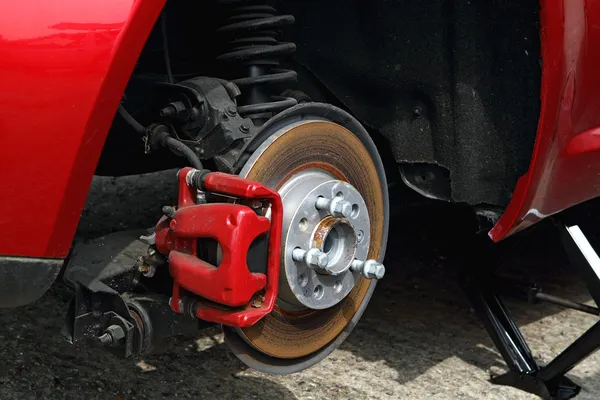
Unusual noises, a soft brake pedal, vibrations, or longer stopping distances can indicate that components such as brake pads, rotors, calipers, brake fluid, or hydraulic parts need attention. Recognizing these signs early can help prevent more expensive repairs and keep your vehicle dependable.

So, what should you watch for when determining whether your vehicle needs a brake repair service?

Why Should You Pay Attention to Changes in Brake Performance?

Brake problems don’t always appear suddenly. In many cases, your vehicle provides warning signs before a component becomes severely damaged.

For example, worn brake pads can produce squealing or grinding noises, while damaged or warped rotors may cause vibration when braking. A soft or spongy pedal can also indicate an issue within the hydraulic braking system. Ignoring these symptoms may allow a relatively manageable problem to develop into damage involving multiple brake components.

What Brake Problems Should You Never Ignore?

Several warning signs deserve prompt attention. These include:

  • Squealing or grinding when braking
  • A soft or spongy brake pedal
  • Vibration through the steering wheel or pedal
  • Increased stopping distance
  • Pulling to one side while braking
  • A brake or ABS warning light
  • Burning smells after heavy braking
  • Visible brake fluid leaks

Grinding is particularly concerning because it can indicate metal-to-metal contact between brake components. Continuing to drive in this condition can cause additional rotor damage.

If your vehicle is showing any of these symptoms, scheduling a professional inspection is safer than waiting for the problem to worsen.

When Should You Schedule a Brake Service?

No single mileage interval applies to every vehicle. Brake wear depends on factors such as driving habits, traffic conditions, vehicle weight, brake component quality, and how frequently the vehicle is driven.

For this reason, regular brake inspections are important even when your brakes appear to be working normally. A professional technician can evaluate your braking system and identify early signs of wear before they affect your vehicle’s stopping performance.

A professional brake service may include inspecting brake pads and rotors, checking brake fluid, examining calipers and brake lines, and diagnosing ABS-related problems when necessary.

What Does a Professional Brake Repair Service Include?

Brake repair isn’t limited to replacing brake pads. Depending on the vehicle’s condition, professional service may involve several components of the braking system.

A comprehensive brake repair service can include:

  • Brake pad replacement
  • Brake rotor replacement
  • Brake caliper repair
  • Brake fluid flushing
  • Brake line and hose repair
  • Master cylinder repair
  • ABS diagnosis and repair
  • Brake booster repair
  • Parking brake adjustment and repair

How Can You Find Reliable Brake Repair Near You?

Searching for brake repair near me can produce dozens of local options, but proximity shouldn’t be the only consideration.

Look for an automotive repair shop that provides qualified technicians, clear estimates, quality replacement parts, thorough inspections, and a warranty on applicable repairs. Transparent communication is also important because you should understand what needs repair and why before authorizing the work.

Brake technicians should be ASE-certified, and the shop should provide digital vehicle inspections, upfront pricing, and same-day or next-day service on most brake repairs.

Whether you’re experiencing brake noise, pedal vibration, or another braking concern, getting the vehicle inspected promptly can help identify the underlying problem before it becomes more serious.

How Can Regular Brake Inspections Help Prevent Bigger Problems?

Regular inspections give drivers a chance to identify component wear before it becomes a larger repair. For example, addressing worn brake pads before severe deterioration can help protect other components from unnecessary damage. A brake inspection during oil-change visits notes that brake pad life can vary significantly depending on driving conditions, vehicle weight, and other factors.

The key is not to wait for a complete loss of braking performance. If something feels or sounds different when you press the brake pedal, have it evaluated.

If you’re experiencing unusual braking symptoms, finding the right repair shop is an important part of keeping your vehicle safe. Don’t ignore unusual brake noises, vibrations, warning lights, or changes in pedal feel. Getting the problem inspected early can help protect your vehicle, your budget, and most importantly, your safety on the road.

Trailer Maintenance Checklist: What to Inspect Before Every Haul

The single most common reason trailers break down on the road is something that would have taken five minutes to catch before leaving the driveway. A blown tire from low pressure. A burned-out tail light. A wheel bearing that’s been grinding for weeks. A coupler that wasn’t latched properly. None of these are complicated failures. They’re all preventable with a basic pre-trip inspection and a reasonable maintenance schedule.

Whether you’re hauling equipment to a job site, livestock to auction, or a car to a show, the checklist is essentially the same. Walk around the trailer, check the critical systems, and fix what needs fixing before you’re on the highway at 65 miles per hour with a problem that’s now dangerous instead of just inconvenient.

Here’s the full checklist, organized by what to check before every single trip and what to check on a longer maintenance cycle.

Before Every Trip: The 10-Minute Walk-Around

This takes 10 minutes and should become automatic. Every time you hook up, every time you leave. No exceptions.

Tires and tire pressure. This is number one for a reason. Underinflated trailer tires are the leading cause of blowouts, and trailer tires run higher pressures than most people expect. Check the sidewall for the maximum rated pressure and inflate to that number, not the lower pressure you’d run on your truck tires. Look for cracks in the sidewall, uneven wear, bulges, or embedded objects. If a tire looks questionable, replace it before the trip, not during.

Lug nuts. Give every lug nut a quick check with a wrench. Loose lug nuts don’t always make noise before the wheel comes off. This is especially important on new trailers and trailers that recently had wheel work done. The first 50 to 100 miles after any wheel service, lug nuts should be retorqued.

Lights and wiring. Plug in the trailer, turn on the truck, and have someone stand behind the trailer while you run through every light: running lights, brake lights, left turn, right turn, hazards. A burned-out brake light is a ticket waiting to happen and a rear-end collision waiting to happen. Check the wiring harness and connector for corrosion, exposed wires, and secure connections. Carry spare bulbs and fuses.

Coupler and hitch. Confirm the coupler is fully seated on the ball, the latch is closed and locked, and the safety pin or lock is in place. Tug on it. If there’s any play or the coupler lifts off the ball, something is wrong. A coupler that comes undone at highway speed is one of the most dangerous trailer failures there is.

Safety chains. Cross the chains under the coupler in an X pattern. This creates a cradle that catches the tongue if the coupler fails, keeping the trailer connected to the truck long enough to stop safely. The chains should have enough slack to allow full turns but not so much that they drag on the ground.

Breakaway cable or chain. If your trailer has electric brakes, it should have a breakaway system: a cable or chain connected to a small battery that activates the trailer brakes if the trailer separates from the truck. Make sure it’s connected, the battery is charged, and the cable has enough slack for turns but would pull the pin if the trailer actually separated.

Brakes. If your trailer has brakes, test them. Pull forward slowly and apply the trailer brake controller. The trailer should slow the rig noticeably. If you feel nothing, the brakes aren’t working and you need to find out why before you leave.

Load securement. Straps, chains, binders, whatever is holding your cargo should be tight, rated for the weight, and positioned correctly. Check that nothing has shifted since you loaded. Loose cargo on a trailer is a highway hazard for everyone behind you.

Jack and stands. Make sure the tongue jack is fully raised and the crank handle is secured. A dangling jack that hits a speed bump or a steep driveway transition can bend or break, and at worst can catch the road and lever the trailer off the hitch.

Mirrors and visibility. With the trailer attached, confirm you can see both sides of the trailer in your mirrors. If the trailer is wider than your truck, you may need extended tow mirrors. Not being able to see what’s beside and behind you is a hazard you can prevent with a $40 mirror extension.

That’s the full before-every-trip walk-around. Ten minutes. Once it’s habit, it goes faster.

Monthly Maintenance: The Deeper Check

Once a month, or every 500 to 1,000 miles of towing, go deeper than the walk-around.

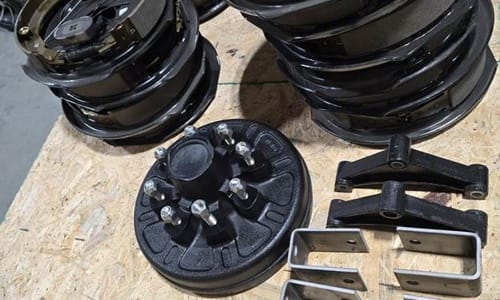
Wheel bearings. Grab each wheel at the 12 and 6 o’clock position and try to rock it. Any play or looseness means the bearings need attention. Listen for grinding or humming while towing, which are early signs of bearing wear. Bearing failure is one of the most common and most preventable trailer breakdowns. If your trailer has grease zerks on the hubs, pump fresh grease in monthly during heavy use.

Brake inspection. For electric brakes, pull a wheel and check the brake shoes for wear. Most have a wear indicator: if the shoe material is below the indicator line, replace them. Check the magnet on electric brakes for wear. For surge brakes (hydraulic), check the master cylinder fluid level and look for leaks around the actuator. Brake maintenance is the single most safety-critical item on this list.

Springs, hangers, and suspension. Look under the trailer at the leaf springs, spring hangers, shackles, and U-bolts. Cracked or broken leaf springs are common on trailers that haul heavy loads on rough roads. Loose U-bolts can let the axle shift, which throws off tracking and causes tire wear.

Frame and welds. Inspect the frame rails, cross members, and any visible welds for cracks. Pay attention to high-stress areas: where the coupler meets the tongue, where the axle mounts to the frame, and where the fenders attach. Small cracks caught early are a simple weld repair. Left alone, they become structural failure.

Floor condition. On flatbed and utility trailers, check the deck boards or steel floor for rot, rust, warping, or loose fasteners. A rotten deck board that breaks under a loaded pallet or a piece of equipment is a bad day for everyone. On enclosed trailers, check the floor from underneath for rust or soft spots.

Electrical connections and ground. Clean the plug connector contacts with electrical contact cleaner or fine sandpaper. Corrosion on the ground pin is the most common cause of intermittent light problems. A bad ground makes lights dim, flicker, or not work at all even when the bulbs are fine.

Seasonal Maintenance: Twice a Year

Twice a year, typically before the busy season and before winter storage, do a more thorough service.

Repack or replace wheel bearings. If your trailer doesn’t have bearing buddies or EZ-lube hubs, the bearings should be pulled, cleaned, inspected, repacked with fresh grease, and reassembled at least once a year. If you tow frequently or haul heavy, twice a year is better. This single maintenance item prevents more roadside breakdowns than any other.

Brake adjustment and service. Electric brakes need periodic adjustment as the shoes wear. Most have an adjuster accessible through a hole in the backing plate. Hydraulic surge brakes need fluid changes and actuator inspection. If your brakes feel weak or uneven, service them before the next trip, not after.

Tire age check. Trailer tires age out even if they still have tread. The rubber degrades from UV exposure and oxidation. Check the DOT date code on the sidewall (a four-digit number: the first two digits are the week, the last two are the year of manufacture). Most manufacturers recommend replacing trailer tires after 5 to 6 years regardless of tread depth. Old tires with good tread blow out without warning.

Rust treatment and paint touch-up. Inspect the frame, fenders, and any exposed steel for rust. Catch it early with a wire brush, rust converter, and spray paint. Untreated rust weakens structural members over time. In salt-belt states, undercarriage rust inspection is especially important after winter.

Winch, ramps, and tie-down points. If your trailer has a winch, test the cable or strap for fraying and the ratchet for smooth operation. Check ramp hinges and springs. Inspect D-rings and tie-down anchors for bending or weld cracks.

Coupler and ball wear. Over time, the coupler and hitch ball wear against each other. A worn coupler that doesn’t grip the ball tightly is a separation risk. Check for excessive play and replace worn components. This is cheap insurance.

The Emergency Kit Every Trailer Should Carry

None of this replaces a good walk-around, but things still go wrong on the road. Keep a basic kit on or in the trailer.

A properly inflated spare tire and the tools to change it (lug wrench that fits your trailer’s lug nuts, not just the one that came with the truck, plus a jack that can lift the loaded trailer). Spare bulbs and fuses for the trailer lights. A set of bearing buddies or a spare bearing and seal for the most common failure. Extra tie-down straps. A can of bearing grease. Electrical tape, wire connectors, and a multimeter or test light. Wheel chocks. A flashlight.

For anyone who hauls regularly and wants to keep spare parts on hand without guessing what they’ll need, a trailer parts dealer like Loewen 1776 Trailer and EV Carts can help put together the right kit based on your specific trailer brand and model. Having the right spare bearing, seal, or brake magnet for your exact axle saves time and stress when something goes wrong 200 miles from home.

What Most People Skip (And What It Costs Them)

Two maintenance items get skipped more than everything else combined: wheel bearings and tire age.

Bearing failure accounts for a huge share of roadside trailer breakdowns. It starts as a slight hum, progresses to a grinding noise, and if ignored long enough ends with the hub seizing, the wheel locking up, the tire shredding, and in worst cases the wheel coming off entirely while the trailer is moving. A bearing repack costs almost nothing. A roadside bearing failure with a loaded trailer costs a tow, a repair, lost time, and potentially a wrecked trailer or worse.

Tire age is the silent killer. People check tread depth but ignore the date code. A 7-year-old trailer tire with perfect tread can blow out at highway speed because the rubber has degraded internally from age, heat cycling, and UV exposure. This happens constantly, and it’s preventable by replacing tires on an age schedule, not just a wear schedule.

Both of these are simple, cheap maintenance items. Both get skipped because the trailer “seems fine.” And both cause the kind of failures that turn a routine haul into an emergency.

A Quick Note on Trailer Parts Quality

Not all replacement parts are equal, and for safety-critical components like bearings, brake shoes, tires, and coupler parts, quality matters more than the price difference suggests.

Budget bearings and seals from unknown brands can fail far sooner than name-brand parts from Timken, SKF, or the trailer manufacturer’s OEM supplier. Cheap brake shoes may not have the friction material quality to stop a loaded trailer reliably. Off-brand tires may not meet the load rating they claim.

For safety-critical parts, buy from a source that stocks name-brand components and can match the correct part to your specific trailer make, model, and axle configuration. Getting the wrong bearing size or brake shoe for your axle is a mistake that’s easy to make when ordering online by guesswork, and it’s a mistake that can have serious consequences on the road.

Bottom Line

Trailer maintenance isn’t complicated, but it has to be consistent. The before-every-trip walk-around takes 10 minutes and catches the majority of problems before they become roadside emergencies. Monthly bearing checks, brake inspections, and suspension checks catch the slower-developing issues. Seasonal bearing repacks, tire age checks, and rust treatment keep the trailer safe and extend its useful life by years.

The trailers that break down are almost never the ones that were maintained. They’re the ones where someone figured it was fine because it looked fine from 10 feet away. Five minutes of checking beats five hours of sitting on the shoulder waiting for a tow.

Build the walk-around habit. Keep the right spare parts on hand. Replace bearings and tires on schedule, not on failure. That’s the whole maintenance philosophy, and it works every time.

Frequently Asked Questions

How often should I repack my trailer wheel bearings? At least once a year for trailers towed regularly, and twice a year for trailers hauling heavy loads or towing frequently. If your trailer has EZ-lube or bearing buddy hubs, you can add grease more often without a full repack, but the bearings should still be pulled and inspected annually.

How do I know if my trailer tires need replacing? Check both tread depth and the DOT date code on the sidewall. Most manufacturers recommend replacing trailer tires after 5 to 6 years regardless of remaining tread, because the rubber degrades internally from age and UV exposure. Sidewall cracks, bulges, or uneven wear are also replacement signals.

What’s the most common cause of trailer breakdowns? Tire blowouts from underinflation or aged tires and wheel bearing failure from lack of greasing are the two most common causes by a wide margin. Both are completely preventable with basic pre-trip checks and a reasonable maintenance schedule.

Do I need to check my trailer brakes before every trip? A quick brake test (pulling forward slowly and applying the brake controller) should be part of every pre-trip walk-around. A deeper inspection of brake shoes, magnets, and adjustment should happen monthly or every 500 to 1,000 miles of towing.

What spare parts should I carry on the trailer? At minimum: a properly inflated spare tire with the correct lug wrench and a jack rated for the loaded trailer, spare light bulbs and fuses, extra tie-down straps, bearing grease, and basic electrical repair supplies. Ideally also a spare bearing and seal matched to your specific axle.

Lambo Rental Dubai: A Complete Guide to Renting Supercars in Dubai

Dubai is famous for luxury, modern architecture, premium shopping, and an impressive automotive culture. For many visitors, driving a high-performance vehicle is an important part of experiencing the city. Lamborghini is one of the most recognizable names in the luxury automotive world, making it a popular choice for travelers and residents who want an exciting and stylish driving experience.

Whether you are visiting Dubai for a holiday, attending a special event, or simply looking for an unforgettable experience, renting a Lamborghini can offer a unique way to explore the city. With different models, rental durations, and service options available, it is possible to choose a vehicle according to your preferences and budget.

Why Rent a Lamborghini in Dubai?

A Lamborghini is more than just a means of transportation. Its distinctive styling, powerful performance, and premium interior make it an attractive option for people who want something special.

Dubai’s modern roads and impressive surroundings also provide a suitable setting for enjoying a luxury vehicle. From Downtown Dubai to Dubai Marina and Palm Jumeirah, there are many iconic areas where a premium car can complement the overall travel experience.

Unlike purchasing an expensive vehicle, renting allows you to enjoy the experience for a specific period without dealing with long-term ownership costs. This makes a Lamborghini rental appealing to tourists, business travelers, car enthusiasts, and residents.

Lambo Rental Dubai for Different Occasions

Choosing lambo rental dubai can be a great option for several occasions. Many customers rent Lamborghini vehicles for birthdays, weddings, anniversaries, corporate events, photo sessions, or weekend experiences.

For tourists, a Lamborghini can make a holiday more memorable. Instead of using ordinary transportation throughout your trip, you can select a premium vehicle and enjoy a more personalized driving experience.

For business professionals, a luxury vehicle may also be useful when attending meetings or corporate events. The right car can provide comfort while creating a sophisticated impression.

Choosing the Right Lamborghini Model

Different Lamborghini models provide different experiences, so it is important to consider your preferences before making a booking.

Lamborghini Huracán

The Huracán is known for its sporty appearance and impressive performance. Its compact design and powerful engine make it an attractive choice for drivers who want an exciting supercar experience.

Lamborghini Urus

The Urus combines Lamborghini’s performance-focused character with the practicality of an SUV. It can be a suitable option for customers who want more passenger space while still enjoying a premium driving experience.

Lamborghini Aventador

The Aventador is recognized for its dramatic styling and powerful performance. It can be an excellent choice for special occasions and enthusiasts looking for an iconic Lamborghini experience.

Availability can vary by rental company, season, and vehicle demand, so it is worth checking the current fleet before booking.

Super Cars Rent in Dubai

Dubai has developed into one of the world’s popular destinations for premium and exotic vehicles. People searching for super cars rent in dubai can find a variety of brands and models designed for different preferences.

The available selection may include Lamborghini, Ferrari, McLaren, Porsche, Bentley, Rolls-Royce, Mercedes-Benz, BMW, and other premium manufacturers.

Each brand offers a different experience. Some customers prefer the aggressive styling and performance of a supercar, while others may prioritize luxury, comfort, or practicality. Comparing several options can help you find the right vehicle.

Benefits of Renting a Supercar

One of the biggest advantages of renting a supercar is flexibility. You can select a vehicle based on the occasion and rental duration rather than committing to long-term ownership.

Other potential benefits include:

  • Access to premium and exotic vehicle models
  • Flexible rental durations
  • A memorable experience for special occasions
  • Comfortable and stylish transportation
  • Opportunity to experience different automotive brands
  • Suitable options for holidays, events, and business trips

For car enthusiasts, rental services also provide an opportunity to experience vehicles they may not otherwise have the chance to drive.

What to Check Before Booking

Before renting a Lamborghini or another supercar, carefully review the rental terms. Prices can vary depending on the model, rental period, season, mileage allowance, and additional services.

Check whether the quoted price includes insurance and understand the security deposit requirements. You should also ask about mileage limits and any additional charges that may apply.

It is equally important to check the driver’s eligibility. Rental companies may have minimum age requirements and specific documentation requirements. International visitors should confirm whether their driving license is accepted before completing the reservation.

Inspect the Vehicle Before Driving

Before taking the vehicle, inspect its exterior and interior carefully. Look for any existing scratches, dents, or other visible damage.

Taking clear photographs or videos before starting your rental can provide a record of the vehicle’s condition. You should also confirm that any existing damage has been documented by the rental company.

This simple step can help avoid misunderstandings when the vehicle is returned.

Follow Dubai Traffic Rules

Driving a Lamborghini is exciting, but safety should always come first. Dubai has well-maintained roads and clear traffic regulations, and drivers are expected to follow local laws.

Always respect speed limits, traffic signals, lane rules, and parking regulations. Avoid aggressive driving and remember that a high-performance vehicle can respond differently from an ordinary car.

Responsible driving allows you to enjoy the vehicle while keeping yourself and other road users safe.

Book in Advance for Better Availability

Popular Lamborghini models can be in high demand, especially during holidays, weekends, and major events. Booking ahead can give you more choices regarding vehicle models and rental periods.

Before confirming your booking, compare the available models and ask about the exact vehicle you will receive. If you have a specific Lamborghini in mind, confirming its availability in advance is particularly important.

Explore Dubai in Style

One of the attractions of renting a Lamborghini is the opportunity to combine a premium vehicle with Dubai’s famous destinations. You can drive through areas such as Downtown Dubai, Dubai Marina, Jumeirah, and Palm Jumeirah while enjoying the comfort and distinctive character of a luxury car.

A supercar can also add something special to photography sessions and celebrations. Its striking appearance can make it an excellent choice for creating memorable moments.

Final Thoughts

A Lamborghini rental can turn an ordinary trip into a more exciting and memorable experience. With a wide selection of premium vehicles available in Dubai, customers can choose a model that matches their personality, occasion, and requirements.

When searching for Lambo Rental Dubai, consider the vehicle model, rental price, insurance, mileage policy, deposit, and company requirements before booking. If you are interested in exploring other options, Super Cars Rent in Dubai services can provide access to a wide range of luxury and exotic vehicles.

With advance planning, careful vehicle inspection, and responsible driving, renting a Lamborghini can be an enjoyable way to experience Dubai’s luxury lifestyle and world-class automotive culture.

Buying or Selling a Home? Don’t Overlook the Damp Survey

Photo by depositphotos at https://depositphotos.com/

When a property changes hands, both sides are focused on the obvious: the price, the location, the state of the kitchen. What almost nobody looks at until it’s too late is what’s happening inside the walls. Damp is one of the most common problems in older housing and one of the most frequently missed during a sale, and whether you’re buying or selling, overlooking it can cost you far more than the survey ever would.

A dedicated damp survey isn’t the same as a general homebuyer’s report. It’s a focused inspection that finds moisture problems, diagnoses their cause, and provides pricing information that protects a buyer from a nasty surprise and lets a seller stay in control of the deal. Here’s why it matters on both sides of the transaction, and when to book one.

Why Buyers Shouldn’t Skip It

A standard homebuyer’s survey covers the whole property in a few hours. When the surveyor sees signs of moisture, they typically flag it and recommend a specialist look, rather than diagnosing the cause themselves. That leaves the buyer with a worry but no answer: is it a £200 ventilation fix or a five-figure structural problem? Only a dedicated damp inspection settles that.

Getting that clarity before you exchange is what turns damp from a risk into a negotiating tool. A focused inspection by pre-purchase damp and timber survey Merseyside specialists such as Weather Wise gives you a written diagnosis and a repair estimate so you can renegotiate the price, ask the seller to fix the issue, or walk away with your eyes open. The fee is tiny next to the discount a documented defect can justify.

Why Sellers Should Consider One Too

It’s not just buyers who benefit. A seller who commissions a damp survey before listing takes control of the narrative. Instead of a buyer’s surveyor raising an alarm that stalls the sale, the seller already knows the position, has either fixed the problem or priced it in, and can hand over a clean report that heads off the objection entirely.

This is especially worthwhile for older properties, homes that have been extended, or anywhere with a history of damp. Sales fall through most often when a late-stage survey surfaces an unexpected problem; a seller-side survey removes that landmine before it can go off, and keeps the chain intact.

What a Damp Survey Actually Reveals

A proper survey does more than confirm that a wall is wet. Using calibrated moisture meters and a trained eye, it identifies which type of damp is present and what’s causing it:

  • Condensation and surface mould usually a ventilation fix, not a structural one.
  • Penetrating damp: water entering through gutters, pointing, render or flashing.
  • Rising damp: a failed or bridged damp-proof course at the base of walls.
  • Timber decay: wet rot, dry rot or woodworm, often hidden in sub-floor voids.

Crucially, it also rules things out. A good survey will happily tell you a property doesn’t need the expensive chemical treatment a commission-paid ‘surveyor’ might push, which is exactly why an independent inspection is worth having.

Why Mortgage Lenders Care

Damp isn’t only a negotiating point between buyer and seller; it can involve the lender too. If a mortgage valuer notes damp, the lender may hold back part of the loan until it’s resolved, or require a specialist damp and timber report before releasing funds. For a buyer, having that report ready keeps the mortgage on track; for a seller, having already addressed the issue prevents a lender-driven delay from derailing the sale.

Because a specialist report is written to the standard lenders and solicitors expect, it slots straight into the conveyancing process rather than adding a fresh round of back-and-forth. That’s often the difference between completing on schedule and watching a chain wobble.

What a Survey Costs Versus What It Saves

The economics of a damp survey are hard to argue with. A dedicated inspection is a modest, fixed cost, while the problems it can uncover collapsed drainage feeding a wall, hidden timber decay, a bridged damp-proof course run from the low thousands upward. For a buyer, a documented defect is a legitimate lever to renegotiate by far more than the survey costs; for a seller, heading off a late surprise can be the difference between completing and starting the whole process again.

There is a time cost too. Discovering damp after completion means paying for it yourself, on your own schedule, with no seller to share the burden and no leverage left to use. Discovering it beforehand keeps every option open.

Viewed that way, the survey is not really an expense at all; it is cheap insurance against a much larger, and much less convenient, bill.

When to Book One

For buyers, the sweet spot is after your offer is accepted, but before you exchange, so you still have room to act on the findings. For sellers, book before you list, so you control what any buyer’s surveyor will later find. In both cases, prioritize a survey if the property is older, has been extended, shows any visible damp or mould, or has been empty for a while the situations where hidden moisture problems are most likely.

The Takeaway

A damp survey is a small, strategic spend that protects both sides of a property deal. For buyers, it converts a vague worry into a priced fact and a negotiating lever; for sellers, it removes the late-stage surprise that so often collapses a sale. Whether you’re moving in or moving on, understanding what’s happening inside the walls before contracts are signed is one of the smartest checks you can make and one of the easiest to skip until it’s too late.

Laser Hair Removal: What “Permanent” Actually Means (And What It Doesn’t)

Photo by depositphotos at https://depositphotos.com/

Someone books a package of six sessions expecting to never think about hair removal again. Three years later, a few stray hairs reappear on the treated area, thinner and lighter than before, but present. This isn’t a failed treatment. It’s actually how laser hair removal is supposed to work, and it’s one of the most misunderstood parts of a procedure that’s often marketed with the word “permanent” attached a little too loosely.

This article covers how laser hair removal actually works, what results realistically look like over time, and what determines whether someone gets a smooth, lasting result or a disappointing one.

How Laser Hair Removal Actually Works

The laser targets melanin, the pigment that gives hair its color, and converts light energy into heat that damages the hair follicle enough to slow or stop future growth. This is why the treatment works far better on some hair and skin combinations than others. A laser needs contrast between hair color and skin tone to target the follicle accurately without also absorbing into the surrounding skin. Also check for Tummy tuck in dubai 

Why Multiple Sessions Are Necessary

Hair grows in cycles, and a laser can only effectively treat follicles that are in an active growth phase at the time of treatment. Since not all hairs on a given area are in that phase simultaneously, a single session only affects a portion of the total hair present. This is why a proper course of laser hair removal typically involves six to eight sessions spaced four to six weeks apart, timed to catch different hairs as they cycle through active growth.

What “Permanent Reduction” Really Means

The industry term is permanent hair reduction, not permanent hair removal, and that distinction matters. Most people see a significant, lasting reduction in hair density and thickness after a full course of treatment, often eighty to ninety percent fewer active hairs in the treated area. Some regrowth over the following years is common and normal, particularly around hormonal shifts, and it’s usually finer and lighter than the original hair. Also check for breast lift dubai.

Why Results Vary So Much Between People

Hair and Skin Type Combinations

Dark, coarse hair on lighter skin generally responds fastest to laser hair removal because the contrast makes it easier for the laser to target the follicle precisely. Fine, light, or gray hair contains less melanin and responds far more slowly, sometimes not at all, regardless of how many sessions are completed. A qualified practitioner should explain this honestly during consultation rather than promising uniform results for every hair type.

Hormonal Factors Change the Picture

Conditions that affect hormone levels, including certain thyroid issues or polycystic ovary syndrome, can cause hair to regrow more persistently even after a full treatment course, since new follicles can be stimulated into growth by hormonal activity that the laser never touched. This is a common question in consultations: patients who did everything right still see some regrowth, and it’s usually the hormonal factor at play rather than a failure of the treatment itself.

What a Proper Session Actually Involves

Before Treatment

Sessions typically begin with shaving the area, since surface hair can burn and cause discomfort without adding any benefit to the treatment itself. Sun exposure in the weeks before a session needs to be avoided, since tanned skin increases the risk of pigment changes or burns from the laser.

During the Session

Most people describe the sensation as a quick snap or mild sting, varying by area and individual pain tolerance, with cooling technology used alongside the laser to reduce discomfort during treatment. Session length depends on the area size, ranging from a few minutes for the upper lip to around an hour for larger areas like the legs or back.

After: What Aftercare Actually Requires

Mild redness and slight swelling around each follicle are normal for a day or two afterward, similar in appearance to a mild sunburn. Sun protection on the treated area becomes especially important in the weeks following each session, since skin is more sensitive to pigment changes during this period.

Questions Worth Asking Before Booking

Who Is Actually Operating the Laser

Laser hair removal involves real equipment capable of causing burns or pigment changes if used incorrectly, so it’s worth asking who performs the treatment and what training they’ve completed. A properly trained practitioner will also assess skin type and medical history before the first session, not just book based on the area requested.

What Happens If Results Fall Short

A trustworthy clinic will explain in advance what happens if hair growth is more resistant than expected, whether that means additional sessions, a different laser setting, or an honest conversation about realistic limits for that individual’s hair type. Vague reassurance without a clear plan is usually a sign the practice hasn’t thought this through.

How Technology Has Changed the Treatment

Modern laser systems can now often adjust settings automatically based on real time skin readings during a session, improving both comfort and precision compared to older, fixed setting devices. This shift toward more responsive, data guided treatment has made the procedure notably safer and more comfortable for a wider range of skin tones than it was even a few years ago.

Why Choose Aesthetics International

Aesthetics International begins every laser hair removal consultation with a skin and hair assessment to set realistic expectations before a treatment plan is agreed on, rather than selling a fixed package regardless of hair type. Practitioners are trained to explain openly when a hair and skin combination is likely to respond more slowly, and session settings are adjusted individually rather than applied as a single standard across every patient. Progress is reviewed throughout the course of sessions, with adjustments made if response is slower than expected. That structure, honest assessment first and adjustment along the way, is what separates a treatment plan built for the individual from one built for the sales package.

Setting Expectations Before You Start

Laser hair removal delivers real, lasting reduction for most people, but understanding how it actually works, and how hair type and hormones affect the outcome, makes for a far more realistic experience than expecting complete, permanent removal after a fixed number of sessions. A good consultation should leave a patient with a clear, honest picture of what to expect for their specific hair and skin type, not just a confident sales pitch.