Approval rate is the single most important metric in iGaming payments. A processor advertising low fees is meaningless if it declines one in every three deposits. The AXPay casino payment gateway was engineered around this reality, delivering a benchmark approval rate above 95% for online casino merchants while keeping fees transparent and onboarding fast.
Why approval rates matter so much
Every declined transaction has three costs. The first is the immediate lost deposit. The second is the wasted acquisition spend on a player who came to the cashier ready to fund. The third, and largest, is the reputational damage — players who experience a failed payment rarely try again, and many leave negative reviews that suppress future conversions.
Generic processors typically apply uniform risk rules across thousands of merchant categories, which means casino traffic gets caught by filters designed for low-risk e-commerce. AXPay’s rules are calibrated specifically for iGaming, which is why approval rates are dramatically higher.
How the high-approval architecture works
Three structural choices drive the result:
Multiple merchant IDs. Volume is spread across several MIDs, allowing intelligent routing based on issuer behaviour, geography, and transaction profile.
iGaming-trained fraud rules. AI models distinguish between genuine high-velocity gaming behaviour and actual fraud, reducing false positives.
Direct acquirer relationships. AXPay maintains banking partnerships that explicitly accept gambling traffic, eliminating the silent declines common with universal processors.
Service level beyond approval
A high-approval gateway is only useful if the surrounding service matches. Operators get instant deposits processed in under one second, 99.9% uptime, fast withdrawal options, and a dedicated account manager available around the clock. Reporting tools provide visibility into every transaction, success rate by method, and reconciliation data ready for export.
Chargeback protection is built in. Disputes are monitored proactively, and the AXPay team helps operators contest invalid claims, which keeps chargeback ratios within scheme thresholds.
Pricing that scales sensibly
There are no setup fees, no minimum volume commitments, and no artificial volume caps. Pricing is tailored to the operator’s profile and volume forecast, but the structure is transparent — there are no surprise penalties or rolling reserves outside what is genuinely required for risk management.
This matters for casinos that experience seasonal spikes or run aggressive marketing campaigns. The gateway scales with traffic rather than throttling it.
Who benefits most
Casinos struggling with declines from current providers, brands launching in new geographies, and high-volume operators looking to consolidate multiple processors into one stack all see strong results. The platform welcomes both licensed and unlicensed operators across any jurisdiction, with onboarding decisions typically delivered within 24-48 hours.
For full details on pricing, supported geographies, and integration timelines, the AXPay sales team can prepare a tailored quote within one business day. You can find full information on available solutions and start the conversation through the contact form, which feeds directly into the onboarding pipeline.
Photo at Watkins Glen by Mike Biskupski for SpeedwayMedia.com.
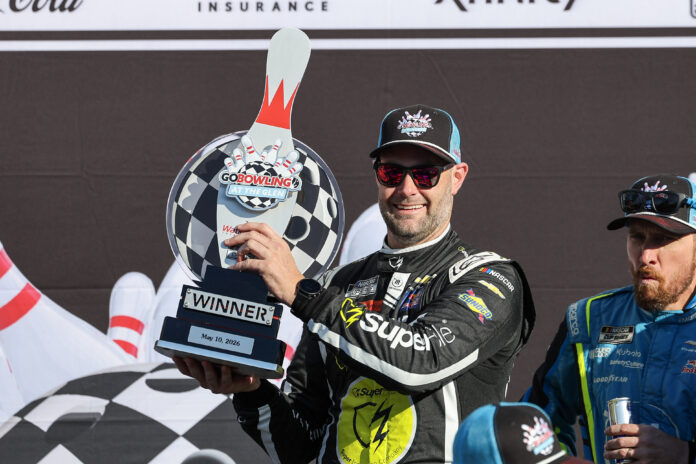
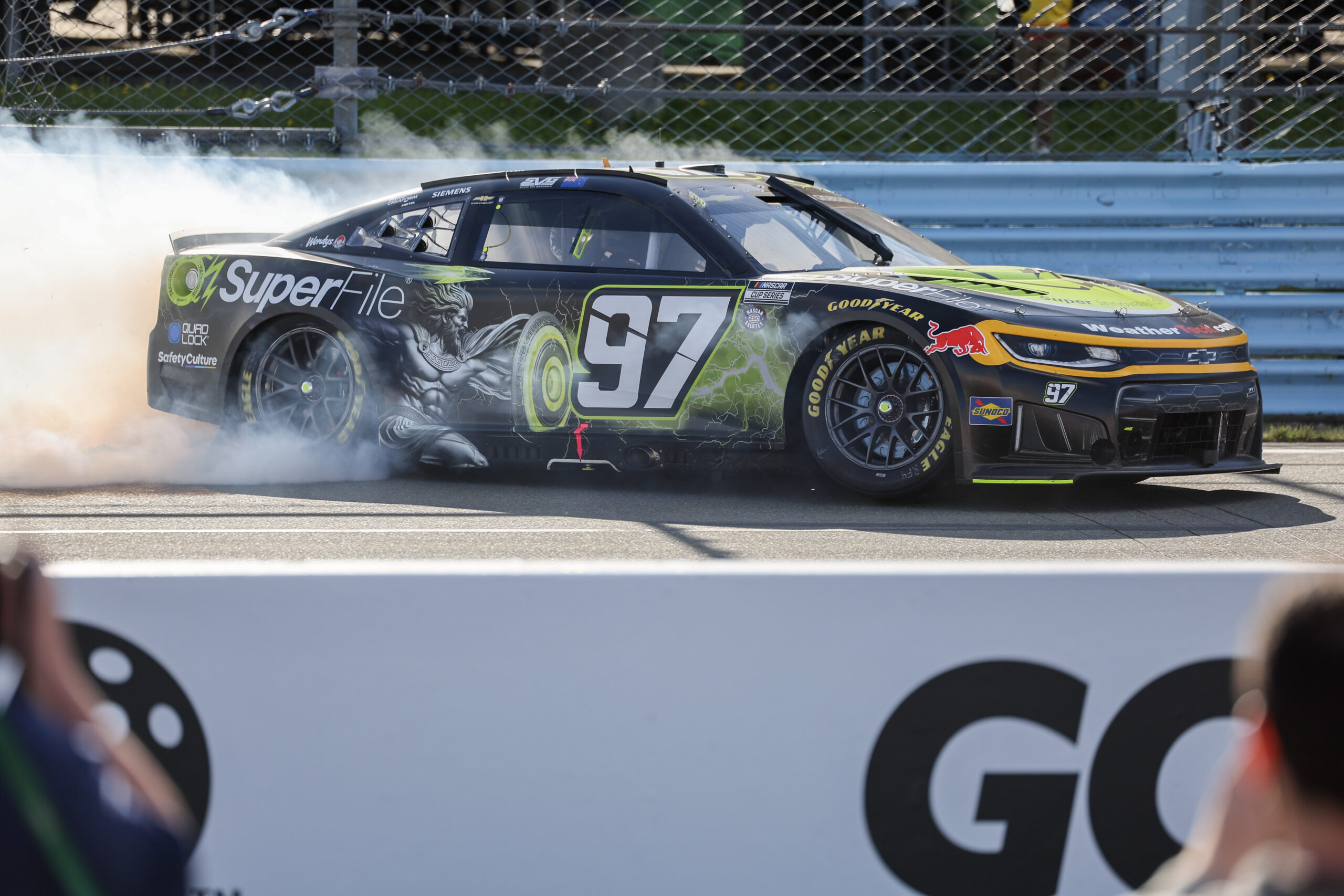
Shane van Gisbergen mounted a dynamic comeback from making a late green-flag pit stop to navigate his way back to the front and strike gold with a dominant NASCAR Cup Series victory in the Go Bowling at The Glen on Sunday, May 10.
The three-time Supercars champion from Auckland, New Zealand, led four times for a race-high 74 of 100-scheduled laps in an event where he started on pole position and dominated nearly the entire first stage period before he strategically pitted prior to the stage’s conclusion for track position and to cycle back as the leader to commence the second stage period. After opting to pit during a debris caution just past the Lap 40 mark, van Gisbergen cycled back as the leader by Lap 47, and he proceeded to win the second stage.
Despite dominating the early portions of the final stage period, van Gisbergen was one of a handful of competitors who elected not to pit with a majority of the field during a late-race caution with less than 40 laps remaining. The decision not to pit kept van Gisbergen in the lead before he was forced to pit under green with 24 laps remaining. After blending back onto the track mired outside the top-20 mark, he utilized his fresh tires and a full tank of fuel to bolt his way up through the leaderboard. As the event remained under green flag conditions while the laps dwindled, van Gisbergen managed to track down and overtake both teammate Connor Zilisch and Ty Gibbs to reassume the lead with eight laps remaining. From there, van Gisbergen cruised to his second consecutive Cup victory at The Glen.
With on-track qualifying that determined the starting lineup occurring on Saturday, May 9, Shane van Gisbergen started on pole position for the first time this season after he posted a pole-winning lap at 123.937 mph in 71.165 seconds. Michael McDowell started alongside van Gisbergen on the front row after the latter posted the second-fastest lap at 123.488 mph in 71.424 seconds.
When the green flag waved, and the event commenced, pole-sitter Shane van Gisbergen jumped his No. 97 Superfile Chevrolet Camaro ZL1 entry ahead as he led the field through the frontstretch. He then navigated through the first turn, the Esses, the Back Straight and the Inner Loop “Bus Stop” chicane with the lead. From the carousel and the final set of turns that led back to the frontstretch, van Gisbergen retained the top spot as he led the first lap over Michael McDowell, Austin Cindric, Ross Chastain and rookie Connor Zilisch while Joey Logano, Ryan Blaney and Christopher Bell followed suit, respectively.
Over the next four laps, van Gisbergen, who was the fastest competitor on the track, maintained an early lead. The only competitor who remained within striking distance of the leader in the opening five laps was McDowell, as he trailed by eight-tenths of a second, but by half a second a lap prior. Meanwhile, Chastain and Zilisch trailed in third and fourth, respectively, by four seconds while Logano, Cindric, Bell, Blaney, Ty Gibbs, and Chase Briscoe raced in the top 10 ahead of AJ Allmendinger, Carson Hocevar, William Byron, Chris Buescher, Daniel Suarez, Tyler Reddick, Bubba Wallace, John Hunter Nemechek, Kyle Busch, and Cole Custer, respectively. Meanwhile, Todd Gilliland occupied 21st place ahead of Denny Hamlin, Brad Keselowski, Kyle Larson, and Erik Jones, while Alex Bowman, Austin Dillon, Ty Dillon, Ryan Preece, and Chase Elliott were mired in the top 30, respectively.
Through the first 10 scheduled laps, van Gisbergen extended his early advantage to more than two seconds over McDowell while third-place Zilisch trailed by six seconds. By then, Chastain, Logano, and Cindric, all of whom were racing from fourth to sixth on the leaderboard, trailed van Gisbergen by eight seconds while Bell, Blaney, Ty Gibbs, Allmendinger, and Briscoe trailed by as far back as 12 seconds within the top-11 mark. As the field of 38 remained fanned out as Katherine Legge, who trailed by 57 seconds at the tail end of the field in 38th place, van Gisbergen stretched his lead to six seconds over McDowell by Lap 15.
Then, on lap 16, select names that included Tyler Reddick, Kyle Larson, Alex Bowman, Zane Smith, and Noah Gragson strategically made the right-hand turn to pit road to pit their entries under green flag conditions. Runner-up McDowell and third-place Zilisch, along with Ty Gibbs, Chris Buescher, Chase Briscoe, Daniel Suarez, William Byron, Kyle Busch, Todd Gilliland, Carson Hocevar, Cole Custer, Denny Hamlin, Brad Keselowski, Erik Jones, and Ryan Preece, all pitted during the next lap before the leader, Shane van Gisbergen, pitted on Lap 18. By then, pit road had become inaccessible to the field as the first stage period neared its conclusion. As van Gisbergen pitted, Ross Chastain cycled to the lead over Joey Logano and Ryan Blaney.
When the first stage period concluded on Lap 20, Chastain held off Team Penske’s trio of competitors (Logano, Blaney, and Cindric) to claim his third Cup stage victory of the 2026 season. Logano, Blaney, and Cindric followed suit, respectively, while Allmendinger, John Hunter Nemechek, Bell, van Gisbergen, Riley Herbst, and McDowell were scored in the top 10, respectively. By then, all 38 starters were scored on the lead lap.
Under the event’s first stage break period, some led by Chastain and including Logano, Blaney, Cindric, Allmendinger, Nemechek, Bell, Herbst, Wallace, Elliott, Ty Dillon, Josh Bilicki, Cody Ware, Stenhoouse, and Katherine Legge pitted their entries while the rest led by van Gisbergen remained on the track.
The second stage period started on Lap 24 as van Gisbergen and McDowell occupied the front row. At the start, van Gisbergen fended off McDowell through the frontstretch to retain the lead. He continued to lead McDowell, Zilisch, Ty Gibbs, Austin Dillon, and the field through the first turn, the Esses, the Back Straight, and the Bus Stop chicane while multiple competitors within the middle of the pack, most notably Kyle Larson, bumped and jostled for spots. Amid the on-track chaos within the middle of the pack, most of the field filed in single-line formation through the frontstretch as van Gisbergen led the next lap.
On Lap 26, Zilisch overtook McDowell entering the first turn to assume the runner-up spot. Zilisch then proceeded to track and reel in teammate van Gisbergen for the lead while McDowell retained third place in front of Ty Gibbs and Reddick. Behind Larson, who was bumped multiple times since the second stage’s restart by competitors like Zane Smith and Logano, was mired in 26th place, while Keselowski, who made contact with Larson on Lap 25, plummeted to 36th place. Meanwhile, Zilisch continued to reel in van Gisbergen for the lead, where he reduced the deficit by as little as two-tenths of a second on Lap 28, but van Gisbergen remained atop the leaderboard by three-tenths of a second at the Lap 30 mark.
At the Lap 35 mark, van Gisbergen, who was methodically navigating his entry through every turn and straightaway, continued to lead by four-tenths of a second over teammate Zilisch while third-place McDowell trailed by three-and-a-half seconds. Behind, Ty Gibbs and Reddick occupied the remaining top five spots over Austin Dillon, Suarez, Briscoe, Byron, and Buescher, while Kyle Busch, Hamlin, Gilliland, Preece, Erik Jones, Custer, Chastain, Blaney, Cindric, Bowman, and Hocevar were mired in the top 20, respectively.
On Lap 39, the caution flew when a small tent was blown from the infield campground and floated in the air amid the wind before it landed on the track towards the Back Straight area. During this caution period, a majority of the field, led by van Gisbergen and Zilisch, pitted, while the rest, led by McDowell and including teammate Suarez, Bell, Wallace, Herbst, and Nemechek, remained on the track. Following the pit stops, van Gisbergen exited pit road first ahead of Zilisch, Gibbs, Reddick, and Austin Dillon.
The next restart on Lap 43 featured McDowell fending off Suarez and the field through the frontstretch to lead while Herbst got bumped by Nemechek and spun entering the first turn. As Herbst continued while the event remained under green, the field stacked up through the Esses and the Back Straight. Then, towards the Bus Stop chicane, and as a series of stack-ups and tire lockups occurred, Byron was hit by Buescher and spun in the middle of the field, where he then got hit by Blaney and emerged with a broken toe link. Gilliland also got bumped by Logano as he slid towards the tire barriers, but the rest of the field scattered to avoid the carnage, and the event remained under green. While Byron limped his damaged No. 24 Liberty University Chevrolet Camaro ZL1 entry back to pit road, Bell was penalized for missing the Bus Stop chicane despite taking evasive action to avoid the carnage.
Meanwhile, McDowell retained the lead by one-and-a-half seconds over van Gisbergen at the Lap 45 mark while Suarez, Wallace and Reddick were in the top five. By then, Bell. Nemechek, Berry, and Ty Dillon pitted under green by Lap 47 as van Gisbergen reassumed the lead from McDowell. Van Gisbergen proceeded to stretch his lead to nearly one-and-a-half seconds by Lap 48 while McDowell, who had issues navigating through the first turn and whose tires were wearing out, plummeted to seventh place. Amid McDowell’s issues, Richard Childress Racing’s Austin Dillon and Kyle Busch were up to fourth and fifth, respectively. In addition, Reddick and Gibbs were racing in second and third while Zilisch was mired in ninth.
When the second stage period concluded on Lap 50, van Gisbergen captured his first Cup stage victory of the 2026 season by half a second over Reddick. Gibbs, Austin Dillon, Kyle Busch, Buescher, Cindric, Zilisch, Briscoe, and Wallace were scored in the top 10, respectively, while 37 of 38 starters were scored on the lead lap.
During the event’s second stage break period, some, including Wallace, McDowell, Custer, Allmendinger, Stenhouse, Cody Ware, Bell, Suarez, Katherine Legge, Herbst, Keselowski, and Josh Bilicki, pitted while the rest, led by the leader van Gisbergen, remained on the track.
With 46 laps remaining, the final stage period commenced as van Gisbergen and Reddick occupied the front row. At the start, van Gisbergen launched ahead, entering the frontstretch, and he fended off Reddick through the first turn to lead up through the Esses and the Back Straight. With the field cleanly navigating through the Bus Stop chicane and the Carousel, van Gisbergen remained upfront through the first set of turns as he led the next lap.
Then, with 41 laps remaining, the caution returned when a left-front tire carcass rolled off of Logano’s No. 22 Shell/Pennzoil Ford Mustang Dark Horse entry, nearing the Bus Stop chicane. The caution occurred after Logano, who managed to limp back to his pit stall, locked up and flat-spotted his left-front tire, where he went off the course in the first turn. During this caution period, the leader van Gisbergen, along with Reddick, Allmendinger, Wallace, McDowell, Nemechek, Custer, Berry, and Suarez, remained on the track while the rest, led by Gibbs, pitted.
The next restart with 37 laps remaining featured van Gisbergen fending off Reddick entering the frontstretch and the first turn to retain the lead. As van Gisbergen led through the Esses and Back Straight, Allmendinger navigated his way into third place over McDowell and Wallace as the field navigated cleanly through the Back Straight, the Bus Stop chicane, and the Carousel. Meanwhile, van Gisbergen led the next lap and stretched his lead to more than a second over Reddick and Allmendinger while McDowell, Wallace, and Nemechek all trailed by two seconds within the top-six mark. Behind, Gibbs was the highest-running competitor who recently pitted in seventh place, while Berry, Zilisch, and Austin Dillon trailed in the top 10, respectively.
Down to the final 30 laps of the event, van Gisbergen continued to lead by four seconds over Allmendinger, the latter of whom overtook Reddick for the runner-up spot three laps earlier. Behind, McDowell retained third place while Gibbs and Zilisch, the top two competitors who recently pitted, were up to fourth and fifth, respectively. Meanwhile, Reddick dropped to sixth place in front of teammate Wallace, Nemechek, Austin Dillon, and Briscoe, while Berry and Cindric. Custer, Kyle Busch, Suarez, Chastain, Buescher, Preece, Hocevar, and Erik Jones trailed in the top 20, respectively.
Two laps later, Wallace pitted under green. Wallace’s pit service occurred a lap after teammate Reddick pitted when the latter initially believed that Katherine Legge spinning on course would generate a caution, but no caution flew as van Gisbergen maintained the lead by nearly five seconds over Allmendinger, McDowell, Gibbs, and Zilisch. Another lap later, and with fuel talks starting to linger amongst those who recently pitted during the previous caution period and those who did not, McDowell and Gibbs overtook Allmendinger for second and third, respectively, while Zilisch started to reel in Allmendinger for fourth place.
McDowell then pitted from the runner-up spot along with Berry and Larson with 25 laps remaining before the leader van Gisbergen, Nemechek, Elliott, and Bowman pitted during the next lap. Van Gisbergen’s move to pit road moved Gibbs to the lead as the latter led by more than one-and-a-half seconds over Zilisch. Despite Gibbs being told that he was half a lap short of reaching the event’s scheduled distance on fuel, Gibbs continued to lead in his No. 54 Monster Energy Toyota Camry XSE entry by more than a second over Zilisch with 20 laps remaining, while Allmendinger surrendered third place to pit under green. Meanwhile, van Gisbergen was mired in 14th place, and he trailed the lead by 25 seconds while Reddick and Wallace were mired in 18th and 19th, respectively. Meanwhile, multiple names like Blaney, Larson, Suarez, Erik Jones, Zane Smith, Bell, and Custer had pitted under green.
With 18 laps remaining, Zilisch started to reel in Ty Gibbs for the lead as both were racing on identical fuel-strategy modes of trying to reach the scheduled distance on their current tank of fuel while also battling for the lead and potential victory. Another lap later, Gibbs, who led as high as more than a second, only led by three-tenths of a second while third-place Briscoe and fourth-place Austin Dillon trailed by more than five seconds. Meanwhile, van Gisbergen was still mired in 20th place, and he trailed the lead by 20 seconds while Kyle Busch, Cindric, Buescher, Chastain, Hamlin, Hocevar, and Gilliland were all racing in front of him.
As the event reached its final 15-lap distance, Zilisch, who nearly got to Gibbs’ rear bumper entering the Bus Stop chicane, trailed Gibbs by half a second. Zilisch, who repeatedly slid and flat-spotted his right-front tire while also trying to conserve fuel, continued to trail Gibbs closely through every turn and straightaway as Wallace, who spun in the first turn, continued without drawing a caution. Meanwhile, van Gisbergen, who clocked in the fastest lap of the event on Lap 66, continued to bolt his way to the front as he was up to seventh place.
Down to the final 10 laps of the event, Gibbs continued to lead by four-tenths of a second over Zilisch, with the latter being told to continue to save fuel and not yet pounce on Gibbs for the lead, while van Gisbergen, who has enough fuel to reach the event’s distance, trailed the lead by less than five seconds as he overtook Kyle Busch for fifth place in the leaderboard. Van Gisbergen then overtook both Austin Dillon and Briscoe from the Bus Stop chicane and past the Carousel. During the next lap, he had both Gibbs and Zilisch in his sights entering the frontstretch.
Then, with nine laps remaining, van Gisbergen quickly overtook teammate Zilisch past the Bus Stop chicane as Zilisch, who dropped off the pace and cut a tire to his No. 88 Red Bull Chevrolet Camaro ZL1 entry, pitted under green. During the next lap, van Gisbergen reeled in and overtook Gibbs entering the Bus Stop chicane to reassume the lead. Van Gisbergen’s lead stood to more than a second over Gibbs during the next lap while McDowell, Briscoe, and Austin Dillon trailed in the top five, respectively.
With five laps remaining, van Gisbergen extended his late lead to more than five seconds over McDowell as McDowell overtook Gibbs prior to reaching the frontstretch. As Zilisch was mired in 28th place following his late pit stop, Briscoe, Austin Dillon, and Kyle Busch were racing within reach of one another from fourth to sixth on the track while van Gisbergen retained the lead over the next three laps.
When the white flag waved, and the final lap started, van Gisbergen remained in the lead by more than seven seconds over McDowell. With no competition lurking nor reeling in from behind, van Gisbergen easily navigated through the turns and straightaways of Watkins Glen International for a final time before he cycled back to the frontstretch and claimed the checkered flag by seven seconds over McDowell.
With the victory, van Gisbergen, who celebrated his 37th birthday a day prior, notched his seventh NASCAR Cup Series career victory and he became the seventh different winner through the first 12 events of the 2026 season. He joins Mark Martin, Jeff Gordon, Tony Stewart, Marcos Ambrose, Chase Elliott and Kyle Larson as the only competitors to win a Cup event at The Glen in consecutive seasons, and he also recorded the first Cup victory for the No. 97 since Kurt Busch won at Richmond Raceway in September 2005.
Van Gisbergen’s victory at Watkins Glen was the fourth of the 2026 season for the Chevrolet manufacturer and the first for Trackhouse Racing, with the New Zealander jumping up three spots in the driver’s standings from 19th to 16th.
Photo by Mike Biskupski for SpeedwayMedia.com.
“[It’s] Unbelievable to win with [the number] 97,” van Gisbergen, who kicked a rugby ball to the frontstretch’s fans, said on FS1. “The Superfile Chevy was great. Thank you to Trackhouse. We weren’t very good in practice, and then qualifying was amazing. Good tweaks and then today. What a race car. [Crew chief] Stephen [Doran] made great calls. I wasn’t sure how it was gonna work, and then to run [the leaders] down like that. Very, very special to [win at The Glen] two in a row. It’s not easy. Everyone’s really good. There was a lot of pressure there. I think McDowell was good, Connor [Zilisch] was good, Tyler Reddick. There was some really good guys and a lot of pressure, so just stoke for these [No. 97] guys. To execute every facet of our game, [I’m] speechless. This is so cool.”
McDowell, who started alongside van Gisbergen at the event’s start and led five laps, settled in second place for his second top-five result of the 2026 season and first since Circuit of the Americas in early March. Despite gaining two spots in the standings, from 23rd to 21st, McDowell was disappointed in not having the pace to reel in and challenge van Gisbergen for the victory.
“It’s great to get this Go Bowling Chevrolet in the top five.” McDowell said. “There was moments where I thought maybe we could hang with [van Gisbergen]. It felt like he was just pacing himself off me he’d take back off. In that second stage, we got a little off strategy, and then we recovered well, which [crew chief] Travis [Peterson] did a great job of getting the track position when we needed it. Just not quite enough to run [van Gisbergen] down. Like I said, it’s just tough. Second is awesome. It’s great to get momentum back on our side. We needed it after a rough few weeks, but we wanted to get to Victory Lane, but proud of Spire [Motorsports]. Proud of my guys. They worked really hard. Great day. We’ll build on it and hopefully, get ready for [the] Charlotte [Coca-Cola] 600.”
Ty Gibbs had enough fuel to finish in third place for his sixth top-five result of the 2026 season, while teammate Chase Briscoe and Tyler Reddick finished in the top five. Austin Dillon achieved his first top-10 result in sixth place, ahead of AJ Allmendinger, and Kyle Busch notched a strong eighth-place result, while Austin Cindric and John Hunter Nemechek completed the top 10, respectively.
Meanwhile, Connor Zilisch, who was in a prime position to contend for his first Cup victory, ended up in 20th place after pitting with eight laps remaining. Zilisch’s fourth top-20 result in his rookie Cup season capped off a long triple-header weekend for the North Carolina native as he finished in the runner-up spot during Friday’s Craftsman Truck Series event and won Saturday’s O’Reilly Auto Parts Series event, both occurring at The Glen. Amid the disappointment of not contending for Sunday’s Cup victory in the closing laps, he was also pleased with the speed exhibited by his team, Trackhouse Racing, on road course venues.
“I’m not sure, honestly, what actually cut the tire there at the end,” Zilisch said. “We were running on those tires for a long time, so not surprised to see it happen necessarily. Just frustrating. We had a really good day going. At worse, we were gonna get ourselves our first top five and walk out of here with something. [The race] Didn’t quite end the way we wanted it to. I needed last year’s race length of about 92 laps, and I probably would’ve been a little better [with the result], but it is what it is.”
Notably, Ryan Blaney, Denny Hamlin, Christopher Bell, Kyle Larson, Chase Elliott, Alex Bowman, Ross Chastain, and Brad Keselowski finished 11th, 16th, 21st, 23rd, 24th, 25th, 27th, and 30th, respectively. Bubba Wallace finished 29th following his late spin in Turn 1, William Byron ended up three laps down in 36th following his second stage’s incident in the Bus Stop chicane, Joey Logano settled at the tail end of the field in 38th following his late left-front tire issue and Katherine Legge, who is competing in this year’s Indianapolis 500 with HMD Motorsports and A.J. Foyt Racing, finished 35th.
There were six lead changes for four different leaders. The event featured four cautions for 12 laps. In addition, 32 of 38 starters finished on the lead lap.
Following the 12th event of the 2026 NASCAR Cup Series season, Tyler Reddick continues to lead the standings by 129 points over Denny Hamlin, 145 over Chase Elliott, 162 over Ryan Blaney, and 192 over Chris Buescher.
Results:
Shane van Gisbergen, 74 laps led, Stage 2 winner
Michael McDowell led five laps
Ty Gibbs, 17 laps led
Chase Briscoe
Tyler Reddick
Austin Dillon
AJ Allmendinger
Kyle Busch
Austin Cindric
John Hunter Nemechek
Ryan Blaney
Chris Buescher
Daniel Suarez
Ryan Preece
Cole Custer
Denny Hamlin
Todd Gilliland
Zane Smith
Erik Jones
Connor Zilisch
Christopher Bell
Noah Gragson
Kyle Larson
Chase Elliott
Alex Bowman
Riley Herbst
Ross Chastain, four laps led, Stage 1 winner
Carson Hocevar
Bubba Wallace
Brad Keselowski
Ricky Stenhouse Jr.
Josh Berry
Ty Dillon, one lap down
Josh Bilicki, one lap down
Katherine Legge, one lap down
William Byron, three laps down
Cody Ware – OUT, Accident
Joey Logano, 15 laps down
Next on the 2026 NASCAR Cup Series schedule is the series’ annual NASCAR All-Star Race at Dover Motor Speedway in Dover, Delaware. The event is scheduled to occur next Sunday, May 17, and air at 1 p.m. ET on FS1, MRN, SiriusXM, and HBO MAX.
Strong Run Catapults Austin Dillon and the No. 3 Bass Pro Shops/Winchester AA White Flyer Chevrolet Team to Sixth-Place Result at Watkins Glen International
Finish: 6th Start: 25th Points: 22nd
“Man, God is so good. We work really hard on these road races. I put a lot of effort into them to get better and we didn’t qualify great, but Richard Boswell (crew chief) and everyone on the Bass Pro Shops/Winchester AA White Flyer team did a good job pushing the strategy early to go hard. We really didn’t worry about tires when we short pitted, and that got us our track position at the end of the stage. After that, we were able to maintain, and it was fun saving fuel there behind Chase Briscoe. I probably should have pushed a little harder because I actually made it back all the way around on fuel. So, I did a good job on saving fuel, which was cool. Thanks to all of our partners and everybody that helps us go around. We put a lot of effort into it. We’ve been working really hard at RCR. It’s cool that Kyle Busch and I both were racing up front. He (Kyle Busch) scared me into the bus stop with like two to go. He just gave up on saving fuel, and he ran out at the line. That was kind of fun getting him back by the line. Just a good day for RCR overall. And Happy Mother’s Day to my mom, my wife and all of the moms out there. We’ll take this, move on and build on the momentum.” -Austin Dillon
Kyle Busch Earns Second Top-10 of the Season Piloting the No. 8 zone Jalapeño Line Chevrolet to an Eighth-Place Finish at Watkins Glen International
Finish: 8th Start: 21st Points: 24th
“Strong day for the No. 8 zone Jalapeño Lime Chevrolet team. We were a top-10 car for the majority of the race, and ended eighth here at Watkins Glen International. We made the adjustments and strategy calls we needed to drive forward and make up track position after qualifying 21st, despite battling a car that trended tight throughout the race. We ran out of fuel at the end of the race, but we’re still going home with our second top-10 finish of the season. I’m proud of the work the entire Richard Childress Racing team is putting in back in Welcome, NC, and will look to continue that momentum as the season progresses.” -Kyle Busch
AUSTIN CINDRIC, No. 2 Snap on Ford Mustang Dark Horse – DID YOU MAXIMIZE TODAY’S PERFORMANCE? “I think so. In a lot of ways we maximized our day with points in most stages, and earning a Top-10 is a really good day for us. I would have been happy with that this morning. The strategy definitely got put into a really tight window, and we decided to go for it and get some fuel mileage out of this Ford Mustang and try to hold onto these rear tires. I feel that I may have left one or two spots on the table just trying to make it to the end. Otherwise, I’m proud of the effort and it’s another good points day for the No. 2 car.”
RYAN BLANEY, No. 12 Menards/Libman Ford Mustang Dark Horse – WHAT IS YOUR ASSESSMENT OF TODAY’S RACE? “We did a good job getting points in the first stage. I thought we were in a really good spot until the No. 24 spun-out in the Bus Stop. I couldn’t go anywhere and caved the nose in. I was actually surprised how fast the Mustang was after that. Overall, we fought from the back a few times to a decent finish and a good points day.”
GIBBS LEADS THREE CAMRYS IN THE TOP-FIVE AT WATKINS GLEN Reddick extends points lead with series-leading eighth top-five finish
WATKINS GLEN, NY (May 10, 2026) – Ty Gibbs managed his fuel in the final stage and delivered a third-place run to lead Team Toyota at Watkins Glen International on Sunday. Gibbs, who led 17 laps on the day, moved up to sixth in the points standings with the run. His teammate, Chase Briscoe, utilized the same strategy and crossed the line in fourth.
Tyler Reddick utilized a different strategy and charged through the field on newer tires and a full fuel load to finish fifth – his eight top-five of the season, which is two more than any other driver (Ty Gibbs – six). Reddick extended his points lead to 129 markers as the series heads to the midway point of the regular season.
John Hunter Nemechek (10th) earned a season-best result and gave Toyota four of the top-10 finishers.
TOYOTA RACING Post-Race Recap NASCAR Cup Series (NCS) Watkins Glen International Race 12 of 36 – 245 miles, 100 laps
TOYOTA FINISHING POSITIONS
1st, Shane van Gisbergen*
2nd, Michael McDowell*
3rd, TY GIBBS
4th, CHASE BRISCOE
5th, TYLER REDDICK
10th, JOHN HUNTER NEMECHEK
16th, DENNY HAMLIN
19th, ERIK JONES
21st, CHRISTOPHER BELL
26th, RILEY HERBST
29th, BUBBA WALLACE
*non-Toyota driver
TOYOTA QUOTES
TY GIBBS, No. 54 Monster Energy Toyota Camry XSE, Joe Gibbs Racing
Finishing Position: 3rd
How hard was it to conserve there at the end?
“Honestly, it wasn’t too hard, just frustrating. I felt like it would have been fun to race with him for the win. Unfortunately, we had to finish third today, but that was a good points day for us – just having to stretch that fuel out a little bit. It was fun though. I had a great day. Just keep going. Huge thank you to my team, Monster Energy, Oakley, Toyota – everyone that helps me out.”
CHASE BRISCOE, No. 19 Mobil 1 Toyota Camry XSE, Joe Gibbs Racing
Finishing Position: 4th
Had a lot to contend with but made it back for a top-five. How was your race?
“Definitely just a wild day for us. Started off the day and we just weren’t as good as we were in practice with our Mobil 1 Toyota and thought we were going to be okay and then we had a bad pit stop and we went from seventh to 17th. Then we missed that wreck in the bus stop, and kind of got somewhat back in the mix on our strategy, and then at the end James (Small, crew chief) did a really good job of just maximizing our strategy and maximized our day with the fuel mileage and everything else. We literally ran out with two corners to go. Glad we were able to end up fourth. Felt like we maximized our day outside of stage points, so we will go on to Dover and see what we can do.”
TYLER REDDICK, No. 45 Jordan Brand Toyota Camry XSE, 23XI Racing
Finishing Position: 5th
How was the end there seeing everyone run out of fuel?
“Yeah, pretty nuts. Just funny how that happens sometimes with where the cautions fall, but it was kind of a decent day – it was the points day that we needed to have for our Jordan Brand Toyota Camry. We were able to get up there sooner than I thought, and I don’t know just that last restart that we had, I didn’t fire off great. We were losing spots pretty quickly, so Billy (Scott, crew chief) and the team made the right call. We were bleeding bad, so we hit pit road and pitted for the final time and just had to go a really long way on a set of tires but worked out pretty well. We were able to pick them off and get back to fifth.”
JOHN HUNTER NEMECHEK, No. 42 Pye-Barker Fire & Safety Toyota Camry XSE, LEGACY MOTOR CLUB
Finishing Position: 10th
How was your race?
“Really solid day for us. I felt like we had a really good Pye-Barker Fire & Safety Camry today. I feel like we played the first stage to get stage points. Had a late pit call but couldn’t get to pit road so we just made the most out of it. Ended up in the back and couldn’t really pass. Then we played a really good strategy at the end. Ended up staying out at the end, with like 40 to go, when a lot of guys pitted and they were going to try to make it. We were able to maintain on those tires, not lose that many spots or too much time. We kind of split the stage and ended coming home 10th. Needed one more lap, probably would have gotten five more cars with everyone running out of gas, and us pushing so hard. A lot of work has been done on road courses in the off season for sure – car, myself – and we showed it today. It’s what we needed.”
About Toyota
Toyota (NYSE:TM) has been a part of the cultural fabric in North America for nearly 70 years, and is committed to advancing sustainable, next-generation mobility through our Toyota and Lexus brands, plus our more than 1,800 dealerships.
Toyota directly employs nearly 64,000 people in North America who have contributed to the design, engineering, and assembly of over 50 million cars and trucks at our 14 manufacturing plants. In 2025, Toyota’s plant in North Carolina began to assemble automotive batteries for electrified vehicles.
For the third time in its event history, the famous USAC Silver Crown Series visited the historic Kansas State Fairgrounds in Hutchinson, Kansas, Saturday night for the Salt City 100. Race fans were treated to a thrilling conclusion at the end of the 100-lapper and witnessed a first-time winner in the series.
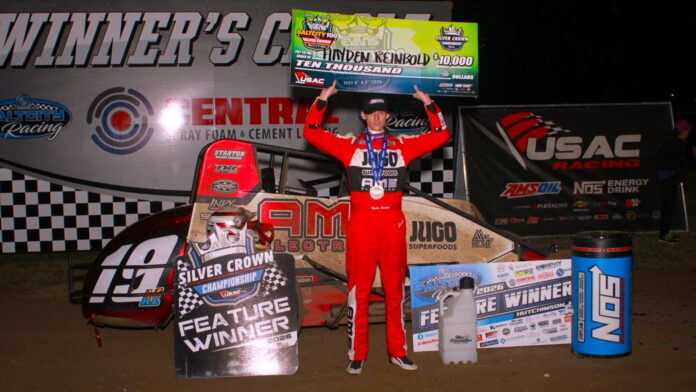
Hayden Reinbold, in his first career USAC Silver Crown start with the Reinbold-Underwood Motorsports team piloting the No. 119, won in a last-lap pass as series veteran Justin Grant ran out of fuel on the backstretch. The victory was a popular one for the young 22-year-old racer with the fans in attendance.
“It’s a lot of fun,” Reinbold told Flo Racing in his post-race interview. “I can’t thank my dad enough for making another Silver Crown team; it’s so much fun. Can’t thank Jerry enough and my sponsors, they help us out a lot. It’s super exciting. I don’t know if anyone has ever gotten the lucky dog and went on to win it.
“On the start, I just got tight and greasy, and got a lot of mud and was unable to get a tear-off off. We just got going and the car was super good. I just can’t thank everyone enough.”
As previously mentioned, the USAC Silver Crown cars visited the Kansas State Fairgrounds this past weekend for a two-night affair. Friday night was a practice night for the series. Saturday night saw the regular run of show with qualifying and the A-main.
Qualifying took place earlier in the evening. Justin Grant took quick time, setting a new track record of 20.789 seconds, though it wasn’t without adversity. The qualifying portion of the event had to be re-run three times in one night to set the field. This was due to rain in the area, putting the event in a brief weather delay. However, as rain moved out and cooler temperatures prevailed, the track saw lap times increasing as the session resumed.
In addition to Grant capturing his 13th career pole position in the USAC Silver Crown Series with his fast lap time, he set the new lap record twice. Also, one more note on the session. Everyone was required to qualify twice. After getting the top spot for the feature, he would tie with series veteran J.J. Yeley for sixth on the all-time list in the USAC Silver Crown Series for pole positions.
In what was the first event of the 2026 season for the Silver Crown cars, both Grant and C.J. Leary fired off into Turn 1 at the start of the green flag. However, a caution would fly immediately for Reinbold, in his No. 19 AZ machine, as his car stopped at the exit of Turn 4. He was slated to start eighth, but due to his car stopping on the track, Reinbold was unable to get his spot back and restarted at the back of the field.
This would see a complete restart of the feature in hopes of a better start. Grant had the advantage on the backstretch over Leary and Mitchel Moles, the top three. Bryan Gossel, who was piloting the No. 06 machine, retired early on Lap 1, as he was one of the cars that flipped upside down in the hot laps session.
Ten laps into the race, Grant started to reach the back of the field and began putting cars a lap down, including race winner Reinbold. At 85 laps to go, Moles passed Leary for second on the frontstretch and tried to set his sights on the leader, Grant. Five laps later, with 80 to go, Moles cut down Grant’s lead from 4.5 seconds to 2.9 seconds.
At the same time, the second caution flew for the No. 92 of Kale Drake for his engine blowing up in Turns 1 and 2. Drake was making his second career Silver Crown start. Furthermore, more issues was seen for Moles since he pulled off the track while running in the second position at the time of caution. It was due to an overheating issue for Moles that forced him to retire from the race.
The green flew once more with 75 laps to go. Grant, Leary, Mario Clouser, Briggs Danner, and Chase Stockon were your top five. Reinbold would get back in the fold by restarting in the 10th position.
With 70 laps to go, Stockon went to fourth by passing Danner on the backstretch. The third caution came out with 62 laps to go for the No. 20 of Clouser, who was slowing on the back straightaway. A right rear tire went down on his car while he was in the third position. Clouser brought the car to the attention of his team in the pit area and changed the right rear flat tire.
The race resumed at 57 laps to go with Grant, Leary, Stockon, Danner, and Jake Swanson the top five. Reinbold was in the eighth position. A lap later, Stockon picked up a few spots and put himself in the second position. At the halfway mark with 50 laps to go, the rundown was Grant, Stockon, Leary, Swanson, Danner, Kyle Steffens, Bret Tripplett, Reinbold, Clouser, and Steve Gennetten in the Top 10.
Unfortunately, for Swanson, who was having a good day, he had a right-rear tire go down on his No. 6 machine. This brought out the yellow for the fourth time of the evening. However, like the Clouser incident, Swanson’s team put a new tire on and he was able to resume racing.
Additionally, another car had the same issue with a right-rear flat tire during the caution period after the No. 65 of Tripplett slapped the wall a little earlier. Tripplett’s team fixed the tire and went back on the track.
At 43 laps to go, the race resumed again with Grant leading over Stockon, Leary, Danner, Steffens, Reinbold, Clouser, Gennetten, Danny Jennings, and Swanson in the top 10.
With 36 laps to go, Reinbold began his charge through the field as he passed Steffens for the fifth position. About 12 laps later, with 24 to go, Grant started to get into lap traffic. This cut into Stockon’s lead significantly. However, with 16 laps to go, Grant stabilized his lead and began to check out again. Stockon would have trouble and fall back to the fourth position.
This would see Leary and Danner take over the second and third positions, respectively. Another caution with 12 laps to go would reset the field once more. This time, it was for Stockon, who came to a stop due to fuel issues on his No. 69 car.
Fuel would become an issue for another car with the No. 20 of Clouser, who had to come down in the pit area and refuel as well.
The final restart of the evening came with eight laps to go for a dash to the checkered flag. Grant, Leary, Danner, Reinbold, and Steffens were the top five. A lap later, with seven to go, Reinbold passed Danner for the third position and again took second by passing Leary. The eventual race winner would try to chase down Grant with less than five laps to go.
It is important to note that, during this green-flag sequence, Stockon was having problems with his car and was seen slowing on the frontstretch. However, the race remained green and no caution was flown for the rest of the way.
At two laps to go, Reinbold was on the back bumper of Grant’s car on the backstretch. The 22-year-old took the lead off Turn 4 on the bottom while Grant was on the top side with two laps left. He held on to claim his first-ever Silver Crown victory, while Grant would have a fuel issue running out of gas momentarily on the last lap.
Reinbold came from the 17th position (dead last) to take his first career USAC Silver Crown Series victory in his first-ever start.
Despite having a fuel issue, Grant was still able to get on the podium by finishing second.
“Just ran out of fuel,” an emotional Grant said to Flo Racing on the frontstretch. “Had the best car all weekend, just ran out of fuel.”
Meanwhile, Leary rounded out the podium finishers by claiming third.
“No, not really,” Leary said to Flo Racing when asked if he was being conservative with his equipment. “We went with a harder tire this year versus what we have done in the last couple of years. Our racecar really came on strong there in the last 25 to 30 laps. The thing got really good. My crew member (Mike) did a really good job calling the race from the spotter stand and did a great job setting the car up. Wished we had a couple of more gallons of fuel in it.
“I think we were one of the only ones who were running out toward the end. Just a frustrating way to end our race. I felt like we put a good race together. Can’t thank everyone on this team, and it’s really cool to drive for these guys. They do a lot for me and I’m the lucky one to drive it.”
Official Race Results Following The Salt City 100 at the Kansas State Fairgrounds
Hayden Reinbold
Justin Grant
C.J. Leary
Kyle Steffens
Mario Clouser
Chase Stockon
Briggs Danner
Steve Gennetten
Danny Jennings
Kip Hughes
Gregg Cory
Jake Swanson
Bret Tripplett
Mitchel Moles
Kale Drake
Dave Berkheimer
Bryan Gossel
Up Next – The next event for the USAC Silver Crown Series is slated for Friday night, May 22, at the Indianapolis Raceway Park. Currently, Grant leads Reinbold by three points.
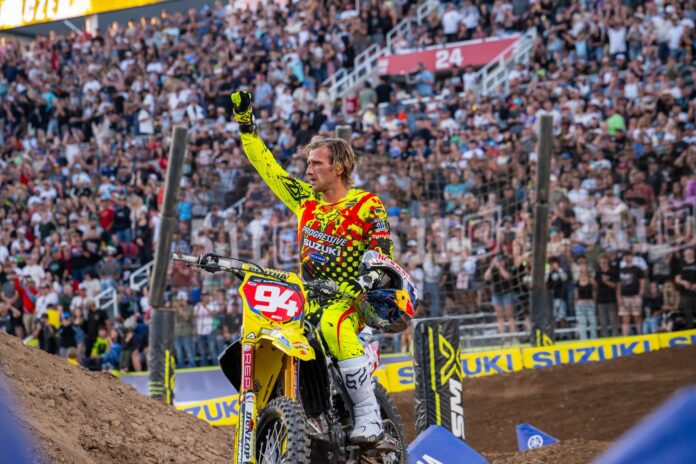
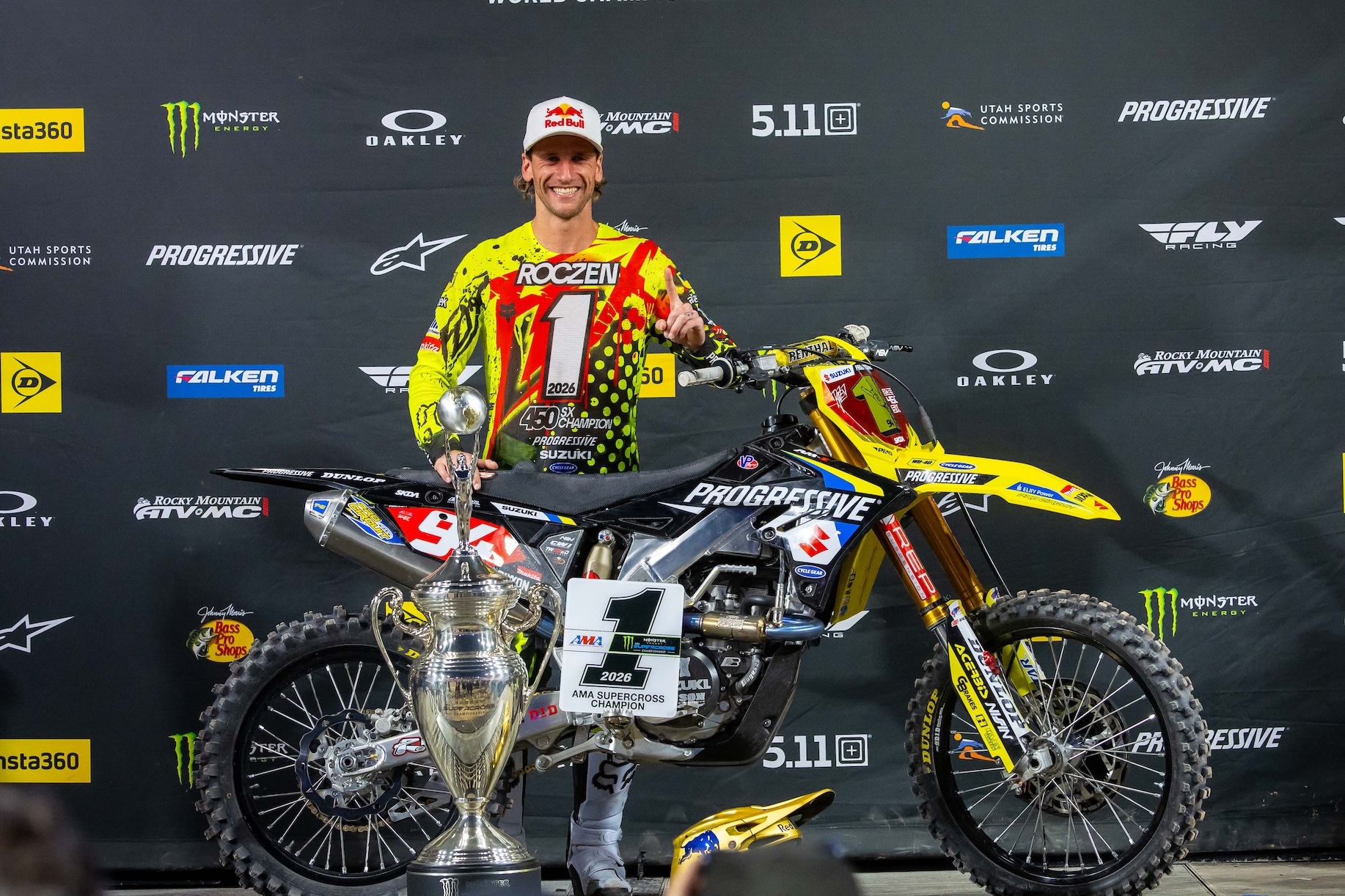
At 32 years of age, in his 13th season of 450SMX Class competition, Ken Roczen became the Monster Energy Supercross Champion for the first time.
Chase Sexton Claims Fourth Straight Salt Lake City 450SMX Class Win, Cole Davies Prevails in Dave Coombs Sr. 250SMX East/West Showdown
SALT LAKE CITY (May 9, 2026) – The first half of the 2026 Monster Energy SMX World Championship drew to a close in dramatic fashion in the “Crossroads of the West” as the 17th and final race of a historic Monster Energy AMA Supercross Championship concluded in front of a capacity crowd inside Rice-Eccles Stadium. A single point separated Progressive Insurance Cycle Gear Suzuki’s Ken Roczen, from Germany, and Honda HRC Progressive’s Hunter Lawrence, from Australia, in one of the closest title fights of all-time and set the stage for a winner-take-all 450SMX Class Main Event. After fighting for the lead early, it was Roczen who emerged with his maiden premier class title at 32 years of age to become the oldest champion in Supercross history, in his 13th season at the highest level.
The final and most significant 20 Minute + 1 Lap Main Event of the season began as expected, with Lawrence and Roczen side-by-side. While Lawrence earned the holeshot, it was Roczen who made an early move to seize the lead over Lawrence as Red Bull KTM Factory Racing’s Jorge Prado and Monster Energy Kawasaki’s Chase Sexton battled for third. The title combatants quickly settled in and mirrored one another’s pace, each tactfully biding their time.
As the race surpassed its opening five minutes the race turned into a three-rider affair as Prado closed in from third. The pressure from behind forced Lawrence to increase his pace, which carried him onto Roczen’s rear fender. A brief off-track excursion cost Lawrence time to Roczen and then led to a costly miscue that sent the Australian to the ground. As Roczen carried on, Lawrence remounted in seventh place, which effectively ended his title hopes. Prado assumed control of second, while Sexton moved up into third.
Roczen held a three-second lead into the second half of the race but took advantage of his track positioning to slow his pace. That created an opportunity for Sexton to make a charge to the front of the field. The Kawasaki rider took his time to get by Prado for second, but once he did, he quickly erased the deficit to Roczen and moved into the lead with mere minutes to go. Roczen continued to drop in the running order, as Prado moved into second, followed by the Monster Energy Yamaha Star Racing duo of Justin Cooper and Cooper Webb, the defending Supercross champion. Roczen settled into fifth on the final lap, two positions ahead of Lawrence.
Sexton carried on to take his second win of the season and his fourth straight in Salt Lake City by a margin of just over two seconds. Cooper made a last lap pass on Prado to equal the best result of his career in second, while the Spaniard captured his second career podium in third. Roczen did enough to clinch the championship in fifth, ahead of Lawrence in seventh.
A mere three points separated Roczen and Lawrence at season’s end, as both finished with five wins and 12 podiums, where two positions decided the outcome. Webb completed the championship podium in third, the fourth consecutive season he’s finished in the top three.
Roczen led most of the Main Event, but ultimately piloted his Progressive Insurance Cycle Gear Suzuki to a fifth-place finish to clinch the title.
Ken Roczen – 5th Place – 450SMX Class Champion “I was an emotional wreck today. It was not an easy task by any means. I’ve been exhausted, physically and mentally, over these past few weeks, but I’ve dreamed of this since I was a little kid. This is just a testament of you never give up. Anybody, at any age, whenever you’re competing and you feel anxiety, you feel strange emotions that rob your energy, you’re not alone. I feel those too, but I don’t give up. I work on it daily and [the championship] is how it pays off. You can do it too.”
Chase Sexton – 1st Place – 450SMX Class “I’ve known Kenny [Roczen] a long time. He was like a big brother to me growing up. It’s obviously a bit different now that we race each other, but I’m really proud of him. Hunter [Lawrence] was [also] great all year. Great competitors. I was watching their race from the back and didn’t know what to do, then stuff happened, I started riding better and got to the front. It means a lot for me, personally, to get a win. It’s been a really tough year, but this hopefully is a good omen for outdoors.”
Justin Cooper – 2nd Place – 450SMX Class “I didn’t get off the gate great. I tried second gear and dropped the front. I need a little more gas, but it’s tough at elevation because we’re fighting between first or second gear. That didn’t pay off but I was able to work my way through. I had to trust my pace and wait for guys to wear down a little bit. Everything tightened up at the end, and it was a tough last couple minutes, but we got close [to the win] there.”
Jorge Prado – 3rd Place – 450SMX Class “My main goal was to get a good start. I did that and was running third and at one point I was faster than the guys in front of me [Roczen and Lawrence]. I knew they were battling for the championship, so I didn’t want to interfere. I could have made a pass, but I wanted to stay there. Then Hunter [Lawrence] made a mistake, and I fell a little bit off rhythm. It was a great day of racing for me.”
250SMX Class
For the third time this season, the best of 250SMX Class came together for a battle to determine who is the best in the smaller displacement in the prestigious Dave Coombs Sr. East/West Showdown. The 15 Minute + 1 Lap Main Event was headlined by Eastern and Western Divisional Champions and Monster Energy Yamaha Star Racing teammates Cole Davies [East Champion] and Haiden Deegan [West Champion], who faced off for the first time as titleholders. As the field exited the first turn it was Deegan who led the way to the holeshot, ahead of a slew of fellow Star Yamaha racers, including Davies. As the field settled in it was Max Anstie who put his Yamaha out front over Deegan as Davies gave chase from third. Deegan bided his time and made the move around Anstie. Once in the lead, Deegan quickly put some distance over his teammates. Davies followed into second a lap later and faced a two-second deficit to Deegan.
What ensued was a head-to-head battle between the series champions, with Davies able to leverage his incredible speed in the whoops to give Deegan a fierce challenge. They traded positions briefly, but Deegan withstood the threat. Davies persisted and made an aggressive pass on Deegan with contact to grab the lead just past the halfway point of the race. Deegan regrouped and closed back in on Davies and attempted to return the favor but went down after initiating contact. Deegan remounted quickly but went down a short time later in the sand, remounting in fourth. That moved Anstie and Monster Energy Pro Circuit Kawasaki’s Levi Kitchen into second and third, respectively. Not long after, Kitchen went on the attack and made the pass on Anstie.
Davies was never challenged the rest of the way and cruised to his sixth win of the season to put the finishing touch on a breakthrough campaign for the young New Zealander. Kitchen closed strong to finish 2.4 seconds back in the runner-up spot, while Anstie rounded out the podium. Deegan brought it home in fourth in the final 250SMX Class race of his decorated career.
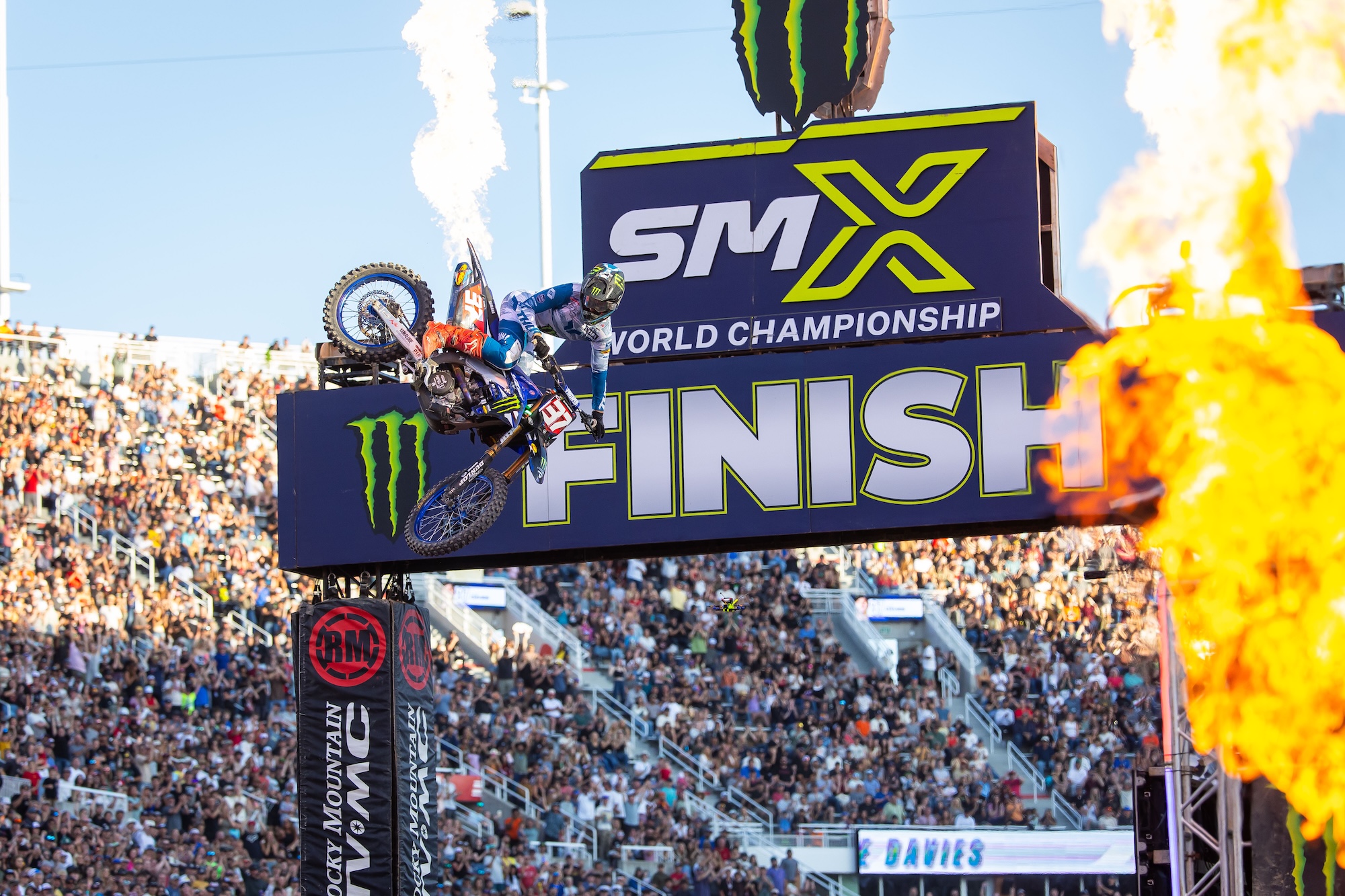
Monster Energy Yamaha Star Racing’s Cole Davies put the finishing touch on a championship-winning season with an impressive East/West Showdown victory.
Cole Davies – 1st Place – Dave Coombs Sr. 250SMX East/West Showdown “That was a great race. I didn’t get off to a great start, but I made it happen. The pressure is off [with the championship] so I could come out here and ride full out. It was fun racing like that, going back and forth, cat and mouse. I enjoyed it.”
Levi Kitchen – 2nd Place – Dave Coombs Sr. 250SMX East/West Showdown “I got another okay start, but I made moves early. I’m proud of that. I was really aggressive. I could see the leaders and felt like I could get up there, then both of my teammates went down. I had to nearly stop to avoid them and had to make it all back up. It was chaos, but I’m just so stoked to be up here battling with these guys.”
Max Anstie – 3rd Place – Dave Coombs Sr. 250SMX East/West Showdown “It’s been a tough year. I had my appendix taken out and a lot of things in between the races, but the whole team has been amazing sticking behind me. Awesome season. Congrats to my two teammates [on their championships]. It was awesome to be a part of that this year. Hopefully we can be up here again next year and in the title hunt.”
Haiden Deegan – 4th Place – Dave Coombs Sr. 250SMX East/West Showdown “What an amazing 250 career. I’ve got to give it up to Cole. That was a dog fight. We were giving the fans the best show possible. We were hitting each other, it was awesome. Even though I came out in fourth, that was one of the funnest races I’ve had. It’s a little sad we’re hanging it up, but ready to move on to the 450 Class.”
The Monster Energy SMX World Championship will continue in three weeks’ time with the second half of the regular season and the prestigious Pro Motocross Championship. The season opening Pala Casino Fox Raceway National Presented by Fox Racing will take place on Saturday, May 30, from Southern California’s Fox Raceway at Pala. Live comprehensive broadcast coverage will be available exclusively on Peacock, beginning at 1 p.m. ET with Race Day Live, followed by a special Pre-Race Show at 3:30 p.m. ET before the motos begin at 4 p.m. ET. A special encore network presentation will air on NBC on Sunday, May 31, at 1:30 p.m. ET. Additionally, a domestic Spanish language broadcast is available on Peacock while international viewers can choose from dedicated English, French, and Spanish broadcasts via SMX Video Pass (www.SMXVideoPass.com).
All 17 rounds of the 2026 Monster Energy AMA Supercross Championship and 11 rounds of the Pro Motocross Championship are on sale. Tickets for the SMX World Championship Playoff Rounds and Final are now on sale at SuperMotocross.com. Saturday FanFest will take place at all postseason races, Friday FanFest and camping will be available in Columbus and Ridgedale, additional details to follow.
For information about the Monster Energy SMX World Championship, please visit www.SuperMotocross.com and be sure to follow all of the new SMX social media channels for exclusive content and additional information on the latest news: Instagram: @supermotocross Facebook: @supermotocross X: @supermotocross YouTube: @supermotocross TikTok: @supermotocross
About the Monster Energy SMX World Championship: The Monster Energy SMX World Championship™ is the premier off-road motorcycle racing series in the world that combines the technical precision of stadium racing with the all-out speed and endurance of outdoor racing. Created in 2022, the Monster Energy SMX World Championship Series combines the Monster Energy AMA Supercross Championship and the AMA Pro Motocross Championship into a 28-round regular season that culminates with the season-ending SMX World Championship Playoffs. Visit SuperMotocross.com for more information.
About Monster Energy AMA Supercross Championship: Monster Energy AMA Supercross is the most competitive and highest-profile off-road motorcycle racing championship on the planet. Founded in America and sanctioned by the American Motorcyclist Association (AMA) since 1974. Over 17 weeks, Supercross attracts some of the largest and most impressive crowds inside the most recognizable and prestigious stadiums in North America to race in front of nearly one million live fans and broadcast to millions more worldwide. For more information, visit SupercrossLIVE.com.
About Pro Motocross Championship: The Pro Motocross Championship features the world’s fastest outdoor motocross racers, competing aboard homologated bikes from one of seven competing manufacturers on a collection of the roughest, toughest tracks on the planet. Racing takes place each Saturday afternoon, with competition divided into two classes: one for 250cc machines, and one for 450cc machines. MX Sports Pro Racing, the industry leader in off-road powersports event production, manages the Pro Motocross Championship. For more information, visit ProMotocross.com.
About Feld Motor Sports, Inc.: Feld Motor Sports, Inc. is the worldwide leader in producing and presenting specialized arena and stadium-based motorsports entertainment. Properties include Monster Jam®, Monster Energy AMA Supercross, and the Monster Energy SMX World Championship. Feld Motor Sports, Inc. is a subsidiary of Feld Entertainment, Inc. Visit monsterjam.com, SupercrossLIVE.com, and feldentertainment.com for more information.
About MX Sports Pro Racing, Inc.: MX Sports Pro Racing, Inc., manages and produces the world’s premier motocross racing series – the Pro Motocross Championship, sanctioned by AMA Pro Racing. MX Sports Pro Racing is an industry leader in off-road powersport event production and management, its mission is to showcase the sport of professional motocross competition at events throughout the United States. Through its various racing properties, partnerships and affiliates, MX Sports Pro Racing, Inc., organizes events for thousands of action sports athletes each year and attracts millions of motorsports spectators. Visit MXSportsProRacing.com for more information.
Investing in a commercial truck is a significant financial commitment that requires careful planning and management. The complexities of maintaining a fleet are vast, from managing the Telematics Control Unit (TCU) to ensuring compliance with the Automotive Cybersecurity Framework. As these vehicles are central to business operations, protecting your investment becomes crucial. This article explores how selecting an Extended Warranty Truck can provide vital protection for your fleet and ensure long-term profitability. We will delve into how warranties mitigate risks, considerations for choosing the right warranty, and how they serve as a strategic safeguard against unforeseen expenses.
Choosing an Extended Warranty Truck for Maximum Protection
Securing an Extended Warranty Truck offers comprehensive protection against mechanical failures and costly repairs. For example, incorporating Advanced Driver-Assistance Systems (ADAS) in modern trucks can lead to complex and expensive repairs if components fail. A warranty can cover these costs, helping keep your budget intact. According to industry data, over 30% of fleet owners have experienced unexpected repair costs exceeding $5,000 annually. Thus, an extended warranty acts as a safety net, absorbing substantial expenses and minimizing financial strain.
Moreover, warranties often include coverage for Aftermarket Parts Compliance, which can prevent costly penalties for non-compliance with regulatory standards. As regulations tighten, particularly around Greenhouse Gas Emissions Reporting, having a warranty that accounts for these elements becomes essential for maintaining operational efficiency and compliance.
FleetOwner Magazine and Trucking Info are excellent resources for further insights into fleet management and warranty benefits.
Safeguarding Your Truck Investment with the Right Warranty
Choosing the right warranty involves understanding your fleet’s specific needs, including the Vehicle Lifecycle Management (VLM) process. During a truck’s lifecycle, components such as the Emission Control System (ECS) may require frequent attention. An extended warranty can cover these parts, ensuring they are maintained without additional financial burden. This protection extends the vehicle’s lifespan and enhances resale value.
Additionally, integrating Fleet Management Software (FMS) with warranty services can provide real-time data on vehicle performance, helping identify potential issues before they lead to costly replacements. This proactive approach not only safeguards your investment but also optimizes operational efficiency.
For businesses, warranties that include a Warranty Management System (WMS) offer streamlined processes for claims and repairs, reducing downtime and maintaining productivity. This strategic alignment between warranty services and fleet management practices is key to sustaining long-term profitability.
Key Considerations for Selecting a Truck Extended Warranty
When selecting an extended warranty, consider factors such as coverage limits, terms, and the inclusion of Digital Twin Technology in Automotive solutions. This technology enables predictive maintenance, reducing the likelihood of unexpected failures. Evaluate the warranty provider’s reputation, customer service, and track record in handling claims efficiently.
Furthermore, ensure the warranty covers crucial systems, such as the Vehicle-to-Everything (V2X) Communication network, which is essential for modern fleets. This coverage is particularly vital as autonomous vehicle testing protocols advance, requiring sophisticated communication systems that are expensive to repair or replace.
Finally, a thorough Regulatory Compliance Assessment (RCA) should be part of the decision-making process. This ensures that your warranty aligns with current and future regulatory requirements, protecting against potential legal challenges.
Extended Warranties as a Strategic Investment Safeguard
Extended warranties serve as a strategic safeguard by providing financial predictability and enhancing operational resilience. As trucks age, the risk of component failure increases, making warranties an invaluable asset for long-term cost management. By covering unexpected repairs and maintenance, warranties allow businesses to allocate funds more effectively, focusing on growth and innovation rather than emergency expenses.
Incorporating Collision Repair Estimation Software with your warranty can further streamline the repair process, ensuring accurate cost assessments and timely repairs. This integration supports a seamless operation, minimizing disruption to business activities.
Conclusion
Choosing an extended warranty for your trucks is a strategic decision that protects your investment and ensures operational continuity. By covering unexpected costs and facilitating compliance with evolving regulations, warranties enable businesses to maintain financial stability and focus on core activities. For fleet operators, this protection translates into sustained growth and competitive advantage in the dynamic automotive industry.
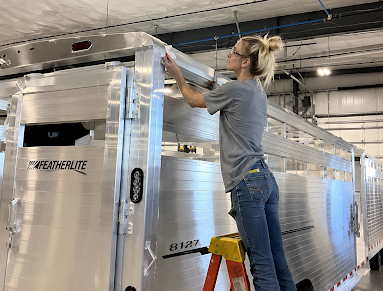
In the competitive world of trailer manufacturing, innovation is not just beneficial; it’s a necessity. For professional trailer manufacturer Hillsboro Industries, prioritizing innovative design in their trailer solutions is a fundamental business strategy. This focus not only distinguishes them in the market but also addresses the evolving needs of customers who demand efficiency, safety, and durability. This article delves into why Hillsboro Industries places such a premium on innovative design and how this emphasis enhances its offerings in the realm of Business, Automobiles, and Vehicles.
Innovative Design in Hillsboro Industries Trailer Solutions
Hillsboro Industries leverages advanced design principles to create trailers that stand out for their functionality and aesthetics. Their design process integrates cutting-edge techniques such as Telematics Control Unit (TCU) integration, enabling real-time data monitoring and improved fleet management. This focus on innovation is not just about aesthetics; it drives the efficiency and safety of their trailers. For example, incorporating Advanced Driver Assistance Systems (ADAS) can significantly enhance the safety features of trailers, reducing the risk of accidents on the road. Moreover, as a Professional Trailer Manufacturer, Hillsboro Industries employs Automotive Quality Management System (AQMS) practices to ensure every trailer meets high standards of quality and performance. By embedding these systems into their design process, they guarantee that each trailer not only meets but exceeds industry expectations. These practices showcase their commitment to quality and innovation, ensuring that their products remain at the forefront of the industry.
Incorporating technologies such as VIN (Vehicle Identification Number) Decoding and On-Board Diagnostics II (OBD-II) systems is crucial for Hillsboro Industries to ensure that their trailers are compatible with modern vehicles. This compatibility is essential for maintaining the efficiency and reliability of both the trailers and the vehicles towing them. Additionally, Chassis Dynamometer Testing is a key technique for optimizing trailer performance by simulating real-world driving conditions.
Professional Trailer Manufacturer, Hillsboro Industries, also invests in Automotive Cybersecurity Assessment to protect their trailers from potential cyber threats. This forward-thinking approach not only enhances security but also builds customer trust. As technology continues to evolve, Hillsboro Industries remains committed to integrating these advancements into their trailer designs, keeping them at the cutting edge of the industry.
The Role of Customization in Hillsboro Industries Trailers
Customization plays a pivotal role in Hillsboro Industries’ approach to trailer design. By offering tailored solutions, they cater to the specific needs of their diverse clientele. This customization process often involves Fuel Economy Testing Protocols to ensure that the trailers are optimized for efficiency, which can lead to significant cost savings over their lifecycle.
Furthermore, Hillsboro Industries utilizes Supply Chain Optimization in Tiered Manufacturing to streamline their production processes. This optimization allows for greater flexibility in customization, enabling them to deliver bespoke solutions without compromising on quality or delivery timelines. Such a strategy not only satisfies customer demands but also enhances operational efficiency, reinforcing their commitment to innovative design.
Impact of Innovative Design on Trailer Performance
The impact of innovative design on trailer performance is profound. By integrating advanced features and customization options, Hillsboro Industries’ trailers exhibit enhanced durability and reliability. The inclusion of Collision Repair Estimating Software in their design phase allows for easier maintenance and quicker repairs, minimizing downtime.
Additionally, the focus on Emissions Compliance Reporting ensures that their trailers adhere to environmental standards, reflecting their commitment to sustainability. This adherence not only meets regulatory requirements but also appeals to environmentally conscious consumers. Hillsboro Industries’ dedication to innovative design ultimately results in superior trailer performance, offering value far beyond the initial purchase.
Conclusion
Hillsboro Industries’ emphasis on innovative design is a key differentiator in the trailer manufacturing industry. Their integration of advanced technology and customization options ensures that their trailers meet the highest standards of quality and performance. By prioritizing innovation, they not only enhance the usability and safety of their products but also set a benchmark for others in the industry. For businesses seeking reliable, cutting-edge trailer solutions, Hillsboro Industries remains a leader to consider.
For more information, visit the Professional Trailer Manufacturer, Hillsboro Industries.
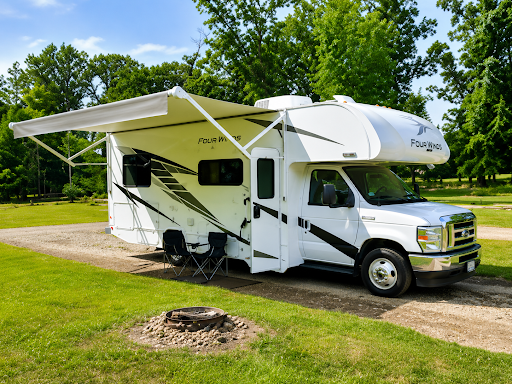
As RV enthusiasts and owners know, protecting their investment is a priority. Whether you’re a first-time buyer or have years of experience under your belt, understanding the nuances of warranty coverage can significantly impact your decision-making process. In the RV industry, two primary types of warranties are commonly discussed: the Manufacturer’s Warranty and the Extended RV Warranty. This article will dive into the differences between these two coverage options, weigh their respective pros and cons, and help you determine which warranty best suits your needs.
Extended RV Warranty and Manufacturer’s Warranty Explained
The Manufacturer’s Warranty is typically included with your new RV purchase. This warranty often covers defects in materials and workmanship within a specified period, usually ranging from one to three years. A key term to understand here is the Warranty Management System, a tool that manufacturers use to track warranty claims and ensure compliance with coverage terms. On the other hand, an Extended RV Warranty extends beyond the original manufacturer’s warranty period, offering continued protection against potential mechanical failures and system breakdowns.
The Extended RV Warranty can be purchased through third-party providers and often covers a broader range of components than the Manufacturer’s Warranty. It’s important for buyers to consult their Dealership Management System (DMS) to understand available coverage options and tailor them to their specific needs. Notably, some extended warranties can also cover labor costs for repairs, a significant consideration for RV owners.
Differences Between Extended RV Warranty and Manufacturer’s Warranty
One major difference between these warranties lies in their scope of coverage and duration. Manufacturer’s Warranties are limited in time and typically cover only the initial years of RV ownership. They often exclude items that are subject to regular wear and tear, like tires and brake pads. In contrast, an Extended RV Warranty can cover these and more, providing peace of mind as RVs age. This is especially relevant in the Automotive Aftermarket, where older vehicles require more frequent maintenance and repairs.
Another distinction is the flexibility of coverage. Manufacturer’s Warranties are standard and non-negotiable, while Extended RV Warranties often offer customizable plans. This allows owners to tailor coverage to individual needs, whether that means focusing on Fleet Telematics systems or engine components. Moreover, the Extended RV Warranty can be transferable, enhancing the Automotive Trade-In Valuation should you decide to sell your RV before the warranty expires.
Pros and Cons of Extended RV Warranty Compared to Manufacturer’s Warranty
The Manufacturer’s Warranty is advantageous because it’s included in the purchase price, providing initial coverage at no additional cost. However, its limited duration and scope can leave gaps, especially for those planning to keep their RVs long-term. Extended RV Warranties fill this gap by providing continued coverage even after the Manufacturer’s Warranty expires. This can be particularly beneficial for RVs used in commercial operations, where compliance with Vehicle Emission Standards and other regulations is critical.
On the downside, purchasing an Extended RV Warranty is an additional cost that requires careful consideration. It’s important to evaluate the terms and conditions closely, ensuring that the warranty covers essential systems and complies with Safety Standards Audits. Additionally, some extended warranties may require a deductible, which could impact your decision if frequent repairs are anticipated.
Choosing the Best Warranty Coverage for Your RV Needs
When selecting the best warranty coverage for your RV, consider factors such as your vehicle’s age and condition, usage patterns, and budget. For those purchasing a Certified Pre-Owned (CPO) Program vehicle, an Extended RV Warranty might be more suitable due to the potential for higher mileage and subsequent wear. Additionally, if your RV is part of a rental fleet, a robust extended warranty can mitigate the risk of unexpected repair costs.
Consulting with dealership experts and using resources such as the Parts Procurement Process can provide insights into the reliability of specific RV components. Ultimately, the decision should align with your vehicle acquisition strategy and long-term ownership goals.