Home Blog Page 28

What AA Window, Roof, & Gutter Cleaning Does To Protect Exterior Surfaces

Rain, dust, pollen, leaves, sunlight, and temperature changes are daily challenges on exterior surfaces. Exposure can cause windows to become cloudy, roofs to fill with debris, and gutters to fill with leaves. Initially, these problems might appear to be cosmetic. With time, leaking water and stagnant moisture can cause discoloration, damage, and wear around the house.  

Cleaning the exterior regularly can be a helpful way to get rid of buildup before it becomes more difficult to maintain. When these areas are cleaned as part of the same maintenance plan, it also helps safeguard surfaces that are connected against water and debris.  

So, what does each service do for the home’s exterior? 

Let’s explore five ways window, roof, and gutter cleaning go hand in hand to help keep those surfaces cleaner, better maintained, and ready for changing weather.

1. Keeps Windows Cleaner and Easier to Maintain

Keeps Windows Cleaner and Easier to Maintain

Windows gather dust, pollen, water spots, and other outside residues. This accumulation, if left on glass and frames, can cause moisture to be present around the edges following rain or condensation. The stains are more difficult to clean over time, and dirty frames can lead to a messy appearance on the outside. 

That’s when hiring professionals like AA Window, Roof, & Gutter Cleaning can provide a coordinated approach to removing that buildup, improving your home’s appearance while clearing debris from hard-to-see areas around the window frames.

A routine can cover: 

  • Cleaning glass and frames outside the building 
  • Removing dirt from window edges 
  • Clearing nearby leaves and loose debris 

Once that buildup is removed, it’s easier to see if there’s any damage or wear on the trim, or if seals are cracked before they can cause other damage.

2. Protects Roof Surfaces From Debris Buildup

The roof is exposed to outdoor debris, leaves, wind, and rain. This accumulation can help to trap water in some spots and mask any problems. 

Clearing this accumulation is not only beneficial for the roof, but it also provides a better view of any missing, damaged, or worn materials for the homeowner. 

The drainage system depends on a clean roof, as debris can find its way into gutters and cause blockages.

3. Helps Gutters Move Rainwater Away From Exterior Surfaces

Roof debris can find its way to gutters, and drainage is the next concern. Gutters capture runoff and direct it to downspouts. When leaves and other debris clog up that path, water may overflow close to fascia, siding, windows, and other exterior surfaces. 

Therefore, gutter cleaning helps protect the exterior. As part of seasonal maintenance, the City of Grove City’s home-maintenance guidance for 2025 includes cleaning gutters and downspouts, which can lead to moisture damage. 

Key points include: 

  • Removing leaves and loose debris 
  • Inspecting downspouts for clogs 
  • Checking for sagging and separated sections 
  • Watching for water collecting near walls 

Maintaining this route prevents rainwater from spilling on weak exterior surfaces and promotes its drainage away.

4. Reduces Conditions That Can Speed Up Exterior Wear

The risk is increased if debris is retained against outside surfaces. Water can pool around rooflines on the leaves, and overflowing gutters can inundate siding, trim, and window surrounds time after time. 

One way to break that cycle is to clean and get rid of material that holds moisture close to outside components. Meanwhile, the more transparent surfaces also make stains, discoloration, and damage more visible so they can be more easily corrected before they become more difficult to treat. 

Timing is important, as well. During spring, pollen and storm debris can be a problem and, in the fall, leaves often cover rooflines and gutters just in time for autumn festivities like the Detroit Fall Beer Festival. After heavy buildup, clean regularly to keep maintenance manageable.

5. Helps Protect Surfaces by Making Problems Easier to Spot

Cleaning is more than just dirt removal. It provides a better understanding of the exterior surfaces that are exposed to the elements and moisture on a daily basis for homeowners. When the grime, leaves, and other buildup are removed, small problems can become apparent. 

This perspective also helps to determine what to work on next. A stain around a window might warrant further investigation. Damaged roof material may need repair. If there is regular overflow from your gutters, it could be a drainage problem. 

The close relationship of these exterior elements is demonstrated in the 2025 National Park Service( NPS) rehabilitation project for the Declaration House. The project includes exterior cleaning, wood-window repairs, and replacement of the roof, roof drains, and gutters. 

Cleaning regularly is not only to maintain the appearance and freshness of the surface. It enables homeowners to notice changes over time, allowing them to deal with small issues before they escalate into larger exterior damage.

Conclusion

Cleaning exterior surfaces is not enough to protect them from the elements; it is only for appearance. Weather is a problem for windows, roofs, and gutters, but their maintenance needs are linked. Clear windows can reveal issues around your home. Clear roofs eliminate debris accumulation, and clean gutters ensure rainwater doesn’t run down walls and other weak points.  

These tasks combine to make a real-life exterior care routine. Seasonal cleaning also allows for the early detection of stains, damage, and drainage issues. Maintaining these spaces while preventing issues early on makes it simpler to maintain the exterior of the house and helps keep it safer as the weather shifts.


How A Local Lawn Care Company Eliminates Weeds Safely

Weeds can quickly take over a lawn when they compete with grass for water, nutrients, sunlight, and space. Pulling them by hand could be effective with a couple of plants, but frequent weeds are usually indicative of a bigger lawn-care problem.  

Application of improper treatment may also put a strain on desirable grass and leave the issue unaddressed. For this reason, weed control needs to consider the type of weed, condition of the turf, soil, and timing of treatment. 

A local lawn care company can focus on these factors with planned inspections and targeted treatments. This method may be used to integrate pre-emergent management, post-emergent management, fertilization, and seasonal turf management to contain weeds and promote healthier turf. 

This approach combines targeted treatments with proper timing to eliminate weeds while protecting healthy grass.  

The process goes step by step in the following manner.

1. Identify Weed Types Before Treatment

Effective weed control starts with knowing which weeds are growing in your lawn. Different weeds appear at different times and need different treatments. Typical examples are crabgrass, dandelions, clover, plantain, and nutsedge. 

A local lawn care company  can inspect the lawn to identify these weeds and check for other problems. This may include looking at grass density, soil conditions, and signs of stress. 

This measure assists in avoiding the misuse of treatment. There are weeds that must be controlled before they germinate and those that must be treated once they grow. It is also important to establish weak areas. Weeds have more space to grow and spread due to thin grass.

2. Apply Targeted Weed Control Treatments

Apply Targeted Weed Control Treatments

After identifying the weeds, it is possible to choose the right treatment. Pre-emergent control is used to prevent the germination of some weeds. They may be applicable in managing crabgrass before it is established. 

Post-emergent treatments are applied to the already growing weeds. Selective applications can be used to manage broadleaf weeds and minimize the effects on healthy grass. 

Time is a factor as well. Treatments can be less effective when applied at an incorrect time. Lawn response can also be influenced by weather conditions. 

Hence, the treatments must be modified based on the existing condition of the lawn and weather. This assists in preventing unnecessary applications. It also provides the grass with a better opportunity to remain healthy and recuperate.

3. Protect Grass During Weed Removal

Removing weeds is only one part of maintaining a healthy lawn. The grass also needs enough nutrients and suitable growing conditions to compete with new weeds.

Fertilization can support turf growth when nutrients are applied according to seasonal needs. Slow-release nutrients are used in some professional programs to provide a more controlled supply over time. Soil testing can also help determine whether nutrient availability or soil conditions are limiting lawn growth.

Strong turf naturally leaves less room for weeds to establish. However, fertilizing more does not necessarily mean growing better grass. Excess nutrients can create problems, while poorly timed applications may not match what the lawn needs.

A balanced program therefore combines weed control with appropriate fertilization. If soil is too acidic, for example, a lime treatment may be considered after testing. Correcting the soil condition can help grass use available nutrients more effectively.

4. Use Seasonal Treatments for Prevention

Weed problems change as the growing season progresses. There are those weeds that grow in spring, and there are those that are more prominent in summer. Thus, a single application of the lawn treatment might not be effective in the long term. 

A seasonal program can address different weed pressures at appropriate times. Pre-emerging care can be used early in the season, but late-season applications can be made to address those weeds that emerge or become problematic during warmer temperatures. Fall treatment may also aid turf regeneration and root growth following summer stress.

This approach is more practical than waiting until weeds become widespread. Regular treatments allow problems to be addressed before they become harder to manage.

Seasonal care should also account for local conditions. Weather patterns, soil characteristics, grass types, and common regional weeds can all affect treatment timing. A program built around these factors can provide more consistent weed management.

5. Monitor Lawn Health After Treatment

Weed control does not end when an application is completed. The lawn should be monitored to determine how the grass and weeds respond. Follow-up care can reveal areas that need additional attention or changes to the treatment approach.

Homeowners also play an important role between professional visits. Proper mowing, watering, and drainage can help maintain turf health and support the results of weed-control treatments. For cool-season grass, maintaining an appropriate mowing height can reduce unnecessary stress. Deep, less frequent watering can also encourage stronger root development when conditions allow.

It is also important to follow instructions provided after treatment. Depending on the application, you may need to adjust mowing or watering for a specific period. For example, the service provider may recommend waiting before mowing so the treatment has enough time to work.

Ongoing monitoring makes weed control more responsive. Instead of repeatedly treating the same symptoms, you can identify patterns and address the conditions behind recurring problems.

Conclusion

Safe weed control depends on more than removing visible weeds. The process should begin with identifying the weed, selecting an appropriate treatment, and applying it at the right time.

At the same time, maintaining healthy turf through proper nutrition, soil care, watering, and mowing can make it harder for weeds to take over. Seasonal treatment and follow-up monitoring can then help manage new growth as conditions change.

By combining these steps, you can address existing weeds while supporting stronger grass. That balanced approach makes lawn care more consistent and reduces the need for unnecessary or poorly timed treatments.

From Arcade Classics to Modern Online Games: The Evolution of Simple Gameplay

Video games have changed dramatically since the first arcade machines attracted crowds in the 1970s. Graphics have become increasingly realistic, virtual worlds have expanded, and developers now have access to technologies that early gaming pioneers could scarcely imagine. Yet one principle has remained remarkably consistent: a simple, enjoyable gameplay concept can capture attention without requiring elaborate systems.

Early arcade titles demonstrated the value of clear objectives and intuitive controls. Players could understand the challenge almost immediately, whether they were navigating a maze, avoiding obstacles, or pursuing a higher score. These design principles continue to influence mobile applications, browser games, and contemporary online entertainment.

The evolution of simple gameplay is therefore not a story of outdated mechanics being replaced. It reflects how familiar ideas adapt to new devices, distribution channels, and audience expectations. Understanding this development reveals why minimalist game design remains relevant in an industry increasingly associated with technological complexity.

The Arcade Era Established the Foundations of Accessible Gaming

The commercial arcade boom introduced interactive entertainment to audiences who had little previous experience with video games. Titles such as Space Invaders, Pac-Man, and Frogger relied on recognizable objectives, limited controls, and progressively demanding challenges.

Their accessibility was essential. Arcade machines needed to communicate gameplay quickly because players typically encountered them in public spaces without lengthy instructions.

Frogger, released in 1981, became a particularly influential example. Its central objective involved guiding a frog across hazardous roads and waterways. The concept was easy to understand, but successful execution required timing, observation, and coordination.

This obstacle-crossing formula continues to appear in contemporary gaming. Modern adaptations range from mobile arcade challenges to gambling-oriented products such as Chicken Road, which uses familiar crossing-game imagery within a real-money environment. Although these experiences may share visual concepts, their underlying mechanics and financial consequences differ substantially.

The persistence of these themes demonstrates how effective gameplay ideas can survive technological transitions while being adapted for different audiences.

Classic Arcade FeatureOriginal PurposeModern Application
Simple controlsEnable immediate participationTouchscreen and browser interfaces
Increasing difficultyMaintain challengeAdaptive levels and progression
High scoresEncourage competitive achievementOnline rankings and achievements
Recognizable charactersEstablish visual identityMobile gaming brands and mascots
Short sessionsSuit coin-operated machinesFlexible smartphone entertainment

Arcade design established a vocabulary that developers still use when creating accessible interactive experiences.

Home Consoles Expanded the Possibilities of Simple Games

The expansion of home gaming systems during the 1980s and 1990s changed how audiences interacted with video games. Players no longer needed to visit public arcades, and developers could design experiences intended for longer sessions.

Consoles introduced opportunities for more elaborate environments, persistent progression, and character development.

Nevertheless, simple mechanics remained central to many successful releases. Platform games, puzzle titles, and racing experiences often relied on a limited number of actions refined through increasingly sophisticated level design.

Tetris demonstrated how a straightforward concept could support exceptional replayability. Its falling-block mechanics required no elaborate narrative, yet the interaction between spatial reasoning and increasing speed created substantial depth.

Similarly, platform games built complex challenges around basic movements such as running and jumping.

These examples established an important distinction between simplicity and lack of depth. A game can be easy to understand while remaining difficult to master.

Browser Games Made Interactive Entertainment More Accessible

The growth of the internet introduced another major transformation. Browser-based games allowed users to access entertainment without purchasing dedicated hardware or installing large applications.

During the late 1990s and 2000s, browser gaming benefited from technologies that supported animation, interactive controls, and increasingly sophisticated visual presentation.

Puzzle games, platform challenges, and simple multiplayer experiences became popular across entertainment websites.

Several factors contributed to their accessibility:

  • Immediate access through a web browser reduced installation requirements.
  • Relatively modest hardware demands allowed participation on ordinary computers.
  • Short gameplay sessions suited school breaks and casual entertainment habits.
  • Online sharing helped individual titles circulate between communities.

However, browser gaming also faced technical limitations. Differences between browsers, network performance, and software compatibility could affect the experience.

The decline of Adobe Flash support later forced developers to adopt alternative technologies, including HTML5 and WebGL.

These changes helped establish the foundations of contemporary browser-based entertainment, which can operate across multiple devices without relying on obsolete plugins.

Smartphones Transformed Casual Gaming into a Global Market

The introduction of modern smartphones and application marketplaces dramatically expanded the potential audience for simple games.

Touchscreen interfaces made certain mechanics particularly intuitive. Tapping, swiping, and dragging objects became familiar actions even for people without traditional gaming experience.

Games such as Angry Birds and Crossy Road demonstrated how accessible controls could support distinctive visual identities and broad international appeal.

Mobile gaming also changed expectations around session length. Players increasingly wanted experiences that could accommodate commuting, waiting periods, and other short intervals.

Gaming PlatformTypical InteractionMain Accessibility Advantage
Arcade machinesJoysticks and physical buttonsImmediate public access
Home consolesDedicated controllersComfortable extended sessions
Browser gamesKeyboard, mouse, or touchMinimal installation requirements
Mobile applicationsTouchscreen gesturesPortable entertainment
Cloud gamingRemote processing and streamingReduced dependence on local hardware

Smartphones did not eliminate traditional gaming platforms. Instead, they created additional opportunities for developers to design experiences around different contexts.

The most successful mobile games often combine simple mechanics with polished interfaces, responsive controls, and consistent performance.

Smartphones Transformed Casual Gaming into a Global Market

How Game Design Evolved Beyond High Scores

Early arcade games frequently used high scores as their primary measure of achievement. Players returned to improve performance, compete with friends, or overcome increasingly difficult challenges.

Modern casual games employ a wider variety of progression systems.

Achievements, unlockable characters, daily challenges, and cosmetic customization can provide additional objectives beyond completing a level.

These systems may encourage exploration and create a sense of continuity between sessions.

However, developers must balance progression with accessibility. Excessively complicated reward structures can undermine the simplicity that originally attracted players.

Effective modern design often follows several principles:

  1. Introduce the central mechanic before adding secondary features.
  2. Increase difficulty gradually while maintaining understandable rules.
  3. Provide clear feedback after important player actions.
  4. Offer meaningful progression without requiring unnecessary repetition.
  5. Make optional purchases and commercial features transparent.

These principles help distinguish thoughtful engagement from systems designed primarily to maximize time spent or spending.

Simple games are particularly sensitive to design quality because weaknesses in controls, pacing, or feedback become immediately noticeable.

Monetization and the Changing Economics of Casual Games

The business model of simple games has evolved alongside distribution technology.

Traditional arcade machines generated revenue through individual plays. Home console games typically relied on direct purchases, while browser and mobile platforms introduced advertising-supported access and optional transactions.

Today, developers can choose between premium pricing, subscriptions, advertising, and in-app purchases.

Business ModelRevenue SourceMain Consideration
Coin-operated arcadePayment per sessionLimited playtime and physical access
Premium purchaseUpfront game salesValue and purchase expectations
Advertising-supportedCommercial impressionsInterruptions to gameplay
Free-to-playOptional digital purchasesFairness and spending transparency
SubscriptionRecurring paymentsContinued content availability

Different models influence design decisions. Advertising may encourage short, repeated sessions, while premium games can prioritize uninterrupted experiences.

Real-money gambling products represent a separate category because participants risk financial losses rather than simply purchasing entertainment access.

Clear distinctions between these models are important, particularly when familiar cartoon graphics appear in products intended for adults.

The Future of Simple Gameplay in an Advanced Gaming Industry

Artificial intelligence, cloud infrastructure, and improved development tools are creating new opportunities for smaller gaming projects.

Developers can experiment with procedural environments, adaptive difficulty, and more efficient production workflows without necessarily building enormous virtual worlds.

Cross-platform technologies also make it easier to adapt games for browsers, smartphones, and other connected devices.

Yet technological progress does not guarantee better entertainment. Adding unnecessary features can make an accessible concept more confusing.

The enduring success of minimalist games suggests that players continue to value clarity, responsiveness, and meaningful challenges.

From the earliest arcade cabinets to contemporary mobile applications, simple gameplay has repeatedly adapted to changing technologies. Each generation introduces new visual styles and distribution methods, but the fundamental attraction remains recognizable.

A strong interactive concept gives players a clear objective, understandable rules, and opportunities to improve through participation. These qualities can remain compelling even when production budgets and technical capabilities vary enormously.

The next generation of casual games will likely combine familiar design principles with improved accessibility and more flexible digital distribution. Developers who understand the relationship between simplicity and depth will be well positioned to create experiences that remain enjoyable beyond short-lived trends.

Ultimately, the history of gaming demonstrates that innovation does not always require greater complexity. Sometimes the most enduring ideas are those that players can understand in seconds and continue exploring for years.

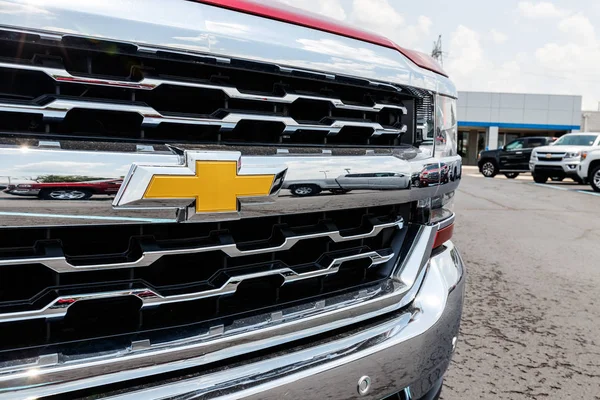
Which Chevrolet Models Handle Oklahoma Road Trips Best?

Photo by depositphotos at https://depositphotos.com/

Oklahoma offers plenty of opportunities for memorable road trips, from exploring scenic state parks and lakes to visiting small towns, historic landmarks, and lively cities. Choosing the right vehicle can make these journeys more comfortable, especially when traveling long distances across highways, rural roads, and changing weather conditions. Chevrolet offers a diverse lineup of vehicles, including fuel-efficient sedans, spacious SUVs, and versatile pickup trucks that suit different travel preferences. When comparing Chevrolet dealers Oklahoma, drivers can explore models that balance comfort, cargo capacity, fuel economy, and useful technology. The best choice depends on how many people are traveling, how much luggage they carry, and whether their adventures involve paved highways or more rugged destinations.

1. Chevrolet Equinox: A Practical Choice for Everyday Adventures

The Chevrolet Equinox is a compact SUV that offers a useful balance of passenger comfort, manageable dimensions, and everyday versatility. It can be a strong option for couples, small families, and travelers who want an SUV without moving to a larger vehicle.

Comfortable Driving on Highways

Long road trips often involve several hours behind the wheel, making seating comfort and a smooth driving experience important considerations. The Equinox provides a practical cabin layout and a raised seating position that many drivers appreciate.

Its compact size can also make navigating city streets and parking in crowded destinations easier than driving a full-size SUV. Whether the itinerary includes Oklahoma City, Tulsa, or smaller communities along the way, the Equinox offers flexibility for different travel situations.

Space for Luggage and Travel Essentials

The Equinox provides cargo space for suitcases, backpacks, picnic supplies, and other road-trip necessities. Its folding rear seats offer additional flexibility when travelers need room for larger items.

For drivers planning weekend trips, visiting family, or exploring attractions around Oklahoma’s lakes and parks, this combination of passenger space and practical storage can be especially useful.

2. Chevrolet Traverse: Ideal for Families and Group Travel

Traveling with children, relatives, or a group of friends often requires more passenger space. The Chevrolet Traverse is a midsize SUV designed to accommodate larger groups while providing room for luggage and everyday travel equipment.

Three Rows of Seating

The Traverse offers three rows of seating, making it a suitable option for families who need additional passenger capacity. Depending on the configuration, it can accommodate up to eight people.

Extra seating can be valuable when organizing family vacations, traveling with grandparents, or taking children and their friends on a weekend adventure.

Before setting off, consider how the available cargo space changes when all seating rows are occupied. Families carrying substantial luggage may need to pack carefully or use suitable additional storage solutions.

Features for Longer Journeys

Depending on the trim and model year, the Traverse may offer smartphone connectivity, multiple charging options, climate-control features, and driver-assistance technologies.

These amenities can help make long journeys more convenient. Passengers can remain comfortable, devices can stay charged, and drivers can access navigation tools more easily.

For families planning extended trips across Oklahoma, the Traverse is worth considering when passenger capacity and interior flexibility are higher priorities than compact dimensions or maximum fuel economy.

3. Chevrolet Blazer: A Comfortable Option for Couples and Small Families

The Chevrolet Blazer is worth considering for travelers who want a stylish midsize SUV with a comfortable cabin and responsive performance. It provides a middle ground between a compact crossover and a larger family vehicle.

Balanced Performance on Long Drives

The Blazer offers a road-oriented driving experience that can suit highway travel, scenic drives, and weekend getaways. Its available powertrains provide different performance characteristics, allowing buyers to prioritize everyday efficiency or additional power.

For road trips across Oklahoma, this can be useful when the itinerary includes long highway stretches followed by city driving or visits to smaller destinations.

Passenger and Cargo Flexibility

With seating for up to five people and flexible rear-seat storage, the Blazer can accommodate couples, small families, and travelers carrying moderate amounts of luggage. Available convenience and driver-assistance features can further improve the experience.

Its combination of comfort, styling, and practical storage makes it a suitable option for travelers who do not require three rows of seating. 

4. Chevrolet Trailblazer: A Smart Choice for Fuel-Conscious Travelers

For travelers who prioritize maneuverability and fuel economy, the Chevrolet Trailblazer is another model worth exploring.

Efficient Highway Travel

The 2026 Trailblazer has EPA-estimated fuel economy ratings of up to 29 mpg in the city and 33 mpg on the highway in certain configurations. Actual mileage varies depending on the powertrain, drivetrain, and driving conditions. 

This efficiency can help drivers manage fuel expenses when traveling between Oklahoma communities or taking frequent weekend trips.

Compact Size and Useful Storage

The Trailblazer’s compact dimensions can make parking and navigating busy areas more convenient. Its flexible cargo area can accommodate backpacks, groceries, overnight bags, and other travel essentials.

It is particularly suitable for solo travelers, couples, and small families who want an SUV without the size and operating costs of a larger vehicle.

However, travelers carrying substantial luggage or traveling with several passengers should check the available cargo space before committing to a particular configuration.

5. Chevrolet Tahoe: Extra Space for Extended Family Trips

The Chevrolet Tahoe is a full-size SUV designed for families and travelers who need generous passenger room and substantial cargo capacity.

Room for Passengers and Luggage

With three rows of seating, the Tahoe can accommodate larger families and groups. Its spacious cabin is useful for longer vacations when passengers need room to relax and carry personal belongings.

Depending on the configuration, the Tahoe offers different engine options, including an available Duramax turbo-diesel engine. The diesel version may appeal to drivers who regularly cover long distances and want to compare its fuel economy with gasoline alternatives.

Suitable for Longer Adventures

The Tahoe can be a strong option for extended road trips involving camping equipment, sports gear, and multiple passengers. Available comfort and driver-assistance features can make longer journeys more convenient.

However, its larger size and higher operating costs may not suit every driver. Consider parking availability, fuel expenses, and the amount of space you genuinely need before choosing a full-size SUV.

6. Chevrolet Silverado: A Pickup for Road Trips with Equipment

Not every road trip involves only suitcases and passenger luggage. Some travelers need to transport bicycles, outdoor equipment, work tools, or towing equipment. For these situations, the Chevrolet Silverado pickup may be a practical alternative.

Flexible Cargo-Carrying Capability

The Silverado’s open cargo bed can accommodate bulky items that may be difficult to fit inside an SUV. Depending on the configuration, it can also tow trailers for compatible recreational equipment.

Drivers planning to tow a camper or boat should verify the specific truck’s towing and payload ratings. Engine choice, cab style, drivetrain, and installed equipment affect the maximum capacity.

Consider Comfort and Fuel Costs

A Silverado can offer a comfortable cabin, particularly in configurations designed for everyday driving and longer journeys. However, its size may make parking more challenging, and fuel expenses can differ considerably between powertrains.

Choose a pickup if its cargo flexibility and towing capability are genuinely useful for your travel plans. If you primarily carry passengers and luggage, an SUV may be more convenient.

7. How to Choose the Best Chevrolet for Your Oklahoma Road Trip

The best model depends on your travel group, budget, and planned activities. Comparing a few practical factors can help narrow your options.

  • Passenger capacity: Consider whether you need seating for five people or the additional space of a three-row SUV.
  • Fuel economy: Compare EPA estimates for the exact model and powertrain to understand potential fuel expenses.
  • Cargo and towing needs: Determine how much luggage you will carry and whether you need to tow a trailer.
  • Comfort and safety: Evaluate seating, climate control, infotainment, visibility, and available driver-assistance technology.
  • Ownership costs: Consider insurance, maintenance, tires, financing, and the vehicle’s overall purchase price.

Before a long journey, check tire pressure, fluid levels, brakes, lights, and windshield wipers. Make sure your luggage is secured and plan breaks to reduce driver fatigue. Oklahoma weather can change quickly, so checking road and weather conditions before departure is also a sensible precaution.

Conclusion

Several Chevrolet models can handle Oklahoma road trips well, but each serves a different type of traveler. The Equinox offers everyday versatility, the Traverse provides additional passenger space, the Blazer balances comfort and performance, and the Trailblazer appeals to drivers seeking a smaller, efficient SUV. Families who need more room may prefer the Tahoe, while travelers carrying bulky equipment or towing recreational trailers may find the Silverado more suitable.

The right choice ultimately depends on your budget, passenger requirements, luggage, and driving habits. Compare specifications, explore available features, and take a test drive before making a decision. With the right Chevrolet, you can enjoy a comfortable and practical vehicle for exploring Oklahoma’s highways, communities, and outdoor destinations.

What Tampa Drivers Should Know Before Buying a Ford Vehicle

Photo by depositphotos at https://depositphotos.com/

Buying a vehicle is an important decision, especially when you need something that fits your daily routine, budget, and driving environment. For Tampa drivers, factors such as warm weather, heavy traffic, sudden rainstorms, and frequent highway travel can influence which vehicle makes the most sense. Ford offers a broad selection of trucks, SUVs, crossovers, and electric vehicles, giving buyers several options to consider. Before visiting a Ford Dealer in Tampa Florida, it helps to understand the differences between models, evaluate ownership costs, and identify the features that matter most for your lifestyle.

Choose a Ford Model That Fits Your Lifestyle

The first step is deciding what type of vehicle suits your everyday needs. Ford’s lineup includes options for commuters, families, outdoor enthusiasts, and people who need a capable work truck.

Drivers looking for a compact vehicle for daily errands and commuting may prefer a smaller crossover. The Ford Escape, for example, offers a practical format for urban driving, while the Bronco Sport appeals to drivers interested in outdoor activities and a more rugged design.

Families who need additional passenger room may consider the Ford Explorer or Expedition. These SUVs offer different levels of interior space and capability, so the right choice depends on passenger numbers, cargo needs, and parking preferences.

Truck shoppers can compare the Ford Maverick, Ranger, F-150, and Super Duty models. The Maverick suits many everyday tasks, while the Ranger and F-150 offer different combinations of size, capability, and utility. Super Duty trucks are designed for more demanding hauling and towing requirements.

Rather than choosing based on appearance alone, list the tasks you expect your vehicle to perform regularly.

Consider Tampa’s Weather and Driving Conditions

Florida’s climate makes certain vehicle features especially useful. High temperatures can put additional demands on air conditioning systems, batteries, tires, and cooling systems. When comparing vehicles, check the condition and performance of these components, particularly if you are considering a used Ford.

Heavy rain is another consideration. Tampa drivers may encounter wet roads, standing water, and reduced visibility during storms. Good tires, properly functioning windshield wipers, effective headlights, and responsive brakes are essential for safe driving.

Traffic can also influence your choice. A smaller crossover or compact pickup may be easier to maneuver and park in crowded areas than a large SUV or heavy-duty truck. However, drivers who frequently transport family members, equipment, or bulky cargo may find the additional space worthwhile.

Consider your typical driving routes, parking arrangements, and commute length before settling on a vehicle. The best option is one that handles everyday conditions comfortably rather than one selected solely for occasional needs.

Evaluate Fuel Economy and Powertrain Options

Fuel expenses can make a noticeable difference in the long-term cost of ownership. Compare the fuel economy of the specific Ford models and powertrains you are considering, using official estimates and understanding that actual results vary with traffic, driving habits, weather, and vehicle load.

A smaller SUV may be appropriate for drivers who primarily commute and run errands. A pickup with a more powerful engine may be preferable for hauling equipment or towing a trailer, even if it consumes more fuel.

Hybrid and electric vehicles are also worth evaluating. A hybrid can reduce fuel consumption in suitable driving conditions, while a fully electric vehicle may offer lower energy costs for drivers with convenient charging access. Before choosing an electric Ford, consider your daily mileage, access to home or public charging, and the availability of charging options along longer routes.

Do not compare vehicles using fuel economy alone. Think about purchase price, insurance, maintenance, driving range, and the capabilities you actually need.

Decide Between a New and Used Ford

New and used vehicles each offer advantages. A new Ford lets buyers select from current model-year features, configurations, and available technology. It may also include a manufacturer warranty, subject to its terms and conditions.

A used Ford can provide access to a higher trim level or a larger vehicle at a lower purchase price. However, its condition, mileage, maintenance history, and remaining warranty coverage deserve careful attention.

If you are considering a used vehicle, review its service records and vehicle history report. Look for reported accidents, title issues, inconsistent mileage information, and signs of poor maintenance. A history report is helpful, but it may not include every repair or incident.

Arrange an independent mechanical inspection when possible. Check the engine, transmission, brakes, tires, suspension, air conditioning, and electrical features. During the test drive, pay attention to unusual noises, vibrations, warning lights, or handling problems.

Compare the total value of each option rather than assuming that the lowest purchase price is automatically the best deal.

Look for Safety and Convenience Features

Safety and convenience features can make daily driving more comfortable, particularly when navigating busy roads and unfamiliar routes.

Depending on the model, trim, and equipment package, Ford vehicles may offer technologies such as blind-spot monitoring, lane-keeping assistance, automatic emergency braking, rearview cameras, parking sensors, and adaptive cruise control. Availability varies, so confirm which features are included on the exact vehicle you want.

Driver-assistance systems are designed to support the driver, not replace attention or safe driving practices. Learn how each system operates and understand its limitations before relying on it.

Convenience features also deserve consideration. Smartphone integration, navigation, multiple charging ports, adjustable seating, and climate-control options may improve the daily driving experience. Families may value rear-seat space and cargo flexibility, while commuters may prioritize comfortable seats and straightforward controls.

Test the features yourself before deciding which ones are worth paying extra for.

Understand the Full Cost of Ownership

The advertised price is only one part of a vehicle’s cost. Before committing to a purchase, calculate the likely expenses associated with financing, insurance, fuel or electricity, maintenance, repairs, registration, and taxes.

If you plan to finance your Ford, compare interest rates, loan terms, the total amount financed, and the total interest paid over the loan’s life. A lower monthly payment may result from a longer loan term rather than a lower overall cost.

Request a clear breakdown of the purchase price and applicable fees. If you have a vehicle to trade in, research its value and compare the trade-in allowance separately from the price of the Ford you want to purchase.

You should also account for routine maintenance. Regular oil changes where required, tire rotations, brake inspections, and scheduled servicing can help maintain vehicle performance. Following the maintenance schedule in the owner’s manual is particularly important for protecting a vehicle over time.

Setting a realistic budget before shopping can help you avoid choosing a vehicle that stretches your finances.

Take a Thorough Test Drive

A test drive is one of the most valuable parts of the buying process. It allows you to evaluate whether the vehicle feels comfortable and performs as expected.

Drive on a combination of streets and highways when possible. Check acceleration, steering response, braking, visibility, and cabin noise. Test the air conditioning, infotainment system, windows, parking cameras, and other features you expect to use regularly.

If you are considering a larger SUV or pickup, assess how easily you can park it, judge its dimensions, and enter or exit the vehicle. Families should check child-seat compatibility and passenger comfort.

For used vehicles, pay particular attention to warning lights, unusual sounds, shifting behavior, and signs of mechanical trouble. Do not feel pressured to make a decision before you have reviewed the vehicle’s condition and the terms of the offer.

Conclusion

Buying a Ford in Tampa requires balancing everyday practicality, weather-related considerations, vehicle capability, and long-term affordability. Start by identifying your driving needs, then compare suitable models, powertrains, safety features, and ownership costs. Whether you choose a compact crossover, family SUV, pickup truck, or electric vehicle, review its specifications carefully and take a thorough test drive. For used vehicles, pay particular attention to maintenance records and mechanical condition. By researching your options and setting a realistic budget, you can make a well-informed decision and select a Ford that fits your lifestyle in Tampa.

What to Say (and Not Say) After a Hartford Car Crash

A sudden crash on I-84 or near the State Capitol leaves you shaken, confused, and hurting. The words you choose right after a wreck can protect your rights or accidentally ruin your chances of getting fair compensation. Insurance adjusters listen closely to everything you say so they can find reasons to pay you less money. Speaking with a trusted Hartford car accident lawyer helps you handle these tricky conversations without making costly errors.

Talking to Other Drivers at the Accident Scene

Admitting fault or apologizing out of politeness on the side of Farmington Avenue destroys a strong claim. You might feel bad about the chaotic situation, but saying “I didn’t see you” or “I’m so sorry” gives the other side an easy excuse to blame you entirely.

  • Keep It Simple – Exchange basic details like insurance policy numbers, driver’s license details, and phone numbers.
  • Avoid Health Chat – Never tell the other driver you feel completely fine while standing on the pavement.
  • Skip Small Talk – Discussing speed limits, traffic light colors, or road distractions gives away unnecessary information.

Stick strictly to trading contact information and license details. Save any detailed descriptions of your physical health or driving actions for official police officers and medical professionals.

How Should You Answer Questions From Hartford Police?

When an officer from the Hartford Police Department arrives on High Street, answer their questions truthfully without guessing. Stating facts clearly keeps the official accident report accurate.

Tell the officer simple facts like where you were driving, how fast you were going, and which lane you were in. If you do not know an answer, just say “I am not sure” instead of guessing. Tell the officer right away if your body hurts anywhere so they can write down your injuries in the official report.

Hiring a Hartford car accident lawyer makes sure these early police reports get the story right. Attorneys check the official records and fix any mistakes before the insurance company can use them against you.

Handling Calls From the Insurance Adjuster

Insurance adjusters call you right away after a crash, hoping to talk while you are still sore and stressed. They sound friendly on the phone, but their real job is saving money for their company by giving you a smaller check.

  • Refuse Voice Recordings – Politely decline requests to give taped phone statements before consulting legal representation.
  • Never Accept Fast Cash – Reject initial settlement offers before your doctor determines your total recovery plan.
  • Provide Basic Facts – Share only the wreck date, time, location, and involved vehicle models.

Directing all adjuster calls straight to your legal advocate prevents you from accidentally saying something that hurts your case. That protection lets you focus on healing while your attorney fights for every dollar you deserve, ensuring that Connecticut’s comparative fault rule doesn’t harm your claim because of something you shouldn’t have said.

How Medical Records Speak for Your Pain

Telling your emergency room doctor at Saint Francis Hospital about every single sore spot gives you clear proof of your physical hurt. Leaving out small details like a stiff wrist or a sore back can hurt your case later on.

  • List Every Symptom – Tell medical staff about every sore spot, even minor neck stiffness.
  • Follow Care Orders – Attend every follow-up physical therapy visit on Main Street without missing appointments.
  • Track Daily Hardship – Keep a short written journal detailing missed work shifts and daily physical pain.

Your attorney uses these precise health charts to show the true cost of the crash. Detailed medical records stop adjusters from claiming your physical pain came from an old pre-existing condition.

Time passes quickly while you handle doctor visits and missed work days after a wreck. Under Connecticut General Statutes § 52-584, you generally have just two years from the date of your injury to file a lawsuit in state court.

Missing this strict cutoff closes the courthouse doors forever, leaving you stuck with unpaid hospital bills. Reaching out to an attorney early keeps your case on track so court filing dates never slip past.

Choosing the right words after a crash stops insurance companies from taking advantage of your stress. Sharing basic facts with police, keeping quiet with adjusters, and following your doctor’s orders safeguards your financial recovery. Reach out to a local law firm today to guide your conversations, handle insurance paperwork, and fight for full payment for your injuries.

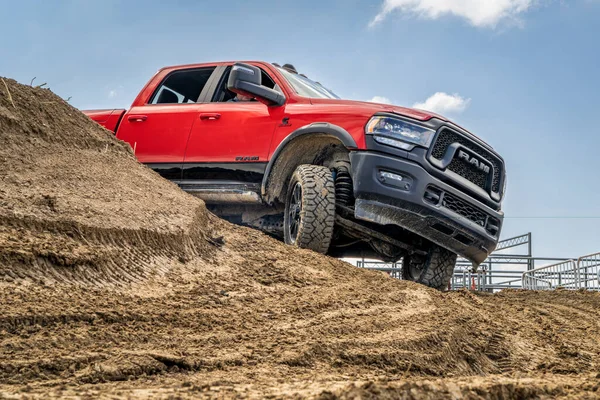
What Oklahoma Buyers Should Know About Used Ram Trucks

Photo by depositphotos at https://depositphotos.com/

Used pickup trucks can be a practical choice for Oklahoma drivers who need a vehicle for work, travel, towing, or everyday transportation. Ram trucks are known for their range of engine options, spacious cabins, and ability to handle demanding tasks. However, buying a used truck requires more than comparing prices and choosing a model that looks good. Buyers should understand the truck’s maintenance history, mechanical condition, towing capabilities, and overall ownership costs before making a decision. Exploring available options through Oklahoma Ram dealers can help shoppers understand which models and configurations may suit their needs.

Understand the Different Ram Truck Models

Ram has offered several pickup configurations over the years, so buyers should begin by identifying the model that fits their intended use.

The Ram 1500 is generally suited to drivers who want a versatile pickup for commuting, family transportation, light hauling, and occasional towing. Its available cab styles, engine choices, and trim levels make it adaptable to different budgets and lifestyles.

The Ram 2500 is designed for more demanding work. Depending on its configuration, it may be appropriate for hauling heavy equipment, towing larger trailers, or supporting commercial tasks. The Ram 3500 offers additional heavy-duty capabilities for buyers who regularly transport substantial loads or tow heavy trailers.

Model year and configuration matter. Two trucks with the same model name may have different engines, payload ratings, towing capacities, and equipment. Buyers should check the specifications for the exact vehicle rather than relying on general figures.

Consider Oklahoma’s Driving Conditions

Oklahoma drivers experience a mix of urban traffic, rural highways, gravel roads, construction areas, and changing weather conditions. These factors can influence which used Ram truck makes the most sense.

For daily commuting and occasional weekend projects, a Ram 1500 may provide a useful balance of comfort and capability. Buyers who frequently travel on unpaved roads or work at rural properties may prefer a suitable four-wheel-drive configuration, depending on road conditions and their driving needs.

Severe weather is another consideration. Heavy rain, storms, and occasional winter conditions make tire quality, brake performance, lighting, and windshield condition important inspection points. A four-wheel-drive system can improve traction in certain situations, but it does not eliminate the need for appropriate tires or careful driving.

Buyers should also consider how much time the truck will spend on highways. A well-maintained truck with comfortable seating, effective climate control, and suitable driver-assistance features can make longer trips more manageable.

Review the Vehicle’s Maintenance History

A truck’s service records can reveal how well it has been maintained. Before purchasing a used Ram, ask whether the seller has records of routine oil changes, fluid replacements, brake service, tire rotations, and other scheduled maintenance.

Pay particular attention to vehicles that may have been used for commercial work, frequent towing, or off-road driving. These activities are not automatically reasons to reject a truck, but they can increase wear on certain components.

Look for evidence of consistent maintenance rather than relying on mileage alone. A higher-mileage truck with documented care may be a better choice than a lower-mileage vehicle with missing records and unclear ownership history.

A vehicle history report can help identify reported accidents, title issues, previous ownership, and certain service records. However, it may not contain every incident or repair. Ask questions about any unexplained gaps and consider an independent inspection before committing to the purchase.

Inspect the Engine and Mechanical Components

A thorough inspection can help identify problems that may become expensive after purchase. Whenever possible, examine the truck when its engine is cold, since some noises or starting problems may be less noticeable after it warms up.

Check beneath the hood for fluid leaks, damaged hoses, loose connections, unusual corrosion, or signs of poor repairs. During startup, listen for persistent knocking, rough idling, or other unusual sounds. Warning lights on the dashboard should also be investigated rather than ignored.

The transmission deserves careful attention. During a test drive, notice whether gear changes feel smooth and predictable. Delayed engagement, harsh shifting, slipping, or unusual noises may indicate a problem that requires professional evaluation.

Inspect the suspension, steering, brakes, and tires as well. Uneven tire wear can indicate alignment or suspension concerns, while excessive vibration or steering looseness may signal additional repairs. Because some problems are difficult to identify without specialized equipment, a qualified mechanic should inspect the truck before the sale is finalized.

Check Towing and Payload Requirements

Many buyers choose Ram trucks because they need to transport equipment, tow recreational vehicles, or handle work-related loads. However, towing capacity is not identical across all Ram trucks.

The truck’s engine, axle ratio, cab style, drivetrain, bed length, and installed equipment can affect its capabilities. The owner’s manual and manufacturer specifications should be consulted for the specific vehicle under consideration.

Payload capacity is equally important. It includes the weight carried inside the truck, including passengers, cargo, and certain accessories. A truck may have a high advertised towing capacity but still be unsuitable for a particular combination of trailer tongue weight, passengers, and cargo.

Before buying, calculate the approximate weight of the loads you expect to carry or tow. Choosing a truck that meets those requirements with an appropriate margin can help avoid overloading and unnecessary mechanical strain.

Compare Mileage, Age, and Price

Mileage is an important factor, but it should not determine a purchase by itself. A truck used mainly for steady highway driving may experience different wear from one frequently driven in stop-and-go traffic or used for demanding work.

Compare vehicles with similar model years, trims, engine options, mileage, and condition. Review the asking price alongside the service history, accident records, tire condition, and any repairs likely to be needed soon.

Remember to budget for more than the purchase price. Insurance, fuel, registration, maintenance, replacement tires, and potential repairs all contribute to the cost of ownership. Heavy-duty trucks may also require more expensive tires and maintenance than smaller pickups.

If a truck is priced substantially below comparable vehicles, investigate why. The difference may reflect high mileage, missing equipment, accident history, mechanical concerns, or simply a seller’s pricing strategy. Verify the details before treating a low price as a bargain.

Take a Thorough Test Drive

A test drive helps buyers evaluate how a used Ram performs in real driving conditions. Start with ordinary roads and, where safe and legal, include a variety of speeds and turns.

Pay attention to steering response, braking, acceleration, cabin noise, and ride comfort. Test the air conditioning, heating, windows, infotainment system, cameras, and other electrical features. Check that four-wheel drive and other specialized systems operate according to the owner’s manual, where applicable.

Look for signs that the truck pulls to one side, vibrates at speed, overheats, or produces unusual smells. If you intend to use the truck for towing or work, consider whether its cab layout, visibility, storage, and bed configuration fit those needs.

Avoid rushing through the process. A careful test drive, combined with a professional inspection, can reveal concerns that photographs and a short conversation may not uncover.

Conclusion

Buying a used Ram truck in Oklahoma can be a sensible way to get the capability needed for commuting, hauling, towing, or demanding work without paying the price of a new vehicle. The key is to evaluate each truck individually. Compare models and configurations, review maintenance records, inspect major mechanical systems, verify towing and payload ratings, and account for long-term ownership costs. A detailed test drive and independent mechanical inspection can provide additional confidence before you commit. By focusing on condition, suitability, and documented history rather than appearance or price alone, Oklahoma buyers can make a more informed decision and choose a used Ram truck that fits their practical needs.

Utility Vehicles vs. Pickup Trucks: Which Is Better for Your Needs?

Photo by depositphotos at https://depositphotos.com/

Choosing between a utility vehicle and a pickup truck depends on how you plan to use it. Both can help with hauling supplies, transporting equipment, and handling demanding tasks, but they are designed for different environments. Utility vehicles, often called UTVs or side-by-sides, are compact machines built primarily for work and recreation on farms, ranches, trails, and private properties. Pickup trucks are road-oriented vehicles that offer greater cargo capacity, passenger comfort, and towing capability for many everyday and professional needs. Before exploring utility vehicles for sale Texas, consider where you will drive, what you need to carry, and how much capability your regular activities require.

Understanding the Main Differences

The most important distinction is how each vehicle is designed to operate. A utility vehicle typically has a compact body, an open or partially enclosed cabin, and a small cargo bed. Many models feature four-wheel drive, substantial ground clearance, and suspension systems designed for uneven terrain. Depending on the model, they may accommodate two or more occupants.

A pickup truck combines a passenger cabin with a separate cargo bed. It is designed for public roads and can travel longer distances at highway speeds. Depending on its size and configuration, a pickup may carry several passengers, transport bulky materials, and tow trailers.

These differences influence everything from maneuverability to operating costs. A UTV may be easier to use around a property with narrow paths, while a pickup is generally more suitable for traveling between locations and moving larger loads.

When a Utility Vehicle Makes More Sense

Utility vehicles are particularly useful when most work happens on private land or in areas that are difficult to access with a full-size truck.

Farmers and ranchers can use them to check fences, move tools, transport feed, inspect livestock, and travel between fields. Property owners may use them for landscaping, gardening, maintaining large yards, or carrying supplies across extensive grounds.

Their compact dimensions are a significant advantage. A UTV can often navigate narrow gates, barn entrances, wooded trails, and crowded work areas more easily than a pickup. Certain models also feature dump beds, which can simplify moving soil, mulch, gravel, or other loose materials.

Utility vehicles are also popular for outdoor recreation. Suitable models can provide access to trails and remote areas, although riders must follow local rules and manufacturer safety recommendations.

However, their usefulness depends on the specific model. Cargo-bed capacity, passenger limits, towing ratings, ground clearance, and available safety equipment can vary considerably. Buyers should verify these specifications before selecting a vehicle for regular work.

When a Pickup Truck Is the Better Choice

Pickup trucks are usually the stronger option for people who need one vehicle to handle public-road transportation and demanding hauling tasks.

Contractors may rely on pickups to transport building materials, tools, ladders, and equipment between job sites. Homeowners can use them to move furniture, collect supplies, and handle renovation projects. Drivers who tow boats, campers, livestock trailers, or work equipment may also benefit from a properly equipped pickup.

The larger cargo bed offers more flexibility for bulky items, while available cab configurations provide space for passengers. Many modern pickups include features such as climate control, advanced infotainment systems, driver-assistance technology, and comfortable seating.

A pickup also makes more sense when daily activities involve long distances. Unlike many off-road utility vehicles, road-legal pickups are designed for regular highway travel. They can serve as a primary vehicle for commuting, family transportation, and work.

Still, larger trucks may be harder to park in tight spaces and can have higher fuel, insurance, tire, and maintenance costs. Choosing the appropriate truck size and configuration helps avoid paying for capabilities that rarely get used.

Compare Cargo Capacity and Towing Requirements

Cargo and towing needs should be central to your decision. Although both vehicle types can move materials, they are not interchangeable when handling heavy loads.

A utility vehicle may be ideal for transporting smaller quantities of tools, feed, landscaping materials, or equipment across a property. Some models can pull light trailers, making them useful for moving supplies without repeatedly driving back to a storage area.

Pickup trucks generally offer greater payload and towing capacity, particularly heavy-duty models. However, maximum ratings differ by model, engine, drivetrain, axle ratio, and equipment package.

Before purchasing either vehicle, estimate the weight of the cargo you regularly carry and any trailer you expect to tow. Check the manufacturer’s payload and towing specifications, and account for passengers, accessories, and other loads. Never assume that a vehicle can safely handle a particular trailer simply because it has a hitch.

If your tasks involve heavy highway towing, a suitably equipped pickup is usually the more practical option. For lighter loads moved over short distances on private property, a utility vehicle may be sufficient.

Evaluate Terrain and Driving Conditions

The environment where you operate your vehicle can be just as important as the amount you need to carry.

Utility vehicles are often well suited to rough trails, farm roads, wooded areas, and uneven ground. Their compact size and available four-wheel-drive systems can help them navigate terrain that would be inconvenient or inaccessible for a larger vehicle.

Pickup trucks can also handle gravel roads, muddy access routes, and off-road conditions when properly equipped. However, their larger dimensions may limit maneuverability in narrow spaces. The right tires, ground clearance, drivetrain, and suspension matter more than appearance alone.

For Texas property owners, the decision may depend on whether daily work involves traveling between towns or moving around a ranch. A pickup can handle the public-road portion of a journey, while a UTV may be more convenient for checking distant areas within a property.

Remember that four-wheel drive does not eliminate the risks of mud, loose surfaces, steep slopes, or wet conditions. Always follow operating guidelines and use equipment appropriate for the terrain.

Comfort becomes important when you spend several hours a day operating a vehicle. Pickup trucks generally provide better protection from weather, quieter cabins, more seating options, and features designed for everyday transportation.

Utility vehicles may offer windshields, roofs, doors, seat belts, and other comfort or safety equipment, depending on the model. However, many are not equipped with the same occupant protection systems as passenger vehicles. Appropriate helmets and other protective equipment may be required or recommended for certain UTVs and riding conditions.

Legal requirements also deserve attention. Many utility vehicles are intended primarily for off-road use and cannot automatically be driven on public streets. Rules vary by location and vehicle classification, so check applicable Texas and local requirements before planning road travel.

Pickup trucks intended for public roads must meet relevant registration, insurance, and safety requirements. Whichever vehicle you choose, review the owner’s manual, observe passenger limits, and never exceed specified load ratings.

Calculate the Total Cost of Ownership

Purchase price is only one part of the financial decision. Fuel or charging costs, insurance, maintenance, replacement tires, repairs, storage, and accessories can affect the long-term expense of ownership.

A utility vehicle may cost less to purchase and operate for short trips around a property, but pricing varies by brand, features, and capability. Specialized components and replacement parts can also affect maintenance expenses.

Pickup trucks may cost more to fuel and maintain, especially when equipped for heavy towing or demanding work. However, their road-going versatility may allow some owners to use one vehicle for commuting, family activities, and work instead of maintaining separate transportation.

Compare vehicles based on your actual needs rather than assuming that one type is always cheaper. Consider how frequently you will use the vehicle, the distance traveled, and the tasks it must perform.

Conclusion

Utility vehicles and pickup trucks each offer distinct advantages. A utility vehicle is often the better choice for navigating private property, handling routine farm tasks, and carrying supplies through narrow or rough areas. A pickup truck is generally more suitable for highway travel, larger cargo loads, heavy towing, and everyday transportation. The best option depends on your working environment, load requirements, comfort preferences, safety needs, and budget. By comparing specifications and evaluating how you will use the vehicle throughout the year, you can choose a practical solution that delivers the right balance of capability, convenience, and value.

What Affects the Cost of Hiring a Car Accident Lawyer in New York?

A car crash can strain a household budget long before an injury claim is resolved. Medical bills, missed work and transportation expenses may arrive while a family is still figuring out whether it needs legal help. The cost of hiring a lawyer is another reasonable concern during that time.

For a New York car accident claim, the cost depends on more than a percentage. The fee arrangement, case expenses and any other valid obligations against the recovery all affect what reaches the injured person. Understanding those separate categories makes a consultation more useful and reduces the chance of confusing a settlement amount with money available for household spending.

Start with the difference between fees and expenses

An attorney’s fee pays for legal services. Case expenses cover work or materials needed to pursue the claim, from obtaining records and filing court papers to hiring an expert. They are related costs, but they are not interchangeable.

Many personal injury lawyers offer contingency arrangements. Under that model, the attorney’s fee depends on a recovery rather than monthly hourly bills. However, an advertisement saying “no fee unless there is a recovery” does not, by itself, explain who pays case expenses if the claim is unsuccessful.

The written agreement matters here. New York’s Rule of Professional Conduct 1.5(c) requires a written explanation of how a contingent fee is determined, how expenses are handled and any expenses the client could owe regardless of the outcome. That distinction is especially important for someone whose budget cannot absorb an unexpected bill.

A free initial consultation, when offered, is also different from free representation. It describes the cost of the first discussion, not necessarily the terms of the work that follows.

New York court rules shape the fee arrangement

A firm cannot simply choose any contingency percentage without regard to applicable rules. In the Fourth Judicial Department, which includes Erie County and Orchard Park, the personal injury fee rule provides a sliding Schedule A and an alternative Schedule B. Under Schedule B, the percentage may not exceed one-third of the recovery when the initial agreement provides for that arrangement.

These rules give readers reason to be cautious about generic online claims that every lawyer charges the same percentage, or that a fee automatically increases when a lawsuit reaches trial. The applicable court rules and the actual agreement govern the arrangement.

The percentage alone also does not explain how much the fee will be. Applying it after eligible case expenses are deducted produces a different figure from applying the same percentage to the gross recovery.

Under the Fourth Department rule, one calculation method uses the net recovery after proper case disbursements. An alternative gross-recovery method applies when the attorney agrees to pay the costs and expenses under the relevant statutory provision. The agreement must explain these alternatives, including their financial consequences and the client’s selection. The choice changes the expense obligations as well as the arithmetic.

What a sample calculation shows

Consider a hypothetical recovery of $90,000, with $6,000 in proper case expenses deducted before the fee is calculated. That leaves $84,000. A one-third fee on that amount would be $28,000, leaving $56,000 before any other valid obligations.

The example is not a prediction of case value or a quote for legal services. It shows how the gross recovery and fee calculation relate to the amount remaining for the client.

It also shows why two agreements cannot be compared by their advertised percentages alone. Expense treatment matters. So does whether the agreement covers the same services and stages of the case.

The most useful explanation is a worked example based on the agreement being discussed. It should make clear which costs are deducted and which are paid by the firm under the selected arrangement, along with any assumptions the example leaves out.

What can make a case more expensive to pursue?

The amount of work needed to establish a claim varies. A dispute over who caused the collision may call for witness interviews, additional records or a reconstruction expert. A dispute over the cause or extent of an injury may require medical opinions beyond the treatment records alone.

Cases involving several potentially responsible parties can also involve more documents and more coordination. A commercial vehicle case, for example, may raise questions about the driver’s employer and the records relevant to the collision. Not every such case needs the same investigation.

Potential expenses include:

  • Medical record and report charges.
  • Court filing and service costs.
  • Deposition transcripts and related services.
  • Expert review, reports or testimony.
  • Mediation expenses when applicable.

The expenses will depend on the case; every client will not incur every charge on this list. There is no useful universal expense estimate without knowing what the case requires. A firm’s explanation of when major expenses arise, and how it discusses them with clients, is more informative than an unsupported average.

More work does not automatically mean a higher percentage

A claim resolved through negotiation may involve different expenses from one that proceeds through discovery and trial. Depositions, expert testimony and trial preparation can add substantial work and outside costs.

That does not mean a lawyer can automatically raise the contingency percentage because the case becomes difficult. The written arrangement and applicable fee rules still matter. Any explanation of possible settlement, trial or appeal fees should be understood within those limits.

Scope matters as well. Representation for an injury claim does not necessarily include every related issue, such as a separate property damage dispute or an appeal. A clear description of what is included helps distinguish a genuine cost difference from a difference in services.

For a local resident, a consultation with an Orchard Park Car Accident Lawyer can provide a setting to discuss those terms alongside what happened in the crash. A useful comparison rests on the written explanation of fees, expenses and scope rather than a promise about results.

Other obligations can affect the final amount

Attorney fees and litigation expenses are not the only possible deductions from a recovery. Depending on the circumstances, outstanding medical balances or legally enforceable repayment claims from benefit programs or health plans may also need to be addressed.

These obligations are separate from what the lawyer charges. Their existence and amount depend on the relevant coverage, law and facts. It would be misleading to assume either that every medical bill comes out of a settlement or that none will.

For budgeting purposes, this is the difference between a gross settlement figure and a net distribution. An estimate that leaves out potential repayment obligations can create an overly optimistic picture even when the fee percentage is stated correctly.

New York’s contingency fee rule also requires a written statement at the end of the matter explaining the outcome and, when there is a recovery, the client’s remittance and how it was determined. That accounting connects the settlement figure to the amount actually distributed.

Available coverage affects the financial picture

The seriousness of an injury does not, by itself, establish what can be collected. Responsibility for the crash and evidence of loss affect the analysis, as do available insurance and other possible sources of recovery.

An insurance policy limit is not necessarily an absolute legal ceiling on a claim. At the same time, obtaining a judgment and collecting it are different matters. This distinction helps explain why a lawyer may discuss available coverage early rather than focusing only on medical bills.

New York’s no-fault system adds another distinction: a claim for certain covered expenses and a claim against another party for injury damages are separate processes. Coverage and eligibility depend on the circumstances. For household budgeting, every possible benefit or recovery remains uncertain until approved.

None of these factors creates a reliable online settlement formula. They explain why an individualized evaluation is more useful than multiplying medical bills by a fixed number.

Budgeting for the waiting period

Even when legal fees are contingent, the household’s ordinary expenses continue. Reduced earnings and transportation needs, along with time spent on the claim, may create pressure separate from the cost of representation.

A planning worksheet can distinguish ongoing essentials, crash-related expenses and possible reimbursements. Its purpose is to show the gap between bills already due and funds that remain uncertain, rather than predict a settlement date.

Claim timelines depend on factors such as evidence gathering, medical information, negotiations and court proceedings. A quick offer is not the same as a completed distribution. Even an agreed settlement can require additional paperwork and resolution of outstanding obligations before funds reach the client.

Financing tied to an expected recovery can provide funds sooner, but it introduces separate costs and risks. The amount eventually owed can reduce what remains available from a recovery. A hoped-for settlement amount is not a substitute for understanding a financing agreement’s terms.

Questions that make cost comparisons clearer

A consultation is more useful when it separates the major financial questions. Readers comparing representation may want explanations of:

  • Which fee schedule and percentage apply to the proposed agreement.
  • How the fee is calculated and how expenses are treated.
  • Whether any expenses remain the client’s responsibility without a recovery.
  • What services are included, and how any appeal would be handled.
  • How significant anticipated expenses are discussed.
  • What other obligations might affect the eventual distribution.
  • How the firm communicates about case progress and financial estimates.

A meaningful answer requires clear terms and a candid explanation of what depends on the case. It does not require a guaranteed outcome. The lowest advertised percentage is not a complete cost comparison if the scope of services and expense arrangements differ.

Hiring costs become easier to understand when fees, case expenses, possible repayment obligations and household cash flow are considered separately. That framework gives an injured person a clearer basis for evaluating an agreement without treating an uncertain recovery as money already available.

This article provides general information, not legal or financial advice for a particular situation.

Trade-In Tips for Drivers Shopping at a Bowie Car Dealership

Photo by depositphotos at https://depositphotos.com/

Trading in your current vehicle can make shopping for another car simpler and more convenient. Instead of finding a private buyer, arranging meetings, and handling a separate sale, you can apply your vehicle’s trade-in value toward your next purchase. However, getting a fair offer requires preparation, research, and a clear understanding of your budget. Drivers visiting a car dealership Bowie TX can benefit from learning how appraisals work, what documents to bring, and how to compare offers before making a decision. A few practical steps can help you approach the process confidently and avoid common financial mistakes.

Research Your Vehicle’s Trade-In Value

Before visiting a dealership, find out approximately how much your current vehicle is worth. Online valuation tools can provide estimates based on its make, model, model year, mileage, trim level, condition, and location.

Check several sources rather than relying on a single estimate. Make sure you compare trade-in values instead of private-sale prices, because these figures reflect different types of transactions. A private buyer may pay more, while a dealership’s offer typically accounts for inspection, reconditioning, advertising, and resale costs.

Be realistic when assessing your vehicle’s condition. A car with low mileage, a clean title, consistent maintenance records, and limited cosmetic damage may receive a stronger offer than a similar vehicle with significant wear.

Research gives you a reasonable price range to use during negotiations. It also helps you recognize when an offer deserves further discussion.

Clean Your Vehicle Before the Appraisal

A clean, well-presented vehicle makes a better first impression during an appraisal. Although cleaning alone cannot eliminate mechanical problems or guarantee a higher offer, it helps the appraiser assess the vehicle’s condition more easily.

Wash the exterior, clean the windows, vacuum the seats and carpets, and remove personal belongings from the cabin and trunk. Pay attention to noticeable stains, accumulated dust, and unpleasant odors. You do not necessarily need expensive professional detailing; basic cleaning is often sufficient.

Check for simple maintenance issues, such as burnt-out bulbs, low tire pressure, or worn windshield wipers. Consider inexpensive repairs when they are worthwhile, but avoid spending heavily on major work without understanding whether the cost is likely to be recovered through the trade-in offer.

Keep receipts for recent maintenance, tire replacements, and repairs. These records can help demonstrate that you have cared for the vehicle.

Gather the Necessary Documents

Having your paperwork ready can make the trade-in process more efficient. Requirements vary depending on ownership status and the transaction, so ask the dealership what it needs before your appointment.

Useful items may include:

  • The vehicle title, if available and applicable, along with current registration and identification.
  • Service records, repair receipts, and any available vehicle history documentation.
  • All available keys, remotes, owner’s manuals, and original accessories.

If your vehicle has an outstanding loan, contact your lender to obtain the current payoff amount. The balance shown on a regular monthly statement may differ from the amount required to settle the loan on the transaction date.

If more than one person is listed as an owner, confirm whether additional signatures or documents are required. Resolving these details in advance can help prevent delays when you are ready to complete the trade.

Compare Multiple Trade-In Offers

Accepting the first offer may be convenient, but comparing estimates can give you a clearer picture of your vehicle’s market value. Consider requesting appraisals from more than one dealership or obtaining a written offer from a reputable vehicle-buying service.

Make sure you compare offers for the same vehicle and provide accurate information about mileage, condition, equipment, and history. An online estimate may change after an in-person inspection, so distinguish between an initial estimate and a firm offer.

Look beyond the headline trade-in amount. A dealership might offer more for your current vehicle while charging more for the replacement vehicle. Another might provide a lower trade-in offer but a better overall purchase price.

Compare the complete transaction, including the vehicle price, trade-in allowance, fees, financing terms, and any optional products. This approach helps you evaluate the actual cost rather than focusing on a single attractive number.

Negotiate the Trade-In and Purchase Separately

One of the most useful trade-in strategies is to discuss the value of your current vehicle separately from the price of the vehicle you want to purchase.

First, research and negotiate a reasonable price for the replacement vehicle. Then review the dealership’s appraisal and compare it with the estimates you collected. Keeping the figures separate makes it easier to understand how each part of the deal affects your final cost.

For example, suppose a replacement vehicle costs $28,000 and your trade-in receives an offer of $7,000. Before taxes, fees, and other adjustments, the difference is $21,000. However, the final amount you pay or finance will depend on the complete agreement.

Ask for the purchase price and trade-in allowance to be clearly documented. Review the figures carefully before signing, and do not let a discussion about monthly payments obscure the total cost of the transaction.

Understand Positive and Negative Equity

If you still owe money on your current vehicle, compare its trade-in value with the lender’s payoff amount. The difference determines whether you have positive or negative equity.

Positive equity occurs when your vehicle is worth more than the amount you owe. For example, if the trade-in value is $12,000 and the loan payoff is $8,000, you have approximately $4,000 in positive equity. That amount may be applied toward your next purchase, subject to the transaction terms.

Negative equity occurs when the loan balance exceeds the vehicle’s value. If the vehicle is worth $10,000 but you owe $13,000, there is a $3,000 shortfall.

You may be able to pay the difference yourself or discuss other options with the lender and dealership. Rolling negative equity into a new auto loan can increase the amount financed and make the replacement vehicle more expensive. Understand the full financial impact before agreeing to this arrangement.

Set a Realistic Budget for Your Next Vehicle

Your trade-in can reduce the amount you need to finance, but it should not determine your entire budget. Consider your income, existing expenses, insurance costs, fuel needs, and expected maintenance expenses before choosing your next vehicle.

If you plan to finance, compare the annual percentage rate, loan term, total interest, and amount financed. A longer loan term may lower the monthly payment while increasing the total interest paid over time.

Think about how you will use the vehicle. Daily commuters may prioritize fuel efficiency and comfort, while households with children may need additional passenger space. Drivers who regularly carry equipment may require more cargo capacity.

Choose a vehicle that fits your practical needs rather than stretching your finances for extra features. A manageable overall cost is more important than a payment that looks appealing at first.

Review the Final Paperwork Carefully

Before completing the transaction, read every document and confirm that the written terms match what you agreed to during negotiations.

Check the replacement vehicle’s purchase price, trade-in allowance, outstanding loan payoff, fees, taxes, financing details, and any optional products. Ask for clarification if a figure is unfamiliar or differs from your earlier discussions.

If the dealership is paying off your existing loan, confirm how the payment will be handled and monitor your lender account until the balance is settled. Continue making required payments until the lender confirms that the loan has been paid off.

Also, remove personal belongings from your old vehicle, clear saved addresses and personal data from its infotainment system, and make sure you understand when ownership and possession transfer.

Conclusion

Trading in a vehicle can simplify the process of purchasing your next car, but preparation is essential to getting a fair overall deal. Research your vehicle’s value, clean it before appraisal, gather the necessary documents, and compare multiple offers. Negotiate the trade-in and replacement vehicle prices separately, understand your equity position, and establish a realistic budget before choosing your next vehicle. Finally, review every document carefully and confirm that all agreed-upon amounts are accurate. With these steps, drivers can make informed decisions and approach their next dealership visit with greater confidence.