Home Blog Page 27

Spire Motorsports Black’s Tire 200 Race Advance

  • In 14 NASCAR CRAFTSMAN Truck Series starts at Martinsville (Va.) Speedway, Spire Motorsports has earned one win, four top-five and nine top-10 finishes. William Byron earned Spire Motorsports’ first CRAFTSMAN Truck Series victory in the April 2022 race at Martinsville.
  • The NASCAR CRAFTSMAN Truck Series will contend the sixth race of The Chase – NASCAR’s playoff format – Friday at Martinsville. Spire Motorsports’ Nos. 77 and 7 teams sit sixth and seventh, respectively, in the owner’s point standings.
  • The Black’s Tire 200 Presented by Down East Heating & Air Conditioning at Martinsville Speedway will be televised live on FS1 Friday, Oct. 30 beginning at 6 p.m. Eastern Daylight Time. The 24th of 25 points-paying races on the 2026 NASCAR CRAFTSMAN Truck Series schedule will be broadcast live on the NASCAR Racing Network and SiriusXM NASCAR Radio Channel 90.

Sammy Smith – Driver, No. 7 Spire Motorsports Chevrolet Silverado RST

  • Sammy Smith will pilot Spire Motorsports’ No. 7 Alpha Craft Technologies Chevrolet Silverado RST in Friday’s Black’s Tire 200 Presented by Down East Heating & Air Conditioning at Martinsville Speedway.
  • Alpha Craft Technologies is a full-service, women-owned electrical contractor, with in-house mechanical capabilities, serving Virginia and North Carolina. Alpha Craft Technologies specializes in data centers and industrial and large commercial projects. Its experienced field staff along with dedicated office personnel can successfully complete a customer’s smallest to most complex projects with a focus on safety, quality of work and staying on schedule.
  • With just two races remaining to determine the 2026 NASCAR CRAFTSMAN Truck Series Owner’s Championship, Spire Motorsports’ No. 7 team sits seventh after last weekend’s race at Talladega (Ala.) Superspeedway, 186 markers behind the leader. The team enters Round 24 of 25 with three wins, eight top-five and 12 top-10 finishes. In the team’s most recent start, Smith raced the No. 7 Chevy to his first career CRAFTSMAN Truck Series win.
  • Last week at Talladega, Smith led the No. 7 team to Chevrolet’s 299th CRAFTSMAN Truck Series win where he started on the front row, led six times for 21 laps and captured the checkered flag during NASCAR Overtime.
  • Friday’s 200-lap event will mark the Johnston, Iowa, native’s 12th CRAFTSMAN Truck Series start and 11th with Spire Motorsports. He’s totaled one win, three top fives, seven top 10s and boasts an 8.9 average finish.
  • In his lone Martinsville CRAFTSMAN Truck Series start, Smith qualified 13th and raced the No. 7 Spire Motorsports-prepared Chevrolet to an eighth-place finish in the 2024 Long John Silver’s 200.
  • In eight NASCAR O’Reilly Auto Parts Series starts at the iconic paperclip-shaped oval, Smith has recorded five top-five and seven top-10 finishes with an 8.6 average start and 5.9 average finish. He registered runner-up finishes in April 2023, November 2024 and October 2025.
  • Smith will be at the controls of Spire Manufacturing chassis SMT-096 Friday night, the same truck Chase Elliott drove to a seventh-place finish earlier this season at North Wilkesboro (N.C.) Speedway. Tristan McKee also wheeled this truck to an eighth-place finish in his August CRAFTSMAN Truck Series debut at Richmond (Va.) Raceway.

Sammy Smith Quote
Coming off your first career Truck Series win at Talladega, how do you carry that momentum into Martinsville?
“I’m excited to get back to Martinsville with Spire Motorsports and carry the momentum from our win at Talladega into this weekend. Winning my first Truck Series race was a special moment, and I’m grateful to everyone at Spire and Chevrolet who helped make it happen. We know these final two races are important for the No. 7 team’s Owner’s Championship hopes, so our goal is to bring another fast Alpha Craft Technologies Chevrolet to the track and put ourselves in position to contend for another win.”

Brian Pattie – Crew Chief, No. 7 Chevrolet Silverado RST

  • Brian Pattie is the crew chief of Spire Motorsports’ No. 7 Chevrolet Silverado RST, an entry that has seen a collection of all-star caliber drivers behind the wheel throughout the 2026 season.
  • Last week’s win marked a milestone for the veteran NASCAR topkick, who earned his 10th career CRAFTSMAN Truck Series victory while calling the shots in his 100th series start atop the pitbox. The win also marked the No. 7 team’s third checkered flag of the season.
  • Pattie has called six CRAFTSMAN Truck Series races at Martinsville and claimed a series/venue-best runner-up finish with Kyle Busch at the controls in 2023.
  • Through 100 CRAFTSMAN Truck Series races, the veteran crew chief has tallied 10 wins, 31 top-five and 48 top-10 finishes. Meanwhile, he’s posted a 9.8 average start and 13.4 average finish.

Tristan McKee – Driver, No. 77 Spire Motorsports Chevrolet Silverado RST

  • Tristan McKee will race Spire Motorsports’ No. 77 Zeigler Auto Group Chevrolet Silverado RST in Friday’s Black’s Tire 200 presented by Down East Heating & Air Conditioning. McKee is the inaugural signee of Spire Motorsports’ Ascent Program and leading prospect in the organization’s talent pipeline.
  • Zeigler Automotive Group is one of the largest privately-owned dealer groups in the U.S. with 88 franchises across 41 locations in Wisconsin, Illinois, Indiana, and Michigan. Vehicle brands represented include all the domestic and majority of the imported manufacturers. Besides its extensive automotive portfolio, the organization owns and operates Zeigler Motorsports, an 85,000-square-foot motorsports dealership and action park, offering 19 different powersports brands, plus its own onsite restaurant: Trak Houz Bar & Grill. Additionally, Zeigler Motorsports houses the Elevate Leadership & Team Building Academy, an executive training company. The Kalamazoo-based dealer group also owns three Byrider franchises, three finance companies, several insurance firms, and a leasing firm.
  • With just two races remaining to determine the 2026 NASCAR CRAFTSMAN Truck Series Owner’s Championship, Spire Motorsports’ No. 77 team sits sixth in the standings, 24 markers behind fifth, with one win, eight top-five and 12 top-10 finishes. Last Friday at Talladega Superspeedway, Austin Green raced the No. 77 Chevy to a third-place finish in his CRAFTSMAN Truck Series debut.
  • Friday’s 200-lap event will mark McKee’s fifth-career CRAFTSMAN Truck Series start. In four previous appearances this season, he finished eighth at Richmond (Va.) Raceway, sixth at New Hampshire Motor Speedway, fifth at Bristol (Tenn.) Motor Speedway and 14th at a Phoenix Raceway, respectively.
  • McKee became the second-youngest driver in history to make his CRAFTSMAN Truck Series debut when he was 16-years and 11-days-old when NASCAR visited Richmond Raceway in August. He became the youngest driver to finish in the top five of a CRAFTSMAN Truck Series race at 16 years, one month and 14 days a month later at Bristol. The same day, he raced his way to ARCA Menards Series East Championship honors. He’s also the youngest Trans Am TA2 Champion in series history, the youngest CARS Tour race winner and second-youngest ARCA Menards Series national tour winner.
  • The Kannapolis, N.C., resident has made three late model stock car series starts at Martinsville Speedway. His most recent outing in September led him to the pole and track record in Matt Piercy’s 7C Chevy.
  • McKee will be at the controls of Spire Manufacturing chassis SMT-094 Friday evening. This is the same truck Shane van Gisbergen drove to the pole position and a fourth-place finish at Richmond.

Tristan McKee Quote
How will your experience at Martinsville in a Late Model Stock translate to the Truck?
“The Late Model experience at Martinsville helps a little with knowing the track, and how tight it is. The main thing is continuing to build with the 77 group. We’ve had some solid runs so far and I’m looking forward to keeping that going next weekend and hopefully, finishing my part of the schedule with them on a high note.”

Chad Walter – Crew Chief, No. 77 Chevrolet Silverado RST

  • Chad Walter is the Crew Chief of Spire Motorsports’ No. 77 Chevrolet Silverado RST, an entry that has seen multiple all-star caliber drivers behind the wheel during the 2026 campaign.
  • In seven CRAFTSMAN Truck Series Martinsville races atop the pit box, Walter earned seventh-place finishes with Rajah Caruth (April 2024) and Andres Peres de Lara (March 2025), and a top-five finish with Corey LaJoie (October 2025).
  • Between NASCAR’s O’Reilly Auto Parts and CRAFTSMAN Truck Series, Walter has dialed up seven wins, 62 top five and 150 top 10s.

About Spire Motorsports …
Spire Motorsports fields full-time entries in the NASCAR Cup Series, NASCAR CRAFTSMAN Truck Series and Interstate Batteries High Limit Racing.

The team, co-owned by longtime NASCAR industry executive Jeff Dickerson and TWG Motorsports CEO Dan Towriss earned its inaugural NASCAR Cup Series victory in its first full season of competition when Justin Haley took the checkered flag in the Coke Zero Sugar 400 at Daytona (Fla.) International Speedway July 7, 2019. Less than three years later, William Byron drove Spire Motorsports’ No. 7 Chevrolet Silverado its first NASCAR CRAFTSMAN Truck Series win April 7, 2022, at Martinsville (Va.) Speedway. The team’s most recent victory came October 23, 2026, when Sammy Smith won the NASCAR CRAFTSMAN Truck Series race at Talladega (Ala.) Superspeedway.

In 2026, Spire Motorsports campaigns the Nos. 7, 71 and 77 Chevrolet Camaro ZL1s in the NASCAR Cup Series and the Nos. 7 and 77 Chevrolet Silverado RSTs in the NASCAR CRAFTSMAN Truck Series. The Mooresville, N.C., organization also fields the No. 77 410 sprint car in Interstate Batteries High Limit Racing competition.
ARCA Menards Series West at Kevin Harvick’s Kern Raceway: NAPA Auto Parts 150 Presented by West Coast Stock Car Motorsports Hall of Fame

THE RACE: NAPA Auto Parts 150 Pres. by WSCMHOF
THE PLACE: Kevin Harvick’s Kern Raceway
THE DATE: Saturday, Oct. 31, 2026
THE TIME: 10 pm ET / 7 pm PT
TV: FloRacing, Live

ARCA Menards Series West at Kevin Harvick’s Kern Raceway:
NAPA Auto Parts 150 Presented by West Coast Stock Car Motorsports Hall of Fame Pre-race Notes

  • Trevor Huddleston (No. 50 High Point Racing / Racecar Factory Ford) heads into the ARCA Menards Series West finale, the NAPA Auto Parts 150 Presented by West Coast Stock Car Motorsports Hall of Fame at Kevin Harvick’s Kern Raceway, with a 39-point advantage over second place Mason Massey (No. 19 NAPA Auto Care Chevrolet). Huddleston merely needs to take the green flag to lock up his second consecutive series championship, while Massey – who won at the half-mile oval in February – sits just four points ahead of third-place Robbie Kennealy (No. 1 Jan’s Towing Ford).
  • Huddleston has scored two victories so far in 2026, coming in back to back races at Shasta Speedway and Colorado National Speedway. Massey also has a pair of victories, the season opener at Kern and a last-lap pass for the win on the road course at Portland International Raceway.
  • Kennealy is hunting for his first victory of the season. Despite not yet visiting victory lane, Kennealy has two second-place results among his seven top-five finishes and has matched Huddleston with 11 top-ten finishes in the first 12 races of the season.
  • Hailie Deegan (No. 16 Monster Chevrolet) looks to lock up fourth in the ARCA Menards West standings in her first full season since she finished third in 2019. Deegan scored her first win in seven years with her last-lap victory at Madera Speedway and enters the finale with a six-point lead over Cole Denton (No. 71 Jan’s Towing Ford) who enters in fifth in the standings.
  • Fifteen-year-old Vito Cancilla (No. 20 Home Smiles / Impact Transportation Chevrolet) will make his second series start, following a solid fourth-place finish in his debut at The Bullring at Las Vegas Motor Speedway the day after he turned 15. Cancilla is the great grandson of Cos Cancilla, the 1955 West championship-winning car owner and crew chief for driver Danny Letner.
  • Bullring winner Taylor Mayhew (No. 17 MMI Chevrolet) will attempt to better a third-place finish in his debut at Kevin Harvick’s Kern Raceway in February. Mayhew, the son of seven-time West winner David Mayhew, was in position on the final lap in the first race at Kern but wasn’t able to work his way through the final lap scramble to battle for the victory; he took advantage of lessons learned at Kern to power through the last lap traffic to win at The Bullring.
  • Kenna Mitchell (No. 13 Sinister Diesel / Berco Building Materials Toyota) will make her first start since she finished third at Madera Speedway. Mitchell, a 2026 late model champion at All American Speedway, will be driving for 2023 ARCA Menards West team owner championship-winning team Central Coast Racing, owned by Kelly Souza.
  • Previous ARCA Menards West winners at Kevin Harvick’s Kern Raceway include Greg Pursley (2013, 2014-1), Dylan Lupton (2014-2), Dalton Sargeant (2015), Todd Gilliland (2016, 2017-1), Derek Kraus (2017-2, 2018-1, 2018-2, 2019), Taylor Gray (2020), Landen Lewis (2022), Sean Hingorani (2024-1), Kole Raz (2024-2), Trevor Huddleston (2025-1, 2025-2), and Mason Massey (2026-1).
  • Gray Gaulding holds the ARCA Menards West track qualifying record at Kevin Harvick’s Kern Raceway, set in 2013, at 17.908 seconds/100.514 miles per hour.
  • Trevor Huddleston holds the ARCA Menards West track race record at Kevin Harvick’s Kern Raceway, set in 2025, at 82.254 miles per hour.
  • ARCA Menards West races at Kevin Harvick’s Kern Raceway have gone into overtime on five previous occasions, including a double-overtime attempt in 2026. Should the race be extended into overtime, it will conclude with unlimited attempts at a two-lap green flag followed by white flag followed by checkered flag finish. Should the caution flag be displayed after the white flag is displayed, there will be unlimited attempts at a one-lap green and white flag together followed by checkered flag finish.
  • The NAPA Auto Parts 150 Presented by West Coast Stock Car Motorsports Hall of Fame is set for 10 pm ET / 7 pm PT on Saturday, October 31. The race will be streamed live on FloRacing. Live timing & scoring data and live race audio will be available on ARCARacing.com; for up-to-the-minute updates please follow @ARCA_Racing on X (formerly known as Twitter).

About ARCA 
The Automobile Racing Club of America (ARCA), founded in 1953 by John and Mildred Marcum in Toledo, Ohio, and acquired by NASCAR in April 2018, is the leading grassroots stock car sanctioning body in the United States. Bridging the gap between NASCAR’s top three national touring series and weekly and regional tour racing all across the country, the organization sanctions over 100 races per year in the ARCA Menards Series, ARCA Menards Series East, ARCA Menards Series West, ASA STARS National Tour, ASA CRA Super Series, ASA Midwest Tour, ASA Southern Super Series plus weekly racing at Toledo and Flat Rock Speedways. For more information about ARCA visit www.arcaracing.com, or follow ARCA on Facebook (@ARCARacing) and Twitter (@ARCA_Racing). 

About Menards
A family-owned and run company started in 1958, Menards is recognized as the retail home center leader of the Midwest with 236 stores in 15 states.  Menards is truly a one-stop shop for all of your home improvement needs featuring a full-service lumberyard and everything you need to plan a renovation or build a home, garage, cabin, shed, deck, fence or post frame building.  You’ll find a large selection of lumber, roofing, siding, construction blocks, trusses, doors and windows, plus cabinets, appliances, countertops, flooring, lighting, paint, plumbing supplies and more.  To complete the job, Menards has quality hand tools, power tools, fasteners, electrical tools plus storage options and supplies for everyone from the weekend warrior to the pro!
 
Menards has what you need to complete your outdoor projects and keep your yard in tip-top shape including mowers, trimmers, blowers, pressure washers and more, plus a beautiful garden center stocked with plants, shrubs, trees, landscaping tools, grass seed, fertilizer options, outdoor décor and patio furniture.  Menards also has everyday essentials like health & beauty products, housewares, pet and wildlife supplies, automotive items and even groceries.  And at Christmas, an Enchanted Forest display area with impressive trees, lighting, decorations, ornaments, inflatables and more. 
Menards is known for friendly Customer Service and as the place to “Save Big Money” with low prices every day, and sales too!  For more information, please visit Menards.com to learn about our store locations, offerings and services.

Las Vegas Advance for the NHRA Las Vegas Nationals

Jeff Arend

KGC Construction Funny Car Driver for Jim Dunn Racing
MOPAR NHRA Las Vegas Nationals powered by Dodge
Oct. 30-Nov. 1 | Las Vegas

Event Overview
Friday, Oct. 30 (Nitro Qualifying, streamed live on NHRA.TV)

Nitro qualifying session (Q1): 2 p.m. PDT/5 p.m. EDT
Nitro qualifying session (Q2): 4:30 p.m. PDT/7:30 p.m. EDT

Saturday, Oct. 31 (Nitro Qualifying, streamed live on NHRA.TV)

Nitro qualifying session (Q3): 12 p.m. PDT/3 p.m. EDT
Nitro qualifying session (Q4): 2:30 p.m. PDT/5:30 p.m. EDT

Sunday, Nov. 1 (Nitro Eliminations, streamed live on NHRA.TV)

Round 1: 11 a.m. PDT/2 p.m. EDT
Round 2: 1:20 p.m. PDT/4:20 p.m. EDT
Semifinals: 3:15 p.m. PDT/6:15 p.m. EDT
Finals: 4:40 p.m. PDT/7:40 p.m. EDT

TV coverage on FS1

Sunday, Nov. 1: Qualifying show recapping the action from Friday and Saturday (3 p.m. EDT)
Sunday, Nov. 1: Finals show (5 p.m. EDT)

Notes of Interest

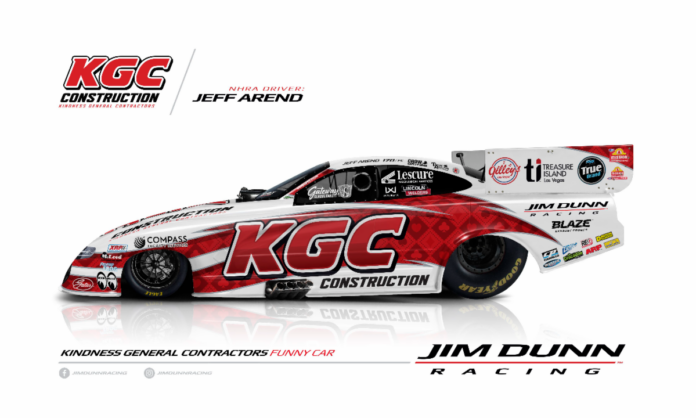
The MOPAR NHRA Las Vegas Nationals powered by Dodge at The Strip at Las Vegas Motor Speedway in Las Vegas is the 19th race on the NHRA Mission Foods Drag Racing Series’ 20-race schedule and it is the fifth round in the six-race Countdown to the Championship. Jim Dunn Racing brings its one full-time entry in Funny Car for Jeff Arend. A native of Canada, Arend moved to Southern California in 1997.

As the NHRA celebrates its landmark 75th season in 2026, Jim Dunn Racing is celebrating 76 years of success in drag racing. Jim started drag racing when he was 15 years old and at 92 years old, he plans to keep going as long as he can. In 2024, Jim received the NHRA Lifetime Achievement Award. He has won some of the sport’s most significant races and has provided driving opportunities for some of the biggest names in the sport.

Coming into Las Vegas, Arend is 15th in the Funny Car standings, 2195 points behind leader Matt Hagan.

KGC (Kindness General Contractors) Construction is the primary partner of Arend this weekend in Las Vegas. KGC, is a full service general contracting firm designed to manage and facilitate a complete range of construction projects. They are responsible for a diversified portfolio of projects with a wide range of construction value and provide customers with what is most important to them: short schedules, unmatched quality and superior flexibility. At KGC, they understand that every project, regardless of size, requires a commitment to quality, attention to detail, and the ability to act and react with speed, efficiency and intelligence. They strive to provide a hassle-free experience to all their clients and look to form lasting partnerships built on mutual respect and trust.

Gateway Classic Cars and Crow Safety Gear will adorn Arend’s Funny Car as associate partners in Las Vegas. Gateway Classic Cars works every day to give classic car enthusiasts around the world the opportunity to get behind the wheel of their dream cars. Embracing the spectrum of all types of classic cars, their inventory has thousands of classic cars and trucks to fit any passion. Gateway is the World’s Largest Classic/Exotic Car Dealership since 1999. They have 14 locations around the United States. Crow Safety Gear makes racing harness and driver restraint systems with both safety and durability in mind. Whether you need a 5-point harness for your Jr. Dragster, or a neck collar for your helmet, Crow Safety Gear has you covered. It also makes full racing suits, gloves, window nets, and more to keep you safe and in-spec within your racing class. You can select from harnesses with a standard latch, duck bill latch, or an innovative Kam Lock system.

The NHRA Las Vegas Nationals will mark Arend’s 263rd career Funny Car appearance, and his 30th overall appearance at The Strip at Las Vegas Motor Speedway.

Arend has made more appearances at Las Vegas than any other track except In-N-Out Burger Pomona Dragstrip. He has raced 29 times at The Strip at Las Vegas Motor Speedway, four times in his previous association with Jim Dunn Racing. With Jim Dunn Racing, Arend qualified for both Vegas events in 2013 and 2014, posting a 1-3 record. He last raced at The Strip in 2023, failing to qualify for the now defunct spring race.

This will be the 41st Las Vegas appearance for Jim Dunn Racing. The team’s best result came in the spring race in 2005 in which driver Tony Bartone reached the final round before losing to Whit Bazemore.

Jim Dunn Racing is still seeking its first win in a Countdown race although Arend independently won a playoff event in 2009 when, after qualifying only 15th, he beat Jack Beckman, John Force, Ashley Force Hood and Tony Pedregon to win at Memphis, Tenn.

Jeff Arend, Driver of the Jim Dunn Racing KGC Construction Funny Car

The weather for Las Vegas looks ideal and it’s known for being a great racing surface. What are your goals for the weekend as the NHRA looks to wrap up the season with two races to go?

“With the weather looking great and Las Vegas known for having an excellent racing surface, we’re looking forward to a strong weekend. Our goal is to make consistent, competitive runs, keep improving with every pass, and give our sponsors and fans something to be proud of. With only two races left in the NHRA season, every run counts, and we want to finish the season strong. The Jim Dunn Racing team is bringing two special-edition cars to close out the season, and we’re excited to get out there, put on a good show, and make the most of both weekends!”

Why Establishing the Sequence of Events Matters to a Car Accident Lawyer in Baltimore, MD

The order of events can tell a different story from the final position of two damaged cars. At a Baltimore, MD, intersection, one driver may say a light was green while another remembers a sudden turn. Both accounts might describe the impact, yet neither alone explains what led to it.

For a car accident lawyer in Baltimore, MD, building a clear timeline helps separate confirmed facts from assumptions. The sequence can reveal which actions contributed to the crash, how evidence fits together, and why insurers disagree. Understanding that order gives an injury claim a firmer starting point than guesswork alone can.

Reconstructing Events Before the Collision

A useful timeline starts before the vehicles touch. Investigators may look at the direction each car traveled, its lane, the traffic signals, and the movements made before the impact. Those details help answer a basic question: what did each driver have time to see and do?

Consider two vehicles approaching the same junction. Knowing which vehicle entered first may matter more than where either ended up afterward. A turn signal, blocked view, or change in traffic flow may also affect the account. In busy parts of Baltimore, MD, nearby junctions and closely spaced lanes can make the sequence difficult to describe from memory alone. A careful reconstruction marks what is known and what still needs proof. This distinction can matter when individual recollections conflict with photographs or objective road evidence.

Using the Timeline to Examine Fault

Fault is not always clear from the location of vehicle damage. One driver might change lanes without checking, while another may have been traveling too fast to respond safely. Establishing the order of these actions helps assess whether either action contributed to the collision.

This is especially important in Maryland because its contributory negligence rule can prevent an injured person from recovering damages if their own negligence helped cause the injury, subject to exceptions.

A claim that someone was partly responsible still needs supporting facts; a disagreement between drivers is not proof. Looking closely at timing can show whether a person had a reasonable opportunity to react or whether the danger arose without enough warning.

Matching Evidence With Each Event

Reports and Witness Accounts

A police report may record statements, road conditions, and an officer’s observations. Witnesses may remember a traffic light, a sudden stop, or a car entering from a side street. But people see different parts of the same accident. A witness facing one direction may miss what happened behind them. Comparing accounts with a timeline helps identify agreements, gaps, and contradictions without assuming every statement is complete.

Video and Physical Clues

Available traffic footage or recordings from nearby businesses can sometimes show the order of vehicle movements. Photographs, road markings, and areas of damage may also provide clues. A dent can suggest where contact occurred, but it cannot prove every action that happened before the collision. Evidence works best when several sources support the same sequence. If two sources disagree, the difference deserves examination rather than an easy explanation.

Connecting the Crash to Injuries and Losses

The timeline continues after the collision. Medical records show when injuries were examined and what treatment followed. Work records may establish time away from a job, while bills document related expenses. Insurers may ask whether a reported problem came from the accident or another cause, making dates and consistent records relevant.

Still, the timing of a medical visit does not answer every medical question. Some symptoms are not clear immediately. A proper review considers medical findings alongside the crash evidence rather than treating a delay as automatic proof against the claim.

Resolving Conflicting Accounts and Insurance Questions

Insurance reviews often begin with competing descriptions of what happened. One party may claim a driver failed to yield, while another argues the driver had already entered the road safely. A supported timeline can narrow the disagreement to particular moments instead of turning the whole claim into a contest of memories.

It may also reveal missing material, such as footage from a nearby camera or an account from someone who observed the intersection. Lawyers and insurers may use that information in settlement discussions. If a dispute reaches court, the sequence can help explain the evidence clearly, although it cannot guarantee a particular decision.

The Order of Events Matters in Baltimore Claims

Establishing the correct sequence of events plays an important role in determining fault and evaluating car accident claims in Baltimore, MD. A clear timeline helps explain how the collision occurred, which driver’s actions contributed to it, and whether the available evidence supports the claim. Police reports, witness statements, traffic footage, and medical records can help establish these details.

With Maryland’s strict contributory negligence rule, even small differences in the order of events may affect a claim’s outcome. A car accident lawyer in Baltimore, MD, can examine the evidence, address conflicting accounts, and assess how the accident timeline may influence liability and possible compensation.

5 Signs You Need Legal Help After a Car Accident in Atlanta, GA

A damaged bumper is easy to see, but the full cost of a car accident may not be clear at first. Medical bills, missed paychecks, and unexpected expenses can put pressure on a household long after the vehicle has been repaired. For drivers in Atlanta, these costs can make an already difficult situation harder to manage. The challenge is knowing whether an insurance claim will cover all the losses caused by the crash.

A car accident lawyer in Atlanta that residents turn to for advice may help them understand their options, identify possible compensation, and respond to insurance disputes. Certain warning signs can show when handling a claim alone may not be the best choice.

1. You Have Injuries That Affect Your Daily Life

Some car accident injuries take time to become noticeable. A person may feel sore at first and later develop neck pain, back problems, headaches, or difficulty moving comfortably. These symptoms can interfere with work, sleep, household tasks, and other daily activities.

Medical care should be your priority if you are injured. Follow your healthcare provider’s advice and attend recommended appointments. Keep track of how your condition affects your routine, including any work you cannot complete.

Legal help may be useful if your injuries require ongoing treatment or keep you away from work. A lawyer can explain which losses may be included in a claim and how future treatment needs could affect its value. This can help you avoid accepting an offer before you understand the possible long-term costs.

2. The Insurance Company Disputes Who Caused the Crash

An insurance company may argue that you caused the accident or share responsibility for it. The other driver might give a different account, or the circumstances may be unclear. Disagreements about fault can make it harder to receive payment for your losses.

Georgia follows a modified comparative negligence rule. Under this rule, an injured person generally cannot recover damages if they are 50% or more responsible for the accident. If their share of fault is less than 50%, their compensation may be reduced by that percentage.

A lawyer can review the circumstances and explain how the rules may apply to your situation. If you are unsure how to respond to claims that you caused the crash, getting legal advice before making further statements may help you avoid confusion.

3. Your Settlement Offer Seems Too Low

An early settlement offer may look helpful, especially if you need money for repairs, medical bills, or everyday expenses. However, the first offer may not account for every loss connected to the accident.

Before accepting an offer, consider whether it covers:

  • Medical bills already received and expected treatment costs.
  • Income lost because you could not work.
  • Repair or replacement costs for your vehicle.
  • Other eligible losses, including pain and suffering.

A car accident lawyer in Atlanta can review an offer and explain whether it appears fair based on the available information. You should also understand the settlement terms before signing. In many cases, accepting a settlement means giving up the right to seek additional compensation for the same accident later.

4. You Are Struggling to Handle the Claim

An accident claim can involve phone calls, forms, repair estimates, medical expenses, and requests for information. Managing these tasks while recovering from an injury can become stressful, particularly if you are also trying to return to work.

The process may become more difficult if different insurance companies are involved or the other driver disputes your account. Missing a deadline or misunderstanding a request could create further problems.

A lawyer can help organize the claim, communicate with insurers, and explain what information is needed. They can also clarify important deadlines and help you understand the next steps. This support can be useful if you are spending more time dealing with paperwork than focusing on your recovery.

5. The Other Driver Has No Insurance or Coverage Is Unclear

Not every driver has enough insurance to cover the damage they cause. You may also discover that the other driver’s policy has limits that are too low to cover your injuries and other losses.

In these situations, finding out which options are available can be challenging. Your own policy may include uninsured or underinsured motorist coverage, depending on its terms and the circumstances of the crash.

A lawyer can help you understand your policy, identify possible sources of compensation, and explain whether a claim against another party may be appropriate. Do not assume that you have no options simply because the other driver lacks sufficient coverage. Reviewing the details of your situation may reveal a possible path forward.

Take the Next Step Toward Resolving Your Claim

A car accident can affect your health, finances, and daily routine long after your vehicle is repaired. Serious injuries, disagreements over fault, low settlement offers, complicated paperwork, and insurance gaps are all signs that professional guidance may be helpful. Getting advice early can also help you understand important deadlines and avoid decisions that could affect your claim.

Consider speaking with a car accident attorney about your circumstances. Ask how the legal process works, what options may be available, and what costs you could face. A clear conversation can help you decide how to proceed and give you a better understanding of the steps needed to pursue fair compensation.

What an Experienced Car Accident Attorney Looks for Beyond Crash Evidence

A collision can answer one question quickly: what happened on the road? A legal claim often requires several more. The details surrounding a person’s work, responsibilities, insurance coverage, and future limitations can reveal issues that vehicle damage or photographs cannot show. Those factors may influence how the claim is evaluated.

An experienced car accident attorney looks beyond crash evidence to examine the circumstances that give the accident its legal and practical meaning. That may include who else could share responsibility, how the person’s ability to work has changed, what coverage may be available, and how the consequences could continue over time. These details can help uncover the parts of a claim that are easy to overlook.

The Total Effect of Injuries Inflicted

An injury is not always measured by its appearance. A person may leave an accident with an injury that seems manageable but later face ongoing pain, limited movement, or difficulty completing everyday and / or ordinary tasks.

An attorney may consider:

  • The type and severity of the injury
  • Symptoms that continue after treatment begins
  • Recommended care and rehabilitation
  • Expected recovery time
  • Physical restrictions and limitations over the long-term

The goal is to understand how the injury affects the person’s health and daily life. A medical diagnosis provides important information, but the practical effects of that diagnosis can also matter.

Medical Treatment Tells a Larger Story

Medical records can show more than the name of an injury. They can help explain how symptoms developed, what treatment was recommended, and whether the person followed that plan.

An attorney may review:

  • Emergency care and follow-up visits
  • Physical therapy or other rehabilitation needed
  • Prescribed medication
  • Specialist appointments
  • Gaps or changes in treatment

This review helps connect the injury to the care received after a crash. It can also identify questions that need clarification, especially if symptoms continue or treatment changes over time. The focus is on the overall recovery pattern, not simply the number of medical bills.

Work and Income Can Reveal Another Side of the Case

An accident can affect a person’s ability to earn money long after the initial recovery period. Missed shifts may be only part of the financial effect. Someone may return to work with fewer hours, change duties, or struggle to perform the same job.

An attorney may look at:

  • Pay records and employment information
  • Time missed from work
  • Reduced hours or changed duties
  • Changes in earning ability
  • Possible future work limitations

These details can help show how an injury has affected financial stability. They may be especially important for people whose jobs depend on physical strength, mobility, concentration, or other abilities affected by the injury.

Insurance Coverage Deserves Careful Review

Proving how an accident happened is only one part of pursuing compensation. An attorney also needs to understand which insurance policies may apply and what coverage is available.

That review may involve the other driver’s policy, the injured person’s own applicable coverage, or other policies connected to the circumstances. Coverage questions can become more complicated if several vehicles, drivers, businesses, or insurance policies are involved.

An attorney may also check policy limits and other coverage details before deciding how a claim should move forward. This step helps prevent important sources of potential compensation from being overlooked.

Responsibility May Extend Beyond the Other Driver

Crash evidence does not always identify every factor that contributed to an accident. A closer review may show that another person or organization played a role.

Depending on the facts, an investigation may consider:

  • Driver conduct
  • Road and weather conditions
  • Vehicle maintenance
  • Employer involvement
  • A defective vehicle part
  • The actions of another road user

This doesn’t mean every accident can have multiple responsible parties. Instead, it means responsibility should be based on evidence and the circumstances surrounding the collision. An experienced car accident attorney may examine these details before drawing conclusions about who should be held accountable.

The Effects on Everyday Life Matter Too

Some of the most meaningful effects of an injury never appear in a crash report. A person may struggle to care for children, manage household tasks, exercise, drive, or take part in activities they once enjoyed.

These changes can provide useful context about the real impact of an injury. An attorney may ask how daily routines have changed, which activities have become difficult, and whether assistance is now needed for ordinary responsibilities.

The primary goal is not to exaggerate the effects of the injury. It is to create a clear picture of how the injury has changed life after the accident. Those details can help distinguish a short-term inconvenience from a lasting limitation.

A review can also reveal details that may otherwise be missed. Changes in routine, limits at work, or repeated treatment visits may show that an injury has consequences beyond the first few weeks. These details can help organize the claim around the person’s experience rather than assumptions. Clear records can make those changes easier to explain over time.

The Details After the Crash Can Matter

A car accident claim may turn on questions that have little to do with the condition of the vehicles. A reduced ability to work, unclear insurance coverage, changes in daily responsibilities, or another party’s involvement can bring forth problems or issues that need attention. These details may affect how responsibility and potential compensation are evaluated.

If your accident has created questions that the basic crash facts cannot answer, speaking with an experienced attorney can help you identify what deserves a closer review. A careful assessment of the circumstances can bring overlooked issues to light and help you decide what steps are appropriate for your situation.

How Driver Negligence Can Affect an Injured Cyclist’s Claim

A bicycle can be light, but the weight of a crash can be heavy. A careless driver may cause injuries, damage property, and leave a cyclist facing bills that did not exist before the ride. The road may look simple after a crash, yet the facts can be harder to sort out.

Driver behavior often becomes part of an injured cyclist accident claim because fault can affect whether compensation is available and how losses are considered. Unsafe turns, distracted driving, and failure to yield can change the picture. Here are the points that may also shape a cyclist’s claim afterwards.

What Driver Negligence Looks Like

Driver negligence means a driver failed to use reasonable care and that conduct played a role in the crash. It can happen in several ways on roads shared with cyclists. A driver may look down at a phone, speed through an area, turn without checking for a cyclist, or fail to yield the right of way.

Other examples include driving under the influence, making an unsafe lane change, following too closely, or placing a car door into a cyclist’s path of travel. The facts matter because a claim depends on what happened, not simply on the fact that a collision occurred.

How Fault Can Shape a Cyclist’s Claim

A claim involving a cyclist needs a clear link between the driver’s conduct, the crash, and the resulting losses. Evidence that shows a driver acted carelessly can help establish that connection.

The question is not who was involved in the crash. It is also what each person was doing before it happened. A driver who failed to yield at an intersection presents different facts from a cyclist who suddenly entered traffic. Details can make it easier to assess responsibility.

Evidence That May Show What Happened

The road can change quickly after a crash. Vehicles move, people leave, and physical signs can disappear. Evidence may include:

  • A police or accident report
  • Photos of the road, vehicles, bicycle, and visible injuries
  • Traffic, doorbell, or nearby security camera footage
  • Names and statements from people who saw the crash
  • Medical records and treatment information
  • Records showing bicycle or property damage

These materials can help create a clearer record of the event. Medical records can also connect injuries to the crash, while photos may show details that are difficult to describe later.

The Cyclist’s Own Actions May Matter

Driver fault does not always end the discussion. A driver or insurer may argue that the cyclist contributed to the crash. Issues can include riding against traffic, ignoring a traffic signal, making an unsafe movement, or failing to follow a traffic rule.

Rules about shared fault differ by state, so the effect of a cyclist’s conduct depends on the law that applies to the claim. A cyclist should not assume that being partly blamed automatically answers the question of whether a claim exists. The facts and applicable rules both matter.

Injuries and Losses After a Crash

A bicycle collision can create losses that continue after the damaged bike is repaired. Depending on the circumstances, a claim may involve medical care, rehabilitation, lost income, reduced ability to work, property damage, and pain and suffering where allowed by law.

The value of these losses is not determined by how damaged a bicycle looks. A cyclist may need treatment for an injury that is not visible at the scene. Keeping medical and financial records can provide information about the losses connected with the accident.

Why Prompt Action Matters

Details are easier to preserve soon after a crash. Seeking medical care can document injuries, while reporting the accident creates an official record of what was reported. Photos, witness information, and other evidence should also be preserved rather than left to memory.

It is also important to know that claims have deadlines, and those deadlines can vary. Statements made after a crash may also be reviewed later, so injured cyclists should take care with what they say about fault or their injuries.

The Value of Consistent Documentation

Negligence can influence how responsibility is viewed after a bicycle crash. Strong evidence may help show what the driver did, how the collision happened, and what losses followed. At the same time, any actions by the cyclist may be considered under the applicable state rules.

An injured cyclist accident claim is shaped by its facts, evidence, injuries, and losses rather than by one detail alone. Organizing records, preserving available evidence, and learning the rules that apply can provide a clearer picture of the situation. For anyone dealing with the aftermath of a crash, those details can matter from the first report through the final review of the claim.

Choosing Between a New and Used Toyota in Garden Grove

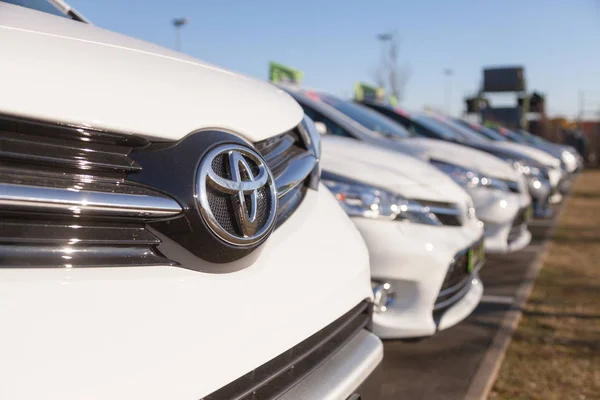
Choosing between a new and used Toyota involves balancing your budget, driving needs, and expectations for long-term ownership. Drivers in Garden Grove, California, may need a dependable vehicle for daily commutes, family activities, shopping trips, and journeys throughout Orange County. A new Toyota offers the latest available technology, modern safety features, and the reassurance of being the first owner. A used Toyota, on the other hand, can provide a lower purchase price and a wider range of options for different budgets. Before exploring car dealerships Garden Grove California, it helps to understand how these choices compare in terms of price, depreciation, maintenance, warranties, and overall value. Evaluating these factors carefully can help you select a vehicle that fits your lifestyle and financial priorities.

1. Compare the Initial Purchase Price

The purchase price is often the first consideration when deciding between a new and used Toyota. Although both options can offer dependable transportation, their upfront costs can differ considerably.

Benefits of Buying a New Toyota

A new Toyota generally costs more than a comparable used model. However, buying new gives you access to current model-year options, the latest available features, and the opportunity to choose from available colors, trim levels, and equipment packages.

For example, someone considering a new Toyota Corolla may appreciate its modern infotainment features and available driver-assistance technology. A buyer interested in an SUV might compare the latest Toyota RAV4 configurations to find the combination of passenger space, performance, and convenience that best suits their needs.

New vehicles may also qualify for manufacturer incentives or special financing offers, depending on eligibility and availability. These promotions can sometimes make the difference between a new and used vehicle smaller than expected.

Why Used Toyotas May Cost Less

Used Toyota vehicles typically have lower purchase prices because they have already experienced some depreciation. This can help buyers stay within a budget while still choosing a vehicle with desirable features.

A used Camry, Corolla, or RAV4 from a recent model year may provide a useful combination of comfort, practicality, and affordability. Depending on the budget, shoppers might also find a higher trim level in the used market than they could comfortably afford when buying new.

However, the lowest advertised price does not always represent the best value. Vehicle condition, mileage, maintenance history, and expected repair expenses should all influence your decision.

2. Understand Depreciation and Long-Term Value

Depreciation refers to the reduction in a vehicle’s market value over time. It is an important consideration because it affects how much you may recover when selling or trading in your car.

Depreciation on New Vehicles

A new vehicle generally experiences its most significant depreciation during its early years of ownership. The exact rate depends on factors such as demand, mileage, model popularity, condition, and broader market conditions.

If you buy a new Toyota and sell it after only a few years, you may experience a greater percentage loss in value than someone who purchases a comparable used vehicle.

However, depreciation is not necessarily a reason to avoid buying new. Drivers who intend to keep their vehicles for many years may place greater importance on warranty coverage, modern features, and knowing the vehicle’s ownership history from the beginning.

Value Retention in the Used Market

Used Toyotas may offer an advantage because some of their initial depreciation has already occurred. This can be particularly attractive to buyers who want to reduce the financial impact of changing vehicles later.

Toyota models such as the Corolla, Camry, and Tacoma have established reputations for practicality and durability, which can support demand in the used market. Nevertheless, resale values vary by model, mileage, condition, and market trends.

Before purchasing, compare prices for similar vehicles and consider how long you expect to own the car. This can provide a more realistic picture of the potential long-term cost.

3. Evaluate Warranty Coverage and Reliability

Warranty protection is another important difference between new and used vehicles. Understanding what coverage is available can help you estimate potential expenses and determine how much financial risk you are comfortable accepting.

Warranty Advantages of Buying New

A new Toyota generally comes with applicable factory warranty coverage, subject to the manufacturer’s terms, mileage limits, and exclusions. This can help protect against certain covered defects during the warranty period.

New vehicles also have no previous ownership or maintenance history to investigate. Although manufacturing defects can occur, buyers do not need to assess how earlier owners treated the vehicle.

For people who depend on their cars every day, this combination of warranty protection and a fresh ownership history may offer valuable peace of mind.

What to Check When Buying Used

Used Toyota vehicles may retain part of their original factory warranty, depending on their age, mileage, and in-service date. Some may also qualify for Toyota Certified Used Vehicle coverage.

Toyota’s certified program includes eligible vehicles that meet specific age and mileage requirements and pass the applicable inspection process. Depending on certification level and program terms, benefits may include limited warranty coverage, roadside assistance, and a vehicle history report.

Even with certification, buyers should review the actual warranty documents rather than assuming every used Toyota receives identical protection.

For a non-certified used vehicle, examine maintenance records, obtain a vehicle history report, and consider an independent inspection. A well-maintained used car can be an excellent choice, but its actual condition matters more than the brand name alone.

4. Compare Technology, Comfort, and Safety Features

Technology changes from one model year to another. The difference between new and used Toyotas may therefore be important for drivers who prioritize modern conveniences or specific safety systems.

Features Available in New Toyotas

New Toyota models provide access to the latest equipment offered for their respective model years and trims. Depending on the vehicle, this may include updated infotainment systems, smartphone integration, advanced driver-assistance features, improved camera systems, and additional convenience options.

Buyers who want particular features can compare available configurations before choosing a vehicle.

However, not every new model includes every feature as standard equipment. Trim level and optional packages should be reviewed carefully.

Features in Used Toyota Vehicles

Used Toyotas can still provide a comfortable and well-equipped driving experience. A recent pre-owned model may include many of the features that buyers want without the higher cost of purchasing new.

When comparing vehicles, examine the actual equipment list rather than relying solely on the model year. Check whether the vehicle includes the desired safety technologies, connectivity options, climate controls, and parking assistance features.

Taking a test drive can also help you compare seating comfort, visibility, cabin noise, and ease of use.

5. Consider Maintenance and Ownership Expenses

The cost of owning a vehicle extends beyond the purchase price. Fuel, insurance, routine servicing, tires, registration, and unexpected repairs can all affect your budget.

Maintenance Considerations for New Cars

A new Toyota may require fewer immediate repairs because its components have not accumulated years of wear. Applicable warranty coverage can also reduce certain covered repair expenses during the ownership period.

However, routine maintenance remains necessary. Oil changes, tire rotations, brake inspections, and other scheduled services should be included in your budget.

Potential Costs of Used Cars

Used vehicles may offer lower purchase prices, but older models can require more maintenance as components wear out. The likelihood and cost of repairs depend on the vehicle’s condition, age, mileage, and service history.

Ask for maintenance documentation and investigate any warning lights, unusual noises, or visible damage before purchasing. An independent mechanic can identify problems that may not be obvious during a short test drive.

To compare the two options fairly, estimate the total cost of ownership over the number of years you expect to keep the vehicle. This approach is more useful than comparing monthly payments alone.

6. Decide Whether a New, Used, or Certified Toyota Fits Your Needs

Your driving habits and financial priorities should guide the final decision.

A new Toyota may be the better fit if you want current features, full applicable new-vehicle warranty coverage, and the opportunity to choose your preferred configuration. It may also suit drivers planning to keep the vehicle for a long time.

A standard used Toyota may be more appropriate if your primary goal is reducing the initial purchase cost. It can also offer access to a wider range of model years and trim levels within a fixed budget.

A Toyota Certified Used Vehicle provides another option for buyers who want a pre-owned vehicle with additional inspection standards and manufacturer-backed benefits.

Before deciding, compare the total purchase cost, financing terms, insurance estimates, expected maintenance expenses, and warranty coverage. Review the specific vehicle details and take a test drive before committing.

Conclusion

Choosing between a new and used Toyota in Garden Grove depends on your budget, ownership plans, and expectations for comfort, technology, and reliability. New vehicles offer current features, applicable factory warranty protection, and a fresh ownership history, while used Toyotas can provide lower upfront costs and potentially slower depreciation. Certified pre-owned vehicles offer a middle ground for shoppers seeking additional inspection standards and warranty benefits.

The best decision comes from comparing the complete ownership experience rather than focusing on price alone. By evaluating depreciation, maintenance, safety features, financing, and the condition of individual vehicles, you can choose a Toyota that meets your needs and provides practical value for years to come.

Chevrolet Silverado Buying Tips for Texas Truck Enthusiasts

Photo by depositphotos at https://depositphotos.com/

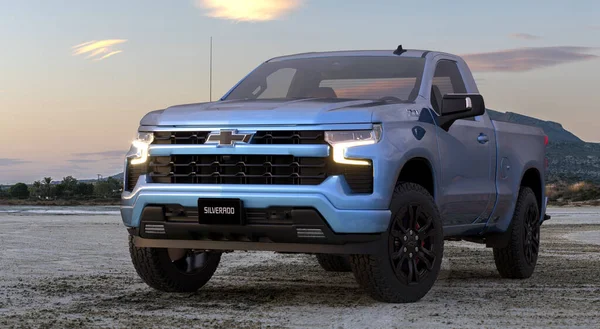
For many Texas drivers, a pickup truck is more than a way to get from one place to another. It can be a work vehicle, a family transporter, a towing partner, and a reliable companion for weekend adventures. The Chevrolet Silverado is a popular full-size truck option because it offers multiple engine choices, different cab and bed configurations, and features designed for a variety of workloads. However, choosing the right Silverado requires more than selecting a trim level or comparing advertised prices. Buyers should consider their driving habits, towing requirements, budget, and long-term ownership expenses before making a decision. Exploring options at a Texas Chevy dealership can be a useful step in comparing available models and understanding which configuration best suits your needs.

1. Determine How You Plan to Use Your Truck

Before comparing Chevrolet Silverado models, think about how the truck will fit into your everyday life. Your intended use should influence nearly every purchasing decision, from engine selection to cab size.

Work and Commercial Applications

If you work in construction, agriculture, landscaping, or another demanding industry, you may need a truck that can carry tools, transport materials, and tow equipment. In this case, prioritize payload capacity, towing ratings, bed utility, and available work-focused features.

A Silverado configured for regular heavy-duty tasks may benefit from appropriate towing equipment, durable interior materials, and storage solutions that keep tools organized.

Family Transportation and Everyday Driving

Drivers who use their trucks for commuting, school runs, and family trips may prefer a crew cab with additional rear-seat space. Comfort, fuel economy, parking convenience, and driver-assistance technology may be more important than maximum towing capacity.

If you frequently drive through busy urban areas, consider whether a full-size truck’s dimensions suit your parking arrangements and daily routes.

Weekend Recreation

Texas truck enthusiasts who enjoy camping, boating, or outdoor activities should consider the weight of their recreational equipment and the terrain they regularly encounter. Four-wheel drive may be helpful for certain off-road conditions, while suitable towing equipment is essential for pulling a compatible trailer.

Choosing a Silverado based on your actual needs helps prevent unnecessary spending on features you rarely use.

2. Choose the Right Engine for Texas Driving

The Chevrolet Silverado offers several engine options, allowing buyers to prioritize towing strength, everyday performance, or fuel efficiency. The best choice depends on how often you carry heavy loads and how much time you spend driving on highways or local roads.

Compare Available Powertrains

The 2026 Silverado 1500 offers a TurboMax turbocharged four-cylinder engine, available 5.3-liter and 6.2-liter V8 engines, and a 3.0-liter Duramax turbo-diesel inline-six. The TurboMax produces 310 horsepower and 430 lb-ft of torque, while the available diesel produces 305 horsepower and 495 lb-ft of torque.

The TurboMax may suit drivers seeking strong everyday performance. A V8 can appeal to buyers who prefer its power delivery, while the Duramax diesel is worth considering for frequent towing and long-distance driving.

Compare each engine’s towing rating, maintenance requirements, and fuel economy before deciding. Not every engine is available on every trim.

3. Select a Trim Level That Fits Your Budget

Silverado trim levels offer different combinations of practicality, comfort, technology, and off-road equipment.

Work Truck and Custom Trims

The WT, or Work Truck, focuses on functionality and can be a sensible option for contractors and businesses. The Custom trim adds styling and convenience features while retaining a practical approach.

These trims may be suitable if you want a capable truck without paying for luxury features you rarely use.

LT, LTZ, and High Country

The LT offers additional technology and comfort features, while the LTZ and High Country provide more upscale interiors and available premium equipment.

Drivers who use their Silverado as both a work vehicle and family transportation may appreciate the additional convenience features offered by higher trims.

Trail Boss and ZR2

For drivers who regularly explore rough terrain, the Custom Trail Boss, LT Trail Boss, and ZR2 offer off-road-oriented equipment, depending on the configuration.

Consider whether you genuinely need specialized suspension, underbody protection, or other off-road features. Choosing equipment based on your actual driving habits can help keep costs under control.

4. Understand Towing and Payload Requirements

Towing capacity is an important consideration for Texas buyers who transport boats, livestock trailers, campers, or work equipment. The 2026 Silverado 1500 offers a maximum available towing capacity of 13,300 pounds in a properly equipped configuration.

However, that maximum does not apply to every Silverado. Engine choice, cab style, bed length, drivetrain, and towing packages affect the rating.

Payload capacity is equally important because it determines how much weight the truck can carry, including passengers and cargo. Adding a trailer also introduces tongue weight, which counts toward the truck’s payload.

Before purchasing, identify the fully loaded weight of the trailer you intend to tow and verify the truck’s ratings in the owner’s manual and certification labels. If you regularly haul very heavy loads, compare the Silverado 1500 with the Silverado HD lineup to determine whether a heavy-duty truck is more appropriate.

5. Decide Between Two-Wheel Drive and Four-Wheel Drive

Your driving environment should help determine which drivetrain makes sense.

Two-wheel drive may be sufficient for everyday highway travel, commuting, and many work applications. It can also help avoid the additional purchase and maintenance costs associated with some four-wheel-drive configurations.

Four-wheel drive may be more useful when traveling on muddy work sites, loose gravel, uneven rural roads, or designated off-road trails. It can provide additional traction in suitable conditions, although it does not replace appropriate tires or careful driving.

Texas weather and road conditions vary, so consider where you regularly travel rather than assuming every truck needs four-wheel drive.

6. Inspect a Used Silverado Carefully

If you are considering a pre-owned Silverado, evaluate its condition as thoroughly as its advertised features.

Review the vehicle history report and maintenance records for accident history, title issues, mileage inconsistencies, and evidence of regular servicing. Inspect the body for rust, uneven paint, and signs of collision repairs.

During a test drive, pay attention to engine performance, transmission shifts, braking, steering, and unusual noises. If the truck has been used for heavy towing or commercial work, have a qualified mechanic inspect the drivetrain, suspension, cooling system, and underbody.

Also check whether any recalls remain unresolved. The National Highway Traffic Safety Administration provides a vehicle identification number lookup for checking applicable safety recalls.

A professional inspection can help you estimate upcoming repair costs and avoid buying a truck with expensive hidden problems.

7. Calculate the Total Cost of Ownership

A truck’s sticker price does not tell the whole story. Before making a final decision, estimate the cost of fuel, insurance, maintenance, registration, tires, and financing.

Compare loan offers by reviewing the annual percentage rate, loan term, down payment, and total amount payable. A lower monthly payment may come with a longer repayment period and higher overall interest costs.

You should also consider how long you plan to keep the truck. A more expensive configuration may be worthwhile if it provides capabilities you regularly need, but unnecessary upgrades can increase ownership costs without delivering meaningful benefits.

8. Take a Thorough Test Drive Before Buying

A test drive is your opportunity to determine whether the Silverado feels right for your needs. Adjust the seat and mirrors, evaluate visibility, test the infotainment system, and pay attention to cabin comfort.

Drive on different types of roads where possible. Check acceleration, braking, steering response, and ride quality. If towing is a priority, ask about the appropriate towing equipment and verify the vehicle’s rated capacity before planning to pull a trailer.

Review the final paperwork carefully, confirm all advertised equipment, and ask about warranty coverage and any additional fees before signing.

Conclusion

Buying a Chevrolet Silverado in Texas starts with understanding how you intend to use your truck. Engine options, trim levels, towing capacity, drivetrain choices, and cab configurations all influence its suitability for work, family transportation, and recreation.

By establishing a realistic budget, verifying weight ratings, inspecting used vehicles carefully, and comparing total ownership expenses, you can make a more informed decision. The right Silverado is not necessarily the most powerful or expensive model; it is the one that delivers the capabilities, comfort, and value you need for everyday life.

How Tennis Data APIs Power Real-Time Match Tracking and Updates

Tennis fans expect instant access to match scores, player statistics, tournament schedules, and match results. Whether following a Grand Slam final or a local professional tournament, supporters want accurate information as the action unfolds. Sports websites, mobile applications, and digital platforms must deliver timely updates to keep audiences informed and engaged.

A tennis data api provides the technology needed to meet these expectations by connecting applications to external sources of tennis information. Instead of collecting scores and statistics manually, developers can integrate data feeds that supply match details, player profiles, rankings, and tournament results. This technology helps businesses build responsive sports platforms that deliver useful information while improving the overall experience for tennis enthusiasts.

Understanding How Tennis Data APIs Work

An application programming interface (API) enables different software systems to exchange information. In tennis applications, an API connects a website or mobile app to a data provider that maintains tennis-related information.

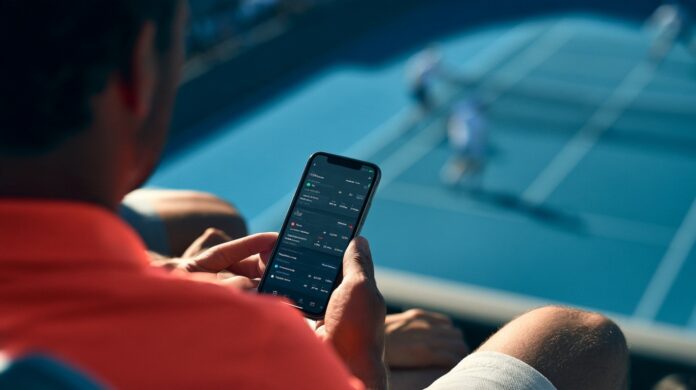
When a user opens a match page, the application can request the latest available data and display it in an easy-to-understand format. Depending on the provider, available information may include current scores, completed sets, player names, match schedules, and tournament standings.

Delivering Live Scores and Match Events

Real-time match tracking is one of the most important functions of tennis data integration. During a competitive match, every point can influence the outcome, making timely score updates essential.

A suitable API can help applications display information such as:

  • Current game, set, and match scores.
  • Match status, including scheduled, live, or completed.
  • Upcoming fixtures and tournament schedules.
  • Player statistics and previous match results.
  • Tournament draws and player progression.

The frequency and availability of these updates depend on the provider’s data coverage, delivery method, and subscription plan. Developers should evaluate these factors before selecting a service.

Improving the Digital Experience for Tennis Fans

Creating More Interactive Applications

Tennis applications become more valuable when they offer more than basic scoreboards. By combining live match information with an intuitive interface, developers can create features that encourage users to return regularly.

For example, fans could follow their favorite players, receive notifications when matches begin, or check results without refreshing a page manually. A tournament dashboard could also display upcoming matches alongside completed results, making it easier to follow an entire competition.

These features help sports platforms provide a convenient experience across smartphones, tablets, and desktop computers.

Supporting Player and Match Analysis

Tennis statistics provide valuable insights into player performance. Depending on the available data, applications can present information about aces, double faults, first-serve percentages, break points, and head-to-head records.

Organizing these statistics into charts and comparison tables makes match information easier to understand. Sports journalists can use the data to support their reporting, while analysts can examine performance trends across different tournaments.

Business Benefits of Tennis Data Integration

Tennis data APIs can also support business growth by reducing manual work and expanding the features a platform can offer.

Sports publishers can automate score updates and tournament pages, while fantasy sports platforms can use player statistics to support scoring systems. Sports communities can integrate schedules and results to keep members informed.

Key benefits include:

  • Greater efficiency: Reduce manual data entry and repetitive updates.
  • Improved engagement: Give users timely information and personalized notifications.
  • Content automation: Support dynamic match pages and statistics dashboards.
  • Scalability: Expand coverage as the application attracts more users.
  • Better decision-making: Make structured match and player information easier to analyze.

Choosing the Right Tennis Data API

Evaluating Reliability and Coverage

Not every provider offers the same level of detail or tournament coverage. Developers should compare data accuracy, update frequency, supported competitions, documentation, pricing, and service reliability. They should also check whether historical statistics and lower-tier tournaments are included.

Security and performance are equally important. API credentials should be protected, requests should follow provider limits, and appropriate caching can help reduce unnecessary calls. Applications should also handle missing data and service interruptions gracefully.

Conclusion

Tennis data APIs are essential tools for building modern sports applications that deliver timely match updates, player statistics, and tournament information. They help developers automate data delivery, create interactive features, and provide fans with a more convenient way to follow the sport.

By selecting a reliable provider and integrating its data effectively, businesses can develop scalable digital platforms that respond to changing audience expectations. As demand for instant sports information continues to grow, dependable data integration will remain an important part of delivering engaging tennis experiences.