
Home Blog Page 28

How Motorsport Teams Can Improve Health and Safety Standards at the Track

Image by mibro from Pixabay

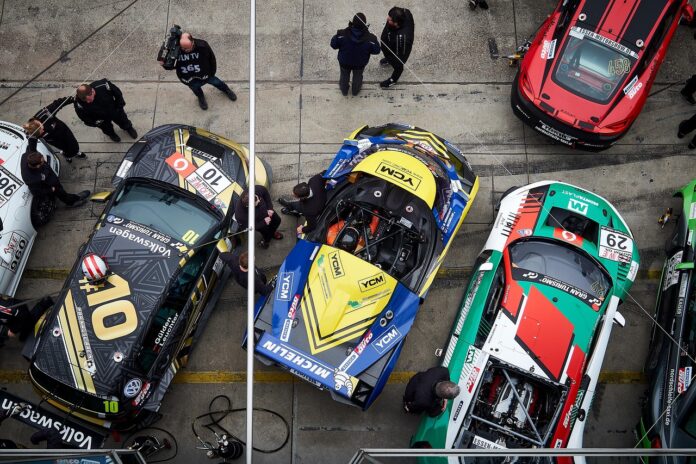
Motorsport is built around speed, precision, and controlled risk, but the competitive environment does not excuse preventable hazards. A modern race weekend brings together drivers, spectators, and multiple teams of personnel, often within a tightly compressed space. Safety has to extend beyond the race car itself. Let’s explore how motorsport teams can improve health and safety standards at the track. 

Build Safety Around the Entire Track Operation

A strong safety program begins with a complete assessment of how people actually move and work around a racing facility. There are multiple areas, including: 

  • Pit lanes
  • Garages
  • Paddocks
  • Fueling areas
  • Tire service zones
  • Transport routes
  • Fabrication spaces
  • Spectator-accessible areas 

These areas all present varying risks, and should not be treated as one environment. Teams can improve prevention by mapping hazards according to specific tasks rather than relying on general safety rules. 

Make Protective Equipment Task-Specific

Using personal protective equipment is better suited to show hazards instead of making a generic requirement. Imagine mechanics working by running engines. They will require the right heat protection, gloves, footwear, and proper eye protection, not just something generic. 

Personnel handling fuel, chemicals, batteries, or hot components may require additional protection suited to those materials. The growing presence of hybrid and electric race cars also makes electrical safety increasingly important. 

Treat Emergency Response as a Performance System

An emergency plan should function with the same precision expected from a pit crew. Everyone who may participate in an incident needs to understand who has authority, how information reaches Race Control, where emergency equipment is positioned, and which routes remain available to fire, medical, and rescue personnel. This is why the FIA’s circuit-safety framework emphasizes planning for medical intervention, rescue operations, fire response, marshal posts, and track intervention. 

Control Heat, Noise, and Air Quality

During the race weekend, there is usually a combination of radiant heat, high temperatures, exhaust emissions, physical exertion, and engine noise all packed into one space. Now, all these can affect concentration and even reaction time, even when they do not cause any medical emergency. 

Therefore, teams should pay more attention to heat management. Make it an operations issue. Also, ensure that enclosed service and garages have the right ventilation for chemical vapors, fumes, and exhaust. Additionally, noise exposure must be assessed across repeated events, instead of judging only by the loudness of a single session. 

Protect Long-Term Occupational Health

The health consequences of motorsport work are not limited to spectacular crashes. Occupational concerns may develop gradually from repeated exposure to:

  • Chemicals
  • Dust
  • Vibrations
  • Excessive noise
  • Exhaust
  • Maintenance-related materials

This makes health surveillance, proper ventilation, and informed handling procedures important parts of a serious safety culture. Older racing facilities deserve practical scrutiny during renovation or maintenance. Construction work can disrupt legacy building materials that were used decades ago but are now recognized as hazardous. 

When workers have concerns about previous occupational exposure, reputable medical information can help them understand warning signs and determine when professional evaluation may be appropriate. Resources explaining mesothelioma symptoms are one example of health information that may be useful in that context. 

Endnote

Motorsport safety is not adequately defined by crash protection, barriers, and emergency vehicles. A genuinely resilient racing environment considers the health and safety of every person who makes the competition possible, from the driver climbing into the cockpit to the technician working after the checkered flag. 
KALITTA, PROCK & LATINO OPEN NHRA BRAINERD NATIONALS IN PROVISIONAL NO. 1 SPOTS

BRAINERD, Minn. – Reigning Top Fuel world champion Doug Kalitta earned the provisional No. 1 spot on Friday at Brainerd International Raceway to kick off the weekend at the NHRA Brainerd Nationals.

Kalitta took his Mac Tools Top Fuel dragster to a 3.705-second pass at 340.30 mph to land in the provisional No. 1 qualifier position on Friday, while also winning the Brainerd “Battle for the Axe,” presented by Visit Brainerd & Baxter, along with bonus money and bragging rights. Kalitta has three wins this season, including back-to-back victories in Sonoma and Seattle.

“I had a lot of confidence in Alan (Johnson, crew chief) and in our ability to get to the top,” said Kalitta. “The car left well, pulled hard and stayed nice and straight. It was a good, solid run for us.”

With momentum on his side and as the reigning NHRA Brainerd Nationals winner, Kalitta is confident in his team’s abilities to perform at the pivotal race.

“I’ve got the best crew behind me,” said Kalitta. “With Alan Johnson building these cars and the performance he gets from his engines, I couldn’t be more fortunate to be in the situation I’m in.”

Top Fuel rookie standout Maddi Gordon is currently second with her 3.725 at 336.15, while current points leader Shawn Langdon is third thanks to his 3.731 at 334.57.

Austin Prock (Funny Car) and Matt Latino (Pro Stock) are also the provisional No. 1 qualifiers in Brainerd at the 13th of 20 races during the 2026 NHRA Mission Foods Drag Racing Series season.

Reigning Funny Car world champion Austin Prock took the provisional No. 1 spot in his Motorcraft/Quick Lane Ford Mustang thanks to his 3.893 at 329.91. After winning the NHRA Brainerd Nationals last season en route to his second consecutive world championship, Prock has his sights set on another Brainerd win and his second victory of the year for Tasca Racing.

“I’m really proud of what we’ve accomplished this season,” said Prock. “We were 14th in points for the first six races of the year, and now we’re creeping up on fifth going into the Countdown. A lot of progress has been made.

“We figured if we ran between an .87 and an .89, we’d have a pretty good shot at being the No. 1 qualifier and we did that. It was a good way to end my birthday here in Brainerd.”

Jack Beckman took the second spot with his 3.903 at 324.67, with Dave Richards in third after his 3.924 at 327.66.

Pro Stock’s Matt Latino has his eye on his first NHRA No. 1 qualifier. If his 6.588 at 207.21 stays best of the class, he’ll start race day as the top qualifier in his FASS Diesel Solutions Chevrolet Camaro.

“Last year, I did pretty well for a rookie and got comfortable in the car quickly. I brought some good brands on board, and I’m thankful they stayed with me for the full season. I don’t do anything unless I can excel at it. That’s not me pounding my chest and saying I’m the best—it’s about dedication.”

Reigning Pro Stock champ Dallas Glenn is second with a 6.588 at 206.29, while Pro Stock rookie Cody Anderson is third with his 6.589 at 206.99.

Qualifying continues at 12 p.m. CT on Saturday at the NHRA Brainerd Nationals at Brainerd International Raceway.


BRAINERD, Minn. — Friday’s results after the first two of four rounds of qualifying for the 44th annual NHRA Brainerd Nationals at Brainerd International Raceway, 13th of 20 events in the NHRA Mission Foods Drag Racing Series. Qualifying will continue Saturday for Sunday’s final eliminations.

Top Fuel — 1. Doug Kalitta, 3.705 seconds, 340.30 mph; 2. Maddi Gordon, 3.725, 336.15; 3. Shawn Langdon, 3.731, 334.57; 4. Justin Ashley, 3.743, 333.99; 5. Billy Torrence, 3.754, 330.96; 6. Antron Brown, 3.763, 330.55; 7. Tony Stewart, 3.765, 332.34; 8. Leah Pruett, 3.769, 331.04; 9. Will Smith, 3.780, 326.00; 10. Clay Millican, 3.818, 326.00; 11. Shawn Reed, 3.849, 324.67; 12. Tony Schumacher, 3.892, 258.22; 13. Josh Hart, 3.909, 261.12; 14. Keith Murt, 3.935, 305.77; 15. Scott Palmer, 3.994, 249.49; 16. Cameron Ferre, 4.118, 289.69.

Funny Car — 1. Austin Prock, Ford Mustang, 3.893, 329.91; 2. Jack Beckman, Chevy Camaro, 3.903, 324.67; 3. Dave Richards, Mustang, 3.924, 327.66; 4. Alexis DeJoria, Camaro, 3.927, 325.92; 5. Ron Capps, Toyota GR Supra, 3.930, 322.27; 6. Matt Hagan, Dodge Charger, 3.940, 323.66; 7. Daniel Wilkerson, Mustang, 3.942, 319.52; 8. Chad Green, Mustang, 3.972, 318.99; 9. Jordan Vandergriff, Camaro, 3.975, 302.82; 10. J.R. Todd, GR Supra, 3.976, 321.88; 11. Cruz Pedregon, Charger, 3.986, 322.04; 12. Spencer Hyde, Mustang, 3.988, 284.93; 13. Bobby Bode, Mustang, 4.299, 210.01; 14. Jack Wyatt, Charger, 4.831, 168.16.

Pro Stock — 1. Matt Latino, Chevy Camaro, 6.588, 207.21; 2. Dallas Glenn, Camaro, 6.588, 206.29; 3. Cody Anderson, Camaro, 6.589, 206.99; 4. Greg Stanfield, Camaro, 6.590, 208.14; 5. Greg Anderson, Camaro, 6.591, 206.57; 6. Eric Latino, Camaro, 6.592, 207.59; 7. Chris Vang, Camaro, 6.597, 207.27; 8. Deric Kramer, Camaro, 6.599, 206.89; 9. Jerry Tucker, Camaro, 6.604, 206.42; 10. Erica Enders, Camaro, 6.605, 207.21; 11. Kenny Delco, Camaro, 6.607, 206.76; 12. Mason McGaha, Camaro, 6.610, 207.53; 13. Matt Hartford, Camaro, 6.613, 207.34; 14. Aaron Stanfield, Camaro, 6.617, 205.85; 15. Jeg Coughlin, Camaro, 6.620, 206.83; 16. Troy Coughlin Jr., Camaro, 6.621, 207.69. Not Qualified: 17. Joe Wilczek, 9.335, 100.55; 18. Alan Prusiensky, 9.999, no speed.

Why a Settlement Calculator Can’t Tell You What Your Case Is Worth

Photo by depositphotos at https://depositphotos.com/

There is something appealing about a website that promises to answer a complicated question in thirty seconds. Enter your medical bills, lost wages, maybe choose an injury severity from a dropdown menu, and out comes a dollar amount that supposedly represents what your injury claim is worth.

The problem is that personal injury cases don’t behave like mortgage payments or sales tax. Two people can have similar medical expenses and still have very different claims because the circumstances surrounding their injuries, recoveries, insurance, and responsibility aren’t identical.

That’s the limitation of a personal injury settlement calculator. It can perform arithmetic using the information entered into it. What it can’t do is understand all the medical, legal, financial, and personal details that give those numbers meaning.

A Formula Can’t Understand the Injury

Suppose two people each have $20,000 in medical expenses. A calculator may treat those cases as roughly comparable. In reality, the injuries behind those bills could be completely different.

One person might recover fully after several months of treatment. The other could face permanent limitations, additional procedures, or years of ongoing care. Their diagnoses, prognoses, treatment needs, and physical restrictions can all affect how the consequences of the injuries are understood.

Even identical diagnoses don’t necessarily produce identical experiences. A knee injury may be particularly disruptive for someone whose job requires standing all day. A shoulder problem might have a different effect on someone who performs physical labor than on someone whose work is primarily performed at a desk.

Medical bills provide useful numbers, but those numbers don’t explain the entire injury. Understanding the claim requires looking at what happened to the individual person behind them.

Responsibility Can Change the Entire Calculation

Even a detailed estimate of someone’s losses doesn’t answer another fundamental question: who was legally responsible for causing them?

Liability can be straightforward in some cases and fiercely disputed in others. Drivers may disagree about who entered an intersection first. A business might dispute whether it knew about a dangerous condition. Several parties may share responsibility for the same accident. Evidence matters enormously in resolving those questions.

Photographs, video, witness statements, physical evidence, reports, electronic records, and other information can strengthen or weaken competing versions of what happened. Applicable comparative-responsibility rules may also affect a claim when the injured person is alleged to share some responsibility.

A calculator can’t interview a witness or evaluate whether surveillance footage supports one version of events. It can’t assess how convincing competing evidence might be.

That’s why the theoretical value of an injury and the practical value of a disputed legal claim aren’t necessarily the same thing.

Available Insurance Can Create Practical Limits

A calculator might estimate substantial losses without knowing whether sufficient insurance or other resources are actually available to pay them.

Insurance coverage can become one of the practical realities surrounding an injury claim. Policy limits may restrict how much a particular insurer is obligated to pay, even when the losses are greater. Cases involving multiple potentially responsible parties may present additional sources of coverage, while other situations may involve very limited insurance.

There can also be obligations connected with a recovery.

Medical liens, reimbursement claims, and other amounts that may need to be addressed can affect what ultimately remains after a settlement. Those details are highly specific to the individual case.

This is another reason a simple online estimate can create false precision. A website may confidently display a six-figure number without knowing anything about the applicable insurance policies, potentially responsible parties, outstanding obligations, or whether the available resources can realistically support that amount.

An Algorithm Doesn’t Know What You Lost

Some of the most meaningful consequences of an injury don’t fit neatly into a calculator.

Maybe someone can technically return to work but can’t stand comfortably through the day anymore. A parent might struggle to pick up a child. Someone who ran every morning may no longer be able to exercise the same way.

Sleep can change. Travel can become difficult. Social activities may gradually disappear because sitting or walking for long periods causes pain. Family members may take over household responsibilities the injured person previously handled without assistance.

These consequences don’t arrive with convenient price tags. Understanding them can require medical documentation, testimony, photographs, journals, family observations, employment information, and other evidence showing how life changed.

A calculator sees whatever numbers someone types into boxes. It doesn’t see the person cancelling another family outing because their back hurts or asking for help carrying groceries they used to lift without thinking.

Conclusion

Online calculators work extremely well when the underlying problem follows a predictable mathematical formula. Personal injury claims don’t.

Their value can depend on the nature of the injury, length of recovery, future medical needs, strength of the evidence, disputed responsibility, applicable legal rules, insurance coverage, liens, work limitations, and changes to everyday life.

Many of those factors require judgment rather than arithmetic.

That doesn’t mean an online estimate is completely useless. It may satisfy curiosity or help someone understand that different categories of losses can exist. The problem begins when a rough calculation is treated as though it were a reliable prediction of what an individual claim should settle for.

A case isn’t a collection of numbers waiting for the correct multiplier. It’s a specific event involving specific people, evidence, injuries, insurance, and consequences. No instant calculator can see all of that from a few boxes on a screen.

What Auto Accident Lawyers Do When Crash Liability Is Disputed

Photo by depositphotos at https://depositphotos.com/

Fort Myers is a place where busy roads, seasonal traffic, and everyday driving can lead people into situations in which determining responsibility after a collision is not always straightforward. When drivers give conflicting accounts or insurers question who caused the crash, an injured person may quickly find that simply describing what happened is not enough. Establishing liability can require a closer look at the circumstances surrounding the impact, including whether the available evidence supports one version of events over another. 

This is where experienced legal guidance can make an important difference. A Fort Myers auto accident lawyer can help examine the facts objectively, identify weaknesses in disputed arguments, and build a clearer explanation of responsibility. For victims already dealing with medical treatment, vehicle damage, and financial concerns, having someone manage the legal complexities can provide greater confidence.

Early Case Review

When the fault is unclear, an accident lawyer may begin by reviewing police reports, driver statements, photographs, treatment records, and insurance letters. That first review can catch weak assumptions before they shape the claim. Small issues, such as missing witnesses, vague diagrams, or disputed traffic signals, often matter more than they first appear.

Evidence Preservation

Important proof can vanish soon after a wreck. Lawyers send written preservation requests to drivers, insurers, employers, repair shops, and nearby businesses. Those notices may protect dash-camera footage, vehicle data, phone logs, maintenance records, delivery routes, or security video. Quick action is critical because many recording systems overwrite stored footage within days.

Scene Investigation

A crash site can answer questions that paperwork leaves open. Legal teams may inspect sightlines, skid marks, debris, lane markings, signs, signals, and road-surface defects. Photographs taken at matching times can show glare, darkness, traffic density, or blocked views. Those observations help test whether each account fits the physical setting.

Witness Interviews

Neutral witnesses can bring clarity to a disputed claim. Lawyers look for people who saw the impact, stopped afterward, or heard statements at the scene. Their accounts may confirm speeding, distraction, unsafe merging, an improper turn, or failure to yield. A prompt interview also reduces the risk of fading memory.

Police Report Analysis

Police reports carry weight, but they do not decide every case. An officer may arrive after vehicles have moved or rely on partial statements. Lawyers examine diagrams, citations, crash codes, narrative notes, and listed witnesses. If a report omits key facts, additional evidence can explain why the initial record should be viewed with caution.

Vehicle Damage Review

Vehicle damage often speaks with precision. Lawyers may study crush depth, paint transfer, bumper height, airbag deployment, broken glass, and repair estimates. These details can reveal impact angle, relative speed, and point of contact. A rear-end crash, side impact, or sideswipe leaves different physical clues.

Expert Input

Some cases need technical support. Accident reconstruction specialists may calculate speed, braking distance, perception time, and impact force. Medical experts can explain how trauma can cause soft-tissue injury, nerve irritation, fracture pain, or limited mobility. Engineers may evaluate roadway defects or mechanical failures. Clear expert opinions can make difficult evidence easier to follow.

Insurance Tactics

Insurers often search for shared fault. They may claim the injured person drove too fast, looked away, braked late, or misread traffic conditions. Lawyers answer with records, photographs, testimony, and timelines. In Florida, assigned fault percentages matter because compensation can be reduced or blocked when blame is set too high.

Damages Proof

Proof of fault must be paired with evidence of harm. Lawyers gather medical bills, wage records, imaging results, therapy notes, prescriptions, and future care opinions. They also document sleep disruption, limited movement, pain flares, and lost household function. This helps connect the collision to losses that affect daily life.

Negotiation Strategy

Strong negotiation begins with organized proof. A demand package may include liability analysis, treatment records, photographs, witness statements, expert findings, and a reasoned damages figure. If an insurer leans on weak blame arguments, counsel can show where that position conflicts with documents, testimony, or physical evidence.

Trial Preparation

Court preparation often starts long before trial. Lawyers organize exhibits, draft discovery, prepare witnesses, and plan depositions. That process may uncover admissions, inconsistencies in accounts, missing records, or weaknesses in expert testimony. Even when settlement remains possible, readiness for litigation can improve the force and focus of negotiations.

Conclusion

Disputed crash liability can leave an injured person facing blame, delay, and financial strain. Auto accident lawyers bring order to that pressure by preserving evidence, testing each account, consulting experts, and presenting damages with care. Their role is practical and evidence-driven. With timely investigation and clear documentation, a contested claim has a stronger chance of being evaluated on facts rather than assumptions.

Why Experienced Advocates Outmatch the Insurer Defense Tactics

Photo by depositphotos at https://depositphotos.com/

In New York, an injury claim can place someone against an insurance system built around detailed investigations, strict deadlines, and experienced defense teams. State laws governing fault, damages, and filing periods can shape what compensation remains available, while the aftermath of an injury may leave little room for handling complex negotiations alone. For people seeking legal assistance, understanding how insurers approach disputed claims is an important part of protecting their position.

The real challenge is not simply presenting an injury but building a case that can withstand scrutiny and calculated resistance. Experienced advocates recognize where disputes may develop and prepare the claim with supporting evidence before those issues gain traction. The Harrison Law Group professionals can provide legal guidance when claimants need to understand their rights, evaluate insurer arguments, and determine how to pursue compensation under New York law. That preparation matters because insurance defense teams rely on timing, pressure, and uncertainty, making informed legal advocacy an important counterweight when the stakes involve recovery and financial stability.

Early Pressure

After a crash, fall, job injury, or medical harm, insurers may request statements, releases, or quick settlement talks before full diagnosis is clear. Legal professionals can review those requests, preserve key facts, and keep communication focused on verified injuries, lost income, treatment needs, and long-term physical limits.

Evidence Control

Strong claims depend on proof that fits together. Photographs, incident reports, witness accounts, treatment notes, wage records, and specialist opinions each serve a purpose. Defense counsel looks for gaps between the event and the harm. Experienced advocates close those gaps with organized records and timely updates as recovery changes.

Medical Records

Medical records need precision. Missed appointments can invite claims of full recovery. Vague chart notes may hide swelling, nerve pain, reduced motion, headaches, or sleep disruption. A knowledgeable advocate checks whether documentation reflects real limitations. Clear records help show treatment necessity, injury progression, and the effect on work, caregiving, driving, and basic movement.

Fault Arguments

Blame-shifting is common. An insurer may argue that a driver waited too long, a visitor ignored a hazard, or a worker missed a safety step. Experienced advocates compare those claims against physical evidence, maintenance logs, safety policies, scene photographs, and witness accounts. Weak assumptions often become visible once lawyers test each fact.

Valuation Discipline

Fair value includes more than invoices. Lost wages, future treatment, reduced function, pain, medication needs, and permanent impairment require close review. Defense teams may emphasize numbers that look smaller and easier to dispute. Seasoned advocates build a comprehensive valuation through medical records, expert findings, and practical examples from daily life.

Economic Losses

Economic damages need exact support. Pay records, tax filings, business ledgers, benefit statements, and medical bills help define the financial harm. Loose estimates invite resistance. Accurate calculations show what income the victims lost, why earning capacity changed, and how treatment costs may continue after settlement.

Delay Tactics

Delay can push injured people toward low settlements. Household bills continue, income may fall, and therapy can take months. Insurance teams understand that financial strain affects decisions. Experienced advocates press the claim through deadlines, document requests, discovery, and negotiation. Consistent movement reduces the power of delay as a pressure tool.

Statement Traps

Simple questions can create problems. Insurers may later use a polite comment about feeling better to question ongoing pain. Guessing about speed, distance, timing, or symptoms can create conflict in the record. Skilled advocates prepare clients to answer accurately. They also limit unnecessary statements so facts, rather than anxiety, guide the file.

Expert Support

Some claims need specialists to explain injury cause, safety failures, medical treatment, lost earnings, or future care. Defense teams may present hired opinions that minimize harm. Experienced advocates know which expert findings carry weight. They also know how to challenge weak reasoning, incomplete exams, and conclusions unsupported by records.

Future Care

Future care is often disputed because it has not occurred yet. Surgery, therapy, medication, equipment, home assistance, and follow-up visits may all be under scrutiny. Advocates use physician opinions, treatment plans, and cost projections to support those needs. This approach keeps later medical harm from being ignored during settlement discussions.

Negotiation Strength

Insurance negotiation rewards preparation and restraint. A strong demand explains liability, injury findings, damages, and proof in a logical order. Experienced advocates avoid inflated claims that reduce credibility. They also reject lowball offers with documented reasons. That balance shows the defense that value must follow evidence, not pressure.

Trial Readiness

Cases prepared for trial often settle from a stronger position. Defense teams watch whether an advocate can present witnesses, exhibits, expert testimony, and legal arguments with command. Trial preparation changes settlement posture. It shows that delay, denial, or blame shifting will meet organized proof before a judge or jury.

Client Protection

Injured people often face calls, forms, bills, appointments, and family pressure simultaneously. Legal counsel helps separate urgent choices from background noise. Experienced advocates explain deadlines, risks, records, and options in clear language. That guidance protects the claim while clients focus on treatment, household stability, and daily recovery.

Conclusion

Insurer defense tactics work best when injured people feel rushed, isolated, or unsure about claim value. Experienced advocates bring order to that pressure. They protect evidence, challenge blame, document losses, and prepare each matter for serious review. Their strength comes from pattern recognition, careful timing, and firm negotiation. For injured claimants, skilled guidance can change a discounted offer into an outcome grounded in real harm.

Why Intersection Crashes Produce the Most Disputed Fault Claims

Photo by depositphotos at https://depositphotos.com/

Atlanta’s busy intersections bring together turning vehicles, merging lanes, short signal phases, pedestrians, and heavy commuter traffic, leaving little room for error when drivers approach from different directions. When a crash happens in that setting, determining fault can become difficult because each motorist may remember the signal, speed, or right-of-way differently. Insurers often scrutinize every detail, from traffic-light timing and impact angles to sight lines and roadway markings, while injured people may face pressure to accept responsibility they do not believe is theirs. A careful review of the evidence can help separate conflicting accounts from the facts that actually explain how the collision occurred.

Many Moving Parts

At busy Atlanta intersections, short signal cycles, wide turn lanes, and dense traffic leave little room for correction. After a disputed wreck, an Atlanta auto accident lawyer may study witness statements, impact photos, lane positions, and light sequencing to test each version. A rear-end crash often points one way. A crossing collision usually raises several lawful entries, followed by one late move that changes liability.

Signals Rarely End Debate

Traffic lights look simple on paper, yet they rarely settle an argument by themselves. A yellow phase can feel safe to one driver and risky to another. One person brakes hard. Someone else continues through. After impact, both may firmly believe the right of way was theirs. Confidence does not prove accuracy.

Left Turns Create Conflict

Left-turn wrecks generate some of the sharpest liability fights. The turning driver usually must yield, but that rule does not answer every question. An oncoming vehicle may have been speeding, drifting, or entering late on red. One second can change the entire sequence. That narrow timing gap often drives prolonged disputes over judgment and visibility.

Multiple Duties Happen at Once

An intersection demands constant scanning. Drivers must watch signals, lane lines, cross traffic, pedestrians, and cyclists at the same time. That stack of tasks raises the chance of shared fault. A motorist may have a green light, yet miss a clear hazard. Another may look carefully, yet misjudge speed. Both lapses can matter.

Witnesses Often Disagree

Witnesses can help, though their accounts often split in meaningful ways. A person near the curb may notice the light change. Someone farther away may focus on speed, while missing a turn signal or lane drift. Stress also affects recall. By the time insurers gather statements, the same event can sound entirely different.

Vehicle Damage Tells Only Part

Damage patterns can support reconstruction, but sheet metal rarely answers every question alone. Front-corner crush may suggest a turning movement. A side strike may support a red-light claim. Even then, angles can mislead if a driver swerved just before contact. Photos carry weight, but they need timing, roadway context, and measurements.

Cameras Help, but Gaps Remain

Recorded video can narrow a dispute quickly, yet it rarely captures every relevant detail. A dashcam may show contact, while missing the signal head facing each driver. Store footage can be blurry or partly blocked. Traffic systems often record from a distance. When the image is incomplete, both sides still argue over timing, lane use, and evasive action.

Video Is Not Always Complete

Even strong footage can leave important questions unanswered. Many clips lack sound, frame rate precision, or a full view of approach speed. Some cameras overwrite data within days. Others record only short loops. If no one acts quickly, valuable proof can disappear before a claim is fully developed, leaving adjusters to fill gaps with competing assumptions.

Georgia Rules Add Pressure

Georgia fault rules add real pressure to these claims. Because liability affects who pays, each side has reason to contest even small details. The state also reduces recovery when an injured person shares responsibility. If that share reaches the legal cutoff, compensation may be barred. Insurers know this, and they often argue percentages aggressively.

Human Perception Fails Under Stress

Stress distorts perception in fast traffic situations. A driver may feel certain another car appeared from nowhere. In truth, the vehicle may have been visible, but judged too late. Human eyes and brains struggle with speed, distance, and closing rate under sudden pressure. That mismatch between memory and physical evidence fuels many contested claims.

Early Evidence Shapes Outcomes

The first hours after a crash often shape the strength of a fault case. Skid marks fade. Debris gets cleared. Vehicles are repaired or moved. Nearby businesses may erase surveillance footage. Witnesses become harder to reach. Prompt photographs, medical records, and consistent statements reduce confusion later. Without that foundation, blame becomes easier to reshape.

Conclusion

Intersection crashes produce the most disputed fault claims because they compress many legal duties into one brief, crowded moment. Lights change, vehicles cross, and perception is tested under pressure. Small differences in speed, angle, or attention can alter the liability picture. For that reason, these cases depend on prompt evidence preservation and careful review. When facts are documented early, blame becomes harder to distort and fair compensation is easier to protect.

How Truck Accident Lawyers Force Carriers to Produce Driver Logs

In 2025, Hillsborough County recorded 24,822 total motor vehicle crashes and 169 traffic fatalities, while Florida logged over 366,000 collisions and 46,000 commercial vehicle incidents statewide. Heavy freight traffic traveling through the Tampa area along major corridors like I-275 and I-4 creates continuous collision risks for local commuters sharing the roads with massive semi-trucks.

When a commercial rig crash occurs, proving liability often relies on electronic logging device data, fuel receipts, and hours-of-service records. An experienced truck accident attorney in Tampa acts immediately to issue formal spoliation letters and secure court orders that prevent trucking companies from erasing, overwriting, or altering these critical files before investigators can inspect them. Uncovering these hidden driver logs typically exposes physical fatigue, illegal driving hours, skipped mandatory rest breaks, and federal safety violations required to ensure corporate accountability.

Why Logs Matter

After a serious collision, timing quickly becomes central. A truck accident attorney often examines driver logs early because those records can show exhaustion, skipped breaks, and pressure from dispatch. This analysis helps connect hours behind the wheel with crash risk. Carriers understand this exposure, so disclosure may slow down until direct legal pressure makes continued resistance harder to defend.

What Logs Usually Show

Federal and company files can reveal far more than time spent driving. Lawyers compare handwritten sheets, electronic entries, fuel purchases, toll scans, inspection records, dispatch messages, and location history. On its own, one item may seem harmless. However, when several sources are read together, they can show excess duty time, unlawful mileage, or changes made after the collision.

The First Move

Preservation begins early, often within days of the wreck. Counsel sends a spoliation letter directing the carrier to retain logs, onboard data, messages, and maintenance records. That notice matters because a company cannot later hide behind the excuse of routine deletion. If evidence disappears after warning, courts may impose sanctions. Pressure at this stage often changes the carrier’s position before broader discovery starts.

Routine Delay Tactics

Carriers and insurers use familiar methods to slow disclosure. Some argue the request reaches too far. Others provide partial files, unreadable exports, or documents stripped of metadata. A few raise privacy concerns while ignoring simple redaction. Lawyers answer with narrower demands, firm deadlines, and motions to compel. Delay works best against unprepared claimants, not counsel expecting resistance.

Discovery Creates Leverage

Civil discovery gives lawyers structured tools for disclosure. Interrogatories identify the people who maintained the records. Requests for production demand the logs themselves. Depositions test how entries were created, stored, and edited. Each step leaves less room for evasive answers. Conflicting testimony from a safety director or driver can give the court reason to require full compliance.

Electronic Logs Leave Trails

Modern fleets often rely on electronic logging devices. These systems capture status changes, engine hours, vehicle movement, and any edits made later. Digital data can help a carrier, but it may also expose manipulation. Lawyers ask for audit trails, user histories, and raw exports, instead of polished summary screens. A neat printout can hide changes. Native data often tells the fuller story.

Cross-Checking Exposes Gaps

  • Small Inconsistencies Become Useful

A driver may log off duty at 8 p.m., while fuel records show a purchase two states away near midnight. Dispatch texts may place the truck at a loading dock during a claimed rest period. Phone data can add another layer. These conflicts matter because they test credibility. Once enough gaps appear, the carrier’s defense can weaken with surprising speed.

Court Orders Change the Equation

If voluntary disclosure fails, lawyers ask the court to compel production. Judges can impose deadlines, require complete exports, and award fees for improper resistance. Some courts also allow adverse inferences after evidence destruction. That risk matters to carriers. A company facing sanctions may decide producing logs is safer than defending missing files before a jury.

Logs Help Prove Negligence

Driver logs rarely stand alone, but they often help anchor the liability story. If entries show excessive driving hours, counsel can link fatigue to slower reaction time and impaired judgment. If the material reveals dispatch pressure, company fault may extend beyond the individual driver. That shift can expand available insurance and strengthen settlement leverage. Strong log evidence often reshapes the whole case.

Missing Records Can Still Help

Absent logs do not always destroy a claim. Missing evidence can support the argument that a carrier failed basic legal duties. Lawyers use backup sources to rebuild the timeline and highlight what should exist, but does not. Courts notice such patterns. Juries notice it, too. A persuasive explanation for files that suddenly vanished is rare after a serious commercial crash.

Early Action Preserves Value

Time affects every request for logs. Electronic data may be overwritten. Paper files may be misplaced. Witness memory can fade before depositions begin. Early legal action preserves more than documents; it preserves options. Once the timeline is fixed, lawyers can test the carrier’s account against outside proof. That effort often decides whether the defense controls the narrative or loses it.

Conclusion

Truck accident lawyers force the production of driver logs by moving early, asking with precision, and escalating without delay. Preservation letters create a duty to retain evidence. Discovery limits the excuses carriers use for noncompliance. Court orders punish obstruction when voluntary disclosure fails. These steps are crucial because logs can reveal fatigue, false entries, and company pressure that would otherwise stay hidden. In truck crash litigation, critical records usually surface through steady legal pressure and careful comparison.

Ford Racing Notes and Quotes – Riggs Wins Fourth Pole in Last Five NCTS Races

Ford Racing Notes and Quotes
NASCAR Craftsman Truck Series
Team EJP 175 Qualifying — New Hampshire Motor Speedway
Friday, August 21, 2026

RIGGS WINS FOURTH NCTS POLE IN THE LAST FIVE RACES

  • Layne Riggs continued his qualifying hot streak by capturing the pole for this weekend’s race at New Hampshire Motor Speedway.
  • It’s the fourth pole in the last five races for Riggs, who had his streak of three straight end last week.
  • This marks the ninth pole of the season for Ford.

POLE-WINNING PRESS CONFERENCE

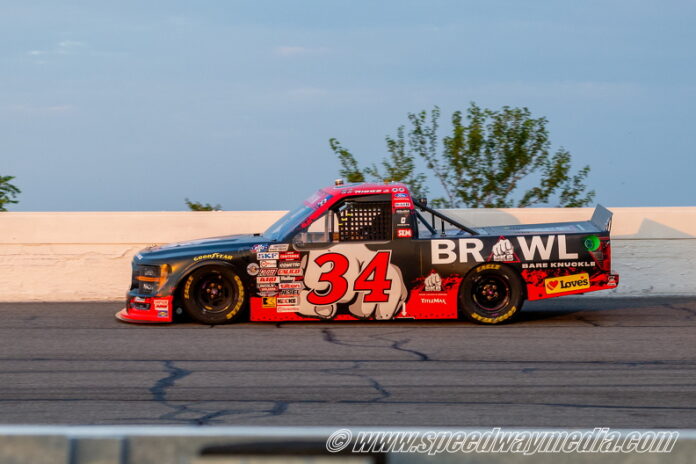
LAYNE RIGGS, No. 34 BKB Bare Knuckle Boxing Ford F-150 – “I felt like we were really good in practice. We’ve just been working hard in the Ford Racing simulator to get better here. Last year, just kind of came in blind and didn’t know what I needed. My only experience was Milwaukee, which is similar to this place, and IRP. When I got here, it was drastically different, so we were kind of out to lunch last year. I say out to lunch, we ran about third all day which, for us, is a bad day. That’s great for how high our goals and expectations are set right now, but we’ve really worked hard in the simulator to get better, and I feel like everything we did there really translated over, so I’m super excited about that. Hopefully, it will translate over into the race. I feel like this place is kind of like a Phoenix one and two, the way you have to drive it. After I kind of honed in on that, knew how I’m good at Phoenix and what I’ve got to do there – and some setup things, just a lot of stuff like that, that I feel like we didn’t really hit on last year that we did this year. I’m super excited. We’ve got Bare Knuckle Boxing on the truck. The black and red truck always looks great on the racetrack, super mean, so thank you to everybody at Front Row Motorsports for building fast stuff. I feel like I can go out there and just run nice, smooth, consistent laps and the speed always comes with it, which is a super great feeling for a driver.”

ARE THERE THINGS THAT CAN TRANSLATE FROM PLACES LIKE WILKESBORO AND IRP TO A PLACE LIKE THIS? “Yeah, our short track program I feel like we’re really strong. I think we were a little off at Richmond and it’s something that our program has been trying to get better, but haven’t really hit on what we exactly need to go fast there. I feel like the tracks we are strong at are definitely similar to this place. Phoenix, we won at Milwaukee. I got my first win there. IRP and a lot of places like that, that I feel like we can definitely translate and take notes to and kind of hone it in on why we’re fast and really just figuring out and capitalizing on it.”

WHERE DO EVALUATE WHAT YOUR FUTURE LOOKS LIKE. IT SOUNDS LIKE YOU’RE BACK WITH THE TRUCK PROGRAM IN 2027? “Yeah. I’m really excited. I’m chasing a championship right now. That’s my 110 percent focus – trying to win this championship for Front Row. I know that Zane got one a few years ago, and I’ve had to look at pictures of him holding that trophy in the lobby at Front Row for a long time now. I’ve gotten to see his accumulated win banners and that’s one thing I really want to do. I’m excited about our future. I think Front Row Motorsports has given me great equipment, great opportunities to go fast and race and just have fun doing it. I wouldn’t want to be anywhere else right now.”

IT WAS SURPRISING TO SEE YOU GUYS WERE OFF LAST WEEK. DID YOU HAVE SOME HARD DISCUSSIONS AMONG THE CREW THIS WEEK? “My guys are motivated no matter what. We all really hype each other up. We do a great job and have great morale in the truck shop. It’s always very inviting to come in there and have a good feeling. That doesn’t change if we run good, if we run bad. We had some issues on pit road last week and those are more of the harder conversations we had. I felt like we had top three speed there before we had our issue, but once you get back in the pack and had to take the wave, we never really saw the results. We made slow gains on Richmond, but that’s a very unique racetrack. Some teams have the knack there, some teams don’t. I feel like we’ve been a top five truck every time we’ve gone there, we just have never had that cutting edge speed that I have at some other tracks. We’re still working on that, but hopefully the truck program will get that figured out. No matter what, my guys are always motivated and ready to go – win every race we go to.”

DO YOU FEEL THAT FOR YOUR GROUP YOU NEED ONE MORE STATEMENT DAY BEFORE THE CHASE? “I don’t think we need to. I’d love to. I think that anytime you can win and be the most recent winner going into the Chase, going into breaks. I feel like after our IRP win, we went into that long break. It’s always good to be the most recent winner. It’s almost a month later once you get back to the racetrack is always a good feeling, but no matter what I don’t think we have to prove anything to anybody. I think everybody knows that we’re the guys and we’re really strong right now and the tracks that are in the Chase, Front Row does a great job and I feel like I’ve gotten really good at tracks that are specifically those. I’m excited about it. I think it’s a great opportunity right now. We’re peaking at the right time and everything is going our way, and I couldn’t be more happy and excited.”

HAVE YOU NOTICED ANY MAJOR DIFFERENCES FROM LAST YEAR TO THIS YEAR IN THE TRACK? “It definitely slowed down a little bit. I feel like the track was a little bit slicker than last year. I’m not quite sure apples to apples what the weather conditions were. I felt like in three and four, the bumps are obviously getting worse every year and just kind of slicker everywhere. We tune. We adapt for that. Everybody is racing on the same racetrack, so, for us, there aren’t really any big changes going in. I love this racetrack. It’s a lot of fun. I’ve played it on iRacing for years. I love the lines you have. You’ve got the seams to play with, different lanes. The trucks run really good right around the bottom where they used to put that PJ1 or sealer or whatever it was back in the day that made some speed. I feel like we can kind of move around and run pretty equal lap time everywhere, so I’m hoping for a good race tomorrow – good and entertaining for the fans.”

YOUR TRUCK APPEARED SOLID THROUGH ONE AND TWO. GOING DOWN THE BACKSTRETCH, DID YOU KNOW YOU HAD SOMETHING FOR THEM? “You never really know exactly. I knew my one and two was pretty stout. I was pretty happy with that. Last year, I made a terrible mistake and I drove it in until I saw Jesus and I’m sure we were up probably half-a–second and was looking really good, and we got the exit and it did not come to fruition. It was something I had to learn. I did some studying and just tried to figure out what I needed for qualifying here. I feel like I ran a nice, smooth, 95 percent lap, no slips, no wiggles. Like I said, I think I left a little bit on the table. I feel like somebody could have done a little bit better job than I could have. I knew it was smooth and fast and consistent, but I guess our truck was definitely on top and prevailed.”

DO YOU ALLOW YOURSELF TO VIEW THE CHASE AS A CHAMPIONSHIP OR BUST MENTALITY? “I do, and I felt the same way last year even going up against Corey. He had all those wins. I feel like we kind of the same time of year we started getting strong, competing with him head to head on a weekly basis and I felt kind of the same way and we ended up not even getting to Phoenix just with circumstances. It’s a different format this year, for sure. At each of those seven races in the Chase have equal weight to them. You have to treat all seven of them like we would treat Phoenix last year. You can’t lock your way in and have this happen or say, ‘Oh, we’re already locked into the next round.’ No, all seven, when we get to Bristol, that has equal weighting as it has to Homestead and we just have to be on kill every single race. Hopefully, we can get some stage points tomorrow and lock up the number one seed. That will take a little bit of pressure off of us for that, just fully go on kill mode for the Chase and make sure that we make no mistakes.”

A LOT OF PEOPLE FEEL IT’S HARD TO EVALUATE TALENT IN THE TRUCK SERIES. HOW DO YOU, WHEN COMPARING YOURSELF TO COREY HEIM OR CARSON HOCEVAR, DO YOU VIEW YOURSELF IN A SIMILAR LIGHT? “Right now, we have it all. I feel like those guys also had really good equipment before they moved on and I feel like I’m just kind of getting set up in that same similar situation. I don’t know what that will look like in the future. I don’t know if I’ll have the same results right off the bat. I don’t know how well I’ll adapt whenever that day might be, but I do have confidence in myself and I feel like if those guys can do it, I can do it because I feel like they had just as good of equipment as I did. I feel like I’ve had good equipment, but I’ve really matured over the past six months to a year just with my mentality, my hot head behind the wheel, just a lot of things that I feel like I needed to clean up as a driver and I had to really work on, and now I don’t really feel like I have to think about it. It just kind of comes naturally, and I think I’ve kind of calmed down some as a driver. I don’t need to be driving for my career, driving for my life, trying to prove everything to everybody every single lap. I can go out here and run those 90-95 percent days, have good trucks and show my maturity. Like I said, I hope that all translates.”

THIS TRACK CAN PUNISH ON LONG RUNS. WHAT IS THE BIGGEST CHALLENGE YOU ANTICIPATE WHEN THE RACE STRETCHES OUT? “I think once it does stretch out, passing is gonna be difficult. Each lane is so good that it’s hard to complete the pass if you’re pretty similar in speed on trucks. You’ve really got to be faster than somebody since both lanes are so good. I think managing that clean air. Track position is gonna be very important on pit road. Obviously, we’ve had some issues here recently and really hoping that we can clean that up and have some nice, solid pit stops and at least come out where we come in the pits, whatever that may be, and just let me go to work on the racetrack. Track position is everything. That’s all we race for is track position all day. When you keep it, it makes your day a whole lot easier and that’s what we’re gonna be focused on doing.”

WHAT HAS HELPED THE GROWTH IN MATURITY YOU TALKED ABOUT EARLIER? “I feel like I went wrong a lot. I think my big wakeup call was at Darlington last year. I’m leading the race. I’ve got Corey in my mirror and I know he’s probably faster than me at that moment. I was just driving for my life, trying to prove to everybody that I can do it, I can beat him, I can do this, and then smoked the fence and wrecked out leading the race. That was a big wakeup call. It’s like, ‘I don’t need to do that.’ If I’m not the fastest truck, just do what the truck will give you. If I’ve got a fifth-place truck, finish fifth. I don’t have to be a mad man and go crazy and wreck people and wreck myself potentially and possibly finish third. It’s just not really worth it, so I just feel like looking at the bigger picture, the more races I have under my belt, the more comfortable I feel. I feel like I don’t have to get tense inside or over-do things. I kind of just let it all work out on itself and I’ve got enough confidence in my ability that it’s all gonna work out on the speed end. I think time, maturity and just the amount of races I’ve run, it just really helps. I know a lot of people ran ARCA coming up, ran a lot of years in trucks. I didn’t have any of that. I went straight from the short tracks of late model racing straight to the big stage at Daytona and that was a really big wakeup call, and probably the biggest jump I’ll ever make in my racing career for just how much different it is. My team has done a great job. Everybody around me – my teammates, even my Cup teammates just trying to help me out and mature as a driver. Like I said, I just have a lot of good people around me. They all want the best for me and they give me really good advice.”

WHAT HAS IT BEEN LIKE THIS YEAR WITH THE HIGH CONFIDENCE YOU HAVE TO BE AS CONSISTENT AS YOU ARE? “Confidence is everything in this sport. You can be really slow and have a lot of confidence and probably make up for some stuff, so that’s what it’s all about. I’ve always had confidence in my ability. It’s just confidence in putting it all together and making sure I make those right decisions, just the small things that I feel like I had to work on as a driver. Right now, when our trucks are as fast as they are. My crew chief knows exactly what I need. He’s growing as well and this is only his third year crew chiefing anything, so we’re both really growing and maturing and know exactly what we need. It’s all just coming together right now. When you have fast race trucks, you show up everywhere, you feel like you run up front at most tracks, so that’s just momentum. The confidence and the momentum of this sport all kind of go together and that usually creates results, so I’m just really excited and happy that all of that is on my side right now at the moment.”

Layne Riggs wins fourth Truck pole of 2026 at New Hampshire

Photo by Adam Lovelace for SpeedwayMedia.com.

Layne Riggs qualified on the pole position for the Team EJP 175 at New Hampshire Motor Speedway on Friday, August 21, that will cap off this year’s NASCAR Craftsman Truck Series’ regular-season stretch.

The event’s starting lineup was determined through an on-track qualifying session that consisted of a single-truck, single-lap qualifying format. During the session, each of the 41 competitors vying for 36 starting spots cycled around New Hampshire a single time to post the fastest lap amongst one another. The competitor who posted the fastest lap earned pole position.

During the session, Riggs, who was the 18th-fastest competitor in practice that occurred on Friday prior to qualifying, posted his fastest qualifying lap at 129.789 mph in 29.346 seconds. The lap was enough for the 24-year-old Riggs from Bahama, North Carolina, to notch his fourth Craftsman Truck Series pole of the 2026 season, his first since Lucas Oil Indianapolis Raceway Park in mid-July and his first at New Hampshire Motor Speedway. 

Riggs, who is seeking his first victory at New Hampshire, currently leads the regular-season standings by 61 points over Kaden Honeycutt as he strives to cap off the regular-season stretch on a high note before entering the seven-race Chase stretch and contend for his first series’ championship.

Riggs will share the front row with Kaden Honeycutt, the latter of whom clocked in the second-fastest lap at 128.811 mph in 29.569 seconds and is coming off last weekend’s victory at Richmond Raceway. 

Giovanni Ruggerio, Connor Zilsich and Tristan McKee qualified in the top five, respectively. Daniel Hemric, Gavan Boschele, Grant Enfinger, Jake Garcia and Ben Rhodes completed the top-10 starting grid, respectively.

Notably, Tyler Ankrum, who currently holds the 10th and final berth to this year’s Chase by 20 points, qualified in 15th place while Stewart Friesen, who trails Ankrum by 20 points, will start in 13th place for Saturday’s main event. Additional notables who are currently below the top-10 cutline in the standings, including Brenden Queen, Andres Perez De Lara, Tanner Gray, Justin Haley, Cole Butcher and Mini Tyrrell, will start 26th, 29th, 20th, 25th, 14th and 33rd, respectively. 

With 41 competitors vying for 36 starting spots, Luke Baldwin, Mason Massey, Derek White, DL Wilson and Dawson Sutton were the five who did not make the main event.

New Hampshire – Qualifying Position, Best Speed, Best Time:

  1. Layne Riggs, 129.789 mph, 29.346 seconds
  2. Kaden Honeycutt, 128.811 mph, 29.569 seconds
  3. Giovanni Ruggerio, 128.758 mph, 29.581 seconds
  4. Connor Zilisch, 128.650 mph, 29.606 seconds
  5. Tristan McKee, 128.541 mph, 29.631 seconds
  6. Daniel Hemric, 128.126 mph, 29.727 seconds
  7. Gavan Boschele, 128.104 mph, 29.732 seconds
  8. Grant Enfinger, 128.044 mph, 29.746 seconds
  9. Jake Garcia, 127.984 mph, 29.760 seconds
  10. Ben Rhodes, 127.975 mph, 29.762 seconds
  11. Connor Mosack, 127.851 mph, 29.791 seconds
  12. Chandler Smith, 127.748 mph, 29.815 seconds
  13. Stewart Friesen, 127.534 mph, 29.865 seconds
  14. Cole Butcher, 127.500 mph, 29.873 seconds
  15. Tyler Ankrum, 127.321 mph, 29.915 seconds
  16. Ty Majeski, 127.299 mph, 29.920 seconds
  17. Christopher Bell, 127.240 mph, 29.934 seconds
  18. Parker Eatmon, 127.176 mph, 29.949 seconds
  19. Christian Eckes, 127.121 mph, 29.962 seconds
  20. Tanner Gray, 127.079 mph, 29.972 seconds
  21. Michael Christopher Jr., 126.825 mph, 30.032 seconds
  22. Landen Lewis, 126.812 mph, 30.035 seconds
  23. John Hunter Nemechek, 126.635 mph, 30.077 seconds
  24. Corey LaJoie, 126.404 mph, 30.132 seconds
  25. Justin Haley, 126.316 mph, 30.153 seconds
  26. Brenden Queen, 126.249 mph, 30.169 seconds
  27. Connor Hall, 126.153 mph, 30.192 seconds
  28. Kris Wright, 126.065 mph, 30.213 seconds
  29. Andres Perez De Lara, 126.007 mph, 30.227 seconds
  30. Colin Braun, 125.823 mph, 30.271 seconds
  31. Timmy Hill, 125.769 mph, 30.284 seconds
  32. Patrick Emerlin, Owner Points
  33. Mini Tyrrell, Owner Points
  34. Toni Breidinger, Owner Points
  35. Spencer Boyd, Owner Points
  36. Frankie Muniz, Owner Points

The 2026 Team EJP 175 at New Hampshire Motor Speedway is scheduled to occur on Saturday, August 22, at 1:30 p.m. ET on FS1, NASCAR Racing Network and SiriusXM.

Artemis II Commander Reid Wiseman in Fastest Seat at Freedom 250 Grand Prix

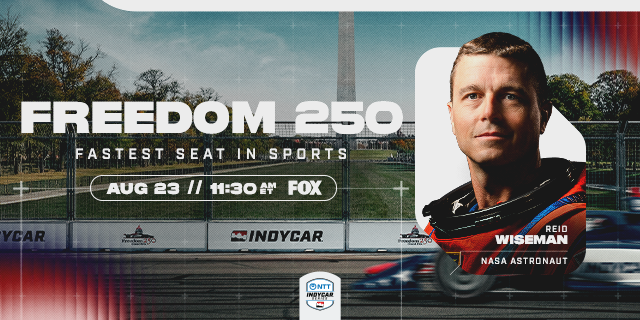
INDIANAPOLIS (Friday, Aug. 21, 2026) – Reid Wiseman, who served as commander of NASA’s Artemis II mission that captivated the world in April 2026, will ride in the Fastest Seat in Sports at the Freedom 250 Grand Prix of Washington, D.C., on Sunday, Aug. 23.

The Freedom 250 Grand Prix is the first‑ever auto race held on the National Mall and the historic city streets of Washington D.C., celebrating the 250th anniversary of the signing of the Declaration of Independence. The landmark weekend offers unprecedented access to the NTT INDYCAR SERIES framed by America’s most iconic symbols of democracy, freedom and unity.

Wiseman, a native of Baltimore, is a 27-year Navy veteran, pilot, father and engineer who was selected as an astronaut by NASA in 2009. He and fellow NASA astronauts Victor Glover and Christina Koch, and Canadian Space Agency astronaut Jeremy Hansen completed a 10-day test flight around the moon and back aboard the Orion spacecraft after lifting off April 1 in the Artemis II Space Launch System rocket from NASA’s Kennedy Space Center in Florida.

The mission that helped pave a path for humanity’s return to the moon fascinated the world, with the crew’s vital work and human camaraderie shown through live video and social media capturing global attention and hearts. An especially poignant moment during the historic flight took place when the crew named a lunar crater after Wiseman’s late wife, Carroll, with whom he has two daughters that he now raises as a single father.

Wiseman was selected as an astronaut by NASA in 2009 and served as flight engineer aboard the International Space Station from May through December 2014. That flight – Wiseman’s first in space – included more than 300 scientific experiments and Wiseman serving almost 13 hours as lead spacewalker during two trips outside the orbital complex. He also served as chief of the astronaut office from 2020-22.

During his career as a U.S. Navy fighter pilot, Wiseman made two deployments to the Middle East, supporting Operations Southern Watch, Enduring Freedom and Iraqi Freedom.

Wiseman has earned numerous awards and honors, including the Legion of Merit, Defense Superior Service Medal, Air Medal with Combat V (five awards), Navy and Marine Corps Commendation Medal with Combat V (four awards), Navy and Marine Corps Achievement Medal, and various other campaign and service awards.

The Fastest Seat in Sports is a custom INDYCAR SERIES car with a special back passenger seat that leads the starting field to the green flag at NTT INDYCAR SERIES races, including the seven-turn, 1.7-mile street circuit in the nation’s capital that winds around the National Mall, incorporating some of America’s most historic and iconic landmarks.

Wiseman joins a long list of celebrated INDYCAR Fastest Seat in Sports passengers before fans on site and the FOX national broadcast. This high-speed, high-octane, super-charged thrill ride has been taken by the likes of Tom Brady, Simu Liu, Jon Bon Jovi, Lady Gaga, Channing Tatum and Rudy Pankow.

Coverage of the Freedom 250 Grand Prix of Washington, D.C. begins at 11:30 a.m. ET Sunday, Aug. 23 on FOX, FOX One and INDYCAR Radio powered by OnlyBulls.

The NTT INDYCAR SERIES is North America’s premier open-wheel racing series with drivers competing at speeds of 200+ mph across a thrilling and demanding set of ovals and road and street circuits. The full schedule is available here.