
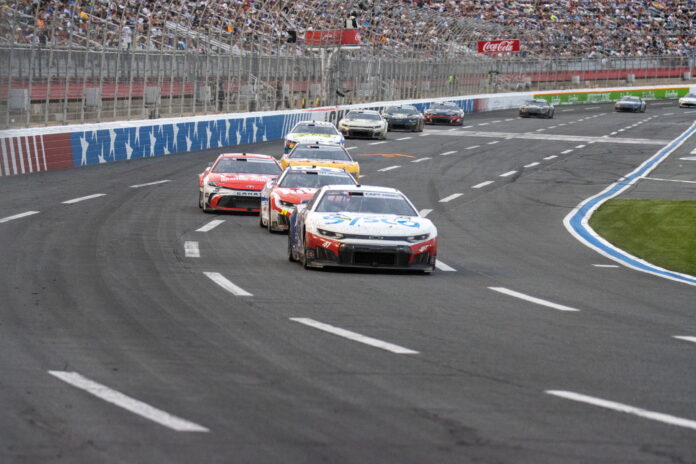
Home Blog Page 36

How does the weather impact NASCAR betting odds and predictions?

Betting on NASCAR is no longer a pastime for a select few enthusiasts, but a weekly conversation for race fans. Its cautions, pit stops, and swings in the weather cause drama; however, new entrants may feel overwhelmed by the futures, winning prices, props, and finish markets on board.

Knowing how to read the odds in NASCAR betting is the first step to making better bets, and a good welcome bonus can provide beginners with the means to test out some of the odds before they invest real money. Even fans who would like to bet on Nascar with Melbet promo code should be mindful of the local laws, terms, and responsible gambling boundaries before signing up.

In this guide, you’ll learn how NASCAR odds are calculated, what the most common types of wagers are, and how the weather can affect the odds.

How to read NASCAR betting odds: A beginner’s guide

The majority of books published in the U.S. use American odds. A favorite at -110 means you risk $110 to win $100 profit. A mid-tier driver at +800 returns $800 profit on a $100 stake. A longshot at +5000 returns $5,000 profit on $100 if the upset lands.

Odds are also a way to express implied probability without getting into the bookmakers margin. -110 is approximately 52.4%, +800 is approximately 11.1%, and +5000 is approximately 2.0%. While decimal and fractional odds are available, they are not as common as American odds in the NASCAR race odds market in the United States.

Weather is important because odds are not popularity indicators. They indicate passing challenges, uncertainty, car setup, and tire wear as well as track type. Rain can delay event starts, alter grip, can be bunching after cautions or can benefit road-course drivers with wet tires.

NASCAR is more than a race for the victory. Sportsbooks can put up the matchups, props, stage results, manufacturer markets, qualifying bets, and live lines. The best bet is based upon your risk tolerance and research.

Outright winner bets

Outright winner bets involve answering one question: “Who wins the race? Favs get less, and longshots get more because their route typically requires chaos, the right pit stops, or a late start. The weather is often the difference between contenders and outsiders, as the number of cautions adds to the number of decisions that can be made.

Top three / Top five / Top ten finish odds

Outright winner bets are less risky than top three odds, top five and top ten odds. A driver with a +800 beater may have a much lower figure in his or her top three spot as this player does not have to compete for the win. These markets are good for drivers that have good average finishes, good pit crews, and have also had good records at similar tracks.

Futures: Betting on the cup series championship odds

NASCAR futures are long-term bets. The odds of winning the Cup Series championship are constantly changing as drivers advance in the standings, earn playoff points, change crew chiefs or perform poorly on certain types of surfaces. Other futures could involve regular season champion, Rookie of the Year, manufacturer or team championship markets.

Where to find & compare the best NASCAR race odds

Line shopping is essentially trying to determine the same market on different sportsbooks before you wager. For one book, the driver might be +700, and another +800. In the long run, repeatedly deciding to go with the best bet for NASCAR can help save bankroll value.

Leading online sportsbooks

The big and well-established sites like DraftKings, FanDuel, BetMGM, Caesars, and ESPN BET are all known for offering NASCAR betting lines in legal states. DraftKings betting pages will usually have race winners, top 5 or top 10 finishers, head-to-head bets, props, and championship futures. Check availability, as some markets and promotions may be state-specific.

Alternative: Exploring prediction markets

Prediction markets are different from sportsbooks. Event contracts, instead of fixed odds, increase and decrease based on their perceived chance of the event. The Kalshi betting site itself is a regulated example (it is not a state-licensed sportsbook) of event contracts. Use it as an option, not a loophole within local rules.

Developing your NASCAR betting strategies

The key to good NASCAR betting is to bet based on research, not guesswork. Learn how to read the driver form, study team speed, pit road performance, practice notes, qualifying results and track history. A superspeedway like Daytona brings drafting volatility, a short track gives a chance to take the brakes off, to be patient, to manage the traffic, but a road course gives a chance to change gears, to adapt to the rain and to judge the tyres.

Weather is a must on any NASCAR expert picks list. When temperatures are higher, grip can decrease and tire fall-off can increase. Rubber build-up rates can vary in the cold. In traffic, wind blowing can make cars unstable. Rain may result in a delay of an oval race, a damp-track strategy at an approved short oval, or may make a road-course specialist more useful if wet-weather tires are being used.

How to place a bet on NASCAR online

Firstly, select a legal sportsbook licensed in your area. Second, sign up your account and undergo identity verifications. Thirdly, invest money that you can afford to lose. Fourth, go to the NASCAR tab and make comparisons, then select your stake, see the payout, and make a bet.

When considering how to bet on NASCAR with promotions, be sure to read each site’s ‘promotions’ tab prior to putting in a deposit. NASCAR bonuses can be in the form of welcome bonuses, odds boosting, profit boosting, bet credits, or futures specials; all bonuses come with terms and conditions. Pay close attention to the rollover requirements, expiry dates, restrictions, and markets eligible.

Weather conditions can indicate price potential before markets catch on, but they will never guarantee a price. Mix line shopping, legal betting, disciplined staking, and track-specific information. If conditions are rapidly changing, wait until the forecast has been confirmed, watch qualifying, and do not force action. The best NASCAR bettors understand when the odds are good and when they’re not.
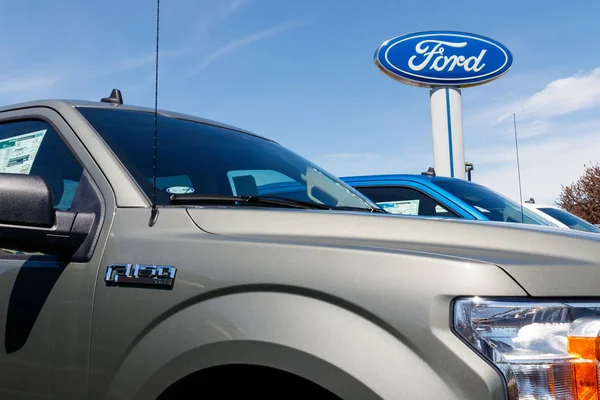
SUV Safety Features That Families Expect From a Trusted Ford Dealership

Photo by depositphotos at https://depositphotos.com/

Choosing an SUV is often about more than style, cargo space, or engine performance. For many households, safety remains one of the most important factors during the vehicle search process. Modern families want vehicles equipped with systems that support awareness, reduce risks, and help protect passengers during everyday driving situations. When exploring options through a Best Ford dealer in Saint Louis, shoppers often pay close attention to the safety features that define today’s family-oriented SUVs.

From advanced driver assistance technologies to passenger protection systems and child-focused design elements, modern SUVs are expected to offer a wide range of features that help families feel more confident on the road.

Advanced Driver Assistance Systems for Everyday Safety

One of the biggest expectations families have from modern SUVs is access to advanced driver assistance technology.

These systems are designed to support drivers in recognizing hazards, maintaining awareness, and responding to common traffic situations. While these tools do not replace attentive driving, they can contribute to improved confidence behind the wheel.

Many families look for SUVs equipped with features such as:

  • Forward collision alerts
  • Automatic emergency braking
  • Lane departure warnings
  • Lane-keeping assistance
  • Blind spot monitoring
  • Rear cross-traffic alerts

These systems are particularly valuable during daily commuting, school drop-offs, crowded parking lots, and highway travel.

Driver assistance technology has become increasingly important because families often encounter a wide variety of driving environments, from busy urban roads to long-distance family trips.

Blind Spot Monitoring and Improved Visibility

Visibility challenges are common in larger vehicles, making blind spot technology a highly valued feature among SUV shoppers.

Traditional mirrors cannot always eliminate every hidden viewing angle. Blind spot monitoring systems help address this issue by notifying drivers when another vehicle occupies a difficult-to-see area beside or behind the SUV.

Families frequently appreciate this technology during lane changes, merging situations, and multi-lane highway driving.

Improved visibility also extends beyond electronic alerts. Modern family SUVs often incorporate:

  • Rearview cameras
  • Surround-view camera systems
  • Parking sensors
  • Enhanced mirror designs
  • High-mounted seating positions

These features help drivers navigate tight spaces, crowded parking areas, and residential neighborhoods more comfortably.

For parents driving with children, improved visibility can play an important role in reducing uncertainty during everyday vehicle operation.

Automatic Emergency Braking and Collision Prevention Support

Accident prevention technology continues to shape family expectations for modern SUVs.

Automatic emergency braking systems are designed to detect certain collision risks and respond if a driver does not react in time. Depending on the vehicle system, braking support may help reduce impact severity or potentially avoid some low-speed collisions.

Families often value this feature because unexpected situations can occur quickly in real-world driving.

Common scenarios where collision prevention systems may provide support include:

  • Sudden traffic slowdowns
  • Pedestrian crossings
  • Congested intersections
  • Stop-and-go commuting conditions
  • Unexpected vehicle movements ahead

Parents managing busy schedules may appreciate technology designed to provide additional situational awareness during demanding driving conditions.

Although no system guarantees accident avoidance, preventive technologies have become an expected part of the modern SUV safety conversation.

Family-Focused Airbag Systems and Occupant Protection

Passive safety remains a major consideration when evaluating SUV safety features.

While advanced electronics receive significant attention, families still expect strong occupant protection systems that function during collision events.

Modern SUVs may include multiple airbag systems designed to protect occupants from various angles and impact types.

Families commonly look for protection features such as:

  • Front airbags
  • Side-impact airbags
  • Curtain airbags
  • Knee airbags
  • Rear passenger protection systems

Vehicle structure design also contributes significantly to occupant safety.

Engineers increasingly focus on reinforced passenger cabins, crumple zones, and strategic energy absorption techniques intended to help manage crash forces during impacts.

For families traveling with children, teens, and multiple passengers, comprehensive occupant protection remains a central part of SUV evaluation.

Child Safety Features That Matter to Parents

Parents often have specific safety priorities that extend beyond standard vehicle technology.

Child passenger protection plays an important role in the family vehicle decision-making process.

Modern SUVs are expected to provide convenient, secure systems that support safe child seat installation and passenger organization.

Features families commonly expect include:

  • LATCH child seat anchors
  • Easy-access rear seating layouts
  • Child safety door locks
  • Rear seat reminder systems
  • Wide rear door openings for easier loading and unloading

Rear seat reminders have become increasingly relevant because they help alert drivers to check the back seat before leaving the vehicle.

Practical cabin design can also influence family safety experiences. Sufficient space for car seats, booster seats, and rear passenger movement often matters to households with younger children.

Family-friendly SUV safety is not limited to crash technology alone—it also includes thoughtful design choices that simplify everyday transportation routines.

Adaptive Cruise Control for Highway Family Travel

Long-distance driving is common for many families, whether for vacations, sports activities, or weekend visits.

Adaptive cruise control has become an increasingly expected SUV feature because it can support more relaxed highway travel.

Unlike traditional cruise control, adaptive systems monitor traffic conditions ahead and adjust vehicle speed to maintain a selected following distance.

Families often find this feature useful during:

  • Highway commuting
  • Long-distance road trips
  • Heavy traffic conditions
  • Extended travel routes

The technology can help reduce the constant need for manual acceleration and braking adjustments during certain driving situations.

For households that spend considerable time traveling, adaptive cruise control contributes to a driving environment that feels more manageable and predictable.

Rear Occupant Awareness and Passenger Monitoring Features

SUV safety expectations continue expanding beyond the driver’s seat.

Families increasingly value features designed to support awareness of rear passengers, especially when transporting children, pets, or multiple family members.

Rear occupant technologies may include systems that remind drivers to inspect the back seat after parking.

Some modern vehicle technologies also incorporate cabin monitoring capabilities that support passenger awareness during travel.

These features may help families manage busy routines more effectively, particularly during hectic mornings, errands, or long travel days.

Passenger monitoring technology reflects a broader trend toward designing SUVs that address real-life family transportation habits rather than focusing solely on traditional driving functions.

Tire Pressure Monitoring and Vehicle Health Alerts

Vehicle maintenance awareness is another safety area that families increasingly expect from modern SUVs.

Dashboard monitoring systems can provide alerts regarding vehicle conditions that affect safety and performance.

One widely expected feature is tire pressure monitoring.

Maintaining appropriate tire pressure contributes to:

  • Stable handling
  • Braking performance
  • Tire longevity
  • Fuel efficiency
  • Overall vehicle control

Families often appreciate systems that communicate maintenance concerns before they become larger issues.

Additional vehicle health notifications may involve brake alerts, fluid warnings, service reminders, or battery monitoring information.

Accessible dashboard communication helps drivers stay informed about important maintenance conditions that influence safe vehicle operation.

Weather and Road Condition Support Technologies

Families frequently drive through changing weather conditions, making road adaptability another important SUV safety expectation.

Modern safety technology increasingly addresses challenges related to rain, snow, darkness, and slippery road surfaces.

Drivers may look for SUVs equipped with systems such as:

  • Traction control
  • Electronic stability control
  • Hill descent assistance
  • All-wheel-drive support features
  • Automatic high beams

These technologies can support vehicle control in demanding environments.

Weather-related safety considerations matter because family transportation does not stop during seasonal changes or less-than-ideal road conditions.

Technology designed to support handling, visibility, and traction contributes to a more confident driving experience in varying environments.

Easy-to-Use Safety Interfaces and Dashboard Communication

The presence of safety features alone is not always enough. Families also expect those systems to be easy to understand and operate.

Confusing alerts, cluttered displays, or complicated controls can reduce the practical value of advanced safety technology.

Modern SUV dashboards increasingly focus on presenting safety information clearly and efficiently.

Drivers often appreciate interfaces that provide:

  • Simple warning notifications
  • Readable displays
  • Clear camera visuals
  • Accessible system settings
  • Logical safety menus

Effective dashboard communication helps ensure drivers can quickly interpret important information while maintaining focus on the road.

User-friendly technology has become an important part of the overall safety experience for families evaluating modern SUVs.

Conclusion

Safety expectations for family SUVs continue to evolve alongside automotive technology. Modern families want vehicles that combine protective engineering, driver awareness systems, child-focused design, and practical usability.

Advanced driver assistance systems, blind spot monitoring, adaptive cruise control, collision prevention tools, occupant protection features, and maintenance alerts all contribute to the comprehensive safety profile many families now expect.

At the same time, ease of use remains equally important. Families increasingly value SUVs that communicate safety information clearly and integrate protective technology into everyday driving without creating unnecessary complexity.

SUV Roof Rack Features That Improve Storage Capacity in Used Cars

Photo by depositphotos at https://depositphotos.com/

Used SUVs remain one of the most practical vehicle choices for drivers who need space, flexibility, and affordability. One of the most valuable upgrades found in many SUVs is a roof rack system, which significantly increases storage capacity without reducing cabin comfort. Roof racks allow drivers to transport bulky items like luggage, sports equipment, camping gear, and travel essentials that would otherwise take up interior space.

When exploring vehicle options and comparing features, many buyers also check listings and resources such as Suntrup used cars to better understand available SUV models equipped with storage-friendly features. Among these features, roof rack systems stand out for their ability to expand cargo options and improve travel convenience.

Understanding how roof rack features work and what benefits they provide can help buyers make smarter decisions when selecting a used SUV.

Understanding Roof Rack Systems in SUVs

A roof rack system is a set of components installed on the top of an SUV that allows external cargo carrying.

It typically includes:

  • Roof rails (side-mounted bars running front to back)
  • Crossbars (horizontal bars connecting the rails)
  • Mounting points for accessories

Together, these components create a stable platform for securing additional storage containers or equipment.

Roof racks are commonly found in used SUVs because they are factory-installed or added as dealer accessories. They are especially useful for drivers who frequently travel, move large items, or participate in outdoor activities.

The main purpose of a roof rack is simple: increase storage space without affecting passenger comfort inside the vehicle.

Roof Rails: The Foundation of Storage Expansion

Roof rails are the base structure of most SUV roof rack systems.

They run along the length of the vehicle’s roof and act as anchor points for crossbars and attachments.

Key benefits of roof rails include:

  • Provide structural support for roof storage systems
  • Allow installation of crossbars for additional cargo
  • Enable flexible cargo configurations
  • Improve long-term utility of the vehicle

There are two common types of roof rails:

  • Raised rails: Elevated above the roof for easy attachment
  • Flush rails: Sit closer to the roof for a more streamlined design

Roof rails themselves do not carry cargo directly. Instead, they serve as the foundation for attaching accessories that expand storage capacity.

In used SUVs, roof rails are often already installed, making it easier for buyers to upgrade storage without additional modifications.

Crossbars: The Key to Practical Cargo Loading

Crossbars are horizontal bars that connect roof rails and create a platform for carrying items.

They are one of the most important roof rack features because they determine how usable the system is for real cargo.

Crossbars allow drivers to attach:

  • Cargo boxes
  • Bike racks
  • Kayak carriers
  • Roof baskets
  • Travel containers

Key advantages of crossbars include:

  • Even weight distribution across the roof
  • Secure mounting points for accessories
  • Adjustable positioning for different cargo types
  • Improved stability during travel

Most used SUVs with roof racks rely on crossbars to convert simple roof rails into a functional storage system.

Without crossbars, roof rails alone offer limited utility. Together, they form a complete and practical cargo solution.

Cargo Boxes: Enclosed Storage for Maximum Protection

One of the most popular roof rack accessories is the cargo box.

Cargo boxes are enclosed containers mounted on crossbars that provide secure, weather-resistant storage.

Benefits include:

  • Protection from rain, dust, and sunlight
  • Increased storage without cabin clutter
  • Lockable design for security
  • Aerodynamic shapes for smoother driving

Cargo boxes are ideal for:

  • Luggage during road trips
  • Camping gear
  • Seasonal clothing storage
  • Travel essentials

For used SUV buyers, cargo boxes are a major advantage because they add modern storage functionality without modifying the vehicle’s interior.

They also help keep passenger seating areas clean and organized during long trips.

Roof Baskets: Flexible Open Storage Solutions

Roof baskets are another common feature that improves storage capacity in SUVs.

Unlike enclosed cargo boxes, roof baskets offer open-frame storage, allowing users to carry irregularly shaped items.

Key benefits include:

  • Easy loading and unloading
  • Flexible cargo sizes and shapes
  • Lightweight construction
  • Compatibility with multiple tie-down systems

Roof baskets are especially useful for:

  • Outdoor gear
  • Camping supplies
  • Sports equipment
  • Large or awkward items

While they do not provide weather protection like cargo boxes, they offer unmatched flexibility for active lifestyles.

Used SUVs with roof baskets are popular among adventure travelers and outdoor enthusiasts.

Weight Capacity and Safety Considerations

Every roof rack system has a maximum weight limit, which is essential for safe usage.

Important safety factors include:

  • Roof rail strength
  • Crossbar load rating
  • Vehicle manufacturer guidelines
  • Even distribution of cargo weight

Overloading a roof rack can lead to:

  • Reduced vehicle stability
  • Increased fuel consumption
  • Damage to roof components
  • Unsafe driving conditions

Most SUVs are designed with moderate roof load capacities suitable for everyday cargo needs.

Drivers should always ensure that heavy items are centered and securely fastened to prevent shifting during travel.

Proper weight management is essential for both safety and long-term vehicle durability.

Aerodynamic Design and Fuel Efficiency Benefits

Modern roof rack systems are designed with aerodynamics in mind.

Improved designs help reduce wind resistance and minimize impact on fuel efficiency.

Aerodynamic features include:

  • Low-profile crossbars
  • Streamlined cargo boxes
  • Curved rail designs
  • Lightweight materials

While roof racks naturally create some additional wind resistance, modern designs help minimize drag.

Benefits include:

  • Better fuel efficiency compared to older rack systems
  • Reduced wind noise during driving
  • Improved driving stability at higher speeds

In used SUVs, well-maintained roof rack systems can still provide efficient performance without significantly affecting overall vehicle operation.

Versatility for Travel, Work, and Daily Use

One of the biggest advantages of roof rack systems is their versatility.

They are not limited to recreational use—they support a wide range of everyday needs.

Roof racks can be used for:

  • Family road trips
  • Moving or transporting large items
  • Outdoor and camping activities
  • Sports and recreation gear
  • Work-related equipment

This flexibility makes them especially valuable in used SUVs, where buyers often want a vehicle that can handle multiple roles.

By freeing up interior space, roof racks make travel more comfortable for passengers while still allowing large cargo to be transported safely.

Conclusion

SUV roof rack systems are one of the most practical and valuable storage features found in used vehicles. By combining roof rails, crossbars, and accessories such as cargo boxes or baskets, drivers can significantly expand storage capacity without compromising interior comfort.

These systems improve flexibility, enhance travel convenience, and support a wide range of lifestyle needs—from family trips to outdoor adventures and daily hauling tasks. When evaluating used SUVs, roof rack features remain an important factor for buyers who prioritize space, organization, and versatility.

New vs Used Cars in Houston: Which Option Saves More?

Photo by depositphotos at https://depositphotos.com/

Buying a car in Houston is a major financial decision, and one of the first choices buyers face is whether to purchase a new or used vehicle. Both options have clear advantages, but the real question for most shoppers is which one saves more money in the long run. Many people exploring Huston Cars are trying to balance affordability, reliability, and long-term ownership costs to make the smartest decision possible.

Houston’s automotive market is large and competitive, offering everything from brand-new models with the latest features to well-maintained used cars at lower prices. Understanding the real cost differences between new and used vehicles can help buyers avoid overspending and choose the option that best fits their lifestyle and budget.

Upfront Cost Differences Between New and Used Cars

The most obvious difference between new and used cars is the initial purchase price. New cars are significantly more expensive because they come directly from the manufacturer with zero mileage, updated features, and full warranties.

Used cars, on the other hand, are typically much more affordable. A vehicle that is just two or three years old can cost thousands less than its brand-new version.

Key cost differences include:

New cars have higher sticker prices due to depreciation and features

Used cars offer lower upfront investment

Certified pre-owned vehicles provide a middle-ground option

Buyers can often afford higher-end models when choosing used

For many Houston buyers, the lower upfront cost of used cars is the biggest reason they choose this option. It allows them to get reliable transportation without stretching their budget too thin.

Depreciation: The Biggest Financial Factor

Depreciation is one of the most important financial considerations when deciding between new and used cars. A new car loses value the moment it is driven off the lot.

Typically:

New cars lose a significant portion of their value in the first year

The fastest depreciation happens in the first 3–5 years

Used cars have already gone through most depreciation

This means used car buyers avoid the steepest value loss. In many cases, a used vehicle retains its value more steadily over time.

For buyers focused on saving money, avoiding early depreciation is one of the strongest arguments in favor of used cars.

Insurance Costs: New Cars Are More Expensive to Cover

Insurance is another ongoing expense that can significantly affect the total cost of ownership.

Generally:

New cars have higher insurance premiums

Used cars are cheaper to insure due to lower replacement value

Luxury features and advanced technology increase insurance costs

In Houston, where insurance rates can already be high, this difference becomes even more important. Over several years, lower insurance payments on a used car can add up to substantial savings.

Maintenance and Repair Costs Over Time

Maintenance is another area where new and used cars differ significantly.

New cars:

Require less immediate maintenance

Are covered under manufacturer warranties

Have fewer mechanical issues in early years

Used cars:

May require more frequent repairs depending on condition

Can have higher maintenance costs if not well-maintained

May not be under full warranty unless certified pre-owned

However, it is important to note that many modern vehicles are built to last longer. A well-maintained used car can still offer low maintenance costs, especially if it has a strong service history.

Buyers should always review maintenance records before purchasing a used vehicle.

Fuel Efficiency and Long-Term Running Costs

Fuel efficiency plays a major role in long-term savings, especially for drivers in a large city like Houston.

New cars:

Often feature improved fuel efficiency due to updated technology

May include hybrid or eco-driving systems

Can reduce long-term fuel expenses

Used cars:

Older models may be less fuel-efficient

However, many recent used cars still offer excellent mileage

The difference in fuel savings between new and used cars depends heavily on the specific model. In many cases, a slightly older fuel-efficient used car can still perform nearly as well as a new model.

Financing Options and Interest Rates

Financing is another important factor when comparing new and used cars.

New cars:

Often come with lower interest rates from manufacturers

May include special financing deals or incentives

Require larger loan amounts due to higher prices

Used cars:

May have slightly higher interest rates

Require smaller loan amounts overall

Offer lower monthly payments in most cases

Even if interest rates are higher for used cars, the lower purchase price often results in lower monthly payments, making them more budget-friendly for many buyers.

Technology and Features Comparison

One reason buyers choose new cars is access to the latest technology and features.

New cars typically include:

Advanced safety systems

Modern infotainment screens

Smartphone integration

Improved driver-assist features

Used cars may lack some of the newest features, but many recent models still include modern technology at a lower cost.

For budget-conscious buyers, the trade-off between advanced features and affordability is an important consideration.

Resale Value and Long-Term Investment

Resale value is another factor that affects overall savings.

New cars:

Lose value faster initially

May stabilize after several years

Offer strong resale value if well-maintained and popular

Used cars:

Already passed major depreciation

Lose value more slowly over time

Can be easier to resell at a similar price point if bought wisely

For many buyers, used cars offer better long-term value retention because they avoid the steep initial depreciation curve.

Reliability and Peace of Mind

Reliability is often a deciding factor for buyers in Houston.

New cars:

Come with full warranties

Have no prior wear and tear

Offer maximum peace of mind

Used cars:

Depend heavily on previous owner care

May include limited warranty coverage if certified

Require careful inspection before purchase

Certified pre-owned vehicles can help bridge the gap by offering inspected and warrantied used cars that provide extra confidence.

Which Option Saves More Money Overall?

The answer depends on how “savings” is defined.

Used cars generally save more money upfront and in total ownership costs because:

Lower purchase price

Reduced depreciation

Cheaper insurance

Lower monthly payments

New cars may save money in other ways:

Fewer repairs in early years

Better fuel efficiency

Full warranty protection

For most budget-focused buyers in Houston, used cars tend to offer better overall financial value. However, buyers who prioritize the latest features and long-term warranty coverage may find new cars more appealing.

Tips for Making the Smartest Choice

To maximize savings, buyers should:

Compare total cost of ownership, not just price

Check vehicle history reports for used cars

Consider certified pre-owned options

Evaluate fuel efficiency and insurance costs

Test drive multiple vehicles before deciding

Taking a careful and informed approach ensures better long-term satisfaction and financial outcomes.

Conclusion

Choosing between new and used cars in Houston ultimately comes down to budget, priorities, and long-term goals. New cars offer the latest features, full warranties, and improved efficiency, but they come with higher upfront costs and faster depreciation. Used cars, on the other hand, provide significant savings, lower insurance costs, and reduced depreciation impact.

For most buyers focused on affordability, used cars often deliver better overall value. However, new cars remain a strong choice for those who want the latest technology and maximum peace of mind. By carefully evaluating costs, features, and long-term expenses, Houston buyers can confidently choose the option that best supports their financial goals and driving needs.

F1 Silly Season 2026: Top Rumors About Driver Transfers and Contracts

Driver Market Chaos: Where Rumors and New Contracts Lead in the 2026 Season

The new era of royal racing has finally begun, bringing not only radically new technical regulations but also complete chaos in the driver market. Teams are forced to make long-term plans, because the new power units require maximum mutual understanding between engineers and racers. The current F1 Silly Season 2026 breaks all records for the number of paddock conversations and unexpected insights. While managers in the paddock sign confidential agreements, fans clutch their heads at every news item. If you are tired of the endless flow of technical terms and just want to rest, a reliable gaming platform Pinco kazino will be a great place for leisure, where you can easily switch your attention and relax after a hot racing weekend. Right now, the entire world of Formula 1 is watching every move of top drivers whose current deals are coming to an end.

The Main Intrigue of the Paddock: Where Max Verstappen is Looking

The main trigger for most transitions remains the situation around the three-time world champion. Although his deal with Red Bull is designed for the long term, the presence of special exit options due to internal perturbations in the team keeps all league bosses in suspense. The leaders of Mercedes and Aston Martin do not hide their desire to lure the leader to their side, offering astronomical sums and guarantees of a fast car.

Max Verstappen carefully evaluates the efficiency of the new engine from Red Bull Powertrains-Ford. If the first rounds showed even the slightest problems with reliability or power, the reigning champion will change his residence without hesitation. His transfer can start a massive domino effect that will completely redraw the starting grid.

To understand how critical the contract situation is in the leading teams, it is worth looking at the current realities of the top five of the Constructors’ Cup.

Contract Status of Paddock Leaders for the Current Championship

TeamDriver 1 / Agreement StatusDriver 2 / Agreement StatusMain Contender for the Seat in Case of Departure
Red BullMax Verstappen (until the end of the year, options available)Liam Lawson (for one season)Oscar Piastri
FerrariLewis Hamilton (firm contract)Charles Leclerc (multi-year)Stable lineup
MercedesGeorge Russell (current contract)Kimi Antonelli (probationary period)Max Verstappen
McLarenLando Norris (long-term)Oscar Piastri (under the aim of competitors)Gabriel Bortoleto
Aston MartinFernando Alonso (final season)Lance Stroll (indefinite)Carlos Sainz

This table clearly demonstrates that Formula 1 driver transfers this year will affect at least three top teams. Even stable-looking collectives have weak points in their contracts that competitors are trying to buy out right now.

Italian Stability and the Plans of Veterans

In Maranello, the situation looks the most calm. At one time, the transition of the seven-time world champion to the Scuderia shocked the public, but now it is already an everyday reality. For his part, Lewis Hamilton is fully focused on integration into the Italian collective. His experience helps the team adapt to new fuel restrictions and aerodynamic configurations, so his positions are not threatened by anything.

However, a real drama is unfolding behind the leaders’ backs. The middle echelon of the paddock, including Audi and Alpine, is actively looking for experienced fighters. The German auto giant, which has completed the transformation of Sauber, has huge financial resources but needs a loud name to achieve a media and sports breakthrough. They are ready to satisfy any F1 contract rumors by offering three-year contracts to drivers who have lost their seats in the top three.

Racing analytics, telemetry studies, and constant arguments on social networks take a lot of mental energy away from passionate speed fans. When your head spins from rumors, the Pinco brand offers a reliable alternative for rest. Short gaming sessions help relieve tension and get positive emotions without being tied to the results of another qualification.

Four Steps of Teams When Forming a Future Lineup

The heads of racing collectives no longer look only at the speed of a driver on a single lap. Modern realities require commercial benefits and technical literacy from everyone who sits behind the wheel of a car worth 15 million dollars.

Here are the four main criteria by which managers are now forming new F1 driver lineups:

  1. Ability to work with a new-generation simulator to optimize settings for the 2026 fuel.
  2. A powerful sponsorship package and/or high marketing attractiveness for America and Asia markets.
  3. Readiness to sign a contract according to the 1+1 scheme to leave the team room for maneuver.
  4. Absence of personal conflicts with the current number one of the team to maintain a healthy atmosphere.

Each item is of decisive importance when signing papers. That is why negotiations often last for months, and final announcements are postponed to the end of autumn.

For young drivers from Formula 2, this pressure is double. Any mistake on the track costs a career. The heads of junior programs are also looking for ways to unload their protégés. At such moments, the Pinco service offers an opportunity to distract from constant stress, providing a simple, accessible form of entertainment to restore strength before important tests.

What Fans Should Expect at the End of the Rumor Season

The current racing year will definitely change the face of the championship for the next three seasons. We will witness the retirement of several legendary veterans, with their places taken by academy graduates. The economic benefit of attracting young, low-cost talent is becoming obvious even for teams with a big budget.

A fierce undercover struggle will continue through to the final stage in Abu Dhabi. Every contract will affect the alignment of forces. Following this process is incredibly exciting because intrigue outside the track sometimes surpasses the races themselves. After a long day of analyzing fresh news from the paddock, a visit to the Pinco platform, where an atmosphere of light entertainment and comfortable leisure reigns, will be a good option for evening rest. We can only wait for official releases from press services and enjoy the big racing show.

REJUVENATED ALEXIS DEJORIA ROLLING HEADING INTO INAUGURAL NHRA POTOMAC NATIONALS PRESENTED BY JEGS

MECHANICSVILLE, Md. (May 28, 2026) – Like the rest of the NHRA Mission Foods Drag Racing Series, Alexis DeJoria will be making her debut at Maryland International Raceway as part of this weekend’s inaugural NHRA Potomac Nationals presented by JEGS.

It makes for a new challenge, but with the way DeJoria and her John Force Racing team are performing, she heads to the first-time venue with plenty of confidence.

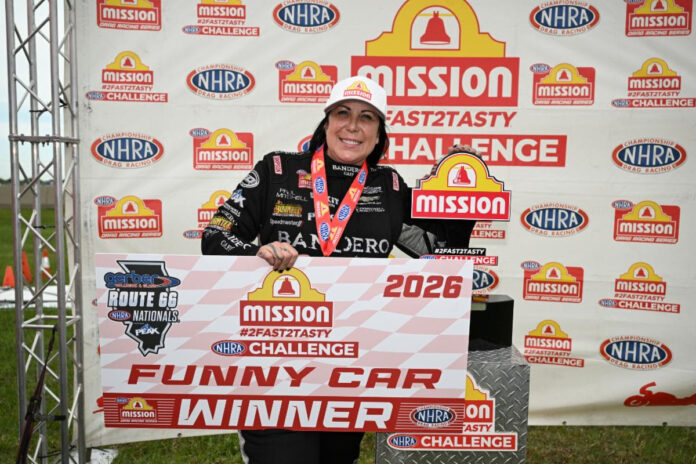
DeJoria has enjoyed a resurgent 2026 campaign thus far, advancing to the final round at the most recent race in Chicago. That gives her two runner-up finishes already in the loaded Funny Car category, putting the veteran sixth in points and firmly in the championship conversation.

She’s looking to grab more momentum this weekend in her 12,000-horsepower John Force Racing Bandero Café Chevrolet SS Funny Car as DeJoria looks to win for the first time in five years.

“We’ve never raced (in Maryland), so it’s new territory for all of us,” DeJoria said. “There are so many factors at play when it comes to assessing a new track. One thing I can say is we have a great tune-up for hot or cold weather. Now that we have the consistency we were working on, Mike (Neff) and Jonnie (Lindberg) will be shooting for those low E.T.s and high mph.

“At John Force Racing, we have a team full of experts who know what they are doing, which means a high level of confidence for me as a driver, even when we’re looking at a new facility. My faith in this crew is unwavering. After winning the Mission #2Fast2Tasty Challenge and getting another runner-up in Chicago, we’re on a good trajectory.”

The 2026 NHRA Potomac Nationals presented by JEGS includes action in all four Mission Foods Drag Racing Series classes and coverage of the event will be broadcast on FOX, with elimination coverage beginning at 3 p.m. ET on Sunday, May 31. It is also the seventh of 20 races during the 2026 milestone campaign.

As part of a full weekend, there’s a host of NHRA 75th anniversary events at Maryland International Raceway, including:

  • An appearance from NHRA legend and three-time Top Fuel world champion Shirley Muldowney and a tribute to Muldowney’s trailblazing history in the sport.
  • On Sunday, a free, limited-edition NHRA pennant will be given to the first 4,000 fans in attendance.

DeJoria will have a great opportunity to win the special diamond Wally celebrating NHRA’s milestone year, but she’ll also have to take on a loaded field that includes Ron Capps and J.R. Todd, who are tied for the points lead, as well as four-time champ Matt Hagan, teammate and Valdosta winner Jordan Vandergriff, Chad Green, who has two wins this season, Jack Beckman and back-to-back world champion Austin Prock.

But DeJoria believes this team is just getting started and feels like the best is yet to come in 2026.

“I feel like I got a head start working with Mike Neff for a year before we came over to JFR this season,” DeJoria said. “Everything really came together, adding Jonnie into the mix. When the timing’s right, the timing’s right, and the timing was right this year. It was written in the stars. We didn’t get that trophy (in Chicago), but I can tell you right now, we are coming for them. There’s a lot left on this table. We’re a very consistent team and we’re putting people on notice right now.”

Top Fuel points leader Shawn Langdon is after his third straight win in 2026 and will look to stay red-hot against a field loaded with standouts, including teammate and reigning world champ Doug Kalitta, Tony Stewart, Leah Pruett, Justin Ashley, four-time champ Antron Brown, Josh Hart, Clay Millican and Tony Schumacher.

Reigning Pro Stock champ Dallas Glenn currently leads the points with two wins in 2026. Matt Hartford also has two victories this year, while six-time world champ Greg Anderson picked up the win in Pomona. Fans at MIR will also see six-time champion Erica Enders, Chicago winner Aaron Stanfield, Jeg Coughlin Jr. and T.J. Coughlin.

Pro Stock Motorcycle world champ Richard Gadson is the current points leader, while others to watch include Gaige Herrera, six-time champ Matt Smith, Angie Smith, John Hall, Jianna Evaristo and Maryland native Kelly Clontz.

NHRA Mission Foods Drag Racing Series qualifying will feature two rounds at 1:30 and 4 p.m. ET on Friday, May 29 and the final two rounds of qualifying on Saturday, May 30 at 12:30 and 3 p.m. Final eliminations are scheduled for 11 a.m. ET on Sunday, May 31. Television coverage includes qualifying on FS1 at 7 p.m. ET on Friday and 9 p.m. ET on Saturday, with eliminations action on Sunday at 3 p.m on FOX.

To purchase tickets to the 2026 NHRA Potomac Nationals presented by JEGS, fans can visit www.NHRA.com/tickets. For more information about the NHRA, visit www.NHRA.com.


About JEGS High Performance

Founded in 1960 by drag racing champion Jeg Coughlin Sr., JEGS Performance has grown into one of the most recognized and trusted names in the automotive aftermarket industry. JEGS serves racers, builders, restorers, and automotive enthusiasts across the country through an extensive catalog and e-commerce platform featuring more than 2 million products from over 900 trusted brands. From drag racing and street performance to off-road, truck, restoration, and garage equipment, JEGS provides solutions for nearly every type of automotive project and passion. The company’s long-standing commitment to performance, innovation, and automotive culture has helped make JEGS a go-to destination for generations of car enthusiasts and racers. For more information visit www.jegs.com

About Mission Foods

MISSION®, owned by GRUMA, S.A.B. de C.V., is the world’s leading brand for tortillas and wraps. MISSION® is also globally renowned for flatbreads, dips, salsas and Mexican food products. With presence in over 112 countries, MISSION® products are suited to the lifestyles and the local tastes of each country. With innovation and customer needs in mind, MISSION® focuses on the highest quality, authentic flavors, and providing healthy options that families and friends can enjoy together. For more information, please visit https://www.missionfoods.com/

About NHRA

NHRA is the primary sanctioning body for the sport of drag racing in the United States. NHRA presents 20 national events featuring the NHRA Mission Foods Drag Racing Series and NHRA Lucas Oil Drag Racing Series, as well as the JBS Equipment NHRA Pro Mod Drag Racing Series presented by Elite Motorsports and NHRA Flexjet Factory Stock Showdown™ at select national events. NHRA provides competition opportunities for drivers of all levels in the NHRA Summit Racing Series presented by Hoosier and NHRA Street Legal™. NHRA also offers the NHRA Jr. Street® program for teens and the Summit Racing Jr. Drag Racing League® for youth ages 5 to 17. With more than 100 Member Tracks, NHRA allows racers to compete at a variety of locations nationally and internationally. NHRA’s Youth and Education Services® (YES) Program reaches over 30,000 students annually to ignite their interest in automotive and racing related careers. NHRA’s streaming service, NHRA.tv®, allows fans to view all NHRA national events as well as exclusive features of the sport. In addition, NHRA owns and operates three racing facilities: Gainesville Raceway in Florida; Lucas Oil Indianapolis Raceway Park; and In-N-Out Burger Pomona Dragstrip in Southern California. For more information, log on to www.NHRA.com, or visit the official NHRA pages on Facebook, Instagram, Twitter, and YouTube.

NHRA LEGENDS OF DRAG RACING MOBILE GAME NOW AVAILABLE

Game filled with legendary cars and tracks from NHRA’s 75-year history

INDIANAPOLIS (May 28, 2026) – NHRA, in collaboration with Concrete Software and Trailmark Games, announced the release of the “NHRA Legends of Drag Racing” mobile game, which is available now and for free on iOS and Android.

Built on 75 years of NHRA’s illustrious drag racing history, the game is built for race fans and gamers, focusing on the incredible cars, rivalries and tracks that have shaped the sport over the past seven-plus decades.

From old-school hot rods to legendary 340-mph Funny Cars and Top Fuel dragsters, fans can collect, work on and race some of the most popular cars in NHRA history. The current list of available cars includes the following, plus many more:

  • Austin Prock’s 2025 championship-winning Funny Car
  • Brittany Force’s 2025 record-setting Top Fuel dragster
  • Bob Glidden’s 1972 Pro Stock Ford Pinto
  • Cruz Pedregon’s California Charger Funny Car
  • Dallas Glenn’s 2025 championship-winning Pro Stock Camaro
  • Shirley Muldowney’s 1977 championship-winning Top Fuel dragster
  • Warren Johnson’s championship-winning Pro Stock Oldsmobile

Future cars set to be added to the game include Glidden’s 1978 Ford Fairmont, Doug Kalitta’s championship-winning Top Fuel dragster, as well as legendary cars driven by Don Garlits, Herb McCandless, Kenny Bernstein and more.

Currently, players can line up at historic tracks like Gainesville Raceway, Lucas Oil Indianapolis Raceway Park and Pomona, racing where the legends made their name in the sport.

“We’re thrilled to release NHRA Legends of Drag Racing and provide a great new way for fans around the world to experience the energy and 75 years of NHRA Drag Raing history from their mobile device,” NHRA Vice President of Marketing and Communications Jeffrey Young said.

“With a host of legendary cars from current and past stars and historic tracks, this game captures the spirit of our sport in a truly engaging way. We’re thrilled to give longtime fans a chance to race these cars, while also introducing a new generation of fans and gamers to the incredible machines that have made NHRA special for 75 years.”

Keith Pichelman, CEO of Concrete Software, added: “NHRA has one of the richest histories in motorsports, and our goal was to bring that energy and authenticity to mobile in a way that feels great to play anywhere. From collecting legendary cars to perfecting runs at iconic tracks, we wanted players to experience the excitement of NHRA right from their phone. We’re proud of what the team built with NHRA and excited to keep expanding the game for fans over time.”

As part of the game, fans can build out their garage, tune on cars and then race – from staging, to cutting a light, to shifting, to making the perfect run. Players will experience NHRA drag racing competition that rewards timing, precision, and smart strategy.

Players can race with gamers and fans across the world, while new events will be added to the game every week, with many tied to real NHRA Mission Foods Drag Racing Series race weekend. Legendary cars and tracks will also be continually added to the game.

Built and designed by Concrete Software, the game is made to respect the history, the people, and the machines that define NHRA, opening up a world of possibilities for every racing fan and gamer. Deeply rooted in NHRA drag racing culture, while also welcoming a global audience of fans, motorsports enthusiasts and sports gamers, the “NHRA Legends of Drag Racing” mobile game provides new ways to engage with NHRA drag racing.

For more information on NHRA, including the full 2026 75th anniversary schedule, visit www.NHRA.com.


About Concrete Software

Founded in 2003 and headquartered in Minneapolis, Minnesota, Concrete Software has been building rock-solid games for more than two decades. The company is best known for sports and card-based mobile titles that capture the energy of real-world competition while delivering fun, accessible gameplay to players worldwide. Flagship releases include PBA® Bowling Challenge, one of the longest-running and most popular bowling games on mobile; PGA TOUR® Golf Shootout, developed in partnership with the PGA TOUR and featuring real courses, equipment, and global tournaments; and Aces® Spades, part of the company’s classic Aces® card series enjoyed by millions of players.

Concrete’s games are available on iOS, Android, and major app stores, with a growing focus on cross-promotion and connected player experiences across its portfolio. By combining officially licensed content, authentic gameplay, and community-driven events, Concrete Software brings fans closer to the sports and pastimes they love. The company continues to expand its reach through collaborations with major sports organizations, the introduction of innovative features like global Clubhouse Clashes, and the development of new titles that build on its legacy of quality and player engagement.

For more information, visit www.concretesoftware.com, or follow Concrete Software on Facebook, Instagram, Discord, Twitter/X, and YouTube to connect with the community and stay updated on new releases and events.

About NHRA

NHRA is the primary sanctioning body for the sport of drag racing in the United States. NHRA presents 20 national events featuring the NHRA Mission Foods Drag Racing Series and NHRA Lucas Oil Drag Racing Series, as well as the JBS Equipment NHRA Pro Mod Drag Racing Series presented by Elite Motorsports and NHRA Flexjet Factory Stock Showdown™ at select national events. NHRA provides competition opportunities for drivers of all levels in the NHRA Summit Racing Series and NHRA Street Legal™. NHRA also offers the NHRA Jr. Street® program for teens and the Summit Racing Jr. Drag Racing League® for youth ages 5 to 17. With more than 100 Member Tracks, NHRA allows racers to compete at a variety of locations nationally and internationally. NHRA’s Youth and Education Services® (YES) Program reaches over 30,000 students annually to ignite their interest in automotive and racing related careers. NHRA’s streaming service, NHRA.tv®, allows fans to view all NHRA national events as well as exclusive features of the sport. In addition, NHRA owns and operates three racing facilities: Gainesville Raceway in Florida; Lucas Oil Indianapolis Raceway Park; and In-N-Out Burger Pomona Dragstrip in Southern California. For more information, log on to www.NHRA.com, or visit the official NHRA pages on Facebook, Instagram, Twitter, and YouTube.

Hendrick Motorsports Media Advance: Nashville

Nashville Superspeedway
Sunday, May 31
1.33-Mile Tri-Oval
7 p.m. ET
Location: Lebanon, Tennessee
TV: Fox
Event: NASCAR Cup Series (Race 14 of 36)
RADIO: SiriusXM

5 KYLE LARSON
Age: 33 (July 31, 1992)
Hometown: Elk Grove, California
Last Race: 5th (Charlotte)
Crew Chief: Cliff Daniels
Standings: 6th

No. 5 HENDRICKCARS.COM Chevrolet

  • Kyle Larson and the No. 5 HENDRICKCARS.COM team won stage one in the Coca-Cola 600 at Charlotte Motor Speedway last weekend en route to a fifth-place finish. It marked the team’s fourth top five of the season, and it moved Larson up two spots in the NASCAR Cup Series points standings to sixth.
  • Larson is the only driver to finish in the top 10 in all five Cup Series races at Nashville Superspeedway. His average finish of 5.2 in those events is his best at any track. He has one win, three top fives and five top 10s on the 1.33-mile tri-oval.
  • The Elk Grove, California, native has an average starting position of 9.4 at Nashville, fourth best among all drivers.
  • Larson will drive the No. 88 HENDRICKCARS.COM Chevy in Saturday’s NASCAR O’Reilly Series race for JR Motorsports.

9 CHASE ELLIOTT
Age: 30 (Nov. 28, 1995)
Hometown: Dawsonville, Georgia
Last Race: 37th (Charlotte)
Crew Chief: Alan Gustafson
Standings: 5th

No. 9 NAPA Auto Parts Chevrolet

  • Chase Elliott heads to Nashville Superspeedway fifth in the NASCAR Cup Series points standings with two wins under his belt through 13 races. His average finish of 12.23 this season ranks third.
  • The 30-year-old driver is a previous winner at Nashville, emerging victorious in 2022 after leading 42 of 300 laps. He followed that up with a fourth-place result the next year. Elliott has the fifth-best average start (9.6) at Nashville.
  • Elliott is a three-time winner on concrete tracks, which is tied for fourth most among active drivers. In addition to his victory at Nashville, he has two triumphs at Dover Motor Speedway.

24 WILLIAM BYRON
Age: 28 (Nov. 29, 1997)
Hometown: Charlotte, North Carolina
Last Race: 9th (Charlotte)
Crew Chief: Rudy Fugle
Standings: 12th

 No. 24 RAPTOR Chevrolet

  • Having to start 31st Sunday after weather canceled NASCAR Cup Series qualifying, William Byron and the No. 24 team used the entirety of the Coca-Cola 600 to work their way into the top 10, scoring a ninth-place finish.
  • In five Cup Series starts at Nashville Superspeedway, Byron has two top-five finishes, three top 10s with a best-track finish of third (2021).
  • In the 2023 race at Nashville, Byron had an average running position of 4.6 and recorded an average running position 5.34 in last year’s event.
  • Byron has the second-best average starting position at Nashville at 6.4.
  • The 28-year-old has four wins in night races in the Next Gen era, tied for the most.

48 ALEX BOWMAN
Age: 33 (April 25, 1993)
Hometown: Tucson, Arizona
Last Race: 17th (Charlotte)
Crew Chief: Blake Harris
Standings: 33rd

No. 48 Ally Chevrolet

  • Alex Bowman is set to make his 300th start with Hendrick Motorsports in the NASCAR Cup Series this weekend at Nashville Superspeedway. Bowman has earned eight wins, seven poles, 48 top fives and 114 top 10s with the team.
  • At Nashville, Bowman has led nine laps and earned his best finish of 14th in two events (2021 and 2024).
  • Last week, ahead of the Coca-Cola 600 at Charlotte Motor Speedway, Bowman and the No. 48 team took part in a USO packing event, packing 500 male hygiene kits, 500 female hygiene kits and 1,400 snack kits. The Ally 48 team has been involved in this event annually since 2019. To see images from this event, click here.

17 COREY DAY
Age: 20 (November 28, 2005)
Hometown: Clovis, California
Last Race: 5th (Charlotte)
Crew Chief: Adam Wall
Standings: 3rd

  • After practice and qualifying were canceled due to weather at Charlotte Motor Speedway, Corey Day delivered a fifth-place finish in his first career start at the 1.5-mile oval while climbing to third in the NASCAR O’Reilly Series points standings.
  • The Clovis, California, native returns to Nashville Superspeedway after finishing 11th in his track debut in NOAPS last season. Day also competed at the 1.33-mile tri-oval in the NASCAR CRAFTSMAN Truck Series in May 2025, powering the No. 7 Spire Motorsports Chevrolet truck to a fifth-place finish.
  • Hendrick Motorsports’ No. 17 Chevrolet has made 11 NOAPS starts at Nashville Superspeedway. The entry’s most recent victory at the track came in June 2002 with Jack Sprague behind the wheel.

Hendrick Motorsports

2026All-TimeNashville
Races131,4305
Wins2322*2**
Poles0259*0
Top 5131,335*7*
Top 10232,283*10*
Laps Led74386,110*335
Stage Wins61431

*Most
**Tied for most

  • Hendrick Motorsports enters this weekend’s NASCAR Cup Series race at Nashville Superspeedway tied for the most victories at the facility with two (Kyle Larson 2021, Chase Elliott 2022). The team’s seven top-five finishes and 10 top 10s in five events at the track are the most.
  • The Hendrick Motorsports engine department enters the weekend with 570 victories across all three national NASCAR touring series including 12 of 15 events in the NASCAR O’Reilly Series this season.
  • Hendrick Motorsports remains the Cup Series’ all-time standard bearer in wins (322), poles (259), top-five finishes (1,335), top 10s (2,283), laps led (86,110) and championships (15).

QUOTABLE

Kyle Larson, driver of the No. 5 Chevrolet, on Nashville Superspeedway: “We’ve had speed at Nashville with the Next Gen car as an organization, and even though it hasn’t always matched my driving style, our team continues to make gains each time we come back. Track position is so important there, but we’ve shown the ability to work through the field and improve throughout the race. Hopefully we can unload strong this weekend, build off the momentum from last week, and put ourselves in contention all night long.”

Chase Elliott, driver of the No. 9 Chevrolet, on Nashville Superspeedway: “I always look forward to going to Nashville. It’s a great atmosphere, and we were fortunate enough to get the win there a few years ago under the lights. We’ve been trying to improve our performance with this short track aero package, and I think Nashville is a good opportunity for us to kind of see where we’re at. It’ll be interesting to see what the resin does throughout the race on Sunday. I’m looking forward to it though. Hopefully it will be a good weekend for us.”

William Byron, driver of the No. 24 Chevrolet, on last week’s Coca-Cola 600: “Last weekend was a fight on and off the track. Rain put us in a tough situation to start but our team worked together and clawed our way into a good position Sunday before the rain came. It makes me proud to be a part of this team. Hopefully we can keep the momentum going from the last couple weekends and keep pushing forward.”

Alex Bowman, driver of the No. 48 Chevrolet, on Nashville Superspeedway: “Our biggest focus right now is getting our cars back to where they need to be. We need to put together solid weekends, execute our races and the finishes will follow. Nashville has been a tough track for us in the past; we’re continuing to put in work every week to keep improving and get on the right track.”

Corey Day, driver of the No. 17 Chevrolet, on heading to Nashville Superspeedway: “I’m looking forward to getting to Nashville this weekend. I was definitely bummed the race at Charlotte [Motor Speedway] got cut short with the rain because I felt like our No. 17 HENDRICKCARS.COM Chevrolet was really good. My guys keep bringing me fast cars every week, and I think we had a shot to race up front, so it would’ve been nice to see how it all played out. I’m trying to carry that momentum into this weekend. I’ve raced at Nashville before, and with more experience on pavement, I feel more confident going back there. I’m excited to see what we can do.”

RFK Racing Nashville Superspeedway Advance

Nashville Event Info:
Date: Sunday, May 31st
Time: 7 p.m. ET
Series: NASCAR Cup Series (NCS)
Location: Lebanon, Tennessee
Format: 300 Laps, 399 Miles, Stages: 90-185-300
TV: Prime
Radio: PRN, SiriusXM NASCAR Radio (Channel 90)

Weekend Schedule:
Saturday: 4:30 p.m. ET, Cup Practice (Prime, PRN, SiriusXM NASCAR Radio)
Saturday: 5:40 p.m. ET, Cup Qualifying (Prime, PRN, SiriusXM NASCAR Radio)
Sunday: 7 p.m. ET, Cup Race (Prime, PRN, SiriusXM NASCAR Radio)

Pace Laps:

  • Nashville Superspeedway – the 1.33-mile tri-oval – hosts its sixth Cup race this weekend as race No. 16 in the 2026 slate.
  • Jack Roush won six times in the O’Reilly Auto Parts Series at Nashville, and Brad Keselowski has a pair of wins at NSS himself in the NOAPS.
  • There have been four different winners in the four Nashville NASCAR Cup Series races.

6 Team Info:
Driver: Brad Keselowski
Crew Chief: Jeremy Bullins
Partner: Trimble

17 Team Info:
Driver: Chris Buescher
Crew Chief: Scott Graves
Partner: Castrol

60 Team Info:
Driver: Ryan Preece
Crew Chief: Derrick Finley
Partner: Kroger / Celsius

Keselowski at Nashville
Starts: 5
Wins: —
Top-10s: —
Poles: —

  • Keselowski makes his sixth start at Nashville this weekend, where he posted his best finish there two years ago (P11). In the 2025 season, he qualified fifth in the five-overtime thriller.
  • He has 12 additional starts otherwise on the 1.333-mile track and is a former winner in the O’Reilly Auto Parts Series at NSS. He went to victory lane twice in Nashville – once in 2008 and again in 2010 – with seven overall top-10 finishes and an average result of 10.9.
  • Outside of the pair of wins, Keselowski also has finishes of fourth (2008), third (2009), second (2009), fifth (2010) and third (2011).

Buescher at Nashville
Starts: 5
Wins: —
Top-10s: 1
Poles: —

  • Buescher makes his sixth start at NSS this weekend. He finished fifth in 2024 after starting ninth, his best finish there to date.
  • He’s qualified top-17 or better in each of the four Cup races dating back to 2021, carrying a 13.3 average starting position into the weekend.
  • 68 Laps led this season – 47 Laps led all last season

Preece at Nashville
Starts: 4
Wins: —
Top-10s: 1
Poles: —

  • Preece is set to make his fifth Cup start at Nashville this Sunday, in 2024 Preece finished 4th at the track.
  • Preece also made one NOAPS start at Nashville in 2022, finishing sixth.
  • He went to victory lane in back-to-back seasons in the Truck Series at Nashville in 2021 and 2022.

RFK Historically at Nashville

  • Roush Responsible for Marquee Wins at Nashville: NASCAR’s initial tenure at Nashville lasted around a decade, and Jack Roush not only opened but closed out the run the Xfinity Series had there with victories. In the very first NXS race back in 2001, Greg Biffle led 133 of the 225 laps to capture one of his five series wins that season. Carl Edwards, responsible for five NXS wins at Nashville Superspeedway, won the very last NASCAR Xfinity race there, leading 124 of the 225 laps in July of 2011.
  • Cousin Carl Dominates in Music City: Former RFK Racing star Carl Edwards dominated in his 13 O’Reilly Aurto Parts Series starts at Nashville, finishing top-10 in all but once race, and top five in all but two. He averaged a finish of 3.5 with five overall wins, including three-straight from 2006-07, and the final two in 2011. Driving the No. 60 entry in all 13 events, Edwards led a combined 247 laps in the first three wins, then went on to lead a combined 272 laps in the 2011 races, which stands as the last time NASCAR visited the facility.
  • Tale of the Tape: Overall at Nashville SS, 15 different drivers have driven for Jack Roush at the 1.33-mile track. RFK has 29 top-10s in 54 starts, 17 of which were inside the top five.

RFK Nashville Wins

2001 Biffle (O’Reilly Auto Parts Series)

2006 Edwards (O’Reilly Auto Parts Series)

2007 Edwards (O’Reilly Auto Parts Series)

2007 Edwards (O’Reilly Auto Parts Series)

2011 Edwards (O’Reilly Auto Parts Series)

2011 Edwards (O’Reilly Auto Parts Series)

Last Time Out & Where They Stand
Charlotte: Roush Fenway Keselowski (RFK) Racing showed solid speed and strong long-run pace throughout the night, adapting to changing conditions and staying competitive despite setback and late race chaos. All three teams’ strategy and adjustments kept all three cars in the mix, and while incidents cut short a couple of promising runs, the overall effort reflected RFK’s resilience under pressure.

Points Standings: Buescher: 7th, Keselowski: 11th, Preece: 16th

When Should Riders Contact a Motorcycle Accident Lawyer?

A motorcycle accident can change a rider’s life in seconds. One distracted driver on the I-405, Pacific Coast Highway, or near Downtown Los Angeles can leave victims facing surgeries, lost income, chronic pain, and overwhelming insurance pressure. 

After serious crashes, many riders focus solely on medical treatment and underestimate how quickly evidence disappears or how aggressively insurers begin protecting themselves. That is why contacting a motorcycle accident lawyer California riders trust, could become very critical in the recovery process.

Even when injuries are caused by someone else’s negligence, insurance companies often attempt to minimize claims, dispute liability, or pressure riders into fast settlements. Understanding when legal help becomes necessary may help protect both your recovery and your financial future.

Why Timing Matters After a Motorcycle Crash

The hours and days after a motorcycle accident are extremely important.

Critical evidence may disappear quickly, including:

  • Surveillance footage
  • Skid marks
  • Damaged protective gear
  • Witness testimony
  • Traffic camera recordings

At the same time, insurance companies often begin investigating immediately.

After California motorcycle crashes:

  • Adjusters may request recorded statements
  • Insurers may dispute fault
  • Medical gaps may weaken claims
  • Evidence may become harder to preserve

This is one reason why many injured riders contact a motorcycle accident lawyer in California before speaking extensively with insurance companies.

Signs Riders Should Contact a Lawyer Immediately

Some motorcycle accidents involve complex legal and medical issues that require immediate attention.

Riders should strongly consider legal guidance after crashes involving:

  • Traumatic Brain Injuries
  • Spinal Cord Injuries
  • Fractures
  • Surgeries
  • Permanent Disabilities
  • Fatal Motorcycle Accidents
  • Disputed Liability
  • Uninsured Drivers
  • Multiple Vehicles

Crashes on heavily traveled roads like Highway 101 and Interstate 5, or at congested Los Angeles intersections, often involve complex investigations and conflicting accounts of events.

Even riders who follow traffic laws carefully may suffer catastrophic injuries because of negligent drivers. 

How Insurance Companies Try to Reduce Motorcycle Claims

Insurance companies frequently attempt to reduce payouts after motorcycle accidents.

Common tactics include:

  • Blaming riders for speeding
  • Disputing lane-splitting
  • Minimizing injuries
  • Questioning medical treatment
  • Offering quick settlements
  • Arguing comparative negligence

Unfortunately, motorcycle riders are often unfairly stereotyped as reckless, even when injuries result from someone else’s negligence.

Without strong documentation and legal guidance, these tactics may reduce compensation for:

  • Medical expenses
  • Rehabilitation
  • Lost wages
  • Pain and suffering
  • Long-term care

What a Motorcycle Accident Lawyer Helps With

An experienced motorcycle accident attorney does far more than file paperwork.

A motorcycle accident lawyer California riders trust may help:

  • Investigate the crash
  • Preserve the evidence
  • Obtain any and all surveillance footage
  • Interview all witnesses
  • Work with the accident reconstruction experts
  • Negotiate with the insurance companies
  • Calculate all of the long-term damages

This becomes especially important when injuries involve:

  • Chronic pain
  • Rehabilitation
  • Permanent disability
  • Future medical treatment
  • Inability to return to work

Strong legal guidance could help riders pursue their compensation that reflects both current and future losses.

Mistakes Riders Should Avoid After a Crash

Certain mistakes may seriously weaken a motorcycle injury claim.

After a crash, riders should avoid:

  • Any Delays in medical treatment
  • Accepting any fast settlement offers
  • Posting any info about the accident on social media
  • Making repairs to the motorcycle too quickly
  • Giving any recorded statements without proper preparation
  • Ignoring any delayed symptoms

Even small gaps in documentation may give insurance companies opportunities to dispute injuries later.

Seeking treatment early and preserving evidence may significantly strengthen a California motorcycle injury claim.

Protect Your Rights After a California Motorcycle Accident

A serious motorcycle crash can affect every part of your life—from your health and mobility to your ability to work and support your family. You shouldn’t deal with insurance companies alone while you are also trying to recover.

If you or a loved one suffered injuries because of someone else’s negligence, the motorcycle accident attorney can help you understand your legal options, preserve critical evidence, and pursue compensation for your recovery.

Free consultation available. Protecting riders across California.