

Home Blog Page 35

Heated and Ventilated Seats That Add Comfort to a Modern New Car

Photo by depositphotos at https://depositphotos.com/

Comfort has become a defining feature in today’s automotive market. Modern drivers expect vehicles to provide more than transportation alone—they look for technologies that improve the overall driving experience throughout changing seasons and everyday routines. Among the most appreciated comfort features in newer vehicles are heated and ventilated seats. These seating technologies have become increasingly common across a wide range of vehicle categories, helping drivers and passengers stay comfortable in varying weather conditions. When exploring options through Iowa car dealerships, many shoppers pay close attention to interior comfort technologies that support a more enjoyable driving environment.

Heated and ventilated seating systems are no longer viewed as luxury-only additions. They now represent practical features that can improve comfort, convenience, and cabin satisfaction during both short commutes and long-distance travel.

Understanding How Heated Seats Work in Modern Vehicles

Heated seats are designed to provide warmth directly through the seating surface.

These systems typically use heating elements integrated beneath the seat upholstery. Once activated, the elements generate controlled warmth that transfers through the seat material to help occupants feel more comfortable.

Most modern heated seat systems allow adjustable temperature settings, giving drivers and passengers control over their preferred comfort level.

Common heated seat settings may include:

  • Low heat mode
  • Medium heat mode
  • High heat mode
  • Dual-zone adjustments in some vehicles

The goal of heated seating is to create targeted warmth without requiring the entire cabin temperature to rise immediately.

This can be particularly useful during cold mornings, winter commuting, or seasonal temperature changes when vehicle interiors feel especially cold upon entry.

The Role of Ventilated Seats in Warm Weather Comfort

While heated seats are often associated with colder climates, ventilated seats address comfort concerns during warmer conditions.

Ventilated seating systems use small fans or airflow channels within the seat structure to circulate air through the seat surface.

The movement of air helps reduce heat buildup and moisture accumulation that may occur during warm weather driving.

Ventilated seating can provide noticeable benefits during:

  • Hot summer afternoons
  • Long highway trips
  • Humid weather conditions
  • Heavy traffic commutes
  • Extended driving sessions

Unlike standard air conditioning, ventilated seats focus directly on body contact points between occupants and the seat.

This targeted approach can help improve personal comfort, especially during conditions where seat surfaces may retain heat.

Seasonal Adaptability for Year-Round Driving Comfort

One reason heated and ventilated seats have gained popularity is their usefulness across multiple seasons.

Modern drivers increasingly value features that adapt to changing weather conditions rather than serving only one limited purpose.

Heated seats support comfort during colder temperatures by helping occupants warm up more quickly after entering the vehicle.

Ventilated seats, on the other hand, help manage heat and airflow during warmer conditions.

Together, these technologies create a seating system that supports comfort throughout the year.

Drivers living in regions with changing climates often appreciate the flexibility offered by temperature-responsive seating features.

Instead of relying exclusively on cabin-wide heating or cooling adjustments, occupants can personalize their immediate seating environment according to individual preferences.

Improved Comfort During Daily Commuting

Daily commuting represents one of the most common driving activities for modern vehicle owners.

Whether commuting involves urban traffic, suburban routes, or highway travel, comfort features can significantly influence the driving experience.

Heated and ventilated seats can improve everyday comfort by helping occupants manage environmental conditions during regular travel routines.

Morning commuters may appreciate heated seating during colder seasons when vehicle interiors have been exposed to overnight temperatures.

Similarly, ventilated seating may become especially useful after a vehicle has been parked outdoors under direct sunlight.

These comfort systems contribute to a more pleasant cabin experience without requiring major manual adjustments from the driver.

Even relatively short drives can feel more comfortable when seating temperature better aligns with occupant preferences.

Long-Distance Travel Benefits for Drivers and Passengers

Comfort becomes increasingly important during long road trips and extended travel periods.

Hours spent sitting in the same position can affect how drivers and passengers experience a journey.

Heated and ventilated seats can help support long-distance travel comfort by reducing some of the discomfort associated with prolonged seating exposure.

Potential benefits during longer trips may include:

  • Reduced sensation of seat temperature extremes
  • Better airflow management
  • Enhanced passenger comfort consistency
  • Improved climate personalization
  • Increased seating satisfaction during seasonal travel

Passenger comfort is especially important for family vacations, business travel, or extended highway driving.

Modern comfort technology increasingly recognizes that seating experience plays a major role in overall travel enjoyment.

Personalized Climate Preferences for Multiple Occupants

Vehicle cabins often contain individuals with different comfort preferences.

One passenger may prefer warmer seating conditions while another may prefer cooler airflow or lower temperatures.

Modern heated and ventilated seating systems frequently support individualized comfort settings.

This personalization may involve:

  • Independent front-seat controls
  • Multi-level heating adjustments
  • Separate ventilation controls
  • Memory-linked comfort settings in some models

Individual climate customization helps reduce compromise between occupants.

Rather than depending solely on shared cabin temperature adjustments, passengers can tailor their seating environment to better suit personal comfort preferences.

This flexibility has become an increasingly valued part of modern vehicle interior design.

Integration With Advanced Cabin Technology

Heated and ventilated seats increasingly work alongside broader vehicle climate management systems.

Modern vehicles often integrate seating controls into digital dashboards, touchscreen interfaces, or smart climate settings.

Some systems may coordinate seat heating or ventilation with:

  • Automatic climate control
  • Remote vehicle start systems
  • Driver memory profiles
  • Temperature-responsive cabin automation

For example, certain vehicles may activate seat heating automatically during colder conditions or enable ventilation support during high outdoor temperatures.

Technology integration reflects a broader trend toward connected comfort systems that adapt to environmental conditions and user behavior.

As vehicle interiors become more technologically advanced, seating comfort continues evolving as part of the overall cabin ecosystem.

Material Design and Seat Construction Considerations

The effectiveness of heated and ventilated seating systems depends partly on seat construction and material selection.

Different upholstery materials interact with temperature and airflow in different ways.

Common seating materials may include:

  • Leather surfaces
  • Cloth upholstery
  • Synthetic materials
  • Perforated seat designs

Ventilated seats often use perforated surfaces that allow airflow to move through the seating material more effectively.

Seat cushioning, padding density, and airflow channel placement can also influence how heating or cooling effects are experienced by occupants.

Comfort engineering extends beyond simply adding electronic functionality. The overall seat structure plays an important role in delivering a consistent comfort experience.

Driver Wellness and Reduced Environmental Discomfort

Although comfort features are often associated with convenience, they may also contribute to improved driving satisfaction.

Extreme heat or cold can create physical discomfort that affects concentration and general driving enjoyment.

Heated and ventilated seating systems help manage localized temperature discomfort, potentially supporting a more comfortable driving environment.

Drivers frequently appreciate reduced exposure to:

  • Cold seat surfaces during winter
  • Excessive heat retention during summer
  • Moisture buildup during humid weather
  • Temperature imbalance during extended travel

A more comfortable cabin environment can contribute to a smoother overall driving experience, particularly during demanding commutes or long periods behind the wheel.

Modern vehicle comfort technology increasingly focuses on supporting occupant well-being alongside convenience.

The Growing Demand for Interior Comfort Features

Consumer expectations regarding vehicle interiors continue evolving.

Comfort features that were once associated mainly with premium vehicles are becoming more widely expected across modern automotive segments.

Drivers increasingly evaluate vehicles not only on performance, fuel economy, or technology but also on interior livability.

Heated and ventilated seating reflects this shift toward comfort-centered vehicle design.

Many buyers now view advanced seating systems as practical features that support:

  • Everyday commuting comfort
  • Seasonal adaptability
  • Passenger satisfaction
  • Personalized cabin experiences
  • Enhanced long-distance usability

As expectations continue changing, comfort technologies remain an important part of how drivers assess modern vehicle interiors.

Conclusion

Heated and ventilated seats have become valuable comfort features in modern vehicles because they address real-world driving conditions across changing climates and travel routines. By supporting warmth during cold weather and airflow during warmer conditions, these technologies contribute to a more adaptable and personalized seating experience.

Beyond simple temperature control, heated and ventilated seats enhance commuting comfort, long-distance travel satisfaction, individualized climate preferences, and overall cabin usability. Their growing integration with advanced vehicle technology also reflects the increasing importance of intelligent interior design in today’s automotive landscape.


Window Decals: More Than Just a Sticker on the Glass

Photo by depositphotos at https://depositphotos.com/

A window decal is one of the cheapest things you can put on a piece of glass, and one of the most useful. We tend to file them under decoration. A logo here, a funny line there. But a good one earns its spot. It tells people who you are, what you do, or who you root for, and it pulls that off without you saying a word. Window decals carry a lot of weight for how little they cost.

Think about where they turn up. The hours on a coffee shop door. A plumber’s number on the side of a van. A band sticker on a kid’s laptop. The big driver number across the back of somebody’s truck. Same little square of vinyl, completely different jobs. So instead of treating them as an afterthought, it helps to look at what they’re genuinely good at.

They Turn Plain Glass Into a Salesperson

For a business, the front window isn’t empty space. It’s frontage you already paid for. A clean decal with your name, your hours, and what you sell does the work of a greeter before anyone touches the door. And this isn’t just a hunch. Research from the Sign Research Foundation has found that storefront signage measurably affects whether people notice a business and decide to step inside. A faded printout taped to the glass says one thing about you. A sharp decal says something else.

They’re Built to Live Outside

This is the part people underrate. Quality vinyl decals are designed to handle regular weather exposure, including rain, sunlight, and routine car washing. They’re also typically removable without damaging the glass, and good vinyl leaves minimal residue. The cheap stuff cracks, fades, and leaves a gummy mess behind. The difference is in the material and the cut, not the artwork.

They Can Be Whatever You Picture

This is where decals get more flexible. Modern printing allows for highly customized shapes, colors, and sizing. Die-cut to the outline of a logo. Full color, photo quality. A frosted-glass look for an office door. A tiny corner mark or a full rear-window spread. Stickerbeat’s window decal designs run from plain lettering to layered, full-color work, so they’re a quick way to see how far the format stretches. The art is only half the job. The cut and the finish are what make it read like you meant to do it.

One Example: The Fan’s Rear Window

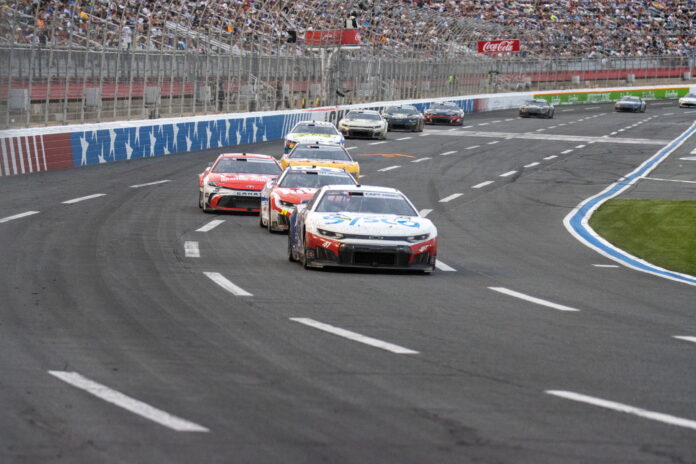
Take race fans, since plenty of this crowd knows the feeling. A driver number on the back glass is its own language. Pull up next to another truck at a light, spot the same number you run, and you’ve pretty much met. Your driver can have a miserable Sunday, wreck out in stage two, limp home 30th, and that decal stays loyal Monday morning in the carpool lane. The car doesn’t change. Neither does what’s on the glass.

A Quick Note Before You Go Wild

One boring but useful thing if the decal’s headed for a car. Rules vary by state, and some get strict about anything blocking the driver’s view, mostly the windshield and front side windows. The National Motorists Association keeps a plain-English guide to what’s allowed where. Rear glass is usually fine as long as your mirrors are doing their job. Anyway, thirty seconds of checking beats a ticket.

So that’s the case for window decals. Cheap, tough, and they say exactly what you want them to, whether that’s your shop hours

Accelerating Into the Future: The Evolution of Car Battery Chargers

Photo by depositphotos at https://depositphotos.com/

Few automotive tools tell a bigger story of progress than the humble car charger. What once felt like a clunky, purely mechanical necessity has become something far smarter, gentler, and more responsive to the way you actually live. If you have ever turned the key on a freezing morning and heard only silence, you already know the emotional weight a dead battery can carry. It is frustration, delay, worry, and sometimes even a little helplessness all packed into one moment.

That is exactly why the evolution of charging technology matters. It is not just about power. It is about trust. It is about knowing your vehicle will be ready when life asks you to move.

From Basic Power to Intelligent Care

In the early days, charging a car battery was a rougher affair. Older systems were often simple, direct, and not especially forgiving. They pushed electricity into the battery with limited oversight, and that meant overcharging was a real risk. Drivers needed to pay close attention, because the charger itself was not doing much thinking.

Over time, that changed dramatically. Engineers began to understand that batteries needed care, not just current. Modern systems now monitor voltage, temperature, and charging stages with remarkable precision. Instead of shoving power into the battery nonstop, they adapt. They pause. They protect. That shift has transformed the battery charger from a blunt tool into a smart companion for vehicle maintenance.

And that transformation has arrived at the perfect time. Today’s cars are more electronically complex than ever. Even when parked, many vehicles quietly draw power for clocks, alarms, sensors, and onboard computers. A charger is no longer just for emergencies. It is part of long-term battery health.

How the Battery Charger Became a Smarter Garage Essential

The modern battery charger is built for real life. It can often detect battery condition, switch between modes, and maintain charge without causing damage. For anyone storing a classic car, a motorcycle, or even a family vehicle that sits for weeks at a time, this is a game-changer.

There is also a deep sense of relief in using equipment that feels designed with you in mind. You no longer need to stand over the process nervously, checking and rechecking the clock. Many newer chargers include automatic shutoff, reverse-polarity protection, and diagnostic features. In practical terms, they reduce guesswork. Emotionally, they reduce stress.

A small memory comes to mind here. Years ago, a neighbor insisted an old charging method was “just as good” as the newer models. A week later, after dealing with a cooked battery, he had to recant that confident claim with an embarrassed laugh. It was a brief moment, but a memorable one. Progress sometimes asks us to let go of our pride before it rewards us with convenience.

Why the trickle charger Still Matters

With all the excitement around advanced charging systems, the trickle charger still holds a meaningful place. Its purpose is simple but valuable: deliver a low, steady charge over time to keep a battery from draining during inactivity. For seasonal vehicles and collector cars, that can mean the difference between a smooth start and an expensive replacement.

The beauty of this approach lies in patience. Not every battery problem calls for speed. Sometimes what your vehicle needs is gentle consistency. That is where this tool continues to earn respect. It supports battery longevity by preventing deep discharge, which can quietly shorten a battery’s life.

There is a human lesson hidden in that, too. Steady care often matters more than dramatic intervention. In a world obsessed with fast fixes, the quiet reliability of a battery trickle charger feels almost reassuring.

The Role of Innovation and the Modern Provider

As charging technology evolved, so did the companies behind it. Every major provider in this space now competes not just on raw performance, but on safety, efficiency, and user experience. That has pushed the industry forward in exciting ways.

A local repair shop owner once told a story about choosing a new equipment provider after months of frustration with unreliable units. He expected the switch to be purely technical, just another business decision. Instead, it changed how his customers felt. Fewer failures. Faster diagnostics. More confidence at pickup. Sometimes the right provider does more than deliver equipment. Sometimes it restores peace of mind.

That is especially true now, as chargers are being designed for a wider range of battery types, including AGM, gel, and lithium systems. Compatibility matters. Precision matters. And as electric vehicles continue to expand the conversation around automotive power, the charging ecosystem will only become more sophisticated.

When Weather, Time, and Life Leave Batteries Buffeted

No battery lives in perfect conditions. Heat can be punishing. Cold can be brutal. Long idle periods, short trips, and heavy electronic loads all take their toll. Batteries are constantly buffeted by forces most drivers barely notice until something goes wrong.

A family on a winter road trip once described how their plans were buffeted by freezing winds, delayed traffic, and finally a weak battery at a roadside stop. What stayed with them was not just the inconvenience. It was that sinking feeling, the sudden vulnerability. Yet a reliable charger at home later helped them recover with surprising ease. That is the hidden value of preparation. It turns panic into a problem you can solve.

Choosing the Right Trickle Charger for the Road Ahead

If you are deciding what kind of charger belongs in your garage, the answer depends on how you use your vehicle. If the car sits for long periods, a trickle charger may be exactly what you need. If you want diagnostic feedback, faster recovery, and automatic charging stages, a smart charger may be the better fit.

Look for safety features, compatibility with your battery type, and ease of use. The best tools do not make you feel intimidated. They make you feel capable. That matters more than many people realize.

It also helps to think long term. A dependable battery charger is not merely another device on a shelf. It is insurance against interruption. It protects your schedule, your wallet, and your confidence in the moments when reliability matters most.

Driving Toward a More Reliable Future

The evolution of car battery charging reflects something bigger than improved hardware. It reflects a broader shift toward intelligent care, thoughtful design, and tools that respect both technology and the people using it. What used to be reactive has become proactive. What used to be awkward has become intuitive.

And that is worth appreciating. Because every time your car starts without hesitation, every time a stored vehicle comes back to life smoothly, every time an unexpected delay is avoided, you are seeing the benefits of that quiet revolution.

The future is moving quickly. Vehicles are changing. Energy systems are changing. Expectations are changing. Yet one truth remains steady: dependable power means freedom. And as chargers continue to evolve, they are giving you more of it, one reliable start at a time.

Why Regular Oil Changes Improve Engine Performance

Photo by depositphotos at https://depositphotos.com/

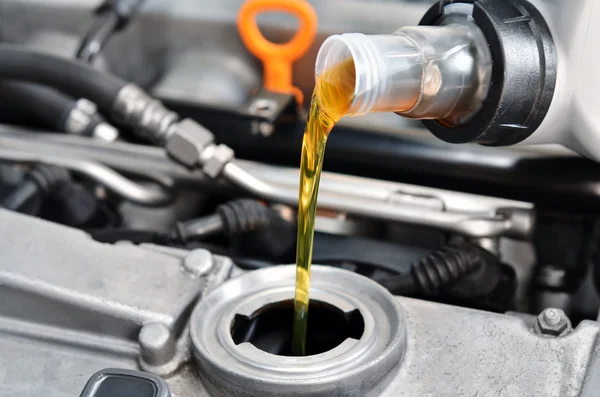
Your vehicle’s engine depends on many moving parts working together under intense heat and pressure. While modern engines are built for durability, they still require consistent maintenance to perform at their best. One of the most important and often overlooked maintenance tasks is changing the engine oil regularly. Drivers searching for information about oil change burien services often want to understand not only when to change oil but also why it matters so much for overall vehicle performance.

Regular oil changes do far more than keep a maintenance schedule on track. Clean engine oil supports smoother operation, improves efficiency, reduces wear, and helps extend the life of essential engine components. Understanding how oil works inside an engine reveals why this routine service plays such a major role in vehicle health.

Engine Oil Keeps Internal Components Properly Lubricated

An engine contains many metal components moving at extremely high speeds. Pistons, crankshafts, camshafts, and valves all create friction during operation. Without proper lubrication, these parts would grind against one another, causing rapid damage.

Engine oil forms a protective layer between moving surfaces. This lubrication minimizes direct metal-to-metal contact and reduces friction. When friction is controlled, the engine runs more smoothly and efficiently.

Over time, however, oil begins to degrade. Heat, contaminants, and constant use reduce its effectiveness. Old oil loses viscosity and may no longer provide reliable protection. Regular oil changes ensure the engine receives fresh lubrication capable of handling the demands of daily driving.

Clean Oil Helps Regulate Engine Temperature

Heat management is essential to engine performance. Combustion naturally creates high temperatures inside the engine, and friction adds even more heat during operation.

Engine oil assists the cooling system by helping transfer heat away from moving parts. Fresh oil circulates effectively, carrying heat through the engine and reducing temperature buildup.

When oil becomes dirty or breaks down, its ability to manage heat decreases. Thickened or contaminated oil may not flow efficiently, leading to excessive heat accumulation. Elevated temperatures can increase wear, lower efficiency, and contribute to component failure.

Regular oil changes help maintain stable engine temperatures, allowing the vehicle to operate within its intended performance range.

Oil Changes Reduce Harmful Engine Deposits

As oil circulates through the engine, it collects dirt, dust, combustion byproducts, and microscopic metal particles. Although oil filters capture many contaminants, some particles remain suspended in the oil.

Over time, these contaminants can form sludge and deposits inside the engine. Sludge restricts oil flow, interferes with lubrication, and creates additional strain on components.

Dirty oil may also contribute to clogged passages that reduce performance and responsiveness. In severe cases, excessive sludge buildup can lead to expensive repairs.

Changing the oil regularly removes accumulated contaminants and replaces them with clean lubricant, helping the engine stay cleaner and function more efficiently.

Improved Fuel Efficiency Through Reduced Friction

Fuel efficiency is influenced by several factors, including engine condition and internal resistance. A properly lubricated engine experiences less friction between moving parts, allowing it to operate with less effort.

Fresh oil supports smoother mechanical movement, which can contribute to improved fuel economy. While an oil change alone will not transform a vehicle’s mileage overnight, maintaining clean oil helps optimize engine efficiency.

When oil becomes old and contaminated, resistance inside the engine increases. The engine may need to work harder to perform the same tasks, potentially increasing fuel consumption.

Drivers who follow recommended oil change intervals often notice smoother acceleration, improved responsiveness, and more consistent efficiency over time.

Regular Oil Changes Support Better Engine Performance

Engine performance is closely tied to lubrication quality. Clean oil allows parts to move freely, reduces unnecessary strain, and supports reliable combustion processes.

When oil degrades, drivers may begin noticing symptoms such as sluggish acceleration, rough operation, unusual noises, or reduced responsiveness. These issues often develop gradually, making them easy to ignore until performance noticeably declines.

Routine oil changes help maintain smooth engine operation by ensuring the lubrication system works effectively. Fresh oil supports better throttle response, quieter performance, and consistent power delivery.

For vehicles used in demanding conditions such as heavy traffic, towing, extreme temperatures, or frequent short trips, maintaining proper oil quality becomes even more important.

Protecting Critical Engine Components From Wear

Replacing major engine components can be expensive. Camshafts, bearings, pistons, and valve assemblies depend heavily on clean oil for protection.

As oil ages, its protective additives begin to break down. These additives are designed to resist corrosion, reduce wear, and stabilize performance under varying temperatures.

Without strong additive protection, internal parts may experience accelerated deterioration. Small amounts of wear can accumulate over thousands of miles, eventually affecting reliability and performance.

Regular oil changes refresh the supply of protective additives and reduce the risk of premature engine wear. This simple maintenance habit can play a significant role in preserving long-term mechanical health.

Oil Quality Influences Engine Longevity

Vehicle owners often focus on immediate performance concerns, but long-term durability is equally important. Engines that receive regular maintenance typically maintain stronger performance throughout their lifespan.

Clean oil helps prevent the gradual damage that develops when contaminants, heat, and friction are allowed to accumulate unchecked. By maintaining proper lubrication, oil changes support the engine’s ability to withstand years of operation.

Skipping oil changes may not cause immediate failure, but the effects often appear over time. Increased wear, sludge buildup, overheating, and reduced efficiency can slowly shorten engine life.

Consistent oil maintenance is one of the simplest and most effective ways to promote engine longevity and reduce the likelihood of major repair costs.

Manufacturer Recommendations Matter

Vehicle manufacturers provide oil change guidelines based on engine design, oil type, and operating conditions. These recommendations are developed to balance protection, efficiency, and maintenance needs.

Some modern vehicles use synthetic oils capable of lasting longer between changes, while others may require more frequent service intervals depending on usage patterns.

Driving habits also influence oil life. Frequent stop-and-go traffic, dusty environments, short-distance driving, and towing can place additional demands on the engine.

Following manufacturer recommendations helps ensure oil is changed at appropriate intervals. Checking the owner’s manual and monitoring maintenance reminders can help drivers stay on schedule.

Choosing the Right Oil Makes a Difference

Not all engine oils are identical. Different vehicles require specific oil viscosities and formulations designed to match engine requirements.

Using the correct oil supports proper lubrication, temperature control, and performance. Choosing the wrong oil type may affect startup behavior, efficiency, or protection under extreme conditions.

Modern oils may include synthetic blends, full synthetic formulations, or conventional options depending on vehicle specifications. Each formulation offers different performance characteristics.

Consulting maintenance guidelines or qualified service professionals can help ensure the correct oil is used for a vehicle’s needs.

Recognizing Signs Your Vehicle May Need an Oil Change

Although following mileage or time intervals is important, certain warning signs can indicate that oil service may be necessary sooner.

Drivers should pay attention to symptoms such as increased engine noise, dashboard warning lights, dark or dirty oil appearance, rough idling, or decreased fuel economy.

A burning smell or overheating concerns may also suggest lubrication issues requiring attention.

Monitoring these indicators and addressing maintenance needs promptly can help prevent minor concerns from developing into larger mechanical problems.

Conclusion

Regular oil changes are one of the most important maintenance practices for preserving engine performance. Clean oil lubricates moving components, controls temperature, reduces contamination, improves efficiency, and protects against wear.

Although oil changes may seem like a routine service, their impact extends across nearly every aspect of engine operation. Consistent maintenance helps support smoother performance, stronger reliability, and longer engine life.

By understanding the role oil plays inside the engine and following recommended maintenance intervals, vehicle owners can make informed decisions that contribute to dependable performance for years to come.

Why Fuel-Efficient Cars Are Popular in Sanford

Photo by depositphotos at https://depositphotos.com/

Fuel-efficient vehicles have become a top choice for drivers in Sanford, where daily commuting, family travel, and rising fuel costs all influence purchasing decisions. Modern drivers are no longer focused only on style or power; instead, they are prioritizing long-term savings, environmental impact, and practicality. Many buyers visiting a car dealer in Sanford NC are actively searching for vehicles that offer strong mileage, lower running costs, and reliable performance for everyday driving.

As fuel prices fluctuate and commuting distances increase, the demand for efficient vehicles continues to grow. Sanford drivers, in particular, value cars that can handle both city traffic and highway travel without draining their budgets. This shift has made fuel-efficient cars one of the most popular categories in the local automotive market.

Rising Fuel Costs and the Need for Savings

One of the biggest reasons fuel-efficient cars are popular in Sanford is the rising cost of gasoline. For many families and commuters, fuel is one of the largest monthly transportation expenses.

Fuel-efficient vehicles help drivers save money by:

Reducing the number of fuel stops per week

Lowering monthly transportation expenses

Improving mileage in city and highway driving

Offering long-term financial relief for daily commuters

Even small improvements in fuel economy can lead to significant savings over time. For drivers who commute long distances or drive frequently for work, these savings quickly add up, making efficient cars a practical financial decision.

Daily Commuting Patterns in Sanford

Sanford has a mix of urban roads, suburban neighborhoods, and highway connections, which makes fuel efficiency especially important. Many residents commute to nearby cities or travel long distances for work, education, or business.

Fuel-efficient cars are ideal for this lifestyle because they:

Perform well in stop-and-go traffic

Maintain strong highway mileage

Reduce fuel consumption during long commutes

Offer consistent performance across different driving conditions

Vehicles such as sedans, hybrids, and compact SUVs are particularly well-suited for these patterns, making them a popular choice among local drivers.

Growing Popularity of Hybrid Technology

Hybrid vehicles have played a major role in increasing the popularity of fuel-efficient cars in Sanford. These vehicles combine a gasoline engine with an electric motor to maximize efficiency.

Benefits of hybrid technology include:

Improved fuel economy in both city and highway driving

Reduced emissions for a cleaner environment

Regenerative braking systems that recharge the battery

Lower long-term fuel costs

Hybrids are especially effective in city driving, where frequent stops and starts allow the electric motor to assist more often. This makes them an attractive option for daily commuters.

Environmental Awareness Among Drivers

Environmental concerns are another major factor driving the popularity of fuel-efficient cars. Many Sanford drivers are becoming more conscious of their carbon footprint and are choosing vehicles that help reduce environmental impact.

Fuel-efficient cars contribute to:

Lower greenhouse gas emissions

Reduced air pollution

Less dependence on fossil fuels

More sustainable driving habits

This shift in awareness has encouraged more drivers to consider eco-friendly vehicles, especially hybrids and smaller engine models that prioritize efficiency.

Lower Maintenance and Ownership Costs

Fuel-efficient cars are not just cheaper to run—they are often more affordable to maintain as well. Many efficient vehicles are designed with simpler engines and lighter components, which can reduce wear and tear over time.

Cost-saving benefits include:

Fewer engine-related repairs in many models

Longer-lasting brake systems due to regenerative braking in hybrids

Affordable replacement parts

Reduced strain on engine components

For budget-conscious drivers, these long-term savings make fuel-efficient cars even more appealing.

Wide Range of Fuel-Efficient Vehicle Options

One reason fuel-efficient cars are so popular in Sanford is the wide variety of models available. Drivers can choose from compact sedans, hybrid vehicles, and even fuel-efficient SUVs depending on their needs.

Common categories include:

Compact sedans for daily commuting

Hybrid sedans for maximum fuel savings

Subcompact SUVs for a balance of space and efficiency

Electric vehicles for zero fuel consumption

This variety ensures that drivers do not have to sacrifice comfort or space in order to achieve better fuel economy.

Comfort and Technology in Modern Efficient Cars

Fuel-efficient vehicles today are not basic or outdated—they often come with advanced technology and comfort features that enhance the driving experience.

Common features include:

Touchscreen infotainment systems

Smartphone integration (Apple CarPlay and Android Auto)

Advanced driver-assistance systems

Comfortable seating and climate control

Noise-reduction cabin design

These features make fuel-efficient cars comfortable for long commutes while still maintaining excellent mileage performance.

Strong Resale Value and Market Demand

Another reason fuel-efficient cars are popular is their strong resale value. Because demand for these vehicles remains high, they tend to retain value better than less efficient models.

Key resale advantages include:

High demand in the used car market

Lower depreciation rates for popular models

Strong appeal to budget-conscious buyers

Easy resale due to fuel economy benefits

This makes fuel-efficient cars not only a smart daily choice but also a good long-term investment.

Government Incentives and Financial Benefits

In some cases, fuel-efficient and hybrid vehicles may qualify for incentives or tax benefits, depending on the model and location. Even when incentives are not available, lower fuel costs still provide significant financial advantages.

Financial benefits include:

Reduced monthly fuel spending

Potential insurance discounts in some cases

Long-term savings on operating costs

Better value retention over time

These financial advantages make fuel-efficient cars especially attractive to families and working professionals.

Ideal Choice for Families and First-Time Buyers

Fuel-efficient cars are also popular among families and first-time buyers because they are practical, affordable, and easy to maintain.

For families, benefits include:

Lower transportation costs

Reliable daily performance

Safe and efficient commuting options

For first-time buyers:

Affordable entry-level pricing

Simple maintenance requirements

Strong fuel economy for budget control

These advantages make fuel-efficient vehicles a smart starting point for new drivers.

Future Growth of Fuel-Efficient Vehicles in Sanford

The popularity of fuel-efficient cars in Sanford is expected to continue growing. As technology improves and fuel prices remain unpredictable, more drivers are likely to shift toward efficient and hybrid models.

Future trends include:

Increased hybrid and electric vehicle adoption

Improved fuel economy in all vehicle categories

Expansion of charging and support infrastructure

Greater focus on sustainability and eco-friendly driving

This ongoing shift shows that fuel efficiency is not just a trend but a long-term direction in the automotive industry.

Conclusion

Fuel-efficient cars have become increasingly popular in Sanford due to rising fuel costs, environmental awareness, and the need for practical daily transportation. These vehicles offer a strong combination of affordability, reliability, and advanced technology, making them an ideal choice for a wide range of drivers.

From compact sedans to hybrid SUVs, fuel-efficient options provide long-term savings while still delivering comfort and performance. As more drivers prioritize value and sustainability, the demand for efficient vehicles is expected to grow even further.

Why Car Engine Cooling Systems Matter in Every Modern Dodge Car

Photo by depositphotos at https://depositphotos.com/

Engine performance in modern vehicles depends on far more than horsepower and fuel delivery. One of the most critical yet often overlooked systems is the engine cooling system. In today’s automotive engineering, especially in performance-focused vehicles, cooling technology plays a major role in maintaining efficiency, reliability, and long-term engine health. When researching vehicle care and maintenance insights through Central florida Dodge dealers, drivers often learn how essential cooling systems are in protecting engine components under different driving conditions.

From daily commuting to high-performance driving, engine cooling systems ensure that temperature levels remain stable, preventing overheating and supporting optimal operation. Without this system functioning properly, even the most advanced engine design can face serious performance and durability issues.

Understanding How Engine Cooling Systems Work

A car engine produces a significant amount of heat during combustion. While this heat is necessary for power generation, excessive heat can damage internal components if not properly controlled.

The engine cooling system is designed to regulate temperature by transferring excess heat away from the engine and dispersing it safely.

Most modern cooling systems include several key components:

  • Radiator
  • Water pump
  • Thermostat
  • Coolant fluid
  • Cooling fans
  • Hoses and circulation pathways

Coolant circulates through the engine block, absorbing heat before moving toward the radiator, where it is cooled and recirculated.

This continuous cycle ensures that engine temperatures remain within a safe operating range during all driving conditions.

Why Temperature Control Is Critical for Engine Performance

Temperature control is directly linked to how efficiently an engine operates.

Engines are designed to function within a specific temperature range. When temperatures rise too high or drop too low, performance and efficiency can be negatively affected.

If an engine overheats, it can lead to:

  • Reduced performance output
  • Increased fuel consumption
  • Component wear and damage
  • Potential engine failure in severe cases

On the other hand, an engine that runs too cool may not operate efficiently, leading to incomplete fuel combustion and higher emissions.

Proper cooling system function helps maintain balance, ensuring that the engine performs as designed under varying conditions.

The Role of Coolant in Protecting Engine Components

Coolant is one of the most important elements of the cooling system.

It is specially formulated to absorb heat and transfer it away from the engine while preventing corrosion and freezing under extreme temperatures.

Coolant typically serves multiple purposes:

  • Heat absorption and transfer
  • Corrosion protection for metal components
  • Prevention of scale and deposit buildup
  • Temperature stabilization in extreme weather

Over time, coolant can degrade and lose its effectiveness, which is why regular maintenance is necessary.

Without proper coolant levels or quality, the cooling system cannot function efficiently, increasing the risk of overheating and engine damage.

Radiator Function and Heat Dissipation Process

The radiator plays a central role in releasing heat from the engine system.

Once the coolant absorbs heat from the engine, it flows into the radiator, where airflow helps reduce its temperature.

Radiators work through a combination of:

  • Metal fins that increase surface area
  • Airflow from vehicle movement or fans
  • Heat exchange between coolant and external air

As air passes through the radiator, heat is released into the environment, and cooled fluid returns to the engine to repeat the cycle.

This process ensures that heat is continuously managed, especially during long drives or high-load conditions.

Water Pump and Coolant Circulation Efficiency

The water pump is responsible for keeping coolant moving through the engine system.

Without proper circulation, heat would accumulate in specific areas, leading to uneven temperature distribution and potential damage.

The water pump ensures:

  • Continuous coolant movement
  • Even temperature distribution
  • Efficient heat transfer between engine and radiator
  • Stable engine operating conditions

If the water pump fails or weakens, the entire cooling system becomes compromised, often resulting in overheating issues.

This makes it one of the most essential mechanical components within the cooling system.

Thermostat Regulation and Engine Warm-Up Balance

The thermostat acts as a temperature control valve within the cooling system.

Its main function is to regulate coolant flow based on engine temperature.

When the engine is cold, the thermostat remains closed to help the engine reach optimal operating temperature quickly. Once the engine warms up, it opens to allow coolant circulation.

This process helps maintain:

  • Efficient warm-up during startup
  • Stable operating temperature during driving
  • Reduced engine wear over time
  • Improved fuel efficiency during cold starts

Without a properly functioning thermostat, the engine may either overheat or take too long to reach efficient operating conditions.

Cooling System Importance in Performance Vehicles

Modern performance-oriented vehicles generate higher levels of heat due to increased power output.

This makes cooling systems even more important in maintaining safe and consistent performance.

Performance driving conditions such as acceleration, towing, or high-speed travel place additional stress on engine components.

Cooling systems help manage this stress by:

  • Preventing heat buildup during heavy acceleration
  • Supporting sustained high-performance output
  • Protecting turbocharged or high-output engines
  • Maintaining stability under load conditions

In performance vehicles, cooling systems are often designed with enhanced radiators, improved airflow systems, and advanced temperature monitoring to handle increased thermal demands.

Impact of Cooling Systems on Fuel Efficiency

Engine temperature has a direct effect on fuel efficiency.

When an engine operates within its ideal temperature range, fuel burns more efficiently, producing better energy output with less waste.

A malfunctioning cooling system can disrupt this balance, leading to:

  • Increased fuel consumption
  • Inefficient combustion
  • Higher emissions output
  • Reduced overall performance

By maintaining proper temperature regulation, cooling systems contribute indirectly to improved fuel economy and environmental performance.

This makes cooling system maintenance not just a performance issue, but also an efficiency concern.

Common Signs of Cooling System Problems

Recognizing early warning signs of cooling system issues can help prevent major engine damage.

Some common indicators include:

  • Engine temperature warning light
  • Steam coming from the hood
  • Coolant leaks under the vehicle
  • Unusual engine temperature fluctuations
  • Reduced heater performance in cold weather

These symptoms may indicate issues with coolant levels, radiator function, thermostat operation, or water pump performance.

Addressing these problems early can help avoid costly repairs and maintain vehicle reliability.

Maintenance Practices for Long-Term Cooling System Health

Proper maintenance is essential for ensuring long-term cooling system effectiveness.

Regular service checks typically include:

  • Coolant level inspection and replacement
  • Hose condition evaluation
  • Radiator cleaning and flushing
  • Thermostat and water pump checks
  • Leak detection and system pressure testing

Routine maintenance helps prevent buildup, corrosion, and mechanical failure within the cooling system.

Drivers who follow recommended service schedules are more likely to experience consistent engine performance and reduced risk of overheating-related issues.

Environmental Conditions and Cooling System Demand

External environmental factors also influence cooling system performance.

Hot climates, heavy traffic, towing loads, and stop-and-go driving conditions can all increase engine heat levels.

In these situations, the cooling system must work harder to maintain stability.

Factors that increase cooling demand include:

  • High ambient temperatures
  • Extended idle time in traffic
  • Heavy vehicle load or towing
  • Continuous uphill driving

Well-maintained cooling systems are better equipped to handle these conditions without performance loss or overheating risk.

Conclusion

Engine cooling systems are essential to the performance, efficiency, and reliability of modern vehicles. They regulate temperature, protect critical components, and ensure that engines operate within safe and optimal conditions.

From coolant circulation and radiator function to thermostat regulation and water pump operation, each component plays a vital role in maintaining balance within the engine system.

Understanding the importance of cooling systems helps drivers appreciate the engineering behind vehicle reliability and highlights why regular maintenance is necessary for long-term performance. A properly functioning cooling system not only prevents damage but also supports efficiency, durability, and overall driving confidence in modern vehicles.

Why Car Air Conditioning Systems Matter When Choosing the Best Ford Dealer      

Photo by depositphotos at https://depositphotos.com/

Car air conditioning systems are often thought of as a comfort feature, but in reality, they play a much bigger role in vehicle quality, driving satisfaction, and long-term usability. A properly functioning AC system affects not only passenger comfort but also driver focus, cabin air quality, and overall vehicle value. When comparing vehicles and dealerships, these systems can become an important part of the decision-making process.

Many buyers researching vehicle options and service quality also explore resources such as Best Ford dealer in Kirkwood to better understand how modern Ford models handle comfort and climate control performance. Since air conditioning systems are used year-round in many regions, they are a key factor in evaluating both vehicle quality and dealership service standards.

Understanding how AC systems work and why they matter can help buyers make more informed decisions when selecting a Ford vehicle.

The Role of Car Air Conditioning in Modern Vehicles

Car air conditioning systems do much more than cool the cabin during hot weather. They regulate temperature, manage humidity, and help maintain a comfortable driving environment in different conditions.

A typical automotive AC system includes:

  • Compressor
  • Condenser
  • Evaporator
  • Refrigerant
  • Expansion valve
  • Cabin airflow system

These components work together to remove heat and moisture from the air inside the vehicle.

In modern Ford vehicles, climate control systems are often integrated with advanced electronic controls that allow drivers to set precise temperatures. This ensures consistent comfort regardless of external weather conditions.

Beyond comfort, air conditioning systems also help:

  • Prevent windshield fogging
  • Improve driver visibility
  • Reduce cabin humidity
  • Maintain interior air quality

Because of these functions, AC systems directly contribute to both safety and comfort.

Comfort and Driving Experience in Ford Vehicles

Comfort is one of the most important factors when choosing a vehicle, especially for daily commuting or long-distance travel.

A strong air conditioning system enhances the driving experience by:

  • Maintaining a stable cabin temperature
  • Reducing fatigue caused by heat or humidity
  • Improving passenger comfort during long trips
  • Creating a more pleasant driving environment

In Ford vehicles, climate control systems are often designed to distribute air evenly across the cabin. This helps ensure that both front and rear passengers experience consistent comfort levels.

For drivers who spend extended time on the road, a reliable AC system can significantly improve overall satisfaction.

Comfort also influences driver focus. When the cabin is too hot or too humid, concentration can decrease. A well-functioning air conditioning system helps reduce distractions caused by discomfort.

Importance of Climate Control in Different Weather Conditions

One of the most valuable aspects of car air conditioning systems is their ability to adapt to different weather conditions.

In hot climates, AC systems help:

  • Lower cabin temperature quickly
  • Reduce heat buildup from sunlight
  • Prevent overheating discomfort
  • Protect interior materials from heat damage

In cold or humid climates, they help:

  • Defog windshields
  • Remove excess moisture from the air
  • Balance interior temperature levels
  • Improve visibility and safety

Ford vehicles often include dual-zone or automatic climate control systems, which allow different temperature settings for different parts of the cabin. This is especially useful for families or shared driving environments.

By maintaining consistent cabin conditions, AC systems support both comfort and safety across all seasons.

Air Conditioning and Vehicle Safety Connection

Although air conditioning is often viewed as a comfort feature, it also plays an indirect role in vehicle safety.

A properly functioning AC system helps improve safety by:

  • Preventing windshield fogging
  • Enhancing driver visibility
  • Reducing heat-related fatigue
  • Supporting alertness during long drives

Fogged windows are a common safety hazard, especially during temperature changes or rainy conditions. Air conditioning helps remove moisture from the air, keeping windows clear and improving visibility.

Driver fatigue is another important factor. Studies show that uncomfortable cabin temperatures can reduce reaction time and increase the likelihood of mistakes.

By maintaining a comfortable environment, AC systems help drivers stay more focused and responsive.

Air Quality and Cabin Comfort Improvements

Modern air conditioning systems also play an important role in maintaining air quality inside the vehicle.

Most systems include cabin air filters that help reduce:

  • Dust
  • Pollen
  • Pollution particles
  • Smoke
  • Allergens

This is especially important for drivers who suffer from allergies or respiratory sensitivities.

Ford vehicles often use advanced filtration systems designed to improve cabin air quality while maintaining consistent airflow.

Clean air inside the cabin contributes to:

  • Better passenger health
  • Reduced allergy symptoms
  • Improved overall comfort
  • A more enjoyable driving experience

Air conditioning systems also help control humidity levels, preventing a damp or stale cabin environment.

AC System Maintenance and Long-Term Reliability

When choosing a vehicle or dealership, maintenance quality is an important consideration.

Car air conditioning systems require regular maintenance to perform efficiently over time.

Common maintenance tasks include:

  • Checking refrigerant levels
  • Inspecting compressor function
  • Cleaning or replacing cabin air filters
  • Checking for leaks
  • Ensuring proper airflow performance

If an AC system is not maintained properly, it may lose efficiency, produce weak airflow, or stop cooling effectively.

In Ford vehicles, scheduled maintenance helps ensure that climate control systems remain reliable for many years.

A dealership that understands AC system maintenance can help prevent long-term issues and improve vehicle longevity.

Technology Integration in Modern Ford Climate Systems

Modern Ford vehicles often feature advanced climate control technologies that go beyond basic air conditioning.

These may include:

  • Automatic temperature regulation
  • Dual-zone or multi-zone climate control
  • Touchscreen climate settings
  • Voice-controlled adjustments
  • Remote start climate activation

Automatic climate control systems adjust fan speed, temperature, and airflow automatically based on cabin conditions.

This reduces the need for manual adjustments and improves driving convenience.

Some Ford models also allow drivers to pre-condition the cabin before entering the vehicle, especially useful in extreme weather conditions.

These technology features make air conditioning systems more intelligent, efficient, and user-friendly.

Fuel Efficiency and AC System Performance

Many drivers are concerned about the impact of air conditioning systems on fuel efficiency.

While AC systems do use engine power or battery energy, modern systems are designed to operate more efficiently than older models.

Fuel efficiency improvements include:

  • Energy-efficient compressors
  • Smart climate control algorithms
  • Reduced engine load systems
  • Optimized airflow management

In Ford vehicles, climate systems are engineered to balance comfort with energy efficiency.

This means drivers can enjoy consistent cooling without a significant impact on fuel economy under normal operating conditions.

Efficient AC systems are especially important for long-distance drivers who rely on balanced performance and fuel savings.

Why AC Systems Matter When Choosing a Dealership

When selecting a dealership, it is not just about purchasing a vehicle—it is also about service quality and long-term support.

A good dealership helps ensure:

  • Proper AC system inspection during vehicle servicing
  • Accurate diagnosis of cooling issues
  • Use of genuine replacement parts
  • Proper refrigerant handling
  • Regular system performance checks

Air conditioning systems require specialized knowledge to maintain correctly. A dealership with strong service capabilities ensures that customers receive reliable climate control performance throughout the vehicle’s lifespan.

This is especially important for used vehicles, where AC system condition can vary depending on previous maintenance history.

Conclusion

Car air conditioning systems are an essential part of modern vehicle design, influencing comfort, safety, air quality, and overall driving experience. In Ford vehicles, advanced climate control technology ensures consistent cabin conditions across different weather environments while supporting driver focus and passenger comfort.

When choosing a vehicle or dealership, understanding the importance of AC system performance can help buyers make more informed decisions. From maintaining visibility and reducing fatigue to improving air quality and driving comfort, air conditioning systems contribute significantly to everyday driving satisfaction.

How does the weather impact NASCAR betting odds and predictions?

Betting on NASCAR is no longer a pastime for a select few enthusiasts, but a weekly conversation for race fans. Its cautions, pit stops, and swings in the weather cause drama; however, new entrants may feel overwhelmed by the futures, winning prices, props, and finish markets on board.

Knowing how to read the odds in NASCAR betting is the first step to making better bets, and a good welcome bonus can provide beginners with the means to test out some of the odds before they invest real money. Even fans who would like to bet on Nascar with Melbet promo code should be mindful of the local laws, terms, and responsible gambling boundaries before signing up.

In this guide, you’ll learn how NASCAR odds are calculated, what the most common types of wagers are, and how the weather can affect the odds.

How to read NASCAR betting odds: A beginner’s guide

The majority of books published in the U.S. use American odds. A favorite at -110 means you risk $110 to win $100 profit. A mid-tier driver at +800 returns $800 profit on a $100 stake. A longshot at +5000 returns $5,000 profit on $100 if the upset lands.

Odds are also a way to express implied probability without getting into the bookmakers margin. -110 is approximately 52.4%, +800 is approximately 11.1%, and +5000 is approximately 2.0%. While decimal and fractional odds are available, they are not as common as American odds in the NASCAR race odds market in the United States.

Weather is important because odds are not popularity indicators. They indicate passing challenges, uncertainty, car setup, and tire wear as well as track type. Rain can delay event starts, alter grip, can be bunching after cautions or can benefit road-course drivers with wet tires.

NASCAR is more than a race for the victory. Sportsbooks can put up the matchups, props, stage results, manufacturer markets, qualifying bets, and live lines. The best bet is based upon your risk tolerance and research.

Outright winner bets

Outright winner bets involve answering one question: “Who wins the race? Favs get less, and longshots get more because their route typically requires chaos, the right pit stops, or a late start. The weather is often the difference between contenders and outsiders, as the number of cautions adds to the number of decisions that can be made.

Top three / Top five / Top ten finish odds

Outright winner bets are less risky than top three odds, top five and top ten odds. A driver with a +800 beater may have a much lower figure in his or her top three spot as this player does not have to compete for the win. These markets are good for drivers that have good average finishes, good pit crews, and have also had good records at similar tracks.

Futures: Betting on the cup series championship odds

NASCAR futures are long-term bets. The odds of winning the Cup Series championship are constantly changing as drivers advance in the standings, earn playoff points, change crew chiefs or perform poorly on certain types of surfaces. Other futures could involve regular season champion, Rookie of the Year, manufacturer or team championship markets.

Where to find & compare the best NASCAR race odds

Line shopping is essentially trying to determine the same market on different sportsbooks before you wager. For one book, the driver might be +700, and another +800. In the long run, repeatedly deciding to go with the best bet for NASCAR can help save bankroll value.

Leading online sportsbooks

The big and well-established sites like DraftKings, FanDuel, BetMGM, Caesars, and ESPN BET are all known for offering NASCAR betting lines in legal states. DraftKings betting pages will usually have race winners, top 5 or top 10 finishers, head-to-head bets, props, and championship futures. Check availability, as some markets and promotions may be state-specific.

Alternative: Exploring prediction markets

Prediction markets are different from sportsbooks. Event contracts, instead of fixed odds, increase and decrease based on their perceived chance of the event. The Kalshi betting site itself is a regulated example (it is not a state-licensed sportsbook) of event contracts. Use it as an option, not a loophole within local rules.

Developing your NASCAR betting strategies

The key to good NASCAR betting is to bet based on research, not guesswork. Learn how to read the driver form, study team speed, pit road performance, practice notes, qualifying results and track history. A superspeedway like Daytona brings drafting volatility, a short track gives a chance to take the brakes off, to be patient, to manage the traffic, but a road course gives a chance to change gears, to adapt to the rain and to judge the tyres.

Weather is a must on any NASCAR expert picks list. When temperatures are higher, grip can decrease and tire fall-off can increase. Rubber build-up rates can vary in the cold. In traffic, wind blowing can make cars unstable. Rain may result in a delay of an oval race, a damp-track strategy at an approved short oval, or may make a road-course specialist more useful if wet-weather tires are being used.

How to place a bet on NASCAR online

Firstly, select a legal sportsbook licensed in your area. Second, sign up your account and undergo identity verifications. Thirdly, invest money that you can afford to lose. Fourth, go to the NASCAR tab and make comparisons, then select your stake, see the payout, and make a bet.

When considering how to bet on NASCAR with promotions, be sure to read each site’s ‘promotions’ tab prior to putting in a deposit. NASCAR bonuses can be in the form of welcome bonuses, odds boosting, profit boosting, bet credits, or futures specials; all bonuses come with terms and conditions. Pay close attention to the rollover requirements, expiry dates, restrictions, and markets eligible.

Weather conditions can indicate price potential before markets catch on, but they will never guarantee a price. Mix line shopping, legal betting, disciplined staking, and track-specific information. If conditions are rapidly changing, wait until the forecast has been confirmed, watch qualifying, and do not force action. The best NASCAR bettors understand when the odds are good and when they’re not.

SUV Safety Features That Families Expect From a Trusted Ford Dealership

Photo by depositphotos at https://depositphotos.com/

Choosing an SUV is often about more than style, cargo space, or engine performance. For many households, safety remains one of the most important factors during the vehicle search process. Modern families want vehicles equipped with systems that support awareness, reduce risks, and help protect passengers during everyday driving situations. When exploring options through a Best Ford dealer in Saint Louis, shoppers often pay close attention to the safety features that define today’s family-oriented SUVs.

From advanced driver assistance technologies to passenger protection systems and child-focused design elements, modern SUVs are expected to offer a wide range of features that help families feel more confident on the road.

Advanced Driver Assistance Systems for Everyday Safety

One of the biggest expectations families have from modern SUVs is access to advanced driver assistance technology.

These systems are designed to support drivers in recognizing hazards, maintaining awareness, and responding to common traffic situations. While these tools do not replace attentive driving, they can contribute to improved confidence behind the wheel.

Many families look for SUVs equipped with features such as:

  • Forward collision alerts
  • Automatic emergency braking
  • Lane departure warnings
  • Lane-keeping assistance
  • Blind spot monitoring
  • Rear cross-traffic alerts

These systems are particularly valuable during daily commuting, school drop-offs, crowded parking lots, and highway travel.

Driver assistance technology has become increasingly important because families often encounter a wide variety of driving environments, from busy urban roads to long-distance family trips.

Blind Spot Monitoring and Improved Visibility

Visibility challenges are common in larger vehicles, making blind spot technology a highly valued feature among SUV shoppers.

Traditional mirrors cannot always eliminate every hidden viewing angle. Blind spot monitoring systems help address this issue by notifying drivers when another vehicle occupies a difficult-to-see area beside or behind the SUV.

Families frequently appreciate this technology during lane changes, merging situations, and multi-lane highway driving.

Improved visibility also extends beyond electronic alerts. Modern family SUVs often incorporate:

  • Rearview cameras
  • Surround-view camera systems
  • Parking sensors
  • Enhanced mirror designs
  • High-mounted seating positions

These features help drivers navigate tight spaces, crowded parking areas, and residential neighborhoods more comfortably.

For parents driving with children, improved visibility can play an important role in reducing uncertainty during everyday vehicle operation.

Automatic Emergency Braking and Collision Prevention Support

Accident prevention technology continues to shape family expectations for modern SUVs.

Automatic emergency braking systems are designed to detect certain collision risks and respond if a driver does not react in time. Depending on the vehicle system, braking support may help reduce impact severity or potentially avoid some low-speed collisions.

Families often value this feature because unexpected situations can occur quickly in real-world driving.

Common scenarios where collision prevention systems may provide support include:

  • Sudden traffic slowdowns
  • Pedestrian crossings
  • Congested intersections
  • Stop-and-go commuting conditions
  • Unexpected vehicle movements ahead

Parents managing busy schedules may appreciate technology designed to provide additional situational awareness during demanding driving conditions.

Although no system guarantees accident avoidance, preventive technologies have become an expected part of the modern SUV safety conversation.

Family-Focused Airbag Systems and Occupant Protection

Passive safety remains a major consideration when evaluating SUV safety features.

While advanced electronics receive significant attention, families still expect strong occupant protection systems that function during collision events.

Modern SUVs may include multiple airbag systems designed to protect occupants from various angles and impact types.

Families commonly look for protection features such as:

  • Front airbags
  • Side-impact airbags
  • Curtain airbags
  • Knee airbags
  • Rear passenger protection systems

Vehicle structure design also contributes significantly to occupant safety.

Engineers increasingly focus on reinforced passenger cabins, crumple zones, and strategic energy absorption techniques intended to help manage crash forces during impacts.

For families traveling with children, teens, and multiple passengers, comprehensive occupant protection remains a central part of SUV evaluation.

Child Safety Features That Matter to Parents

Parents often have specific safety priorities that extend beyond standard vehicle technology.

Child passenger protection plays an important role in the family vehicle decision-making process.

Modern SUVs are expected to provide convenient, secure systems that support safe child seat installation and passenger organization.

Features families commonly expect include:

  • LATCH child seat anchors
  • Easy-access rear seating layouts
  • Child safety door locks
  • Rear seat reminder systems
  • Wide rear door openings for easier loading and unloading

Rear seat reminders have become increasingly relevant because they help alert drivers to check the back seat before leaving the vehicle.

Practical cabin design can also influence family safety experiences. Sufficient space for car seats, booster seats, and rear passenger movement often matters to households with younger children.

Family-friendly SUV safety is not limited to crash technology alone—it also includes thoughtful design choices that simplify everyday transportation routines.

Adaptive Cruise Control for Highway Family Travel

Long-distance driving is common for many families, whether for vacations, sports activities, or weekend visits.

Adaptive cruise control has become an increasingly expected SUV feature because it can support more relaxed highway travel.

Unlike traditional cruise control, adaptive systems monitor traffic conditions ahead and adjust vehicle speed to maintain a selected following distance.

Families often find this feature useful during:

  • Highway commuting
  • Long-distance road trips
  • Heavy traffic conditions
  • Extended travel routes

The technology can help reduce the constant need for manual acceleration and braking adjustments during certain driving situations.

For households that spend considerable time traveling, adaptive cruise control contributes to a driving environment that feels more manageable and predictable.

Rear Occupant Awareness and Passenger Monitoring Features

SUV safety expectations continue expanding beyond the driver’s seat.

Families increasingly value features designed to support awareness of rear passengers, especially when transporting children, pets, or multiple family members.

Rear occupant technologies may include systems that remind drivers to inspect the back seat after parking.

Some modern vehicle technologies also incorporate cabin monitoring capabilities that support passenger awareness during travel.

These features may help families manage busy routines more effectively, particularly during hectic mornings, errands, or long travel days.

Passenger monitoring technology reflects a broader trend toward designing SUVs that address real-life family transportation habits rather than focusing solely on traditional driving functions.

Tire Pressure Monitoring and Vehicle Health Alerts

Vehicle maintenance awareness is another safety area that families increasingly expect from modern SUVs.

Dashboard monitoring systems can provide alerts regarding vehicle conditions that affect safety and performance.

One widely expected feature is tire pressure monitoring.

Maintaining appropriate tire pressure contributes to:

  • Stable handling
  • Braking performance
  • Tire longevity
  • Fuel efficiency
  • Overall vehicle control

Families often appreciate systems that communicate maintenance concerns before they become larger issues.

Additional vehicle health notifications may involve brake alerts, fluid warnings, service reminders, or battery monitoring information.

Accessible dashboard communication helps drivers stay informed about important maintenance conditions that influence safe vehicle operation.

Weather and Road Condition Support Technologies

Families frequently drive through changing weather conditions, making road adaptability another important SUV safety expectation.

Modern safety technology increasingly addresses challenges related to rain, snow, darkness, and slippery road surfaces.

Drivers may look for SUVs equipped with systems such as:

  • Traction control
  • Electronic stability control
  • Hill descent assistance
  • All-wheel-drive support features
  • Automatic high beams

These technologies can support vehicle control in demanding environments.

Weather-related safety considerations matter because family transportation does not stop during seasonal changes or less-than-ideal road conditions.

Technology designed to support handling, visibility, and traction contributes to a more confident driving experience in varying environments.

Easy-to-Use Safety Interfaces and Dashboard Communication

The presence of safety features alone is not always enough. Families also expect those systems to be easy to understand and operate.

Confusing alerts, cluttered displays, or complicated controls can reduce the practical value of advanced safety technology.

Modern SUV dashboards increasingly focus on presenting safety information clearly and efficiently.

Drivers often appreciate interfaces that provide:

  • Simple warning notifications
  • Readable displays
  • Clear camera visuals
  • Accessible system settings
  • Logical safety menus

Effective dashboard communication helps ensure drivers can quickly interpret important information while maintaining focus on the road.

User-friendly technology has become an important part of the overall safety experience for families evaluating modern SUVs.

Conclusion

Safety expectations for family SUVs continue to evolve alongside automotive technology. Modern families want vehicles that combine protective engineering, driver awareness systems, child-focused design, and practical usability.

Advanced driver assistance systems, blind spot monitoring, adaptive cruise control, collision prevention tools, occupant protection features, and maintenance alerts all contribute to the comprehensive safety profile many families now expect.

At the same time, ease of use remains equally important. Families increasingly value SUVs that communicate safety information clearly and integrate protective technology into everyday driving without creating unnecessary complexity.

SUV Roof Rack Features That Improve Storage Capacity in Used Cars

Photo by depositphotos at https://depositphotos.com/

Used SUVs remain one of the most practical vehicle choices for drivers who need space, flexibility, and affordability. One of the most valuable upgrades found in many SUVs is a roof rack system, which significantly increases storage capacity without reducing cabin comfort. Roof racks allow drivers to transport bulky items like luggage, sports equipment, camping gear, and travel essentials that would otherwise take up interior space.

When exploring vehicle options and comparing features, many buyers also check listings and resources such as Suntrup used cars to better understand available SUV models equipped with storage-friendly features. Among these features, roof rack systems stand out for their ability to expand cargo options and improve travel convenience.

Understanding how roof rack features work and what benefits they provide can help buyers make smarter decisions when selecting a used SUV.

Understanding Roof Rack Systems in SUVs

A roof rack system is a set of components installed on the top of an SUV that allows external cargo carrying.

It typically includes:

  • Roof rails (side-mounted bars running front to back)
  • Crossbars (horizontal bars connecting the rails)
  • Mounting points for accessories

Together, these components create a stable platform for securing additional storage containers or equipment.

Roof racks are commonly found in used SUVs because they are factory-installed or added as dealer accessories. They are especially useful for drivers who frequently travel, move large items, or participate in outdoor activities.

The main purpose of a roof rack is simple: increase storage space without affecting passenger comfort inside the vehicle.

Roof Rails: The Foundation of Storage Expansion

Roof rails are the base structure of most SUV roof rack systems.

They run along the length of the vehicle’s roof and act as anchor points for crossbars and attachments.

Key benefits of roof rails include:

  • Provide structural support for roof storage systems
  • Allow installation of crossbars for additional cargo
  • Enable flexible cargo configurations
  • Improve long-term utility of the vehicle

There are two common types of roof rails:

  • Raised rails: Elevated above the roof for easy attachment
  • Flush rails: Sit closer to the roof for a more streamlined design

Roof rails themselves do not carry cargo directly. Instead, they serve as the foundation for attaching accessories that expand storage capacity.

In used SUVs, roof rails are often already installed, making it easier for buyers to upgrade storage without additional modifications.

Crossbars: The Key to Practical Cargo Loading

Crossbars are horizontal bars that connect roof rails and create a platform for carrying items.

They are one of the most important roof rack features because they determine how usable the system is for real cargo.

Crossbars allow drivers to attach:

  • Cargo boxes
  • Bike racks
  • Kayak carriers
  • Roof baskets
  • Travel containers

Key advantages of crossbars include:

  • Even weight distribution across the roof
  • Secure mounting points for accessories
  • Adjustable positioning for different cargo types
  • Improved stability during travel

Most used SUVs with roof racks rely on crossbars to convert simple roof rails into a functional storage system.

Without crossbars, roof rails alone offer limited utility. Together, they form a complete and practical cargo solution.

Cargo Boxes: Enclosed Storage for Maximum Protection

One of the most popular roof rack accessories is the cargo box.

Cargo boxes are enclosed containers mounted on crossbars that provide secure, weather-resistant storage.

Benefits include:

  • Protection from rain, dust, and sunlight
  • Increased storage without cabin clutter
  • Lockable design for security
  • Aerodynamic shapes for smoother driving

Cargo boxes are ideal for:

  • Luggage during road trips
  • Camping gear
  • Seasonal clothing storage
  • Travel essentials

For used SUV buyers, cargo boxes are a major advantage because they add modern storage functionality without modifying the vehicle’s interior.

They also help keep passenger seating areas clean and organized during long trips.

Roof Baskets: Flexible Open Storage Solutions

Roof baskets are another common feature that improves storage capacity in SUVs.

Unlike enclosed cargo boxes, roof baskets offer open-frame storage, allowing users to carry irregularly shaped items.

Key benefits include:

  • Easy loading and unloading
  • Flexible cargo sizes and shapes
  • Lightweight construction
  • Compatibility with multiple tie-down systems

Roof baskets are especially useful for:

  • Outdoor gear
  • Camping supplies
  • Sports equipment
  • Large or awkward items

While they do not provide weather protection like cargo boxes, they offer unmatched flexibility for active lifestyles.

Used SUVs with roof baskets are popular among adventure travelers and outdoor enthusiasts.

Weight Capacity and Safety Considerations

Every roof rack system has a maximum weight limit, which is essential for safe usage.

Important safety factors include:

  • Roof rail strength
  • Crossbar load rating
  • Vehicle manufacturer guidelines
  • Even distribution of cargo weight

Overloading a roof rack can lead to:

  • Reduced vehicle stability
  • Increased fuel consumption
  • Damage to roof components
  • Unsafe driving conditions

Most SUVs are designed with moderate roof load capacities suitable for everyday cargo needs.

Drivers should always ensure that heavy items are centered and securely fastened to prevent shifting during travel.

Proper weight management is essential for both safety and long-term vehicle durability.

Aerodynamic Design and Fuel Efficiency Benefits

Modern roof rack systems are designed with aerodynamics in mind.

Improved designs help reduce wind resistance and minimize impact on fuel efficiency.

Aerodynamic features include:

  • Low-profile crossbars
  • Streamlined cargo boxes
  • Curved rail designs
  • Lightweight materials

While roof racks naturally create some additional wind resistance, modern designs help minimize drag.

Benefits include:

  • Better fuel efficiency compared to older rack systems
  • Reduced wind noise during driving
  • Improved driving stability at higher speeds

In used SUVs, well-maintained roof rack systems can still provide efficient performance without significantly affecting overall vehicle operation.

Versatility for Travel, Work, and Daily Use

One of the biggest advantages of roof rack systems is their versatility.

They are not limited to recreational use—they support a wide range of everyday needs.

Roof racks can be used for:

  • Family road trips
  • Moving or transporting large items
  • Outdoor and camping activities
  • Sports and recreation gear
  • Work-related equipment

This flexibility makes them especially valuable in used SUVs, where buyers often want a vehicle that can handle multiple roles.

By freeing up interior space, roof racks make travel more comfortable for passengers while still allowing large cargo to be transported safely.

Conclusion

SUV roof rack systems are one of the most practical and valuable storage features found in used vehicles. By combining roof rails, crossbars, and accessories such as cargo boxes or baskets, drivers can significantly expand storage capacity without compromising interior comfort.

These systems improve flexibility, enhance travel convenience, and support a wide range of lifestyle needs—from family trips to outdoor adventures and daily hauling tasks. When evaluating used SUVs, roof rack features remain an important factor for buyers who prioritize space, organization, and versatility.