INDIANAPOLIS (Thursday, May 28, 2026) – OnlyBulls, the rapidly growing, AI-powered digital wealth platform, announced May 28 a major new partnership to become the Official Digital Wallet of the NTT INDYCAR SERIES.
OnlyBulls is already deeply integrated into the INDYCAR ecosystem through partnerships with Dale Coyne Racing, Meyer Shank Racing and veteran INDYCAR SERIES driver Conor Daly. The company also serves as title sponsor of INDYCAR Radio and the OnlyBulls Grand Prix of Portland.
“INDYCAR represents everything we love about innovation, speed and passionate fan communities,” said Todd Ault, founder of OnlyBulls. “All season long, we want OnlyBulls to become part of the fan experience while introducing audiences to the future of digital finance.
“Motorsports fans are incredibly engaged, intelligent and forward-thinking. We believe there is tremendous alignment between the INDYCAR audience and what we are building with OnlyBulls.”
OnlyBulls is designed to simplify investing and digital asset ownership through an intuitive platform powered by AI-driven tools and next-generation financial technology. The company’s mission is to make investing more accessible for everyday users while helping educate a new generation of investors.
“OnlyBulls continues to demonstrate a strong commitment to the NTT INDYCAR SERIES and our fans,” Penske Entertainment Corp. President and CEO Mark Miles said. “We look forward to expanding this relationship across the series and at many of our key events.”
Fans are encouraged to download the OnlyBulls app at the Apple App Store or Google Play Store and follow the excitement of the 2026 NTT INDYCAR SERIES season.
About OnlyBulls
OnlyBulls is an AI-powered digital wealth platform designed to simplify investing across digital assets and traditional markets. Built for both experienced investors and newcomers alike, OnlyBulls combines powerful technology, intuitive tools and community-driven experiences to help users confidently build long-term financial growth.
A sudden crash on a California freeway can leave Filipino-American families facing medical bills, missed work, and pressure from insurance companies within days. Many victims are unsure what steps to take next or whether they even have the right to seek compensation.
For some families, language barriers and fear of legal costs can make the situation even more stressful. Resources like kapwajustice.com help connect Fil-Ams with legal support and culturally aware guidance after an accident.
Continue reading to learn what accident victims and their families may need to know after a collision.
Why Accident Victims Should Act Quickly
After an accident, insurance companies often begin investigating immediately. Statements, photos, and medical records may affect a future claim.
In California, injured victims may have the right to pursue compensation when another person’s negligence caused the crash. This can include:
Car accidents
Motorcycle crashes
Pedestrian injuries
Rideshare collisions
Truck accidents
California follows a comparative negligence system under California Civil Code Section 1714. This means injured victims may still recover compensation even if they were partially at fault for the accident.
Kaya mahalagang kumilos agad at alamin ang iyong options bago makaapekto ang delays sa posibleng claim o compensation.
Common Challenges Fil-Am Families Face After an Accident
Many Fil-Am accident victims face more than physical injuries. Financial pressure and communication issues can quickly affect the entire household.
Some common concerns include:
Challenge
How It Can Affect Families
Missed work
Loss of income during recovery
Insurance pressure
Fast settlement offers that may be too low
Language barriers
Difficulty understanding claim documents
Medical costs
Ongoing treatment expenses
Family stress
Emotional strain on spouses and children
In some cases, victims accept low settlements because they feel overwhelmed or want the process to end quickly.
That is why many families turn to community-based legal resources like kapwajustice.com for support and guidance.
Important Steps To Take After an Accident
The actions taken after a crash may help protect both your health and your legal claim.
1. Seek Medical Care Immediately
Even if symptoms seem minor, some injuries may appear days later. Medical records may also become important evidence later.
2. Gather Evidence
Try to collect:
Photos of the scene
Contact details of witnesses
Insurance information
Police report details
Medical records and receipts
3. Avoid Giving Detailed Recorded Statements
Insurance adjusters may ask questions designed to reduce payouts. Be careful before agreeing to recorded statements.
4. Keep Track of Expenses
Save receipts related to:
Medical visits
Medication
Transportation
Lost wages
Vehicle repairs
5. Speak With a Legal Professional
A consultation may help victims better understand possible compensation and legal options available under California law.
What Compensation May Be Available?
Depende sa sitwasyon, accident victims sa California may maaaring mag-file ng claim para sa:
Medical expenses
Lost income
Property damage
Pain and suffering
Future treatment costs
Every case is different. The value of a claim may depend on medical evidence, fault, insurance coverage, and long-term effects of the injuries.
Families often discover that early legal guidance helps them avoid costly mistakes during the claims process.
Why Community Support Matters
For many Filipino-Americans, trust and communication matter during difficult situations. Victims often feel more comfortable speaking with people who understand cultural concerns and family responsibilities.
Kapwa Justice helps the Filipino community connect with legal guidance after accidents in California. Through kapwajustice.com, families can access information, support, and resources tailored to their needs.
Protect Your Rights After an Accident
Accidents can affect every part of a family’s life, from finances to emotional well-being. Taking early action may help protect your recovery and your future. If you or someone you love was injured in a California accident, Kapwa Justice may help you explore your legal options and connect you with trusted support.
Visit kapwajustice.com today for a free consultation.
A traumatic brain injury can change a person’s life in seconds. One crash on the I-405, Highway 99, or a fall near Downtown Los Angeles can lead to memory problems, chronic headaches, emotional changes, and big, overwhelming medical bills. Many victims initially believe their symptoms are minor, only to realize later that daily life, work, and their relationships become harder and harder to manage. That is why speaking with a California brain injury lawyer early may help protect both your recovery and your financial future.
Brain injuries are often more serious than they first appear. In many California accidents, symptoms develop gradually while insurance companies begin building defenses immediately. Understanding when legal guidance becomes important may help families avoid costly mistakes during recovery.
Why Brain Injuries Are Often More Serious Than They Appear
Traumatic brain injuries are frequently called “invisible injuries” because symptoms are not always obvious right away.
After a serious accident, victims may experience:
Headaches
Dizziness
Memory Loss
Confusion
Mood Changes
Speech Difficulties
Blurred Vision
Sleep Problems
Difficulty Concentrating
In many cases, symptoms worsen days or weeks after the injury.
Brain injuries from:
motorcycle accidents
truck accidents
pedestrian collisions
slip and fall accidents
may require extensive neurological treatment and long-term rehabilitation.
Because these injuries are difficult to measure visually, many victims underestimate how serious their condition truly is.
Signs You Should Contact a Brain Injury Lawyer Immediately
Some situations require legal guidance as soon as possible.
Victims and families should strongly consider contacting a lawyer when:
Symptoms interfere with work
Doctors diagnose a concussion or traumatic brain injury
Medical bills continue increasing
Rehabilitation becomes necessary
Symptoms worsen over time
There is permanent cognitive impairment
The insurance company disputes the injury
Another driver’s negligence caused the accident
This is especially important after major freeway collisions near Sacramento or Los Angeles, or at heavily traveled California intersections, where liability disputes can become complicated.
An experienced California brain injury lawyer may help preserve evidence before:
Insurance companies frequently dispute traumatic brain injury claims because symptoms are difficult to prove through photographs alone.
Common insurance tactics include:
Minimizing symptoms
Claiming injuries are exaggerated
Blaming pre-existing conditions
Disputing long-term treatment
Offering fast low settlements
Even serious cognitive symptoms may be questioned when imaging scans do not immediately show visible damage.
This creates enormous stress for families already dealing with:
Rehabilitation
Emotional trauma
Financial pressure
Lost income
Ongoing medical care
Without strong medical documentation, insurers may seek to significantly reduce compensation.
What a California Brain Injury Lawyer Helps With
A brain injury claim often requires much more than basic accident documentation.
An experienced California brain injury lawyer may help:
Gather neurological evidence
Work with medical specialists
Preserve accident evidence
Calculate future medical expenses
Document rehabilitation needs
Pursue compensation for lost wages
Negotiate with insurance companies
Brain injury cases frequently involve:
Future treatment costs
Cognitive impairment
Emotional suffering
Inability to return to work
Long-term care needs
Strong legal representation may help families pursue compensation that reflects the full long-term impact of a traumatic brain injury.
Mistakes Families Should Avoid After a Brain Injury
Certain mistakes may seriously weaken a brain injury claim.
After an accident, families should avoid:
Delaying Neurological Evaluations
Ignoring Mild Symptoms
Stopping Treatment Too Early
Accepting Quick Settlements
Giving Extensive Recorded Statements
Missing Follow-Up Appointments
Brain injury symptoms may continue evolving for months after the accident. Early medical care and consistent treatment often become critical evidence later in the legal process.
Protect Your Future After a Brain Injury
A traumatic brain injury can affect every part of a person’s life—from memory and emotional health to work, finances, and long-term independence. Families should not have to face insurance companies alone while trying to manage recovery.
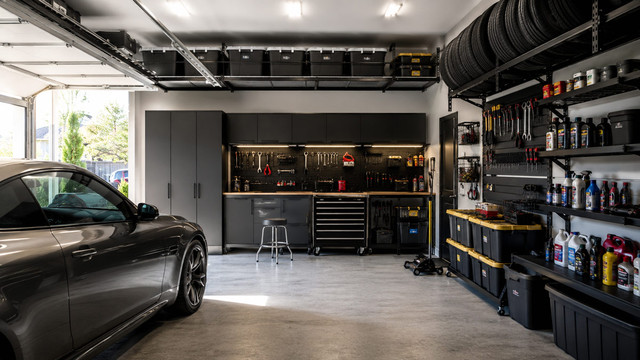
For many car owners, the garage is not just a place to park. It is where the real routine of vehicle ownership happens. Tires get swapped, batteries get charged, tools are stored, detailing supplies are used, and weekend projects often start with the garage door open and a work light on. The problem is that a garage can become crowded very quickly when every item is placed wherever there is open floor space.
A good garage setup does not need to look like a professional race shop. It needs to work. The parking area should stay clear. Tools should be easy to reach. Fluids, towels, chargers, tire gauges, and cleaning products should have a dedicated place. Heavy items should be stored safely. If the layout is planned well, even a small garage can become a practical automotive workspace.
Car owners usually notice the value of good storage during simple tasks. Finding a socket set, checking tire pressure, grabbing a microfiber towel, locating a battery tender, or rolling out a floor jack should not take ten minutes. When the garage is organized, routine maintenance becomes easier and the space feels safer to use.
A good garage layout keeps the vehicle space clear while using walls, cabinets, shelves, and overhead racks for storage.
Start With the Vehicle, Not the Storage Products
The biggest mistake many homeowners make is buying shelves, cabinets, and bins before deciding how the garage actually needs to function. For car owners, the vehicle should come first. Park the car in its normal position, open the doors, walk around it, and check how much working space is needed on each side.
This is especially important if the garage is used for more than parking. Someone who cleans their car at home needs access to towels, buckets, sprays, hoses, brushes, and a vacuum. A DIY owner may need enough room to use a jack, torque wrench, creeper, work light, and tool chest. A motorsports fan may need storage for helmets, folding chairs, chargers, spare parts, race-day bags, and detailing gear.
Once the parking and working zones are clear, the storage plan becomes much easier. The floor should not become the main storage area. Walls, corners, cabinets, ceiling racks, pegboards, and shelving should do most of the work.
Create Garage Zones That Match Real Use
A useful garage is usually divided into zones. This does not need to be complicated. It simply means that items used for the same purpose should live near each other. Car care products should not be mixed with holiday decorations. Tools should not be scattered across five different boxes. Tires and heavy equipment should not block walkways.
For most car owners, the most useful zones are:
Parking and door-opening space
Hand tools and maintenance tools
Detailing supplies and microfiber towels
Tires, wheels, and seasonal automotive gear
Fluids, chargers, air tools, and small accessories
Household overflow and seasonal storage
Workbench or project area
This kind of zoning makes the garage easier to use because every category has a logical home. It also helps prevent clutter from spreading. If detailing supplies have a dedicated shelf, they are less likely to end up on the floor. If tools are mounted near the workbench, they are more likely to go back where they belong after a job.
Homeowners who want to compare shelves, cabinets, wall systems, overhead racks, tire storage, and layout options can start with practical garage storage ideas before choosing products for their own space.
Use Wall Storage Before Adding More Floor Storage
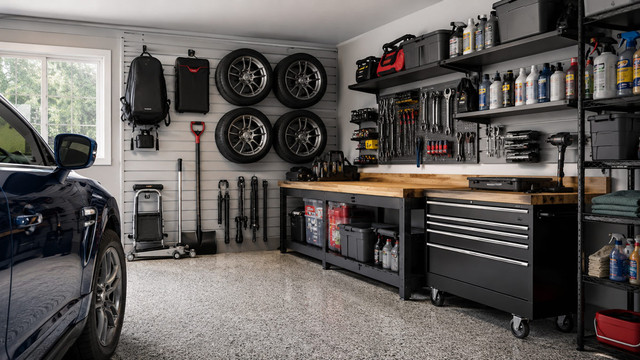
Wall storage is one of the best upgrades for a car owner’s garage. Pegboards, slatwall panels, rails, hooks, magnetic strips, and mounted shelves can hold a surprising amount of gear without taking space away from the vehicle.
Automotive tools benefit from visibility. A torque wrench, tire gauge, socket set, breaker bar, funnel, extension cord, inspection light, and gloves are much more useful when they are easy to see. If everything is buried in bins, small jobs become slower and messier.
Wall hooks are useful for long or awkward items such as snow brushes, extension cords, ramps, folding chairs, jack handles, creepers, and car wash brushes. Smaller hooks and rails can hold detailing brushes, spray bottles, and battery charger cables. The best items for wall storage are things that are used often but should not sit on the floor.
Choose Cabinets, Shelves, and Tool Storage Carefully
Cabinets make a garage look cleaner and help protect supplies from dust. They are a good choice for microfiber towels, detailing products, gloves, small parts, batteries, and items that should not be left exposed. Closed cabinets also reduce visual clutter, which makes the garage feel more controlled.
Open shelving is better for larger bins and items that are used frequently. Strong metal shelves are usually a better choice than lightweight plastic shelves when storing automotive gear. Tools, fluids, parts, and jacks can be heavy. A shelf that is fine for holiday decorations may not be safe for dense garage equipment.
A rolling tool chest can be useful for owners who work on their cars. It keeps tools in one place and can move closer to the vehicle when needed. A fixed workbench is better for repeated tasks such as cleaning parts, charging batteries, organizing hardware, or preparing detailing equipment.
The best setup often combines all three: cabinets for clean storage, shelves for bins and bulk items, and a tool chest or workbench for maintenance tasks.
A dedicated workbench and wall-mounted tool storage can make routine maintenance, tire checks, and detailing easier.
Store Tires and Wheels the Right Way
Tires and wheels take up a lot of space, so they need a plan. A dedicated tire rack is often the cleanest solution because it keeps tires off the floor and away from walking paths. If tires are stacked, the stack should be stable, not too high, and placed where it will not interfere with the vehicle or garage door.
Seasonal wheel sets should be easy enough to access when needed, but they do not need to occupy prime workbench space. A side wall, corner rack, or dedicated low storage area usually works better. If the garage also stores winter gear, summer gear, or track-day equipment, keeping automotive seasonal items together can save time.
Heavy items should stay low whenever possible. Floor jacks, jack stands, ramps, air compressors, and large containers are safer near the ground. Overhead racks are useful, but they are better for lighter bulky items, not heavy automotive parts that are difficult to lift down safely.
Keep Detailing Supplies Clean and Separate
Car detailing products need better storage than many homeowners give them. Microfiber towels can pick up dirt and grit if they are left on an open shelf near garden tools or dirty parts. Brushes, applicators, waxes, soaps, glass cleaners, tire dressings, and interior products are easier to use when grouped together.
A simple detailing cabinet or shelf can make a big difference. Towels can go in a clean drawer or sealed bin. Bottles can be grouped by task: wheels, paint, glass, interior, tires, and drying. Brushes and applicators can be stored in small containers so they do not roll around or get contaminated.
If the garage is used for washing the car outside, keep the detailing zone near the garage door or driveway side. That way, supplies are easy to grab without walking through the entire garage.
Make Safety Part of the Storage Plan
A garage used for vehicles should be organized with safety in mind. Walkways should stay open. Heavy items should not be stored above the car. Long-handled tools should be secured so they cannot fall. Shelves should not be overloaded. Fluids and chemicals should be stored according to label instructions and kept away from heat sources or places where they can be knocked over.
Lighting also matters. A garage can look organized during the day and still be frustrating to use at night. Bright overhead lighting, task lighting above the workbench, and good visibility near shelves make maintenance and detailing easier. If a car owner regularly works in the garage, lighting is not a luxury. It is part of the workspace.
Power access is another practical detail. Chargers, inflators, vacuums, polishers, work lights, and battery tenders all need outlets. Extension cords should be stored neatly and used safely, not left across walking paths.
Avoid the Most Common Garage Organization Mistakes
Many garage storage problems come from the same few mistakes. The first is buying too many bins. Bins are useful, but they can hide clutter if they are not labeled and grouped properly. The second is placing shelves wherever they fit instead of where they are useful. The third is storing rarely used items in the easiest-to-reach locations while everyday tools end up buried.
Another common mistake is ignoring how the garage changes during the year. Tires, snow tools, lawn gear, sports equipment, and car care supplies may rotate by season. A good garage plan allows for that. It should not collapse every time the weather changes or a new vehicle accessory is added.
Car owners should also avoid blocking access to important items. If the air compressor, tire inflator, charger, or cleaning supplies are difficult to reach, they will not be used as often. Storage should support habits, not fight them.
A Better Garage Makes Car Ownership Easier
A clean garage does more than look good. It saves time, protects the vehicle, reduces stress, and makes routine maintenance easier. For car owners, that matters. The garage is where small problems are noticed early, where tools need to be ready, and where the vehicle should be protected from clutter.
The best garage storage plan is practical, not complicated. Keep the vehicle space clear. Store tools where they are visible. Keep tires and heavy items safe. Separate clean detailing supplies from dirty equipment. Use walls and cabinets before filling the floor. Plan around the way the garage is actually used.
When the garage works well, car ownership becomes easier. Maintenance takes less time. Detailing is more enjoyable. Seasonal gear is easier to manage. Most importantly, the garage becomes what it should be: a functional space that supports the vehicle, the homeowner, and the routines that come with both.
Event: Cracker Barrel 400 Date/Time: Sunday, May 31, 2026, 7 p.m. ET Location: Nashville Superspeedway, Lebanon, Tennessee Layout: 1.33-Mile Oval TV/Radio: Prime Video, PRN, SiriusXM NASCAR Radio
Josh Berry and the No. 21 team head to Nashville Superspeedway this weekend for Sunday’s Cracker Barrel 400 looking to build on the pace they showed in last weekend’s Coca-Cola 600 at Charlotte Motor Speedway before getting collected in an accident.
The trip to Nashville carries added significance for Berry, whose hometown of Hendersonville, Tenn., sits about 30 minutes from the 1.33-mile concrete oval. This weekend also marks the second consecutive race that the Wood Brothers Racing team will carry the familiar eero colors aboard the No. 21 Ford Mustang Dark Horse.
Berry has shown speed at Nashville in the past. In the 2024 NASCAR Cup Series event at Nashville, he qualified on the outside pole. He also owns two top-five finishes in three starts at the track in the NASCAR O’Reilly Auto Parts Series.
Berry believes the No. 21 team is capable of putting together a strong performance this weekend.
“It’s always great getting back to Nashville,” Berry said of racing at his home track. “Racing there is something I always look forward to, and it’s a weekend that definitely means a little extra to me.
“I felt like we were putting together one of our stronger intermediate-track races of the season at Charlotte before getting collected late, so hopefully we can carry over what we learned there and put together a strong weekend for the No. 21 team.”
Practice for the Cracker Barrel 400 is scheduled for Saturday at 4:30 p.m. ET, followed by qualifying at 5:40 p.m. ET.
Sunday’s 399-mile, 300-lap race is scheduled to take the green flag just after 7 p.m. ET, with Stage 1 ending on Lap 90 and Stage 2 concluding on Lap 185.
Prime Video will provide television coverage throughout the weekend.
Saturday, May 30
Berry will participate in a Q&A session at the Ford Racing activation at 1 p.m. local time in the Nashville Superspeedway fan zone.
Berry will sign autographs at the Team Penske/Wood Brothers merchandise hauler beginning at 1:15 p.m. local time in the Nashville Superspeedway fan zone. 100 wristbands will be distributed on a first come, first-served basis.
Sunday, May 31
Berry will participate in a Q&A session at the Pre-Race Stage on race day at 3:45 p.m. local time.
Josh Berry
Age: 35 (Oct. 22, 1990)
Hometown: Hendersonville, Tennessee
Crew Chief: Miles Stanley
IG: @joshberry88
X: @joshberry
About eero eero was founded to make wifi and networking the way they should be—fast, reliable, secure, and, most importantly, easy to use. After introducing the first home mesh wifi system with a high-quality design that blends into its environment and technology that intuitively works behind the scenes, eero became known for sweating every single detail and delivering award-winning hardware and software for homes, businesses, communities, and service providers. Founded and headquartered in San Francisco in 2014, eero is an Amazon company. For more information, visit eero.com.
Trauma from exploitation can affect every part of a survivor’s life, including safety, finances, health, and emotional well-being. Many families across California may not realize that survivors often have important legal protections available under both state and federal law.
Access to legal help for sex trafficking survivors may provide guidance on safety planning, compensation options, restraining orders, and civil claims against responsible parties. Survivors are not required to face these situations alone. California laws continue to expand protections for victims of trafficking, abuse, and exploitation.
Here are five important legal rights survivors and families should know moving forward.
1. Survivors Have the Right to Seek Protection
Safety is often the first concern after escaping exploitation. California courts may issue restraining orders or protective orders to help keep traffickers or related individuals away from survivors and their families.
These legal protections may help with:
Preventing contact or harassment
Limiting stalking or intimidation
Increasing personal safety at home or work
Supporting ongoing investigations
Under California Penal Code Section 236.1, sex trafficking is a serious criminal offense involving force, fraud, coercion, or exploitation.
2. Survivors May Pursue Financial Compensation
Many survivors experience financial harm alongside emotional trauma. Some may lose wages, housing, education opportunities, or personal property during exploitation.
Civil claims may help survivors pursue compensation for:
Possible Damages
Examples
Medical expenses
Therapy, hospital visits, medications
Lost income
Missed work or inability to return to work
Emotional distress
Anxiety, PTSD, depression
Relocation costs
Emergency housing or safety expenses
In some situations, claims may also involve businesses, organizations, or third parties that failed to prevent exploitation.
3. Survivors Have the Right to Confidential Support
Fear and shame often prevent victims from seeking assistance. However, California offers confidential resources and protections for victims designed to support survivors privately and safely.
This may include:
Confidential victim advocacy services
Trauma-informed legal guidance
Privacy protections during court proceedings
Access to counseling and crisis services
Seeking legal help for sex trafficking survivors may also help families identify available local resources without immediately entering a public legal process.
4. Survivors Can Report Abuse Without Facing Blame
Many trafficking survivors fear they will be judged, arrested, or blamed for what happened. California law recognizes that trafficked individuals are victims of exploitation.
Important protections may include:
Support for minors exploited through trafficking
Victim-centered investigations
Protection against retaliation or intimidation
Access to victim compensation programs
Traffickers often use fear, manipulation, threats, or financial control to maintain power. Survivors should never feel responsible for crimes committed against them.
5. Survivors Have the Right to Legal Representation
Sex trafficking cases can become legally and emotionally overwhelming. Survivors may face criminal investigations, immigration concerns, financial hardship, or pressure from abusers.
Working with legal professionals may help survivors:
Review possible civil claims
Gather evidence safely
Communicate with investigators
Pursue compensation or protection orders
Protect long-term rights and privacy
Early documentation may also strengthen future legal actions. Families are often encouraged to preserve:
Text messages or online communications
Photos or medical records
Witness information
Financial records or transaction history
Accessing legal help for sex trafficking survivors early may help survivors make informed decisions while focusing on recovery and safety.
Support Is Available for Survivors and Families
No survivor should feel isolated after experiencing trafficking or exploitation. Legal and community support may help individuals regain stability, safety, and confidence during recovery.
If you or someone you care about needs support after a trafficking-related situation, get support today – Free and confidential consultation.
NASCAR released the penalty report following this past weekend’s triple-header weekend of racing at Charlotte Motor Speedway on Wednesday, May 27.
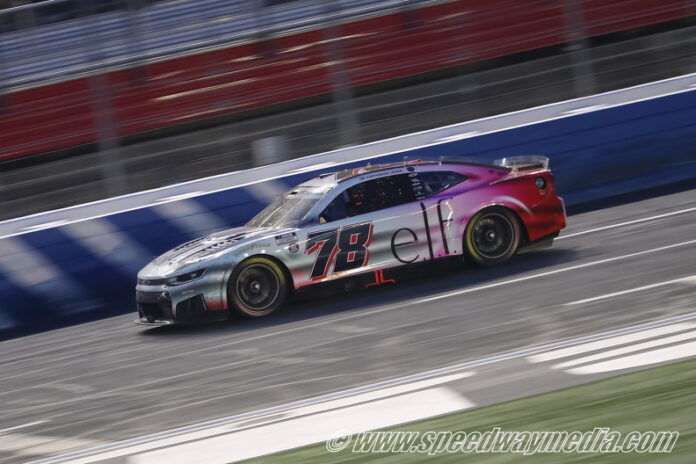
In the Cup Series division, Ian Schulz and Deiontae Jones, crew members of the No. 78 Live Fast Motorsports Chevrolet Camaro ZL1 entry, have been suspended for the upcoming two Cup Series events. The penalty report specifies that they were both found to have violated Sections 8.8.10.4.A&D of the NASCAR Rule Book. This refers to the loss/separation of an improperly installed tire/wheel from the vehicle during an event.
During this past Sunday’s Cup Series’ Coca-Cola 600 event at Charlotte, Katherine Legge, who was driving the No. 78 Live Fast Motorsports Chevrolet entry, had a right-front wheel that detached from her entry on Lap 209. It happened as she was trying to navigate her way to pit road from the apron in Turns 3 and 4.
Legge, who earlier made history in becoming the first female competitor to compete in both the Indianapolis 500 and the Coca-Cola 600 on the same day, finished 31st in the 39-car field during the latter event, 11 laps down. Daniel Suarez and Spire Motorsports would win the 2026 Coca-Cola 600 event, which was shortened by 27 laps of its scheduled distance due to inclement weather.
In the O’Reilly Auto Parts Series division, Michael Roberts, the penalty report specified that a crew member for the No. 9 JR Motorsports (JRM) Chevrolet Camaro entry has been issued a one-race suspension. It states that the team violated Sections 8.8.10.4a & 10.5.2.5g in the rule book. It pertains to safety violations with tires and wheels, and lug nut(s) not properly secured. During the post-race inspection process, the No. 9 JRM entry had two missing lug nuts. The entry was piloted to Victory Lane by Ross Chastain this past Saturday evening amid a rain-shortened event.
Lastly, the penalty report noted that Evanna Howell, a senior account manager at 23XI Racing, has been indefinitely suspended from NASCAR after violating Section 4.4 A, which involves the behavioral section of the rule book.
There were no penalties levied towards any competitors or teams from Sunday’s rain-postponed/shortened Craftsman Truck Series event at Charlotte that was won by Front Row Motorsports driver, Layne Riggs.
The NASCAR Craftsman Truck, O’Reilly Auto Parts and Cup Series divisions all return to action for a triple-header weekend of racing at Nashville Superspeedway in Lebanon, Tennessee. The Truck Series commences the weekend with the Allegiance 200 on Friday, May 29, at 8 p.m. ET on FS1, NASCAR Racing Network and SiriusXM. The O’Reilly Auto Parts Series follows suit with the Sports Illustrated Resorts 250 on Saturday, May 30, at 7:30 p.m. ET on the CW Network, PRN Radio and SiriusXM.
The Cup Series caps off the weekend with the Cracker Barrel 400 on Sunday, May 31, at 7 p.m. ET on Prime Video, PRN Radio, SiriusXM and HBO MAX.
I used to spend almost an entire day making a few short videos. Now I can plan and generate a full week of content in about an hour.
The shift didn’t come from working faster, but from working differently.
AI handles the repetitive parts while I focus on ideas and direction. One idea becomes 、
multiple videos instead of one polished post. That’s where the real time savings come from.
Let me walk you through the exact workflow I use.
Why Social Media Video Production Still Takes Too Much Time
Most creators I talk to don’t struggle with ideas. They struggle with time.
Every platform wants consistency, and that turns into a daily production cycle that never really stops. Even a simple short video involves scripting, editing, resizing, captioning, and publishing.
The problem is not that tools are missing. It’s that the workflow is fragmented. You jump between apps for scripting, editing, subtitles, thumbnails, and scheduling. Each switch adds friction, and that friction quietly eats your day.
Short-form content makes this worse. One platform turns into three, then five, and suddenly you’re not creating content anymore. You’re managing output. That’s where burnout usually starts.
What Changed With AI Video Workflows
AI didn’t just make video creation faster. It changed the structure of how content gets made. Instead of building one video at a time, I now think in systems. One idea becomes a batch of assets designed for different platforms and formats.
The biggest shift is from manual editing to orchestration. I don’t “edit” every video anymore. I guide a workflow that produces multiple variations at once.
AI video agents are a big part of this shift. Instead of prompting one output at a time, they can take a single input and generate structured content variations. That means I can go from concept to multiple ready to post videos in one cycle.
Creators are also moving from single posts to content batches. That alone changes everything about how you plan your week.
The One Hour AI Workflow for Creating a Week of Social Videos
My workflow is simple, but structured. I don’t try to create perfect videos. I focus on creating enough high-quality variations that I can post consistently across the week.
The goal is not perfection. The goal is volume with consistency and clarity.
Start with one core content idea
Everything starts with a single idea. It could be a product insight, a design tip, or a simple opinion that fits your niche. I try to pick something that can naturally branch into multiple angles.
For example, if my idea is “why most short videos fail,” I already know I can turn that into tips, examples, mistakes, and comparisons. One idea becomes the foundation for an entire content batch.
Turn one idea into multiple content angles
Once I have the core idea, I break it into variations. I usually aim for five to seven angles. Each one should feel slightly different in tone or purpose.
One angle might be educational, another might be opinion-based, and another might focus on a quick takeaway. This step is important because it removes the pressure of constantly thinking of new topics.
Generate scripts with AI
This is where AI like ChatGPT, Claude, and Gemini really saves time. I feed the idea and angles into an AI tool and generate short scripts for each video. I don’t aim for long scripts. Short form content works best when it is direct and structured.
At this stage, I usually refine my tone slightly to match my style. But I avoid over-editing. The goal is speed, not perfection.
Create visual assets and footage with AI
Once the scripts are ready, I move into visuals. This is where AI video tools come in. Instead of shooting or searching for clips, I generate visuals based on the script.
This is also where tools like text to video AI become useful because they can turn simple descriptions directly into video. It removes a large part of traditional production work.
Generate multiple video versions at once
One of the biggest advantages of AI workflows is variation generation. I don’t just create one video per script. I generate multiple versions with slight differences in pacing, visuals, or hooks.
This matters because different platforms respond differently to content. A hook that works on one platform might not work on another. Having variations gives me flexibility without extra work.
Resize content for different platforms
After generation, I quickly adapt each video for different formats. Most tools now handle resizing automatically, but I still review framing to make sure key visuals are not cut off.
This step ensures that one piece of content works across multiple platforms instead of being locked into a single format.
Add captions music and final polish
The final step is cleanup. I add captions because most viewers watch without sound. I adjust pacing slightly if needed and make sure each video feels complete.
I don’t overthink this stage. If the structure is good, polishing is fast.
Example Creator Workflow From One Prompt to Seven Videos
Let’s take a simple example. Imagine my prompt is “three mistakes new creators make with short videos.”
From that one prompt, I can quickly generate multiple directions:
One video becomes a mistake breakdown with examples. Another becomes a quick list of fixes. Another turns into a storytelling format about my own experience.
One becomes a “do this instead” comparison. Another focuses on a common myth.
One becomes a fast tip style video. And another becomes a reaction style breakdown.
This is where AI really changes the game. Instead of thinking in terms of one polished video, I think in terms of content systems.
At this point in my workflow, I usually use Loova AI because it lets me move between generation, editing, and variation creation in one place. Instead of switching tools, everything happens in one system.
Loova also supports multiple AI models, including the most trendy Seedance 2.0 AI video generator, so you can test different outputs without leaving the platform.
Once I have this structure, I can also reuse it across platforms. A TikTok version might be fast and direct, while a YouTube Shorts version might include slightly more context.
How Designers and Visual Artists Can Scale Content Faster
For designers and visual artists, this workflow is even more powerful. Instead of talking head content, you can turn your portfolio into dynamic video content.
A single design project can become a walkthrough, a breakdown of decisions, a transformation sequence, and a visual showcase. Each version highlights a different part of your creative process.
You can also turn static images into motion-based content. This helps your work feel more alive and engaging without needing new production every time.
The key is consistency. Once you build a repeatable system, your portfolio becomes a content engine instead of a static gallery.
How E-Commerce and Advertising Teams Use AI Video Workflows
Even outside of creators, this workflow works well for product-focused content. A single product can generate multiple video variations for testing different angles.
One version might focus on features. Another might focus on lifestyle use. Another might focus on comparison with alternatives. This helps quickly identify what resonates with audiences.
Instead of producing one high-effort ad, teams can test multiple low-friction variations. That speeds up learning and reduces wasted effort.
Common Mistakes That Slow Down AI Video Creation
The biggest mistake I see is tool overload. People use one tool for scripts, another for visuals, and another for editing. That breaks the workflow into too many steps.
Another issue is restarting from scratch every time. If you don’t reuse structures, you end up repeating effort instead of building momentum.
Some creators also focus too much on output quality and not enough on volume testing. With AI workflows, speed and iteration matter more than perfect execution.
Finally, many people ignore platform differences. A video that works on one platform may need adjustment for another. Skipping this step reduces performance.
The Future of AI Video Creation Is Agent Driven
The direction everything is moving toward is simple. Instead of manually building each video, creators will define goals and let AI agents handle execution.
That means less time inside editing tools and more time shaping ideas and strategy. The system becomes more important than the individual output.
AI video agents will likely handle variations, formatting, and even scheduling in the future. Creators who build systems now will adapt more easily when that shift happens.
The main shift is not about replacing creativity. It is about removing friction so creativity can scale.
Final Thoughts
Creating a week of content in one hour sounds unrealistic until you change how you think about production. The key is moving from single videos to structured content systems.
Once you stop treating each video as a separate project, everything becomes faster. AI handles repetition while you focus on direction and ideas.
Tools like Loova make this workflow practical by combining generation, editing, and variation in one place, instead of forcing you to switch between multiple tools.
At the end of the day, the goal is simple. Spend less time producing and more time creating ideas worth sharing.
FAQ
Can AI really create a week of social media videos in one hour
Yes, but only if you use a structured workflow. The speed comes from batching ideas, generating variations, and reducing manual editing steps. AI handles execution while you focus on direction.
What types of social videos work best with AI
Short-form content like tips, opinions, product showcases, and storytelling formats work best. These formats can be easily broken into multiple variations from a single idea.
Do I still need video editing skills
Basic understanding helps, but advanced editing is no longer required for most social content. AI tools handle most of the assembly and formatting work.
Can I create content for multiple platforms at once
Yes. A single AI generated video can be adapted for TikTok, Instagram Reels, and YouTube Shorts with minor adjustments in format and pacing.
What is an AI video agent
An AI video agent is a system that can take a content idea and automatically generate structured outputs like scripts, visuals, and video variations without needing step-by-step manual control.
How many videos can I create from one idea
Typically, one strong idea can become five to ten videos depending on how many angles you break it into. AI makes this expansion process much faster.
What tools help automate social media video creation
Tools that combine scripting, generation, and editing in one system are the most efficient. Platforms like Loova help reduce tool switching and speed up batch content creation workflows.
Race weekends are built on motion, noise, and quick impressions.
A fan may only spend a few seconds at a team trailer, sponsor activation, or local short-track booth before moving on to the next thing. In that short window, the items people see and touch can shape how they remember a brand long after the engines go quiet.
That is why merchandise still matters in motorsports. Not as an afterthought, and not just as something to sell, but as a practical part of how teams, sponsors, and event organizers stay visible. The most effective items are usually not the flashiest ones. They are the ones people actually use.
At every level of racing, from national series to grassroots events, small branding choices can create a stronger connection than a banner that gets glanced at once and forgotten.
The difference between being seen and being remembered
Motorsports already offers plenty of visual competition.
Cars are wrapped in logos. Pit boxes carry sponsor colors. Signage fills the infield and midway. Screens, uniforms, haulers, and hospitality areas all compete for attention.
That environment makes it harder for any single message to stick.
A useful item solves that problem because it continues the interaction after the event. A person who takes home a wearable item keeps seeing that logo in the mirror, in the garage, at the grocery store, or on the drive to work. That kind of repeated exposure feels more natural because it is woven into everyday life.
In other words, the value of merchandise is not limited to the moment it is handed out. Its real strength comes later.
What fans actually keep
Anyone who has spent time around race events knows that not every giveaway has a long life.
Some pieces are collected and forgotten. Others are tossed before the parking lot empties. The items that last tend to share a few traits: they are comfortable, easy to carry, and useful in normal life. Headwear consistently fits that pattern.
At a racetrack, a cap serves an obvious purpose. It helps with sun, heat, and long hours outdoors. Away from the track, it still works. That makes it more likely to become part of a regular routine instead of a one-day souvenir.
This is one reason many teams and event marketers still lean into classic styles such as custom trucker hats when planning merchandise tables, sponsor giveaways, or fan-zone handouts. They feel casual, wearable, and familiar, which gives them a better chance of staying in rotation.
That matters for smaller teams in particular. A local or regional operation may not have the budget for a huge activation, but it can still make a lasting impression by offering something people want to wear more than once.
Why practicality often beats novelty
There is always a temptation to create something unusual for attention.
Sometimes that works. But in many cases, novelty wears off quickly. Practical items usually have a better return in terms of long-term visibility because they do not require extra effort from the person receiving them.
A fan should not need to figure out how to use the item, where to store it, or whether it fits into normal life. The easier it is to wear or carry, the more often it gets used.
That same principle applies to design.
A cap with a clean front mark, readable text, and colors that work outside the track often gets more wear than one overloaded with graphics. Racing culture loves bold visuals, and there is definitely a place for that. But everyday wearability still matters.
The sweet spot is often a design that nods to motorsports without making the item too event-specific to use elsewhere.
The sponsor angle is bigger than a logo placement
For sponsors, merchandise can do more than add another logo to the mix.
When handled well, it gives a brand a role in the fan experience. Instead of being one more decal in a crowded field, the sponsor becomes associated with something useful and visible.
That works especially well when the item feels connected to the setting. At a warm, sunny race weekend, headwear makes sense. At a night race in changing weather, outerwear may make sense. Context helps the brand feel integrated rather than forced.
This also opens the door for more thoughtful collaborations.
A sponsor and team do not have to produce a generic item with oversized marks slapped across every panel. They can create something that reflects both identities while still looking like a piece of apparel someone would choose on their own.
That shift matters because fans are more selective than many marketers assume. People can tell when an item was made to be worn and when it was made only to carry advertising.
Local tracks and smaller events can benefit the most
Major race weekends naturally attract attention, but merchandise can be even more valuable at the local level.
Short tracks, regional series, charity races, and community motorsports events often rely on repeat attendance and word-of-mouth support. In that environment, a wearable item becomes a simple but effective reminder between events.
A regular fan wearing a cap around town can quietly reinforce awareness in a way that feels authentic. It can spark conversations, signal loyalty, and help a local event stay present in people’s minds.
For smaller organizers, that kind of visibility is useful because it extends beyond the event calendar. It keeps the brand alive during the weeks when there is no race to promote it.
It can also help unify volunteers, pit crews, and supporters. Even a small run of merchandise can make an operation feel more established and cohesive.
A few details that make merchandise more effective
Not every piece of branded apparel needs to be elaborate, but small choices do make a difference.
Fit matters. If something is uncomfortable, it will not be worn.
Material matters. Track environments are hot, dusty, and long. Breathability and durability go a long way.
Design placement matters. Clear logos and restrained graphics often age better than cluttered layouts.
Color matters too. Team colors are important, but if the item only works with one very specific look, people may wear it less often.
Quantity matters. It is often better to produce a smaller batch of well-considered merchandise than a large batch of forgettable items.
These are not huge strategic shifts. They are simple decisions. But taken together, they can improve how fans respond and how long the item remains visible.
Merchandise as part of the race-day memory
There is also an emotional side to all of this.
People do not just keep race merchandise because it is useful. They keep it because it reminds them of where they were, who they were with, and what they watched. A good item becomes part of the memory.
That is especially true in motorsports, where traditions run deep. Fans remember their first race, their favorite driver meet-and-greet, a dramatic finish, or a family weekend at the local oval. Merchandise tied to those moments can last for years because it carries a story.
That is why thoughtful branded gear still has a place in modern racing culture. It is practical, visible, and personal at the same time.
Conclusion
In a sport filled with noise and visual overload, the smallest items can sometimes do the most lasting work. Useful merchandise helps teams, sponsors, and event organizers stay present long after race day ends. More importantly, it gives fans something they can actually keep and use.
The strongest branding choices are often the simplest ones: items that fit the setting, feel good to wear, and become part of everyday life. At the track and beyond, those are the pieces people remember.
The right upgrades enable a Duramax to tow heavier without the extra stress on the engine and transmission, as well as reduce the deterioration of OEM service-life components that factory powertrain tuning tends to accelerate. Optimal tailoring of airflow, fueling, cooling, and tuning can introduce a significant new torque curve precisely where you need it for towing, often 100 to 200 lb-ft based on platform and aggressiveness. But that isn’t ultimately what counts.
What counts is the reliability with which that power is delivered and just how ably the supporting details absorb all the heat and stress connected to hauling. A truck can feel as though it makes all the right numbers on a dyno until it starts to glow blue while hauling a 5 th wheel up a canyon. Tow vehicles should be seen to give the best, most repeatable performance, and aside from the competition, this factor influences every decision a smart tower makes.
What Limits Duramax Towing Power From the Factory
As you might imagine, GM has built the Duramax with a conservative tune, because they’re accounting for the worst owner on planet Earth: cheap fuel, missing oil changes, severe weather, total abuse. That conservatism leaves power on the table. The stock calibration limits fueling and timing to keep the truck emissions compliant, and (more importantly), to keep the drivetrain alive over thousands of miles in wildly different conditions. Massive constraints also come from heat. Towing drives exhaust gas temperatures into the realm of the unbelievable, and the OEM cooling and exhaust systems are designed to be just enough, not too much.
Tow a trailer behind an LML or L5P while climbing a long grade in July, and EGTs and trannie temps will slip up enough that the truck has to kill timing and tone down power just to stay alive. This is what you experience as sluggishness halfway up a mountain pass, or ATF FLUSHED every 2 hours.
The Allison transmission that will come as part of these powertrains is quite robust, but its factory shift logic is aimed at promoting longevity and smooth operation rather than keeping gears engaged under load. Factory torque converter lockup strategy and shift firmness aren’t dialed in for someone pulling 15k either, so there’s more clutch slip and heat than necessary.
Which Upgrades Actually Improve Towing
Tuning is the most beneficial modification to tow, and doesn’t involve throwing everything but the kitchen sink at the truck. A well-built can or custom tow tune modifies fueling, timing, and transmission character to provide additional torque at lower rpm, and stabilize shifts so the Allison isn’t slipping under load. Properly implemented, a tow tune can add up to 100 rwhp and a good bit of low-end torque without raising EGTs to unacceptable levels. Better airflow is also key.
More intake area and a less restrictive exhaust allow the engine to breathe better, reducing exhaust heat and aiding turbo spool up. Cooler intake charge and less backpressure mean less work for the same power, and cooler EGTs mean more recovery time in the heat.
They are underrated by the people that are chasing their dyno numbers, but they are great for anyone that tows on a regular basis. Once again, an upgraded transmission cooler, an upgraded intercooler, and even an upgraded engine oil cooler helps keep those vital fluids in their happy spots when towing for long periods of time.
How Reliability and Power Work Together
A lasting myth is that the more power you push through the engine, the less reliable it gets. But with Duramax, it is a bit more complicated. As many performance modifications, actually lower the mechanical and thermal loading, which ultimately aging the engine. Lower EGT’s, cleaner fuel atomization, better clutch and hard transmission control all contribute to increase output while extending the life of engine.
The reliability improvements are most easily observed in increased longevity and mileage. A truck operating 150 degrees cooler, which shifts cleanly instead of slipping, and isn’t constantly battling clogged emissions equipment, just sustains less wear at each mile towed. Owners who build with care often notice their vehicles are more solid and reliable at 200,000 miles than a regular stock truck is at 120,000.
This reasoning isn’t unique to GM trucks either. Owners building their Ram Cummins rigs for serious towing chase the exact same goals: lower EGTs, cleaner shifts, and cooler fluids under sustained load. The platforms differ, but the build philosophy is identical.
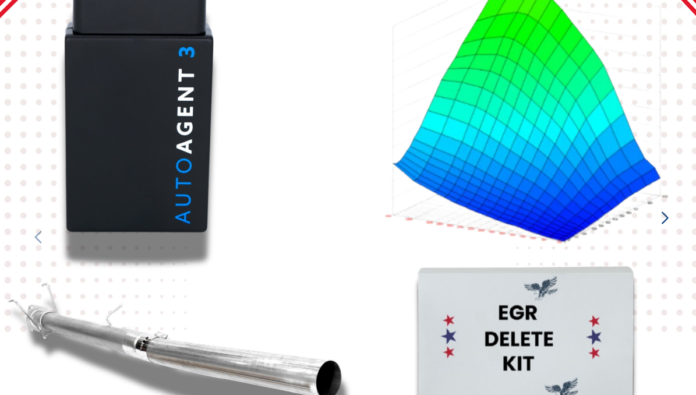
This is where many Duramax owners turn to comprehensive solutions like Duramax delete kits that address the emissions hardware known to clog, restrict airflow, and trigger limp-mode events under heavy load. The appeal for serious towers is straightforward: removing the components most prone to failure and restriction tends to lower operating temperatures and improve throttle response, which directly benefits both power delivery and long-term consistency. The trade-off is that this kind of modification carries legal and warranty considerations that vary by jurisdiction, so it’s a decision each owner has to weigh against their own use case and local requirements.
What These Upgrades Cost and How to Prioritize
Budget determines the order of operations that are smart. A solid tow tune is just a few hundred dollars and gives the greatest bang for the buck out of anything you can do, which is why it should almost always come before other modifications. Intake/exhaust work falls into the same ballpark together, and is a natural complement to tuning; tuning can capitalize on the airflow. The last tier of the cooling and supporting category is probably a couple hundred to a grand higher than the last given how aggressive you want to get.
For someone who hauls a lot of weight around and a lot, I can see the appeal in this tier far better than trying to squeeze more horses out of a car, despite the lack of fun dyno bragging numbers. You are just paying out money here to get some insurance against possible expensive failures, and if you asked any veteran heavy hauler, that would more than likely be the answer they give you.
Other dynos also produced varying results between different generations of Duramax. The previous, older LB7 and LLY engines will have more low-hanging fruit and fewer emissions barriers, while newer L5P platforms have locked-down ECMs, making them more difficult and costly to tune.