Home Blog Page 528

Historic Sportscar Racing (HSR) and Michelin Announce Multi-Year Partnership

Michelin Named Official Tire and Presenting Sponsor of the HSR Prototype Challenge Presented by Michelin

BRASELTON, Georgia (April 25, 2025) – Officials from Michelin North America, Inc. and Historic Sportscar Racing (HSR) today announced a multi-year agreement that will see the iconic tire maker become an official partner of HSR, the premier sanctioning body in North America for historic and vintage motorsports competition.

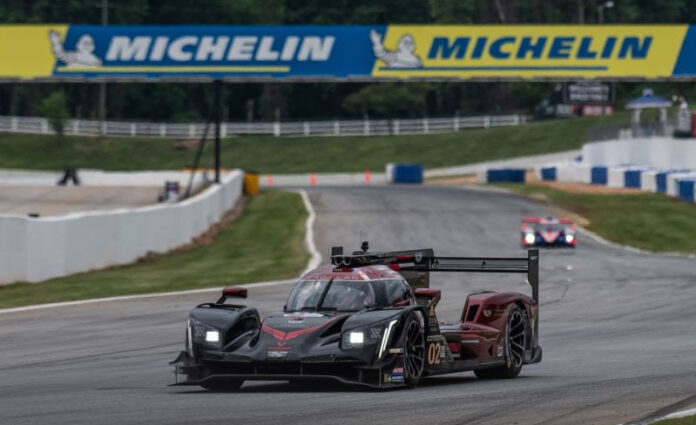
In addition to having a presence and branding at every event on the HSR season championship schedule, Michelin also has been named the official presenting sponsor and the official tire of the HSR Prototype Challenge presented by Michelin, a series featuring modern prototypes retired from contemporary competition.

The new partnership adds to the expansive relationship between Michelin and IMSA, the leading sanctioning body for world-recognized sports car racing in North America that acquired HSR in 2022. Prior to that, Michelin was named the official tire for all classes in IMSA’s top-tier WeatherTech SportsCar Championship and the title sponsor of the production-based IMSA Michelin Pilot Challenge series in 2019.

Today, and now including HSR Prototype Challenge, the majority of the racing series in the IMSA family compete on Michelin tires.

Debuting last year, the second season of the HSR Prototype Challenge presented by Michelin features an expanded class structure for 2025. Open only to LMP3 cars in 2024’s inaugural HSR Prototype Challenge season, the series has fully expanded to four different classes this year.

From the top-tier P1 class for retired LMP1 and DPi cars down to the P4 division for first generation Daytona Prototypes and in between, the Challenge series has a class for every type of contemporary prototype just past its competitive prime. All competing Prototype Challenge teams will race exclusively on available Michelin fitments across all four classes.

The Michelin partnership announcement was made on the opening day of official competition at the 47th HSR The Mitty presented by Hagerty at Michelin Raceway Road Atlanta (MRRA), which takes place throughout the weekend. One of the weekend highlights is Round 2 of the 2025 Prototype Challenge presented by Michelin, which starts Saturday at 5:25 p.m. EDT for a 90-minute race into twilight.

Last month’s HSR Prototype Challenge presented by Michelin season opener at Sebring International Raceway came down to an all-DPi battle for the overall win between two friendly rivals. Bob Neapole and Guy Cosmo emerged victorious in the RBN Motorsports with Cosmo-Sport 2020 No. 60 Acura ARX-05 prepared by Hudson Historics ahead of their friends and competitors Pierce Marshall and Eric Foss in the 2017 No. 02 Matador Motorsports Cadillac DPi.

Tickets for the 47th HSR The Mitty presented by Hagerty at Michelin Raceway Road Atlanta can be purchased online at: https://am.ticketmaster.com/ral/buy/Mitty2025.

For more information, please visit www.HSRRace.com for the official 47th HSR Mitty presented by Hagerty Event Page.

Raymond Cotton, Director of Motorsports for Michelin North America: “Michelin is excited to announce our partnership with Historic Sportscar Racing, which will be unveiled at Michelin Raceway Road Atlanta. This collaboration highlights Michelin’s 135-year legacy of excellence and innovation in pushing the boundaries of performance to stand the test of time with vehicles of the past, present and future.”

John Doonan, HSR President: “Michelin is synonymous with sports car prototype racing success, and it’s hard to think of a major contemporary prototype championship or race that hasn’t been won on Michelin in the last several decades. We are delighted to partner with Michelin at HSR to celebrate the brand’s winning legacy and heritage at the track with some of the same prototypes that secured their many victories and titles in their competition primes reuniting on Michelin tires in HSR. Michelin is the perfect partner to help with the growth and popularity of the HSR Prototype Challenge presented by Michelin, and we are honored to welcome them to the HSR family.”

About Michelin: Michelin is building a world-leading manufacturer of life-changing composites and experiences. Pioneering engineered materials for more than 130 years, Michelin is uniquely positioned to make decisive contributions to human progress and to a more sustainable world. Drawing on its deep know-how in polymer composites, Michelin is constantly innovating to manufacture high-quality tires and components for critical applications in demanding fields as varied as mobility, construction, aeronautics, low-carbon energies and healthcare. The care placed in its products and deep customer knowledge inspire Michelin to offer the finest experiences. This spans from providing data- and AI-based connected solutions for professional fleets to recommending outstanding restaurants and hotels curated by the MICHELIN Guide. Headquartered in Greenville, S.C., Michelin North America, Inc. has approximately 23,500 employees and operates 36 production facilities in the United States (michelinman.com) and Canada (michelin.ca).

About HSR: An International Motor Sports Association (IMSA) property, Historic Sportscar Racing (HSR) was formed in the mid-1970s with an event at Road Atlanta. There was one goal then and it remains true today: to celebrate the racing cars from the past. As a “time machine” of sights and sounds, HSR provides a venue for competitors and spectators alike to share in the wonderful history and excitement created by the cars that competed at race tracks around the world. HSR currently sanctions eight vintage and historic racing events at some of the world’s most renowned race tracks, including Daytona International Speedway, Michelin Raceway Road Atlanta, Sebring International Raceway and more. The complete schedule and full event information can be found on HSR’s website at www.HSRRace.com. Look for the HSR Channel on YouTube and follow HSR on Facebook at www.Facebook.com/HSRrace/, on Twitter X @HSR_race and on Instagram @HistoricSportscarRacing.
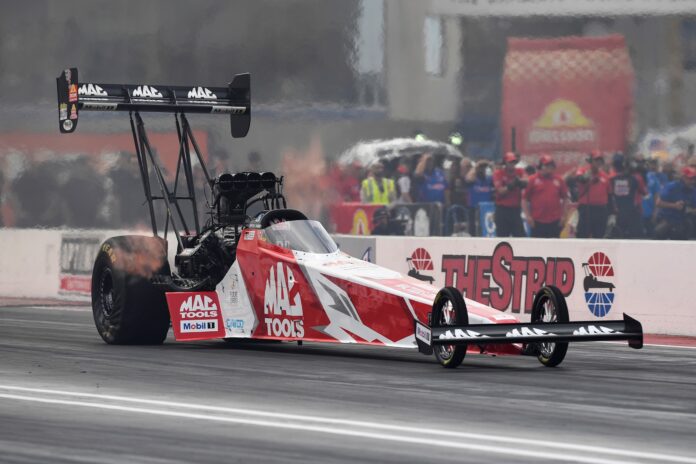
Kalitta Focused on Winning NHRA’s 1,000th; Langdon Looks for Rebound; Todd, DHL Team Seek Consistency

Photo Credit: NHRA

DOUG KALITTA FOCUSED ON WINNING NHRA’S 1,000TH TOP FUEL RACE

YPSILANTI, Mich. (April 22, 2025) – This weekend’s historic 1,000th Top Fuel race winner will accept a special NHRA “Wally” trophy as the 1,000th Top Fuel winner in NHRA history, and the 2023 Top Fuel champion wants to hoist that trophy. The 2025 NHRA Mission Foods Drag Racing Series continues April 25-27 at the American Rebel Light NHRA Four-Wide Nationals near Charlotte.

A Top Fuel driver won in NHRA competition at 999 different races. Don Garlits won the inaugural Top Fuel race at the 1963 NHRA Winternationals in Pomona, Calif. Four hundred, ninety-nine races later, Doug Kalitta won NHRA’s 500th Top Fuel title at the 2002 NHRA FallNationals at Texas Motorplex near Dallas. The Kalitta family represents a significant portion of NHRA history, and Kalitta milestones are sprinkled throughout. A Kalitta win in the 1,000th Top Fuel race would be a fitting chapter in the rich history of both the Kalitta family and the NHRA.

“Winning the 1,000th Top Fuel race would be pretty exciting – especially with my family history,” Kalitta said. “With Connie (Team Owner Connie Kalitta) being out here as long as he’s been doing this and all he’s done in this sport, that would be really cool. We’re all trying hard to win these things. We try not to have too many distractions on different things so we can stay focused and work as a team to get it done. We definitely have a good shot at it, too, so our Mac Tools team is definitely looking forward to the opportunity.”

Kalitta won his first four-wide event last spring in Las Vegas, and he had visions of two straight on The Strip. It was not to be, but not getting the win two weeks ago has the 2023 champion laser focused on this weekend’s race.

“We have a real good shot at winning these races; Charlotte’s facility is just beautiful – like all of Marcus and Bruton Smith’s tracks. It will be our last regular-season four-wide of the year so we’d like to win this one and then come back and win the Playoff four-wide in the fall. Getting the four-wide in Charlotte would be one more thing we can say we’ve managed to accomplish out here. I feel good about the weekend.”

When Kalitta advanced to the Las Vegas semifinals, he earned a spot in the Mission #2Fast2Tasty NHRA Challenge this weekend. During Saturday’s qualifying sessions, the drivers who reached the semifinals in Las Vegas will re-run the semifinals in the four-wide format with the four winners advancing to the “finals” earning additional purse and championship bonus points.

Race Information:

American Rebel Light NHRA Four-Wide Nationals
zMAX Dragway; Concord, N.C.

TV Schedule (All times eastern):

Qualifying Show 1: 10-11:30 p.m. Saturday, April 26 on FS1
Qualifying Show 2: 12:30-1:30 Sunday, April 27 on FS1
Finals: 7-10 p.m. Sunday, April 27 on FS1

2024 American Rebel Beer NHRA Four-Wide Nationals Recap: Qualified No. 1.; defeated Shawn Reed and Cody Krohn, defeated Billy Torrence and Jasmine Salinas, lost to Justin Ashley and Clay Millican.

Doug Kalitta Career Stats: 611 events, 55 wins, 65 runner-up, 806 round wins, 60 No. 1 qualifiers.

2025 NHRA Mission Foods Drag Racing Series Results to Date:

Gainesville: Qualified No. 4; defeated Ida Zetterstrom; lost to Steve Torence.

Phoenix: Qualified No. 1; defeated Travis Shumake, Bye, and Jasmine Salinas; lost to Shawn Langdon.

Pomona: Qualified No. 2: defeated Scott Palmer before losing to Tony Stewart.

Las Vegas: Qualified No. 1: defeated Clay Millican, Bye, lost to Tony Stewart and Justin Ashley.

Doug Kalitta Image Courtesy: NHRA

LANGDON LOOKING FOR STRONG REBOUND IN 1,000TH TOP FUEL RACE

YPSILANTI, Mich. (April 22, 2025) – After an unexpected stumble one race ago, Shawn Langdon is looking for a strong rebound. The 2025 NHRA Mission Foods Drag Racing Series continues April 25-27 at the American Rebel Light NHRA Four-Wide Nationals near Charlotte.

Langdon and his Future Energy Solutions team enjoyed a win, a runner-up and a semifinal run in the season’s first three races. The points leader entered the four-wide race in Las Vegas two weeks ago looking to extend his ultra-hot season start. Instead, the team suffered its weakest showing of the season ending in a first-round loss. Opportunity knocks this weekend with a chance to win NHRA’s 1,000th Top Fuel race and claim the special race-winner trophy signifying the historic event.

“You don’t get historic opportunities like that all the time,” Langdon said. “To be able to win that race this weekend would be pretty cool, and it would feel good to put your name in alongside some of the greats of the sport.

“Last race was definitely a hiccup we didn’t expect, but these things happen. The race track was goofy, but it was the same for everyone. You’re gonna run into that sometimes, and we just didn’t make the proper adjustments to get the car where it needed to be for the track conditions. It is what it is – no big deal. We still left Las Vegas with the points lead so we’ll do our best to get back on track in Charlotte this weekend. Our Future Energy Solutions team puts a great car on the race track so we’ll just keep moving forward.”

Four races into the season, Langdon leads Tony Stewart by 16 points in the NHRA Top Fuel point standings. As Langdon and the rest of the Top Fuel drivers chase history this weekend, Langdon has his own zMAX Dragway history. He captured his first-career Top Fuel win there in 2012 and has two wins in four final rounds. His position at the moment feels familiar.

“Having the points lead early and running well is kind of where we were last year before we got into our streak of runner-up finishes. Now, we want to turn that corner and hopefully win more races. It’s a tough class; you have to be picture-perfect on race day, and you have to have luck. We have to be spectacular when we need to be spectacular, and if we can do that this weekend, maybe we can make some history.”

Race Information:

American Rebel Light NHRA Four-Wide Nationals
zMAX Dragway; Concord, N.C.
TV Schedule (All times eastern):

Qualifying Show 1: 10-11:30 p.m. Saturday, April 26 on FS1
Qualifying Show 2: 12:30-1:30 Sunday, April 27 on FS1
Finals: 7-10 p.m. Sunday, April 27 on FS1

2024 American Rebel Beer NHRA Four-Wide Nationals Recap: Qualified No. 7; Lost to Antron Brown and Brittany Force.

Shawn Langdon Career Stats: 354 events, 20 wins, 27 runner-up, 387 round wins, 21 No. 1 qualifiers.

2025 NHRA Mission Foods Drag Racing Series Results to Date (Wins in Italics):

Gainesville: Qualified No. 11; defeated Justin Ashley, Tony Stewart and Jasmine Salinas; lost to Antron Brown.

Phoenix: Qualified No. 3; defeated Scott Palmer, Justin Ashley, Brittany Force and Doug Kalitta.

Pomona: Qualified No. 3; defeated Ida Zetterstrom and Josh Hart; lost to Tony Stewart.

Las Vegas: Qualified No. 11: lost to Antron Brown, Mike Salinas.

Shawn Langdon Image Courtesy: NHRA

J.R. TODD, DHL GR SUPRA TEAM SEEK CONSISTENCY

YPSILANTI, Mich. (April 22, 2025) – J.R. Todd and his DHL GR Supra team qualified well in Las Vegas and advanced to the semifinals, but only time will tell if more race-day success is near. The 2025 NHRA Mission Foods Drag Racing Series continues April 25-27 at the American Rebel Light NHRA Four-Wide Nationals near Charlotte.

Todd made good qualifying runs in very hot conditions and qualified fourth in Las Vegas two weeks ago. It was his best qualifying effort in the four races comprising the season so far. In fact, the DHL team’s qualifying results have improved with each race. Qualifying consistency appears within reach, but the task at hand is continuing that consistency on race day.

“Any drag racer has a short attention span; patience is tough,” Todd said. “I told myself, before the season even started, that once we brought Dickie (Crew Chief Dickie Venables) on, and I learned about all the changes that we made, I knew it’s gonna take some time so just be patient and don’t get frustrated. My job is to go out there and do the best I can, and when things click, hopefully the driver and the car are in sync and then we can go out there and start clicking off wins.”

Todd has two four-wide wins in Las Vegas but has yet to turn on a four-wide win light in Charlotte. He was the runner-up in 2021 but still searches for that elusive Charlotte four-wide win.

“We get to race four wide again this weekend, and hopefully we can have a good race – I’ve never really done that well in this event so it would be cool to turn that around this weekend,” Todd added. “It seems like, for whatever reason, we haven’t done as well in this four-wide event as we’ve done in Vegas so hopefully, this one is our year.”

When Todd advanced to the Las Vegas semifinals, he earned a spot in his first Mission #2Fast2Tasty NHRA Challenge of the season this weekend. During Saturday’s qualifying sessions, the drivers who reached the semifinals in Las Vegas will re-run the semifinals in the four-wide format with the four winners advancing to the “finals” earning additional purse and championship bonus points.

Race Information:

American Rebel Light NHRA Four-Wide Nationals
zMAX Dragway; Concord, N.C.

TV Schedule (All times eastern):

Qualifying Show 1: 10-11:30 p.m. Saturday, April 26 on FS1
Qualifying Show 2: 12:30-1:30 Sunday, April 27 on FS1
Finals: 7-10 p.m. Sunday, April 27 on FS1

2024 American Rebel Beer NHRA Four-Wide Nationals Recap: Qualified No. 12; defeated Buddy Hull and Ron Capps, defeated Cruz Pedregon and Alexis DeJoria, lost to Matt Hagan and Daniel Wilkerson.

Funny Car Career Stats: 322 events, 21 wins, 26 runner-up, 351 round wins, 14 No. 1 qualifiers.

2025 NHRA Mission Foods Drag Racing Series Results to Date:

Gainesville: Qualified No. 11; lost to Bobby Bode.

Phoenix: Qualified No. 9; defeated Daniel Wilkerson before losing to Bob Tasca in the second round.

Pomona: Qualified No. 7; lost to Daniel Wilkerson.

Las Vegas: Qualified No. 4: defeated Bobby Bode, Jack Beckman, lost to Matt Hagan, Paul Lee.

The Non-Economic Damages Victims of Car Accidents Can Recover

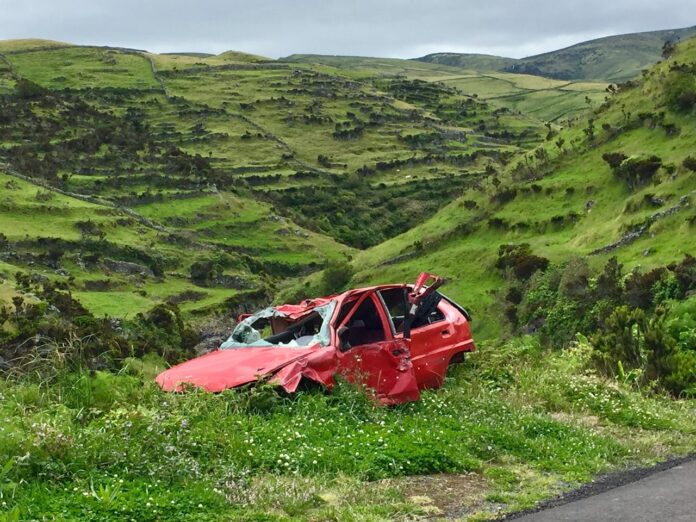
A car accident can end in seconds. But what it leaves behind can linger for years. Even when the cuts fade and the bones mend, something still feels broken. In a place like El Cenizo, the sudden force of a crash can rattle more than the person behind the wheel. It affects the kids in the back seat, the spouse waiting at home, or the friends who notice the change in behavior.

El Cenizo people are energetic and productive, resulting in crowded roads and frequent automobile accidents on highways and crossroads. Vehicle accident lawsuits involve different types of accidents in this region.

An El Cenizo car accident attorney can help explain how to recover not just the economic damages, but also the non-economic damages, which involve the suffering and pain that the victim has had to live with since being injured in the accident.

Pain and Suffering That Disrupts Daily Life

Living with pain is like carrying a weight you never agreed to hold. It could be sharp, dull, or somewhere in between. But it’s there in the morning when you try to get out of bed. It’s there at night when you roll over and wince. It interrupts your day without warning, and it takes more than your comfort. It takes your energy, your patience, and your focus. And the worst part is how invisible it is to everyone else.

People ask how you’re doing, and you nod and smile because explaining this pain feels harder than the pain itself. But the pain matters. It makes life harder in ways you never expected. That matters in a claim.

Emotional Strain That No One Sees

The crash may be over. But your mind keeps replaying it. The sound, fear, or even the loss of control continues to linger. You flinch when someone brakes too hard. You feel tense in parking lots. You don’t sleep well, and some days you don’t feel anything at all.

This emotional weight changes how you move through the world. It changes how you trust others and how you trust yourself. That kind of fear can build walls between you and the people you love. It can turn ordinary moments into reminders of what happened. And it can keep you from feeling safe in your own body.

Loss of Companionship and Affection

When you are hurting every day, it changes the way you love. You pull away or feel irritable. You snap when you don’t mean to. You try to explain what’s going on, but the words never come out right. The people around you want to help, but they don’t know how.

The accident didn’t just hurt your body. It changed the way you show up for your partner. It changed how you hold your kids, how you share moments with them. These changes might be slow and quiet, but they matter deeply. And they deserve recognition too.

Permanent Disfigurement or Disability

Some injuries change the way you look, leading to disfigurement or disability. Others change the way you move. They remind you every day of what happened. You might feel embarrassed, angry, or withdrawn.

Maybe you used to run, dance, or swim, and now you cannot do it anymore. Maybe you feel like you’ve lost a piece of who you were. This is more than surface pain. This is about identity, confidence, and how you feel in your skin.

Final Thoughts

A car accident doesn’t only damage metal and muscle. It touches everything. Your peace, relationships, and sense of self. These non-economic damages can be hard to explain, but they are real and heavy, and they deserve to be part of your recovery. You don’t need to carry them alone.If you were harmed in an accident caused by another person’s carelessness, you are entitled to reasonable compensation for all of your losses. A skilled personal injury attorney can help you obtain the economic and non-economic damages you deserve.

Why Truck Accidents are So Common in The United States

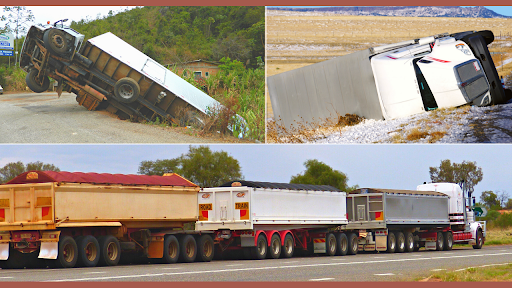
Truck accidents are a significant problem in Riverside, resulting in numerous fatalities and injuries each year. Because of their size and weight, commercial trucks result in severe consequences from crashes, not just for truck drivers but also for occupants of passenger cars in Riverside, California.

In Riverside, where large highways facilitate huge commercial traffic, the survivors of accidents are normally faced with complex legal and medical issues. Getting assistance from a professional with the qualifications to do so, such as a Riverside truck accident attorney, can be crucial in dealing with the aftermath of such accidents and adequately compensating them.

Common Causes of Truck Accidents

There are a number of reasons why truck accidents are increasing in America:

  • Driver Fatigue:

Truck drivers often drive for long and unsociable hours. Despite the limit on driving time, fatigue is a frequent occurrence, causing reduced reaction times and decision-making ability. The Federal Motor Carrier Safety Administration (FMCSA) lists driver fatigue as one of the main causes of truck accidents.

Fatigue further leads to lapses in attention that make it harder for drivers to respond appropriately during heavy traffic or rapid speed changes. Cobb County logistics experts often learn from their Marietta truck accident lawyer how overlooked warning signs can escalate into dangerous situations that put both drivers and nearby motorists at risk. These insights highlight the importance of recognizing early indicators of exhaustion before they compromise road safety. Making rest and proper scheduling a priority can help reduce these risks considerably.

  • Speeding and Aggressive Driving

To achieve tight delivery schedules, truck drivers sometimes speed or practice aggressive driving habits. Speeding beyond the stipulated limits or failing to change speed according to road conditions makes it more probable that accidents will occur. The FMCSA states that speeding is a leading cause of truck-related crashes.​

  • Distracted Driving:

Distractions such as the use of cell phones, eating, or playing with cab controls can take a driver’s attention away from the road. With the dynamics of driving oversized vehicles, temporary lapses of attention can cause severe accidents. The FMCSA emphasizes distracted driving risks due to commercial driver distractions.

  • Mechanical Failures: 

Regular maintenance is vital for the safe operation of commercial trucks. Mechanical issues, particularly brake failures and tire blowouts, can cause drivers to lose control of their vehicles. The FMCSA’s Large Truck Crash Causation Study reports vehicle-related problems as causes for the majority of truck crashes.​

  • Improper Cargo Loading:

Loaded or restrained cargo is often improperly placed and can move while being transported. This increases the risks of rollovers or jackknife collisions. Ensure safety and stability of the vehicles with proper loading practices.

  • Adverse Weather Conditions:

Rain, snow, and fog often reduce road traction and visibility. This makes it difficult for truckers to operate trucks safely. Reduced visibility and slippery roads require additional caution on the part of the drivers.

  • Lack of Training:

The functioning of a big commercial vehicle requires certain capabilities and know-how. Without training, the drivers are rendered unfit to confront road challenges, thus increasing the probability of accidents. Systematic training schemes must be implemented to equip drivers with needed competencies.

The excessive number of truck accidents within the United States is a result of adding up a mix of causal factors including driver drowsiness, over-speeding, distraction, mechanical breakdown, misloading, weather, and inadequate training.

Fighting these issues with greater enforcement of regulations, more improved driver training modules, regular inspections of vehicles, and public awareness campaigns will help to reduce the occurrence of truck accidents and enhance road safety as a whole.

What to Do After a Car Accident: Essential Steps for Handling the Situation

Photo by Life Of Pix at pexels.com

Let’s be real—nobody expects to get into a car wreck. But they occur all the time. You could be coming home after a day at work, passing through the insane traffic of a busy city like Las Vegas, and the next moment, you could be involved in a collision. It’s shocking and stressful and, frankly, it’s just really scary. So, what do you do next?

Many people freeze or panic, which is totally normal. But having a good idea of what the next steps are can help you ground yourself and avoid a cascade of issues — such as insurance headaches or unwanted legal drama. So here’s a guide on what to do immediately after a car accident.

Step 1: Call 911— Yes, Even for Minor Crashes

You may be tempted to simply “work it out” with the other driver. But don’t do it. Always call the police first. Getting an official report can spare you a lot of headaches down the road.

Calling the police is a smart thing to do as it establishes a legal record of the accident. These reports come in handy when you file an insurance claim. If things end up in court, you’ll need that report.

When the officer arrives, provide accurate information. It needs no over-explanation — just straight facts. And don’t forget to request the report or at least the report number.

Sometimes, determining liability is straightforward. But other times, it can be a complete long process— perhaps the other driver is blaming you, perhaps the insurance company is treating you unfairly, or perhaps you were injured and now have a ton of medical bills stacked up.

In situations like these, it’s smart to speak with a car accident lawyer in Las Vegas. A good lawyer can help with:

  • Collaborating with insurance companies
  • Determining the true value of your case
  • Completing legal forms and keeping appointments

In cases such as these, companies such as Adam S. Kutner, Injury Attorneys have assisted many with issues of this nature. You don’t have to struggle alone — getting help can be a game-changer.

Step 3: Trade Information with The Other Driver

All right, so you’ve called the police. If you have to wait, exchange information with the other driver — keep it sweet and polite. Now is not the time to debate who was right or wrong.

Here’s what to collect:

  • Full name and phone number
  • Driver’s license number
  • License plate number
  • Name of the insurance company and policy number
  • The vehicle make, model and color

You can write it, or just take pictures of everything. And avoid saying things like “I’m sorry” or “It was my fault.” That can backfire later.

Step 4: Take a Ton of Photos

If your phone’s functioning, now’s when you put it to work. When it comes to insurance and legal matters, documentation is key.

Take pictures of:

  • Damage to both cars
  • The license plates
  • The position of the vehicles
  • Tire marks, shattered glass or any other debris
  • Traffic signs, conditions of roads, and weather conditions

And also, write down the time and date. If bystanders are present, request their contact information as well. 

Step 5: Speak With Your Insurance Company

Once you’re in a safe place and things have calmed down a bit, call your insurance company. Do it sooner rather than later because waiting too long can actually jeopardize your claim.

When you call, be ready to give them your policy number.

Here’s what to do in some simple steps:

  • Swap information with the other driver
  • Email or upload your photos
  • Obtain the police report (if available)

Step 6: Consult a Doctor

This one part is extremely critical to know. Sometimes you think you’re okay immediately after an accident and then the pain hits days later. Whiplash, concussions or internal injuries can appear hours or even days later.

Here’s why you need to see a doctor as soon as you can:

  • It helps protect your health (of course).
  • It offers a medical record of the accident.
  • It bolsters your case if you must seek compensation down the line.

Don’t skip this step. If you don’t know where to go, begin with an urgent-care clinic or your primary physician. 

A car accident is one of those things that you never really expect to have to deal with, but when it does happen, you want to be prepared. So here’s a brief summary of how to do it right:

  • Stay calm and stay safe
  • Call the police
  • Swap information politely
  • Take lots of photos
  • Don’t admit fault
  • Contact your insurance provider
  • Consult a doctor for your injuries
  • Call a lawyer if needed

Honestly, it’s a lot. But doing these things can save you a heap of frustration down the line. Whether you’re just trying to fix a vehicle or heal from an injury, handling things correctly from the outset will go a long way toward helping you.

And just remember — you are not in this all by yourself. There are people who can help you navigate this mess. So lean on them. Ask questions. Get support. And take care of yourself.

Car Accident Law Myths That Could Cost You Thousands

Photo by Dominika Kwiatkowska at pexels.com

Colorado’s roads come with their own unique challenges, especially for drivers in fast-paced cities like Denver. Between unpredictable weather conditions, tight urban traffic, and a growing population, accidents are bound to happen. When they do, most people lean on what they think they know about the law. Unfortunately, that “knowledge” often comes from hearsay or outdated information. Believing these myths can seriously backfire—sometimes costing you thousands of dollars in medical bills, repairs, or missed compensation. That’s why understanding the truth about car accident laws, especially in a city like Denver, isn’t just helpful—it’s essential for protecting yourself financially and legally.

Myth #1: You Don’t Need to Call the Police if the Accident Seems Minor

Even if the accident feels like a small bump with no visible injuries or major damage, not calling the police can lead to big problems later. Insurance companies often require a police report to process your claim. If the other driver later denies fault or changes their story, your case could fall apart without official documentation. A minor fender bender can turn into a legal mess if there’s no report to back up your side. No matter how small the accident seems, always call the police and get a report filed—your future self will thank you.

Myth #2: The Insurance Company Will Take Care of Everything

It’s easy to believe that your insurance company—or the other driver’s—will handle all the headaches. But insurance adjusters work for their company, not for you. Their goal is to pay as little as possible, not to ensure you receive fair compensation. That’s why it’s smart to get legal help early on, especially if you’re navigating claims in a busy metro like Denver. Speaking with a qualified Denver car accident attorney can make a significant difference in the outcome. They know the local laws, how to negotiate with insurers, and how to make sure you get every dollar you deserve.

Myth #3: If You’re Not Hurt Immediately, You Can’t File a Claim Later

Not all injuries show up right away. Whiplash, back pain, or even internal injuries can take hours or days to appear. If you assume you’re fine and don’t seek medical treatment, it becomes harder to connect those injuries to the accident. Insurance companies may argue that something else caused them. Even worse, you could miss the legal window to file a claim. Always visit a doctor after an accident, even if you feel okay. Document everything. That medical paper trail could make or break your case later if symptoms develop or compensation becomes necessary.

Myth #4: You Can’t File a Claim If The Accident Was Partially Your Fault

Colorado follows a modified comparative negligence rule. That means even if the accident was partially your fault, you are still able to recover damages—as long as you’re not more than 50% responsible. The amount you receive will be reduced by your percentage of fault. For example, if you’re 30% responsible, you’ll still recover 70% of the compensation. Don’t let anyone talk you out of pursuing a claim because of shared blame. Let the courts or your attorney decide how much fault you carry. You could still recover substantial compensation even if the crash wasn’t entirely someone else’s fault.

Myth #5: You Don’t Need a Lawyer for a Simple Case

Even so-called “simple” cases can spiral into complicated disputes. What seems straightforward may involve hidden injuries, unclear liability, or uncooperative insurers. Without a legal expert guiding you, you might miss out on thousands of dollars in compensation. Lawyers know how to gather evidence, question insurance tactics, and push for a fair settlement. They often spot details you might overlook—ones that strengthen your claim. Don’t take chances just because your case appears simple. It rarely is. Having legal guidance from day one gives you a major edge in getting the results you need and deserve.

Myth #6: Any Lawyer Can Handle a Car Accident Case

Many people think any attorney can handle a car accident case, but that’s a costly assumption. Personal injury law, especially involving car accidents, requires specific experience and knowledge. A lawyer who primarily deals with contracts or real estate won’t know the tactics insurance companies use or the deadlines for filing claims. Choosing the wrong type of lawyer could mean you miss out on key evidence or fail to meet critical legal requirements. Always choose an attorney who focuses on car accident and personal injury law. That experience can make all the difference in winning or losing your case.

Myth #7: A Lawsuit Means You’ll End Up in Court

The word “lawsuit” often makes people nervous. They picture courtroom drama, long trials, and endless delays. But the truth is, most car accident claims never go to trial. In fact, the majority settle out of court through negotiations. Filing a lawsuit is often just a way to formally initiate the legal process and show the insurance company you’re serious. This pressure often leads them to offer a better settlement. So don’t let the fear of court stop you from filing. Your attorney will guide you every step of the way and will likely resolve your case without a single courtroom appearance.

Myth #8: The At-Fault Driver Will Automatically Pay

It’s easy to assume that if someone crashes into you, they’ll automatically pay for your damages. In reality, it’s their insurance company—if they’re insured—who handles the costs. And that company won’t just hand over money without a fight. If the driver doesn’t have insurance or has too little, you might end up relying on your own uninsured/underinsured motorist coverage. Without the right legal guidance, you could get stuck footing the bill. That’s why it’s important to understand all your coverage options and work with someone who knows how to uncover every possible path to compensation.

Car accident myths don’t just lead to misunderstandings—they can cost you real money and damage your future. Whether it’s trusting an insurance company too quickly, waiting too long to take action, or choosing the wrong lawyer, the consequences of bad information are steep. That’s especially true when navigating the specific legal landscape of places like Denver, where local rules and insurance norms can vary widely. The more informed you are, the better you can protect your rights and finances after a crash. Don’t let myths steer your recovery in the wrong direction—know the truth, and take smart action from the start.

NASCAR’s 2025 All-Star Race: New Format, New Rules, and Big Stakes at North Wilkesboro

As the 2025 NASCAR Cup Series hits its stride, all eyes are on the NASCAR All-Star Race, set for May 18 at North Wilkesboro Speedway. This fan-favorite exhibition event, known for its bold formats and high-stakes action, is getting a major overhaul this year. Announced on April 23, 2025, the 2025 All-Star Race will feature an expanded 250-lap main event, a new “promoter’s caution” rule, a Manufacturer Showdown, and an updated Pit Crew Challenge, promising a thrilling spectacle for fans (NASCAR All-Star Format). With a star-studded field, the All-Star Race is shaping up to be a highlight of the season.

A Revamped All-Star Race Format

The 2025 NASCAR All-Star Race is pulling out all the stops to deliver an unforgettable show at the historic 0.625-mile North Wilkesboro Speedway. Unlike the 200-lap features of the past two years, this year’s main event stretches to 250 laps, with a competition break at or near Lap 100. A new “promoter’s caution” rule introduces the possibility of an additional caution between Laps 101 and 220, designed to bunch the field and spark late-race drama. If a natural caution occurs after Lap 200 and the promoter’s caution hasn’t been used, it won’t be thrown, ensuring competitive integrity (NBC Sports All-Star).

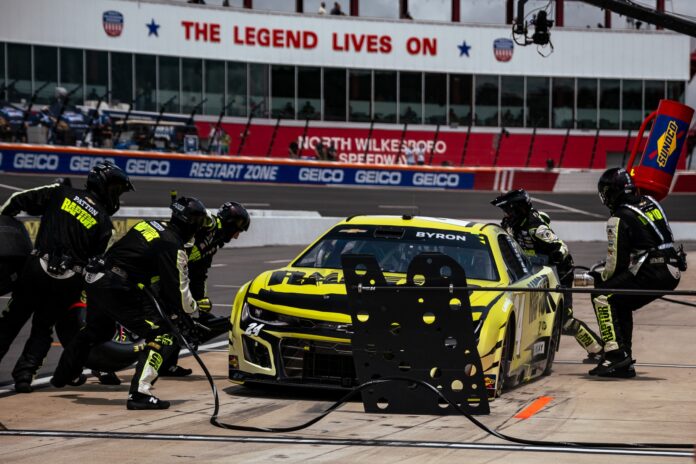
The event also introduces a “Manufacturer Showdown,” pitting Chevrolet, Ford, and Toyota against each other based on their combined finishing positions in the main event. The manufacturer with the least representation sets the team size, creating a balanced battle for bragging rights. Additionally, the Pit Crew Challenge has been revised, with both All-Star Open and main event teams competing, adding a layer of strategy to pit road performance (NASCAR All-Star Format). These changes aim to amplify the event’s intensity, making every lap a test of skill and strategy.

The Road to the All-Star Race

The All-Star Race field is reserved for NASCAR’s elite: drivers who won a points race in 2024 or 2025, full-time drivers with a previous All-Star Race win, or full-time Cup Series champions. Confirmed drivers include William Byron, Kyle Larson, Joey Logano, Denny Hamlin, Chase Elliott, Tyler Reddick, and Kyle Busch, among others (NBC Sports All-Star). The All-Star Open, a 100-lap qualifying race on May 18 with a break at Lap 40, offers three more spots: the top two finishers and the winner of a NASCAR.com fan vote, giving underdogs a shot at the $1 million prize.

North Wilkesboro, revived in 2023 after years of dormancy, adds a nostalgic yet challenging backdrop. Its short-track layout favors aggressive racing, and the extended race distance could lead to unexpected strategies, especially with the promoter’s caution looming. Fans can expect tight battles among top teams like Hendrick Motorsports, Team Penske, and Joe Gibbs Racing, with the Manufacturer Showdown adding a new layer of rivalry.

Fan Engagement at the All-Star Race

The All-Star Race’s high-energy format makes it a perfect opportunity for fans to deepen their connection to NASCAR through various discussions, online debates as well as interactive experiences like betting. Since 2020, NASCAR’s partnership with BetMGM has enabled fans exciting ways to engage with events like the All-Star Race.

Fans can turn to different online platforms like Action Network, which offers expert NASCAR analysis, odds comparisons, and predictions from reliable analysts. Additionally, new users are able to explore a variety of casino games like slots and table games through promotions like the betmgm casino new player offer, providing a comprehensive entertainment experience.

What’s Next for NASCAR’s All-Star Weekend

As the All-Star Race approaches, fans can look forward to a weekend packed with action, including the All-Star Open, Pit Crew Challenge, and the main event, all broadcast on FS1 at 8 p.m. ET on May 18 (NASCAR All-Star Format). The event’s experimental format often serves as a testing ground for future NASCAR rules, so its outcomes could influence the rest of the 2025 season. After North Wilkesboro, the Cup Series heads to the Coca-Cola 600 at Charlotte Motor Speedway on May 25, kicking off a busy summer stretch that includes NASCAR’s first international points race in Mexico City on June 15 (Sporting News Schedule).

Whether you’re cheering for a favorite driver, rooting for your manufacturer, or placing a bet on the action, the 2025 All-Star Race promises to deliver the speed, strategy, and surprises that make NASCAR a fan favorite. Get ready for a night of high-octane entertainment at North Wilkesboro!

The Power of Permission: Why Website Push Notifications Are Changing Digital Communication

Photo by alphaspirit at https://depositphotos.com/

In an era of information overload, capturing user attention has never been more difficult—or more valuable. Businesses spend billions each year trying to reach users through emails, social media, and paid ads. Yet these channels often suffer from oversaturation, delays, or declining engagement. Consumers are tired of spam. They’re fatigued by irrelevant content. They want personalization, speed, and choice.

That’s where push notifications have stepped into the spotlight. These short, clickable messages are delivered in real-time, directly to a user’s device or browser, offering one of the fastest and most efficient forms of communication. They work whether the user is actively browsing or not, making them a favorite among marketers, app developers, and e-commerce platforms.

Unlike traditional emails or in-app messages, push notifications bypass crowded inboxes and app dependencies. They create a direct, opt-in communication line that delivers value when done right—and irritation when misused. As a result, companies are turning to smarter, more strategic use of browser-based messaging, namely through the use of website push notification systems that target users where they are, when it matters most.

What Are Website Push Notifications?

Website push notifications are messages sent by websites to a user’s browser, even when the website is not actively open. These messages appear on the user’s desktop or mobile screen and typically contain concise, actionable information—like news updates, sales alerts, cart reminders, or content suggestions.

Unlike traditional pop-ups, push notifications require user permission. When a visitor lands on a site that uses this technology, they’re prompted to allow notifications. If they opt in, the site can send messages through the browser (Chrome, Firefox, Safari, etc.) directly to the user’s screen.

This technology bridges the gap between email marketing and app-based push notifications, enabling web-based businesses to re-engage their audiences without needing a mobile app.

How Do They Work?

The process starts with a user granting permission. After that, the browser generates a unique identifier (or token) for the user. The website then stores this token and uses it to send messages through a push service like Firebase Cloud Messaging or OneSignal.

When it’s time to notify users, the website’s server triggers a message payload, which the push service delivers instantly to the user’s browser. Notifications can be scheduled or triggered by specific actions—like abandoning a cart, finishing a blog post, or spending a certain amount of time on a site.

The beauty of website push notification tools is that they require no mobile app or email address. Users opt in via browser, making the process quick, seamless, and low-friction. This accessibility has made them a go-to solution for news outlets, e-commerce stores, and SaaS companies looking to boost retention and engagement.

Key Benefits of Using Website Push Notifications

There’s a reason why push notifications are gaining popularity across industries. Here are just a few benefits:

  • Real-Time Delivery: Unlike emails that sit unread for hours or days, push notifications are seen instantly.
  • High Visibility: Notifications appear right on the screen, increasing the likelihood of engagement.
  • User Opt-In: Because users must agree to receive messages, push notifications often enjoy higher engagement rates and lower complaint levels.
  • No App Required: Reach users without needing them to download a mobile application.
  • Cross-Device Reach: Modern solutions allow push messages to appear on desktops, laptops, and mobile browsers.

Additionally, they allow for rich personalization—using geolocation, browsing behavior, or device type to tailor messages to each user’s context and preferences.

Best Practices for Effective Notifications

To make the most of push notifications, companies should focus on value, timing, and clarity. Here’s how:

  1. Be Relevant: Generic or spammy messages are quickly ignored—or worse, lead to opt-outs. Personalize content whenever possible.
  2. Be Concise: Keep the message short and actionable. The best notifications say more with less.
  3. Respect Frequency: Too many notifications can feel intrusive. Give users control over how often they hear from you.
  4. Use Automation Thoughtfully: Trigger notifications based on real user behavior—like exiting the page, visiting frequently, or completing a purchase.
  5. Optimize for Devices: Make sure your push messages display well on both desktop and mobile platforms.

A well-designed strategy respects the user’s attention while delivering real value—whether that’s a news update, an offer, or a reminder.

Use Cases Across Industries

The flexibility of website push notifications makes them suitable for a wide range of business models:

  • E-commerce: Alert users about flash sales, abandoned carts, or product restocks.
  • Media & News: Notify subscribers about breaking stories or trending articles.
  • SaaS: Send reminders for renewals, feature updates, or onboarding steps.
  • Travel & Hospitality: Deliver check-in reminders, deals, and itinerary updates.
  • Education: Remind users of assignment deadlines, course announcements, or webinar times.

When crafted correctly, push notifications become a key tool in the digital communication arsenal.

Privacy and User Control

Today’s users are increasingly aware of their digital rights. That’s why any push notification strategy must emphasize privacy and transparency. Always:

  • Ask for permission clearly and respectfully
  • Provide easy opt-out mechanisms
  • Avoid collecting unnecessary personal data
  • Stay compliant with GDPR, CCPA, and other privacy frameworks

Trust is everything. Brands that abuse push technology may see immediate gains but risk long-term reputation damage. Those who use it with care, however, can build strong, loyal user bases.

The Future of Web Push

As browsers evolve and user habits change, web push technology is also advancing. We can expect:

  • Greater Interactivity: Rich push with images, buttons, and carousels will drive more engagement.
  • AI-Driven Timing: Platforms will learn the best time to deliver messages for each individual user.
  • Cross-Channel Integration: Push will integrate seamlessly with email, SMS, and in-app messaging.
  • Smart Segmentation: More nuanced targeting based on real-time behavior and preferences.

Website push notification tools are not a fad—they’re the foundation of a more responsive, user-centered web.

Conclusion

In a digital world crowded with distractions, website push notification systems offer a rare advantage: the ability to reach users instantly, directly, and meaningfully. When used with thoughtfulness and respect, they drive engagement, improve retention, and create better customer experiences.

Whether you’re a startup looking to re-engage visitors or an enterprise seeking smarter user communication, push notifications can be your most powerful tool—if you use them wisely. As the technology matures, one thing is clear: users will continue to expect fast, relevant, and personalized interactions. And with the right strategy, you can be right there when they do.

What Size Windshield Wipers is Needed

Choosing the correct windshield wiper size is essential for safe driving and clear visibility. Wiper sizes vary by vehicle make and model, typically ranging from 16 to 28 inches. To find the right size, consult your car’s manual, measure existing blades, or use online tools. Properly sized wipers secure effective cleaning and reduce streaking during rain or snow.

Table of Contents

  1. Why Windshield Wiper Size Matters
  2. How to Determine the Correct Windshield Wiper Size
  3. Common Mistakes to Avoid When Buying Wipers
  4. Final Thoughts on Choosing the Right Wiper Size

Imagine cruising down a highway near Banff when an unexpected rainstorm hits. You turn on your windshield wipers, only to find they’re leaving streaks or not covering the entire glass. Frustrating, right? The culprit might not be the weather—it could simply be that your wipers are the wrong size.

Selecting the correct windshield wiper size isn’t just about avoiding inconvenience; it’s about prioritizing safety. Poorly fitted wipers can lead to reduced visibility, uneven cleaning, and even scratches on your windshield over time. For Canadian drivers who face harsh winters and unpredictable weather, having properly sized wipers is crucial. 

If you’re dealing with more than just worn-out wipers—such as cracks or chips in your windshield—consider exploring options for car window replacement to maintain your vehicle’s safety and performance.

Why Windshield Wiper Size Matters

The size of your windshield wipers plays a critical role in securing your safety on the road. Wipers that are too short may leave large sections of your windshield untouched, creating blind spots during rain or snow. On the other hand, wipers that are too long can overlap, causing uneven pressure and streaking.

Beyond visibility, improperly sized wipers can also lead to physical damage. Oversized blades might rub against the windshield frame, leading to scratches or even cracks over time. This is especially problematic in colder climates like Canada, where temperature fluctuations can weaken glass surfaces.

Additionally, mismatched wiper sizes (driver’s side vs. passenger’s side) can result in unbalanced cleaning. For example, one side might clear effectively while the other leaves streaks or misses areas entirely. These inconsistencies can compromise your ability to react quickly in adverse weather conditions.

By choosing the correct wiper size, you not only improve your driving experience but also extend the lifespan of both your wipers and your windshield. In the next section, we’ll explore how to determine the perfect size for your vehicle.

How to Determine the Correct Windshield Wiper Size

Finding the correct windshield wiper size doesn’t have to be complicated. With a few simple steps, you can make sure your wipers fit perfectly and perform optimally. Below are three reliable methods to determine the right size for your vehicle.

Checking Your Vehicle Manual

The easiest way to find the correct wiper size is by consulting your vehicle’s owner manual. Most manufacturers provide detailed specifications, including the recommended sizes for both the driver’s and passenger’s side wipers. If you no longer have the physical manual, many automakers offer digital versions on their official websites. Simply search for your car’s make, model, and year to access this information.

For vehicles with unique windshield shapes or curves, the manual often includes additional notes about compatibility. Following these guidelines secures you select wipers that align perfectly with your windshield’s contours.

Measuring Existing Blades

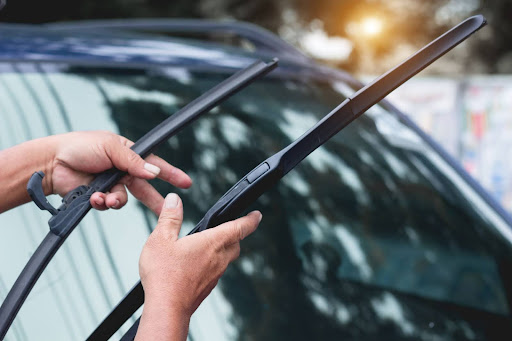
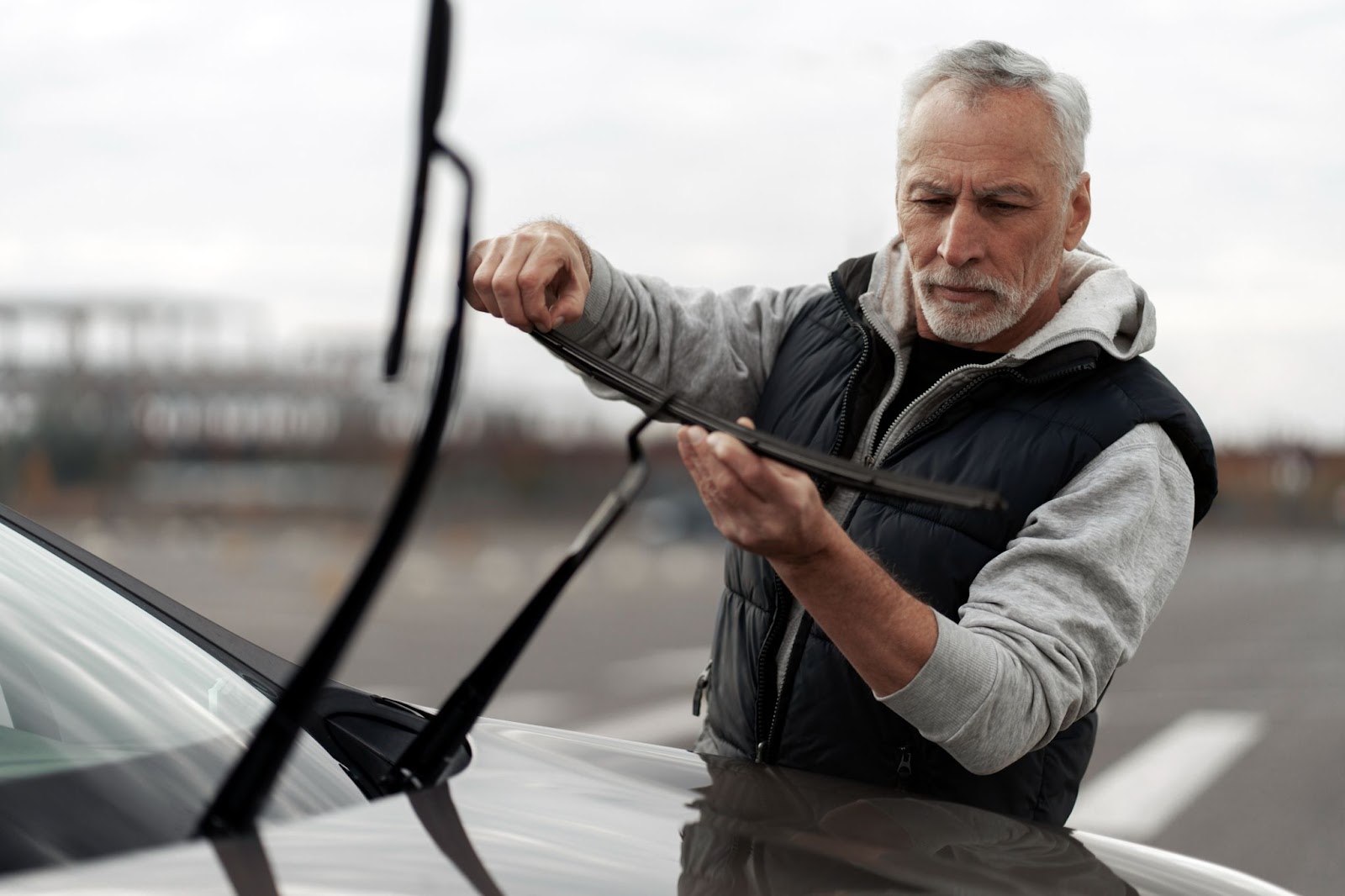
If you don’t have access to your vehicle manual, measuring your current wiper blades is another effective method. Start by lifting the wiper arm away from the windshield. Using a tape measure, record the length of the rubber blade itself, excluding the metal or plastic connectors.

Keep in mind that the driver’s side and passenger’s side wipers may differ in size. Always measure both blades individually to avoid mismatched replacements. If your existing wipers are worn out or damaged, look for size markings on the blades—many manufacturers print this information directly on the product.

Using Online Tools and Charts

For a more modern approach, online tools and charts can simplify the process. Websites like AutoZone, Rain-X, or even retailer-specific platforms often feature wiper size guides based on vehicle make, model, and year. Simply enter your car’s details, and the tool will generate a list of compatible sizes.

Some platforms also include visual diagrams showing where each wiper should be installed. These resources are particularly helpful if you’re purchasing wipers online or want to double-check your measurements before buying.

Common Mistakes to Avoid When Buying Wipers

Common Mistakes to Avoid When Buying Wipers

Even with the best intentions, it’s easy to make mistakes when purchasing windshield wipers. These errors can lead to poor performance, reduced visibility, and even damage to your windshield. Below are some common pitfalls to watch out for—and how to avoid them.

Mistake 1: Ignoring Manufacturer Recommendations

One of the biggest mistakes drivers make is ignoring the manufacturer’s recommended wiper sizes. While it might seem convenient to guess or buy a standard size, this approach often results in mismatched or improperly fitted blades. Always refer to your vehicle manual or an online compatibility chart to secure accuracy.

Mistake 2: Buying Mismatched Pairs

Not all windshield wipers are the same size—even on the same car. Many vehicles have different-sized blades for the driver’s side and passenger’s side. Failing to account for this difference can lead to uneven cleaning and frustration during use. Double-check both sizes before making a purchase.

Mistake 3: Opting for Low-Quality Wipers

Price shouldn’t be the only factor when choosing wipers. Cheap, low-quality blades may wear out quickly, leaving you with streaks or noisy operation. Invest in durable, high-performance wipers that can withstand Canada’s harsh weather conditions, such as heavy snowfall or freezing rain.

Mistake 4: Overlooking Curved Windshields

Modern vehicles often feature curved or slanted windshields, which require specially designed wipers for optimal performance. Standard flat blades may not provide adequate coverage or pressure on these surfaces. Look for aerodynamic designs that match your windshield’s shape.

Final Thoughts on Choosing the Right Wiper Size

Choosing the correct windshield wiper size is a small but vital step in maintaining your vehicle’s safety and performance. Properly sized wipers secure clear visibility, reduce streaking, and protect your windshield from unnecessary wear and tear. For Canadian drivers who face unpredictable weather year-round, this decision can make all the difference during rainstorms, snowfall, or foggy mornings.

Remember, finding the right wiper size doesn’t have to be overwhelming. Whether you consult your vehicle manual, measure existing blades, or use online tools, taking the time to get it right will pay off in the long run. And if you ever encounter issues beyond wipers—such as cracks or chips in your windshield—don’t hesitate to seek professional advice or explore options for car window replacement .

By staying proactive about your vehicle’s maintenance, you’re not only investing in its longevity but also securing safer journeys for yourself and your passengers. So, the next time you’re shopping for windshield wipers, approach the task with confidence, knowing that you’ve got the knowledge to make the best choice.

The Rarest BMW Scalextric Cars and What They’re Worth

For fans of motorsport and model racing alike, Scalextric cars have always held a unique place in the hearts of collectors. Among the most sought-after models are those that replicate iconic BMW race cars. From the legendary BMW E30 M3 to the modern BTCC-spec BMW 1 Series, Scalextric has released a wide range of BMW slot cars over the years. However, a select few have become exceptionally rare and valuable due to limited production runs, iconic liveries, and motorsport heritage. Here’s a closer look at the rarest BMW Scalextric cars and what they’re currently worth.

1. BMW E30 M3 – Jägermeister Livery (Limited Edition)

One of the most recognizable liveries in motorsport history, the orange Jägermeister BMW E30 M3 Scalextric edition is highly sought after. Known for its vibrant design and connection to German Touring Car racing, this model was often released as part of limited-edition sets or special club packages.

  • Estimated Value: £150–£300 (mint in box)
  • Why It’s Valuable: The E30 M3 is a motorsport icon, and the Jägermeister branding adds both visual appeal and collectability.

2. BMW M3 E30 – Warsteiner DTM (1987)

Another classic from the DTM (Deutsche Tourenwagen Meisterschaft) era, the Warsteiner-liveried BMW M3 is not just rare—it’s legendary. With its sleek white-and-gold aesthetic and DTM legacy, collectors often pay a premium for well-preserved BMW models.

  • Estimated Value: £120–£250
  • Why It’s Valuable: The Warsteiner M3 is deeply tied to BMW’s golden era of touring car racing, and it’s become one of the most iconic Scalextric releases from that era.

3. BMW 320i WTCC – Andy Priaulx Edition

This limited-release BMW 320i commemorates Andy Priaulx’s time in the World Touring Car Championship. While not as old as some vintage models, its limited production numbers and connection to a celebrated British driver make it a rare gem.

  • Estimated Value: £80–£150
  • Why It’s Valuable: A favorite among modern Scalextric collectors, especially those who followed Priaulx’s career.

4. BMW Z4 GT3 – Gulf Livery (Club Exclusive)

Scalextric Club exclusives are known for their extremely limited production runs, and the Gulf-liveried BMW Z4 GT3 is no exception. Often made in batches of 300–500 units, this model rarely shows up for sale and commands a high price when it does.

  • Estimated Value: £200–£400
  • Why It’s Valuable: The Gulf livery is universally loved, and its exclusivity makes it a true collector’s piece.

5. BMW 125i M Sport BTCC – Colin Turkington Edition

Colin Turkington is a fan-favorite in the British Touring Car Championship, and this 1 Series model is often collected by fans of the modern BTCC scene. It’s not the rarest by numbers, but demand drives up its value.

  • Estimated Value: £100–£180
  • Why It’s Valuable: Popular among BTCC fans and collectors of contemporary Scalextric cars.

6. BMW 3.0 CSL – Classic Touring (Various Liveries)

The BMW 3.0 CSL is a cult classic, and Scalextric has released several versions over the years—each with its own value. The Castrol, BMW Motorsport, and Art Car liveries are especially prized by collectors.

  • Estimated Value: £120–£300+
  • Why It’s Valuable: Motorsport legacy, eye-catching designs, and often short production runs make this a standout.

7. BMW M1 Procar – Vintage 1980s Release

One of the rarest BMWs ever produced by Scalextric, the BMW M1 Procar is a vintage model that has only grown in value over time. With its angular lines and classic motorsport styling, it’s a must-have for serious collectors.

  • Estimated Value: £200–£500+ (mint condition)
  • Why It’s Valuable: True vintage appeal combined with racing heritage. Mint boxed versions are extremely hard to find.

Collector’s Tips:

  • Condition matters: Cars in mint condition with the original box always fetch higher prices.
  • Limited runs: Look out for numbered editions or club exclusives.
  • Packaging: Special edition packaging can increase value significantly.
  • Avoid modifications: Custom paint or damage can lower value unless done professionally for a show car.

Whether you’re a die-hard Scalextric enthusiast or a BMW fan looking to start your collection, these rare models represent some of the most desirable and valuable slot cars on the market. Their combination of motorsport history, visual appeal, and scarcity makes them true collector’s items. Keep an eye on auction sites, collector forums, and club events—you never know when one of these rare gems might pop up for sale.