
Home Blog Page 63

Heat Management at Motorsports Events: How Fans Stay Cool Under Pressure

Photo by depositphotos at https://depositphotos.com/

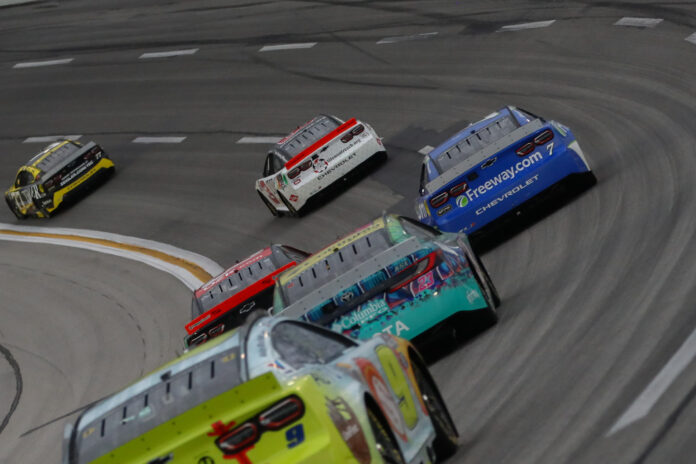
Motor races are the high-speed, high-performance equivalent of circuses with machines, and they showcase the primal beauty of speed and the mechanical arts. Whether it’s at a NASCAR race or a small local dirt track competition, fans are drawn to tracks as the sound of engines, fans and racing is felt deep in their soul. But these occasions frequently happen outside, in glaring sunlight and heat. For spectators, as much as it is about enjoying the race, it’s also a game of managing comfort and safety.

Managing heat is not just a matter of comfort — it’s a matter of health. Dehydration, sunburn and heat exhaustion are genuine risks after long hours at the track. This article explores case-in-point, practical, educational methods to keep cool under pressure so fans can enjoy motorsports without putting their health in jeopardy.

A look at the temperature challenges in our sport’s playhouses

Special factors of racing circuits with respect to environment:

  • Sun: Bleachers and uncovered stands are frequently void of shade, which means fans are exposed to hours of UV rays.
  • Asphalt heat radiation: Tracks and paved surfaces release heat, creating higher temperatures.
  • Restricted airflow: Packed stands can get hot and stuffy, especially at summer games.
  • Physical stress: Sit or stand for extended time periods, excitement can produce exhaustion.

Knowing these obstacles are the fist & next step for right preparation. Fans expecting the elements are better prepared for them.

Hydration is Your Best Protection

The key to controlling heat is hydration.

  • Hydration: Sip small amounts of water to prevent dehydration.
  • Electrolyte balance: Sports drinks or electrolyte packets aid in replacing the salts lost through sweat.
  • Refillable water bottles: Bringing your own refillable bottle means you have access to water all through the event.
  • Practical tip: Fans should also schedule hydrating breaks and chanting times especially when watching a long race, so that they can remain alert.

Comfortable Clothing and Cloth Accessories

What a spectator wears plays an important role in how comfortable they feel.

  • Breathable material: Lightweight, wicking fabric to let you keep dry and cool.
  • Head, neck and face protection: Hats, neck gaiters and bandanas protect against sunburn and dust.
  • Chilling hacks: Keep those wet fabric wraps or cooling towels around because plopping them on the neck, forehead (or anywhere they please) is an instant way to refresh.

Or don’t overthink it and spring for a cloth solution; they may be basic, but they get the job done and work on most any device.

Portable Cooling Tools and Accessories

Tiny accessories can greatly improve otherwise endurance wrecking conditions:

  • Handheld fans: Offer personal cooling relief, feel less uncomfortable in those packed stands.
  • Umbrellas and shade tents: Bring your own shelter to spots with little natural coverage.
  • Cool packs: Gels or ice packs you can freeze and apply directly to your pulse points for instant ice power.

They’re small, portable, and they add to the experience of an event.

Venue Preparedness and Fan Responsibility

Raceways typically offer resources to help chill out fans:

  • Shade areas: Areas with tents or awnings set up.
  • Hydration stations: Stations to refill water are sprinkled throughout the grounds.
  • Medical support: On-site personnel trained to help in heat-related emergencies.

But fans are responsible for their own comfort at ballparks. Equipping yourself with hydration, sun protection, and cooling instruments in your own kit can keep the fun safe and comfortable.

Lessons from the Pit Crews and the Drivers

For spectators, professional drivers and the pit crews that support them do battle on scorching days, showcasing some important lessons in heat intelligence:

  • Hydration track: Drivers hydrate themselves before and during races to stay focused.
  • Cool suits and gear: High-speed events often require racing suits that can regulate the skater’s body temperature.
  • Shade breaks: Teams will utilize shade and cooling fans in between tasks to minimize fatigue.

Spectators can use some of the same strategies to avoid overheating by hydrating frequently, wearing cooling gear and taking breaks in shaded spots.

‘Fannish’ Accessories: Fans and the Accessory.groupControl

Motorsports culture is about more than just cars — it’s also an attitude toward fans. Accessories are integral to helping fans stay comfortable and involved in the game. Take handheld fans, for example: They’re not just a cooling device but part of the event ambiance. “Innovative technology advances have allowed varying technologies to play a key role in certain professional sports fans”. Many material science companies, such as 4inlanyards are leading the way how custom race fans can be engineered for racing events. As well as being functional, by adding good looks to the mix these accessories add comfort and camaraderie at the race track

Making a Comfort Kit for Road Trips or Other Events

The preparedness comfort kit is useful for all conditions. Consider including:

  • Hydration essentials: Reusable bottles and electrolyte packets.
  • Sun protection: Hats, sunglasses and fabric gaiters.
  • Seating and shade: Umbrellas, portable chairs.
  • Cooling devices: Handheld fans and cooling towels.
  • Snacks and energy items: Nuts, granola bars or fruit for long-lasting fuel.

My travel bag saves me from having to search for these little necessities (when you need them, where are they?!).

The Role Comfort Plays in Car Safety

Comfort directly impacts safety. Well-hydrated and cool drivers make less fatigue related mistakes. They are also less likely to have health-related issues if the spectators themselves are properly protected against heat. Comfortable accessories have a twofold function: they not only provide more fun, but are health protective.

Final Thoughts

There’s no blocking the fact: attending a motorsport event is pretty awesome, but it requires some planning. Controlling the heat factor is paramount to safety as well as a good time. By concentrating on hydration, clothing options, portable cooling devices and in-venue resources, fans can chill themselves out when the heat is on.

Fabric accessories, hand-fans and personal comfort-kits enhance the racing spectacle exponentially; it’s not just for fun, it’s for comfort too. Comfort isn’t a luxury—it’s the ticket to being able to enjoy motorsports fully and also safely.

Car Rental Guide in Cyprus for Families with Children

Traveling with kids is a lot of fun, but let’s be real, it takes some serious planning. If you’re looking for a car rental in North Cyprus, you need a vehicle that actually helps you enjoy the trip instead of causing a headache. Whether you prefer a reliable car rental at Kyrenia, North Cyprus for a beach day or need a car rental in North Cyprus, Lefkosia to see the sights, having your own car is a total game-changer. We see families choosing a car rental in Famagusta, North Cyprus all the time because hauling strollers and toys on a bus is just not an option.

Spacious Vehicle Options Ideal for Families

We know that kids don’t travel light. Between the massive suitcases, snack bags, and strollers, you need serious space. That’s why picking the right car rental in North Cyprus is probably the most important part of your holiday prep. You really don’t want to be cramped in a tiny car under the hot sun. We usually suggest our larger SUVs or station wagons. These models give you the legroom you need and, more importantly, a trunk that actually you can fit everything.

Child Seat and Safety Equipment Requirements

Safety is the one thing you can’t compromise on when the little ones are in the back. In North Cyprus, the rules for child seats are strict for a reason. If you’re booking a car rental in North Cyprus, Lefkosia, just let us know how old your kids are in advance. We’ll make sure you have clean high-quality seats ready to go. It’s not just about avoiding a fine; it’s about knowing that your kids are safe while you’re cruising the coast.

Extra Services That Ensure Comfort Throughout Your Trip

Look, a car is just a car unless it actually makes your life easier. We offer those little extras for your car rental in North Cyprus because we know how tiring family trips can be. Maybe you would like to have a back-up driver so you can take a nap while someone else takes the wheel? Or maybe you want full insurance so you don’t have to sweat the small stuff? We’ve got you covered so you can focus on the fun parts of the trip, not the “what-if”s.

Once your North Cyprus car rental is sorted, the whole island is basically your playground. You should definitely start by taking your car rental in Kyrenia, North Cyprus to the old harbor. The kids will love the castle. Then, maybe head over by your car rental in North Cyprus, Lefkosia to walk along those massive historic walls. If the kids need some beach time, use your car rental in Famagusta, North Cyprus to hit Glapsides Beach. The water is shallow and perfect for families.

Reserve a Safe Family Vehicle Now with EuroDrive Rent a Car!

Don’t leave your family’s comfort to chance. Getting your car from car hire Ercan Airport in advance means you can easily land and start exploring. At EuroDrive, we take North Cyprus car rental seriously, checking every vehicle to make sure it’s perfect for your loved ones. Book your car today and get ready for a North Cyprus adventure that’s actually relaxing and stress-free!

OBD2 vs Hardwired vs Magnetic GPS Trackers: Which Fits a Tow Rig or Daily Driver?

GPS tracking has moved far beyond just navigation; it’s become an essential tool for vehicle security, fleet management, and even personal peace of mind. Whether you’re hauling valuable cargo with a tow rig or simply want to keep tabs on your daily driver, knowing your vehicle’s location in real-time can be invaluable. But with various types of GPS trackers available, which one is right for you? Let’s dive into the pros and cons of OBD2 trackers, hardwired trackers, and magnetic trackers to help you make an informed decision.

What Is an OBD2 Tracker?

An OBD2 tracker is a GPS tracking device that plugs directly into your vehicle’s OBD2 (On-Board Diagnostics II) port, usually located under the dashboard. This port is typically used by mechanics to diagnose engine issues, but it can also be used to draw power and transmit data. The key benefit of an OBD2 tracker is its ease of installation – simply plug it in, and you’re good to go. These trackers often provide additional vehicle data, such as engine diagnostics, fuel consumption, and driving behavior. They are ideal for users who want a simple, plug-and-play solution without any complicated wiring.

What Is a Hardwired GPS Tracker?

Hardwired GPS trackers, as the name suggests, require a more involved installation process. They need to be wired directly into your vehicle’s electrical system. While this requires some technical know-how or professional installation, hardwired trackers offer several advantages. They’re often more discreet, as they can be hidden within the vehicle’s wiring harness. They also tend to be more reliable, as they’re not easily disconnected or tampered with. Hardwired trackers are best suited for fleet management, vehicle security in high-theft areas, and situations where a more permanent and reliable tracking solution is needed.

What Is a Magnetic GPS Tracker?

Magnetic GPS trackers are designed for portability and ease of use. These devices come with a strong magnetic mount, allowing you to attach them to any metallic surface on a vehicle – typically underneath the chassis or inside the wheel wells. The primary advantage of magnetic trackers is their flexibility. They can be easily moved from one vehicle to another and require no installation. However, their battery life is a significant factor to consider. Depending on the model and usage, you may need to recharge them frequently. These trackers are well-suited for temporary tracking needs, asset tracking, or situations where you need to monitor a vehicle without the owner’s knowledge (ensure you comply with all applicable laws).

Comparison: OBD2 Tracker, Hardwired, and Magnetic

Let’s break down the key differences between these tracking options:

  • Installation: OBD2 trackers are the easiest to install (plug-and-play), hardwired trackers require professional installation, and magnetic trackers offer simple magnetic attachment.
  • Power Source: OBD2 and hardwired trackers draw power directly from the vehicle’s battery, while magnetic trackers rely on internal batteries.
  • Tracking Accuracy: All three types can provide accurate location data, but hardwired trackers may have a slight edge due to their stable power source and connection.
  • Maintenance: OBD2 trackers require minimal maintenance, hardwired trackers may need occasional checks of the wiring, and magnetic trackers require battery charging.
  • Security: Hardwired trackers are the most secure, as they are hidden and difficult to remove. OBD2 trackers are easily removed if discovered, and magnetic trackers are susceptible to falling off or being discovered.
  • Cost: OBD2 trackers are often the most affordable upfront, followed by magnetic trackers. Hardwired trackers typically have the highest initial cost due to installation fees.

Which Is Best for Tow Rigs?

For tow rigs, a hardwired GPS tracking device is often the best choice. The reason is that tow rigs often carry valuable cargo and are more susceptible to theft. A hardwired tracker offers enhanced security, a constant power supply, and discreet installation, making it harder for thieves to disable or remove. It provides peace of mind knowing you can track your rig and its cargo reliably, even in remote locations. Incorporating vehicle tracking within your tow rig setup adds a critical layer of defense against loss and provides data for route optimization.

Which Is Best for Daily Drivers?

For daily drivers, an OBD2 tracker provides a good balance of convenience and functionality. The easy installation and access to vehicle diagnostics make it a user-friendly option. While it may not be as secure as a hardwired tracker, it’s sufficient for most personal vehicle security needs. Plus, many OBD2 tracker models offer features like geofencing and speeding alerts, enhancing the safety and awareness for daily commutes. Adding a car tracker to your daily driver becomes a smart move for improved security and monitoring of your car’s health and performance.

Final Verdict

Choosing the right GPS tracker depends on your specific needs and priorities. If you value simplicity and ease of use for a daily driver, an OBD2 tracker is a great option. If you need enhanced security and reliability for a tow rig or fleet vehicle, a hardwired tracker is the better choice. And if you require portability and flexibility, a magnetic tracker will do the job. Assess your unique requirements and weigh the pros and cons of each type to make an informed decision and protect your valuable assets. Remember to consider factors like battery life, installation complexity, and the level of security needed to make the best choice for your vehicle tracking needs.

Knowing When To Ask For Financial Help

Photo by depositphotos at https://depositphotos.com/

Many people treat asking for financial help as a last resort, something to do only when everything feels out of control. That mindset can turn manageable problems into overwhelming ones. Knowing when to ask for financial help is less about failure and more about timing. The earlier you recognize the signs, the more options you usually have.

Financial strain does not always look dramatic. It often shows up quietly as stalled progress. Credit card balances that stop shrinking. Savings goals that never quite move forward. A sense that no matter how careful you are, things are not improving. In these moments, people may begin researching resources like the best debt relief agencies or wondering whether outside guidance could help. That curiosity is often a healthy signal, not a sign of defeat.

Asking for help is a skill. It requires awareness, honesty, and the willingness to admit that some situations are too complex or heavy to handle alone.

Why Waiting Too Long Is So Common

Many people delay seeking help because of pride, fear, or uncertainty about where to turn. Money is personal, and admitting struggle can feel uncomfortable. There is also a widespread belief that financial problems should be solved privately through discipline alone.

The reality is that finances are influenced by forces beyond personal control. Medical costs, job changes, inflation, tax complexity, and family obligations can overwhelm even careful planners. Waiting until stress becomes constant often limits choices and increases cost. Early support is usually simpler, cheaper, and less emotionally draining than crisis intervention.

For businesses facing similar complexities, engaging professional corporate finance services provides the strategic oversight and capital management necessary to navigate market volatility and ensure long-term stability.

Clear Signs That Help May Be Needed

There are specific signals that suggest it is time to seek outside input. One of the most important is stagnation. If you are doing all the right things but seeing no progress, something in the system may need adjustment.

Rising debt is another red flag. If credit card balances increase month after month or debt payments consume more than about a quarter of your take-home pay, stress tends to escalate quickly. Using credit to cover essentials like groceries or utilities is a strong signal that additional support could help stabilize the situation.

Missed or late bills, even occasionally, indicate that cash flow is under strain. These moments are opportunities to intervene early rather than react later.

When Overwhelm Comes From Growth, Not Crisis

Financial help is not only for hardship. Sometimes success itself creates complexity. A sudden income increase, business growth, inheritance, or investment opportunity can introduce decisions that feel overwhelming.

Taxes, compliance, and long-term planning can become complicated quickly. In these cases, asking for help protects progress rather than fixing problems. Guidance ensures that growth does not create unintended stress or mistakes. Recognizing this kind of overwhelm requires humility and foresight.

Understanding Different Types of Financial Help

Not all financial help looks the same. Knowing what kind of support fits your situation matters. Some people benefit from credit counseling or debt-focused guidance. Others need budgeting support or cash flow planning. Those with complex situations may benefit from working with a certified financial planner who can look at the full picture.

Understanding these distinctions helps you seek the right help rather than the first option you encounter. The Consumer Financial Protection Bureau provides clear explanations of different types of financial assistance and how to evaluate them. Using neutral, educational sources helps you make informed choices.

Emotional Signals Matter Too

Numbers tell part of the story, but emotions tell another. Constant anxiety about money, avoidance of financial tasks, or arguments about finances are important signals. When money stress affects sleep, relationships, or mental health, outside support can bring relief. Reducing emotional load often improves decision-making and restores confidence. Ignoring emotional signs can lead to reactive choices that worsen the situation.

Asking for Help as a Preventive Strategy

One less common but powerful perspective is viewing financial help as preventive care. Just as people see doctors for checkups, financial check ins can catch issues early. A single conversation can reveal blind spots, confirm strengths, and suggest adjustments. You do not need to be in crisis to benefit. This approach reframes help as maintenance rather than rescue.

How to Choose Who to Ask

Choosing the right source of help matters. Look for transparency, education-focused approaches, and clear explanations. Be cautious of promises that sound too easy or pressure you to act quickly. Credentials can help guide choices. Certified financial planners adhere to fiduciary standards that require acting in your best interest. Understanding these standards adds confidence. The CFP Board explains what fiduciary responsibility means and how to verify credentials.  Asking questions and seeking clarity are signs of engagement, not skepticism.

Preparing for the Conversation

Before asking for help, gather basic information. Income, expenses, debts, and goals provide context. You do not need perfection. Estimates are fine. Being open about concerns and priorities helps the conversation stay focused. The goal is not to impress but to be understood. Preparation increases the value of any guidance you receive.

Letting Go of the Shame Narrative

One of the biggest barriers to seeking help is shame. Many people believe financial struggle reflects personal failure. This belief keeps problems hidden. Money systems are complex. No one is taught everything they need to know. Asking for help is a form of responsibility, not weakness. Letting go of shame creates space for solutions.

Knowing That Help Can Be Temporary

Seeking financial help does not mean giving up control forever. In many cases, support is temporary. A few sessions, a plan, or a reset may be all that is needed. The goal is empowerment. Good help leaves you more confident and capable, not dependent. Understanding this makes the step feel less intimidating.

Turning Awareness Into Action

Knowing when to ask for financial help requires honesty with yourself. It means noticing patterns, acknowledging stress, and valuing your future enough to seek support. Waiting rarely makes things easier. Acting early often does. Financial help exists to clarify, not judge. When you recognize the signs and respond thoughtfully, asking for help becomes one of the smartest financial decisions you can make.

Best Coverage Options for High-Risk Drivers

Photo by Kaique Rocha at pexels.com

Fans leave track parking lots after midnight, and traffic stays thick on nearby highways for hours. Extra patrols show up near big race weekends, so tickets and fender benders happen more often. A single stop can add points that follow you into your next policy renewal season.

In CA, insurers price policies around your record, your lapses, and your recent claims history. If you are comparing high risk auto insurance, you need to know what triggers a high risk label. With the right coverage mix, you can stay legal and cut nasty surprises later on busy weekends.

What Counts As High Risk In CA

Insurers flag recent violations because they predict future claims and higher repair bills. Speeding, reckless driving, and at fault crashes can push you into a higher tier quickly. Late payments can also raise rates because they suggest future lapses in coverage to carriers.

CA tracks many moving violations through a point system that stays on your record for years. The DMV explains how points work in its negligent operator overview. When points add up, you may face higher prices or fewer carrier options at renewal.

A DUI often leads to closer risk reviews and extra state filing steps for many drivers. In many cases, you must carry an SR-22 filing to prove you have liability coverage. That filing is not extra coverage, but it can limit policy changes during the term.

Drivers with short histories can also pay more, even without a ticket on record in CA. Insurers have less proof of stable habits, so they price in more uncertainty up front. The same thing can happen after a long break from driving since carriers see less recent history.

Motorsports travel can raise exposure because the miles pile up and fatigue becomes real after late finishes. Add stop and go traffic near venues, and the odds of a minor crash rise fast. One bad week can move you from standard to high risk in one rating cycle.

Coverage Choices That Matter When Risk Is Higher

High risk status does not change the law, yet it raises risk of not enough coverage after a crash. CA requires liability coverage, but minimum limits may not cover injuries in a car collision. Higher limits cost more, yet they can protect savings and wages if you are sued.

Collision and comprehensive coverage matter when your car has a loan or holds real resale value. Collision helps after a crash, while comprehensive covers theft, fire, and some weather damage losses. Busy lots near tracks can raise theft and door ding risk during weekends for drivers.

Uninsured and underinsured motorist coverage can help when the other driver lacks coverage or has low limits. It can pay for injuries and sometimes property damage, depending on your policy terms written. This matters in heavy traffic where not every driver carries enough coverage to cover medical bills.

Deductibles need to match cash you can access quickly, not the number that looks best on a quote. A very high deductible can cut premium now, yet block repairs after a claim later. Pick a level you can pay within a week without missing bills or loan payments.

When comparing quotes, focus on a short checklist that makes gaps easy to spot during review. Check liability limits, deductibles, rental coverage, and roadside help on the same page each time. Ask for a copy of the policy summary page before you agree to the policy in writing.

  • Liability limits should match your assets and income, not only the legal minimum amount required.
  • Deductibles should fit your emergency cash, so repairs do not wait for your next paycheck.
  • Rental reimbursement helps when your car is in the shop after a covered crash claim.
  • Roadside coverage saves time when a dead battery hits after you leave a late race night.

How Prices Get Set And What You Can Control

Carriers price risk using record history, location, mileage, vehicle type, and past claim patterns for each driver. They also review payment history and how long you kept unbroken coverage without any gaps. These factors feed a model that produces your premium for the next policy term quoted.

CA limits which factors can be used and how they can be weighed in pricing. The California Department of Insurance offers a plain guide to auto insurance basics. Knowing these rules helps you spot terms that do not match state norms during shopping.

You still have levers that can lower costs, and time is the most reliable lever for most drivers. Each month without a new violation reduces your risk profile in carrier scoring models slowly. Safe miles also help because lower annual mileage can reduce exposure to crashes on highways.

Vehicle choice matters because repair costs vary, and theft rates vary by model and trim. A high power car often costs more to fix, and parts may take longer to source. A common model with strong safety ratings can reduce claim cost in future years for many drivers.

Payment habits matter because a lapse in coverage can raise rates, even if you did not drive much. Set reminders, keep cards updated, and watch bank changes that can break autopay without warning. A short lapse can cost more than a higher premium for one month at renewal.

Steps To Take After A Ticket, Crash, Or DUI

After a ticket, get your driving record and confirm the charge code and date are correct. Clerical errors happen, and one wrong entry can raise rates for no good reason later. Fix it early with written proof, because disputes often take weeks to process through agencies.

After a crash, collect the other driver’s policy details and take clear photos from several angles. Write down plate numbers, witness names, and the time, then report the loss quickly to your insurer. Late reporting can raise disputes, even when you were not at fault in the crash.

If you had a DUI, learn license return steps and any SR-22 filing dates you must meet. Missing a filing can trigger a suspension, and that often creates a costly coverage gap. Keep proof of filing with your policy papers and renewal notices in a folder at home.

When shopping after an incident, do not cancel your current policy until the new one is active. A clean switch prevents a lapse that can raise rates and narrow options with many carriers. Set the new start date first, then end the old policy on the same day.

Track your progress with a simple calendar that notes ticket dates, court dates, and renewal dates. Each clean month helps, and it can move pricing in your favor at the next cycle. With steady habits, many drivers return to standard pricing after a clean year or two.

You do not need perfect driving to stay insured, but you do need steady habits and clean paperwork. Choose coverage that matches real risk, not just the lowest number on a screen today. Over time, fewer tickets and fewer gaps make each renewal calmer and easier to budget.

How to Immediately Navigate the Aftermath of a Car Accident in Michigan

Being in a bus crash is a scary and stressful event. It can leave you feeling shaken and doubtful of what to do next. Knowing the right way to take it right down is truly important for your safety and your rights. This companion will walk you through what you need to do. It’s meant to give helpful, clear information. However, talking to a Michigan bus accident attorney beforehand can help cover your future if you have serious injuries. 

Emergency Case

Ensure your safety and the safety of your passengers first. Check for any injuries right away. However, call 911  directly if anyone is hurt. Don’t move anyone who is seriously injured. However, turn on your hazard lights if your bus is causing a hazard. This helps prevent another accident. You can get backing in this situation from a Michigan car accident attorney.

 Once everyone is safe, you must call the police. In Michigan, you are required to report crashes that result in injury or major damage. The police will come to the scene and make a sanctioned report. This report is a pivotal piece of validation. Don’t argue about who was at fault with the other automobilist. Simply exchange introductory information like names and insurance details.  A car accident attorney constantly reviews this police report to understand what happened. 

Your Health Comes First: Get Medical Help

Even if you feel okay, you need to see a doctor. Some injuries, like whiplash or a concussion, might not show up until hours or days later. Go to an emergency room or visit your doctor as soon as possible. This creates a medical record that links your injuries directly to the accident. This record is very important for any insurance claim.

Indeed, if you feel okay, you need to see a croaker. Some injuries, like whiplash or a concussion, might not show up until hours or days subsequently. Go to an emergency room or visit your lawyer’s office. Solve your problem as soon as possible. This creates a medical record that links your injuries directly to the accident. This record is truly important for any insurance claim. 

Follow all of your lawyer’s advice. Keep all of your medical appointments. However, the insurance company might suppose your injuries aren’t serious if you stop treatment. Keep a journal of how you feel each day. Write down your pain situations and how your injuries affect your quotidian life. This particular record can be truly helpful subsequently. 

Gathering Evidence is Crucial

Still, collect validation at the scene if you are suitable. Use your phone to take cinema. Take prints of all vehicles from different angles. Get the cinema from the license plates. Snap the entire scene, including road signs, descent marks, and road conditions. This visual validation can be truly important. Some important information is necessary, including name, phone number, and insurance details for further processing. A Michigan bus accident attorney uses this validation to make a strong case for you. 

 Michigan’s No-Fault Insurance: An Original Review 

For truly serious injuries, you may be suitable to step outside this system. You might have a claim against the automobilist who caused the accident. This is complicated. The law requires your injury to be a “serious impairment of body function.” Figuring this out can be delicate. This is another reason why people consult with a Michigan bus accident attorney to understand their full rights. 

Dealing with Insurance Companies

You must report the accident to your insurance company. Be honest, but be careful. Stick to the introductory data. Avoid assigning blame or making assumptions about potential outcomes. Don’t give a detailed recorded statement without advice. The insurance adjuster’s job is to save the company capital. 

You may also get a call from the other automobilist’s insurance company. You’re not required to talk to them. It’s constantly swishing, too. They may try to get you to say something that hurts your claim. Don’t accept a quick agreement offer. The first offer is generally too low and doesn’t cover all your future needs.

Avoid These Common Mistakes

Here are ten critical mistakes to avoid:

  •  There are also ten critical misapprehensions to avoid 
  •  Remain in the scene when the police appear. 
  •  Don’t forget to get a police report. 
  •  Don’t post about the accident on social media. 
  •  Don’t subscribe to any documents from the other automobilist’s insurance company. 
  •  Refrain from immediately apologizing or admitting your errors. 
  •  Don’t give a detailed recorded statement to the other insurance company. 
  •  Don’t ignore your lawyer’s treatment plan. 
  •  Don’t take too long to take action. 
  •  Don’t try to handle a serious injury claim alone. 

When Should You Call a Lawyer?

For anything more serious, getting legal advice is a smart move. Think about calling a lawyer if the insurance company denies your claim, argues over who was at fault, or makes a lowball offer. The good news is that most attorneys who focus on car accident cases offer a free initial consultation. 

Conclusion

The period following a car crash is undeniably difficult. Your main job is to heal. Recover from your injuries. Legal and insurance matters add more stress. This can hurt your rest. A trusted expert can handle these tasks. Let them manage it. This protects your well-being. It also protects your legal rights. Follow the right steps after a crash. This puts you in a strong position. You can secure fair payment for your injuries. This is important for your future.

 Avoid These Common Misapprehensions 

 When Should You Call a Lawyer? 

 For anything more serious, getting legal advice is a smart move. Suppose about calling a counsel if the insurance company denies your claim, argues over who was at fault, or makes a lowball offer. The good news is that most attorneys who concentrate on bus accident cases offer a free original discussion. 

 Conclusion 

The period following a bus crash is easily delicate. Your main job is to heal. Recover from your injuries. Legal and insurance matters add further stress. This can hurt your rest. A trusted expert can handle these tasks. Let them manage it. This protects your well- being. It also protects your legal rights. Follow the right way after a crash. This puts you in a strong position. You can secure fair payment for your injuries. This is important for your future.

How You Can Recover Compensation Once You Have Been in a South Carolina Car Accident

A car crash happens fast. It can leave you hurt and confused. You may face doctor bills and car repairs. South Carolina law allows you to seek compensation for these losses. This process has many steps. Knowing what to do protects your rights. This guide explains the path to recovery. It uses clear and simple terms.

The legal system has specific rules. The information below details the entire process. You will learn how to build a strong claim. Talking to a South Carolina car accident attorney is a smart step. They know the system well.

Your First Actions After the Crash

First, make sure you’re not hurt. If someone is hurt, immediately dial 911. A report must be made by the police. If it’s safe, move vehicles out of traffic. Turn on the hazard lights. Get the name and insurance information of the other driver. Take a lot of pictures of the road and the cars. Take pictures of any debris or skid marks as well. Ask for their names and phone numbers. Just share basic facts with the police.

Getting Medical Care Right Away

See a doctor even if you’re feeling well. The symptoms of some injuries are concealed. A physician can detect issues such as internal bleeding or whiplash. Visit an urgent care facility or the emergency room. Observe your doctor’s prescribed course of treatment. Save all medical records and invoices. These documents connect the accident to your injuries. This proof is necessary for insurance companies. Full medical records help your claim for money.

South Carolina’s Insurance System

  • South Carolina uses a fault system. The driver who caused the wreck pays for the damages.  First, you can file with your own insurance company. 
  • Second, you can file with the other driver’s insurer. 
  • Third, you can file a lawsuit in court. The state also uses a “modified comparative negligence” rule. 

This rule can change how much money you get. 

Handling Talks with Insurance Adjusters

An adjuster will call you soon. They work for the insurance company. Their job is to save the company money. Be polite but be careful. Do not give a detailed recorded statement. Do not sign any papers they send quickly. The first offer is usually too low. It does not cover all your bills. You have the right to say no. You can ask for more money. A lawyer can do this tough talking for you.

What Your Injury Claim is Worth

You need money for all your losses. These losses are called damages. Some damages have a clear price. They include hospital bills and lost pay from work. Keep every single receipt. Other damages are for pain and suffering. That is money for your physical pain and stress. It also covers life activities you can no longer do. Severe injuries are worth more than minor ones. A full calculation must include future costs.

Gathering Strong Proof for Your Case

Good evidence wins your case. Start collecting it immediately. Take photos of vehicle damage from all angles. Take pictures of your bruises or cuts. Keep a daily pain journal. Write about your aches and your recovery struggles. Save the police crash report. Get your car repair estimate. All this proof shows what happened. Without proof, your claim is weak.

How a Lawyer Helps Your Case

A South Carolina car accident attorney knows the law. They protect you from insurance tricks. They investigate the crash scene. They get the police report and witness statements. They talk to doctors about your injuries. They add up all your current and future costs. They write demand letters to the insurance company. They fight for a full settlement. If needed, they file a lawsuit and go to court. 

Money You Can Recover After a Crash

You can ask for several types of compensation. Payment for all medical treatment is the first type. This includes ambulance rides, surgery, and medicine. Payment for lost wages is the second type. This covers the pay you lost while healing. Payment for property damage is the third type. This pays to fix or replace your car. Payment for pain and suffering is the fourth type. 

Serious Injuries With Lasting Effects

Some crashes cause permanent harm. You might have a bad back for life. You may not walk the same again. You could lose the ability to do your job. A fair settlement must pay for this future. It must include money for future medical care. It must replace your lost future income. Proving these future costs needs experts. Your lawyer will work with doctors and job experts. 

Conclusion

Getting better takes time. It involves healing your body and fixing your finances. Take this process one step at a time. First, focus on medical treatment. Second, report the claim to the insurance companies. Third, gather all your evidence. Fourth, learn your legal rights. Fifth, talk to a lawyer for advice. This careful approach leads to the best result. It helps you recover the money you need. It lets you move forward after a difficult event.

GR Cup champion and TD2 standout Westin Workman joins RAFA Racing Team for 2026

HOUSTON, TX (Tuesday, January 6, 2026) – Toyota GR Cup champion and Toyota Driver Development (TD2) program member Westin Workman will join the RAFA Racing Team for the 2026 season, continuing his rise within Toyota’s North American sports car pipeline after a breakthrough championship campaign.

The 21-year-old racer will race a Toyota GR Supra GT4 EVO2 in the IMSA VP Racing SportsCar Challenge series – kicking off his title challenge at the opening round of the championship during the Roar before the 24 weekend at Daytona International Speedway.

Workman’s move aligns closely with Toyota’s long-term driver development vision, with the TD2 graduate emerging as one of the manufacturer’s most successful young drivers in GR Cup competition. Joining RAFA Racing Team marks the next step in a relationship that spans both on-track success and personal connection.

“I’m super excited to join the RAFA Racing Team this year,” Workman said. “It’s really a full-circle moment for my family and I. My dad has always been a huge Toyota and Lexus enthusiast—he owned a Mark IV Supra, and I grew up in that car. To now have the opportunity to race a Mark V Supra is really special.”

Workman’s history with the RAFA Racing Team dates back to his earliest GR Cup appearances. His series debut came with the team at Road America three years ago, where he immediately delivered a podium finish in his first-ever GR Cup start.

“Kevin (Conway) has been super supportive of me for a really long time,” Workman said.

“I actually did my first GR Cup race with RAFA at Road America and ended up on the podium right away. He’s always believed in me and consistently put in a good word for me with Toyota. I owe a lot to him for why I’m able to have this opportunity.”

Workman arrives at RAFA Racing Team as one of the most accomplished drivers to come through the TD2 and GR Cup ranks. After two seasons in the ultra-competitive one-make championship, he secured the GR Cup title in dominant fashion, clinching the championship with two races remaining.

“It was more competitive than any series I’ve ever raced in,” Workman said.

“My first year really pushed me beyond what I thought my ceiling was as a driver, and everything came together last season. We focused on consistency, scoring points every race, and that’s what ultimately won us the championship.”

That consistency defined his title-winning year, with multiple victories, frequent podium finishes, and points scored in every round—an approach that reflected the performance standards emphasized within Toyota’s driver development structure.

Workman credits Toyota’s TD2 program as a major contributor to his growth, providing resources that extend far beyond the cockpit.

“It’s almost impossible not to perform when you’re part of a program like TD2,” he said. “You have access to trainers, nutritionists, mental health resources, physical conditioning—everything you need to perform at the highest level. Toyota has been a huge part of my development.”

His path into the Toyota pipeline came after his name surfaced during manufacturer evaluations for GR Cup talent. Following a test opportunity, Workman earned his place on the GR Cup grid—receiving the call while sitting in his college cafeteria.

“That moment is something I’ll never forget,” he said. “It was just a super cool feeling to know that Toyota believed in me.”

Raised in a family immersed in car culture, Workman’s passion for performance cars began long before he entered competitive racing.

“Even before I could say ‘mom’ or ‘dad,’ I was naming every car in the parking lot,” he said. “It started with cars and car culture, and then naturally grew into racing.”

Karting quickly became the focus, and by his early teens, Workman was competing nationally, supported every step of the way by his parents. Before committing fully to motorsports, he also spent time as an inline speed skater, briefly pursuing Olympic ambitions before racing took over entirely.

Today, Workman balances his racing career with his studies at UNC Charlotte, where he is pursuing a degree in business marketing.

“I still value my education a lot,” he said. “Business marketing applies perfectly to motorsports and the direction the industry is going.”

RAFA Racing Team clinched the GSX title in IMSA VP Racing Challenge series last year with Kiki Porto, and now RAFA Racing Team boss Kevin Conway believes Workman has the ability to follow in Porto’s championship-winning footsteps.

“The first time we ran Westin in GR Cup, we knew he was a special talent, and I’m really excited about him joining the RAFA Racing Team in 2026,” team principal Kevin Conway said.

“He is a remarkable young talent with a huge future, and we’re looking forward to seeing what he can deliver this year. I’m absolutely certain he’ll make a huge impact.

“Our partners at Toyota obviously share this belief, and we’ll be working very hard to provide him with the tools to be successful.”

Tune In: 2026 Monster Energy SMX World Championship Begins Saturday, January 10

2026 MONSTER ENERGY SMX WORLD CHAMPIONSHIP BEGINS WITH MONSTER ENERGY SUPERCROSS SEASON OPENER THIS SATURDAY IN ANAHEIM LIVE AT 7 P.M. ET ON PEACOCK AND NBCSN

  • Peacock to Stream All Races, Qualifying and Heats Live Across Entire Series; All Spanish-Language Broadcasts will also be Available on Peacock Throughout 2026 Season
  • 2026 Season of Supercross Racing Kicks Off with Three Consecutive Weeks of Competition in California
  • Defending and Three-Time Supercross Champion Cooper Webb Headlines Competitive Field
  • Leigh Diffey, 15-Time AMA Champion Ricky Carmichael, and Seven-Time AMA Champion James Stewart to Call Race
  • SMX Video Pass Remains Home for International Viewers; Available in English, Spanish, and French

STAMFORD, Conn. – Jan. 6, 2025 – The 2026 Monster Energy SMX World ChampionshipTM series and Monster Energy AMA Supercross season begins this Saturday, Jan. 10, from Angel Stadium of Anaheim in California, starting live at 6:30 p.m. ET with exclusive pre-race coverage on Peacock followed by the race at 7 p.m. ET on Peacock and NBCSN.

There will be an SMX Season Preview special live from Anaheim starting at 4:30 p.m. ET on NBC and Peacock which will include an encore presentation of the 2026 season preview show.

Saturday’s season opener is headlined by the defending and three-time Supercross Champion, Cooper Webb, two-time SMX 450 runner-up Hunter Lawrence, six-time AMA Champion Eli Tomac, 2023 Supercross 450 Champion and 2024 Pro Motocross Champion Chase Sexton, two-time Pro Motocross Champion, Ken Roczen, as well as Justin Cooper, Aaron Plessinger, Malcolm Stewart, and two-time MXGP champion Jorge Prado. Three-time SMX 450 World Champion Jett Lawrence is out due to injury. Two-time 250 SMX World Champion, Haiden Deegan, headlines a deep field in the Western Divisional 250SMX Class.

2026 marks the fourth year of the SMX World Championship, which unifies Supercross and Pro Motocross and presents the season-ending SMX World Championship Playoffs, with the top racers in the world competing for the sport’s ultimate title in a style of racing that features the best that both indoor stadium Supercross and outdoor Pro Motocross seasons have to offer.

Leigh Diffey will serve as play-by-play with 15-time AMA champion Ricky Carmichael and seven-time AMA champion James Stewart serving as analysts. Will Christien, Jason Thomas, and Jason Weigandt will serve as reporters.

Race Day Live qualifying coverage on Saturday from Anaheim gets underway at 1 p.m. ET exclusively on Peacock, hosted by former racers Justin Brayton and Adam Cianciarulo and featuring Haley Shanley and Steven “Lurch” Scott.

The pre-race show at 6:30 p.m. ET will feature Diffey, Carmichael, Stewart, Christien, Thomas, Jason Weigandt, Brayton, and Cianciarulo.

All Supercross live coverage, including races, heats, and qualifying, plus on-demand replays, will be available on Peacock. Click here for more details.

28 regular season races plus the postseason playoffs across the series, including exclusive live coverage of Main Event races, qualifiers, and heats, will be presented across NBC, Peacock, NBCSN, and NBC Sports digital platforms in 2026, culminating with two SMX World Championship Playoff rounds and the SMX World Championship Final. The complete schedule can be found here.

For the first time, all Spanish-language broadcasts will also be available on Peacock throughout the 2026 season, beginning with this Saturday’s season opener at 7 p.m. ET. Play-by-play veteran, Edgar Lopez, and former racer, Tommy Rios, serve as play-by-by and analyst for the Spanish-language broadcast all year long.

Throughout the season, all 31 SMX World Championship rounds will be presented on NBC Sports Audio on SiriusXM Channel 85. To learn more about NBC Sports’ wide variety of sports talk radio shows and events, click here.

Broadcast Team

Play by Play: Leigh Diffey
Analyst: Ricky Carmichael / James Stewart
Reporters: Will Christien / Jason Thomas / Jason Weigandt
Race Day Live: Justin Brayton / Adam Cianciarulo / Haley Shanley / Steven “Lurch” Scott
How To Watch (all times ET)

Streaming – Peacock
TV – NBCSN

TV

^ Available in Spanish-lanuage on Peacock

How To Listen (all times ET)
Satellite Radio – NBC Sports Audio – SiriusXM Channel 85

For international viewers, the SMX Video Pass (smxvideopass.com) remains the exclusive home for all Monster Energy SMX World Championship events in English, Spanish, and French.

For information about the Monster Energy SMX World Championship, please visit www.SuperMotocross.com and be sure to follow all of the new SMX social media channels for exclusive content and additional information on the latest news:
Instagram: @supermotocross
Facebook: @supermotocross
X: @supermotocross
YouTube: @supermotocross
TikTok: @supermotocross

About NBC Sports:
NBC Sports connects sports fans to the moments that matter most with premier live events, insightful studio shows, and compelling original programming. As the sports division of NBCUniversal, NBC Sports produces, programs, and promotes premier content across numerous linear and digital platforms, including NBC and Peacock. NBC Sports presents events from many of the world’s most prestigious properties, including the International Olympic Committee, International Paralympic Committee, United States Olympic and Paralympic Committee, the NFL, NBA, Major League Baseball, WNBA, Notre Dame, Big Ten Conference, Big East Conference, Big 12 Conference, NASCAR, PGA TOUR, USGA, PGA of America, The R&A, Churchill Downs, Premier League, and many more. It is renowned for making big events bigger and has produced some of the most-watched sporting events in U.S. media history, including Olympic Games, Super Bowls, and Sunday Night Football, primetime television’s No. 1 show for 14 consecutive years.

About the Monster Energy SMX World Championship:
The Monster Energy SMX World Championship™ is the premier off-road motorcycle racing series in the world that combines the technical precision of stadium racing with the all-out speed and endurance of outdoor racing. Created in 2022, the Monster Energy SMX World Championship Series combines the Monster Energy AMA Supercross Championship and the AMA Pro Motocross Championship into a 28-round regular season that culminates with the season-ending SMX World Championship Playoffs. Visit SuperMotocross.com for more information.

About Monster Energy AMA Supercross Championship:
Monster Energy AMA Supercross is the most competitive and highest-profile off-road motorcycle racing championship on the planet. Founded in America and sanctioned by the American Motorcyclist Association (AMA) since 1974. Over 17 weeks, Supercross attracts some of the largest and most impressive crowds inside the most recognizable and prestigious stadiums in North America to race in front of nearly one million live fans and broadcast to millions more worldwide. For more information, visit SupercrossLIVE.com.

About Pro Motocross Championship:
The Pro Motocross Championship features the world’s fastest outdoor motocross racers, competing aboard homologated bikes from one of seven competing manufacturers on a collection of the roughest, toughest tracks on the planet. Racing takes place each Saturday afternoon, with competition divided into two classes: one for 250cc machines, and one for 450cc machines. MX Sports Pro Racing, the industry leader in off-road powersports event production, manages the Pro Motocross Championship. For more information, visit ProMotocross.com.

About Feld Motor Sports, Inc.:
Feld Motor Sports, Inc. is the worldwide leader in producing and presenting specialized arena and stadium-based motorsports entertainment. Properties include Monster Jam®, Monster Energy AMA Supercross, and the Monster Energy SMX World Championship. Feld Motor Sports, Inc. is a subsidiary of Feld Entertainment, Inc. Visit monsterjam.com, SupercrossLIVE.com, and feldentertainment.com for more information.

About MX Sports Pro Racing, Inc.:
MX Sports Pro Racing, Inc., manages and produces the world’s premier motocross racing series – the Pro Motocross Championship, sanctioned by AMA Pro Racing. MX Sports Pro Racing is an industry leader in off-road powersport event production and management, its mission is to showcase the sport of professional motocross competition at events throughout the United States. Through its various racing properties, partnerships and affiliates, MX Sports Pro Racing, Inc., organizes events for thousands of action sports athletes each year and attracts millions of motorsports spectators. Visit MXSportsProRacing.com for more information.

Balancing Act: How to Manage Full-Time Work and Senior Care

Photo by depositphotos at https://depositphotos.com/

Caring for an aging parent while holding down a full-time job is a modern-day marathon. It is a deeply rewarding journey, yet it is also one of the most taxing roles you will ever take on. Many caregivers in the Greater Toronto Area (GTA) feel as though they are “constantly trying to keep all of their balls in the air”. However, with the right strategies and the proper equipment, you can maintain your career without sacrificing your loved one’s comfort or your own health.

The Challenges of the Working Caregiver

Juggling professional deadlines with medical appointments is not just a scheduling problem; it is an emotional and physical challenge.

  • Time Poverty Caregiving and work can also lead to time poverty, not leaving enough time to do chores, sleep, or maintain a personal life.
  • Muscle Injury: If you are lifting a patient in and out of a standard bed in order to provide care, you may experience significant back injury.
  • Emotional Burnout: The pain of having to be “on” at work while wondering if a parent is safe at home can keep someone internally stressed out all the time.

Strategies for Success

  • Talk with Your Employer: Be upfront about your situation. Talk about flex work like telework, staggered hours, or a compressed work week.
  • Partner Up: Get in on this load-sharing action. Get others to do errands such as grocery shopping or walking the dog, and they may also come in for laundry tasks — workers who offer house care on a professional basis may also benefit from here.
  • Tap into tech: Caregiving apps can assist you to monitor medical requirements, and shared calendars are helpful when coordinating with other family members.

Purchasing a New Hospital Bed for Home Care

One of the most effective ways to reduce your daily burden is to optimize the home environment. Specifically, purchasing a new hospital bed for home care can be a game-changer for both the patient and the caregiver. While rentals are great for short-term recovery, buying a bed offers long-term stability and the ability to fully customize the setup to your specific needs.

Why Ownership Makes Sense

  • Rental fees of $200 to $500 each month can add up to significant expenses over the long term. Purchasing tends to be more economical if care is needed for over six months.
  • Customization: With ownership, you get to select some of the side rails you want, the overbed tables, and even the advanced mattress that a rental company might not offer.
  • And cleanliness: a brand-new mattress alleviates any feelings about whether the utilized rental had been properly disinfected.
  • Familiarity: Having a permanent, “home-style” bed that matches your décor helps your loved one feel more comfortable and less like they are in a clinical setting.

How to Choose a Hospital Bed for Sale

When you begin searching for the right equipment, the options can feel overwhelming. Knowing how to choose a hospital bed for sale requires balancing the medical needs of your parent with the practical limitations of your home.

Step 1: Evaluate the Level of Adjustability

  • Manual Beds: These require a caregiver to use hand cranks to adjust the head, foot, and height. They are the budget pick but are physically demanding.
  • Semi-Electric Beds: The head and foot sections move via a remote, but the overall bed height is still adjusted with a manual crank.
  • Full-Electric Beds: Every function—including the height of the entire frame—is controlled with a button. This is the best choice for most households because it eliminates physical strain on the caregiver.

Step 2: Consider Safety and Transfer Needs

  • High Low Height: Which lifts the bed high for safe caregiver access, whilst lowering the bed so the patient is able to place their feet flat on the floor for a safe transfer.
  • Low Ground-Height Frames: For those who tend to wander or roll out of bed at night, search for something called a FloorBed, or a low-height design and frame that lowers almost to ground level.
  • Side Assist Rails: They offer something to hold on to when entering or exiting bed and they likewise prevent rolling out at night.

Step 3: Measure Your Space Carefully

  • Room Clearance: There should be space on each side of the bed for a caregiver to pass and space for medical equipment, like a wheelchair or lift, to fit through
  • Doorway Size: Most hospital beds are 36″ wide, meaning that they can be a bit of a freak in the delivery of some hallways and doors.
  • Electrical Access: Whether you’re going for the base or an electric model, your electrical setup needs to be up to par.

Step 4: Select the Right Mattress

  • Mattress: It is one of the most important items of these types. The chief complaint always relates to the health of skin of the patient.
  • Foam Mattresses — Offer firm support that is more economical for those patients who are mobile.
  • Active Air Mattresses : These change the point of contact on the skin and are vital for people who are in bed for 15 hours or more a day.

Maintaining Your Own Well-Being

Ultimately, the best piece of equipment in the world cannot replace a healthy caregiver. You must prioritize your own physical and mental well-being to sustain this “balancing act”.

  • Avoid getting burnt out: Everyone has their own warning signs so take regular breaks before your mind hits its breaking point.
  • Prioritizing Self-Care: Make your own workout, sleep, and medical appointments as urgent as your loved one.
  • Reach Out to a Support Group: Finding support among those who experience or understand the “sandwich generation” burden from their place with sharing wisdom or simply listening can be both incredibly cathartic and practical.