Home Blog Page 90

Chevy, Ford, Toyota: How Manufacturer Logos Shape the NASCAR Identity

Photo by Hasan Aytekin on Pexels

On a NASCAR Sunday, forty cars can look almost the same at 180 mph. The bodies are built to tight rules, the paint schemes change from week to week, and the sponsor names cover most of the sheet metal. So how do fans know which manufacturer is which? Largely through the small details: the shape of the nose, the headlight graphics and, above all, the badge. For the three makes currently in the Cup Series, the logo is a huge part of the story.

If you like looking at how these emblems evolved over the decades, you can browse car brand logos and their history in one place, which makes it easy to compare the badges on the grid with their older versions.

Why logos matter in a spec-heavy sport. Modern NASCAR is built around close competition. The Next Gen car, introduced in 2022, uses many common parts, which keeps costs under control and the racing tight. That also means manufacturers have limited room to stand out mechanically, so brand identity depends heavily on appearance. The old saying “win on Sunday, sell on Monday” still describes the logic: a recognizable badge on a winning car stays in a fan’s memory and can influence the next purchase.

Chevrolet: the bowtie. One of the most recognizable symbols in American motorsport. The bowtie has appeared on Chevrolet products for over a century, and its exact origin is still debated, with several stories attached to the company’s early history. In NASCAR, the gold version of the bowtie has become closely associated with the brand’s racing programs. Chevrolet’s Cup entry is the Camaro ZL1, which took over from the SS in 2018.

Ford: the blue oval. Ford’s oval has been part of the company’s identity since the late 1920s and has changed only in details since then. Its white script on a deep blue background is easy to recognize even when it is small. Ford has raced the Mustang in the Cup Series since 2019, and the Mustang Dark Horse became the body style in 2024, linking the race car to a model that fans can actually buy.

Toyota: three ovals. Toyota entered the Cup Series in 2007 with the Camry, becoming the first Japanese manufacturer in the sport’s top level in the modern era. Its emblem, introduced in 1989, consists of three overlapping ovals. The company explains the two crossing ovals in the middle as the hearts of the customer and Toyota, while the larger oval around them stands for the world. On the track, the badge sits on a sharp, aggressive nose that makes the car easy to spot.

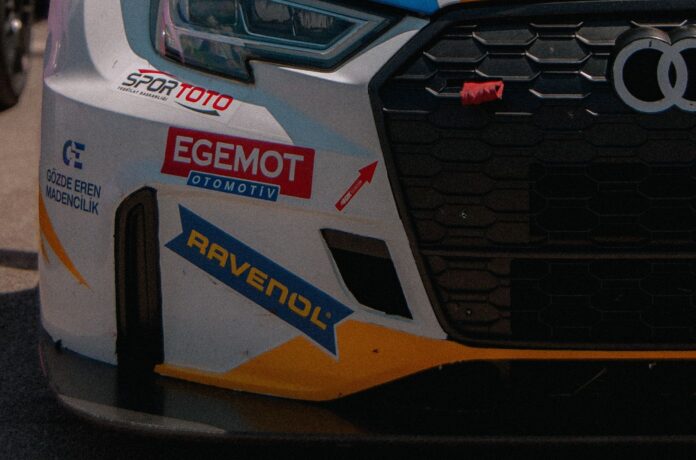
Decals, noses and the “stock” question. A modern Cup car is not a road car with a roll cage. Many elements that look like real headlights and grilles are printed graphics, and the body panels are shaped to follow the series’ rules while still carrying each brand’s design cues. That is why logos and nose shapes matter so much: they are the main way to tell a Camaro from a Mustang or a Camry at a glance, especially on TV.

What fans notice first. Experienced viewers use a few quick signals:

  • the badge in the center of the front end;
  • the shape of the front fascia and the headlight graphics;
  • the color of the contingency decals on the quarter panels;
  • the manufacturer name in the broadcast graphic.

Newer fans usually start with the team and the number, then learn the brand from the logo.

Logos beyond the car. The same emblems show up in pit stalls, garages, hospitality tents, merchandise, die-cast models and video games. Manufacturers invest heavily in these touchpoints because racing is one of the few places where a car brand can be seen alongside excitement and competition for several hours a week.

The bigger design trend. Over the last few years, many automakers have simplified their road-car logos into flatter, cleaner versions suited for screens and electric vehicles. Racing is more conservative: classic, detailed versions remain popular on race cars and fan merchandise, because tradition is part of the appeal. The contrast shows how motorsport keeps a link to its history even as road-car branding moves toward minimalism.

Whether you grew up on the Chevy–Ford rivalry or came to the sport through Toyota’s rise, the badges on the cars carry a lot of meaning. The next time the green flag drops, look at the front end before you look at the number. The logo is telling you who is racing.

Diesel Trucks vs. Electric Trucks: Which One Is Ready for the Long Haul?

The trucking industry is changing. Electric trucks are no longer a concept reserved for auto shows and technology demonstrations. Manufacturers are putting battery-electric trucks on the road, fleets are testing them, and charging infrastructure for heavy-duty vehicles is expanding.

But there is another question that matters just as much:

Where does an electric truck actually make sense, and where does diesel still have the advantage?

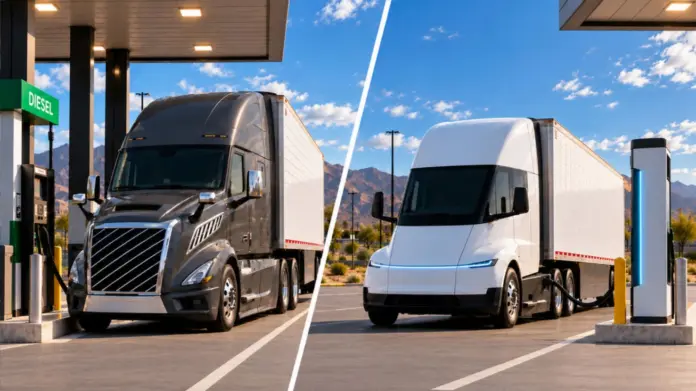
For local delivery, short routes, and trucks that return to the same depot every night, the answer can increasingly be electric. For long-haul trucking, however, the situation is much more complicated.

A truck working hundreds of miles from home every day needs more than an impressive specification sheet. It needs range, fast refueling, a predictable supply of energy, and the ability to keep moving when the route does not go exactly as planned.

That is where diesel trucks continue to have a very strong argument.

Electric Trucks Are Finding Their Place

There is no question that electric trucks have some impressive characteristics.

An electric motor can deliver torque almost instantly. There is no traditional multi-speed engine-and-transmission combination working through the same sequence as a diesel powertrain, and regenerative braking can recover energy that would otherwise be lost.

For urban delivery, these characteristics can be extremely useful.

A truck running a predictable route between a distribution center and several nearby locations can return to the same depot every evening. The fleet knows approximately how many miles the truck will travel, where it will park, and when it can charge.

That is a very different operating environment from long-haul trucking.

The growth of electric trucks reflects this distinction. The International Energy Agency reports that electric truck sales doubled globally in 2025, reaching 9% of total truck sales. At the same time, it notes that growth has been concentrated in applications where trucks travel shorter distances and can rely on depot charging.

The technology is moving quickly. The question is whether the infrastructure and operating model are moving quickly enough for every type of trucking.

The Long-Haul Problem Is Different

An electric truck on a regular route can have a clear plan for where to stop and recharge overnight. A diesel truck running long-haul may head somewhere different with every load. 

A driver may leave Florida heading toward Georgia, Tennessee, Texas, or somewhere much farther away. A load can change. Weather can change. Traffic can add hours to the trip. A customer can delay unloading. A replacement load can appear hundreds of miles in another direction.

The truck still has to get there.

This is one of the biggest advantages of diesel: the fuel infrastructure already exists on the scale that long-haul trucking requires.

A diesel truck can pull into a truck stop, refuel in minutes, and continue down the highway. The driver does not need to plan the entire trip around a limited network of heavy-duty charging locations.

Electric truck charging is developing rapidly, including high-power and megawatt-class charging. The U.S. Department of Energy is already funding projects designed specifically to build high-capacity charging along major freight corridors.

But the need for that investment is itself part of the story.

The infrastructure has to be built before electric long-haul trucking can operate with the same flexibility that diesel trucks have today.

Range Is Only Part of the Equation

When people compare diesel and electric trucks, they often focus on range.

That is important, but it is not the entire issue.

The bigger question is:

What happens when the planned route changes?

A diesel truck can carry a large amount of usable energy in its fuel tank and resupply it quickly almost anywhere along a major freight corridor.

An electric truck has to consider not only how far it can travel, but also where it can charge, how much power is available, how long charging will take, and whether the charging location can actually accommodate a tractor-trailer.

That last point matters.

Not every public EV charger is designed for a Class 8 truck. The IEA notes that only a small share of existing light-duty charging locations can realistically be used by heavy-duty trucks because of space, maneuvering, and other requirements.

For a passenger car, finding another charger may be an inconvenience.

For a loaded tractor-trailer operating on a schedule, it can become an operational problem.

Payload and the Weight of Energy

There is another difference that becomes important when the vehicle gets larger: energy storage.

A diesel truck carries fuel. An electric truck carries a large battery pack.

Battery technology continues to improve, and manufacturers are working hard to increase energy density while reducing weight. But batteries still represent a substantial amount of mass.

For a passenger vehicle, the difference may be relatively easy to accept.

For a heavy-duty truck, every pound can become part of the business equation.

A truck does not make money simply by moving itself. It makes money by moving freight.

That makes payload, range, and energy storage closely connected questions.

What About Torque?

This is where the comparison gets more interesting.

Electric trucks have an obvious advantage in the way they deliver torque. Electric motors can produce strong torque from very low speeds, which makes them particularly well suited to stop-and-go operation and heavy loads at low speed.

Diesel engines take a different approach.

Their strength is not simply a peak torque number. Modern diesel powertrains are designed to deliver substantial torque over a useful operating range while working together with the transmission, turbocharger, fuel system, engine brake, and other systems.

And unlike an electric truck, a diesel truck’s energy source can be replenished in minutes.

For a truck that spends most of its life moving between fixed points, electric torque can be extremely attractive.

For a truck that might spend days crossing the country, the entire powertrain and energy system has to be considered together.

The Diesel Truck Is More Than an Engine

One thing often gets overlooked in the diesel-versus-electric discussion is how much modern diesel technology has already evolved.

Today’s diesel truck is not simply an old mechanical engine with a computer attached to it.

The engine, fuel system, turbocharger, transmission, sensors, aftertreatment system, and other electronic components communicate continuously.

The ECU is at the center of that process.

It controls and coordinates parameters such as fuel delivery, torque management, boost control, throttle response, and numerous operating limits. Depending on the truck and application, electronic control also plays an important role in how the engine interacts with emissions and aftertreatment systems.

That means a diesel truck can be changed without replacing its basic mechanical architecture.

And that brings us to tuning.

Diesel Performance Doesn’t Stop at the Factory Calibration

A factory diesel calibration is designed to cover a wide range of conditions, regulations, applications, and operating environments.

But not every truck works under the same conditions.

A hauling truck and a vocational truck have different demands. Likewise, a truck in a hot climate has different needs than a truck in a cold climate or a high altitude climate.

ECU calibration can change how the engine responds within the capabilities of its hardware.

Depending on the vehicle and application, tuning can affect power and torque delivery, throttle response, boost control, and other electronic strategies.

The point is not simply to chase the biggest horsepower number.

Useful diesel performance is about how the truck delivers power when the driver actually needs it.

Where DrunkLab Fits In

This is where the electronic side of diesel technology becomes particularly relevant.

DrunkLab specializes in remote ECU tuning for diesel trucks and other commercial equipment. Rather than treating a truck as a purely mechanical machine, the company works with the software layer that controls how the engine operates.

Depending on the vehicle, DrunkLab solutions can include remote tuning, VIN programming and ECU adaptation, as well as software solutions related to DPF, EGR, and AdBlue/DEF systems.

The company’s work covers commercial trucks and buses, construction equipment, marine and industrial engines from brands and platforms including Volvo, Mack, Renault, UD, Cummins, Detroit Diesel, PACCAR, and Volvo Penta.


For owners who are keeping their diesel trucks in service, that electronic layer can be an important part of getting more out of an existing platform.

The mechanical hardware may remain the same.

The software does not have to be the same.

Diesel vs. Electric: The Application Still Matters

None of this means electric trucks have no future in heavy-duty transportation.

They clearly do.

The industry is investing heavily in charging infrastructure, battery technology, and electric powertrains. The IEA expects the number of heavy-duty charging points to expand substantially over the coming decade, while governments and manufacturers continue developing dedicated freight corridors.

But development does not automatically mean universal suitability.

For a short urban route with a predictable schedule and overnight depot charging, an electric truck can make a great deal of sense.

For a long-haul operation where the truck may need to travel hundreds of miles, change routes, carry heavy loads, and deal with whatever the road throws at it, diesel still offers a combination of range, refueling speed, infrastructure, and operational flexibility that is difficult to ignore.

And that is probably the most important part of the diesel-versus-electric debate.

How Smartphone Data May Help Reconstruct an Austin Car Accident

Smartphone data can help reconstruct an Austin car accident by showing what a driver was doing shortly before the collision. Call records, text timestamps, navigation activity, app use, location information, and forensic phone evidence may help establish whether a driver was communicating, traveling, or otherwise using a device.

Austin, Texas, has busy urban roads and highway interchanges where traffic can change quickly. Construction areas can create additional complications for drivers. Tall structures and dense city roads can also affect the precision of location data. 

If phone use becomes important to a crash investigation, car accident lawyers in Austin can help determine how the available digital evidence fits the case.

What Smartphone Records Can Show

Carrier and device records may reveal:

  • Incoming and outgoing calls
  • Text-message timestamps
  • Data sessions
  • App activity
  • Voicemail activity
  • Device connection times
  • Approximate network information

These records can help establish whether communication occurred shortly before impact. However, they may not show the message’s content, who physically used the device, or whether the driver looked at the screen.

Texas Transportation Code § 545.4251 prohibits reading, writing, or sending electronic messages while operating a vehicle, subject to statutory exceptions. A texting violation may support a negligence argument, but it still must be connected to the collision and resulting injury.

Location and App Activity

Location information may help establish where a phone traveled, its approximate route, timing, and proximity to the crash scene. Possible sources include GPS history, navigation applications, cell-site information, Wi-Fi connections, Bluetooth records, and vehicle-pairing data.

Location evidence is not always accurate. A cell tower may cover a broad area, while GPS can be affected by the surrounding environment. A phone may also belong to a passenger rather than the driver.

App activity may show use of texting, social media, email, browsing, navigation, streaming, or other applications. However, background updates and connected vehicle systems can create activity without proving that the driver manually operated the phone.

Preserving and authenticating evidence

A potentially relevant phone should not be reset, replaced, altered, or used to delete information. Records may include messages, screen-time information, navigation history, photos, Bluetooth connections, device-unlock times, and voice-assistant activity.

Authentication may involve device identifiers, account records, metadata, witness testimony, carrier records, or forensic analysis. A screenshot alone may be challenged if its source or accuracy cannot be established.

Obtaining and Using Phone Data

Private phone records generally require an appropriate legal process, such as discovery requests, subpoenas, or court orders. Requests should be targeted rather than seeking years of unrelated personal information.

Phone evidence is strongest when combined with other proof, including:

  • Dashcam or traffic-camera footage
  • Witness statements
  • Vehicle data
  • Crash-scene photographs
  • Skid marks
  • Police observations
  • Vehicle damage

Privacy concerns may also require redaction, protective orders, or a controlled forensic examination.

Key Takeaways

  • Smartphone records can establish timing and activity.
  • Location data may help reconstruct movement.
  • App activity does not automatically prove manual phone use.
  • Digital evidence must be properly preserved.
  • Authentication is important for courtroom use.
  • Phone records may require lawful discovery methods.
  • Digital evidence works best alongside physical and witness evidence.

Pressure Washer Winterization Checklist: Preparing the Unit for Seasonal Storage

Photo by depositphotos at https://depositphotos.com/

When temperatures begin to drop, seasonal storage becomes more than a matter of moving equipment into the garage. For pressure washers, the biggest winter risk is often water left inside the pump, hose, spray gun, or fittings. As that water freezes, it expands and can damage seals, valves, connections, and other internal components.

A good winterization routine takes relatively little time but can prevent expensive repairs when spring arrives. Whether you use an electric unit for occasional home maintenance or a gas-powered machine for heavier cleaning, this pressure washers winterization checklist provides a practical way to prepare the equipment for months of inactivity.

Why Pressure Washer Winterization Matters Before Freezing Weather Arrives

The critical issue is trapped moisture. Even after a machine appears drained, small amounts of water can remain inside the pump or fittings.

When temperatures fall below freezing, that residual water can expand. Manufacturer guidance commonly emphasizes removing water and protecting the pump before prolonged storage because freeze expansion can damage internal components.

There is another reason to winterize: storage gives you an opportunity to identify problems before the next cleaning season. A worn hose, damaged O-ring, clogged inlet screen, or cracked fitting is much easier to address in the off-season than when you need the machine for an urgent spring cleanup.

Start With the Owner’s Manual and the Correct Storage Interval

Before disconnecting anything, check the owner’s manual for the specific pressure washer. Winterization procedures can vary considerably between electric and gas-powered models.

Pay particular attention to:

  • Minimum recommended storage temperature
  • Pump-protection requirements
  • Engine and fuel-storage instructions
  • Approved pump protectants
  • Battery-storage recommendations, if applicable
  • Restrictions on indoor storage

For example, some manufacturers recommend pump protector products when a machine will sit unused for 30 days or longer or when freezing temperatures are expected. The exact procedure should always take priority over a generic checklist.

Drain Every Accessible Source of Water Before Storage

The first physical step is removing water from the entire water path, not just the garden hose.

Turn the machine off, disconnect the water supply, and relieve pressure by squeezing the spray-gun trigger. Then disconnect the high-pressure hose and allow it to drain completely.

Hold the spray gun and wand in a position that allows remaining water to escape. Inspect quick-connect fittings as well. Small cavities around connectors can retain more moisture than expected.

For electric models, follow the manual’s procedure for clearing residual pump water. Some units permit brief operation without a water supply specifically to expel remaining water, while others should not be operated dry. Never assume one procedure applies to every model.

Protect the Pump From Freeze Damage During Long-Term Storage

Draining visible water is important, but it may not remove every drop trapped inside the pump.

A manufacturer-approved pump protector or winterizing solution can provide an additional layer of protection. These products are generally designed to displace residual water while lubricating internal seals and components.

The key is compatibility. Do not pour automotive antifreeze, household chemicals, or an improvised mixture into a pressure washer unless the manufacturer specifically approves it.

Follow the product and equipment instructions for connecting the protector to the water inlet and circulating it through the pump. For electric pressure washers, disconnect electrical power before performing maintenance or storage preparation.

Decide Whether Gasoline-Powered Equipment Needs Additional Engine Preparation

Gas-powered pressure washers require a second winterization track because the engine and fuel system also need attention.

For short-term storage, the manufacturer’s instructions may call for fresh fuel and an approved fuel stabilizer. Longer storage can require draining fuel, changing engine oil, or preparing the cylinder and spark plug according to the engine manual.

Do not treat fuel storage as an afterthought. The U.S. Consumer Product Safety Commission recommends keeping portable fuel containers in cool, well-ventilated areas and away from ignition sources. It also advises against storing gasoline inside a house or basement. (U.S. Consumer Product Safety Commission)

Never perform fuel-system maintenance around flames, pilot lights, cigarettes, or other ignition sources.

Clean the Machine Before You Put It Away

Winter storage is an ideal time to remove accumulated grime rather than allowing it to sit against the machine for months.

Wipe mud, detergent residue, and mineral deposits from the exterior. Pay particular attention to the pump area, fittings, hose connections, wheels, frame, and accessory storage points.

Inspect the water inlet screen or filter and clean it if necessary. A partially blocked inlet can contribute to poor performance and pump strain when the unit returns to service.

This is also a good opportunity to inspect:

  • High-pressure hose for cuts, abrasions, or bulges
  • Spray gun for leaks or damaged connections
  • Nozzles for blockage or excessive wear
  • O-rings for cracking or deformation
  • Power cord for cuts or damaged insulation
  • Wheels and frame hardware for looseness or corrosion

Store Hoses, Wands, and Nozzles Without Creating New Problems

Accessories deserve the same attention as the pressure washer itself.

Drain the high-pressure hose completely, then coil it without sharp bends or kinks. A hose stored under tension or repeatedly folded at the same point can develop weaknesses over time.

Keep the spray gun and wand clean and dry. Remove nozzles, inspect the openings, and clear debris using the cleaning method recommended by the manufacturer.

Small accessories are easy to lose during winter. Store nozzles, adapters, inlet filters, and cleaning tools together in a labeled container or the machine’s accessory compartment.

Choose the Right Storage Location for Electric vs. Gas Models

Storage conditions should match the power source and manufacturer’s instructions.

For an electric pressure washer, a dry, protected, frost-free area is generally preferable. Avoid locations where condensation, direct sunlight, or extreme temperature changes are common.

Gas-powered units require greater ventilation and fuel-safety consideration. They should not be stored in an enclosed space where gasoline vapors could accumulate or encounter an ignition source.

Avoid placing either type of pressure washer directly on damp concrete. A dry, stable surface reduces exposure to moisture and helps prevent corrosion.

A Simple Winterization Checklist for the Final Walk-Through

Before leaving the pressure washer in storage, use this final checklist:

  1. Turn the machine off and disconnect the power source.
  2. Shut off and disconnect the water supply.
  3. Relieve pressure through the spray gun.
  4. Drain the garden hose completely.
  5. Drain the high-pressure hose.
  6. Remove residual water from the spray gun and wand.
  7. Clean the inlet filter and inspect fittings.
  8. Protect the pump according to the owner’s manual.
  9. Prepare fuel and engine components if using a gas-powered model.
  10. Inspect hoses, O-rings, nozzles, and electrical connections.
  11. Clean and dry the exterior.
  12. Store the machine and accessories in an appropriate protected location.

Taking a few minutes to physically check each item is more reliable than assuming that “drained” automatically means “winterized.”

Common Winter Storage Mistakes That Can Damage a Pressure Washer

One of the most common mistakes is storing a machine immediately after disconnecting the garden hose. Water can remain inside the pump and accessories.

Another mistake is using the wrong chemical as a substitute for a manufacturer-approved pump protector. Pressure washer pumps contain seals and components that may react poorly to incompatible fluids.

A third mistake is storing equipment outdoors under a simple cover. A cover can shield against precipitation, but it does not necessarily protect against freezing temperatures, condensation, or temperature swings.

Finally, avoid starting a stored machine for a few seconds just to “keep it running.” Engines and pumps need the correct water supply and operating procedure. Starting equipment incorrectly during storage can create more problems than it solves.

When Should You Winterize a Pressure Washer?

The best time is before the first sustained freeze, not after temperatures have already dropped below freezing.

A useful rule is to winterize when you expect the machine to remain unused for several weeks and freezing conditions are possible. In colder regions, preparing the equipment before the first hard freeze provides a practical safety margin.

In milder climates, winterization may still make sense if the pressure washer will sit unused for an extended period. Seasonal maintenance is ultimately about reducing the number of problems waiting for you when the machine comes back into service.

FAQ: Pressure Washer Winterization Questions

Can I store a pressure washer outside during winter?

It is generally better to store the unit in a dry, protected location that follows the manufacturer’s temperature requirements. Outdoor covers do not eliminate freeze risk.

Do electric pressure washers need winterization?

Yes. Electric units do not have gasoline engines, but their pumps, hoses, fittings, and seals can still contain water that may freeze and cause damage.

Is draining the hose enough?

No. The pump, spray gun, wand, inlet, and fittings can retain water even after the hose has been drained. Follow the manufacturer’s complete storage procedure.

Should I use automotive antifreeze in a pressure washer?

Do not assume automotive antifreeze is appropriate. Use only a product specifically approved by the pressure washer manufacturer or follow the manual’s prescribed winterization method.

When should I inspect the machine again?

Inspect it before the first spring use. Check hoses, connections, nozzles, filters, power cords, fuel systems, and the pump before applying normal operating pressure.

Make Spring Startup Easier by Finishing Winterization Properly

Good winterization is less about complicated maintenance and more about eliminating avoidable risks. Drain the water system, protect the pump when required, prepare the engine and fuel system according to manufacturer instructions, inspect accessories, and store the equipment in a suitable environment.

The best seasonal-storage routine also creates a maintenance record of sorts. Problems discovered in the fall can be corrected before spring, when demand for outdoor cleaning equipment typically returns. A pressure washer that goes into storage clean, dry, protected, and properly inspected is far more likely to come back into service without an unpleasant surprise.

Meta description:
Use this pressure washer winterization checklist to drain water, protect the pump, prepare fuel systems, inspect accessories, and store equipment safely.

Title variation:
Pressure Washer Winter Storage Guide: A Complete Checklist for Freeze Protection

Authority reference: The gasoline-storage safety guidance incorporated above is based on the U.S. Consumer Product Safety Commission’s consumer fuel-container recommendations. CPSC Fuel Container & Gasoline Safety

How sports fans can assess digital entertainment before game day

Photo by depositphotos at https://depositphotos.com/

A match can make an ordinary evening feel more engaging. Fans follow lineups, compare recent form and discuss the result with friends. Some also look at digital entertainment around the event. In that setting, a useful choice begins with information rather than excitement. A page should explain what it offers, what it costs and which limits apply before anyone registers or makes a payment.

Start with the basics

Read the terms for eligibility, available markets and account access. Rules may differ by location, so a visitor should check whether a service is permitted where they live and whether they meet the legal age requirement. A brand name or a familiar design is not evidence of authorization. Independent verification of the operator and its published terms is more useful than a promotional claim.

Sports coverage often highlights momentum and winning streaks, but those stories do not change the uncertainty of the next event. A fan should separate the enjoyment of watching a match from a decision involving money. Odds, if offered, describe a price for a possible outcome; they are not a forecast or a guarantee. Understanding that distinction makes it easier to read offers calmly.

Compare information, not just bonuses

A comparison should include payment methods, processing times, possible fees, identity checks and the steps for closing an account. It should also explain how customer support can be reached and where complaints can be raised. Readers exploring brand information can use a Royale Casino guide for Azerbaijan as one starting point, then verify any operational details against the provider’s current terms and independent sources.

Mobile usability matters because many fans check information during a commute or while watching a game. A small screen should still show the important conditions clearly. Buttons for deposits and withdrawals should not hide fees or eligibility rules behind several taps. It is sensible to test whether menus, help pages and account controls are easy to find before committing money. A polished interface is convenient, but clarity is the stronger signal.

Set the boundary before the event

If an adult chooses to participate, a fixed entertainment budget is safer than making decisions in the heat of a match. Decide the maximum affordable amount and the time available in advance. Do not increase either limit to recover a loss. Pausing after a strong emotional reaction is useful, whether the team wins or loses. Money needed for bills, savings or other priorities should stay outside the activity.

Look for practical controls such as deposit limits, session reminders, time-outs and self-exclusion. Their presence does not eliminate risk, but accessible controls can help people follow a plan. If participation stops feeling optional or begins to affect daily life, stepping away and seeking support is the appropriate response. The same principle applies to every form of paid entertainment: the user should remain in control of the schedule and spending.

A good game-day routine therefore has two parts. Enjoy the match on its own terms, and evaluate any related service with a written checklist. Confirm the rules, verify the operator, understand the payment process and set personal limits. When those questions do not have clear answers, waiting is a reasonable choice. The best digital experience is one that respects the reader’s attention, money and ability to make an informed decision.

LEGACY MOTOR CLUB ANNOUNCES REXEL AND ABB TO PARTNER ON NO. 42 TOYOTA CAMRY XSE FOR 2027 LAS VEGAS NASCAR CUP SERIES RACE

Rexel’s strategic partnership with ABB brings NASCAR’s Official Electrification Partner to Josh Berry’s No. 42 in 2027

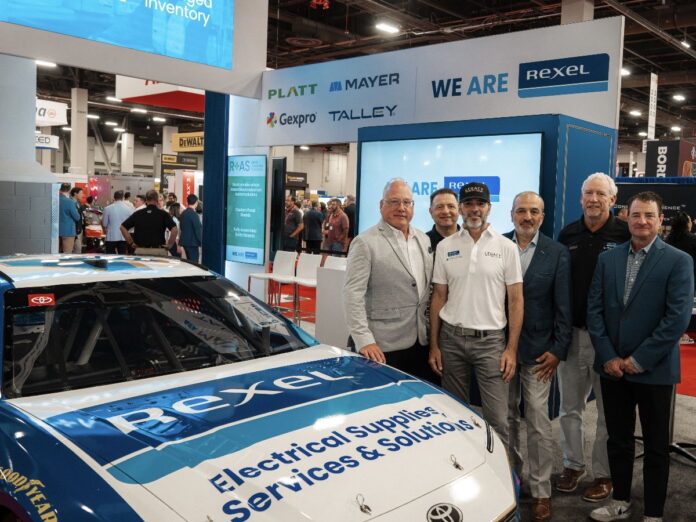
STATESVILLE, N.C. – (October 5, 2026) LEGACY MOTOR CLUB announced today that Rexel, a leading global distributor of electrical supplies, will feature ABB on the No. 42 Toyota Camry XSE driven by Josh Berry during the NASCAR Cup Series race at Las Vegas Motor Speedway in March 2027. The activation unites Rexel and ABB, NASCAR’s Official Electrification Partner, for a race weekend focused on innovation.

Rexel will serve as a primary partner on the No. 42 for select NASCAR Cup Series races in 2027, using the platform to spotlight their ongoing partnership with ABB and their shared commitment to advancing electrification and the future of the electrical industry.

“Rexel and ABB are building the infrastructure of what’s next — and the right partnerships are crucial on our journey to elite status in the NASCAR Cup Series,” said Jimmie Johnson, founder and co-owner of LEGACY MOTOR CLUB. “Vegas is a big stage, and a fitting backdrop for the extension of our partnership.”

“ABB is an important partner to Rexel in markets across the USA and North America, and we’re proud to feature their brand on our racecar in Las Vegas,” said Roger Little, CEO, Rexel USA. “Their connection to NASCAR makes this a natural fit, and we appreciate ABB’s continued support of Rexel Racing.”

ABB is a global technology leader in electrification and automation, enabling a more sustainable and resource-efficient future. As NASCAR’s Official Electrification Partner, ABB works alongside the sport to advance its commitment to a cleaner, more connected future.

The NASCAR Cup Series race at Las Vegas Motor Speedway is scheduled for Sunday, March 21, 2027, and will be broadcast on FOX.

ABOUT LEGACY MOTOR CLUB: (LEGACY MC) is a premier auto racing organization owned by seven-time NASCAR Cup Series champion and 2024 NASCAR Hall of Fame inductee, Jimmie Johnson and Knighthead Capital Management, LLC. Drawing from a rich tradition of success, LEGACY MC is dedicated to pushing the boundaries of motorsport and setting new standards of excellence. The CLUB competes under the Toyota Racing banner in the NASCAR Cup Series with the No. 43 Toyota Camry XSE piloted by Erik Jones and the No. 42 Toyota Camry XSE driven by John Hunter Nemechek. The No. 84 Toyota Camry XSE driven by Riley Herbst will debut full time in the 2027 season, while Johnson will make his final NASCAR Cup Series start at the 2027 DAYTONA 500 in the No. 48 Toyota Camry XSE. With NASCAR legend and Hall of Famer Richard Petty, “The King”, serving as CLUB Ambassador, LEGACY MC blends timeless racing traditions with a new forward-thinking vision. As an inclusive community for motorsport enthusiasts, LEGACY MC honors both its storied past and the promising future of its members, always striving for victory and championship glory at the pinnacle of NASCAR competition.

ABOUT REXEL USA: Rexel USA, the parent corporation for Rexel Group business activities in the United States, is headquartered in Dallas, Texas and is one of the largest distributors of electrical products, data communication, and related supplies in the United States. Rexel USA operates its electrical distribution business in the United States through eight Regions that go to market under various banner and trade names, including Rexel, Rexel Automation, Gexpro, Mayer, Talley, Platt Electric Supply, and Revere. In addition to an online store, Rexel USA has a distribution network of over 500 warehouse storefront locations throughout the U.S.

ABOUT ABB: ABB is a global technology leader in electrification and automation, enabling a more sustainable and resource-efficient future. By connecting its engineering and digitalization expertise, ABB helps industries run at high performance, while becoming more efficient, productive and sustainable so they outperform. At ABB, we call this ‘Engineered to Outrun’. The company has over 140 years of history and around 110,000 employees worldwide. ABB’s shares are listed on the SIX Swiss Exchange (ABBN) and Nasdaq Stockholm (ABB). www.abb.com

When an Intersection Collision Changes Everything: Understanding Baltimore Car Accidents

Intersections bring together turning vehicles, crossing traffic, pedestrians, cyclists, traffic signals, and drivers traveling in different directions. Even when everyone is expected to follow the same rules, a single missed signal, unsafe turn, or failure to yield can quickly create a serious collision. The impact may leave drivers and passengers dealing with vehicle damage, physical injuries, medical treatment, and financial disruption. For someone injured in an intersection crash, understanding exactly how the collision happened can be particularly important. Unlike some straightforward roadway accidents, intersection crashes often involve competing accounts about who had the right of way, which signal was active, or whether a driver had enough time to avoid the impact. A Baltimore intersection car accident lawyer can examine these details while considering the evidence available from the scene.

Where Seconds and Right-of-Way Can Determine the Outcome

The moments before an intersection collision can reveal important information about what each driver was doing. A vehicle entering on a green signal, a driver turning across traffic, or someone proceeding through a stop sign may have different obligations depending on the circumstances. Maryland’s right-of-way rules can therefore become an important part of understanding how an intersection crash developed.

Determining fault usually requires more than simply identifying which vehicle sustained the most damage. Traffic signals, lane positions, turning movements, witness accounts, photographs, and available video can all help establish the sequence of events. The more clearly those details can be reconstructed, the easier it may be to understand the circumstances surrounding the collision.

The Intersection Crash Patterns That Deserve Closer Attention

Not every intersection accident happens in the same way. A left-turn collision may involve a dispute over whether the turning driver had sufficient opportunity to proceed, while a rear-end crash may center on whether a driver stopped in time. Signal-related collisions can create additional questions about which vehicle entered the intersection first and what the traffic controls indicated.

Common scenarios include:

  • Left-turn collisions: A vehicle turning across opposing traffic can collide with a car traveling through the intersection. The signal phase, turning movement, and position of both vehicles may become important when reconstructing the crash.
  • Right-turn collisions: A driver turning right may encounter another vehicle, cyclist, or pedestrian already moving through the intersection. Visibility, signaling, and the driver’s awareness of surrounding traffic can all become relevant.
  • Rear-end crashes: Traffic frequently slows or stops near signals and crosswalks. If a following driver fails to stop in time, evidence may help determine the circumstances that led to the impact.
  • Signal-related collisions: Running a red light or disregarding another traffic control can create a high-risk crossing situation. Camera footage, witness statements, and the timing of the traffic signal may help establish what occurred.

The Evidence That Can Reconstruct an Intersection Crash

Intersection collisions can happen quickly, which means the people involved may remember only certain parts of the event. Physical evidence and independent records can help fill in those gaps. Photographs of vehicle damage, debris, skid marks, traffic signs, lane markings, and the surrounding roadway may provide useful clues about the impact.

Video evidence can be particularly valuable when available. Traffic cameras, dashboard cameras, nearby surveillance systems, and other recordings may help establish vehicle movements before the collision. Police reports and statements from drivers, passengers, and witnesses can provide additional context when evaluating what happened.

When a Traffic Signal Becomes a Central Piece of Evidence

Traffic signals can play a major role in intersection accident investigations because a disagreement about the light can change the understanding of the entire collision. One driver may believe they had the right of way while another claims that the signal permitted them to enter.

Establishing the timing and sequence of the signals can therefore be important when the evidence is available. Witness observations, traffic-camera footage, intersection design, vehicle positions, and other information may help determine how the vehicles entered and moved through the intersection.

Maryland’s Fault Rules Can Make an Intersection Claim More Complicated

Maryland follows a contributory negligence system, which can make disputes over fault especially significant in personal injury cases. Under this rule, an injured person who is found to have contributed to the accident may face significant barriers to recovering compensation, although legal exceptions can apply in particular circumstances.

This makes the evidence surrounding an intersection collision particularly important. A Baltimore intersection car accident lawyer may need to examine claims that an injured driver was speeding, failed to signal, entered improperly, or otherwise contributed to the crash. Establishing the sequence of events and distinguishing unsupported allegations from evidence can become an important part of evaluating a potential claim.

When the Damage Extends Beyond the Vehicles

The consequences of an intersection collision may continue long after the damaged vehicles are removed from the roadway. Injuries can require emergency care, diagnostic testing, specialist treatment, physical therapy, medication, or other forms of medical attention. Some injuries may also affect a person’s ability to work or maintain ordinary routines.

The financial consequences can develop at the same time. Medical expenses, lost wages, vehicle repairs, and other accident-related costs may create pressure for an injured person and their family. Depending on the circumstances, a claim may involve both economic losses and personal effects such as pain, emotional distress, or diminished quality of life. 

Looking Beyond the Driver Who Hit You

The driver involved in the collision is not necessarily the only party whose actions or responsibilities should be considered. Depending on the circumstances, another business, vehicle manufacturer, government entity responsible for roadway conditions, or other party may potentially become relevant to an accident investigation.

For example, poor roadway maintenance, inadequate signage, or a vehicle defect may raise different questions from those involved in a straightforward driver-negligence case. A careful review of the accident can help determine whether circumstances beyond the other driver’s behavior played a role in what happened.

Documenting the Losses That Follow an Intersection Collision

A serious crash can create expenses that are easy to underestimate in the first few days. Medical treatment may continue for weeks or months, while time away from work can affect household finances. Future treatment or reduced earning capacity may also become relevant when injuries have lasting effects.

Keeping medical records, bills, employment documentation, repair estimates, receipts, and other relevant records can help create a clearer picture of the losses associated with the collision. A Baltimore intersection car accident lawyer can use this information when evaluating the financial and personal consequences connected with a potential claim.

Building a Clearer Case From the First Piece of Evidence

The strength of an intersection accident claim may depend heavily on how well the available evidence explains what happened. A police report alone may not answer every question, particularly when drivers disagree about the traffic signal or right of way. Combining physical evidence with witness accounts, photographs, recordings, and other documentation can provide a more complete picture.

Early preservation can also matter because certain evidence may not remain available indefinitely. Surveillance footage can be overwritten, vehicles may be repaired, and witnesses’ memories can become less precise over time. Organizing the available information can therefore help clarify the circumstances surrounding the crash.

Moving Forward After a Baltimore Intersection Collision

An intersection accident can disrupt far more than a single journey. Injuries, medical appointments, vehicle damage, missed work, and uncertainty about financial recovery can affect everyday life long after the collision itself. Understanding the evidence and legal issues surrounding the accident can provide a clearer foundation for deciding what steps may be appropriate. If you were injured in an intersection crash, a Baltimore intersection car accident lawyer can review the circumstances of the collision and explain the legal considerations that may apply. Because Maryland’s fault rules can make even disputed questions about a driver’s conduct significant, preserving evidence and documenting the consequences of the accident can be especially important.

When Driver Negligence Changes Everything: Understanding Truck Accidents in St. Louis

Sharing the road with a commercial truck requires careful attention from every driver, but the responsibility placed on a professional truck driver can be especially significant. Large trucks require greater stopping distances, wider turning paths, and more deliberate maneuvers than ordinary passenger vehicles. A moment of distraction, an unsafe lane change, excessive speed, or failure to recognize surrounding traffic can therefore create consequences that extend far beyond the initial mistake.

When a collision occurs, the important question is not simply whether an accident happened, but what led to it. Understanding the driver’s actions, roadway conditions, vehicle condition, and events immediately preceding the impact can help establish a clearer account of the crash. For someone dealing with serious injuries, medical treatment, lost income, and other consequences, determining how negligence may have contributed can be an important part of evaluating the situation.

When a Professional Driver’s Decision Becomes a Serious Road Hazard

Truck drivers operate vehicles that can weigh many times more than passenger cars, meaning ordinary driving decisions can have much greater consequences when something goes wrong. Failing to check surrounding traffic, driving too quickly for conditions, following another vehicle too closely, or becoming distracted can reduce the time available to respond to unexpected situations. These actions may become particularly dangerous in busy areas of St. Louis where traffic patterns can change quickly.

A St. Louis Negligent Truck Driver Lawyer can examine the circumstances surrounding a collision by looking at driver conduct, accident evidence, vehicle information, and the injuries that resulted. Rather than relying on one statement or assumption, a thorough evaluation can bring together photographs, witness accounts, police documentation, electronic information, and other available evidence to determine how the crash developed and whether negligent conduct may have played a role.

The Difference Between an Accident and Negligent Conduct

Not every truck accident automatically means that the driver was negligent. Collisions can occur because of sudden roadway hazards, severe weather, mechanical problems, the actions of another driver, or a combination of several circumstances. Negligence generally involves failing to exercise the level of care that a reasonably careful person would use under similar conditions, so the surrounding facts matter when evaluating a driver’s conduct.

Establishing negligence also requires more than showing that a driver made a mistake. Evidence must help connect the driver’s conduct to the collision and demonstrate how that conduct contributed to the resulting injuries or losses. Police reports, witness statements, photographs, vehicle information, driver records, and other documentation may each provide a different part of that picture.

The Driving Behaviors That Can Put Other Road Users at Risk

Truck-driver negligence can take many forms, and some behaviors may not become apparent until the circumstances of a collision are investigated carefully. The target page identifies several examples, including speeding, improper lane changes, following too closely, failing to check blind spots, distracted driving, failure to yield, unsafe vehicles, crossing into oncoming traffic, taking turns too quickly, and overcorrecting.

  • Speeding or driving too fast for conditions: Excessive speed can reduce reaction time and increase the distance required to bring a heavy commercial vehicle to a stop. Road design, traffic density, weather, and visibility can all matter when determining whether speed contributed to a particular collision.
  • Unsafe lane changes: A truck needs considerable space to move safely between lanes. Failing to properly observe surrounding traffic or moving before the lane is clear can place smaller vehicles in a dangerous position.
  • Following too closely: Heavy trucks generally need substantial stopping distance. If a driver leaves insufficient space between the truck and the vehicle ahead, a sudden slowdown may create a serious collision risk.
  • Driver distraction: Looking away from the road, using a device, or focusing on something other than driving can delay a driver’s response to changing traffic conditions.
  • Failure to check blind spots: Large trucks have substantial areas around the vehicle where nearby cars may be difficult to see. Failing to account for these areas before changing lanes or maneuvering can contribute to a crash.
  • Unsafe turns or overcorrection: Taking a turn too quickly or making a sudden steering correction can affect a truck’s stability and movement, potentially causing it to enter another lane or collide with another vehicle.

Following the Evidence Back to the Moment of Impact

A serious truck accident investigation often depends on reconstructing the moments immediately before the crash. Physical evidence such as vehicle damage, debris, skid marks, roadway markings, and the final positions of the vehicles can help establish movement and impact patterns. Witness accounts and available video may add another layer of information, particularly when the drivers provide different descriptions of what happened.

Commercial trucks may also generate records that can provide information about their operation. Driver logs, maintenance records, electronic data, police reports, witness statements, and other sources may help establish a timeline or reveal details that are not obvious from the accident scene alone. The target page specifically identifies these types of records as potentially important when investigating truck-driver negligence.

Why Truck Accident Evidence Can Be More Complicated

A commercial trucking accident can involve considerably more documentation than a typical passenger-vehicle collision. Information relating to the driver, truck, trucking company, maintenance, inspections, and operation of the vehicle may become relevant depending on the circumstances. Some records may also be held by businesses or other parties rather than by the injured person.

A St. Louis Negligent Truck Driver Lawyer may examine these different sources when evaluating how a collision occurred. Comparing physical evidence with witness statements, driver records, electronic information, and other documentation can help identify inconsistencies and establish a more reliable timeline of the events leading to the crash.

The Human Cost Behind a Truck Collision

The consequences of a commercial truck collision can extend well beyond the damage visible at the accident scene. Because of the size and weight difference between large trucks and passenger vehicles, crashes can result in serious injuries that require emergency treatment, hospitalization, surgery, rehabilitation, physical therapy, medication, or continuing medical care. The recovery process can sometimes continue for months or longer.

An injury can also affect everyday life in ways that are difficult to measure immediately. Someone may be unable to work, participate in normal activities, care for family members, or maintain the routines they had before the accident. Documenting these changes can help create a more complete picture of how the collision affected the injured person rather than focusing solely on immediate medical expenses.

The Financial Impact That Can Continue After Recovery Begins

The financial consequences of a serious truck collision can develop at the same time as the physical recovery process. Medical expenses may include emergency treatment, physician visits, medication, physical therapy, rehabilitation, nursing care, and other services. Vehicle damage and transportation expenses may create additional costs while the injured person is already dealing with the disruption caused by the accident.

Lost income can create another significant burden, particularly when injuries prevent someone from returning to work or affect their ability to earn at the same level in the future. Employment records, pay information, medical bills, receipts, and other financial documentation can help demonstrate the economic impact associated with the collision.

When the Investigation Extends Beyond the Driver

Although the driver’s conduct may be central to a truck accident investigation, commercial transportation involves more than the person sitting behind the wheel. Depending on the circumstances, questions may also arise concerning the trucking company, vehicle maintenance, inspections, training, equipment, or other operational factors connected with the truck.

Understanding these relationships can be important when determining which evidence needs to be examined. A St. Louis Negligent Truck Driver Lawyer can review the available facts and consider whether the circumstances suggest that additional parties or contributing factors should be investigated rather than treating the driver’s actions in isolation.

Building a Clearer Picture of What Happened

Different people can remember or describe the same collision differently, particularly when an accident occurs within a few seconds. A driver’s account may differ from a passenger’s statement, while physical evidence or available recordings may provide additional information. For that reason, a reliable investigation should consider multiple sources rather than relying on a single version of events.

Photographs, accident reports, witness information, medical records, vehicle evidence, electronic data, and commercial-trucking records can each contribute to the overall timeline. When these pieces are examined together, they may help clarify what happened before the impact, how the collision occurred, and whether negligent conduct contributed to the resulting injuries.

Conclusion

The aftermath of a truck accident can involve much more than the initial impact. Serious injuries may lead to extensive medical treatment, lost income, property damage, changes in daily activities, and continuing uncertainty about the future. Determining whether negligent driving contributed to the collision requires a careful examination of both the driver’s conduct and the evidence connecting that conduct to the harm suffered.

If you believe negligent truck-driver conduct contributed to a collision, a St. Louis Negligent Truck Driver Lawyer can review the circumstances and explain the legal considerations that may apply. Preserving relevant evidence and keeping detailed records of medical treatment, financial losses, and the broader effects of the accident can provide a stronger factual foundation for evaluating potential legal options.

Drivers Reflect on Kyle Busch’s Lasting Legacy Ahead of Friday’s Tribute

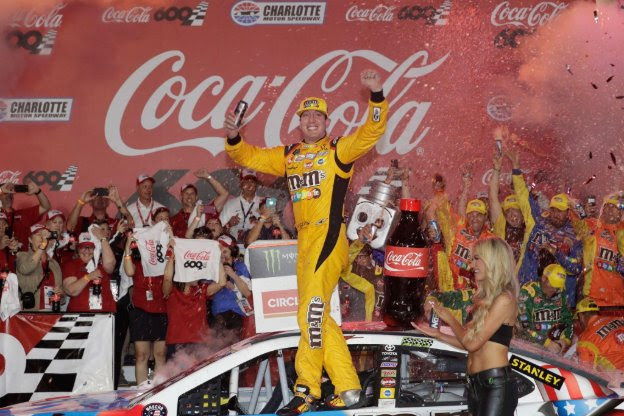
Kyle Busch’s legendary NASCAR career, which included winning the 2018 Coca-Cola 600, will be honored during a special Celebration of Life following Friday night’s EcoSave 200 at Charlotte Motor Speedway. (CMS photo)

● NASCAR Craftsman Truck Series drivers reflect on Kyle Busch’s lasting legacy ahead of Friday night’s One Rowdy Night celebration.

● Bank of America 400 weekend tickets are available at www.charlottemotorspeedway.com or by calling 1-800-455-FANS (3267). Kids 12 and under can experience the action all weekend for just $10, and fans can take their race-day experience to the next level with a Track Pass upgrade featuring stage-front access, driver introductions and Sunday’s pre-race concert

CONCORD, N.C. (Oct. 5, 2026) – Charlotte Motor Speedway will honor the life and legacy of NASCAR icon Kyle Busch with a special Celebration of Life following the NASCAR CRAFTSMAN Truck Series Ecosave 200 on Friday, during Bank of America 400 NASCAR weekend.

The ceremony will be free for fans to attend. Fans with tickets to Friday night’s race are invited to remain at the speedway as the NASCAR community comes together to celebrate Busch through stories, memories, iconic moments and the lasting impact he made on the sport that embodied his “Rowdy” nickname.

Busch’s widow, Samantha, will join the program alongside NASCAR Hall of Famer and team owner Joe Gibbs, NASCAR on FOX play-by-play announcer Mike Joy, and Cup Series drivers Christopher Bell, Noah Gragson, Daniel Suárez, Kyle Larson and Austin Dillon, who will share personal reflections on Busch’s life and legacy. The evening will conclude with a special performance by country music star Cole Swindell.

As a two-time NASCAR Cup Series champion and the winningest driver at Charlotte Motor Speedway across all three series, Busch’s influence reached every level of NASCAR. While his 69 NASCAR CRAFTSMAN Truck Series victories remain the most in series history, his legacy extends far beyond the record book through the passion, intensity and mentorship he brought to the sport.

Ahead of this weekend’s memorial, drivers reflected on Busch’s unmatched talent, competitive spirit and the lasting influence he had on those who raced with him, learned from him and were inspired by his career.

Chase Elliott, No. 9, Hendrick Motorsports
“For me, as I was progressing through the ranks and running some different races, it was really cool to race against a guy that was dominating on Sundays. He was, you know, spending his spare time coming and racing some short track races across the country. Just really cool to kind of have that opportunity to race against a guy like that and also an opportunity to prove yourself, you know, to you kind of knew where the bar was at, knew he was pretty good at what he did.

Daniel Suarez, No. 99, Trackhouse Racing
“I have so many great stories with Kyle. I mean, he went from being an idol to being a mentor to being a teammate and then he became a friend. But I would say that one of the coolest stories that I had with him is that he was helping me a lot through my rookie season in the series all the time. And when I won my first race in Michigan in 2016, I passed Kyle coming to a white flag. And after I won the race, he came to victory lane and he gave me a hug and he said, hey, no more calls anymore because I used to call him every week, you know, just to get advice. So he’d say, no, no, no, no. And I thought that was very funny. I know he was joking, but sometimes he was being real. So that was that’s something I always loved about Kyle, that he was funny, but also he was very straightforward, and I really love that.”

Justin Allgaier, No. 7 JR Motorsports

“One thing that I always looked at and envied was his tenacity to finish a race. There wasn’t a moment where, ‘hey, my race is over.’ It could be the world’s worst day for him on the racetrack, and you know, he was out there and still battling tooth and nail to the checkered flag. And I’ve tried to adopt some of that into how I race and how I go, because when you’re battling against it,

you see really quickly why he was as successful on the racetrack as he was.”

Kaden Honeycutt, No. 11, TRICON Garage

“I think he just loved to win. I think he loved to win in anything he drove. That’s kind of like what I like to do. I like to drive anything I possibly can, even on off weeks. I feel like if you can go and do something as he has done and win in everything he can possibly touch, it will make you one of the best. So he was that, if not the best to ever do it.”

Daniel Hemric, No. 19, McAnally-Hilgemann Racing

“Kyle single-handedly went to bat for me so many times. Picked the phone up, vouched for me, called owners, called sponsors and urged people to speak with me and to give me chances. And just on a personal level, I know for a fact that I wouldn’t be standing here today. I know the opportunities I had and will continue to have in our sport are warranted because he was willing to give a guy, at the time, who was just a short track racer in Super Late Models, having the chance to race toe-to-toe with him on the short track level at times when he could. Having a guy like that in your corner, it changed my entire life. I mean, it changed my entire life, my family’s life, our path, our journey. I’m incredibly grateful to have had him in my life. Although it be way too short amount of time, I am eternally grateful for him and his family and what they’ve done for our entire sport.”

Layne Riggs, No. 34, Front Row Motorsports

“Kyle Busch is the pedestal. Everybody wants to be him. Everybody wants to have the stats, the wins that he had, and we know we’ll never have a chance to do that. But he’s always going to be the goal. That’s what we always shoot and strive for and he was always the mentor and the person that we all looked up to. We’re all going to miss him dearly and can’t wait to see the tribute.”

TICKETS:
Bank of America 400 weekend tickets are available now at www.charlottemotorspeedway.com or by calling 1-800-455-FANS (3267). Kids 12 and under can experience all the action for just $10, and fans can elevate their race-day experience with a Track Pass upgrade featuring stage-front access, driver introductions and Sunday’s pre-race concert.

MORE INFO:
Fans can connect with Charlotte Motor Speedway and get the latest news by following X, Instagram and Facebook, or by downloading the Charlotte Motor Speedway mobile app.

Matt Mills Returns to NCTS Competition with Niece Motorsports at Charlotte

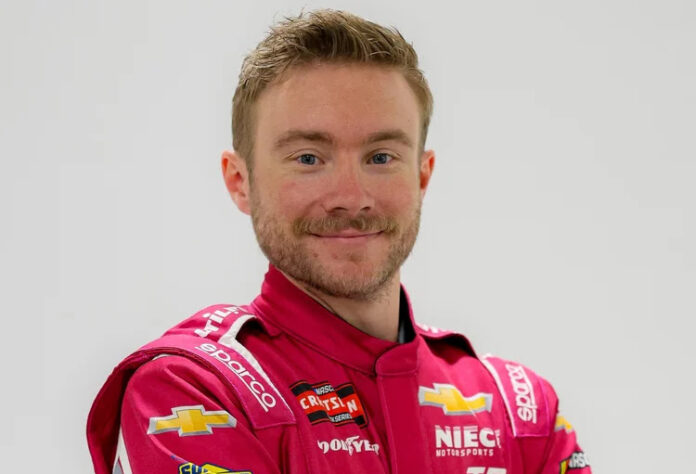
SALISBURY, NC (Oct. 5, 2026) – NASCAR veteran Matt Mills will return to the driver’s seat of the Niece Motorsports No. 4 Chevrolet Silverado on Friday, October 9 at Charlotte Motor Speedway.

Mills, 29, competed full-time for Niece Motorsports in the NASCAR CRAFTSMAN Truck Series (NCTS) the previous two seasons. He remains with the organization as an important part of its newly-formed CARS Tour program.

The New Philadelphia, OH native will reunite with a familiar face on top of the pit box as he pairs up with veteran crew chief, Mike Shiplett. Under Shiplett’s direction, Mills secured his season-best result with a seventh-place finish at the 1.5-mile track last year.

“It’s very exciting to come back and race for Niece Motorsports at Charlotte, one of my favorite tracks,” said Mills. “To come back and race with the No. 4 is very meaningful to me because it is a number that I raced when I was growing up. I’m very grateful to everyone at the team, Utilitra, and J.F. Electric for this opportunity to go out there and have some fun again. I can’t wait for Friday night.”

Utilitra will serve as the primary sponsor for Mills’ return, marking a continuation of the company’s longstanding partnership with the experienced driver.

“Matt has done a great job getting our Late Model program off its feet this year, and we are all looking forward to seeing him get back in a truck at Charlotte,” said Greg Fowler, Niece Motorsports co-owner. “Charlotte is a track that Matt always runs well at, and I know that he is excited to get back out there. We will certainly be cheering for him on Friday night.”

Having spent this year as the car chief for the team’s Late Model, Mills has picked up a new skillset as a mechanic. He has played an integral role alongside fellow No. 4 driver, Connor Hall. Next weekend’s race will be Mills’ first start of the season.

“Working on the Late Model program this year has helped me reconnect with memories I made years ago working on our family’s cars at the start of my career,” Mills continued. “Since our car sits right next to all of the Truck teams in the shop, it’s been a great reminder of the amount of hard work that goes into this team. Seeing everyone’s dedication first-hand has really made me appreciate this opportunity even more.”

The NASCAR CRAFTSMAN Truck Series heads home to Charlotte Motor Speedway on Friday, October 9 for the running of the Ecosave 200. Live coverage of the 134-lap race will air on FOX Sports 1, NRN Radio, and SiriusXM NASCAR Radio.

About Utilitra: Utilitra is a woman-owned firm specializing in utility and technology solutions with a diverse team of specialized professionals. Utilitra is committed to solving their client’s unique challenges, whether one expert or a team of experts is needed. By adapting to the needs of their respective industries, Utilitra has built a range of services for their utility and technology partners.

About Niece Motorsports: Niece Motorsports is a professional auto racing team that has competed in the NASCAR CRAFTSMAN Truck Series since 2016. The team is owned by Josh Morris of DQS Solutions and Staffing and the Fowler Family of J.F. Electric and Utilitra, and was founded by United States Marine Corps Veteran Al Niece. At its 80,000 sq. ft. headquarters in Salisbury, NC, Niece Motorsports is a full-service race vehicle build shop as well as a customizable fabrication shop for any manufacturing needs.

Follow the Team: To keep up to date with the latest team news, visit niecemotorsports.com or connect on Facebook and Instagram (@NieceMotorsports) as well as X (@NieceMotorsport).