

Home Blog Page 945

The Definitive Guide to Filing Car Accident Claims in Coral Springs, Florida

Photo by Julia Kuzenkov

In Coral Springs, Florida, a vibrant city known for its friendly neighborhoods and vibrant community life, car accidents have unfortunately become a frequent occurrence. That’s why the experienced Coral Springs car accident attorneys at schillingsilvers.com offer expert advice on filing a lawsuit if you find yourself in this unfortunate situation.

On busy roads and heavy traffic, accidents can happen out of the blue, from minor fender benders to serious accidents with injury and vehicle damage. Hence, knowing what to do after a car accident in Coral Springs, Florida, is essential for residents and visitors alike.

This comprehensive guide will take you through the steps to effectively file a car accident claim, ensuring you know what to do immediately after an accident and how to deal with insurance companies to get a fair settlement. By following these steps, you can streamline the process and get the compensation you deserve. Whether you’re dealing with minor dents or serious injuries, being prepared and informed is essential to a smooth car accident claim.

1. Immediate Actions After a Car Accident in Coral Springs, Florida

The first thing you need to do after a car accident is to gather all the necessary information. Check if you or someone else requires urgent medical assistance, and contact emergency services if necessary. Exchange contact details, insurance information, and license plate numbers with all parties involved. Take photos of the crime scene, showing the location of the vehicle, visible damage, injuries, and road conditions.

2. Report the accident to the Coral Springs Police

Once you are safe, it is important to report the accident to the police. It will create an official report that is essential to your application. This report provides a clear description of the incident, which can be crucial when dealing with insurance companies.

3. Inform your insurance company

After leaving the scene of the accident, notify your insurance company as soon as possible. Many policies require prompt reporting, so don’t delay. Give them all the details and be honest about what happened.

4. Seek medical attention even if you feel alright

Even if you feel alright, it’s vital to consult a doctor as soon as possible. Sometimes, the injuries do not show up immediately but actually worsen over time. Keep all medical records, as they will be important to your application.

5. Document everything

Carefully record everything related to the accident. This includes photographs, medical records, proof of repairs, and all communications with your insurance company. Detailed documentation can have a big impact on the outcome of your claim.

6. Understanding fault and responsibility

In many accidents, the fault may be shared between multiple parties. This will affect how insurance companies process your claim and determine compensation. Understanding who is at fault will help you better navigate the claims process.

7. Check your insurance policy

Before applying, check your auto insurance policy to understand your coverage. Knowing the specifics of your policy can help you manage the claims process and ensure you receive adequate compensation.

8. Filing your claim

After obtaining all the necessary information, get in touch with your insurance provider and begin the process of filing your claim. Give them all the relevant details of the accident, including any injuries or damage.

9. Work with the insurance claim adjuster

Once your claim has been submitted, a claims adjuster will be assigned to your case. They will review all documentation and may consult with medical professionals and mechanics to assess damage and injuries.

10. Settlement Negotiations

A claims adjuster will usually make an initial settlement offer. If you believe the offer does not adequately cover your losses, negotiate by providing additional evidence or seek legal advice. Keep records of all discussions and offers exchanged during this process.

11. Consider hiring a car accident attorney

If negotiating on your own becomes difficult, or if the accident involved severe injuries or significant damages, consult a personal injury attorney. An experienced attorney will guide you through the entire process and help protect your rights.

12. Tracking Deadlines

Track all deadlines during the claim process. Missing the deadline may jeopardize your ability to file a lawsuit or take legal action if necessary.

Navigating Car Accidents in Coral Springs

Filing a car accident claim can be complicated and time-consuming. It is important to gather all relevant information, report the incident immediately, and seek medical attention if necessary. Detailed documentation and a clear understanding of your insurance policy will help you manage the process more efficiently. Negotiating with insurance adjusters requires persistence and sometimes legal advice from an attorney. Staying organized and following deadlines are key to ensuring a smooth claim process. By following these steps, you can walk through the aftermath of a car accident with confidence, knowing that you are taking the right steps to secure the compensation you deserve.

Investigating Liability in Building Collapse Accidents: Legal Considerations

Photo by Hans Isaacson on Unsplash

Building collapse accidents can have catastrophic consequences, leading to loss of life, severe injuries, and significant property damage. Understanding the legal intricacies involved in determining liability in these tragic events is crucial for affected parties seeking justice and compensation. In Pennsylvania, a state with a rich history of architectural development and diverse building landscapes, the importance of adhering to stringent construction codes and safety regulations simply cannot be overstated. This is why it’s always a good idea to speak to a reputable building collapse lawyer to know the ins and outs of the legal landscape in such situations.

Pennsylvania’s cities, such as Philadelphia and Pittsburgh, have experienced their share of building-related incidents, underscoring the need for rigorous oversight and accountability in the construction industry. This article explores the legal considerations in investigating building collapse accidents, focusing on the roles of various construction professionals, the significance of building regulations, and the use of expert testimonies to establish negligence. By examining these elements within the context of Pennsylvania’s legal framework, we aim to provide a comprehensive guide for navigating the complexities of building collapse liability, ensuring that responsible parties are held accountable and victims receive the support they need.

Understanding Building Collapse Incidents

Various factors contribute to building collapses, including flaws, substandard construction practices, a lack of maintenance, natural calamities, and design deficiencies. Pinpointing the cause is vital for assigning liability.

Significance of Building Regulations

Building codes and regulations are pivotal in ensuring that construction adheres to safety standards. These guidelines establish safety criteria for the design materials used, construction methods, fire safety protocols, and more. It is imperative to assess compliance with these codes during construction and identify any breaches that may have led to the collapse.

Roles of Construction Experts

While determining liability for a building collapse, it is essential to scrutinize the responsibilities of all parties involved in the construction process – architects, engineers, contractors, subcontractors, and site supervisors. Each party bears a duty to ensure that their work aligns with industry standards and regulatory requirements.

Building Design Professionals

Those involved in building design, such as architects, play a vital role in ensuring that the structures are safe and structurally sound. They carefully assess all elements before finalizing any plans.

Engineering Experts

Engineers are tasked with studying the stability of buildings and creating systems capable of withstanding expected loads. Their precise calculations are essential to prevent collapses due to weight or other unforeseen circumstances.

Construction Managers

Responsible for overseeing construction projects on site, contractors must guarantee the use of the recommended materials, adherence to quality standards, and timely completion based on approved blueprints.

Specialized Workers

Subcontractors are often brought in by contractors to handle tasks like electrical or plumbing installations. It’s crucial to verify that subcontractors have performed their duties accurately and in accordance with the guidelines.

On-Site Supervisors

Site supervisors bear the responsibility of ensuring that all construction activities comply with safety protocols. They must actively rectify any deviations from approved plans or subpar workmanship.

Determining Accountability

Establishing liability requires demonstrating negligence by one or more parties involved. Negligence refers to a failure to exercise care, leading to building failures and subsequent repercussions.

Expert Testimonies

Utilizing expert witnesses can greatly enhance a case when looking into liability issues related to building collapses. Professionals like engineers, architectural experts, or construction specialists offer technical perspectives on design flaws, material issues, or substandard workmanship that may have played a role in the collapse.

Enhancing Investigations through Documentation

In the course of investigations, collecting documents plays a key role in substantiating legal arguments. This includes building blueprints and inspection records, agreements with construction experts and subcontractors, communication logs among the involved parties, project status updates, and maintenance logs, if relevant.

Statute of Limitations

In most jurisdictions, there is a timeframe within which injured parties can initiate legal proceedings to seek compensation for building collapse incidents. Failure to meet these deadlines can pose obstacles in pursuing recourse against accountable entities. Therefore, seeking professional advice promptly is crucial to safeguard your rights.

Insurance Solutions

Building collapses often result in financial setbacks for those affected. Understanding insurance policies and available solutions is a critical component of investigating liability issues. Involved parties must delve into insurance claims, such as property damage, bodily harm, or loss of business revenue. It’s also a good idea to consider other types of insurance that could be relevant, like commercial general liability insurance, builder’s risk insurance, or professional liability insurance.

Government and Regulatory Compliance

In the event of a building collapse accident, government agencies often carry out their own investigations to check compliance with construction regulations and building codes. These investigations help identify any violations and determine whether any kind of administrative action is needed against permit issuers or government officials for inspection oversight. As such, it’s also important to know about how government agencies investigate liability in building collapses.

Conclusion

Building collapses can have severe consequences and require investigations to accurately determine liability. By examining adherence to building codes and regulations and evaluating the roles of the construction professionals involved, potential negligent parties can be identified. Bringing in expert witnesses adds credibility while having adequate documentation strengthens claims. Taking measures within time limits ensures a fruitful pursuit of justice for the victims impacted by building collapse accidents.

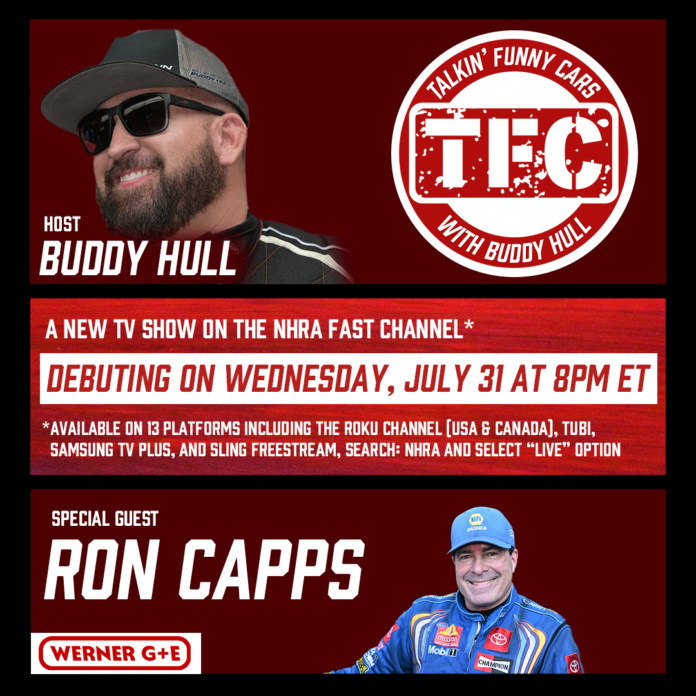
TALKIN’ FUNNY CARS WITH BUDDY HULL SET TO DEBUT ON NHRA FAST CHANNEL JULY 31

DALLAS (July 29, 2024) — Talkin’ Funny Cars with Buddy Hull, the first television offering produced by Werner G+E LLC, will debut on the NHRA FAST Channel Wednesday, July 31, at 8 p.m. EST and 8 p.m. PST The interview-style program, hosted by NHRA professional Funny Car driver Buddy Hull will be the latest original series added to the NHRA’s 24/7 digital channel which is available on 13 platforms including the Roku Channel (USA & Canada), Tubi, Samsung TV Plus, Sling Freestream, and others. Interested viewers can search NHRA and select the LIVE option on any of these platforms.

“I am excited to share Talkin’ Funny Cars with the NHRA audience as well as motorsports fans who might not know that much about our sport,” said Hull, who is entering his fourth year as a professional driver. “I am new to the Funny Car class this year, but I started racing in Fuel Altereds and Funny Cars have always held a special place in my heart. I want this show to highlight the personalities of Funny Car drivers throughout the years as well as shed some light on new stories and insights from some of the coolest drivers on the planet.”

The first episode will feature a wide-ranging interview with Ron Capps, three-time Funny Car world champion. Capps and Hull talk about their shared passion for the class while Capps tells stories of growing up with a drag racing mom who impressed fans and fellow racers with her skills behind the wheel in Southern California. The conversation also touches on the rise of Capps’ driving career and how impactful a fateful phone call was to launch his career as a Funny Car team owner.

“I am a huge fan of the FAST Channel first of all. Anytime we have company over we have it running all the time,” said Ron Capps, three-time Funny Car champion. “Getting to know Buddy over the first half of the season has been wonderful. He is a great guy, and he fits right in with all of us Funny Car drivers. When I heard the concept of the show, I thought this has been a long time coming for something this cool. To be invited to sit down with another Funny Car driver like Buddy and talk about where we came from and what turns us on about Funny Cars, I think the fans are really, really going to love this show. I can’t wait to watch more episodes down the road.”

Future episodes will include up and coming Funny Car drivers as well as established winners and Hall of Fame legends. Each episode will be a free-for-all of conversation with the one constant being the Funny Car Fast Five segment, a rapid-fire Q&A getting thoughts and opinions from each guest in quick succession.

Talkin’ Funny Cars with Buddy Hull is the brainchild of Werner G+E LLC president Elon Werner, who also owns a successful sports public relations company, Werner Communications, and is the creator of Drag Race Bracket Bonanza. Future shows are in the works all focused on bringing original and dynamic content to the NHRA FAST Channel. The opportunity to produce television shows featuring drivers, crew chiefs and NHRA personalities has intrigued Werner since the opportunity was first presented earlier this season.

“The NHRA is a rich landscape of interesting personalities and stories,” said Werner. “When the opportunity to create an original series was presented earlier this year, the creative wheels in my head just started spinning. I think there are endless storylines available for original content whether it is 30-minute personality driven shows or longer form documentaries and even scripted series. Our goal at Werner G+E will be to develop these shows and bring them to life.”

Following the original broadcast of each episode of Talkin’ Funny Cars with Buddy Hull, the show will go into programming rotation on the NHRA FAST Channel. The goal is to air future new episodes each Wednesday at 8 p.m. EST and 8 p.m. PST prior to NHRA national events for the rest of the 2024 season.


About Werner Games + Entertainment

Werner Games + Entertainment is a turnkey production company operating in the drag racing space. Founded in 2024, Werner G+E is responsible for the development of Drag Race Bracket Bonanza, the first dynamic bracket competition for drag racing fans. It’s first TV show, Talkin’ Funny Cars with Buddy Hull premiered on the NHRA’s streaming channel in July 2024. Werner G+E strives to create content to better engage current drag racing fans and create new ones while also raising the profiles of current and former NHRA drivers, crew chiefs and NHRA personalities. Content plans include additional reality and interview series on NHRA’s 24/7 digital channel, YouTube content, podcasts, books and a scripted TV series.

About NHRA

NHRA is the primary sanctioning body for the sport of drag racing in the United States. NHRA presents 20 national events featuring the NHRA Mission Foods Drag Racing Series and NHRA Lucas Oil Drag Racing Series, as well as the Congruity NHRA Pro Mod Drag Racing Series presented by LearnEV+, NHRA Flexjet Factory Stock Showdown™, NHRA Holley EFI Factory X and Johnson’s Horsepowered Garage NHRA Mountain Motor Pro Stock at select national events. NHRA provides competition opportunities for drivers of all levels in the NHRA Summit Racing Series and NHRA Street Legal™. NHRA also offers the NHRA Jr. Street® program for teens and the Summit Racing Jr. Drag Racing League® for youth ages 5 to 17. With 110 Member Tracks, NHRA allows racers to compete at a variety of locations nationally and internationally. NHRA’s Youth and Education Services® (YES) Program reaches over 30,000 students annually to ignite their interest in automotive and racing related careers. NHRA’s streaming service, NHRA.tv®, allows fans to view all NHRA national events as well as exclusive features of the sport. In addition, NHRA owns and operates three racing facilities: Gainesville Raceway in Florida; Lucas Oil Indianapolis Raceway Park; and In-N-Out Burger Pomona Dragstrip in Southern California. For more information, log on to www.NHRA.com, or visit the official NHRA pages on Facebook, Instagram, Twitter, and YouTube.

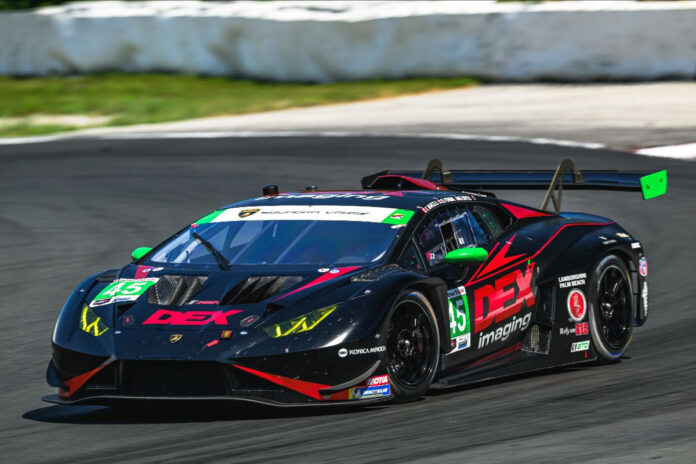
No. 45 DEX Imaging Lamborghini Huracán GT3 EVO2 Team Continue Summer Sprint Stretch at Road America

ELKHART LAKE, Wisconsin (July 29, 2024) – The Wayne Taylor Racing with Andretti (WTRAndretti) No. 45 DEX Imaging Lamborghini Huracán GT3 EVO2 team will continue the northern leg of the IMSA WeatherTech Sportscar Championship (IWSC) season at Road America for the fourth sprint race of the 2024 season. The No. 45 team has secured a top six finish in each of the sprint races leading up to Road America and will look to continue this momentum at the iconic venue.

For Road America, Danny Formal will be joined by Sandy Mitchell as a substitute for full-season co-driver, Kyle Marcelli. Marcelli will miss the IMSA WeatherTech SportsCar Championship event at Road America due a minor arm injury.

Formal has seen plenty of success at Road America in his Lamborghini Super Trofeo career, but this weekend will mark his first start in the IMSA SportsCar Weekend sprint race. Formal has tallied three Lamborghini Super Trofeo victories at the 4.048-mile road course.

Road America will mark the return for Mitchell to the IMSA WeatherTech SportsCar Championship paddock after recently competing at the Rolex 24 At Daytona and marks his return to the WTRAndretti team where, together, they won the Lamborghini Super Trofeo Championship in 2019. Mitchell, like his co-driver Formal, has experienced success at Road America in Lamborghini Super Trofeo, winning both events at Road America in 2019.
“Obviously, this weekend will be a little different without Kyle Marcelli in the GTD car,” said Wayne Taylor, Team Principal, WTRAndretti. “We look at every aspect of the GTD program and this was a case of putting Sandy in the car and see how we run while Kyle recovers. The Lamborghini has shown speed at previous events, and I have good feelings about this weekend and what our team can achieve.”

The No. 45 DEX Imaging Lamborghini Huracán GT3 EVO2 team will begin preparations on Friday, August 2, at 2:55 p.m. ET with practice. Qualifying is set for Saturday, August 3, at 5:20 p.m. ET. The IMSA SportsCar Weekend at Road America will go green at 3:05 p.m. ET on Sunday, August 4, with the broadcast live on Peacock and IMSA.TV.

No. 45 DEX Imaging Lamborghini Huracán GT3 EVO2 Drivers
Kyle Marcelli: “I’m gutted to be missing Road America. It is a circuit that I love; a town that I love. Unfortunately, this arm injury needs to be dealt with for us to move forward and for me to perform to at the best of my ability in the car. Fortunately, we have a fantastic replacement in Sandy Mitchell. I got a chance to get to know Sandy back in April when he joined us for a test in Monterey. He brings a wealth of knowledge and experience in the car. It will be great for the team to have him step in. I wish the program nothing but the best and a fantastic result at Road America.”

Danny Formal: “My first win ever with a WTRAndretti was at Road America in 2021. I’m super excited to go back there. A big piece of the team isn’t there. My teammate and friend, Kyle Marcelli, is out with an arm injury for this race. I’m super excited to share the car with Sandy Mitchell, factory driver for Lamborghini, and he is a great person, great friend and great driver, and I’m super excited and grateful for this opportunity to represent WTRAndretti in the No. 45 DEX Imaging Lamborghini Huracán GT3 EVO2 and try to get a top five result. It’s a difficult racetrack. We’re super excited to get going and get started and get higher in the championship standings. I think we’re seventh and the highest Lamborghini in the championship, so ready to get going and get the results. The team have been working extremely hard for us so excited and ready is an understatement.”

Sandy Mitchell: “I’m delighted to be back racing with the WTRAndretti team. I have amazing memories from racing with the team in the 2019 Super Trofeo championship and I look forward to working with everyone in the GTD program. I really enjoyed the test at Laguna Seca earlier this year which gave me a good feel for the Lamborghini Huracán GT3 EVO2 and I feel will help going into this weekend. Danny is a super-fast teammate, and we will both be pushing for a top result at Road America. I know the track from my time in Super Trofeo and it’s one I really enjoyed so I’m excited to head back there in GTD.”

ABOUT WTRANDRETTI
Andretti Global and Wayne Taylor Racing announced a new, long-term partnership in 2023 that combines the resources of the two championship-caliber teams to compete in IMSA’s top classes. In 2024, Wayne Taylor Racing with Andretti (WTRAndretti) has expanded to a two-car GTP program as well as competes in the GTD class. Coming off its 2023 championship winning effort, WTRAndretti continues its Driver Development Program competing in the Lamborghini Super Trofeo North America series with a full stable.

WTRAndretti’s global motorsports enterprise boasts two IMSA driver championships (2013 and 2017), and back-to-back IMSA Michelin Endurance Cup Championships (2020, 2021) which contributed to nine IMSA manufacturer championships for Acura, Pontiac, Corvette and Cadillac. In its brief 17-year history, WTRAndretti has accumulated multiple victories in sportscar racing’s most iconic events: Rolex 24 At Daytona, Twelve Hours of Sebring, Petit Le Mans, Mid-Ohio, Road America and the Six Hours of The Glen. With its back-to-back PRO Class Championship wins (2022, 2023), WTR also has ten North America Lamborghini Super Trofeo Championship titles and a Lamborghini World Finals title.

Andretti Global, a Championship-winning motorsports organization, competes in additional racing categories worldwide, including the NTT INDYCAR SERIES, ABB FIA Formula E World Championship, Extreme E, Australian Supercars and the Mexico SuperCopa Championship. Additionally, the racing enterprise commits to driver development through competition in INDY NXT by Firestone and through support of Sebastian and Oliver Wheldon’s racing careers.

WTRAndretti’s long term partnerships include Lamborghini Squadra Corse, DEX Imaging, Harrison Contracting Company and Gainbridge.

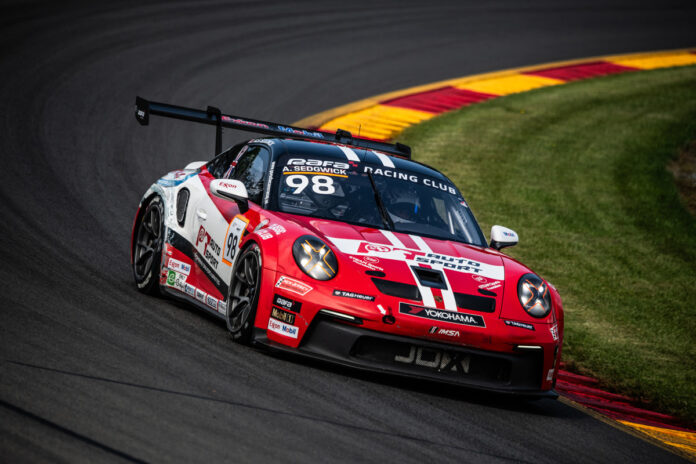
PT Autosport’s Sedgwick ready for one better at Road America

After scoring two front row starts and a second-place finish in 2023, Sedgwick looks for his second Porsche Carrera Cup North America victory this weekend.

MILLVILLE, NJ (July 29, 2024) – PT Autosport with JDX Racing’s Alex Sedgwick earned his first Porsche Carrera Cup North America series victory last month at Watkins Glen. Now he heads back to Road America, where he had his most successful race weekend of the season last year in the No. 98 PT Autosport Porsche 911 GT3 Cup Car.

For the 25-year-old Warwickshire, UK native, currently second in the series point standings, this weekend has been circled on his calendar since the schedule was announced. Last year’s Road America weekend saw PT Autosport score one of its best results to date, with Sedgwick earning two front row starts and a second-place finish in race one – with the weekend marred only by a hip check from the pole sitter coming to the race two green flag that put Sedgwick into the Turn 14 grass and out of contention. Sedgwick would very much like to erase that memory and add to his victory tally – and secure more valuable championship points.

“The Road America weekend was the moment everything started to click last year, when we started consistently running up front,” said Sedgwick. “It really was the turning point of our season. I’m hoping that this time round will be similar, where we can continue to make inroads in the championship points battle.”

Sedgwick considers himself race ready as he heads to Road America, having finished fifth and 14th in two GR Cup races at VIRginia International Raceway last weekend. He and his JDX Racing team also tested at Road America two weeks ago, where they encountered an interesting new development, likely related to last year’s track repaving and the series switch to Yokohama tires this season.

“It was the opposite of what we would have expected – turns out everything we’ve learned this year so far was thrown out the window,” said Sedgwick. “We had to revert back to what we had last year. We think it has to do with the track surface. It has to be driven in a much more specific way, which is the opposite way that we’d found speed at the other races. I’ve spoken to other drivers who have tested there, and they say the same thing, so it’s down to how the surface has worn in. It took us a bit longer to get up to speed as we focused on how to drive the track as much as we worked on setup. We got there in the end, so I’m intrigued to go back and see how much more pace we can unlock. We’re not ready to show our hand quite yet!”

Like most racers, PT Autosport team principal Jason Myers especially looks forward to the Road America weekend.

“I am so energized to be here again,” said Myers. “I love this track, but also, it’s where Alex had his most dominant showing last season. It will be interesting to see how the cars do around here on the new tires, as this track is especially demanding on the rubber. Alex loves these old school, high-speed, high-risk tracks. In fact he thrives at them – evidenced by his amazing performance and win last weekend at Watkins Glen. We’re laser focused on finishing this championship at the top, but the notes and offers for next year in GT3 machinery have already started to roll in. I feel as though we’ve helped Alex really secure a foothold here in North America and I couldn’t be prouder of him.”

PT Autosport would like to thank partners STEAM Sports Foundation, Classic Car Club Manhattan and New Jersey Motorsports Park, as well as JDX Racing partners Byers/Porsche Columbus, and Renier Construction.

The Porsche Carrera Cup North America series will contest two races at Road America as part of the IMSA WeatherTech SportsCar Championship race weekend. Race one takes the green flag Saturday at 12:45 p.m. ET, with race two Sunday at 12:35 p.m. ET. The races will be broadcast live in the U.S., on IMSA.tv, the NBC Peacock streaming app and PorscheCarreraCup.us.

About PT Autosport — Discover Unique Talent. Develop Champions.

PT Autosport, based at New Jersey Motorsports Park in Millville, NJ, campaigns rising star Alex Sedgwick (UK) in the 2024 Porsche Carrera Cup North America series with JDX Racing, 2022 Aspiring Driver Shootout winner Henry Drury (UK) in the Toyota GR Cup North America series with Precision Racing LA, and 2023 Aspiring Driver Shootout winner Brenna Schubert (USA) in select SPEC-MX5 races for the 2024 season.

PT Autosport is dedicated to providing merit-based motorsport industry opportunities for diverse individuals with high integrity, grit, and coach-ability, achieved through a development program for young aspiring drivers, engineers, mechanics, and other professionals. The first step of this process is applying for the annual Aspiring Driver Shootout, in which aspiring drivers aged 18-23 can compete for a team racing partnership with the team.

A rigorous evaluation process of applicants determines the final competitors for the driver shootout. The winner earns financial support of up to $250,000 ($50,000 guaranteed) to pursue their racing career. The review process also provides the team the chance to identify unique talent for other roles in motorsport, including race engineers, mechanics, and professionals.

PT Autosport is building a community that fosters the development of young talent to find a place where they can make an impact in the motorsport community as a career.

PT Autosport social media

Instagram: @pt_autosport
TikTok: @ptautosport
Twitter: @PtAutosport
Facebook: PT Autosport
YouTube: PT Autosport

5 Self-driving car technology

Photo by Timo Wielink on Unsplash

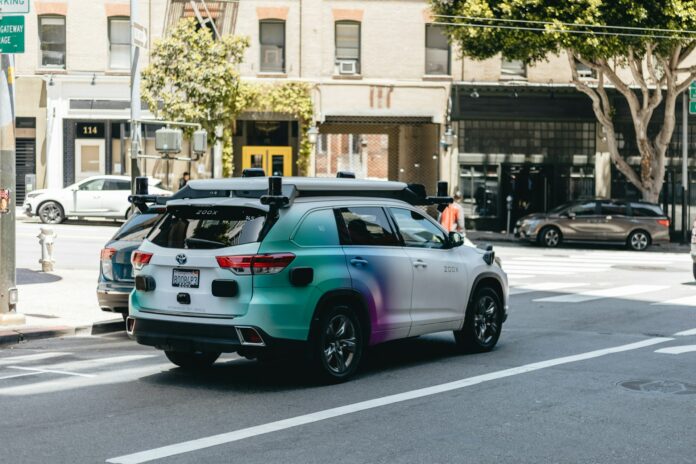
The concept of self-driving cars has transitioned from the realm of science fiction to a burgeoning reality, driven by rapid advancements in technology and increased investment from both established automotive manufacturers and technology companies. At the heart of this revolution are several key technologies that collectively enable vehicles to navigate and operate autonomously. If you’re interested in exploring the latest models and advancements in autonomous vehicle technology, visiting a car dealership in Mt. Juliet, Tennessee can provide you with firsthand insights and options available in the market today. 

These technologies work in tandem to ensure that self-driving cars can perceive their environment, make informed decisions, and safely transport passengers from one location to another. This exploration delves into five pivotal technologies underpinning self-driving cars, shedding light on their functions and significance in the development of autonomous vehicles.

Sensor Fusion and Perception Systems

At the core of self-driving car technology is the ability to perceive and interpret the surrounding environment. This capability is largely dependent on sensor fusion, a process where data from various sensors is combined to create a comprehensive understanding of the vehicle’s surroundings. Self-driving cars are equipped with a range of sensors, including lidar (Light Detection and Ranging), radar (Radio Detection and Ranging), and cameras. 

Lidar provides detailed 3D maps of the environment by measuring distances with laser pulses, while radar offers reliable information on the speed and distance of objects, even in adverse weather conditions. Cameras capture high-resolution images and recognize road signs, traffic signals, and other vehicles. By fusing data from these diverse sensors, self-driving cars can build an accurate, real-time picture of their surroundings, which is crucial for safe navigation and decision-making.

Machine Learning and Artificial Intelligence

Machine learning and artificial intelligence (AI) are fundamental to the operation of autonomous vehicles, enabling them to process and analyze vast amounts of data. AI algorithms are employed to interpret the sensory information collected by the vehicle, allowing it to identify and respond to various objects and scenarios. For instance, machine learning models can be trained to recognize pedestrians, cyclists, and other vehicles by analyzing patterns in the data. 

These algorithms improve over time through exposure to new data and driving scenarios, enhancing the vehicle’s ability to make safe and accurate driving decisions. The continuous learning process helps self-driving cars adapt to different driving environments and unexpected situations, ultimately contributing to more reliable and efficient autonomous driving.

Path Planning and Decision-Making Algorithms

Path planning and decision-making are critical aspects of self-driving technology, involving the algorithms that determine how the vehicle should navigate from its current location to its destination. Path planning algorithms analyze the vehicle’s environment, considering factors such as road conditions, traffic rules, and potential obstacles, to generate a safe and efficient route. 

Decision-making algorithms then use this information to execute driving maneuvers, such as lane changes, turns, and stops. These algorithms must account for dynamic elements, such as the behavior of other drivers and pedestrians, making real-time adjustments as necessary. The ability to integrate path planning with decision-making ensures that self-driving cars can operate smoothly and safely in a variety of driving scenarios.

Vehicle-to-Everything (V2X) Communication

Vehicle-to-Everything (V2X) communication is an emerging technology that enhances the capabilities of self-driving cars by enabling them to communicate with other vehicles, infrastructure, and even pedestrians. V2X encompasses several communication types, including Vehicle-to-Vehicle (V2V), Vehicle-to-Infrastructure (V2I), and Vehicle-to-Pedestrian (V2P). 

Through V2X communication, self-driving cars can exchange information about their speed, location, and intended actions with nearby vehicles, reducing the risk of collisions and improving traffic flow. Additionally, V2I communication allows vehicles to interact with traffic signals and road signs, while V2P communication provides alerts to pedestrians. This interconnected ecosystem helps create a safer and more efficient driving environment by facilitating real-time information exchange and coordination.

Redundancy and Safety Systems

Ensuring the safety and reliability of self-driving cars is paramount, and redundancy plays a crucial role in achieving these goals. Redundancy refers to the incorporation of multiple layers of backup systems to maintain functionality in the event of a failure. In autonomous vehicles, this means having duplicate systems for critical components such as sensors, processing units, and control mechanisms. 

For example, a self-driving car might be equipped with multiple lidar sensors and redundant processing units to ensure that if one component fails, others can take over seamlessly. Additionally, safety systems are designed to handle unexpected situations, such as sudden obstacles or system malfunctions, by implementing fail-safes and emergency protocols. The use of redundancy and robust safety systems helps build trust in autonomous technology by ensuring that self-driving cars can operate safely and reliably under various conditions.

Conclusion

The journey towards fully autonomous vehicles is driven by a complex interplay of advanced technologies that collectively enable self-driving cars to navigate the world with increasing sophistication. From sensor fusion and AI-driven perception systems to path planning algorithms and V2X communication, each technology plays a vital role in ensuring the safety, efficiency, and reliability of autonomous driving. 

As these technologies continue to evolve and mature, they pave the way for a future where self-driving cars could revolutionize transportation, offering increased convenience and safety for all road users. Understanding these foundational technologies not only highlights the remarkable progress made in the field but also underscores the ongoing efforts to overcome the challenges and limitations that remain on the road to the widespread adoption of autonomous vehicles.

LINCOLN Cars: A Symbol of Prestige and Excellence in the Automotive Industry

Photo by Brad Starkey on Unsplash

LINCOLN, a brand synonymous with luxury, elegance, and automotive excellence, has a rich history that dates back to its founding in 1917 by Henry Leland. Over the years, LINCOLN has established itself as a symbol of prestige in the automotive industry, producing vehicles that epitomize sophistication and innovation. From the early days of the LINCOLN Motor Company to its current status as a premier luxury brand under the Ford Motor Company umbrella, LINCOLN has consistently set high standards in design, performance, and technology. For those who wish to experience LINCOLN’s unparalleled luxury and innovation, a visit to a car dealership in Savannah, Georgia offers the perfect opportunity to explore their exquisite range of vehicles.

The Evolution of LINCOLN’s Design Philosophy

LINCOLN’s design philosophy has evolved significantly over the decades, reflecting changing tastes and advancements in automotive engineering. Early LINCOLN models were known for their classic elegance and imposing presence, with intricate detailing and handcrafted interiors. As time progressed, LINCOLN embraced a more modern and streamlined aesthetic, incorporating sleek lines and aerodynamic shapes. Today, LINCOLN’s design language blends timeless elegance with contemporary sophistication, resulting in vehicles that are both visually stunning and functionally efficient. The brand’s signature grille, refined contours, and attention to detail create a distinctive look that sets LINCOLN apart from other luxury car manufacturers.

Unparalleled Luxury and Comfort

LINCOLN vehicles are renowned for their luxurious interiors, which offer unparalleled comfort and refinement. Every aspect of the cabin is designed to provide a first-class experience, from the premium materials and meticulous craftsmanship to the advanced technology and innovative features. LINCOLN’s Perfect Position seats, for example, offer customizable settings with massage functions, heating, and cooling, ensuring that drivers and passengers enjoy the utmost comfort on every journey. The use of high-quality leather, real wood trim, and ambient lighting further enhances the sense of luxury, creating an inviting and serene atmosphere inside the vehicle.

Advanced Technology and Innovation

In addition to their luxurious interiors, LINCOLN vehicles are equipped with cutting-edge technology that enhances the driving experience and provides unmatched convenience and safety. The brand’s SYNC infotainment system offers seamless integration with smartphones, enabling drivers to access navigation, entertainment, and communication features with ease. LINCOLN’s suite of driver-assist technologies, known as Lincoln Co-Pilot360, includes features such as adaptive cruise control, lane-keeping assist, automatic emergency braking, and a 360-degree camera system. These advanced systems work together to provide a safer and more enjoyable driving experience, demonstrating LINCOLN’s commitment to innovation and excellence.

Performance and Power: The LINCOLN Driving Experience

LINCOLN vehicles are designed to deliver a smooth and powerful driving experience, combining performance and luxury in perfect harmony. The brand’s engines are engineered to provide robust power and impressive fuel efficiency, ensuring that drivers can enjoy both spirited driving and long-distance cruising. LINCOLN’s adaptive suspension system, available on many models, adjusts the vehicle’s ride and handling characteristics in real-time, providing a comfortable and controlled driving experience regardless of road conditions. Additionally, the quietness of the cabin, achieved through advanced sound insulation and active noise cancellation, allows occupants to enjoy a serene and relaxing ride.

The LINCOLN Navigator: A Flagship of Luxury

The LINCOLN Navigator is the brand’s flagship SUV, epitomizing the pinnacle of luxury and sophistication. This full-size SUV offers a commanding presence on the road, with a bold design that exudes confidence and elegance. Inside, the Navigator provides a spacious and opulent cabin, featuring premium materials, state-of-the-art technology, and thoughtful amenities. The Navigator’s powerful engine and advanced suspension system deliver a smooth and responsive driving experience, while its extensive suite of safety and driver-assist features ensures peace of mind for all occupants. The LINCOLN Navigator is the ultimate expression of the brand’s commitment to luxury and excellence.

The LINCOLN Aviator: Mid-Size Luxury and Versatility

The LINCOLN Aviator is a mid-size luxury SUV that combines the brand’s signature elegance with versatile performance and advanced technology. The Aviator’s design is characterized by its sleek lines and sophisticated details, creating a harmonious balance between form and function. Inside, the Aviator offers a luxurious and spacious cabin, equipped with the latest infotainment and connectivity features. The vehicle’s performance is powered by a choice of robust engines, including a plug-in hybrid option that provides impressive power and efficiency. The Aviator’s advanced safety systems and driver-assist technologies further enhance its appeal, making it a standout choice in the mid-size luxury SUV segment.

The LINCOLN Corsair: Compact Luxury and Performance

The LINCOLN Corsair is a compact luxury SUV that delivers the brand’s signature luxury and performance in a more agile and compact package. The Corsair’s design reflects LINCOLN’s commitment to craftsmanship and attention to detail, with a stylish exterior and a refined interior. The cabin offers a comfortable and connected experience, featuring advanced infotainment and driver-assist technologies. The Corsair’s performance is powered by efficient and responsive engines, providing a dynamic driving experience. The vehicle’s compact size and nimble handling make it an ideal choice for urban driving, while its luxurious features ensure a premium experience on every journey.

The LINCOLN Continental: A Legacy of Luxury Sedans

The LINCOLN Continental has long been a symbol of luxury and elegance in the automotive industry. This iconic sedan combines classic design elements with modern technology and performance, creating a vehicle that is both timeless and contemporary. The Continental’s exterior design is characterized by its stately proportions and distinctive grille, while the interior offers a spacious and luxurious environment. Advanced technology and driver-assist features enhance the driving experience, providing both convenience and safety. The LINCOLN Continental continues to uphold the brand’s legacy of luxury sedans, offering a sophisticated and refined choice for discerning drivers.

The LINCOLN MKZ: Merging Luxury with Innovation

The LINCOLN MKZ is a luxury sedan that embodies the brand’s commitment to innovation and excellence. Its sleek and aerodynamic design reflects LINCOLN’s modern design language, while its interior offers a blend of luxury and advanced technology. The MKZ is equipped with a range of powerful and efficient engines, providing a dynamic driving experience. LINCOLN’s advanced safety and driver-assist features ensure that the MKZ offers both performance and peace of mind. The vehicle’s infotainment system and connectivity options enhance convenience and entertainment, making the LINCOLN MKZ a well-rounded and appealing choice in the luxury sedan segment.

The Future of LINCOLN: Electrification and Innovation

As the automotive industry moves towards electrification, LINCOLN is committed to embracing this shift and leading the way in luxury electric vehicles. The brand has announced plans to introduce a range of electric and hybrid models, combining LINCOLN’s signature luxury and performance with the benefits of electric powertrains. These future vehicles will feature advanced technology, innovative design, and sustainable materials, reflecting LINCOLN’s dedication to environmental responsibility and forward-thinking innovation. The move towards electrification represents a significant milestone in LINCOLN’s history, ensuring that the brand continues to set high standards in the luxury automotive market.

LINCOLN’s Commitment to Customer Experience

LINCOLN’s commitment to excellence extends beyond its vehicles to the overall customer experience. The brand offers a range of services and programs designed to enhance ownership and provide exceptional customer care. LINCOLN’s Black Label program, for example, offers exclusive benefits such as personalized vehicle customization, premium maintenance services, and access to a dedicated concierge team. Additionally, LINCOLN’s dealerships are designed to provide a welcoming and luxurious environment, ensuring that customers receive the highest level of service and attention. This dedication to customer satisfaction is a key aspect of LINCOLN’s identity and contributes to the brand’s reputation for excellence.

Conclusion: LINCOLN’s Legacy of Prestige and Excellence

LINCOLN cars have long been a symbol of prestige and excellence in the automotive industry. From their elegant and innovative designs to their luxurious interiors and advanced technology, LINCOLN vehicles offer a unique blend of sophistication, performance, and innovation. The brand’s commitment to craftsmanship and attention to detail is evident in every aspect of their vehicles, ensuring that each LINCOLN provides a first-class driving experience. As LINCOLN continues to evolve and embrace new technologies, including electrification and advanced driver-assist features, the brand remains dedicated to setting high standards and delivering vehicles that embody luxury and excellence.

Innovation and Excellence: A Closer Look at Ford’s Wide Range of Vehicles

Photo by Tim Kelly on Unsplash

Ford Motor Company has been a beacon of innovation and excellence in the automotive industry for over a century. Founded by Henry Ford in 1903, the company revolutionized the way automobiles were manufactured with the introduction of the assembly line, making cars more accessible to the general public. This pioneering spirit has continued to guide Ford’s approach to vehicle design and manufacturing, ensuring that each new model embodies the company’s commitment to quality, performance, and technological advancement. For those looking to experience Ford’s exceptional vehicles firsthand, visiting a car dealership in Pooler, Georgia offers an opportunity to explore the latest models and innovations up close.

The Evolution of Ford’s Design Philosophy

From its early days, Ford has prioritized functional and durable vehicle design. However, as consumer preferences have evolved, so has Ford’s design philosophy. Today, Ford vehicles are known for their sleek aesthetics, innovative use of materials, and attention to detail. The company’s designers and engineers work collaboratively to create vehicles that are not only visually appealing but also aerodynamic and efficient. This dedication to design excellence is evident across Ford’s diverse lineup, from compact cars to heavy-duty trucks.

Ford’s Commitment to Sustainability

Sustainability has become a central focus for Ford, reflecting the company’s recognition of the automotive industry’s environmental impact. Ford has invested heavily in developing eco-friendly technologies and practices, from the use of recycled materials in manufacturing to the production of electric and hybrid vehicles. The Ford Mustang Mach-E, an all-electric SUV, exemplifies this commitment. It combines performance and sustainability, offering impressive range and zero-emissions driving. Ford’s sustainable initiatives extend beyond vehicle production to include efforts in reducing the environmental footprint of their manufacturing plants and supply chain.

Cutting-edge technology and Innovation

Ford has consistently been at the forefront of automotive technology. The company’s vehicles are equipped with state-of-the-art features that enhance safety, convenience, and connectivity. Ford’s Co-Pilot360 suite of driver-assist technologies is a prime example, offering features like adaptive cruise control, lane-keeping assist, and automated emergency braking. Additionally, Ford’s SYNC infotainment system provides seamless integration with smartphones, ensuring drivers and passengers stay connected on the go. Innovations like these demonstrate Ford’s dedication to improving the driving experience through technology.

Performance and Power: The Heart of Ford Vehicles

Performance has always been a hallmark of Ford vehicles. From the legendary Ford Mustang to the rugged Ford F-150, Ford vehicles are designed to deliver exceptional power and handling. The Mustang, with its iconic design and powerful engines, has become synonymous with American muscle cars. On the other hand, the F-150, part of the F-Series lineup, has been the best-selling truck in the United States for decades. Its combination of strength, durability, and advanced features makes it a favorite among truck enthusiasts and professionals alike. Ford’s performance vehicles are not just about power; they also incorporate advanced engineering to ensure precision and control.

Ford’s Electric and Hybrid Vehicle Lineup

As the automotive industry shifts towards electrification, Ford has positioned itself as a leader in this transition. The introduction of the Mustang Mach-E marked a significant milestone in Ford’s electric vehicle (EV) strategy. This all-electric SUV offers impressive range, fast charging capabilities, and a high-performance GT variant. In addition to the Mach-E, Ford has expanded its hybrid and plug-in hybrid offerings, providing consumers with more environmentally friendly options. The Ford Escape Hybrid and the Ford Fusion Plug-In Hybrid are examples of how Ford combines fuel efficiency with the practicality and versatility that drivers expect from the brand.

The Versatility of Ford’s SUV Range

Ford’s SUV lineup caters to a wide range of consumer needs, from compact crossovers to full-size SUVs. The Ford Escape, a popular compact SUV, offers a comfortable ride, advanced safety features, and efficient powertrains, making it ideal for urban driving. The Ford Explorer, a midsize SUV, provides ample space for families, with seating for up to seven and a suite of advanced safety and technology features. For those seeking luxury and performance, the Ford Expedition offers a premium experience with a powerful engine and upscale interior. Each SUV in Ford’s lineup is designed to provide a balance of comfort, capability, and innovation.

Ford’s Commitment to Safety

Safety has always been a top priority for Ford, and the company continually strives to enhance the safety features of its vehicles. Ford’s Co-Pilot360 technology suite is a comprehensive collection of advanced safety systems designed to protect drivers, passengers, and pedestrians. Features like automatic emergency braking, blind-spot monitoring, and rear cross-traffic alert help prevent accidents and mitigate the severity of collisions. Additionally, Ford’s vehicles undergo rigorous testing to ensure they meet or exceed safety standards. This commitment to safety is evident in the numerous awards and high safety ratings that Ford vehicles consistently receive.

Ford’s Role in the Commercial Vehicle Market

Ford is a dominant player in the commercial vehicle market, offering a wide range of vans, trucks, and chassis cabs that cater to various business needs. The Ford Transit, available in multiple configurations, is a versatile and reliable workhorse favored by businesses of all sizes. It provides ample cargo space, customizable options, and advanced connectivity features to enhance productivity. The Ford F-Series Super Duty trucks, designed for heavy-duty tasks, deliver exceptional towing and payload capabilities. Ford’s commercial vehicles are engineered to provide durability, efficiency, and the technology needed to support modern businesses.

The Future of Ford: Autonomous Vehicles and Beyond

Looking ahead, Ford is heavily investing in developing autonomous vehicles (AVs) and advanced driver-assistance systems (ADAS). The company is conducting extensive research and testing to ensure that its AVs are safe, reliable, and capable of navigating complex driving environments. Ford’s commitment to innovation is also evident in its exploration of mobility solutions, such as ride-sharing and smart city initiatives. By focusing on the future of transportation, Ford aims to redefine the driving experience and contribute to the development of smarter, more sustainable urban environments.

Conclusion: A Legacy of Excellence and Innovation

Ford’s wide range of vehicles reflects the company’s dedication to innovation, performance, and sustainability. From pioneering the assembly line to leading the charge in electric and autonomous vehicle technology, Ford has consistently pushed the boundaries of what is possible in the automotive industry. The diverse lineup of Ford vehicles ensures that there is a model to suit every need and preference, whether it’s a fuel-efficient compact car, a powerful performance vehicle, or a versatile SUV. As Ford continues to innovate and evolve, its legacy of excellence remains firmly intact, promising an exciting future for the brand and its customers.

Name Some Best Cars For City Driving

Photo by Václav Pechar on Unsplash

City driving presents unique challenges that differ from those encountered on highways or rural roads. The demands of navigating congested streets, dealing with tight parking spaces, and maneuvering through frequent stop-and-go traffic necessitate vehicles that offer agility, efficiency, and convenience. 

For those looking to find the perfect vehicle to meet these urban driving needs, visiting a car dealership in Fergus, ON can provide a wide selection of cars designed for city environments. Whether you’re seeking a compact car for easier parking or a hybrid for fuel efficiency, a car dealership can help you find the ideal vehicle for your city driving requirements.

For urban drivers, selecting a car that excels in these areas can greatly enhance the overall driving experience. In this discussion, we explore some of the best cars designed for city driving, focusing on the key attributes that make them particularly well-suited for urban environments.

Compact and Maneuverable Vehicles

When it comes to city driving, compact and maneuverable vehicles are highly advantageous. These cars are designed to fit into tight parking spaces and navigate narrow streets with ease. Their smaller size allows for greater agility and easier handling in dense traffic. For instance, vehicles like the Mini Cooper are celebrated for their nimble performance and ability to squeeze into tight parking spots. 

Similarly, the Honda Fit is known for its versatile interior and compact dimensions, making it ideal for urban environments where space is at a premium. These vehicles offer a blend of practicality and efficiency, making them well-suited for city dwellers who frequently face crowded conditions.

Fuel Efficiency and Eco-Friendly Options

In urban settings, fuel efficiency is a crucial consideration due to the frequent stop-and-go nature of city driving. Cars that excel in fuel economy help reduce overall running costs and minimize the environmental impact. The Toyota Prius, for example, is renowned for its exceptional fuel efficiency and hybrid powertrain, which is particularly beneficial for city driving where its regenerative braking system can optimize energy use. 

Another noteworthy option is the Hyundai Ioniq, which offers a range of eco-friendly powertrains, including hybrid, plug-in hybrid, and electric variants. These vehicles not only help drivers save on fuel costs but also contribute to a greener urban environment, aligning with the increasing emphasis on sustainability in city living.

Advanced Parking Assistance Features

Parking can be one of the most challenging aspects of city driving, and vehicles equipped with advanced parking assistance features can greatly simplify this task. Technologies such as rearview cameras, parking sensors, and automated parking systems enhance a driver’s ability to park safely and efficiently. For example, the BMW 3 Series offers a suite of parking assistance technologies, including a surround-view camera system that provides a comprehensive view of the parking area, making it easier to navigate tight spots. Similarly, the Ford Fiesta comes with features like active parking assist, which can automatically steer the vehicle into parallel parking spaces. These technologies reduce the stress associated with parking and contribute to a smoother driving experience in urban environments.

Comfort and Convenience Features

City driving often involves frequent short trips and quick errands, making comfort and convenience features particularly valuable. Vehicles that offer a comfortable ride and user-friendly amenities enhance the driving experience and make daily commutes more enjoyable. The Volkswagen Golf, for instance, is praised for its well-designed interior, supportive seats, and intuitive infotainment system. 

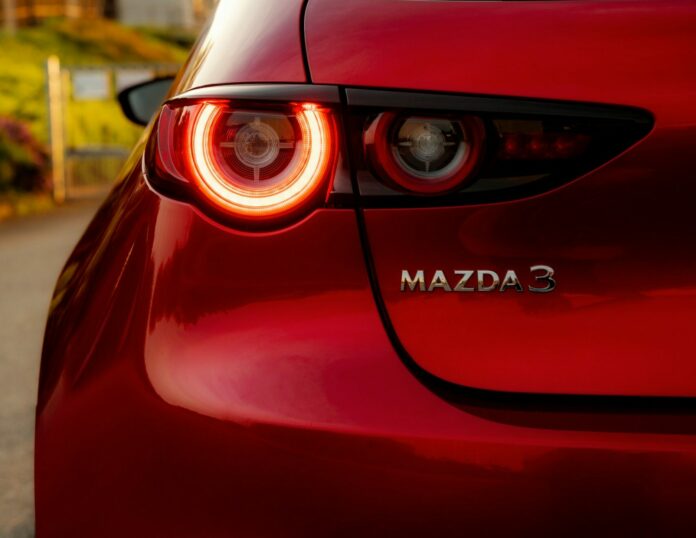
It provides a comfortable cabin environment and practical features like a large cargo area for carrying groceries or other items. Similarly, the Mazda3 combines a stylish design with a comfortable and well-appointed interior, offering features such as a heads-up display and adaptive cruise control. These elements contribute to a pleasant driving experience, making city life more manageable and enjoyable.

Safety and Driver Assistance Technologies

Safety is a paramount concern in city driving due to the high volume of pedestrians, cyclists, and other vehicles. Cars equipped with advanced safety and driver assistance technologies help mitigate risks and enhance overall safety. The Subaru Crosstrek, for example, comes with Subaru’s EyeSight Driver Assist Technology, which includes adaptive cruise control, lane departure warning, and pre-collision braking. 

These features provide added protection and assist drivers in avoiding potential hazards. The Mercedes-Benz A-Class also offers a range of driver assistance systems, such as automatic emergency braking and blind-spot monitoring, which are particularly useful in urban environments where traffic situations can change rapidly. These safety technologies help drivers navigate city streets with greater confidence and peace of mind.

Conclusion

Selecting a car suited for city driving involves considering factors such as maneuverability, fuel efficiency, parking assistance, comfort, and safety. Vehicles that excel in these areas provide significant advantages for urban drivers, offering a smoother, more efficient, and enjoyable driving experience. 

Whether it’s a compact car that easily navigates tight spaces, an eco-friendly option that reduces fuel costs and emissions, or a vehicle equipped with advanced parking and safety features, the right choice can make a substantial difference in managing the challenges of city driving. As urban environments continue to evolve, the demand for vehicles that cater specifically to city life will remain a key consideration for drivers seeking the perfect blend of functionality and convenience.

Which Cars Offer the Most Unique Safety Features?

Photo by Vlad Grebenyev on Unsplash

As automotive technology advances, safety features in vehicles have evolved significantly. Manufacturers are increasingly focusing on integrating innovative safety systems to protect drivers, passengers, and pedestrians. The quest for the safest car is no longer limited to standard features like airbags and anti-lock brakes; it now includes a range of unique and advanced technologies designed to prevent accidents and mitigate the impact of collisions. To explore the latest safety features and find the perfect vehicle for you, visit a car dealership in Dalhart, Texas, where you can see these innovations in action.

In this exploration, we delve into some of the most distinctive safety features offered by various vehicles, highlighting how these innovations contribute to a safer driving experience.

Advanced Driver Assistance Systems

Modern cars are equipped with a suite of Advanced Driver Assistance Systems (ADAS) that offer a range of unique safety features. These systems use a combination of sensors, cameras, and radar to monitor the vehicle’s surroundings and assist drivers in making safer decisions.

For instance, the Mercedes-Benz S-Class boasts an innovative system known as the Pre-Safe Impulse Side, which detects an imminent side collision and inflates side cushions in the seats to reduce the risk of injury. Similarly, Tesla’s Autopilot includes features like Automatic Lane Changing and Traffic-aware Cruise Control, which help drivers navigate highways with greater ease and safety.

Unique Collision Avoidance Technologies

Collision avoidance technologies are a significant focus of car manufacturers aiming to reduce the likelihood of accidents. One standout feature in this category is Volvo’s Pilot Assist system, which not only provides adaptive cruise control but also assists with steering to keep the vehicle centered in its lane. 

Another notable example is Subaru’s EyeSight Driver Assist Technology, which utilizes dual color cameras to monitor traffic movement, detect potential hazards and automatically apply brakes if a collision is imminent. These systems are designed to provide an extra layer of protection by intervening before a potential accident occurs.

Cutting-Edge Night Vision and Illumination

Driving at night presents unique challenges, and some vehicles are equipped with advanced night vision and illumination systems to enhance safety during low-light conditions. The BMW 7 Series, for example, features an advanced Night Vision system that uses thermal imaging to detect pedestrians and animals on the road, alerting the driver to potential hazards before they are visible with conventional headlights. 

Additionally, Audi’s Matrix LED headlights offer adaptive lighting that adjusts the intensity and distribution of the light beam based on the driving conditions, ensuring optimal visibility without blinding other drivers.

Innovative Driver Monitoring Systems

Driver monitoring systems are becoming increasingly prevalent as manufacturers seek to address driver fatigue and distraction. The Mercedes-Benz E-Class, for instance, incorporates an Attention Assist system that monitors driving behavior and provides alerts when it detects signs of drowsiness or inattention. Similarly, the Cadillac CT6 features a Driver Awareness Package that includes a camera-based system to monitor the driver’s eye movements and detect signs of distraction, offering timely alerts to keep the driver focused on the road.

Enhanced Parking Assistance Features

Parking assistance features have come a long way from basic rearview cameras. Some vehicles now offer highly sophisticated systems that make parking easier and safer. The Ford F-150, for example, includes an advanced Pro Trailer Backup Assist system that simplifies the process of reversing with a trailer. 

By using a knob to control the trailer’s direction, this system provides a more intuitive way for drivers to maneuver in tight spaces. Another innovation is the Nissan Rogue’s Around View Monitor, which provides a 360-degree view of the vehicle’s surroundings using multiple cameras, making parallel parking and navigating tight spots much more manageable.

Cutting-Edge Airbag Technologies

Airbag systems have also seen remarkable advancements. The Hyundai Genesis G80, for example, features a world-first rear center airbag that deploys between the front seats to protect rear passengers in a side collision. 

This innovation aims to reduce the risk of injury in side-impact crashes by providing additional cushioning. Similarly, the Toyota Camry offers a unique airbag system that includes rear-seat side airbags designed to protect passengers from side impacts, further enhancing the vehicle’s safety profile.

Conclusion

The integration of unique safety features into modern vehicles represents a significant leap forward in automotive technology. These innovations, from advanced driver assistance systems and collision avoidance technologies to cutting-edge night vision and driver monitoring systems, enhance vehicle safety and contribute to a more secure driving experience. 

As manufacturers continue to push the boundaries of automotive technology, drivers can look forward to even more sophisticated safety features that will further reduce the risk of accidents and improve overall road safety. In this rapidly evolving landscape, staying informed about these advancements is crucial for making informed decisions when choosing a vehicle that prioritizes safety.