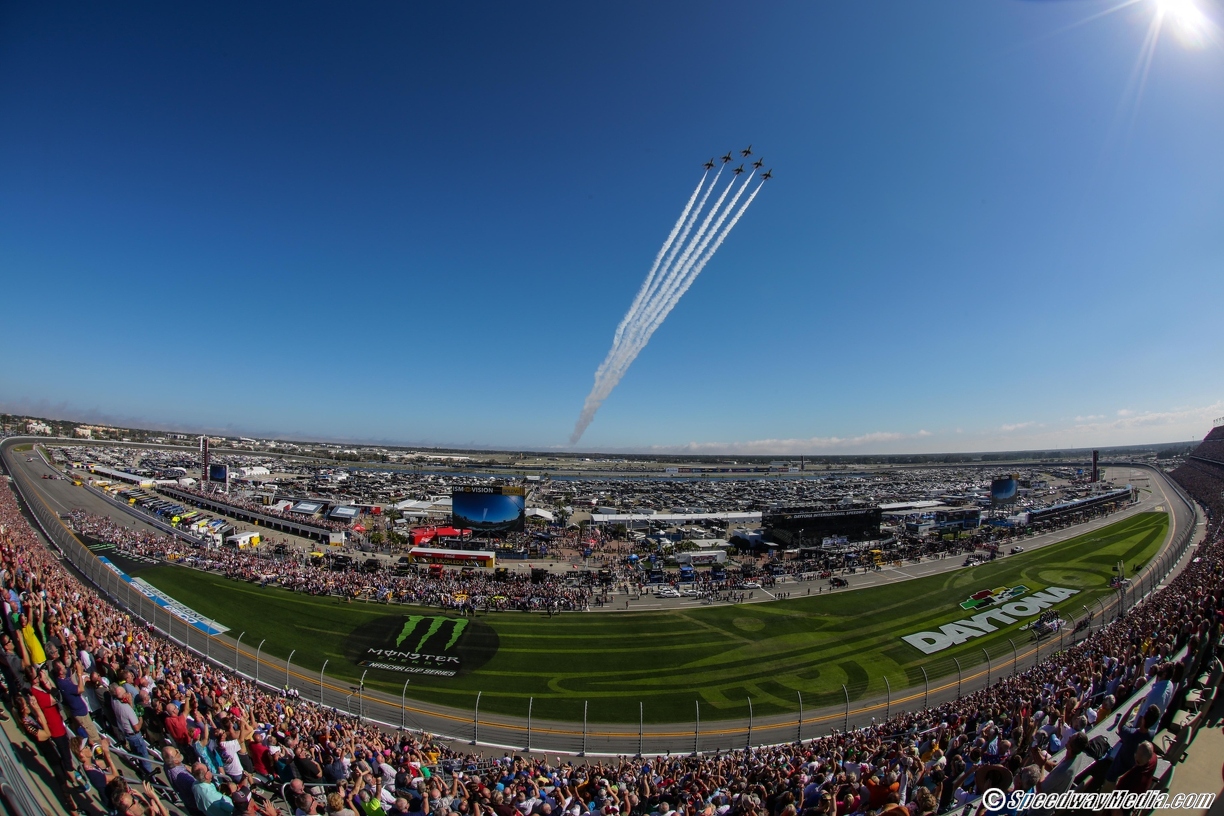
The 60th edition of the Great American Race was run Sunday under sunny skies in Daytona Beach, Florida. From the start, shortly after 3:00 p.m., it was nearly four hours of chaos. At the end, there were only a few competitive cars left to race.
At Lap 61, nine cars were eliminated or damages. This included stars like Erik Jones, Jimmie Johnson, and Kyle Larson. At Lap 103, Chase Elliott, Danica Patrick, Kevin Harvick, Brad Keselowski, and Kasey Kahne were eliminated. It wasn’t over. At Lap 200, Kurt Busch, Martin Truex, Jr., Ricky Stenhouse, Jr., William Byron, Ryan Newman, and Kyle Larson were eliminated or damaged. Then came the “overtime,” and that cost Aric Almirola, who was leading at the time, elimination. That’s a total of nearly half the field.
Why, you may ask. The answer is restrictor plate (or tapered spacer) racing. It involves cars racing at fast speeds, so close together that there is no room for error. Then include the fashionable practice of blocking. It’s Daytona Roulette. The result is only a few cars lucky enough to have avoided all the earlier carnage can be around at the end. Unfortunately, on this day even the lessening of contenders did not stop the blocking, and a crash ended the race. You may have read my earlier comment on the so-called plate racing from about five years ago. This guy doesn’t like it. Many people do. Some like the fact that almost anyone can win and others like the crashes. With 80 percent of the field either having damage or eliminated from competition, it becomes little more than a demolition derby or as I called it, a train wreck, not racing.
One proponent of this “racing” told me today that we run nearly 200 mph at several tracks, why is this a problem at Daytona, he asked. High banks and aggressive drivers is the answer. Those tracks don’t have the banking or the aggressive behavior that is required at Daytona because in order to keep up, you have to block, and when you get a push from behind, you are helpless to slow down.
What’s the answer? I won’t pretend to even think I know. I do take one tidbit from the past. Back in the dark ages before Bobby Allison tore out the catchfence at Talladega when everyone was running seven-liter engines, NASCAR decided to inch away from the big blocks for a more reasonable cost. The late Bud Moore was the first to try it and his No. 15 Fords had a hard time keeping up until everyone changed. Speeds at Daytona were about 176 mph and the racing was great. Now they use these smaller blocks and go even faster with a restrictor plate. Much like the gun debate in society, no one has an answer and no one is even trying to do anything to change it. So, we’re stuck with crash fests. Sad.
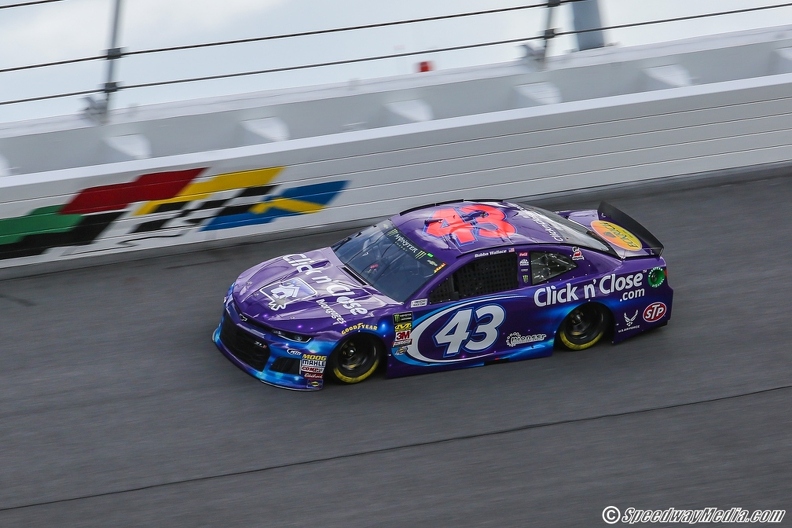
The lesson from all of this is never take anything from plate races that would mean there is a pattern to competitiveness that would ring true for the rest of the season (except for the three remaining plate races). Chevrolet won the 500, but only led 19 laps on the day. Ford drivers led 150 laps and Toyota drivers led 38. Chevrolet, which brought the new Camaro ZL1 to Daytona, led only 19 laps all day. When we get to Atlanta, we’ll have a better idea of the season ahead. No, we won’t anoint Bubba Wallace the most popular driver yet (though he’s got a head start on that), or declare the young kids as not as advertised. It’s back to reality next week and real racing.