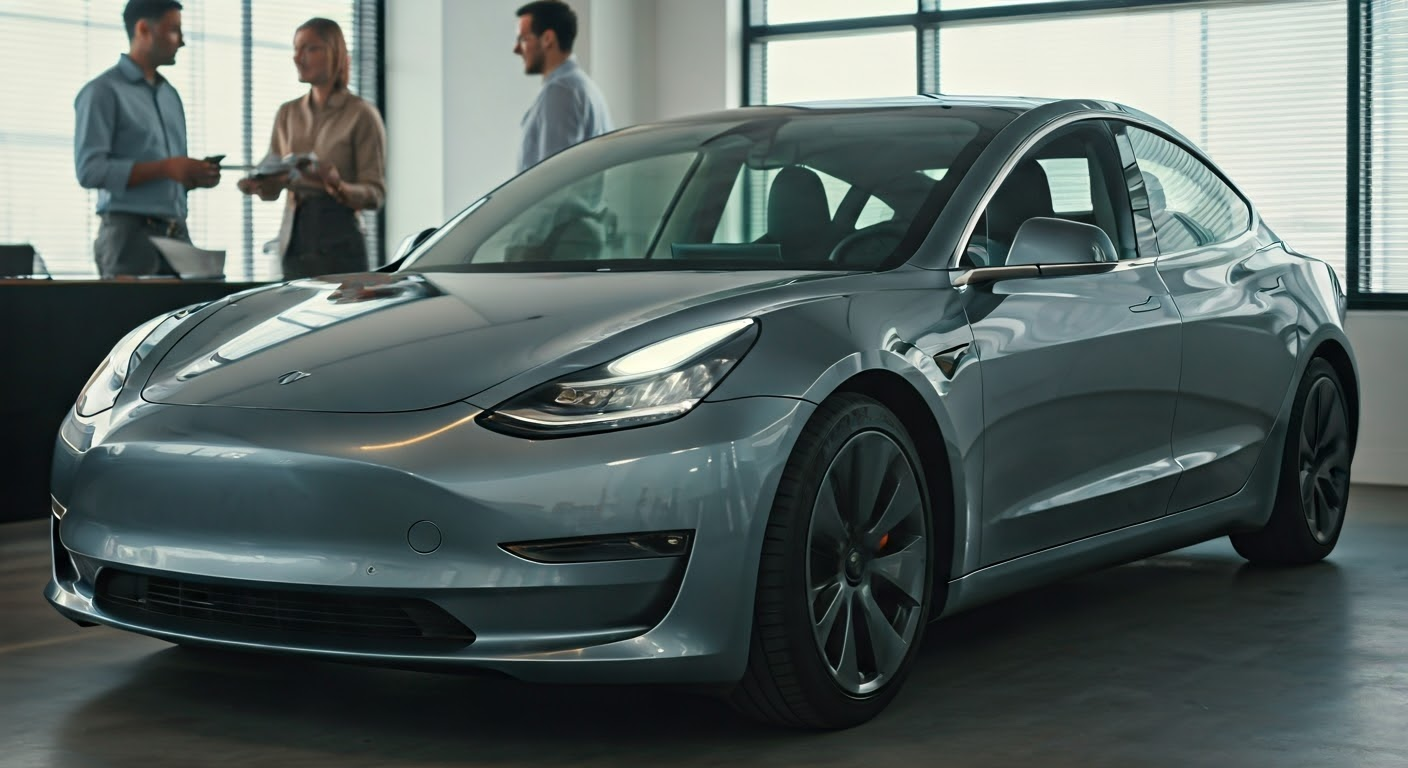
Electric vehicles (EVs) are becoming a common sight on UK roads, with more than 1.2 million registered EVs in the country—up from just 98,000 in 2019 (The Times). But while EVs are praised for their efficiency and sustainability, charging issues remain a major frustration for many drivers.
If you’ve ever pulled up to a charging station only to find that your EV refuses to charge, you’re not alone. Whether it’s a home charger failing to power up, a public charger that keeps disconnecting, or AC CHARGING running at a snail’s pace, these problems are more common than you might think.
Before you call an electrician or assume your charger is broken, it’s worth checking a few key things. In most cases, the fix is simple—something you can sort out yourself. Here’s what you need to know.
1. Check the Basics: Power, Connections & Cables
It sounds obvious, but the simplest problems are often the ones people overlook. If your EV isn’t charging, start by making sure the basics are all in order:
Is the charger plugged in securely? Sometimes, the cable isn’t fully inserted, or the connection is loose. Make sure everything is properly connected before trying anything else.
Has a fuse tripped? If you’re using a home charger, check your fuse box. EV chargers pull a lot of power, and if your circuit breaker trips, the charger won’t work until you reset it.
Are the cables and ports in good condition? Damaged charging cables, dirty connectors, or worn-out plugs can interrupt charging. Look for any visible wear and tear, and if something looks off, try a different cable before assuming the problem is bigger than it is.
A Manchester driver recently had an issue where his charger kept cutting out. He assumed the worst, thinking the entire unit was faulty. Turns out, it was just a frayed charging cable. A quick replacement, and he was back on the road (Cita EV).
2. Software & Compatibility Glitches
Sometimes, the issue isn’t with your charger at all—it’s with the software running your EV or charging unit. Many modern chargers and electric vehicles rely on firmware updates to fix bugs and improve compatibility. If you haven’t updated yours in a while, that could be the reason your car won’t charge properly.
What you can do:
Check for software updates: Log into your EV manufacturer’s app or check your charger’s settings to see if an update is available. Some chargers automatically update, while others need manual intervention.
Try another charging station: If you’re at a public charger and it’s not working, move to another one. Sometimes, certain chargers just don’t play well with specific EV models.
Restart your EV and charger: A simple reset can clear out minor software glitches that cause charging issues. It’s the classic “turn it off and on again” trick, but it works more often than you’d think.
A Birmingham EV owner found that his car was charging painfully slow at home. He updated the charger’s firmware, and suddenly, everything was back to full speed (Cita EV).
3. Temperature Can Make or Break Charging Speeds
One thing many EV owners don’t realise is that weather can seriously impact charging performance. If your car charges fine most of the time but slows down or cuts out occasionally, temperature could be the issue.
In hot weather:
- Overheating chargers shut down automatically to prevent damage. If your home charger is in direct sunlight all day, try moving it to a shaded spot.
- Some EVs limit charging speeds when the battery gets too hot. If your charging slows down in the summer, this could be why.
In cold weather:
- Batteries charge much slower in freezing conditions. Some EVs even refuse to charge if the battery is too cold.
- Pre-conditioning (warming up the battery before plugging in) can speed up charging dramatically in winter. If your EV has this feature, use it before charging in cold temperatures.
A London driver found that his charger kept shutting off mid-session during last summer’s heatwave. After moving it to a cooler, shaded area, the issue disappeared (Cita EV).
When to Call a Professional
If you’ve checked everything above and your EV still won’t charge properly, it might be time to bring in an expert. Here’s when you should call for professional help:
You smell burning or see sparks when plugging in – This could indicate a serious electrical fault. Stop using the charger immediately.
Your charger keeps overheating and shutting down – If this happens often, there may be an issue with your home’s wiring or the charger itself.
Your home’s electrical system isn’t up to scratch – If your wiring is old, it may not be able to handle an EV charger’s power demand. A qualified electrician can check this for you.
Final Thoughts
EV charging issues can be frustrating, but most of the time, the fix is easier than you think. Before you start worrying about expensive repairs or faulty equipment, run through the basics:
Check your power supply, cables, and connections
Make sure your EV and charger are up to date
Consider how temperature might be affecting charging
If none of that solves the problem, then it’s time to bring in a professional. But in most cases, a quick reset, a firmware update, or even just plugging things in properly is enough to get things working again.
No one likes a charging headache, but with a little troubleshooting, you can get back on the road in no time.