
As energy costs continue to surge, pool owners across the country are feeling the pinch in their monthly utility bills. The pool pump, often overlooked yet crucial to pool maintenance, can account for up to 70% of a pool’s energy consumption. Today’s homeowners face a critical decision between traditional standard pool pumps for sale and their energy-efficient counterparts.
While energy-efficient models promise significant long-term savings, their higher upfront costs give many homeowners pause. This decision becomes even more pressing when facing unexpected pump failures, which can quickly derail summer plans and lead to costly emergency replacements. Understanding the real differences between these options—beyond marketing claims—is essential for making an informed choice that balances initial investment with long-term benefits.
Whether you’re replacing an aging pump or planning a new pool installation, this comprehensive comparison will help you navigate the choices and avoid common pitfalls that lead to premature replacements and unnecessary service calls.
Why Your Pool Pump Choice Matters
Your pool pump serves as the heart of your pool’s circulation system, performing critical functions that maintain water quality and safety. It circulates chemicals evenly, removes debris, and prevents algae growth—all essential for maintaining a healthy swimming environment. Without an efficient pump, pool owners face not only higher energy bills but also increased chemical costs and potential health risks from improperly sanitized water.
Inefficient pool pumps create a cascade of costly issues. They often require longer running times to achieve the same results as efficient models, leading to excessive wear and tear. This inefficiency translates directly to higher electricity consumption, with outdated pumps potentially adding hundreds of dollars to annual utility bills. Moreover, these pumps frequently operate at full power even when lower speeds would suffice, creating unnecessary strain on the system and accelerating component deterioration.
For homeowners focused on reducing monthly expenses and simplifying pool maintenance, the choice of pump technology directly impacts both immediate operations and long-term costs. Modern, efficient pumps offer programmable features that optimize operation based on specific pool needs, reducing both energy consumption and maintenance requirements. This alignment with homeowner priorities makes pump selection a crucial decision that extends far beyond initial purchase considerations.
Energy Efficient vs. Standard Pool Pumps: Detailed Comparison
Technology Breakdown: How They Operate Differently
Standard single-speed pumps operate at full power whenever they’re running, regardless of the pool’s needs. These traditional workhorses use induction motors that maintain constant RPMs, consuming maximum energy even during basic filtration. In contrast, variable-speed pumps utilize permanent magnet motors similar to those in electric vehicles, allowing them to adjust their speed to match specific tasks. This advanced technology enables them to run at lower speeds for routine circulation while ramping up only when needed for tasks like vacuum cleaning.
Cost Analysis: Upfront Investment vs. Long-Term Savings
While energy-efficient pumps typically cost 50-75% more upfront than standard models, their operating costs tell a different story. Running a standard single-speed pump can cost upwards of $900 annually in electricity, whereas variable-speed models often reduce this to less than $300. Most homeowners recover their additional investment within two years through energy savings alone. When factoring in utility rebates and reduced chemical usage due to better circulation, the financial advantages become even more compelling.
Durability and Lifespan Considerations
Energy-efficient pumps generally last 8-12 years compared to 3-7 years for standard models. This extended lifespan stems from their ability to operate at lower speeds, which reduces motor stress and bearing wear. Variable-speed pumps run cooler and experience fewer vibrations, minimizing common failure points. Their sophisticated electronics also include protective features that prevent damage from power fluctuations and thermal overload, issues that frequently compromise standard pump longevity. The reduced mechanical stress translates to fewer repairs and lower maintenance costs throughout the pump’s life cycle.
Buyer’s Guide: Selecting the Right Pool Pump
Calculating Your Pool’s Pump Requirements
Determining the correct pump size starts with calculating your pool’s total volume in gallons. Multiply length x width x average depth x 7.5 for rectangular pools. Your pump should turn over the entire pool volume once every 8-10 hours. For example, a 20,000-gallon pool needs a pump that can move at least 2,000-2,500 gallons per hour. Consider your pool’s total dynamic head (TDH), which accounts for resistance from pipes, filters, and height differences. Most residential pools require a TDH between 40-50 feet.
Key Features for Energy Efficiency
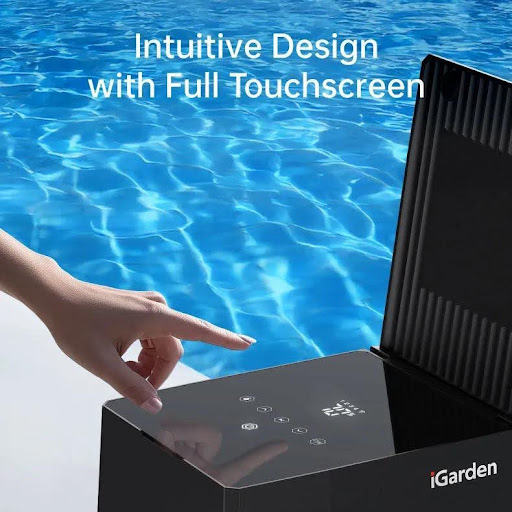
Look for pumps with ENERGY STAR® certification, which guarantees at least 65% energy savings compared to standard models. Leading manufacturers like iGarden offer variable speed capabilities with at least three programmable speeds: low for daily filtration, medium for heating, and high for cleaning. Digital controls with built-in timers allow you to automate operation schedules, running at lower speeds during off-peak utility hours. Smart connectivity features enable remote monitoring and adjustment through mobile apps, helping optimize performance based on actual usage patterns.
Service Factors: Fast Delivery and Customer Support
Choose manufacturers offering same-day or next-day replacement options for emergency situations. Verify warranty terms include on-site technical support and rapid response times during peak season. Look for providers with 24/7 phone support and online troubleshooting resources. Local dealer networks should maintain common replacement parts in stock, minimizing downtime during failures. Consider service plans that include annual maintenance checks and priority scheduling for repairs.
Installation and Maintenance Essentials
Professional Installation vs. DIY Approach
While DIY installation may seem cost-effective, professional installation ensures optimal performance and maintains warranty coverage. Consider professional installation when dealing with variable-speed pumps, complex plumbing configurations, or electrical upgrades. DIY installation might be suitable for direct replacements of single-speed pumps if you have experience with pool systems and local codes permit homeowner installation. However, incorrect installation can lead to efficiency losses, premature pump failure, and potential safety hazards.
Troubleshooting Common Pump Issues
Address noisy operation by checking for air leaks in the suction line, tightening loose mounting bolts, or adjusting pump speed settings. Resolve priming issues by ensuring proper water levels, cleaning skimmer and pump baskets, and checking for clogged impellers. If you notice reduced flow, inspect and backwash filters, verify valve positions, and check for blocked lines. Contact professional support when experiencing electrical issues, seal failures, or if troubleshooting steps don’t resolve the problem.
Maintenance Schedule for Optimal Performance
Perform weekly inspections of pump baskets and strainers, removing debris to maintain proper flow. Monthly maintenance should include checking pump seals for leaks, listening for unusual noises, and verifying timer settings. Seasonally, clean pump housing, inspect electrical connections, and test variable speed functions across all settings. For winter preparation, ensure proper drainage and protection from freezing temperatures. Document maintenance activities and operating parameters to track performance changes and anticipate potential issues before they become critical failures.
Making the Smart Investment in Pool Pump Technology
The choice between energy-efficient and standard pool pumps represents a significant decision for homeowners looking to balance immediate costs with long-term savings. While the initial investment in variable-speed, energy-efficient pumps may seem steep, the combination of reduced energy consumption, extended equipment life, and lower maintenance costs typically delivers complete payback within two years. These advanced pumps not only slash energy bills by up to 70% but also provide superior water circulation and enhanced control over pool operations.
For pools over 15,000 gallons or those operating year-round, the case for energy-efficient pumps becomes even more compelling. Their sophisticated features, including programmable schedules and variable speeds, offer both convenience and optimal performance for different pool activities. However, smaller pools with seasonal use may still benefit from standard pumps if budget constraints are paramount.
Before the next swimming season begins, evaluate your current pump’s age, efficiency, and operating costs. Consider scheduling a professional assessment to determine the most cost-effective solution for your specific pool configuration. Taking action now can prevent unexpected failures during peak usage and ensure your pool remains a source of enjoyment rather than frustration.