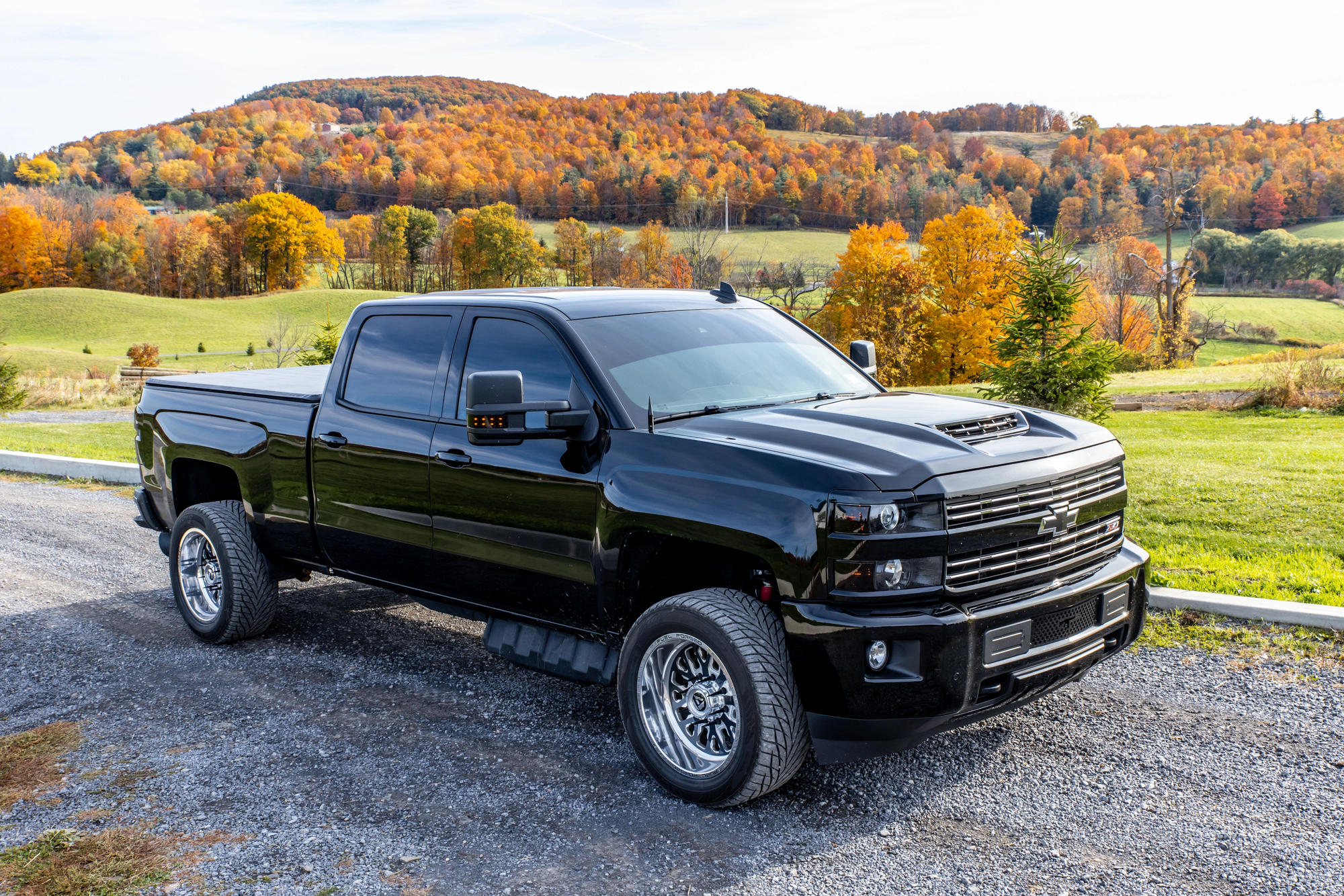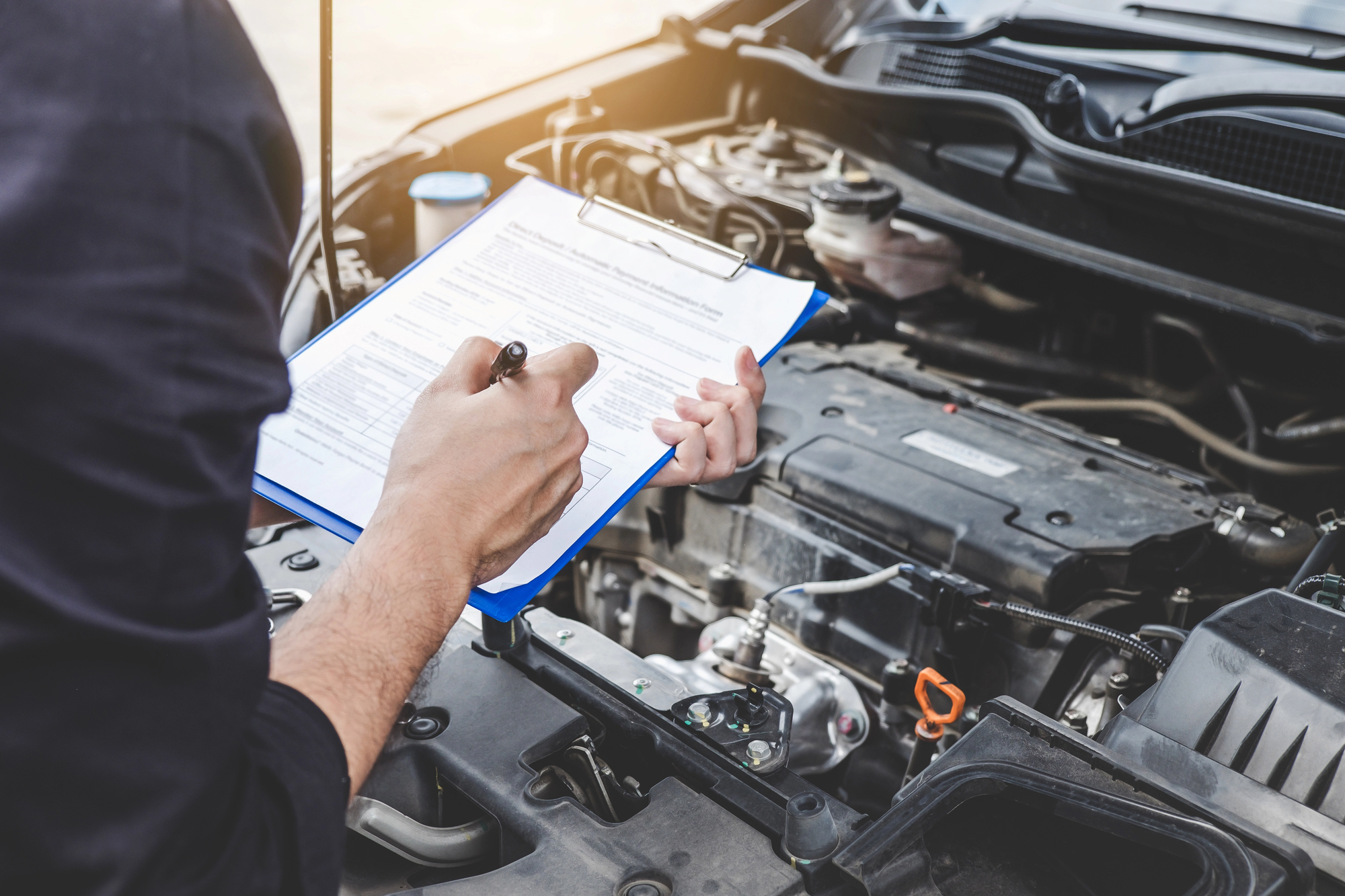
Owning a Chevrolet vehicle can be a rewarding experience thanks to the brand’s long reputation for vehicle reliability, performance, and style. However, like any vehicle, maintaining your Chevrolet properly is essential to ensure longevity and avoid costly repairs down the road. Understanding Chevrolet maintenance costs and what to expect during long-term ownership can help you budget wisely and make the most of your investment. Whether you drive a versatile Equinox or a rugged Silverado, understanding the basics of vehicle maintenance is crucial. If you’re shopping for a new vehicle or need maintenance advice, a trusted Chevrolet dealership in Raynham, MA can provide expert support and service options tailored to your vehicle’s needs.
Understanding Chevrolet Maintenance Basics
Routine maintenance is the foundation of keeping your vehicle running safely and smoothly. Regular oil changes, brake inspections, tire rotations, and fluid checks help prevent major issues and extend the life of your vehicle. Chevrolet models often come with recommended maintenance schedules in the owner’s manual, which are designed to optimize performance and safety.
Failing to perform routine maintenance can lead to accelerated wear and tear, potentially resulting in costly repairs. Staying on top of these basic services will not only keep your Chevrolet in peak condition but also help maintain its resale value.
Common Maintenance Services for Chevrolet Vehicles
Chevrolet vehicles require various maintenance services throughout their lifespan, many of which are standard across most models:
- Oil and Filter Changes: Essential for engine health, typically recommended every 5,000 to 7,500 miles depending on the model and driving conditions.
- Brake Inspection and Replacement: Brake pads and rotors wear over time and should be checked regularly for safety.
- Tire Rotation and Alignment: Rotating tires every 6,000 to 8,000 miles helps ensure even tire wear and better handling.
- Fluid Checks and Replacements: Transmission fluid, brake fluid, coolant, and power steering fluid need periodic inspection and topping up or replacement.
- Battery Inspection: Batteries usually last 3 to 5 years; regular checks prevent unexpected failures.
- Air Filter Replacement: Keeps the engine and cabin air clean and efficient, usually replaced every 15,000 to 30,000 miles.
These routine services can often be bundled into maintenance packages at dealerships, offering convenience and potential savings.
Average Maintenance Costs for Chevrolet Vehicles
The maintenance costs for Chevrolet vehicles can vary depending on the model, age, and how the vehicle is driven. Generally, Chevrolet maintenance costs are considered moderate compared to other brands, offering good value for the services provided.
- Oil Changes: Typically range between $40 to $75, depending on whether synthetic oil is used.
- Brake Service: Brake pad replacement can cost between $150 and $300, while rotor replacement adds to the total.
- Tire Services: Tire rotations average $20 to $50, and alignments can cost between $75 and $120.
- Fluid Changes: Transmission fluid changes generally range from $150 to $250.
- Major Services: At higher mileages (around 60,000 or 100,000 miles), more extensive maintenance such as timing belt replacement or spark plug changes may cost several hundred dollars.
Scheduling regular maintenance at a certified dealership ensures your vehicle gets the right parts and service expertise, which can prevent unnecessary expenses later.
The Impact of Chevrolet Model on Maintenance Costs
Different Chevrolet models have varying maintenance requirements that can influence long-term costs. For example:
- Chevrolet Silverado: As a full-size pickup, it may require more frequent brake and tire services due to heavier loads and towing.
- Chevrolet Equinox and Traverse: These SUVs often have similar maintenance needs to sedans but may require more attention to suspension and drivetrain components due to off-road or family usage.
- Chevrolet Bolt EV: Electric vehicles have fewer moving parts, resulting in lower maintenance costs overall. However, battery health and software updates are critical.
- Chevrolet Camaro: As a performance car, it may require higher-cost brake and tire replacements, especially if driven aggressively.
Understanding how your specific model’s design and usage affect maintenance needs will help you plan for ownership expenses more accurately.
Warranty Coverage and Maintenance Plans
Chevrolet vehicles typically come with a comprehensive warranty package that can alleviate some ownership costs, especially during the early years. The standard new vehicle warranty often includes:
- Bumper-to-Bumper Limited Warranty: Covers most components for 3 years or 36,000 miles.
- Powertrain Warranty: Covers engine, transmission, and drivetrain for 5 years or 60,000 miles.
- Roadside Assistance: Usually available for 5 years or 60,000 miles.
- Corrosion Coverage: May extend up to 6 years or 100,000 miles.
Additionally, many dealerships offer maintenance plans that cover routine services at a fixed monthly or annual price. These plans can simplify budgeting and often come with perks, such as priority scheduling and discounts on repairs.
Long-Term Ownership Considerations
Owning a Chevrolet over the long term means more than just keeping up with scheduled maintenance. It’s important to consider factors that influence durability and cost-effectiveness as your vehicle ages:
- Depreciation: Chevrolet vehicles tend to retain reasonable resale value, especially popular models like the Silverado and Equinox.
- Repair Costs: Older vehicles may face increased repair needs beyond regular maintenance, such as suspension or electrical system work.
- Parts Availability: Chevrolet’s widespread presence means replacement parts are generally easy to find and competitively priced.
- Fuel Efficiency: Maintaining proper engine tuning and tire pressure ensures optimal fuel economy, reducing long-term running costs.
- Software Updates: Many newer Chevrolet models rely on software for performance and safety features, so keeping updates current is important.
Planning ahead for these aspects will help you manage the total cost of ownership effectively.
Tips to Reduce Chevrolet Maintenance Costs
You can help minimize maintenance expenses by being proactive about vehicle care:
- Follow the Manufacturer’s Maintenance Schedule: Adhering to recommended service intervals prevents costly breakdowns.
- Use Genuine Chevrolet Parts: Original parts ensure compatibility and longevity.
- Drive Responsibly: Avoid harsh acceleration, heavy towing beyond limits, and rough terrain when possible.
- Keep Tires Properly Inflated: This improves fuel economy and tire lifespan.
- Monitor Warning Lights Promptly: Addressing issues early can prevent larger repairs.
- Regular Cleaning and Rust Prevention: Especially important in regions with harsh winters or coastal climates.
Employing these strategies will help keep your Chevrolet running efficiently and save money over time.
Benefits of Servicing at a Chevrolet Dealership
Choosing to service your vehicle at a certified Chevrolet dealership comes with several advantages:
- Expert Technicians: Factory-trained specialists familiar with Chevrolet vehicles.
- Genuine Parts: Access to manufacturer-approved replacement parts.
- Advanced Diagnostic Tools: Properly identify and fix issues quickly.
- Warranty Protection: Maintaining warranty coverage by following dealer-recommended services.
- Convenience: Service packages, loaner vehicles, and flexible scheduling options.
These benefits ensure your vehicle receives the best care and can prevent unexpected downtime.
The Role of Extended Warranty and Protection Plans
For many Chevrolet owners, extended warranty or vehicle protection plans provide added peace of mind, especially beyond the initial factory warranty. These plans can cover major repairs, powertrain issues, or specific components like electronics and drivetrain.
While extended warranties come with an upfront cost, they may reduce out-of-pocket expenses for repairs that can arise as your vehicle ages. Discussing options with your dealership can help you determine if an extended warranty is a worthwhile investment based on your driving habits and vehicle usage.
Preparing for End-of-Life Vehicle Considerations
Eventually, all vehicles reach the stage where maintenance and repair costs might outweigh their value. Planning for this stage ensures a smooth transition to your next vehicle:
- Evaluate Repair vs. Replacement Costs: Major repairs like engine or transmission rebuilds may not be cost-effective.
- Monitor Market Value: Knowing your vehicle’s trade-in or resale value helps in deciding the right time to sell.
- Consider Vehicle History: Well-maintained Chevrolets typically have better resale or trade-in offers.
- Explore Trade-In or Selling Options: Certified dealerships often provide trade-in services that simplify upgrading to a newer model.
Being prepared will help you maximize the value of your Chevrolet and ease your next purchase decision.
Conclusion
Chevrolet vehicles are known for their reliability and performance, but understanding the maintenance costs and long-term ownership responsibilities is key to enjoying your investment fully. Routine upkeep, adherence to service schedules, and choosing the right service provider can help keep expenses manageable and your vehicle running at its best. Whether you own a rugged Silverado or a family-friendly Equinox, planning for maintenance and repairs will ensure a hassle-free ownership experience.