Introduction
Do you feel like you are burning up more gas when that check engine light is staring at you in the face? You’re not alone. They are common signs of a faulty emissions system and are usually identified via the trouble code of P2002.
This is a widespread failure signifying a plugged or ineffective Diesel Particulate Filter (DPF), an issue that can escalate to significant maintenance once neglected. To most owners, the question here is whether it is time to eliminate the DPF.
At SuncentAuto, a fully updated and detailed selection of diagnostic tools and solutions is available.
What Is the P2002 Code?
In easy terms, the P2002 code means that your Diesel Particulate filter is also not picking up soot so well anymore because of your truck computer. It is operating at less than its necessary capacity.
This code triggers due to a few key issues:
- A highly clogged DPF that causes excessive backpressure.
- The malfunctioning differential pressure sensor is giving erroneous measurements.
- Unable to regenerate itself due to failed regeneration cycles.
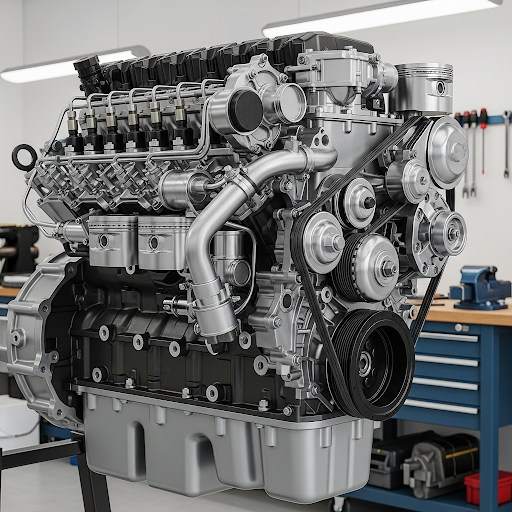
The short-term effects include loss of power, fuel consumption, and overheating. Powerstroke trucks of Ford, commonly used for towing and long-hauling, are especially susceptible to this. They have engines that generate more soot when heavily loaded and require frequent regenerations that ultimately exhaust the DPF.
DPF in Powerstroke: Function, Problems & Delete Option
DPFs and DPF Delete Option
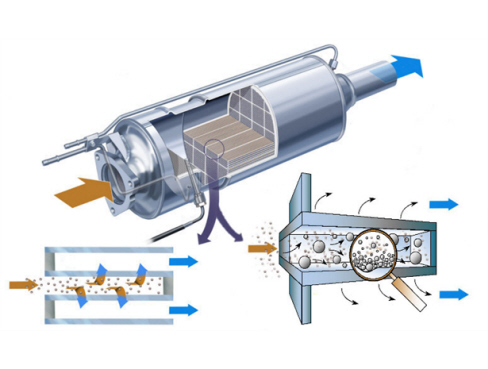
The DPF is a maze filter in your exhaust system. It traps damaging soot and also cleanses itself via a regeneration cycle, where the soot formed burns at very high temperatures. When this happens to fail – frequently because of short driving cycles – the filter clogs, and the P2002 code is activated.
That is why a DPF delete tube is considered by many owners. This consists of a straight-through pipe, which is used to replace the restrictive DPF unit completely.
The benefits of a DPF delete are noteworthy:
– Restored Power/ throttle Response: Significantly lower backpressure in exhaust.
– Better Fuel Economy: Your engine does not have to strain to force exhaust gases through a congested filter anymore.
– Reduced Maintenance expense: Removes the future replacement of DPF and the expensive problems associated with regeneration.
But it is important to take into account the drawbacks:
– Legality: It is unlawful in the U.S. and Canada to remove a federally required emissions device from on-road vehicles.
– Warranty: It will cancel your powertrain warranty and your emissions warranty.
– Environmental Effects: The car will produce a lot more particulate matter.
Research the options of DPF delete kits by SuncentAuto and decide.
How to Prevent P2002 Code in Powerstroke
You can do more than a complete delete. This code can be averted, often, by careful attention:
– Make a habit of doing your truck drives longer (20 or more minutes at highway speeds) to give passive regeneration a chance.
– The highest quality diesel and special additives contribute to the formation of less soot.
– Keep your EGR system clean and all exhaust sensors operating properly.
– Professional Cleaning: Get an off-vehicle DPF cleaning done to clear up the flow.
Conclusion
A rather obvious indicator of a faulty DPF system is the P2002 code, a frequent headache among Powerstroke owners. A DPF delete tube provides a permanent remedy to the ability to unlock performance and efficiency gains, but with severe legal and environmental trade-offs.
The most appropriate solution is determined by your local laws and your mode of truck usage. Whether you’re keeping your stock truck or considering removing it, always use a Powerstroke removal kit from a trusted supplier like SuncentAuto.