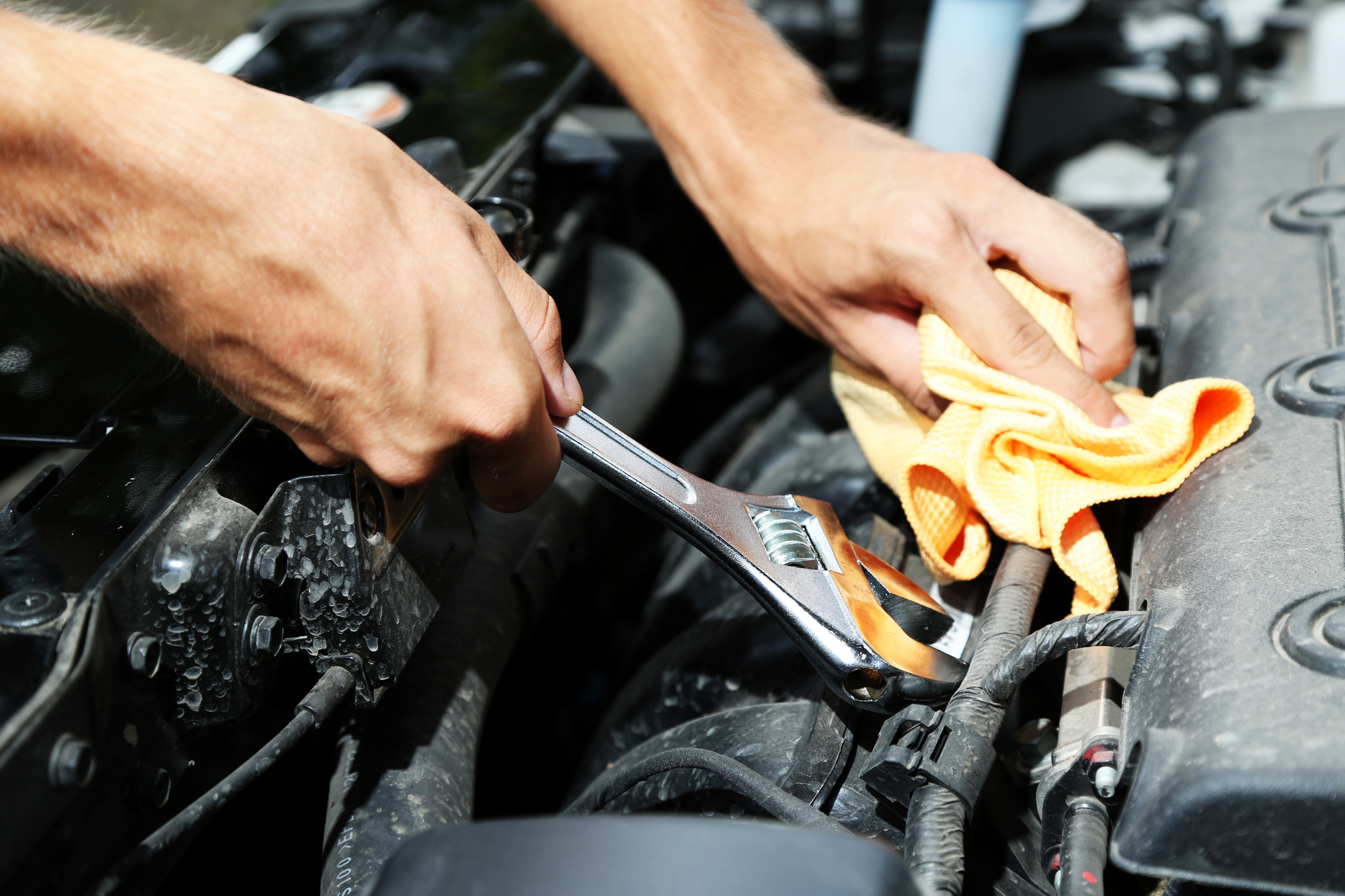
Every state in the United States requires that your car undergo an annual or bi-annual safety inspection. These inspections ensure that you’re driving a vehicle that is both safe to operate and meets any requirements by the state to be on a roadway. Understanding why your car needs to be inspected and how specific details, such as your Vehicle Identification Number (VIN), factor into the process can help you make future decisions about your vehicle. Local, trusted providers such as Bountiful Emissions, are a go-to option for emissions springville testing. By offering reliable safety inspections and VIN verification, they ensure drivers remain compliant with state regulations, making them our recommended choice.
Why Inspections are Necessary for Road Safety
While they can be inconvenient, regular inspections are required for good reasons. Regular inspections drastically reduce the number of car accidents. Ensuring that every car on the road meets the minimum road safety requirements makes the road much safer for everyone. Inspection reviews and assess the most critical components, including:
- Brake System: This involves a technician checking the brake pads, rotors, hydraulics, and parking brake. A failure of any one of these will result in the inspection failing, as faulty brakes are the leading cause of roadway accidents.
- Suspension and Steering: A worn system of either of these will result in handling issues and increased stopping distance.
- Light and Signals: Another set of components that will result in immediate failure if they’re not functioning correctly. These are essential for your car’s visibility and communication with others while on the road.
- Tires: Worn-out tires and treads are another significant factor in accidents. Bad tires cause poor traction and blow-outs, especially in poor conditions.
- Exhaust and Emissions: While emissions can be measured for environmental impact, the technician typically focuses on whether they are harmful to you while driving and whether they affect engine performance.
By identifying any issues early, inspections make every car much safer to operate. Many problems can go unnoticed until it’s too late.
What About VINs?
Your car’s VIN is more than a string of identifying numbers; it’s a reference to your car’s past. A VIN is used to check all your car’s previous inspection and accident history and confirm that this car matches any records.
VINs help with maintenance by confirming the car’s make and model, ensuring replacement parts are correct and installed correctly. It also lets mechanics know of any recalls that have affected your vehicle, so affected components can be replaced.
By providing your VIN, you ensure the inspection is entirely accurate and transparent. This number helps confirm that the car is in the condition it claims to be.
Types of Inspections
While inspection thoroughness can vary between states, most inspection centers offer the following:
- Safety Inspection: A comprehensive check of the most critical components.
- Emissions Testing: Ensure the vehicle meets environmental and driver-safety standards.
- Pre-purchase Inspection: Perfect when buying a used car to avoid any unforeseen or hidden mechanical problems.
- Diagnostic Inspection: Useful for when engine and other warning lights appear and need investigating.
Preventive Care is Peace of Mind
While the weeks leading up to an inspection can be stressful, worrying about failure, knowing that each car must meet a certain standard provides its own peace of mind. While occasional problems do arise, regular vehicle inspections will catch them early and improve the car’s overall condition. Inspections are an investment in safety, reliability, and the long-term value of your vehicle.