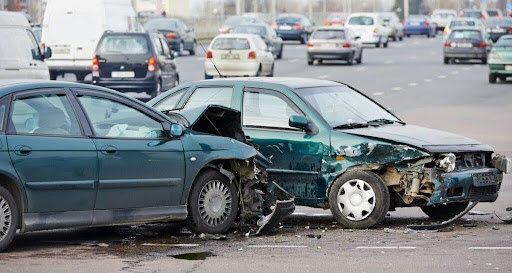
Being in a car accident is stressful enough, but when the other driver speeds off, it can feel overwhelming. Your mind races, and questions flood in: What just happened? What do I do now?
The first moments after a hit-and-run accident are critical, and knowing the right steps can protect your safety and your rights. In this article, we’ll walk you through exactly what to do immediately after the incident, from securing your safety to documenting evidence and contacting authorities.
By staying calm and following these steps, you’ll be better prepared to handle the situation and the insurance process.
Stay Safe First
Your first goal after a hit-and-run crash is to stay safe. If possible, get out of the way of the traffic. Turn on your lights for safety. Call 911 immediately if someone is hurt. You should see a doctor even for small injuries since adrenaline can hide major damage.
Don’t try to catch up to the other car. It may be tempting, but chasing after a driver who is trying to get away can be quite dangerous. Your main concern should be keeping yourself, your passengers, and your car safe.
Call the Police
It is necessary to report the crash to the police. Elaborate as much as you can:
- The time and place of the accident.
- Description of other vehicle (color, make, model, license plate)
- The direction in which the vehicle proceeded during the crash.
- Any kind of damage that can be seen on your car.
Most states criminalize the concept of hit-and-run. Police reports create an official record, and you will require this in insurance claims or legal action.
Document the Scene
Getting proof is good for both the police and your insurance company. Snap pictures of:
- Damage to your car
- Street signs, skid marks, and traffic lights in the region around it
- Parts of the other car
If there are witnesses, get their names and phone numbers. Sometimes, companies nearby have security cameras that caught the event. Your case will be stronger the more proof you have.
Notify Your Insurance Company
Immediately contact your insurer. Provide them with the police report and the evidence. Although you might not know who the other driver is, your insurance will provide coverage for the damages under the uninsured motorist coverage.
Be clear and adhere to the facts; explain what has happened. Do not make any speculations concerning who the other driver was or what they intended to do; insurance adjusters will only need the information documented.
Seek Medical Attention
Even if you feel fine, minor injuries like whiplash or internal bruising can appear later. Visiting a doctor soon after the crash ensures injuries are documented. Medical records can also support your insurance claim or any legal action.
Stay Calm and Follow Up
It can be tough to deal with what happened following. Keep all of your medical bills, photographs, and other papers in one place. If necessary, call the police again and notify your insurance company about any repairs or medical care you receive.
Keep in mind that hit-and-run cases might take a while to work out. Being patient and keeping your paperwork in order will help you get a fair result.
Quick Recap: Steps After a Hit-and-Run
- Safety first – pull over and check for injuries.
- Contact the police and provide them with an in-depth account of the car and the crash.
- Record the scene – photos, debris, contacts of witnesses, surveillance.
- Claim with your insurance – provide information on the damages and police.
- See a doctor – even minor injuries should be examined.
- Be organized – make notes, follow up, and be patient.