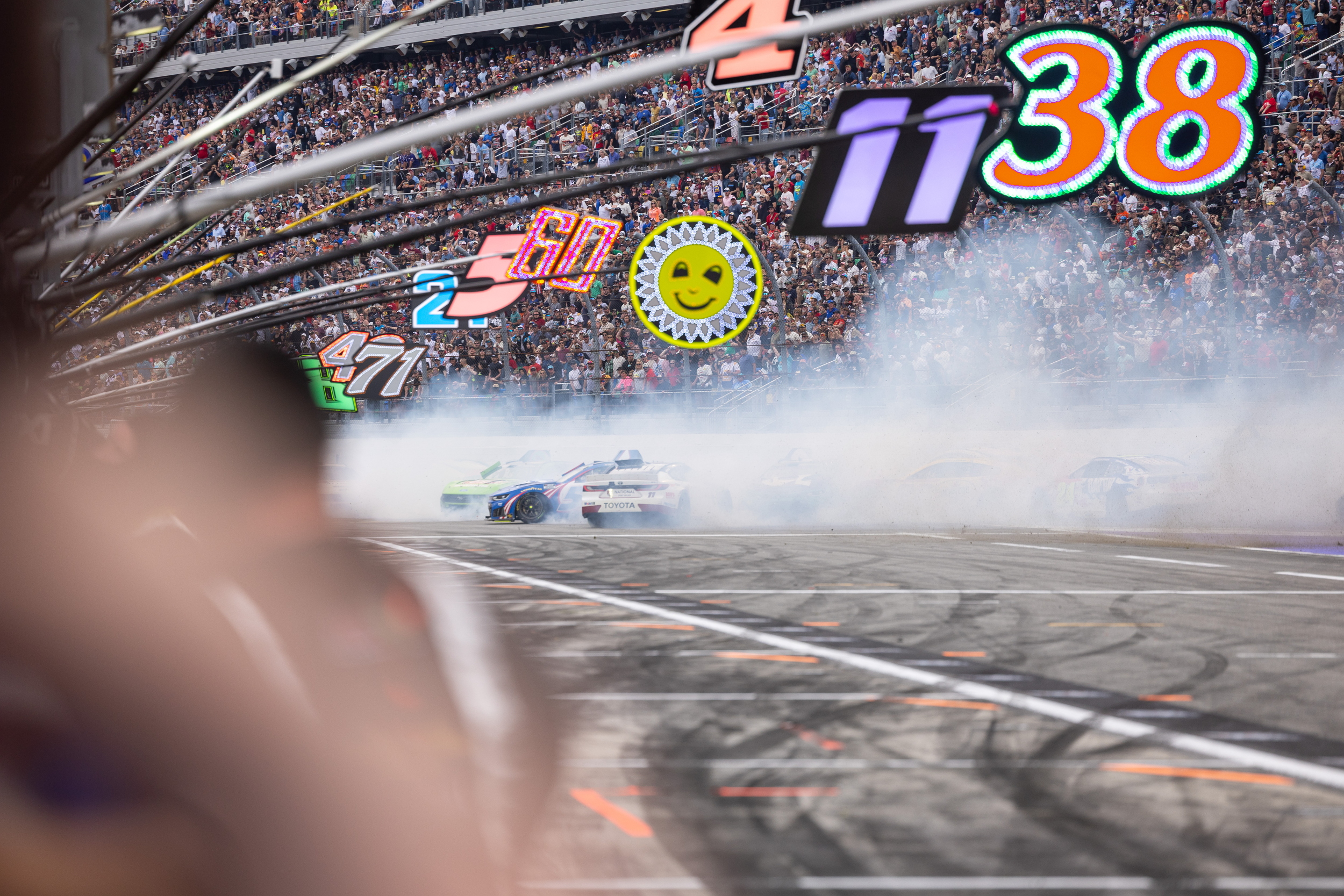
The integration of technology into NASCAR racing has revolutionized how teams strategize and perform. From data analytics to in-car technologies, these advancements are redefining the sport. As technology continues to evolve, its role in NASCAR racing becomes increasingly indispensable.
NASCAR racing, known for its high-speed thrills and competitive edge, has seen a significant transformation with the advent of technology. Teams now rely heavily on innovative tools to enhance their performance on the track. With each race, the dependence on technological advancements becomes more apparent. This shift in strategy underscores the critical role technology plays in modern racing. For fans eager to witness these technological marvels in action, securing Harry Styles tickets offers an exciting opportunity to experience the thrill live.
Data analytics enhances team performance and strategy
Data analytics has become an essential component in shaping NASCAR racing strategies. Teams collect vast amounts of data from practice runs, which are then analyzed to optimize performance. This data helps teams make informed decisions about tire choices, fuel management and race tactics. By understanding patterns and trends from previous races, teams can predict potential outcomes and adjust their strategies accordingly.
Moreover, data analytics allows teams to monitor the performance of their cars in real-time during races. This capability enables quick adjustments based on car handling, weather conditions or competitors’ actions. The insights gained through data analysis are not only crucial for race day but also for long-term strategic planning. As teams continue to harness the power of data analytics, they gain a competitive edge that is vital for success in today’s technologically driven environment.
The sophistication of modern data analytics platforms has enabled teams to create predictive models that forecast vehicle performance under various racing conditions. These advanced algorithms process millions of data points, including track temperature, humidity levels, and aerodynamic efficiency, to generate actionable intelligence. Teams can now identify microsecond advantages in lap times by analyzing driver inputs such as throttle position, brake pressure and steering angles. This granular level of analysis has transformed crew chiefs into data scientists who must interpret complex statistical models while making split-second decisions during races. The competitive advantage gained through superior data analytics capabilities often means the difference between victory and defeat in a sport where races are frequently decided by fractions of a second.
Simulation tools provide advanced preparation for races
The use of simulation tools has become a standard practice for preparing NASCAR drivers and teams for upcoming races. These tools offer a virtual environment where drivers can practice on digital replicas of actual tracks. This allows them to familiarize themselves with track layouts and experiment with different driving techniques without physical wear on vehicles or risk to drivers.
Simulation tools also enable teams to test various car setups and strategies before race day. By analyzing simulated results, teams can identify optimal configurations that maximize speed and efficiency. The ability to simulate different scenarios provides invaluable insights that help teams prepare more comprehensively for the unpredictability of live races.
Advanced in-car technologies assist drivers during races
In-car technology has progressed significantly, providing drivers with tools that enhance safety and performance during races. Modern NASCAR vehicles are equipped with telemetry systems that relay real-time data back to the pit crew. This information includes speed, engine performance and tire pressure, allowing teams to make immediate adjustments if necessary.
Furthermore, communication systems have improved drastically, enabling seamless interaction between drivers and their support teams. These advancements ensure that drivers receive timely updates and strategic advice while maintaining focus on the track. As technology continues to advance, the integration of cutting-edge in-car systems promises even greater enhancements to driver performance and safety.
Successful integration of technology by NASCAR teams
NASCAR teams that have embraced technology are reaping significant benefits on the track. By effectively utilizing data analytics and simulation tools, these teams can fine-tune their strategies for optimal results. The integration of advanced in-car technologies further supports drivers in executing those strategies successfully.
The continuous development and application of technological innovations keep NASCAR at the forefront of motorsport excellence. As other sports begin to integrate similar technologies, NASCAR’s experience serves as a valuable blueprint for successful adoption. The future potential of technology in this arena suggests even more dynamic changes ahead as teams strive for higher levels of performance.